Pioneering molecular-designed soy isolates tailored for advanced food matrices and optimal rheological control.
A technical deep-dive into molecular structure, interfacial activity, and functional behavior in food systems.
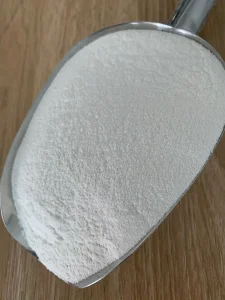
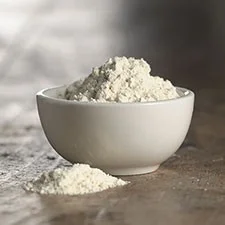
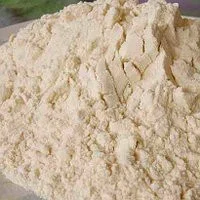
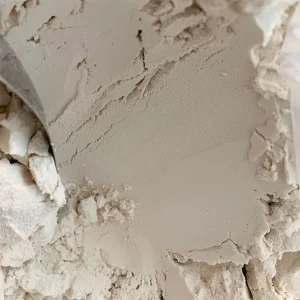
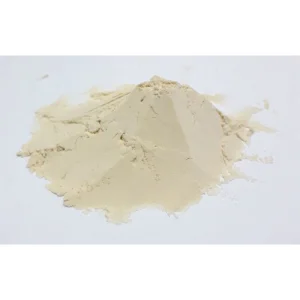
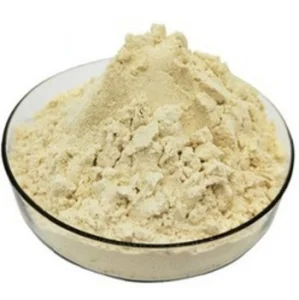
Emulsified soy protein isolate (SPI) stands at the pinnacle of functional food chemistry, offering critical structural characteristics necessary for modern processed meats, vegetarian matrices, and high-stability dairy alternatives. At a molecular level, the emulsifying capacity of SPI is governed by the structural ratio and conformational flexibility of its globulin fractions, primarily 7S (beta-conglycinin) and 11S (glycinin). The hydrophilic-lipophilic balance (HLB) of these complex quaternary proteins allows them to align at the oil-water interface, reducing interfacial tension and forming a highly resilient, viscoelastic film that prevents droplet coalescence.
Our emulsion-type isolates are engineered to optimize 7S subunits, facilitating fast surface denaturation and strong molecular adsorption at oil droplets, preventing phase separation even under high pasteurization shears.
Upon thermal processing, the unfolded protein chains interact via hydrophobic links and disulfide covalent cross-linking, transforming the fluid emulsion into a solid, cohesive food matrix.
Carefully balanced elastic storage moduli (G') and viscous loss moduli (G") ensure excellent yield values, giving chopped meat batters and meat alternatives the perfect bite structure.
During mechanical chopping and emulsification, raw proteins are subjected to intense mechanical stress. Traditional proteins can denature too quickly and precipitate out of solution, leading to fat pooling. Our advanced 9007B-A and 9007B-C series are formulated with a molecular conformation that withstands temperatures up to 85°C at high shear rates, maintaining stable oil-in-water emulsions with an average droplet size below 5 microns. This micro-structural control reduces purge in vacuum packaging and improves product yield during high-pressure processing.
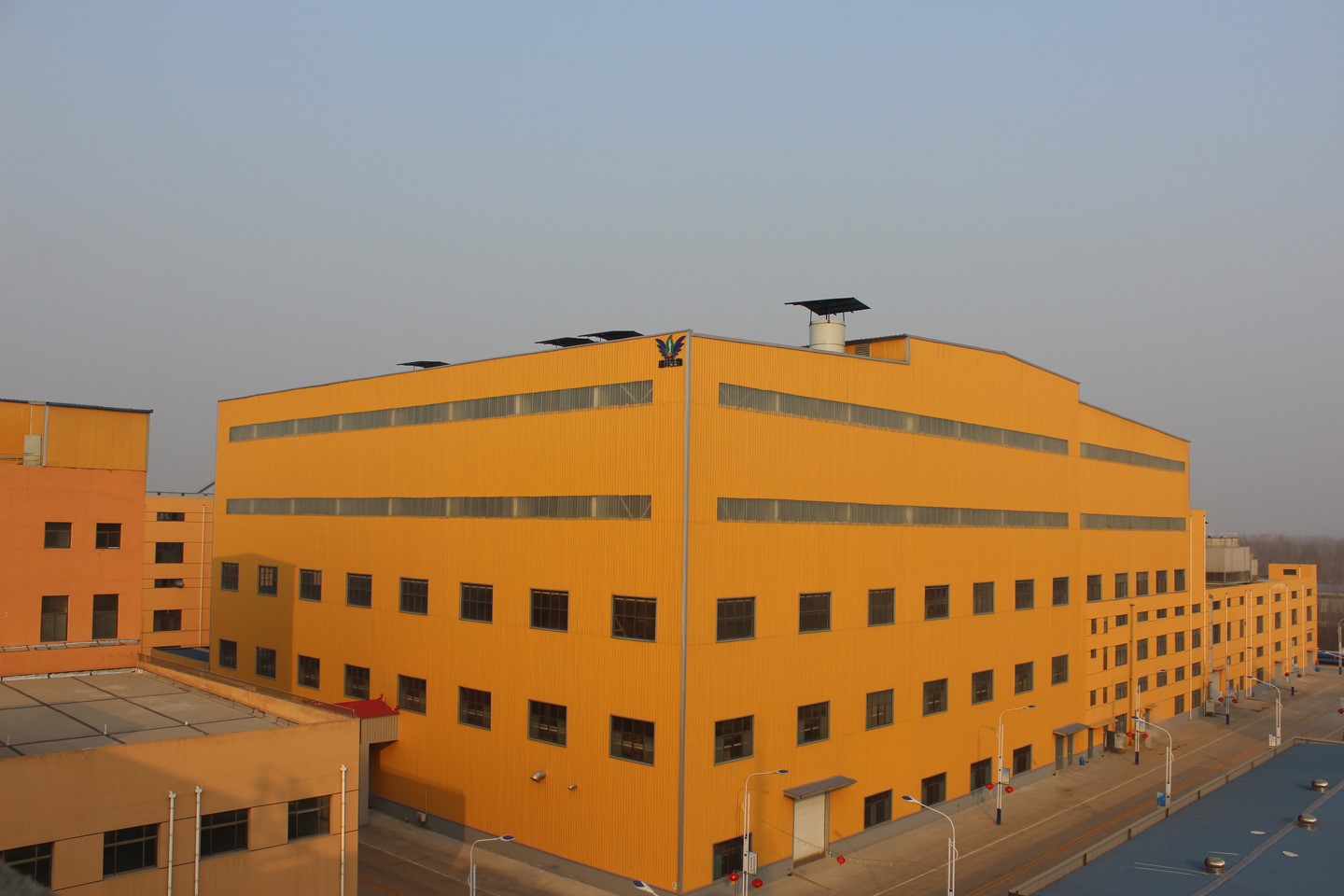
Xinrui Group, established in May 2003, covers a total footprint exceeding 1,000 mu. Over decades of intensive scientific and processing growth, we have evolved into a highly integrated, circular-economy giant. Our industrial portfolio encompasses urban co-generation, gas supply, urban heating, and advanced raw grain processing, generating an annual industrial output of 2.8 billion RMB.
Under this strong corporate umbrella, Guanxian Xinrui Industrial Co., Ltd. (formerly Guanxian Ruixiang Biotechnology Development Co., Ltd) was founded in 2007 with 100 million Yuan in registered capital. We operate an advanced facility capable of processing 500,000 tons of wheat flour annually, extracting high-purity wheat gluten and wheat starch via state-of-the-art tri-canter separation technologies. The closed-loop design converts byproducts like pentosan and low-grade starch into clean biofuels and animal nutrition, setting global standards for zero-waste production.

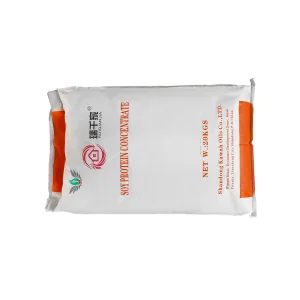
Established in 2014 with 120 million Yuan in registered capital, Shandong Kawah Oils Co., Ltd. serves as our group's technological engine for soybean processing. Handling 180,000 tons of premium domestic NON-GMO soybeans annually, the enterprise implements step-by-step extraction. We produce food-grade low-temperature soybean meal, high-emulsification isolated soy protein, and soluble dietary fiber.
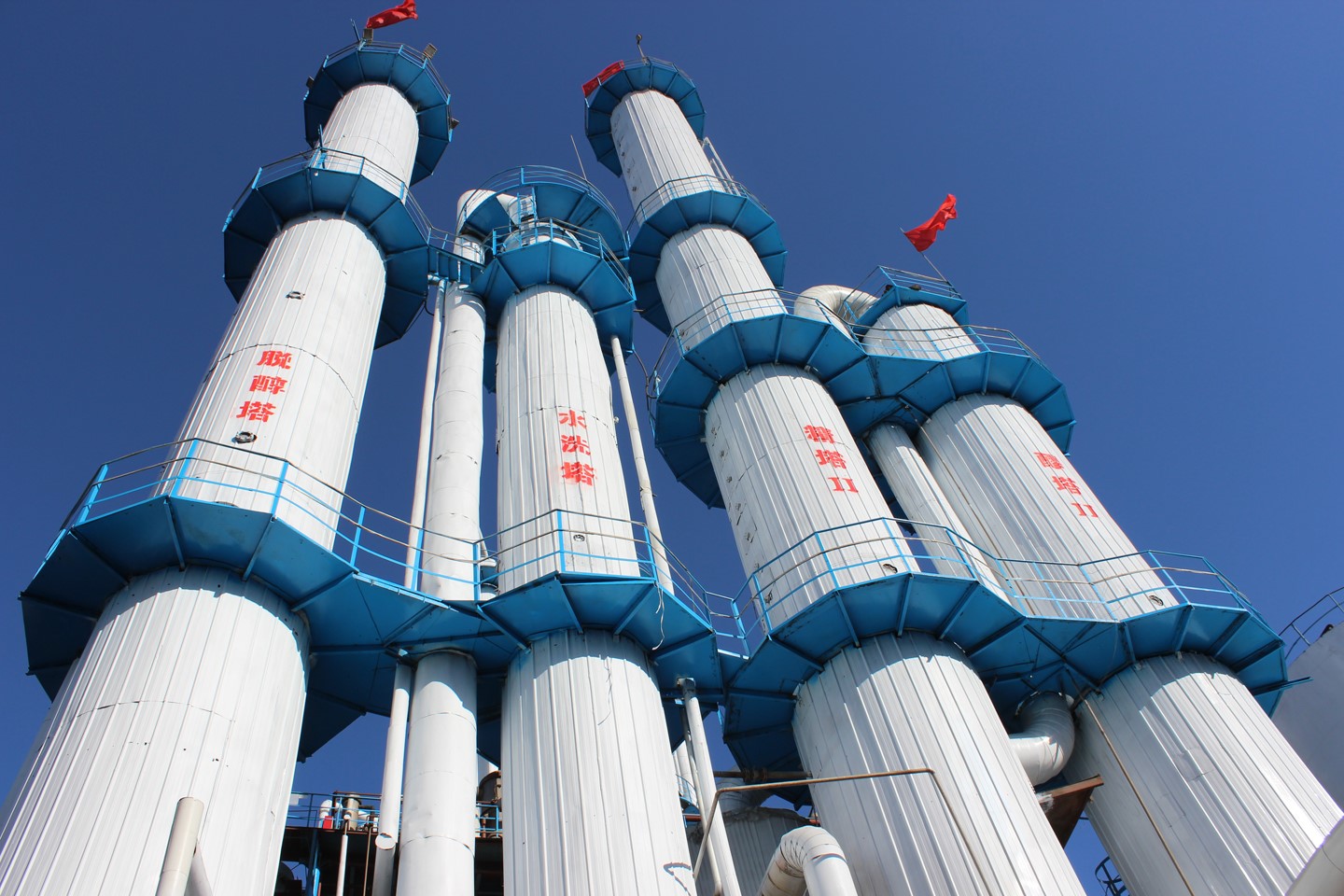
Our core physical extraction and drying lines feature the internationally recognized DACHUANYUAN spray drying tower system. Representing one of the largest single-line drying capacities in China, this technology ensures gentle thermal treatment, preservation of biological protein structures, and consistent particle size distribution for fast, lump-free dispersion in industrial mixers.
Bridging scientific function with cultural food preferences across global commercial channels.
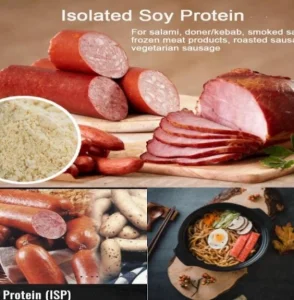
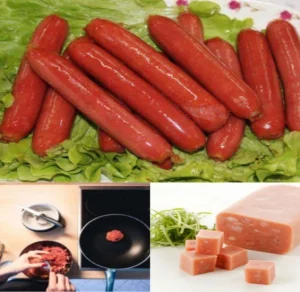
Designed for Frankfurt-style sausages, hams, and hot dogs. SPI 9007B-A builds a gel-emulsion matrix that binds water (1:5:5 ratio of protein:water:oil), stabilizing large fat particles during thermal pasteurization and preventing lipid weepage.
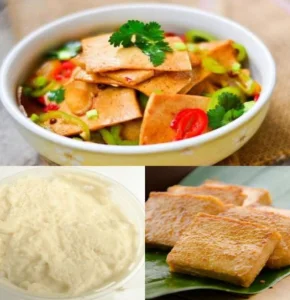
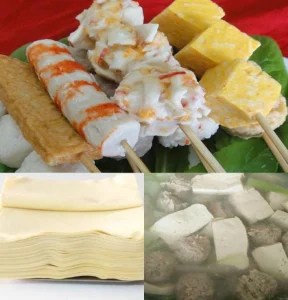
For fish balls and structural silken tofu. Our 9003B and 9005B series feature controlled viscosity curves that allow mixing into surimi batters without premature gelation, ensuring elasticity and smooth mouthfeel post-steam.
Used to form strong texturized plant protein (TVP) profiles in vegan burgers, sausages, and nuggets. Offers clean, non-beany taste profiles combined with high water retention properties to mimic meat juiciness.
How our vertical integration models protect clients from price volatility and product shortages.
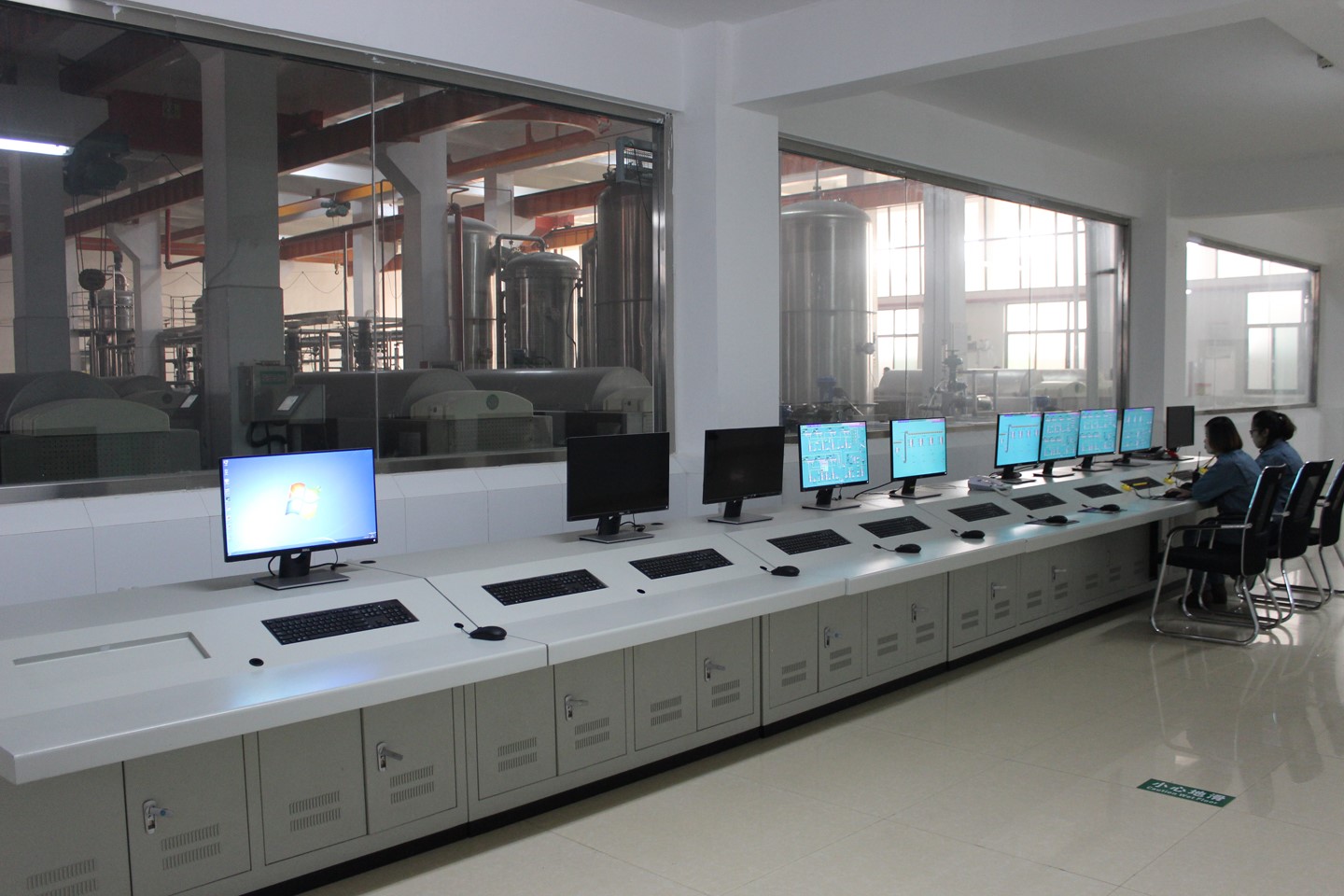
In modern industrial raw material sourcing, price stability and environmental sustainability are as important as chemical performance. The Xinrui Group operates a fully closed-loop agricultural industrialization ecosystem. By owning wheat and NON-GMO soybean planting bases, we control our crop quality from seed selection to final logistics.
Our co-generation plant provides urban heating and gas supply to local communities while feeding high-pressure steam directly to Shandong Kawah Oils and Guanxian Xinrui Industrial facilities. This configuration shields our extraction towers from energy price fluctuations and reduces our carbon footprint per ton of protein produced by over 25% compared to isolated manufacturers.
Take a virtual tour of our high-capacity drying towers, packaging floors, and testing laboratories.
Ensuring complete compliance with global food regulations, traceability, and religious dietary laws.
Exporting over 70% of our capacity through our trade division, Guanxian Ruichang Trading Co., Ltd., we maintain complete control over international document clearing, container stuffing, and custom inspections. Our facility implements strict quality controls to prevent cross-contamination and ensure batch uniformity.
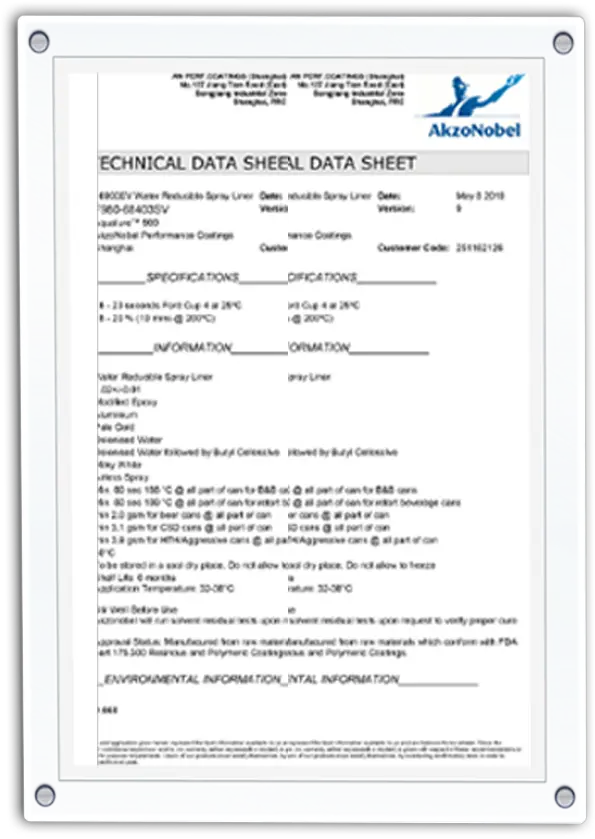
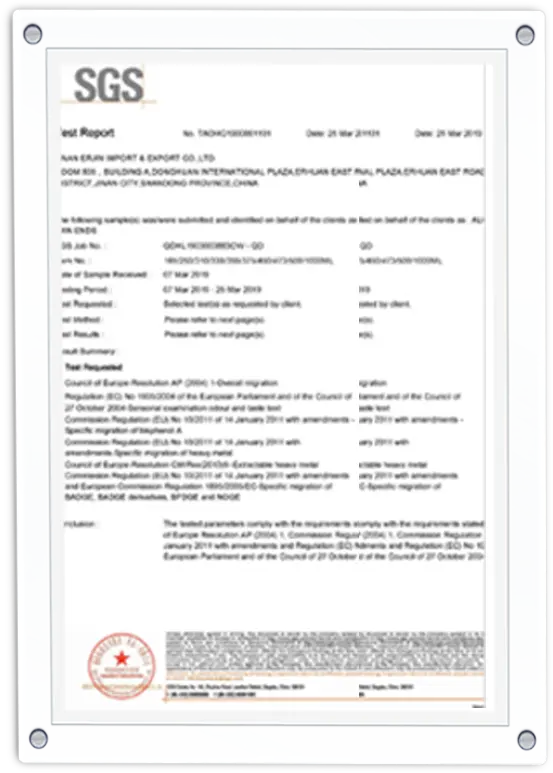
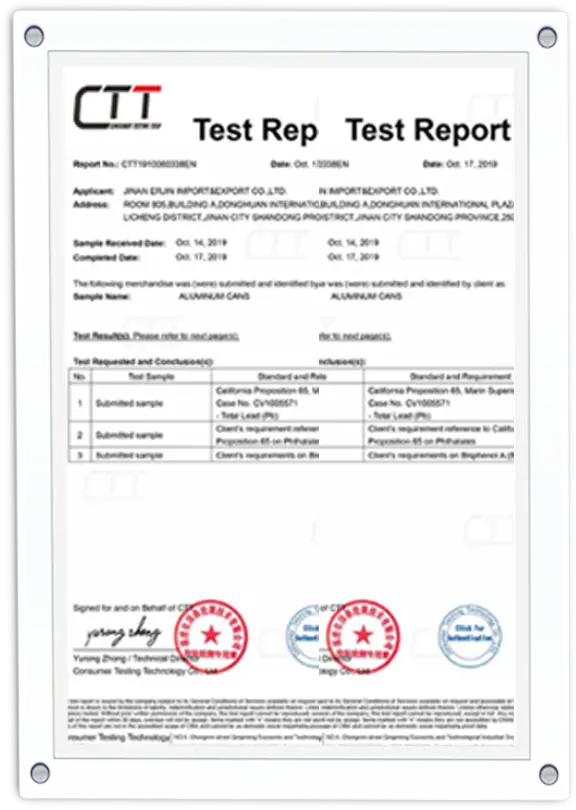
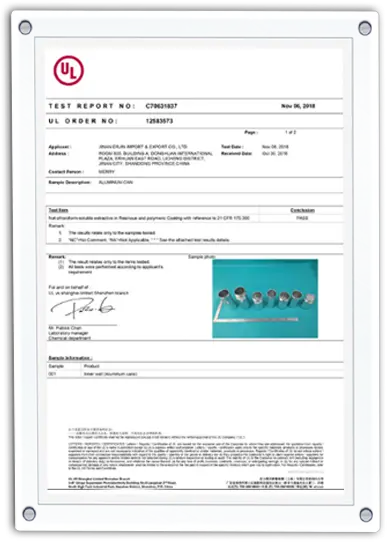
Strategic directions in protein modification, green technologies, and sensory improvements.
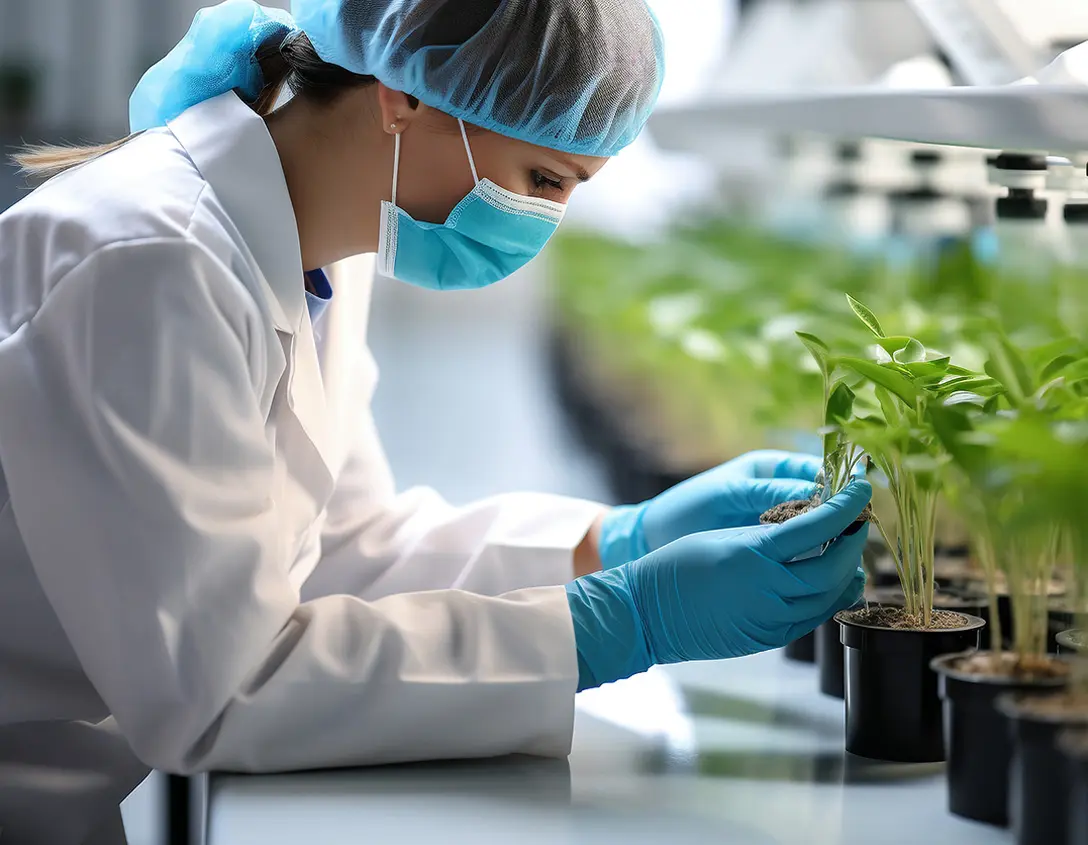
Our research and development pipeline focuses on combining target enzymatic digestion with physical microfluidization. This approach opens up dense globulin structures to expose hydrophobic zones, increasing emulsification properties without the use of chemical additives.
To support delicate applications like plant-based milks and baby formulas, we are developing advanced low-temperature extraction technology. This process limits lipoxygenase oxidation, eliminating bean-like tastes directly during the separation stage.
By upgrading our energy generation lines to utilize agricultural wastes, Shandong Kawah Oils and Guanxian Xinrui Industrial aim to decrease carbon emissions per ton of product by another 20% within the next three years, aligning with global corporate sustainability goals.
Recognizing the rise of clean-label consumer trends, we are expanding our technological research to combine soy isolates with vital wheat gluten, functional dietary fiber, and new pulses, creating custom solutions for plant-based food manufacturers.
Clear technical answers to help simplify your raw material procurement decisions.
From high-dispersion beverage isolates to specialized injection proteins and plant-based fibers.
 Xinrui Group