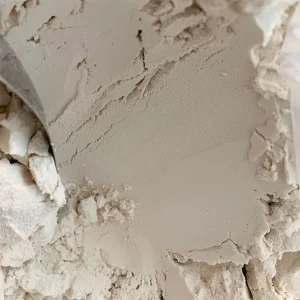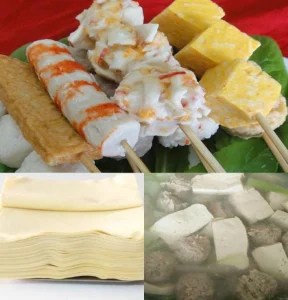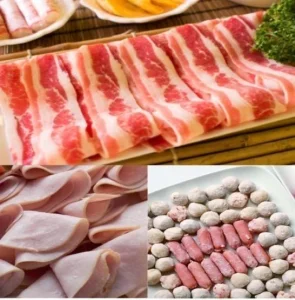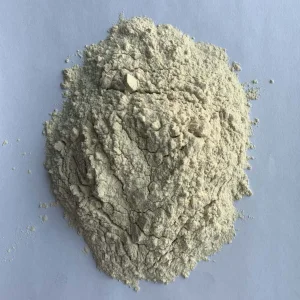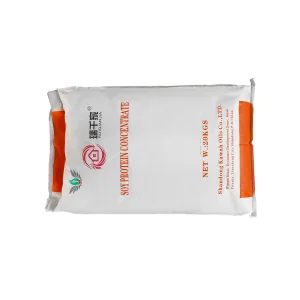
Injection Type Soy Protein Isolated: B2B Sourcing Guide

Premium Non-GMO Functional Proteins Engineered for Water-Binding, Low Viscosity, and Optimal Meat Injection Efficiency.

50,000T

Annual Soy Protein Isolate Production

180,000T

Annual Non-GMO Soybean Processing

500,000T

Wheat Flour Processed Annually

70%+

Direct Export Ratio to Worldwide Markets

1. Global Industrial Landscape of Injection-Type Soy Protein

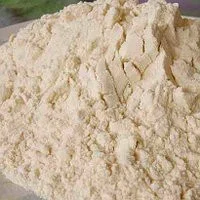
In modern industrial food processing, the demand for highly functional plant protein derivatives has escalated rapidly. Among these, Injection-Type Isolated Soy Protein (ISP) represents a pinnacle of biochemical tailoring. Designed specifically for low-viscosity applications under high pressure, this protein is engineered to resolve a classic manufacturing paradox: maintaining high gel strength and water absorption while preventing clogging in automated multi-needle brine injectors.

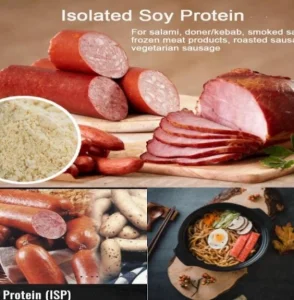
From North American meat packaging conglomerates to European deli suppliers, global businesses rely on injection-grade soy proteins to enhance yield, improve texture, and maintain juiciness in whole-muscle cuts like cooked hams, bacon, and poultry breasts. The global push towards clean labels and cost-efficient meat hybrid formulations has further accelerated the market share of premium isolated soy proteins.

Low-Viscosity Dispersion

Formulated to dissolve quickly without clumping, enabling a smooth passage through standard 2mm injector nozzles without precipitating or creating sticky residues.

Exceptional Water Binding

Holds up to 1:6+ parts water under heat-induced processing, trapping moisture inside the myofibrillar protein matrix during cooking cycles.

Non-GMO IP Supply Chain

Meets the stringent European Union food regulation criteria and global non-GMO identity preservation (IP) standards.

2. China's Factory Efficiency & Scale Advantage

The manufacturing capabilities of Chinese bio-industrial centers, particularly within Shandong's agricultural corridor, have set new global benchmarks for protein isolation. Shandong Kawah Oils Co., Ltd (a key subsidiary of the Xinrui Group) spearheads this revolution with an annual processing capability of 180,000 tons of NON-GMO soybeans.

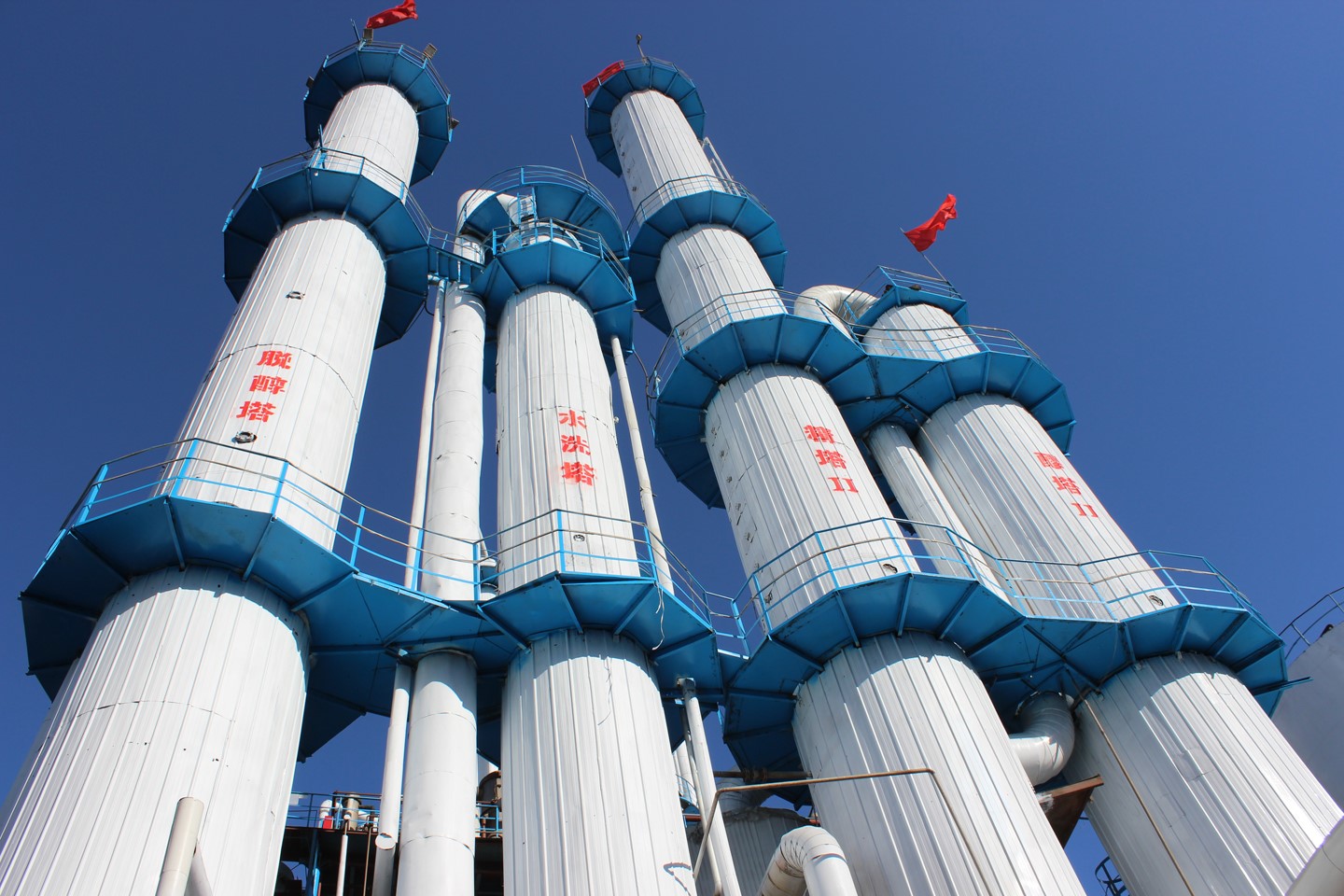
Our competitive advantage is anchored in our massive single-line infrastructure. Kawah Oils features the largest spray drying tower in China, imported from DACHUANYUAN. This specialized equipment facilitates flash-drying under strictly monitored temperatures, ensuring the soy protein isolate (such as the 9020 Injection series) retains its functional tertiary structure. This maintains superior dispersibility and cold-gelling properties, which are often degraded in smaller, legacy spray-dry plants.

By controlling the process from domestic NON-GMO soybean cultivation bases to extraction, drying, and direct export through Guanxian Ruichang Trading Co., Ltd, we deliver industrial stability, consistent batch quality, and an uninterrupted supply chain that global purchasers depend on.

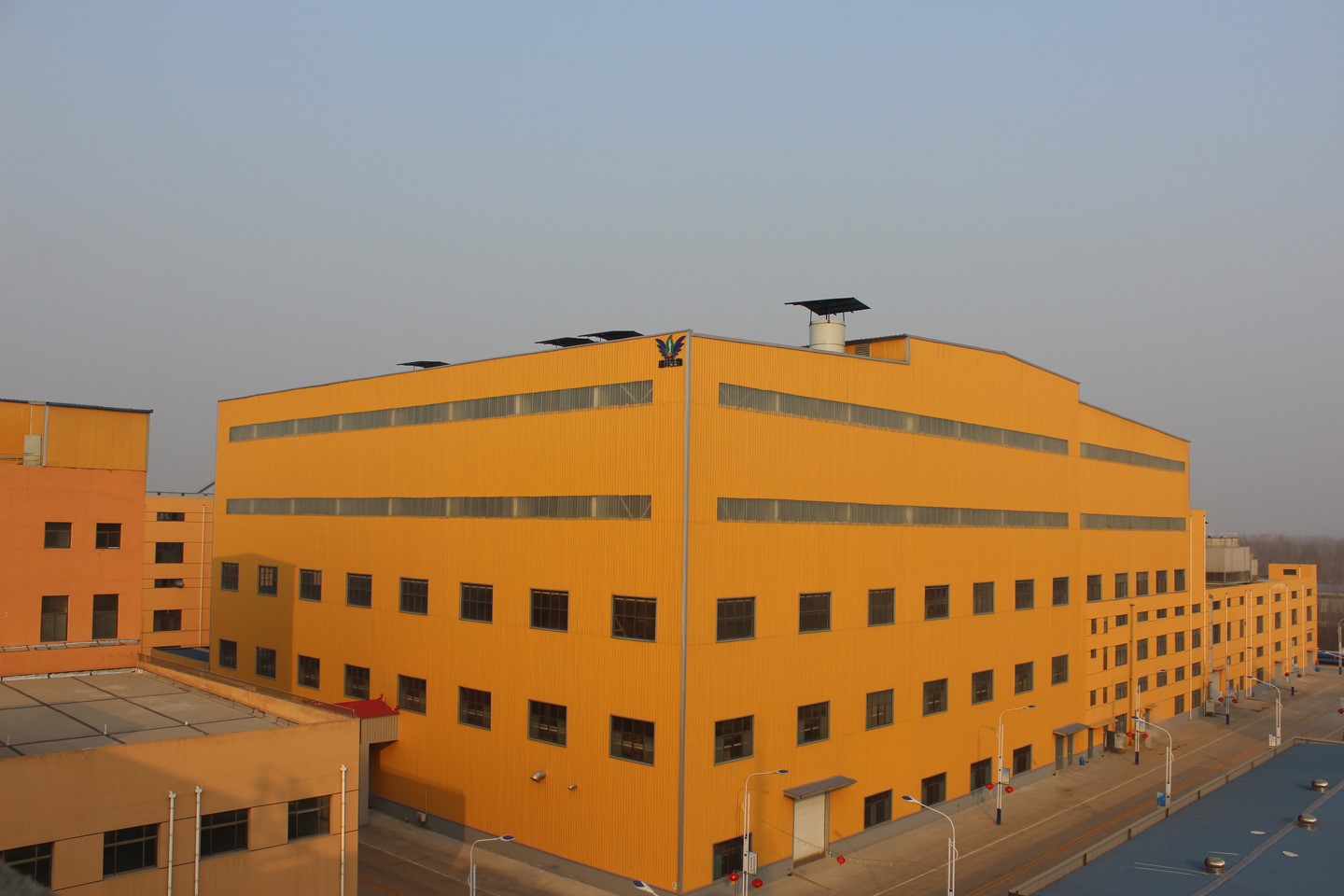
Xinrui Group Factory Overview

About Xinrui Group & Shandong Kawah Oils

An integrated agribusiness circular economy generating 2.8 billion RMB in annual output value.

Established in May 2003, XINRUI GROUP has grown into a highly diversified agricultural conglomerate covering an area of more than 1,000 mu. Under its corporate umbrella, the group manages a fully integrated circular economy chain spanning cogeneration power plants, urban heating, industrial gas supply, and deep agricultural processing of wheat and soybeans.

Guanxian Xinrui Industrial Co., Ltd.

Set up in 2007 with 100 million Yuan in registered capital. It processes 500,000 tons of wheat flour annually, extracting high-purity vital wheat gluten (30,000 tons/year) and wheat starches (A and B grades). The plant uses state-of-the-art tri-canter separation technology in a clean, fully closed, automated environment, producing secondary raw materials for green alcohol and high-value animal feed.

Shandong Kawah Oils Co., Ltd.

Founded in 2014 with 120 million Yuan in registered capital. Acting as the group’s soy-centric biotechnology hub, it utilizes domestically grown, non-GMO soybeans to step-by-step extract premium cooking oil, low-temperature soy meal, isolated soy protein (50,000 tons/year), and dietary fibers. The plant hosts the DACHUANYUAN spray drying tower, the largest single-line facility of its kind in China.

Factory Interior Advanced Lab Testing

To facilitate global trade, Guanxian Ruichang Trading Co., Ltd. was established in 2011. Ruichang Trading directly manages the export operations for the group's manufacturing facilities, exporting over 70% of our total soy isolates, wheat gluten, dietary fiber, starch, and superior grade ethanol directly to international destinations. This direct-from-factory trading model optimizes logistical efficiencies, guarantees traceability, and significantly reduces intermediary markup for global buyers.

3. Localized Applications & Industry Trends

How different regional markets utilize injection-grade soy protein isolates and where the market is moving next.

Western Europe & Latin America: Deli Ham Processing

In high-yield ham formulations, curing brine containing dissolved 9020 Injection Protein is injected directly into whole muscle pork. Under vacuum tumbling, the protein interacts with myosin, binding free water and ensuring that slicing does not lead to liquid purge, maintaining a clean visual appearance on store shelves.

North America: Poultry and Breast Injection

Injecting turkey and chicken breasts with soy protein brine prevents dryness caused by overcooking. Viscosity must remain close to water during the process to ensure even distribution of brine throughout the dense muscle fibers without leaving noticeable protein pockets.

Future Trend: Clean Label and Non-GMO Security

Consumers globally are demanding transparency. IP (Identity Preserved) Non-GMO certification is now mandatory for entry into premium segments. The transition from chemical binders like phosphates to plant-derived proteins is driving the growth of clean-label alternatives in both animal meats and hybrid plant-based substitutes.

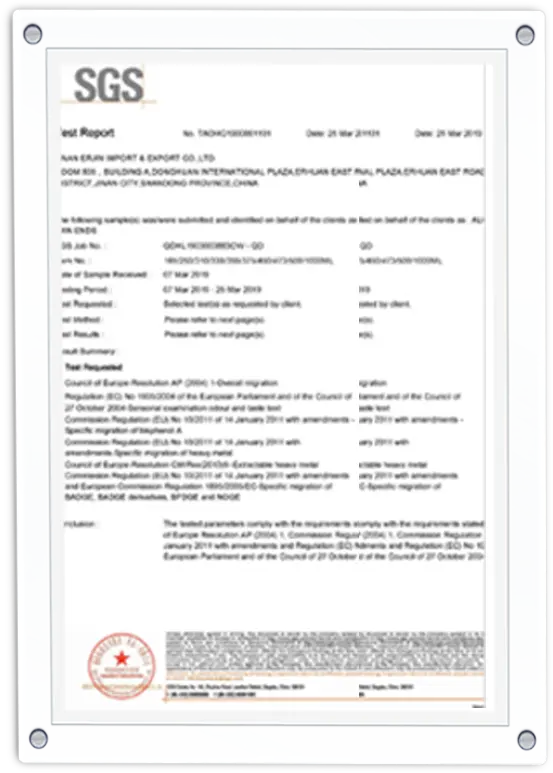
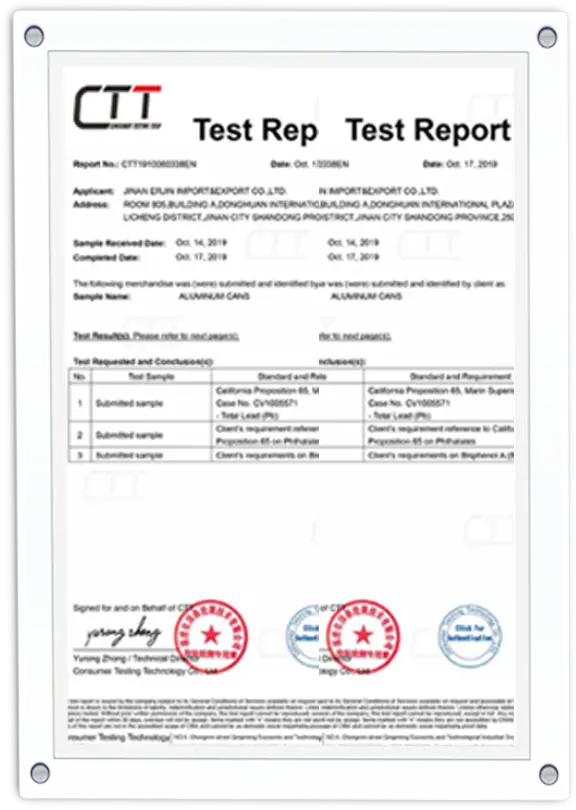
Global Quality Standard Certifications

Our production facilities maintain compliance with international food safety and quality control systems.

BRC Global Standard Certification

BRC Food Safety

Kosher Certification

Kosher Certified

Halal Certification

Halal Approved

ISO Certification

ISO 22000 & 9001

Non-GMO IP Certificate

IP Non-GMO

Interactive Factory Tours & Production Showcases

Watch our facility tours to understand how we maintain advanced manufacturing processes for soy protein isolates and wheat gluten.

Technical & Sourcing FAQ

Get professional answers to technical specifications, sourcing operations, and processing inquiries.

Are you a trader or manufacturer?

We are a fully integrated group company named Xinrui Group. The manufacturing of soy protein isolate is conducted by our subsidiary, Shandong Kawah Oils Co., Ltd, which has a production capacity of 50,000 tons per year. The manufacturing of vital wheat gluten is operated by Guanxian Xinrui Industrial Co., Ltd. (formerly known as Guanxian Ruixiang Biotechnology Development Co., Ltd), producing 30,000 tons of vital wheat gluten per year. All direct export operations are handled through our dedicated trading company, Guanxian Ruichang Trading Co., Ltd.

What quality and health certificates do you possess?

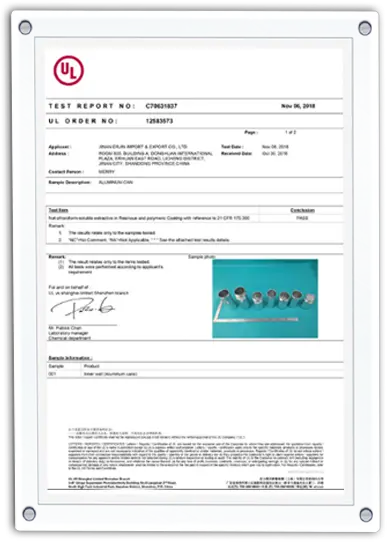
Our plants and supply chain are certified under international systems including HACCP, ISO9001, ISO22000, BRC (British Retail Consortium Global Standards), HALAL, KOSHER, and IP-NON GMO (Identity Preserved). Additional compliance certificates can be issued upon request to match your local market regulatory frameworks.

How does the 9020 Injection Type Soy Protein differ from Emulsion or Chopping Types?

The 9020 Injection Soy Protein Isolate is specifically designed with low viscosity, high solubility, and low foaming characteristics. Standard emulsion proteins (like 9007B-A or 9007B-C) form a high-viscosity paste when hydrated, which would immediately clog injector needles. The 9020 series dissolves to a fluid consistency, allowing it to penetrate muscle fibers before forming a stable gel structure during subsequent thermal processing.

Can your injection-type protein be mixed with other hydrocolloids or carrageenan?

Yes. Our 9020 series exhibits excellent compatibility with carrageenan, starch, and salt within typical curing brines. It functions synergistically to build a firmer gel matrix inside muscle foods without showing phase separation.

What is the shelf life and storage conditions of your Isolated Soy Protein?

The standard shelf life is 12 to 18 months from the date of manufacture when stored in original unopened packaging. It should be kept in a cool, dry warehouse (below 25°C and 60% relative humidity), away from strong odors and moisture.

All Injection Type Products