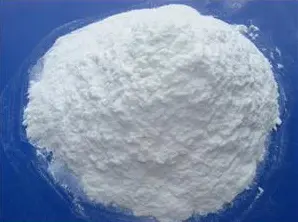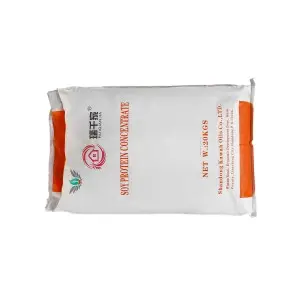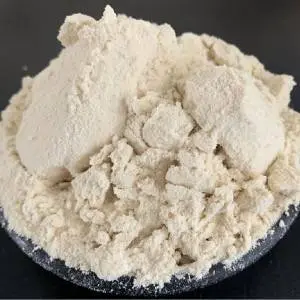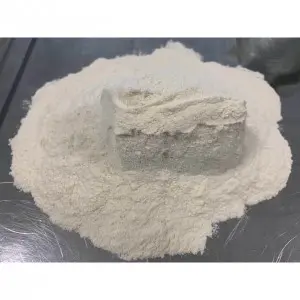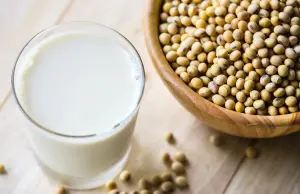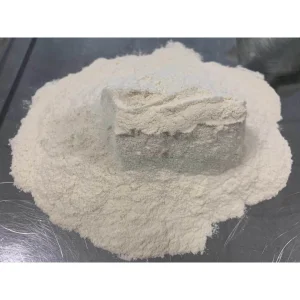
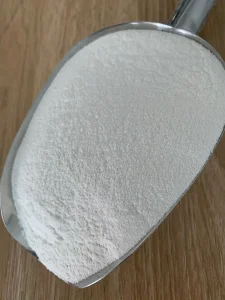
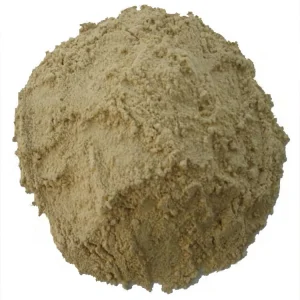
The global dietary fiber market is experiencing a profound transition, driven by intensifying scientific evidence linking gut microbiota health to systemic well-being. Among modern functional ingredients, Soy Dietary Fiber (SDF) stands out as a highly versatile, sustainable, and nutritionally dense biopolymer. As global supply chains prioritize clean-label commitments and ecological sustainability, the industrial footprint of Soy Dietary Fiber has expanded from a basic agricultural byproduct into a highly valued structural texturizer, moisture manager, and nutritional fortifier.
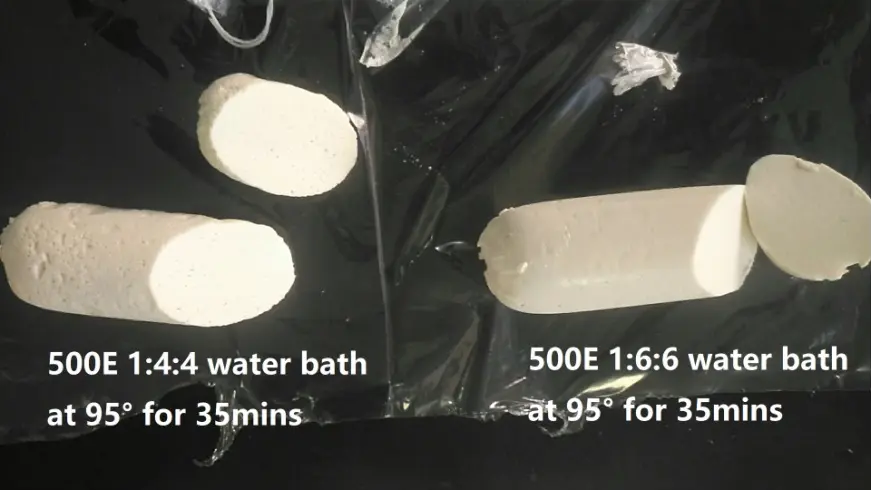
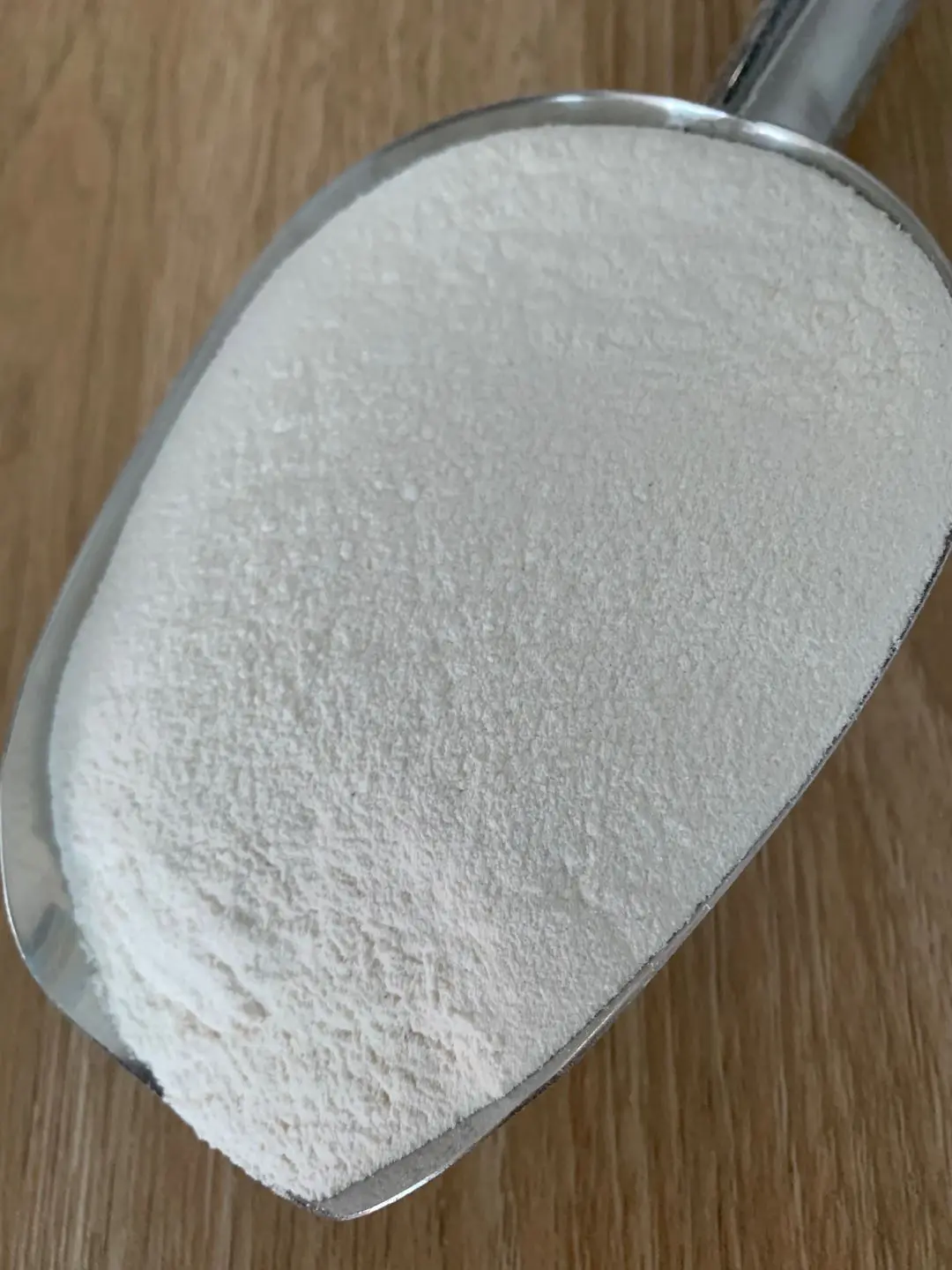
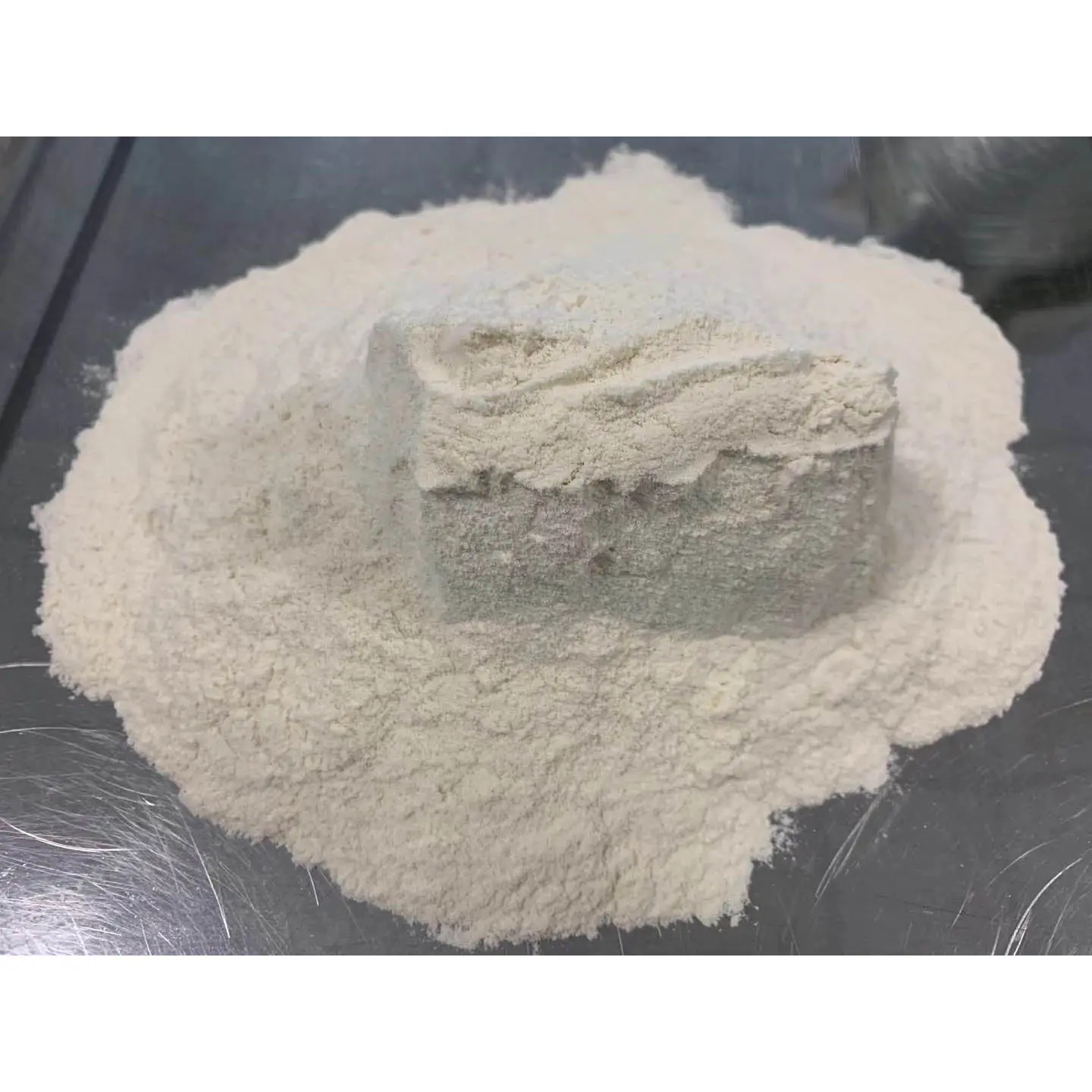
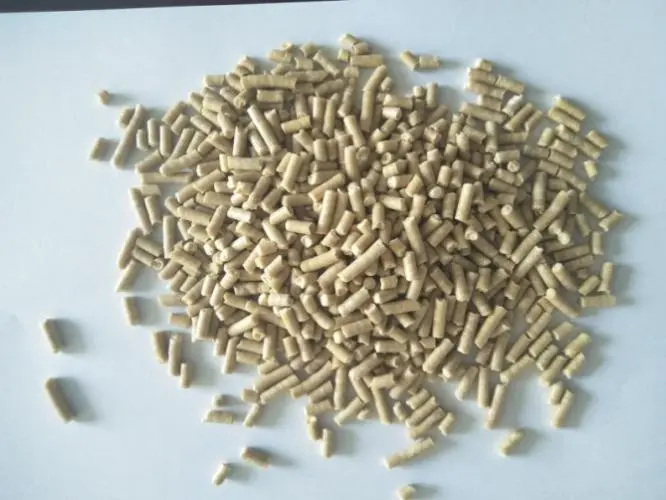
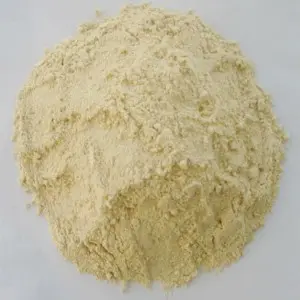
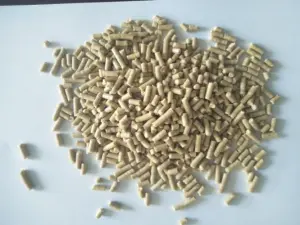
Commercially derived from the cell walls of Non-GMO soybeans during the protein extraction phase, soy dietary fiber is predominantly categorized into two physical matrices: insoluble dietary fiber (mainly comprised of hemicellulose, cellulose, and pectin) and soluble dietary fiber (composed of highly branched polysaccharides). These distinct structures afford manufacturers unmatched technical characteristics, particularly in terms of water-holding capacity (WHC) and oil-holding capacity (OHC), which are critical variables in processing modern food formulations.
According to current market intelligence, North America and Europe continue to lead the demand for premium, allergen-checked, and non-GMO soy dietary fibers due to their strict clean-label standards. Simultaneously, the Asia-Pacific region is experiencing the fastest manufacturing CAGR, driven by industrial scale up, agricultural modernization, and technological innovations in spray drying and mechanical separation. Today's global manufacturers require supply chains to offer verified IP non-GMO traceability, consistent mesh sizes, high bacteriological safety, and zero chemical modification.
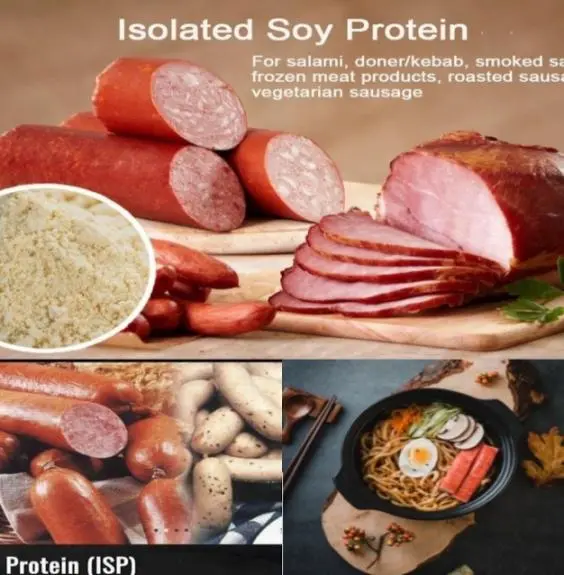
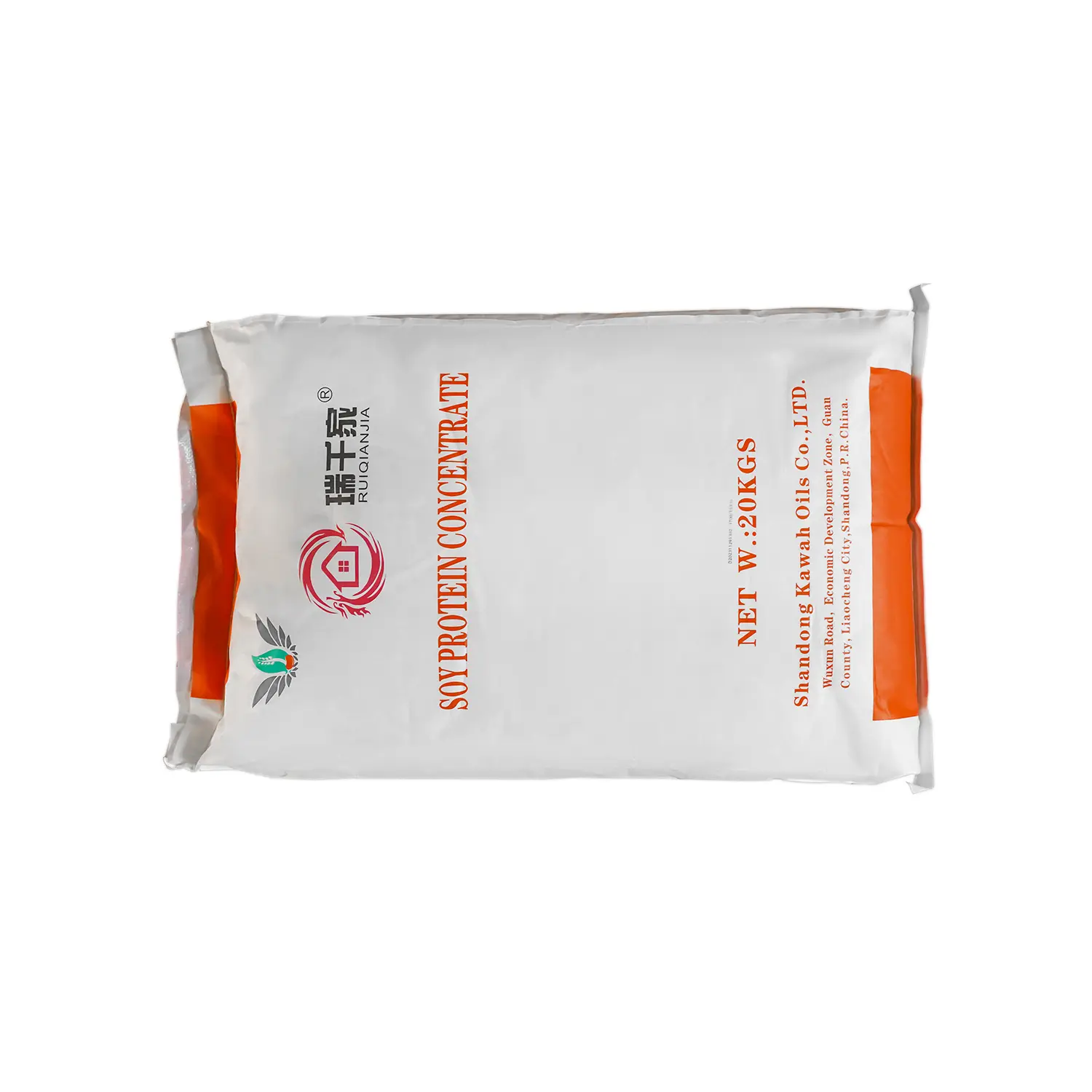
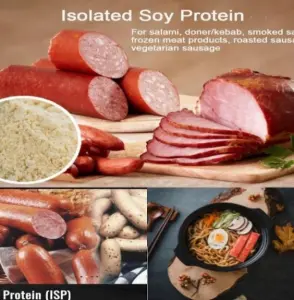
The manufacturing complexity of soy dietary fiber lies in preserving the cellular matrix while eliminating off-flavor compounds and anti-nutritional factors. At Shandong Kawah Oils Co., Ltd, this is achieved through the integration of the largest single spray-drying tower line in China, designed and engineered by DACHUANYUAN. This system processes low-temperature food-grade non-GMO soybean meal, extracting soybean oil, isolated soy protein (SPI), and dietary fiber concurrently.
By implementing physical steam flash-sterilization and precision-controlled mechanical shearing, we ensure that our Soy Dietary Fiber retains its natural fibrous architecture. This method completely avoids harsh chemical processing, yielding an eco-friendly ingredient with a neutral taste and excellent dispersion properties.

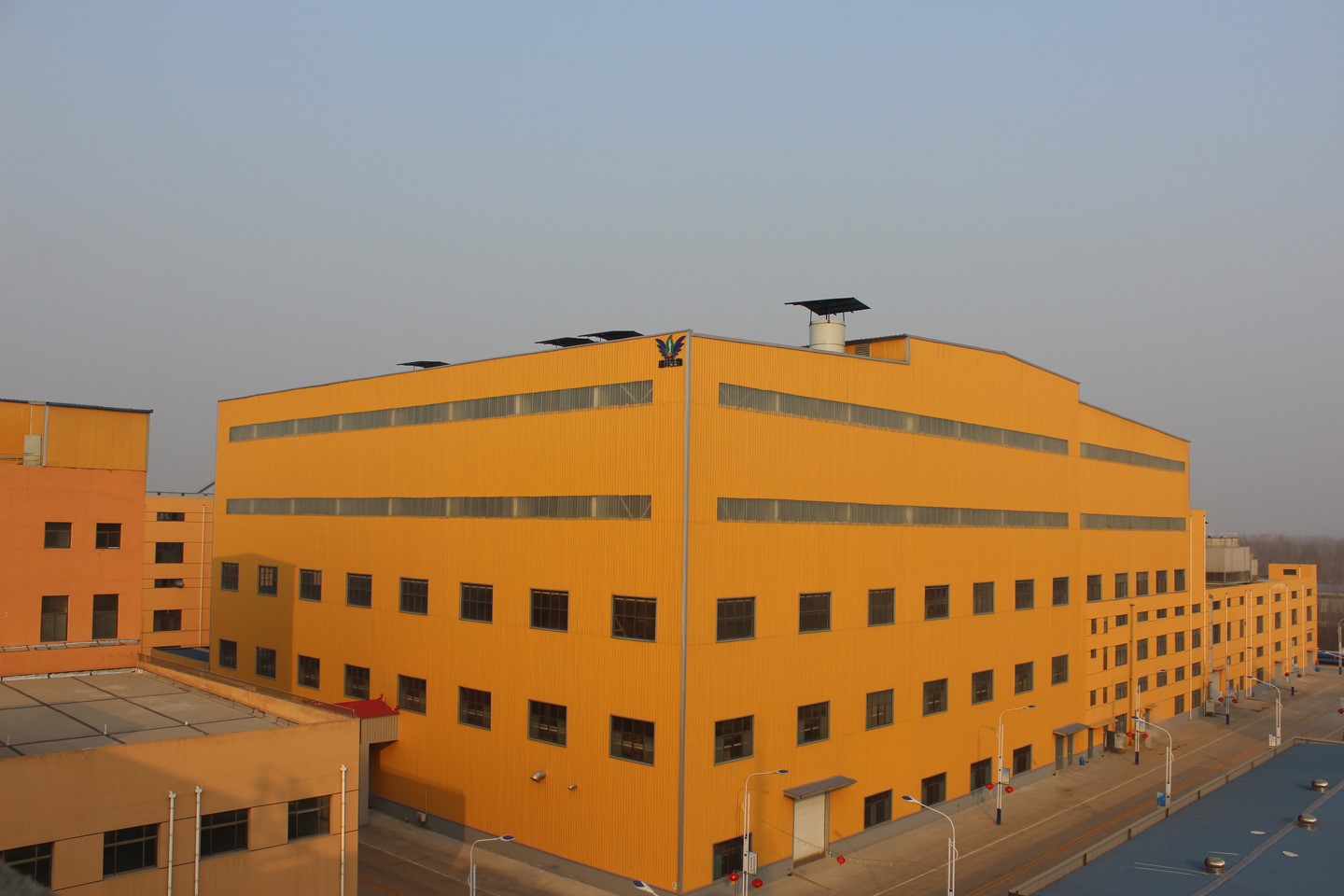
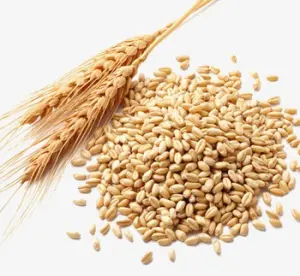
Our parent entity, Xinrui Group (established in May 2003, spanning over 1,000 mu), is built on a highly efficient circular agricultural economy. Annual processing capacity includes 500,000 tons of wheat flour alongside 180,000 tons of soybeans. Within this integrated ecosystem, every component is maximized:
Depending on the region and the target food matrix, Soy Dietary Fiber serves multiple functions. The table below represents the core industrial applications of SDF, detailing the mechanical advantages it provides to global B2B operations:
| Application Category | Primary Function | Synergistic Ingredients | Localized Industrial Solution |
|---|---|---|---|
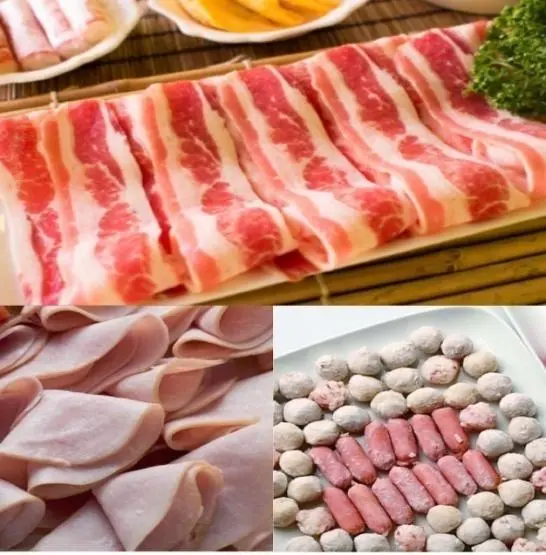
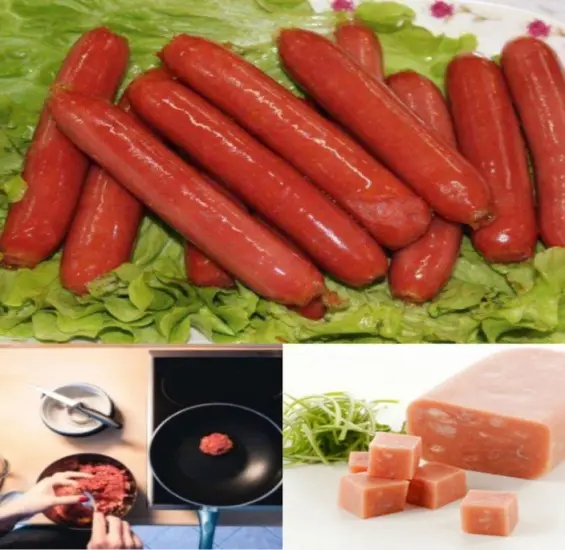
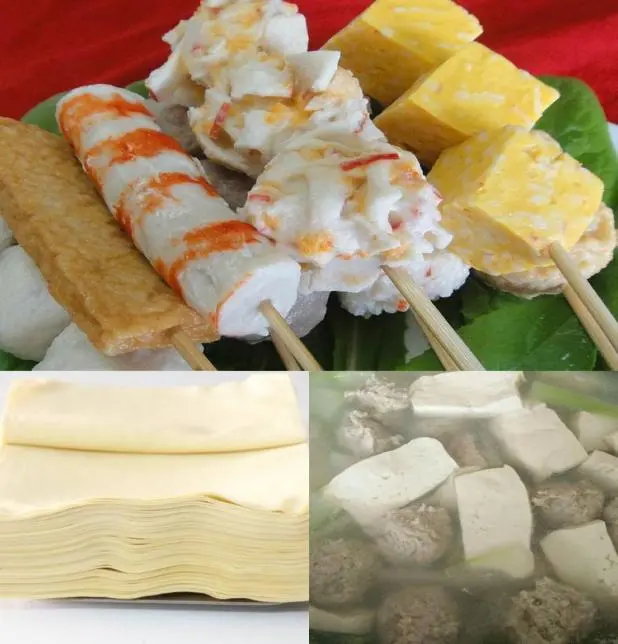
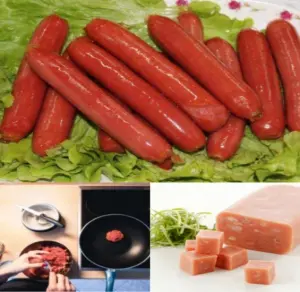
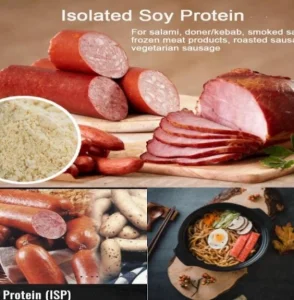
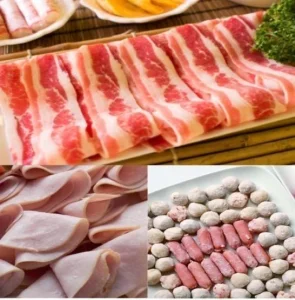
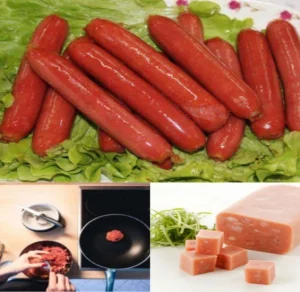
| Emulsified & Injected Meats | Controls thermal purge, reduces shrinkage, maintains succulence. | SPI 9001BW, 9007B-A, 9007B-C | SDF anchors water molecules inside the protein-fat emulsion, preventing phase separation during high-temperature cooking or canning. |
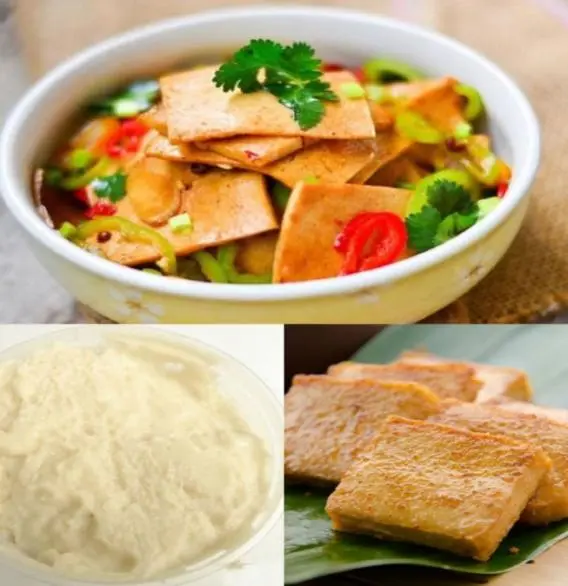
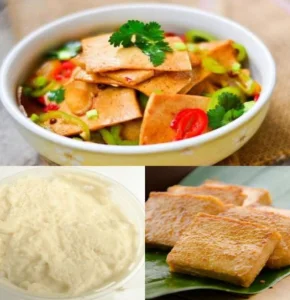
| Tofu & Meat Analogues | Provides structural density, enhances bite resistance. | ISP 9005B, Functional SPC | In vegan and vegetarian formulas, it mimics the cellular texture of muscle fiber, yielding realistic chewiness. |
| Industrial Bakery | Retards staling, preserves crumb moisture, extends shelf life. | Vital Wheat Gluten Powder (VWG-P) | SDF binds free water in the dough matrix, slowing starch retrogradation and maintaining soft crumb texture over long transit windows. |
| Beverages & Nutrition Bars | Improves viscosity, delivers non-caloric soluble fiber fortification. | Dispersion ISP 9030/9032 | Utilized in low-glycemic foods to manage mouthfeel without adding graininess, improving overall digestibility. |
Under mechanical shear, the cellular structures in soy fiber swell, creating a network of hydrogen bonds with water molecules. Unlike simple gums or starches, this fiber-water bond is highly resistant to heat, freeze-thaw cycles, and shear pressure. This makes SDF ideal for processed meats and plant-based ready-to-eat meals, where preserving moisture content directly influences profitability and sensory ratings.
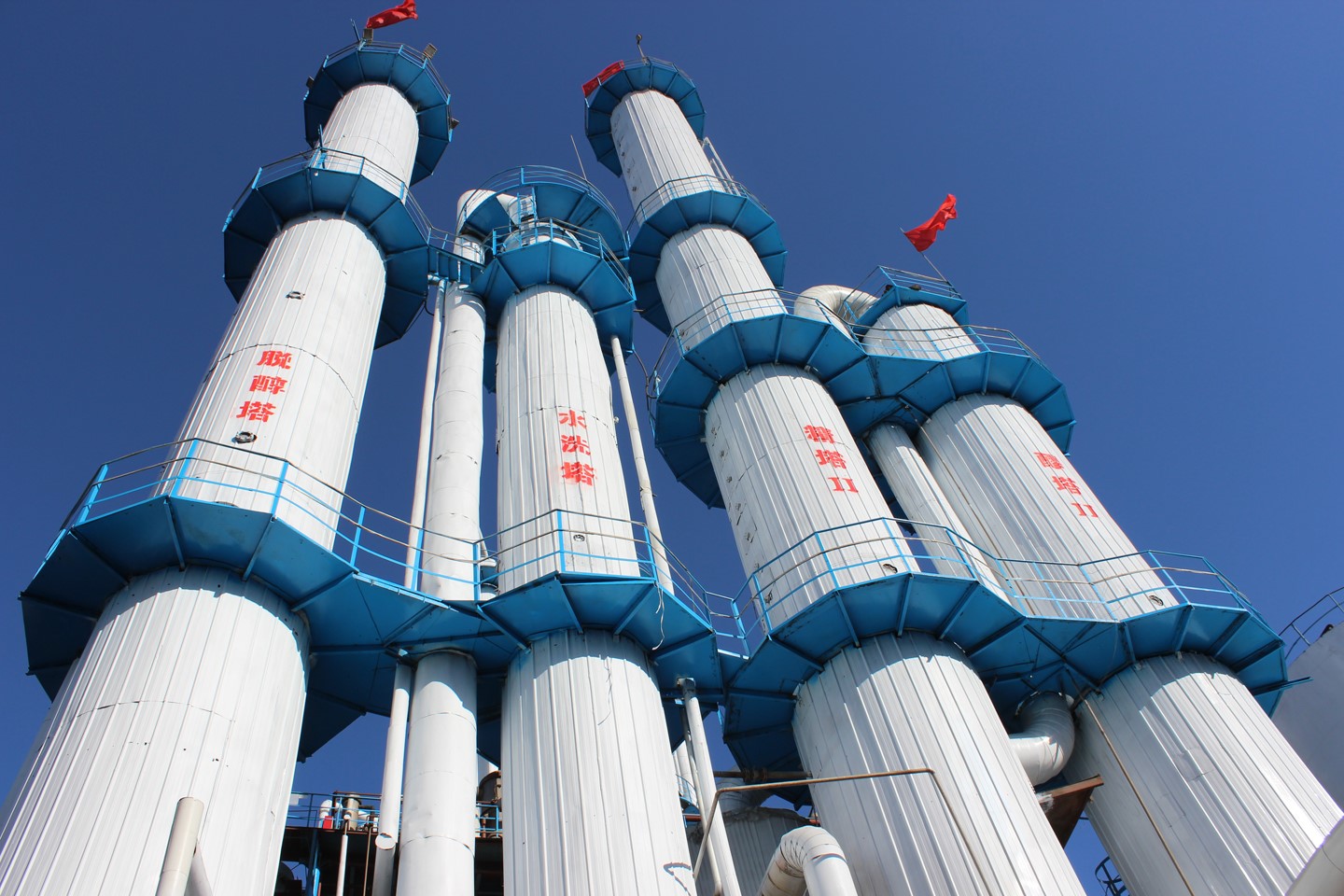
As the B2B food industry advances, the requirements for functional fibers are becoming more stringent. Our R&D pipeline at Kawah Oils is focused on three primary areas designed to optimize value for our customers:
We are refining grinding technologies to produce ultra-fine soy dietary fibers (exceeding 200 mesh) that disperse smoothly into liquid beverages and dairy alternatives, eliminating sandiness.
Through gentle thermal processing and enzyme engineering, we are reducing volatile beany off-notes, allowing developers to decrease sugar and artificial flavoring levels in their formulas.
Developing fiber-protein complexes that combine soy fiber with isolated soy protein. This synergy optimizes water-binding and emulsification, simplifying recipe formulation.
Our industrial footprint integrates raw agricultural sourcing, advanced refining, and international logistics. This structure ensures traceablity and consistent supply stability for our global clients.
GUANXIAN XINRUI INDUSTRIAL CO., LTD. (formerly known as GUANXIAN RUIXIANG BIOTECHNOLOGY DEVELOPMENT CO., LTD) was established in 2007 with a registered capital of 100 million Yuan. The facility processes 500,000 tons of wheat flour annually, utilizing advanced tri-canter separation technology to manufacture high-yield wheat gluten, wheat starch A, and wheat starch B. The closed, clean-in-place production line is designed to match international safety and purity standards.
SHANDONG KAWAH OILS CO., LTD., founded in 2014 with 120 million Yuan in registered capital, serves as a leading agricultural industrialization enterprise in Shandong Province. Processing 180,000 tons of locally sourced Non-GMO soybeans annually, the site utilizes an integrated refining system to produce Non-GMO soybean oil, low-temperature food-grade soy meal, isolated soy protein, and soy dietary fiber.
Export logistics are managed by GUANXIAN RUICHANG TRADING CO., LTD. (established in 2011, with 6 million Yuan registered capital). The company coordinates the export of isolated soy protein, wheat gluten, soluble dietary fiber, vermicelli, and ethanol directly to international clients, with export volumes accounting for more than 70% of the group's total manufacturing output.
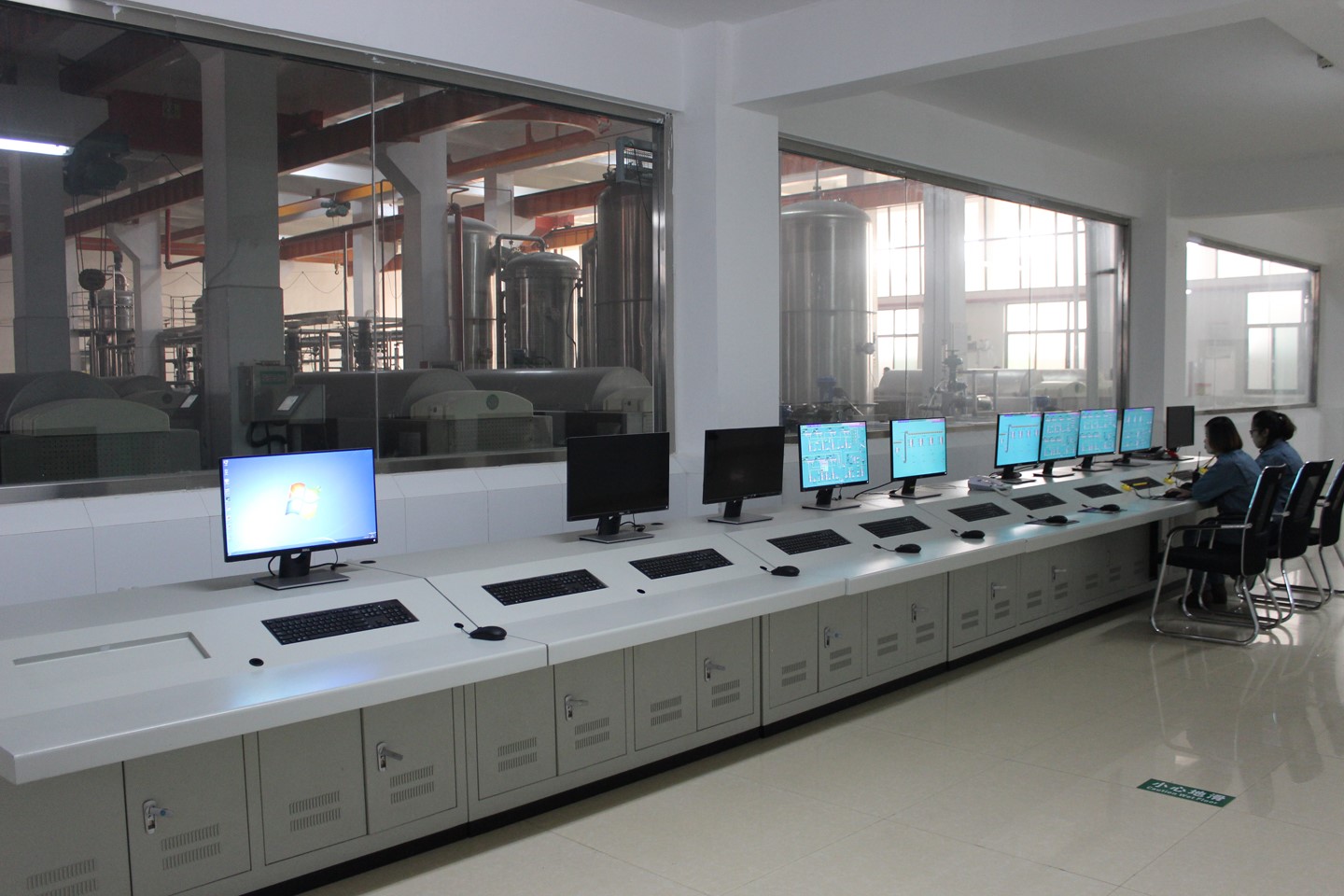
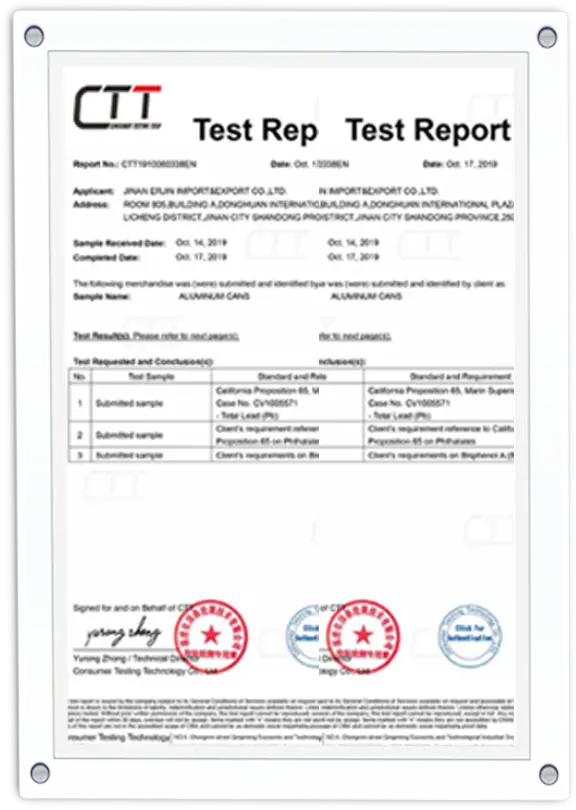
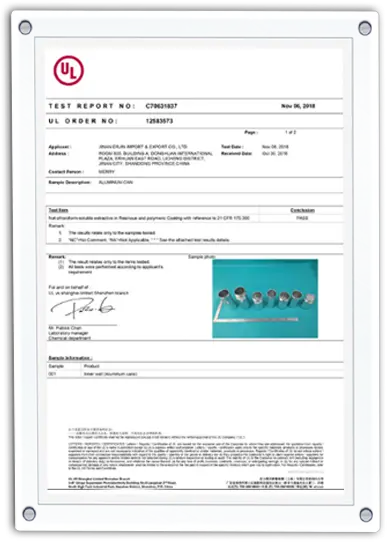
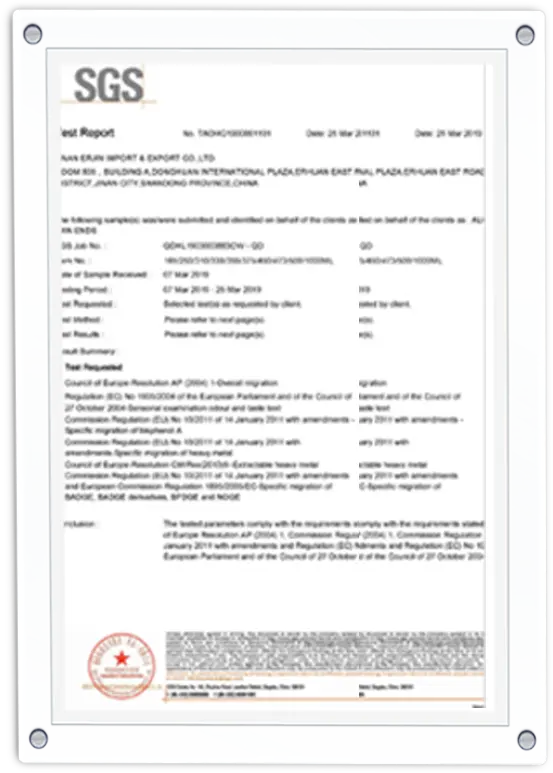
We maintain a rigorous quality assurance framework, verified by independent international registrars. View our production site walkthroughs and credentials:
 Xinrui Group