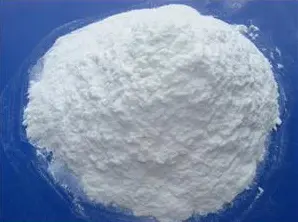
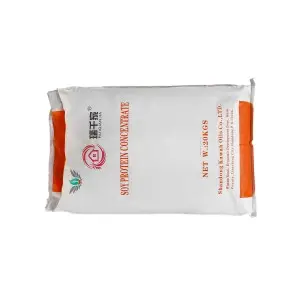
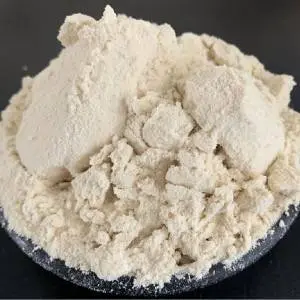
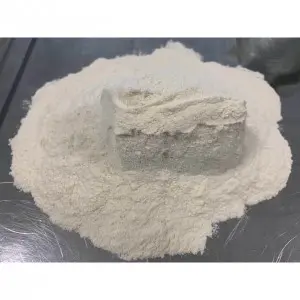
Explore our top-tier dispersion, meat, and vegetarian type proteins engineered for superior solubility and structural functionality.
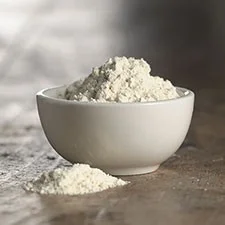
Exploring the structural modification and biochemical properties of Isolated Soy Proteins (ISP) optimized for liquid dispersion.
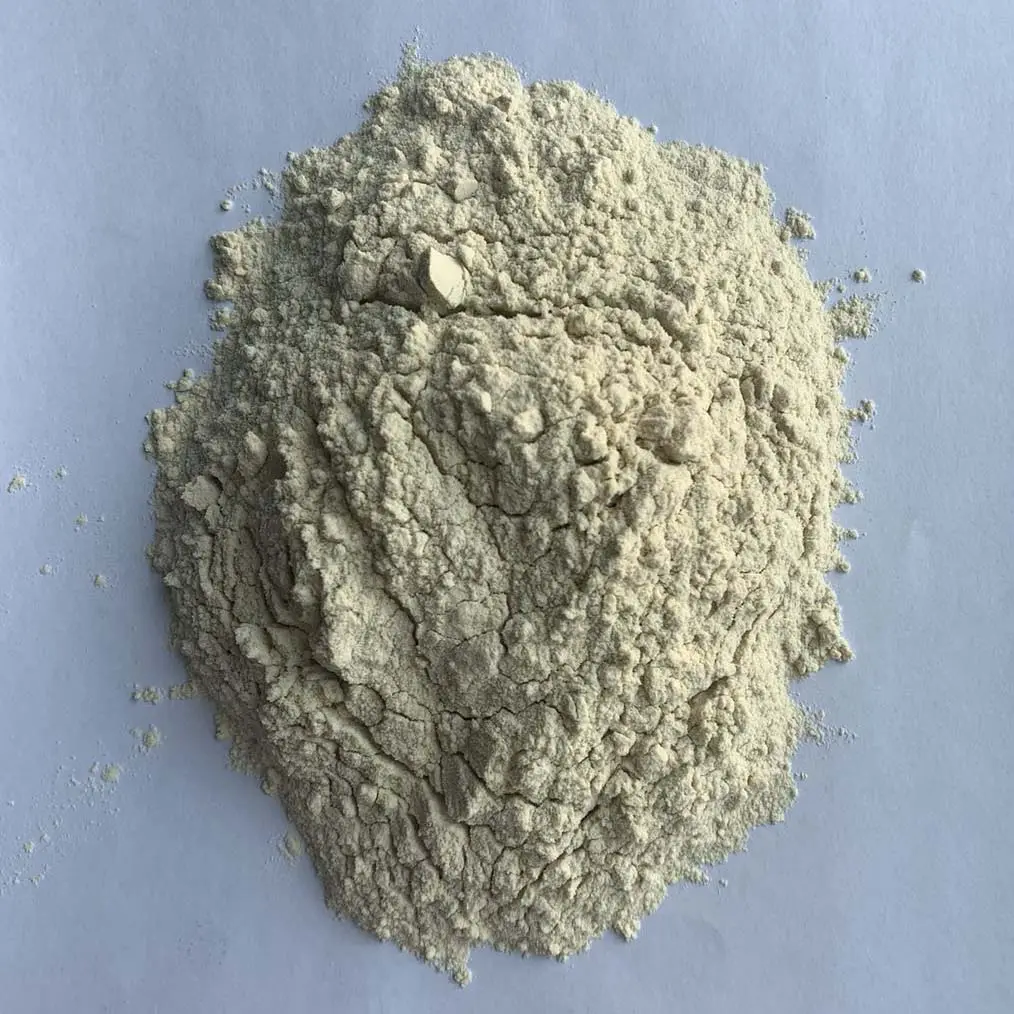
For global food science teams, formulators, and beverage manufacturers, achieving consistent viscosity and avoiding sedimentation are key challenges in liquid protein enrichment. Unlike standard emulsion-type proteins used in meats, Beverage & Dispersion Type Isolated Soy Proteins (such as the 9030 and 9032 series) undergo specific enzymatic and physical modification to restructure the globular structure of soy globulins.
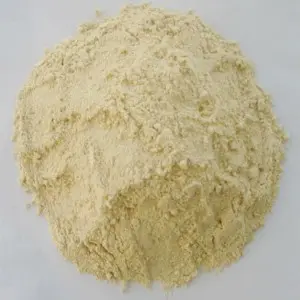
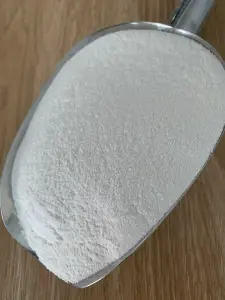
By altering the ratio of 7S (β-conglycinin) and 11S (glycinin) fractions, our proprietary processing exposes hydrophilic groups on the molecule surface. This achieves an NSI exceeding 90%. This properties ensures rapid hydration and sustained suspension stability, preventing phase separation, grittiness, and precipitation under acidic or neutral pH profiles typical in ready-to-drink (RTD) plant beverages.

| Functional Property | Beverage & Dispersion (9030 / 9032) | Meat & Emulsion (9001BW / 9007B-C) | Tofu & Vegetarian (9003B / 9005B) |
|---|---|---|---|
| Primary Target Applications | RTD Liquids, Dry Powder Mixes, Nutritional Milk Formulas | Processed Meats, Emulsified Sausages, Surimi | Tofu, Traditional Vegetarian Foods, Analogs |
| Nitrogen Solubility Index (NSI) | ≥ 90% (Highly Soluble) | 35% - 50% (Lower Free Solubility) | 40% - 60% (Medium Gelling properties) |
| Water Binding Capacity | 1 : 3.5 (Focus on flowability and low viscosity) | 1 : 5.0 (High water holding retention) | 1 : 4.5 (Structured network formulation) |
| Viscosity Profile | Low-viscosity under high concentration | High viscosity, forming structural gels | Medium, thermally irreversible gelation |
| Dispersibility Time | < 15 seconds in room temp water | Requires strong shear force configuration | Medium shear force requirement |
How we support international quality management schemes and dynamic supply chains across Europe, the Americas, and APAC.
For global brands, compliance with GMO thresholds is non-negotiable. Our manufacturing process, integrated with Shandong Kawah Oils Co., Ltd, processes 180,000 tons of strictly local domestic NON-GMO soybeans annually. We implement an Identity Preservation (IP) program tracing the raw materials from local seeds and planting bases to final spray-dried powder packages, ensuring absolute compliance with EU Regulations 1829/2003 and 1830/2003.
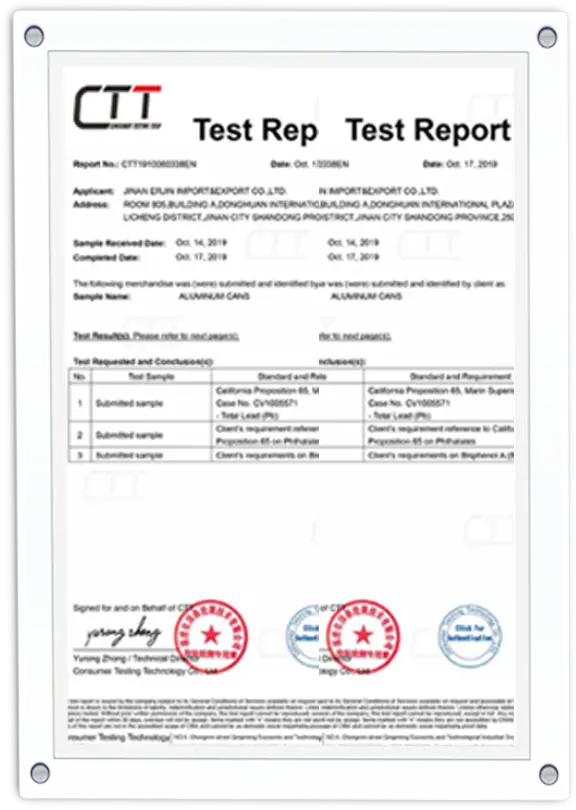
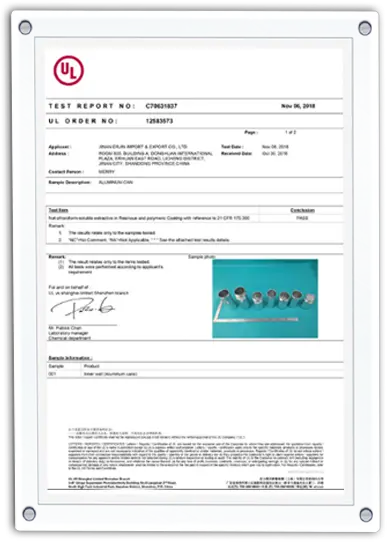
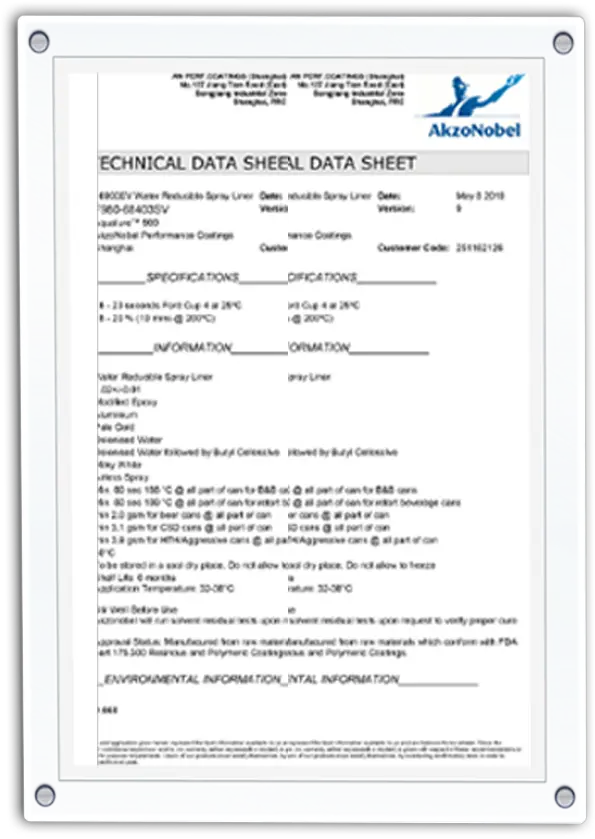
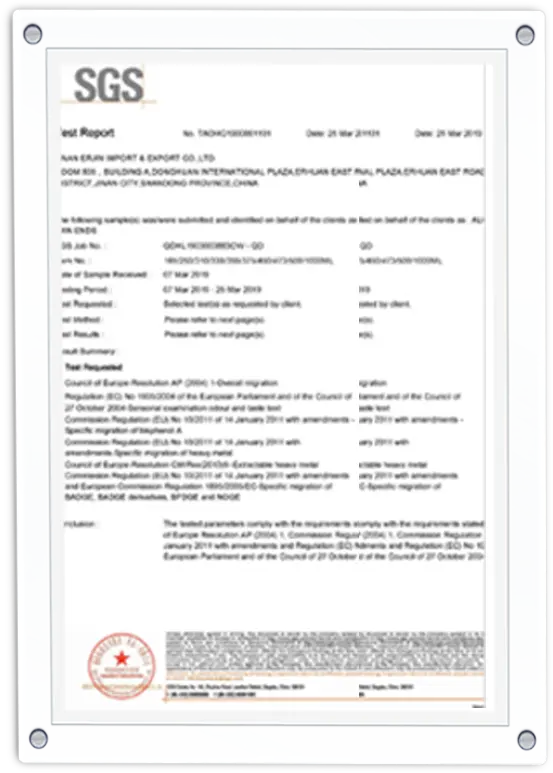
Operating as an integrated enterprise with industrial processing capacity, our facilities are third-party audited and fully certified by leading global frameworks. We maintain active compliance certifications including BRCGS (Global Standard for Food Safety), HACCP, ISO 9001, ISO 22000, Halal, and Kosher. This ensures seamless customs clearance and regulatory approval for food and beverage applications worldwide.
Localization means understanding that taste preferences and regulatory limits on contaminants vary. Whether it is minimizing standard plate counts (SPC) for infant formula components in APAC, complying with specific heavy metal limits (Lead < 0.2 ppm) in North America, or modifying the flavor profile to eliminate beany off-notes, our technical team works with regional research centers to develop custom product variants.
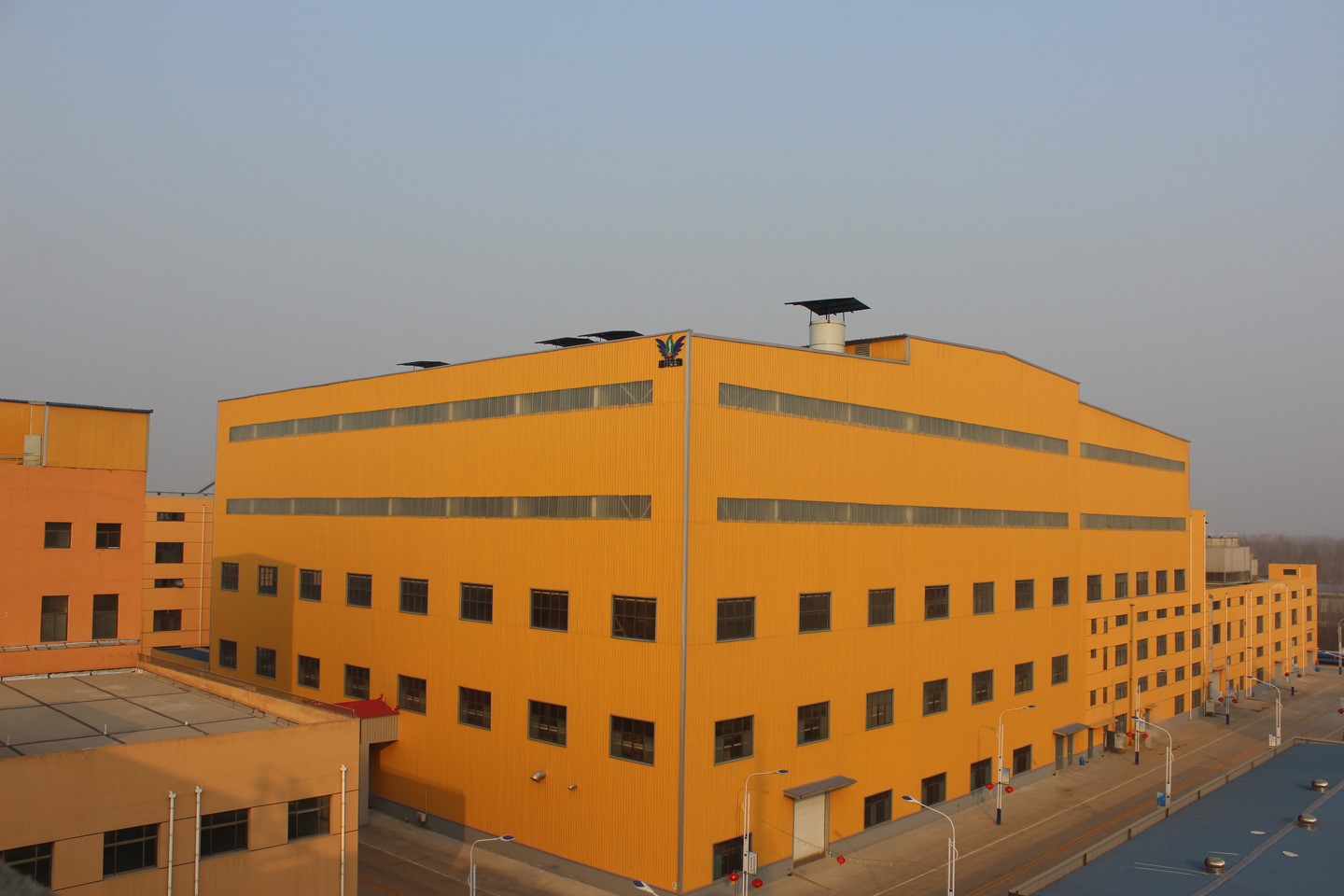
Xinrui Group's operational footprint leverages vertical integration. Established in May 2003 and spanning over 1,000 mu, our industrial ecosystem links raw agricultural input directly to secondary and tertiary deep processing lines.
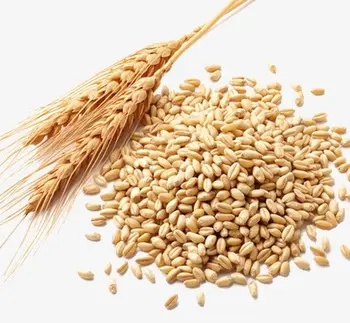
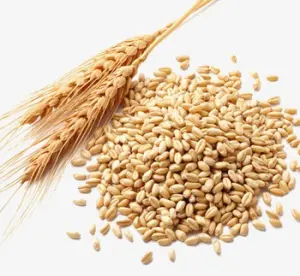
Our wheat processing line (Guanxian Xinrui Industrial Co., Ltd.) mills 500,000 tons of wheat flour annually, extracting high-purity vital wheat gluten and starch. Byproduct starches and pentosans are directed into clean ethanol fermentation (producing Superior Grade Ethyl Alcohol) and highly structured animal feed formulations.
Similarly, our soy complex (Shandong Kawah Oils Co., Ltd.) extracts low-temperature food-grade meal, premium soy oils, isolated soy proteins, and dietary fiber from 180,000 tons of non-GMO soy annually.
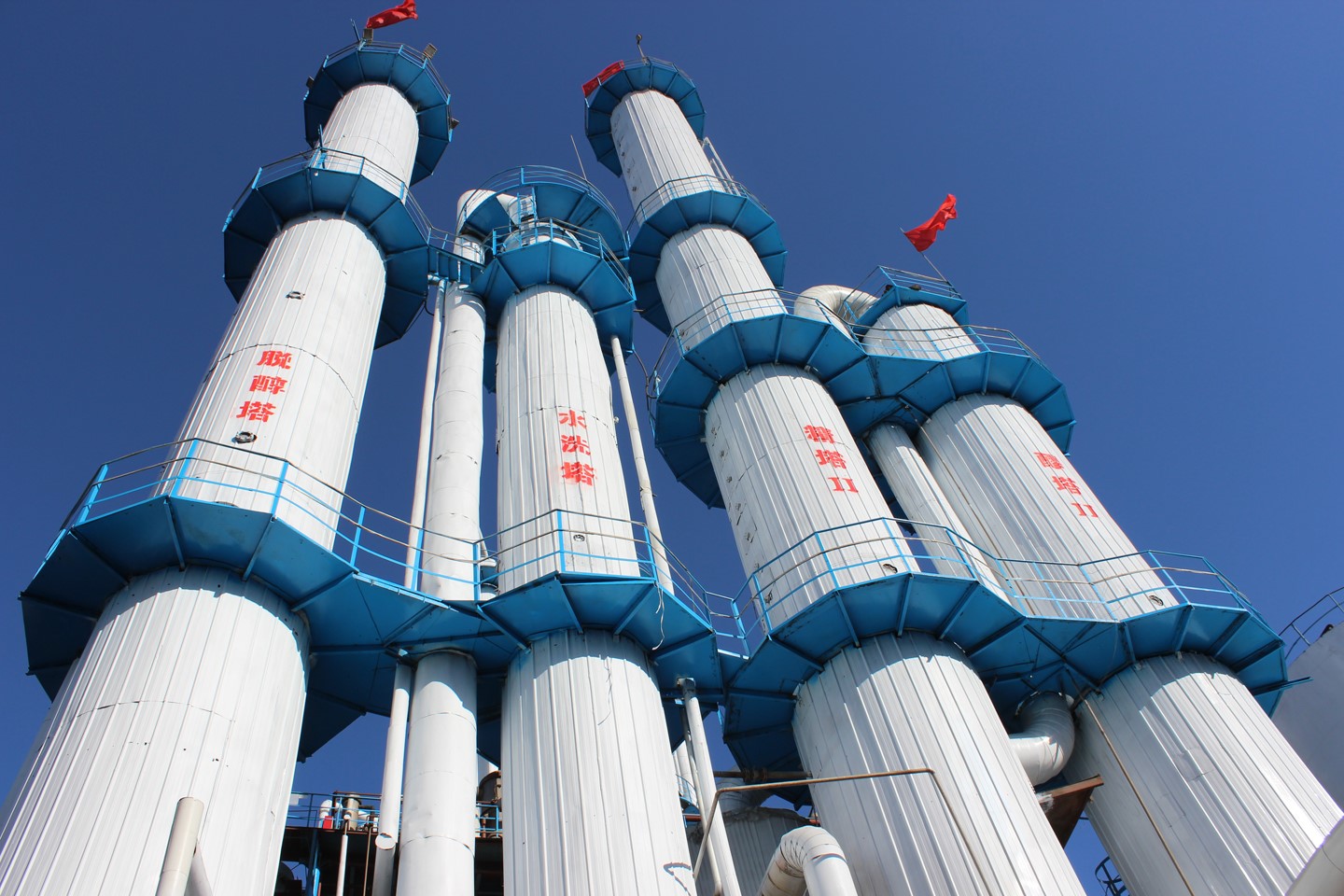
The physical functionality of dispersion-type proteins is determined during the spray drying stage. Our soy protein isolate facility utilizes spray drying systems from Dachuanyuan.
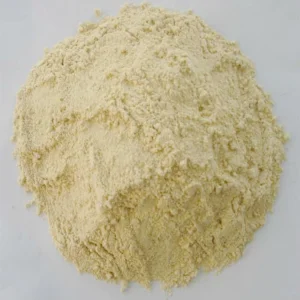
This system controls particle size distribution and hot-air flow patterns, creating high-dispersibility hollow microspheres. These spheres quickly wet when exposed to liquids, preventing clumping and ensuring uniform dispersion.
This advanced processing, combined with our tri-canter separation wheat gluten lines, positions our facility at the forefront of quality, performance, and volume in the domestic plant protein sector.
How we balance cost stability, product consistency, and environmental sustainability in modern supply chains.
Industrial food producers face significant raw material price swings and shipping bottlenecks. Because Xinrui Group maintains integrated wheat and soy planting bases along with cogeneration facilities for municipal heat and power, we control primary input costs. This structural integration shields our global partners from severe market fluctuations, offering long-term pricing contracts and consistent supply.
Under Guanxian Ruichang Trading Co., Ltd. (est. 2011), we manage direct-from-factory exports, representing over 70% of the group's capacity. By consolidating manufacturing and international trading into one organization, we remove intermediary markups. This ensures clear communication, direct technical support, and complete chain-of-custody tracking from the plant floor to the cargo vessel.
Modern consumers actively seek clean-label alternatives free from artificial additives, chemical stabilizers, and GMOs. Our 9030 and 9032 series dispersion soy proteins allow beverage formulators to replace synthetic emulsifiers with a plant-based ingredient, simplifying product labels and increasing consumer trust.
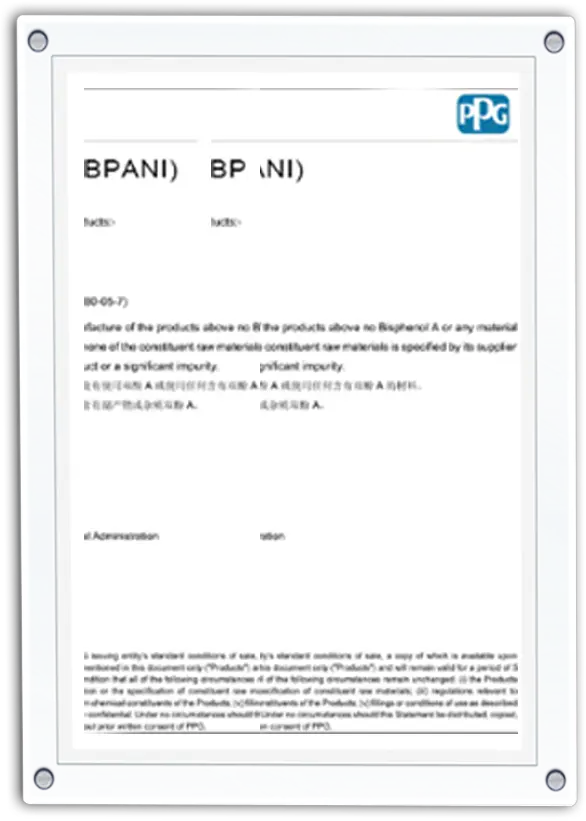
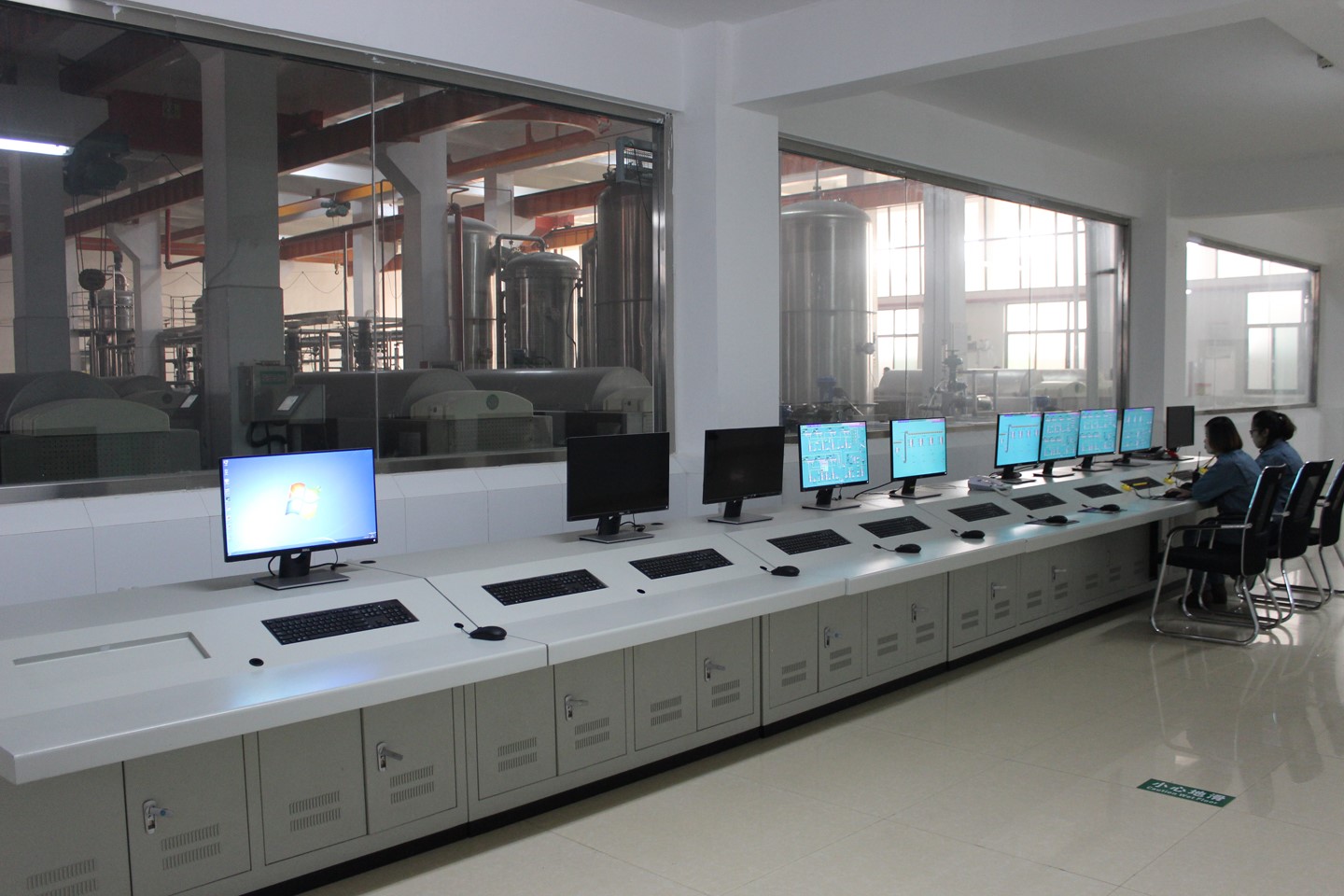
Verify our advanced production environments, packaging lines, and official international quality certifications.
How formulation engineers apply different isolated soy protein and gluten grades to resolve texture and stabilization challenges.
Ingredient: Isolated Soy Protein 9030 / 9032
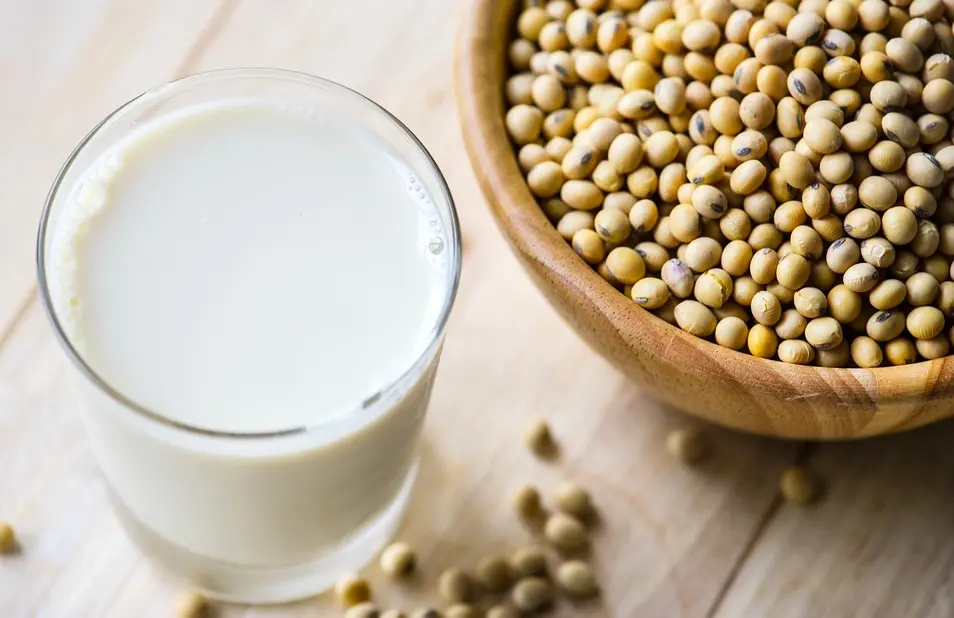
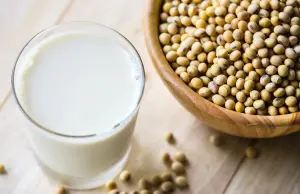
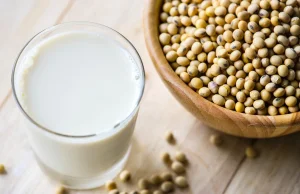
Liquid formulations require low-viscosity protein sources that do not form gels during heat sterilization (UHT). Our dispersion grade disperses easily in cold or warm water without clumping. It maintains suspension stability through high-shear processing, yielding a smooth mouthfeel in soy milk, nutritional shakes, and meal replacements.
Ingredient: Isolated Soy Protein 9001BW / 9007B-C
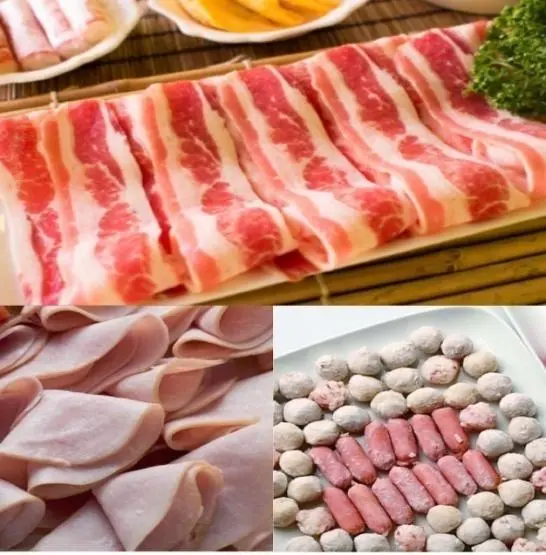
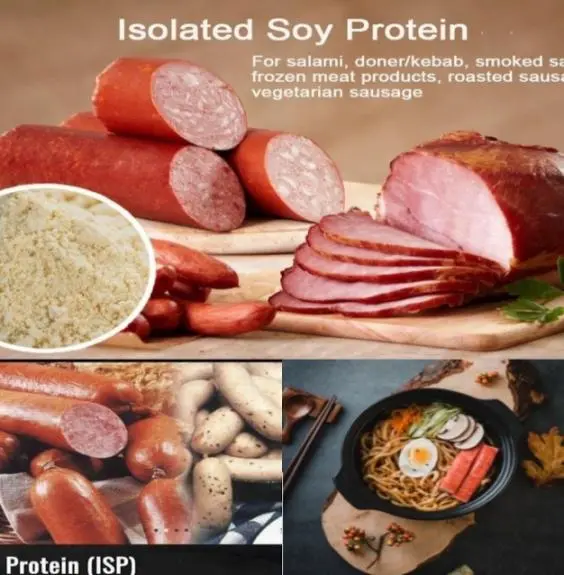
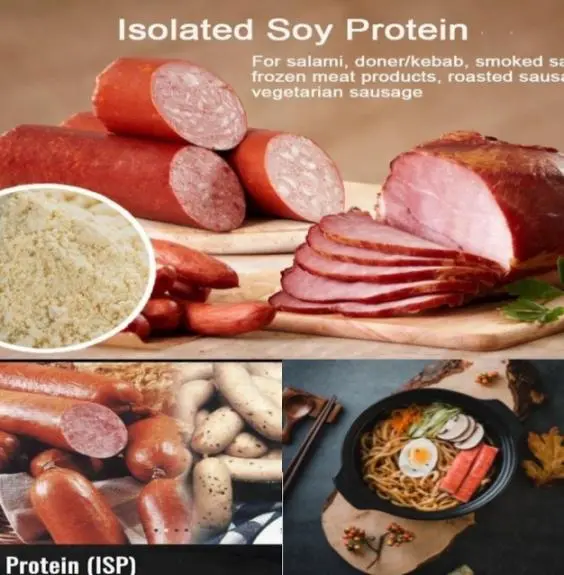
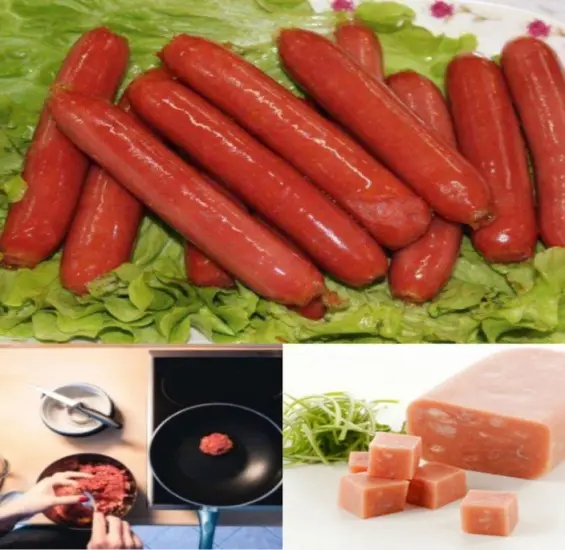
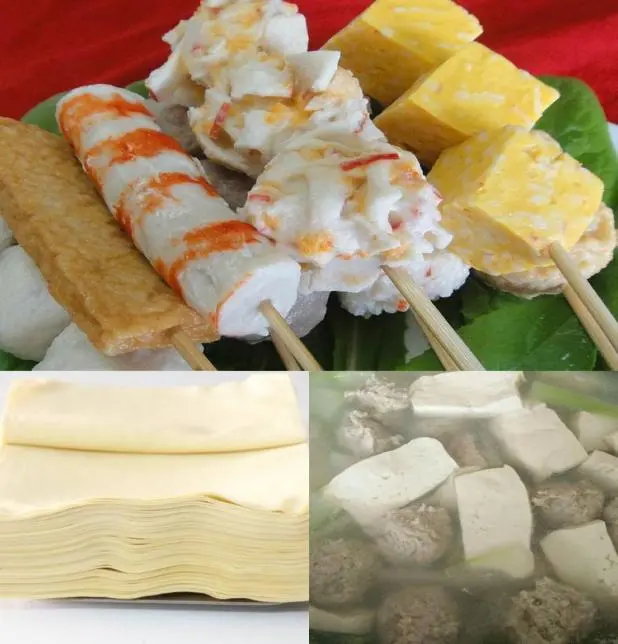
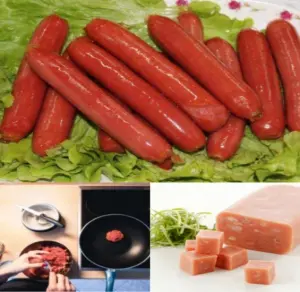
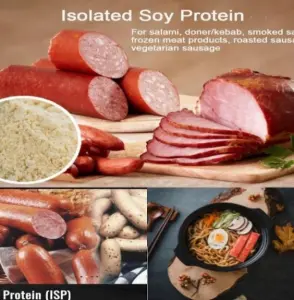
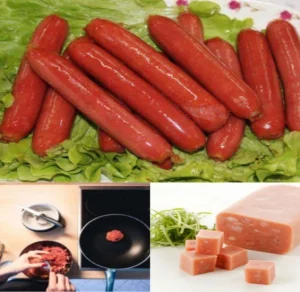
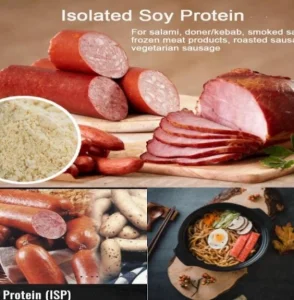
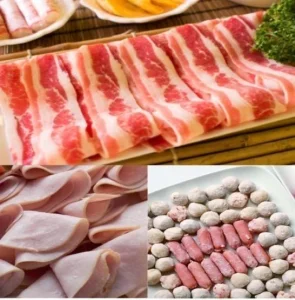
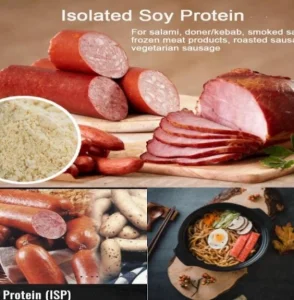
Sausages, hams, and meatballs require strong binding networks. Emulsion-type proteins lock in moisture and fat, forming a stable protein-fat-water gel matrix. This ensures structural integrity and texture throughout cooking, slicing, and packaging.
Ingredient: Vital Wheat Gluten (VWG-P / VWG-PS)
By integrating high-quality wheat gluten powder into baking flours or noodle lines, manufacturers improve viscoelasticity, water absorption, and crumb structure. The resulting protein network traps gas, increasing loaf volume in bread and creating a firm bite in pasta products.
Direct answers to technical, commercial, and logistical questions from global buyers and formulators.
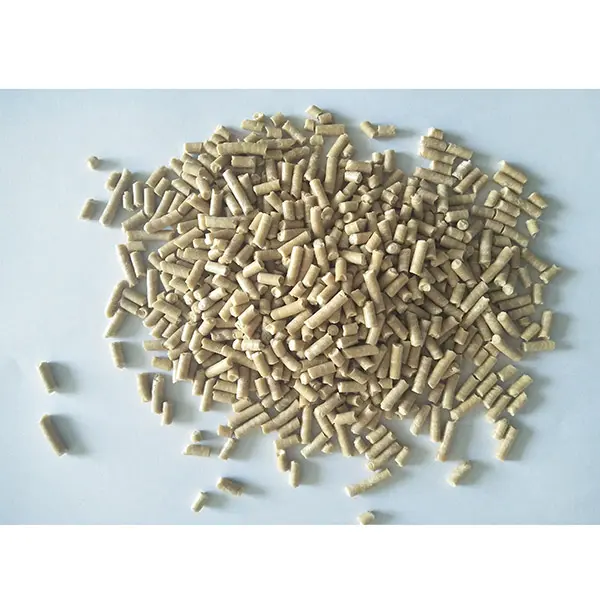
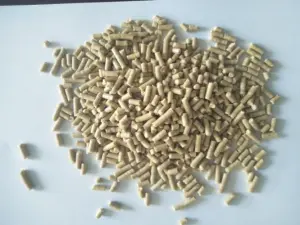
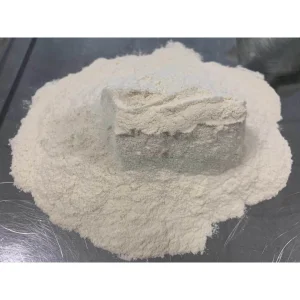
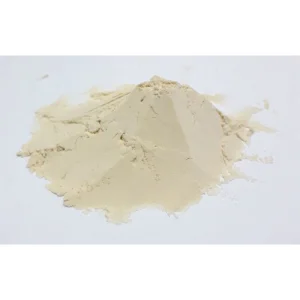
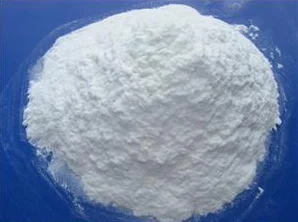
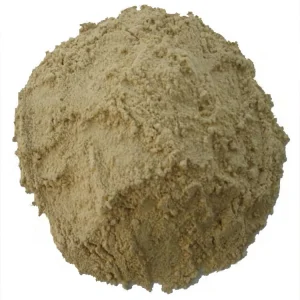
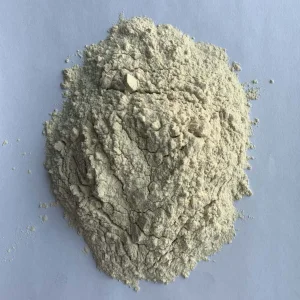
Explore our structural gluten pellets, functional starches, and high-purity dietary fibers designed for industrial food applications.
Leading agricultural industrialization enterprise integrating planting, research, and global export.
GUANXIAN XINRUI INDUSTRIAL CO., LTD. (formerly known as GUANXIAN RUIXIANG BIOTECHNOLOGY DEVELOPMENT CO., LTD) was established in 2007 with registered funds of 100 million Yuan. The company processes 500,000 tons of wheat flour annually, utilizing the raw material to produce high-purity vital wheat gluten, wheat starch A, and wheat starch B. The starch B and pentosan byproducts are directed to ethanol and animal feed manufacturing, closing the circular economy loop.
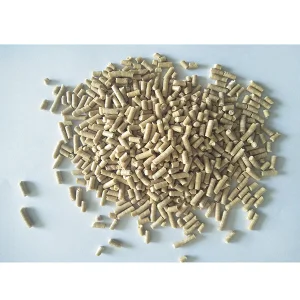
We imported advanced tri-canter separation technology for our wheat gluten production line. Operating clean, closed-loop systems, our production equipment, technology, and output quality rank at the forefront of the national industry.
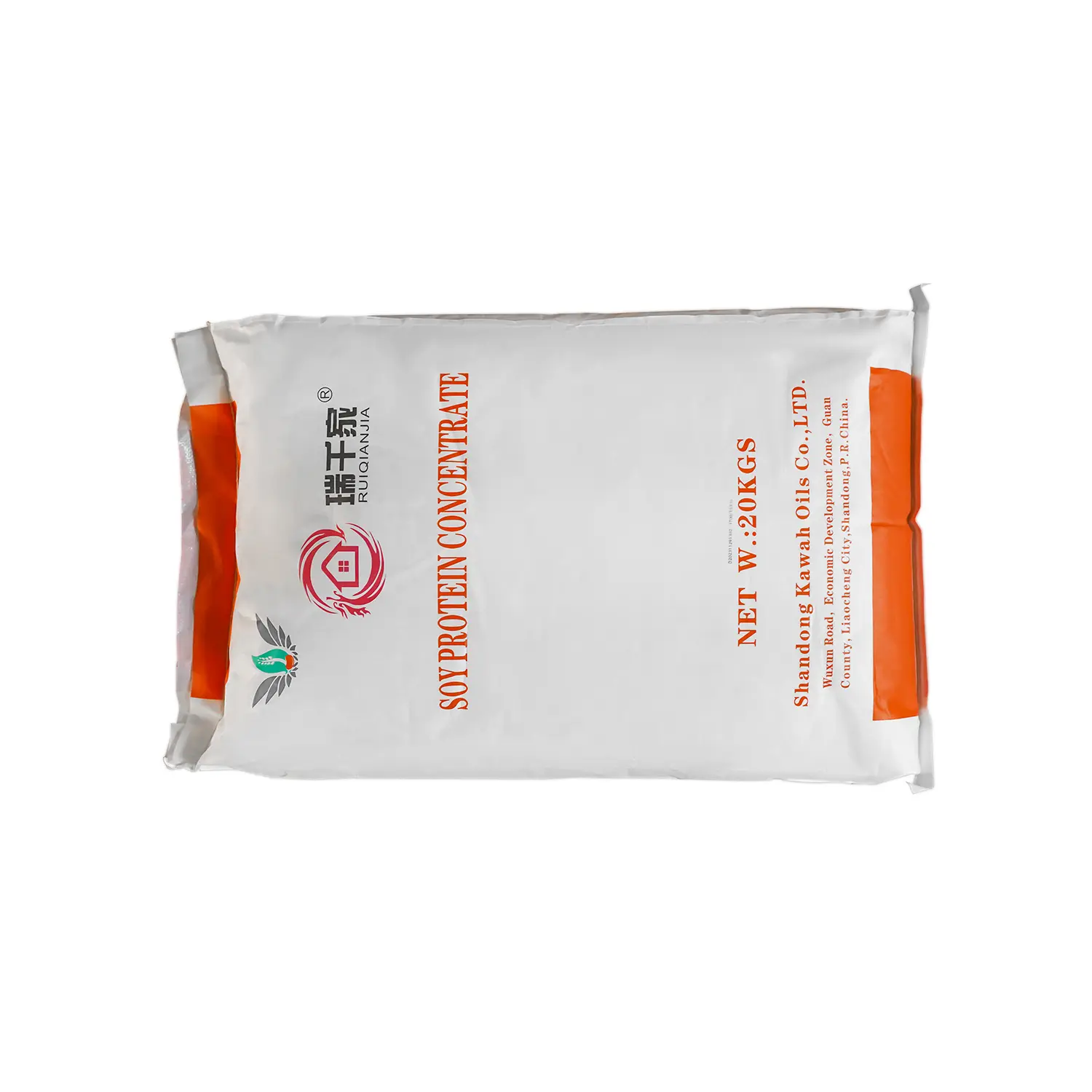
SHANDONG KAWAH OILS CO., LTD., established in 2014 with a registered capital of 120 million Yuan, is a provincial leading enterprise in agricultural industrialization. Integrating planting, R&D, deep processing, and import/export, the facility processes 180,000 tons of domestic non-GMO soybeans annually to extract oil, low-temperature food-grade meal, isolated soy protein, and soy dietary fiber.
 Xinrui Group