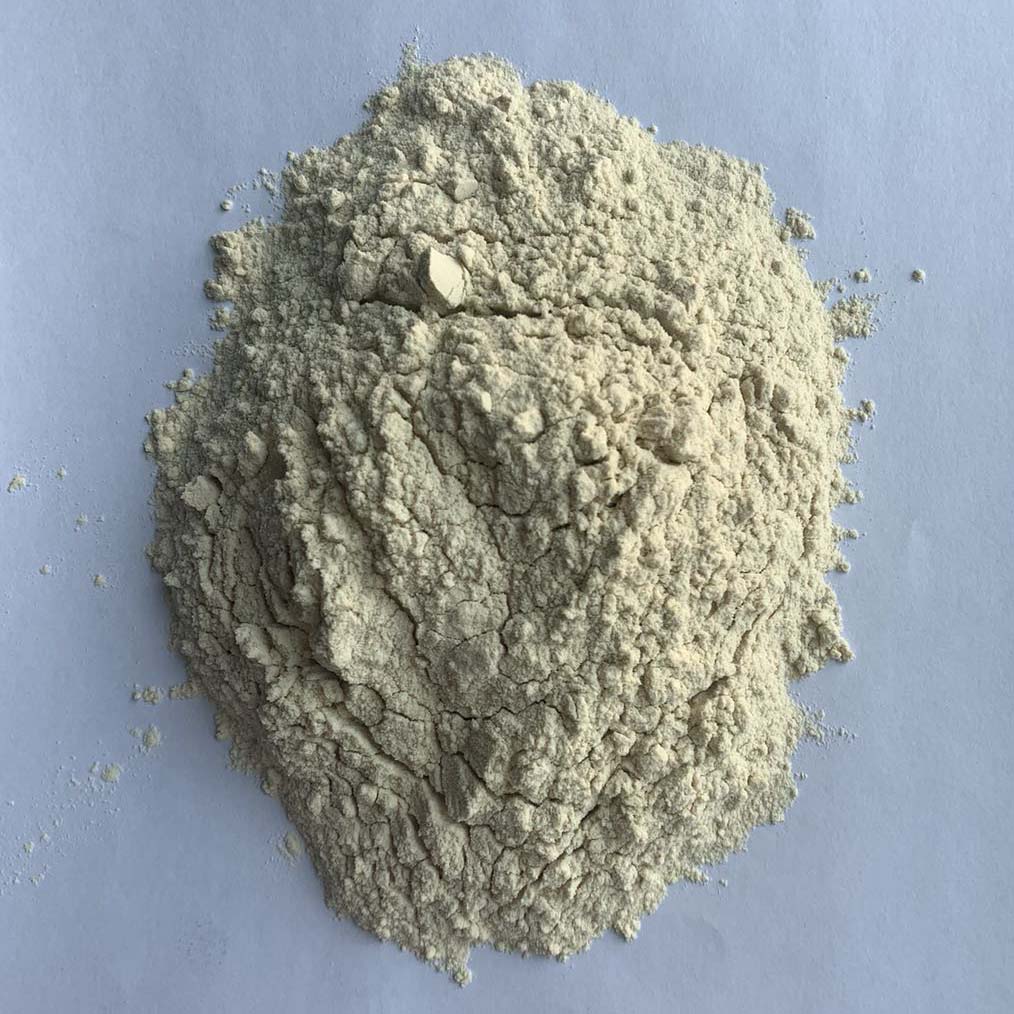
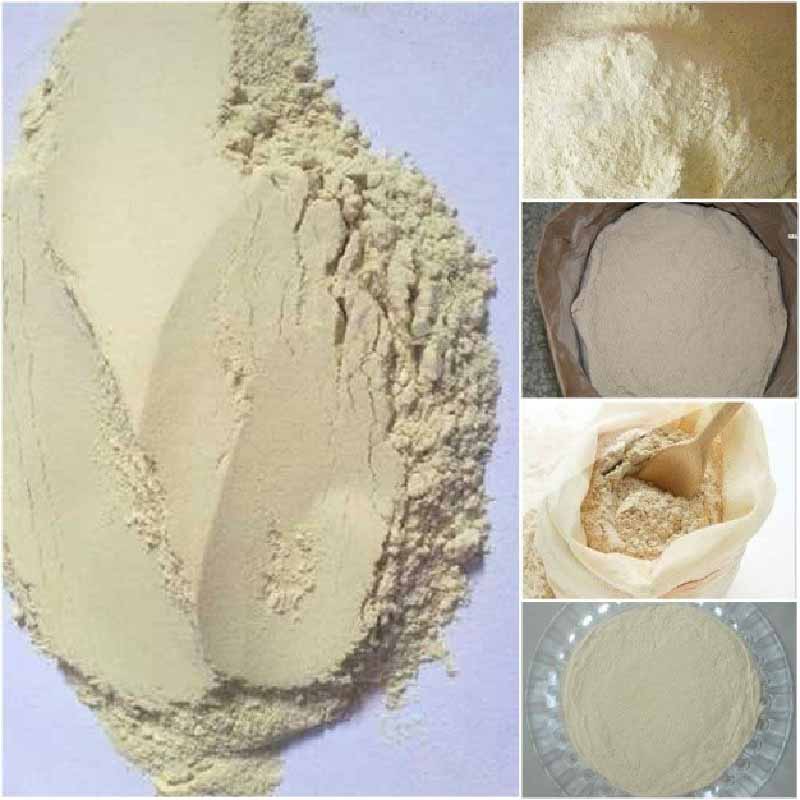
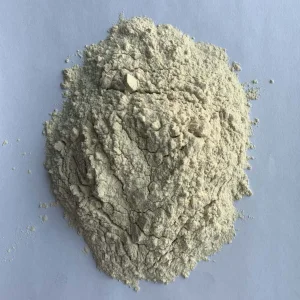
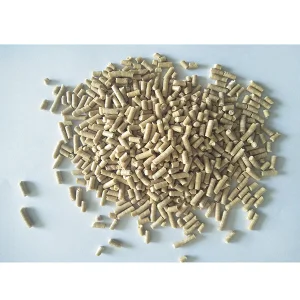
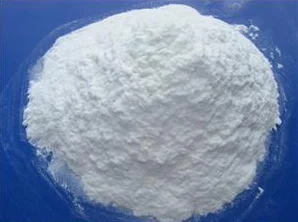
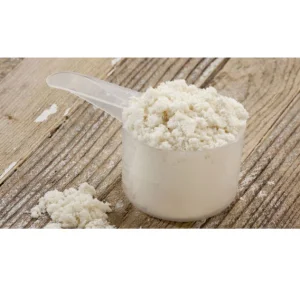
Wheat gluten is separated and extracted from high-quality wheat by three-phase separation technology. It contains 15 kinds of essential amino acids and has many characteristics such as strong water absorption, viscoelasticity, extensibility, film formability, adhesion thermocoagulability, liposuction emulsification and so on.
Wheat gluten is separated and extracted from high-quality wheat by three-phase separation technology. It contains 15 kinds of essential amino acids and has many characteristics such as strong water absorption, viscoelasticity, extensibility, film formability, adhesion thermocoagulability, liposuction emulsification and so on.
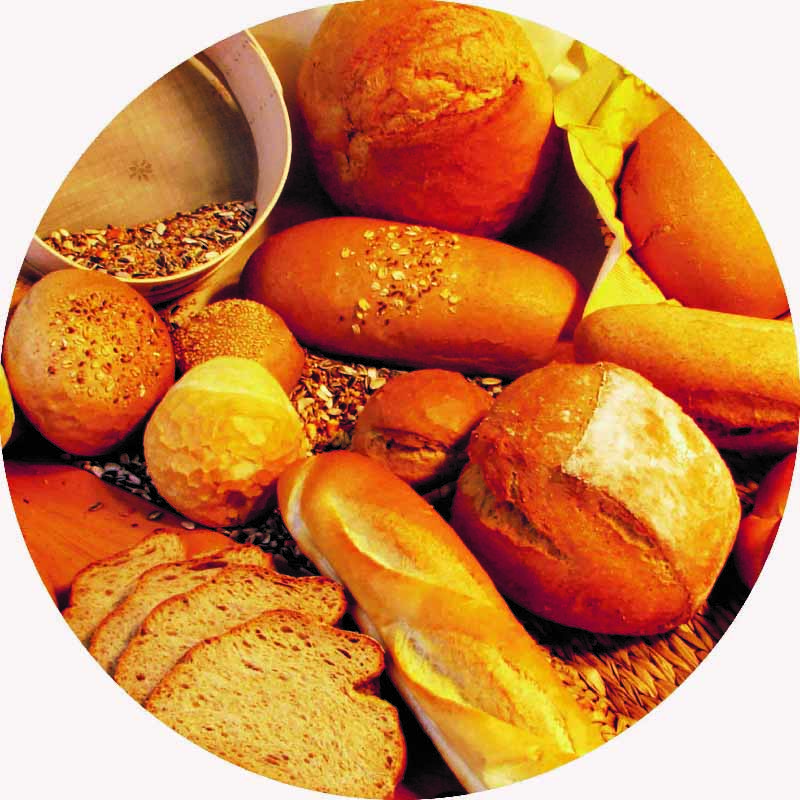
In the production of bread making flour, adding 2-3% wheat gluten powder (which can be increased or decreased according to the actual situation) can obviously improve the water absorption and enhance the stirring resistance of dough, shorten its fermentation time, increase the volume of bread products, make the texture of bread delicate and even, and greatly improve the color, appearance, elasticity and taste. It can also retain the bread aroma and moisture, keep fresh and ageless, prolong the storage life and increase the nutritional ingredients of bread.
2
Noodles, vermicelli and dumplings
In the production of instant noodles, vermicelli and dumplings, adding 1-2% wheat gluten powder can obviously improve the processing properties of products, such as pressure resistance (convenient for transportation and storage), bending resistance and tensile resistance, and increase the tenacity of noodles (improve taste), which is not easy to be broken, has soak resistance and heat resistance. Tasted slippery, non-sticky, rich in nutrition.
3
Steamed bread
In the production of steamed bread, adding 1% wheat gluten can enhance the quality of gluten, obviously improve the water absorption of dough, enhance the water holding capacity of products, improve the taste, stabilize the appearance and prolong shelf life.
4
Meat-based products
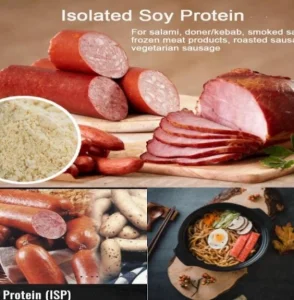
In the application of sausage, adding 2-3% wheat gluten can enhance the elasticity, toughness and water holding capacity of the products, so that they can be boiled or fried for a long time without breaks. When wheat gluten powder was used in meat-rich sausage products which has high fat content, its emulsification is more obvious.
5
Surimi-based products
In the production of fish cake, adding 2-4% wheat gluten powder can enhance the elasticity and cohesiveness of fish cake by its strong water absorption and ductility. In the production of fish sausage, adding 3-6% wheat gluten powder can protect the quality of products from high temperature treatment.
Packing & Transportation
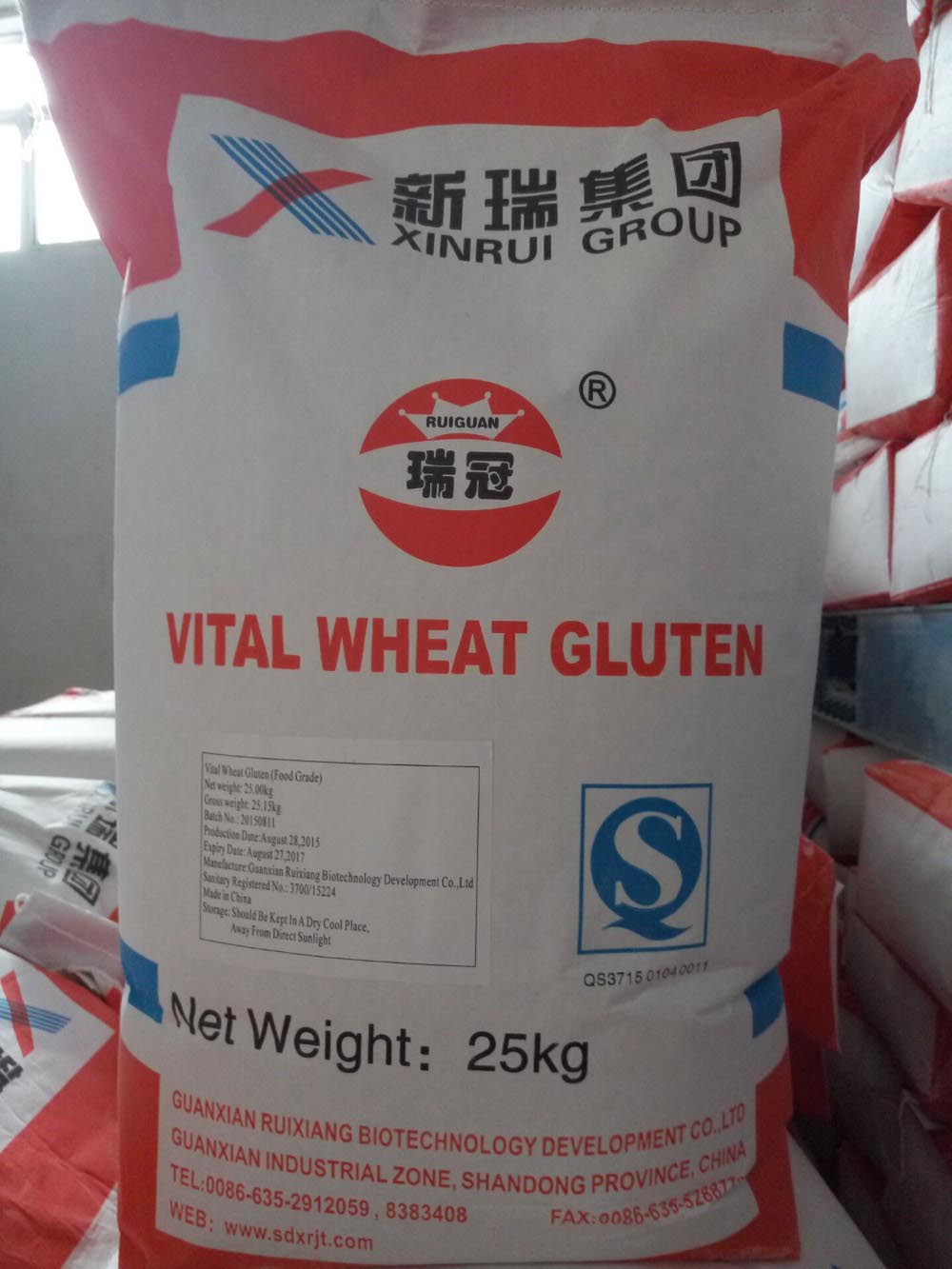
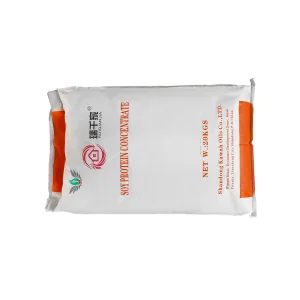
The outer packaging is a paper-polymer bag, and the inner packaging is a food grade polythene plastic bag. Net weight: 25kg / bag Without pallet: 22MT / 20’GP, 26MT / 40’GP With pallet: 18MT / 20’GP, 26MT / 40’GP
Storage & Shelf-life
Storage Condition: Store in dry and cool condition, keep away from sunlight or material with odor or of volatilization.
Shelf-life: Best within 24 months from production date.
Frequently Asked Questions (FAQ)
Q: What is wheat gluten and how is it extracted?
Wheat gluten is natural plant protein separated and extracted from high-quality wheat through advanced three-phase separation technology. It contains 15 kinds of essential amino acids.
Q: What are the key functional features of wheat gluten?
Wheat gluten possesses several important characteristics including strong water absorption, viscoelasticity, extensibility, film formability, adhesion thermocoagulability, and liposuction emulsification.
Q: What food products commonly use wheat gluten?
It is widely used in breakfast cereals, cheese analogues, pizza, bakery products, breadings, batters, coatings, flavors, as well as meat, fish, poultry, and surimi-based products.
Q: How does wheat gluten enhance noodles and dumplings?
By adding 1-2% wheat gluten powder, it improves processing properties such as pressure, bending, and tensile resistance. It enhances noodle tenacity, prevents breakage, and provides a slippery, non-sticky, heat-resistant texture.
Q: What are the packaging specifications and shipping capacities?
It is packaged in 25kg net weight paper-polymer bags with food-grade polythene inner bags. Loading capacity is 22MT (without pallet) or 18MT (with pallet) in a 20'GP container, and 26MT in a 40'GP container.
Q: How should wheat gluten be stored, and what is its shelf life?
It should be stored in dry and cool conditions, kept away from direct sunlight or materials with odor or volatilization. It is best used within 24 months from the production date.
 Xinrui Group