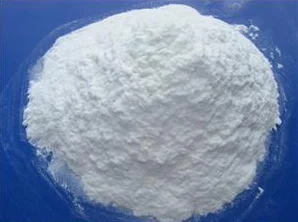
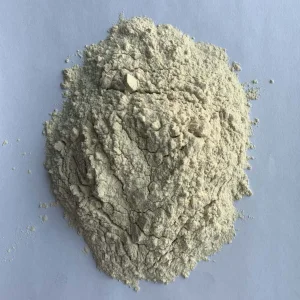
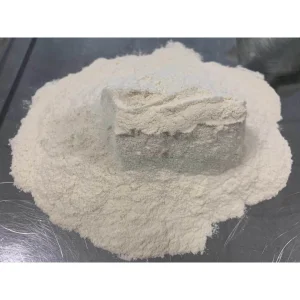
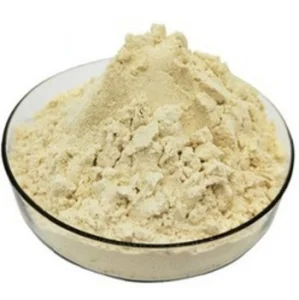
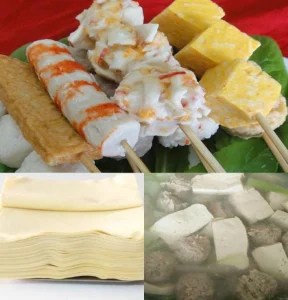
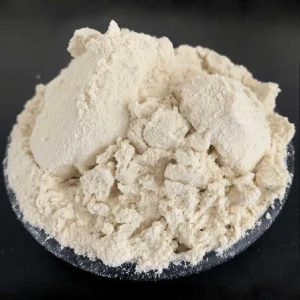
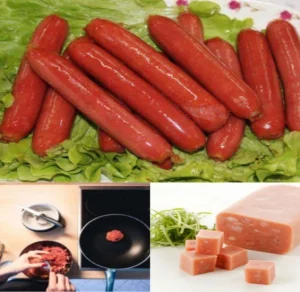
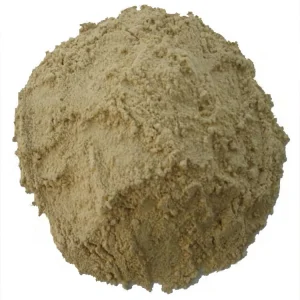
The Paris metropolitan area, known as Île-de-France, is a unique intersection of traditional artisanal baking heritage and state-of-the-art food technology. Driven by strict French regulations governing ingredients—such as the famous 1993 Bread Decree (Décret Pain)—and a strong societal shift toward sustainable plant-based eating, Parisian food manufacturers demand high-viscoelasticity Vital Wheat Gluten (VWG) and clean-label Wheat Starch. The local market operates with zero tolerance for GMO contamination and strict quality standards, making raw material traceability highly critical.
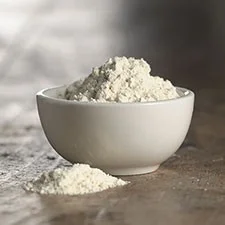
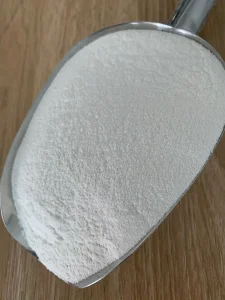
From the industrial bakeries of Seine-et-Marne supplying fresh baguettes daily, to Paris-based food science startups designing the next generation of alternative proteins, the functionality of wheat gluten is vital. It is used to adjust dough rheology, improve water absorption, and extend shelf life naturally without chemical additives. Meanwhile, high-grade wheat starch is highly sought after by French processors for its thickening, stabilization, and texturizing properties, as well as by regional industrial paper mills along the Seine and bio-ethanol manufacturers aiming for decarbonization.
"For French industrial bakeries, consistency is key. Traditional wheat flours fluctuate in protein content and quality due to changing seasonal weather patterns across Europe. Our premium Vital Wheat Gluten acts as a natural standardizer, ensuring the dough can withstand high-speed mechanical stress during automated processing."
Globally, the demand for wheat derivatives is growing rapidly due to the growth of plant-based diets, convenience foods, and industrial bio-products. Modern wet-milling technology has evolved beyond simple starch washing. Advanced industrial plants now employ Tri-Canter Separation Technology to process wheat flour into high-value components. This closed-loop process ensures efficient separation with minimal water usage, retaining the native viscoelastic properties of the gluten protein and producing high-grade Starch A and Starch B.
Our production facilities utilize this advanced technology to run clean, closed separation lines. As a result, we export wheat gluten that meets strict European standards for protein content (dry basis ≥ 82%) and water absorption capacity (≥ 150%). This level of performance is essential for Paris-based food manufacturers looking to scale their production without sacrificing product quality.
Originally established in May 2003, Xinrui Group has developed a footprint of more than 1,000 mu. Under its umbrella, Guanxian Xinrui Industrial Co., Ltd. (formerly known as Guanxian Ruixiang Biotechnology Development Co., Ltd) was established in 2007 with 100 million Yuan in registered capital. By utilizing raw wheat materials, we produce vital wheat gluten, wheat starch A, and wheat starch B. The residual Starch B and pentosan are recycled for industrial alcohol and high-nutrient animal feed production, completing a green circular bioeconomy loop.
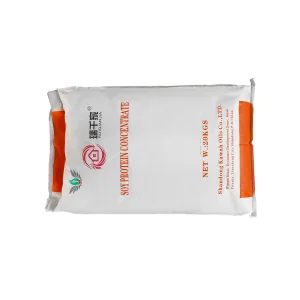
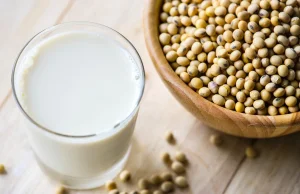
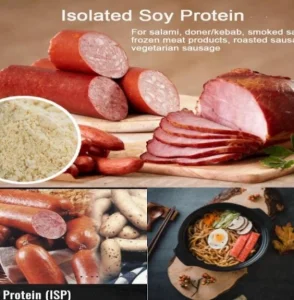
In parallel, our sister facility, Shandong Kawah Oils Co., Ltd., established in 2014 with a registered capital of 120 million Yuan, processes 180,000 tons of domestic Non-GMO soybeans annually. It extracts Non-GMO soybean oil, low-temperature food-grade meal, isolated soy protein, and soy dietary fiber using advanced spray drying technology from DACHUANYUAN—featuring the largest single production line capacity in China.
Export logistics are streamlined through Guanxian Ruichang Trading Co., Ltd., established in 2011. Ruichang exports isolated soy protein, wheat gluten, dietary fiber, vermicelli, and ethanol directly to international clients in Paris and across the globe, ensuring seamless integration of industry and trade.
Implementing low-temperature, ultra-flash drying systems to dry gluten while maintaining its viscoelastic properties. This ensures optimal hydration and dough strength for automated, high-output industrial bakeries in Paris.
Zero-waste discharge systems convert pentosans and starch byproducts into food-grade organic ethanol and animal feed. This minimizes environmental impact, aligning with European green deal frameworks and corporate sustainability mandates.
Utilizing physical and enzymatic processes to modify starches without chemical additives. This satisfies the strict clean-label requirements of French retail food brands and Parisian consumers.
Our long-term R&D is focused on protein structural engineering, particularly tailoring vital wheat gluten for the plant-based meat sector. By adjusting the gliadin-to-glutenin ratio during separation, we help alternative protein companies achieve realistic meat textures without artificial binders. We are also optimizing starch gelatinization temperatures to improve crumb structure in gluten-free baking applications, helping bakers meet the growing demand for clean-label, health-conscious options in the Paris market.
Additionally, you can view our plant video directly: Watch Xinrui Factory Walkthrough Tour.
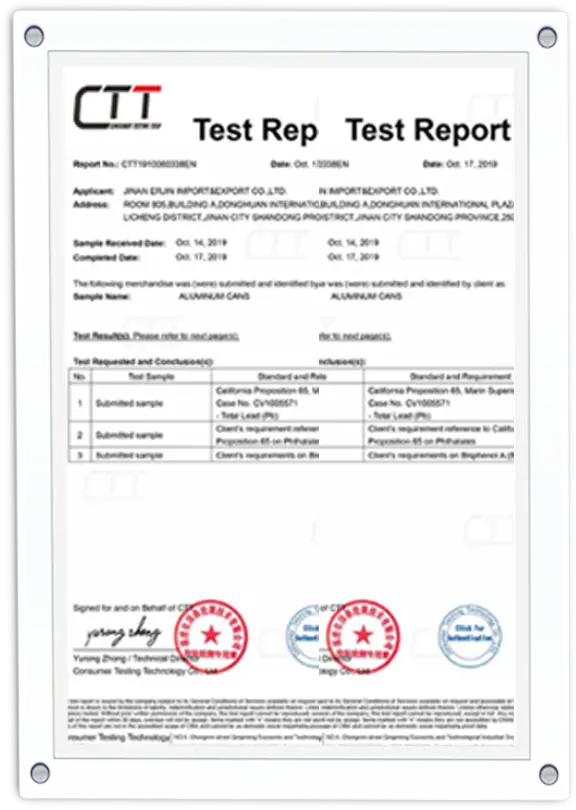
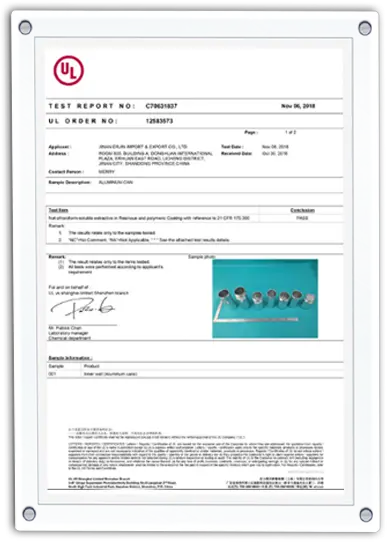
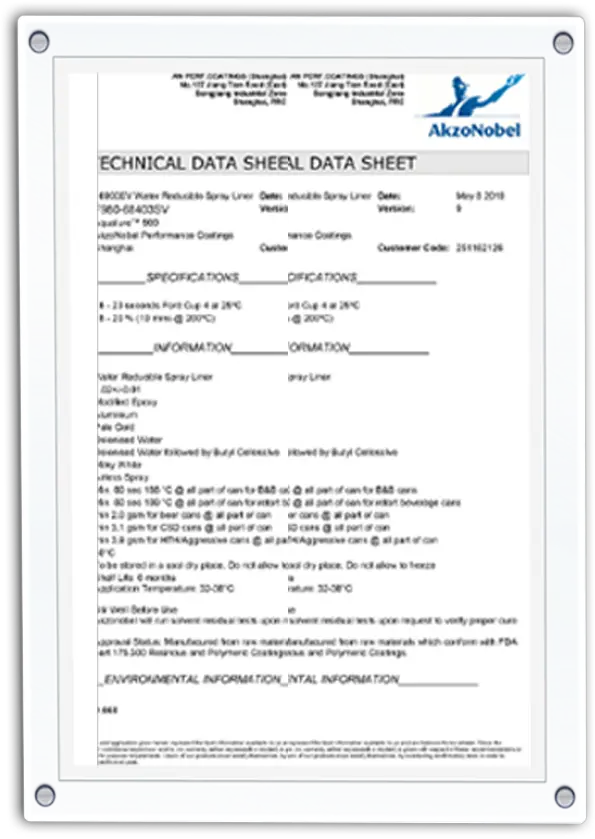
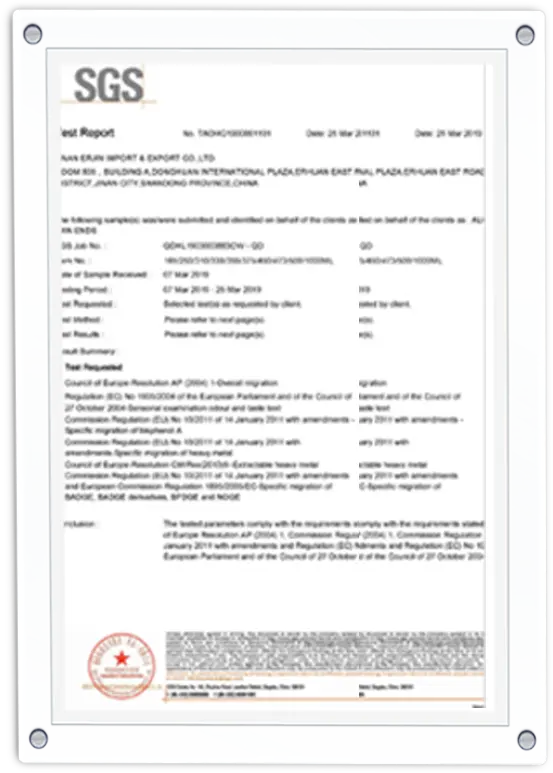
To succeed in the highly competitive Parisian and European food industries, manufacturers need reliable raw material sourcing. Operating deep-processing agricultural supply chains, Guanxian Xinrui Industrial ensures that raw grain inputs from our farming bases are processed in a closed system under strict HACCP protocols.
Our logistics network supports direct factory-to-port pathways, using moisture-barrier and food-grade packaging to protect vital wheat gluten and starch from environmental humidity during transit. Whether you need container-level shipments or direct local warehousing deliveries in Île-de-France, our international trading arm, Ruichang, provides end-to-end customs support, import clearing, and technical documentation.
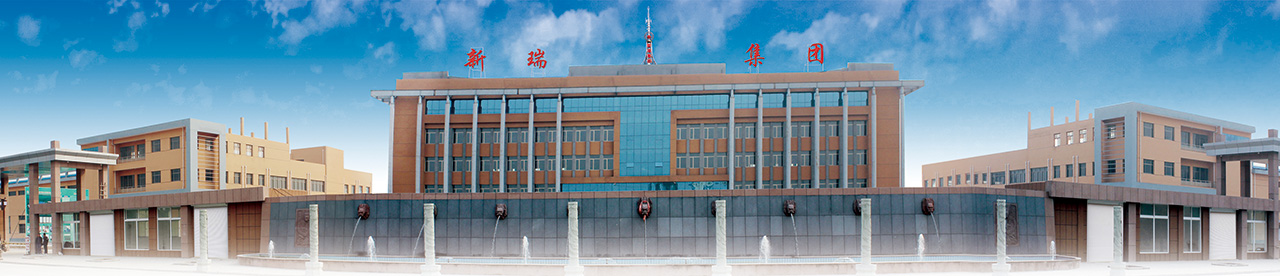
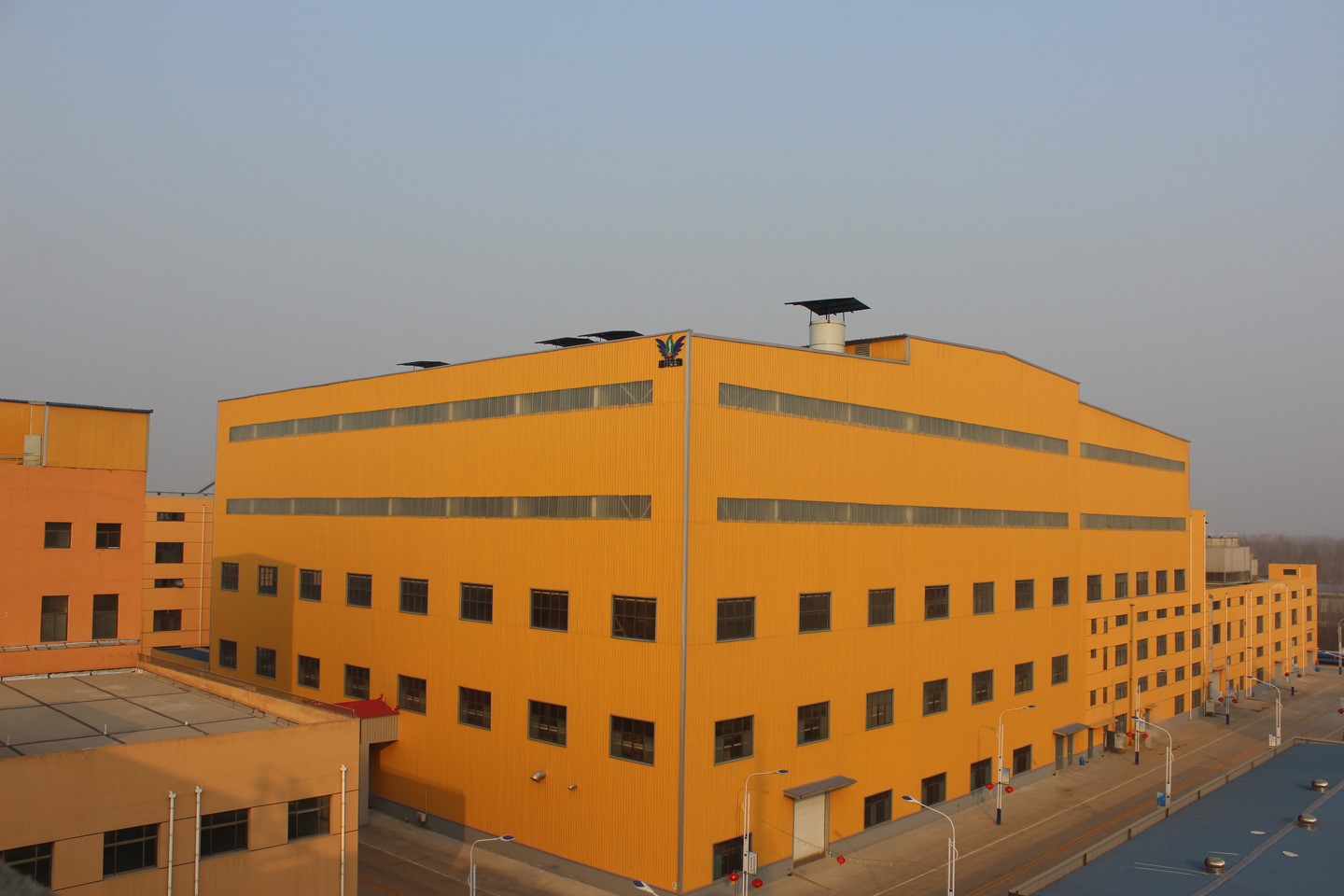
A key advantage of our production model is energy integration. Our facilities are backed by municipal thermal cogeneration systems, providing consistent steam energy for wet milling and flash drying. This energy setup ensures stable production cycles and shields global customers from high energy costs.
Additionally, our sister company, Shandong Kawah Oils, extracts high-grade soy proteins and fibers from domestic non-GMO soybeans. This gives our customers access to a comprehensive supply of plant-based protein options, including vital wheat gluten, wheat starch, isolated soy protein, and dietary fiber, all from a single industrial partner.
 Xinrui Group