Explore our premium grade products optimized for emulsification, binding capacity, high solubility, and nutritional density.
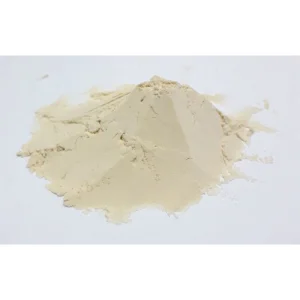
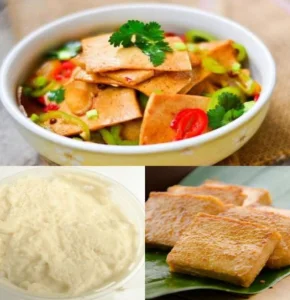
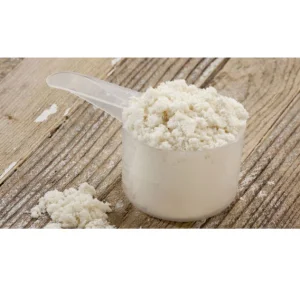
The global demand for plant-based proteins has shifted from a specialty dietary trend to a core pillar of food manufacturing security, sustainability, and technological innovation. Isolated Soy Protein (SPI) sits at the center of this transformation, acting as a highly functional, cost-effective substitute for animal proteins in functional formulations.
As major consumer markets in North America, Western Europe, and Asia-Pacific enforce clean-label standards and strict non-GMO identity preservation (IP), procurement officers face a critical challenge: sourcing high-viscosity, high-emulsification SPI that exhibits absolute lot-to-lot consistency. Our processing operations bridge this gap by linking large-scale agricultural sourcing directly to state-of-the-art isolation refineries.

How our factory achieves superior molecular functionality through state-of-the-art processing.
Processing premium raw materials under strictly controlled temperatures prevents thermal denaturation of the soy globulin proteins (7S and 11S), preserving their native emulsifying and water-binding capacities.
For our wheat processing operations, we use imported tri-canter separation technology. This clean, closed-loop process isolates gluten and starch variants with high purity, setting the standard for quality in industrial food ingredients.
We feature China's largest single-line spray drying tower by Dachuanyuan. This setup provides rapid water evaporation under low thermal stress, producing a highly soluble powder with consistent dispersibility.
Using premium local non-GMO soybeans, we extract soy oil and produce high-quality, low-temperature defatted soybean meal. This serves as the raw material for our protein isolation process.
Soy proteins are dissolved in alkaline solutions to separate insoluble fibers, then precipitated at the isoelectric point (pH 4.5) to maximize purity and isolate active soy globulin fractions.
The isolated protein curd is neutralized and treated with targeted enzymes or physical modifications to adjust viscosity, gel strength, and stability according to customer requirements.
High-Temperature Short-Time (HTST) sterilization eliminates microbial load while protecting functional molecular structures, followed by drying in our Dachuanyuan tower.
How Xinrui Group leverages local resources and circular utility systems to secure competitive B2B supply chains.
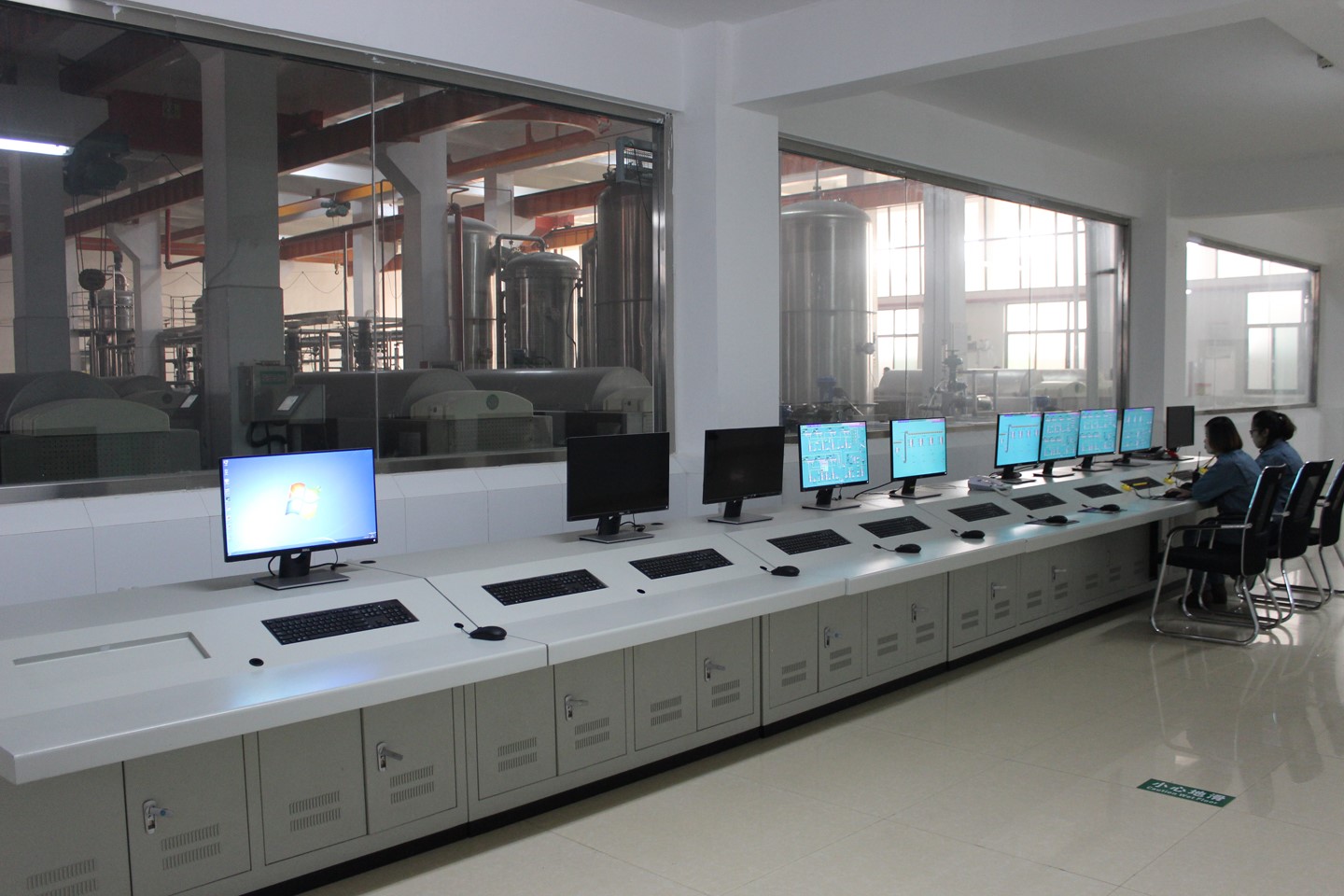
Xinrui Group, established in May 2003, covers a total footprint of more than 1,000 mu. Rather than operating as isolated processing sites, our plants leverage integrated utility infrastructures. We operate our own cogeneration facility to supply electricity, urban heating, and steam across the production loop, insulating our processes from energy market volatility.
By processing 500,000 tons of wheat flour and 180,000 tons of non-GMO soybeans annually, we feed sub-processes with zero-waste targets. Starch B and pentosan fractions are converted directly into ethanol and animal feed, minimizing waste handling fees and optimizing yields.
Our trading arm, Guanxian Ruichang Trading Co., Ltd, was established in 2011 to manage overseas sales directly. We export over 70% of our group's capacity to global buyers, streamlining documentation and customs handling for overseas shipments.
Matching specific protein variants to regional food cultures and manufacturing requirements.
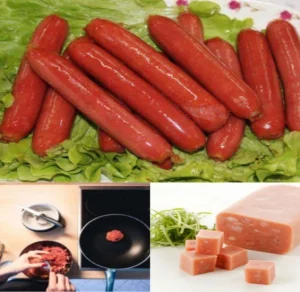
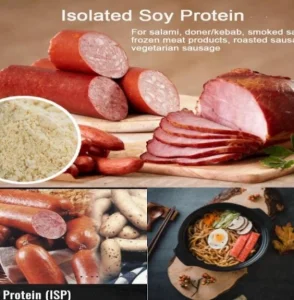
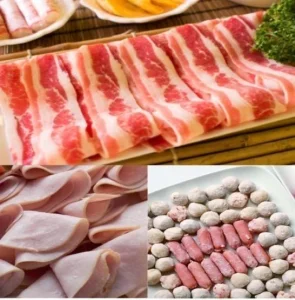
Our 9001BW and 9007B-C grades are designed for high shear emulsification. In Western-style sausages and hams, these isolates bind fat and water to prevent shrinkage and maintain texture during thermal processing.
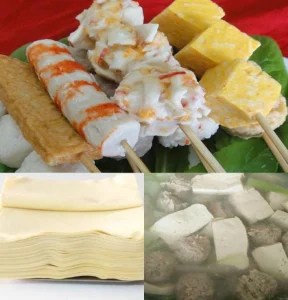
For traditional and silken tofu, the 9003B and 9005B grades provide controlled gelation speeds. They support structural binding in plant-based patties, delivering realistic bite profiles and mouthfeel.
The low-viscosity, high-solubility 9020 and 9028 injection grades are optimized for whole-muscle meats. They dissolve without clogging injection needles, improving yield and water retention in cured meats.
To maximize water binding capacity (WBC) and fat binding index (FBI) in emulsified meat formulations, R&D teams should prioritize the following parameters:
High-grade ethanol, structured vital wheat gluten, and specialized soy isolates.
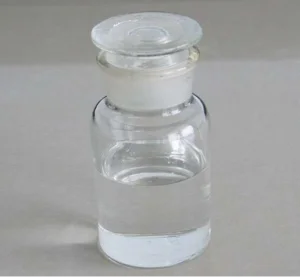
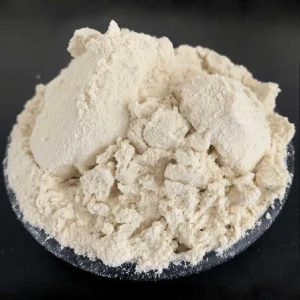
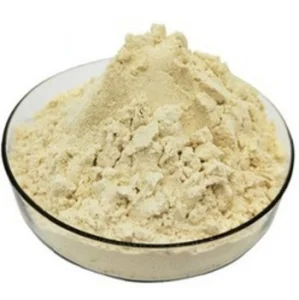
Watch our processing lines, logistics operations, and QA workflows in action.
Our facilities are audited to ensure compliance with strict international food safety regulations.
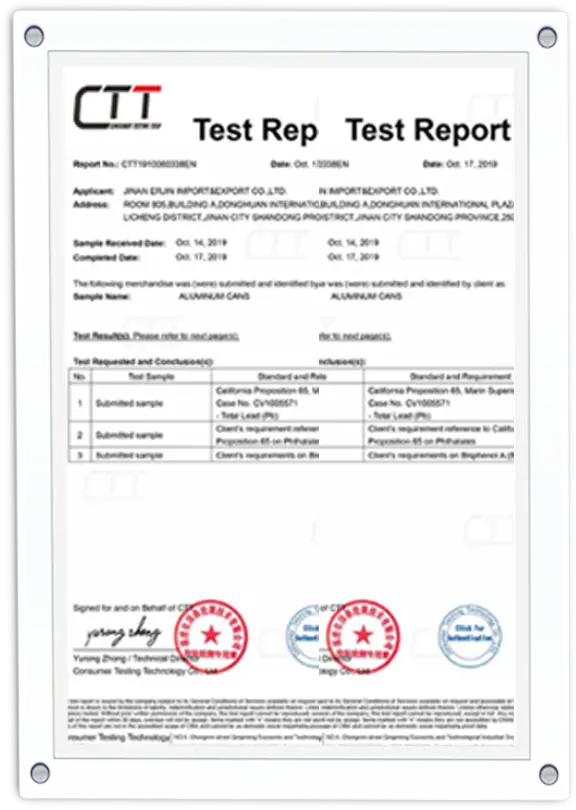
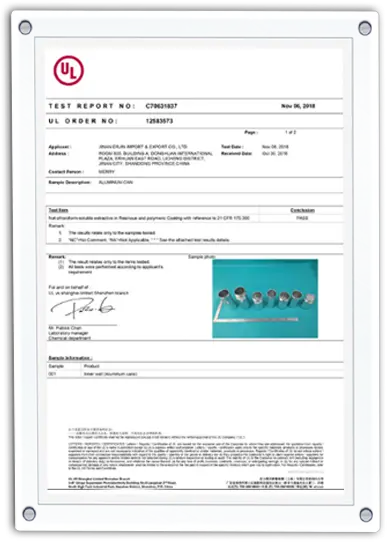
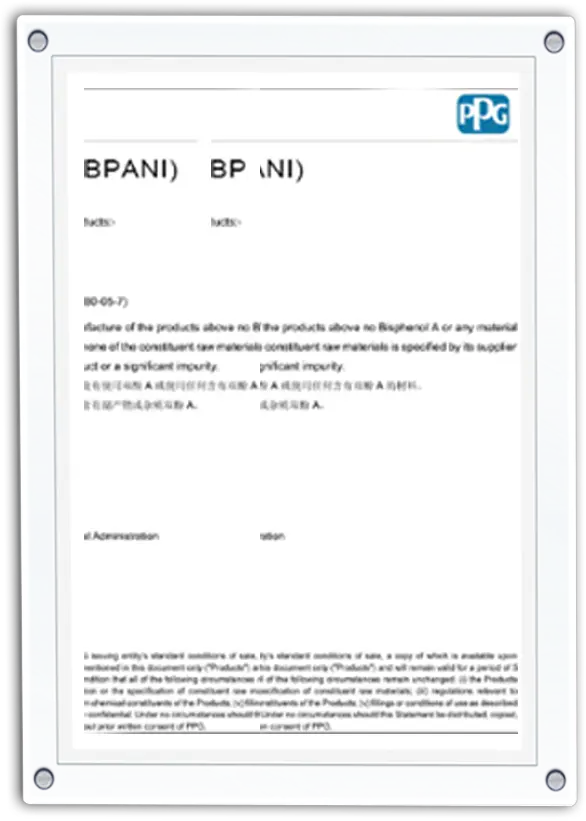
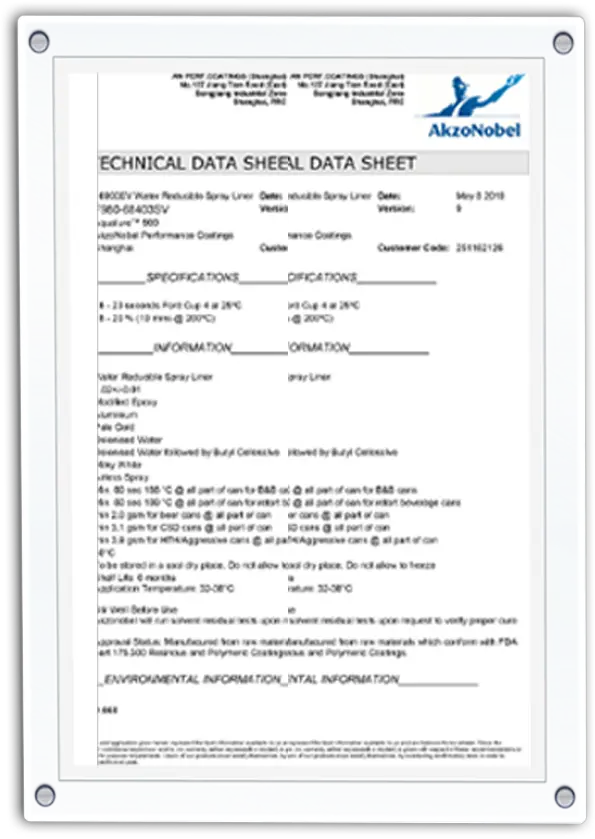
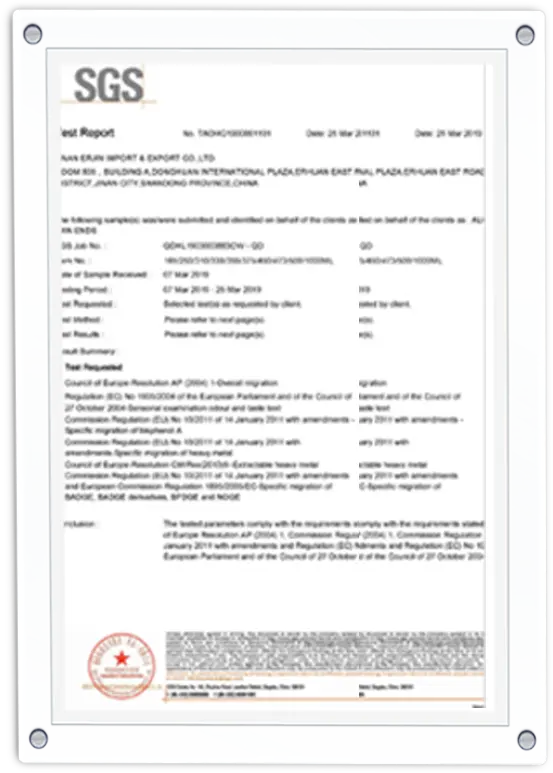
Operating under ISO 9001 and ISO 22000 management systems, our quality assurance team monitors our supply chains from raw materials to final packaging. Analytical testing checks each batch for:
Frequently asked questions about our manufacturing processes, logistics, and product specifications.
 Xinrui Group