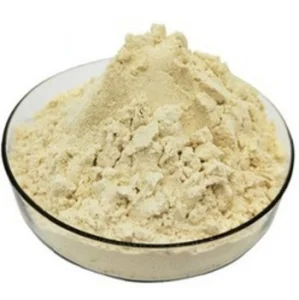
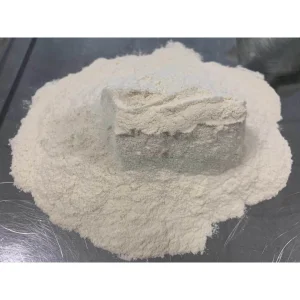
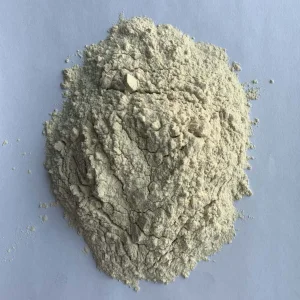
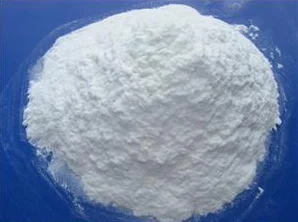
Explore our top-performing isolated soy proteins engineered specifically for emulsion, injection, and texture stabilization in commercial meat products.
Integrating state-of-the-art grain and oilseed deep processing with an eco-conscious industrial chain.
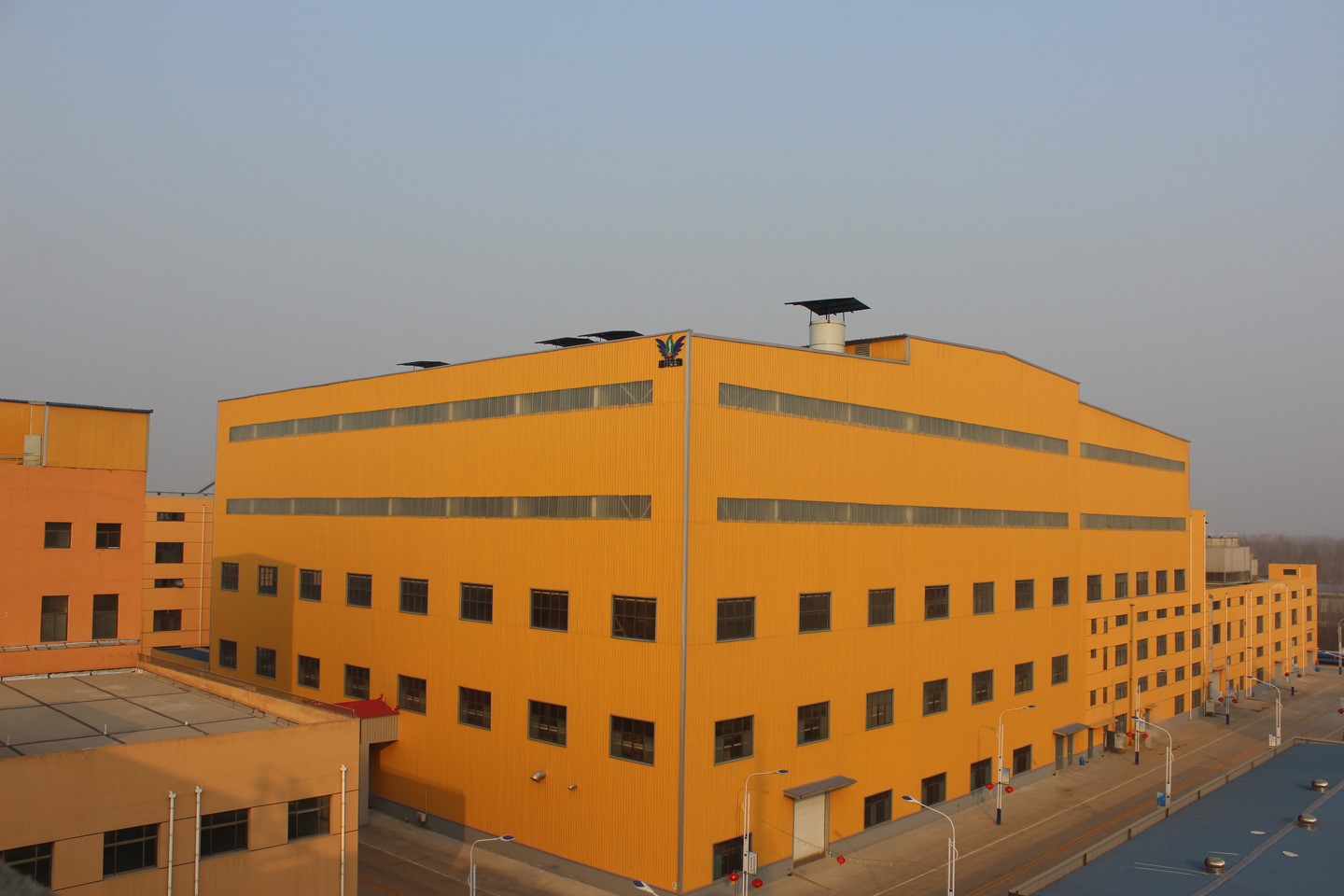
XINRUI GROUP was established in May 2003, covering a total area of more than 1,000 mu. Over years of focused growth, we have formed GUANXIAN XINRUI INDUSTRIAL CO., LTD. (formerly known as GUANXIAN RUIXIANG BIOTECHNOLOGY DEVELOPMENT CO., LTD, established in 2007, registered capital of 100 million Yuan) and SHANDONG KAWAH OILS CO., LTD. (established in 2014, registered capital of 120 million Yuan), achieving an annual output of 2.8 billion Yuan.
We own a highly diversified industrial ecosystem, spanning cogeneration, urban heating, gas supply, and extensive deep processing facilities fed by our own wheat and non-GMO soybean planting bases.
Guanxian Xinrui Industrial Co., Ltd. processes 500,000 tons of wheat flour annually. Utilizing our high-grade raw wheat material, we produce premium vital wheat gluten, wheat starch A, and wheat starch B. To close the circular loop, starch B and pentosan are recycled for ethanol and animal feed production. We import the industry's most advanced tri-canter separation technology for clean, closed-loop wheat gluten manufacturing.
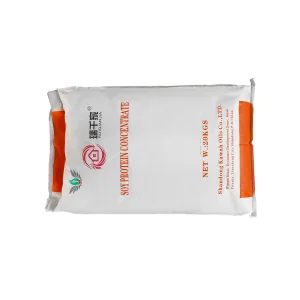
Shandong Kawah Oils Co., Ltd. is a leading provincial agricultural enterprise that processes 180,000 tons of local non-GMO soybeans annually. Integrating cultivation, R&D, processing, and export, we extract soybean oil, low-temperature food-grade meal, isolated soy protein, and dietary fiber. Featuring the advanced DACHUANYUAN spray drying tower, we operate the largest single production line in China for isolated soy protein.

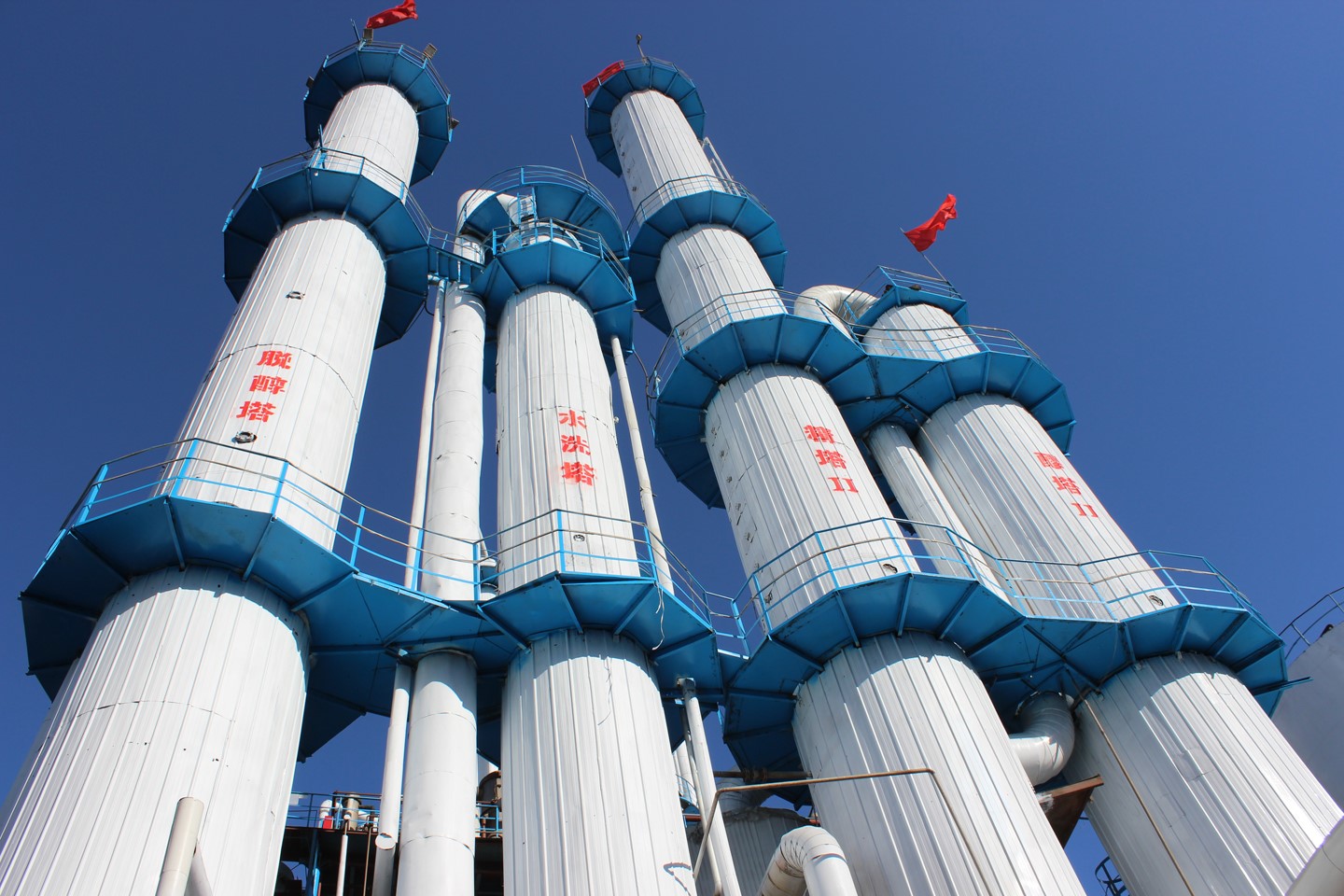
An analytical overview of market dynamics, functionality demands, and economic factors reshaping global meat production.
Rising raw material costs and consumer preference for healthier, lower-saturated-fat options are driving meat manufacturers to blend traditional animal proteins with functional plant proteins. Non-GMO isolated soy protein provides the structural matrix needed to retain moisture and mimic the mouthfeel of real meat while stabilizing cost-in-use formulations.
Highly functional isolated soy protein acts as a stabilizer in emulsified products like sausages and frankfurters. Through a complex system of hydrogen bonding and electrostatic interactions, it creates a heat-stable gel network. This retains free moisture and fats, drastically minimizing purge loss during vacuum packing and heat sterilization.
Today's global procurement protocols demand complete transparency. European and North American manufacturers require strictly verified Identity Preserved (IP) Non-GMO soy proteins. By supervising the entire supply chain from seed planting bases to the final spray drying stage, Shandong Kawah Oils guarantees complete traceability and zero GMO contamination.
How large-scale food factories leverage specialized isolated soy proteins to optimize yields, visual appeal, and nutritional content.
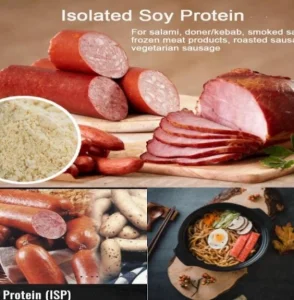
In finely minced and emulsified sausages (such as hot dogs, bologna, and luncheon meats), maintaining an oil-in-water emulsion is critical. Our Meat & Emulsion Type Isolated Soy Proteins (9007B-C, 9500, 9001BW) possess exceptional lipophilic and hydrophilic balance. These proteins encapsulate fat globules, preventing coalescence and subsequent fat separation during retort processing.
For whole muscle ham, bacon, and poultry products, processors rely on brine injection. Our injection-grade isolates, such as 9020 and 9026, exhibit extremely low viscosity and high dispersibility. This allows the protein to pass through fine injector needles without clogging, dispersing evenly throughout the muscle fibers to boost yield and tenderness.
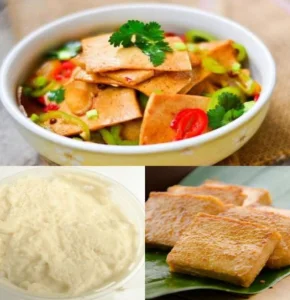
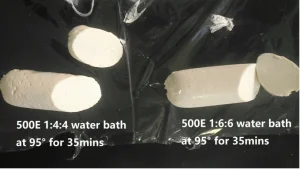
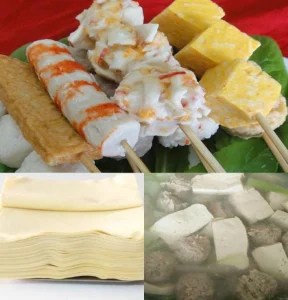
For vegetarian products, fish pastes, and structured tofu, texture and bite determine product success. Our Vegetarian & Tofu Type Isolated Soy Proteins (9003B, 9005B, 9003BA) form firm, elastic, and thermo-irreversible gels. They align with vital wheat gluten to form robust, fibrous structures that emulate natural muscle tissues.
Scientific data for food engineers optimizing meat emulsions, structured proteins, and starch-based binder networks.
| Product Code & Category | Protein content (Dry basis) | Moisture (%) | Gelling Strength (g/cm²) | Primary Industrial Applications |
|---|---|---|---|---|
| ISP 9007B-C / 9500 (Emulsion Type) | ≥ 90.0% | ≤ 7.0% | ≥ 800 - 1000 | Frankfurters, bologna, meatballs, burgers, canned meats, minced pies. |
| ISP 9020 / 9026 / 9028 (Injection Type) | ≥ 90.0% | ≤ 7.0% | ≥ 400 - 600 | Injected hams, bacon, whole poultry breasts, cooked deli meat loaves. |
| ISP 9003B / 9005B (Tofu & Vegetarian) | ≥ 90.0% | ≤ 7.0% | ≥ 900 - 1100 | Vegetarian patties, high-moisture meat analogs, fish balls, surimi. |
| ISP 9030 (Dispersion & Beverage) | ≥ 90.0% | ≤ 7.0% | ≤ 200 | Protein dry mixes, high-protein nutritional beverages, infant formulas. |
| Vital Wheat Gluten (VWG-P) | ≥ 75.0% | ≤ 9.0% | N/A (High Viscoelasticity) | Sausage binder, meat analogs, baked goods, textured protein substrates. |
| Soy Dietary Fiber (SDF) | ≥ 18.0% (Fiber ≥ 65%) | ≤ 9.0% | N/A | Dietary fiber enrichment, fat mimicry, water absorption enhancement. |
Step inside our facilities to observe our raw material control, extraction processes, and advanced spray drying technologies.
Our manufacturing processes adhere to the highest international food safety standards, backed by robust certification programs.
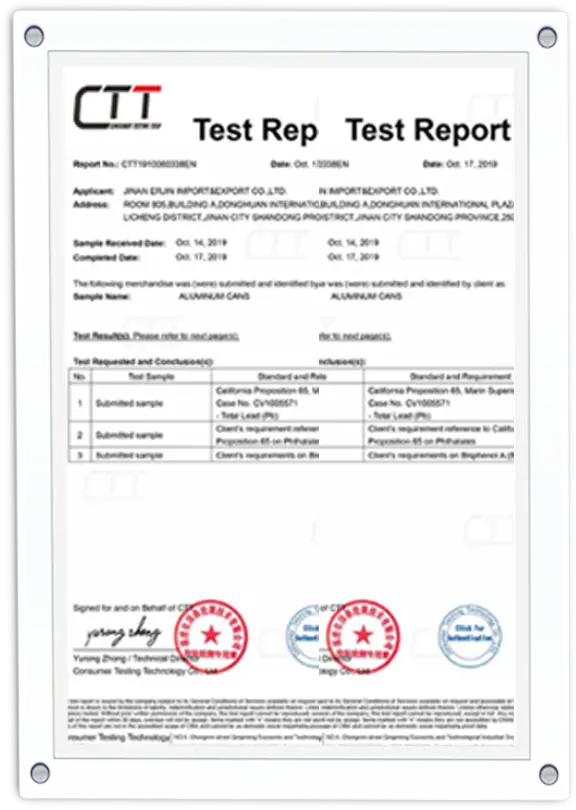
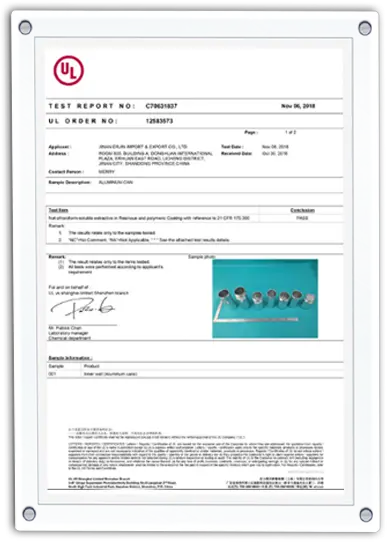
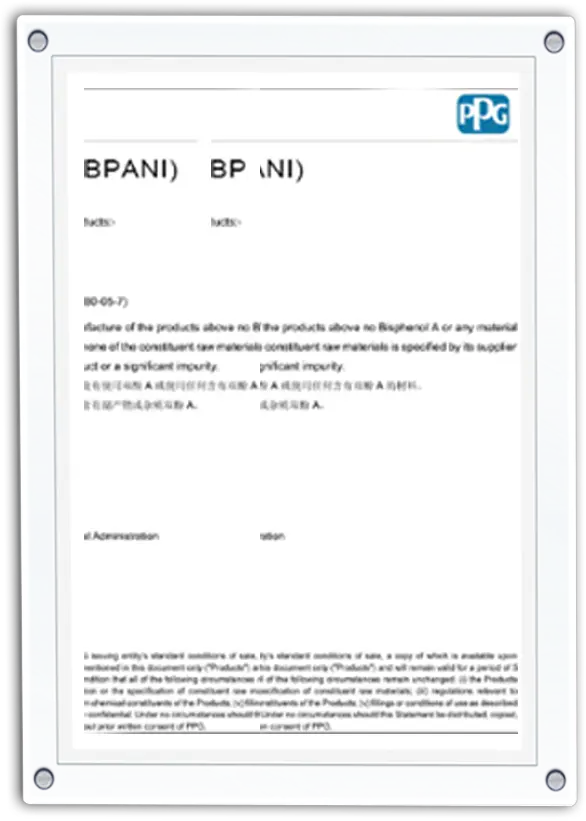
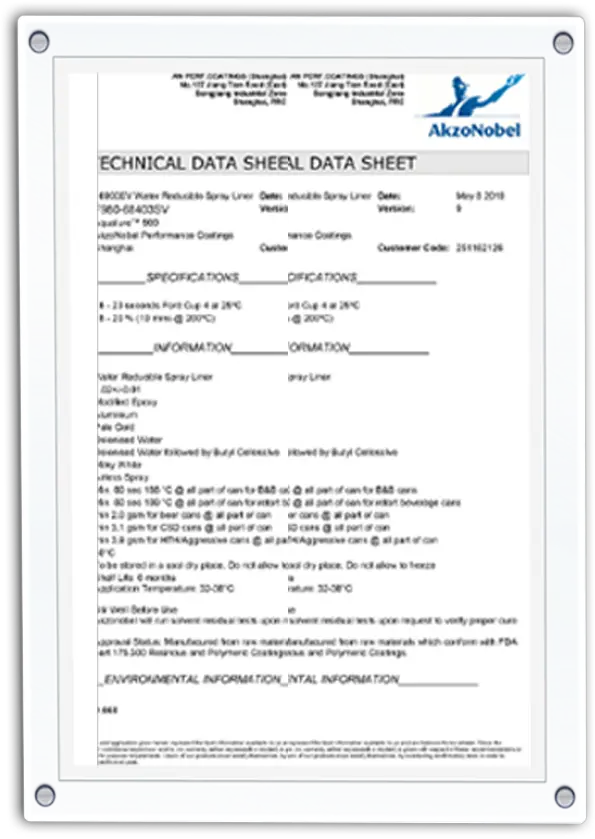
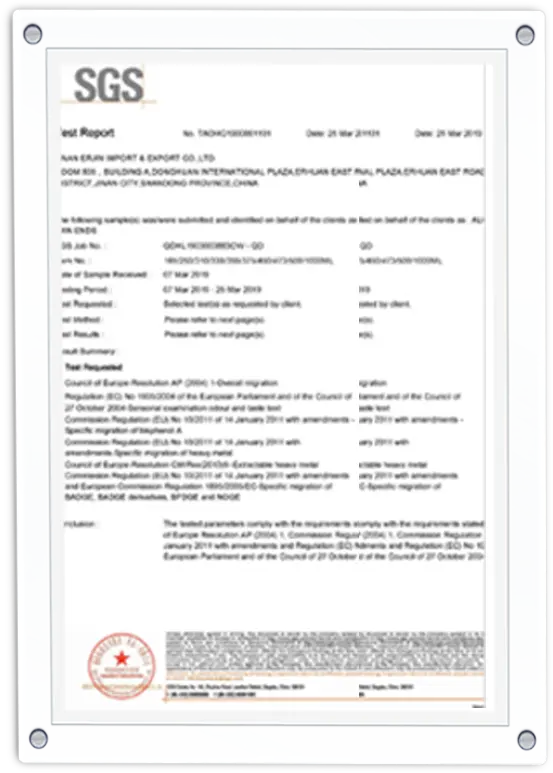
Our facilities are fully certified by international bodies to ensure safety, quality, and complete compatibility with worldwide customs regulations. We hold valid certificates for HACCP, ISO9001, ISO22000, BRC, HALAL, KOSHER, IP-NON GMO, and SGS.
With an independent planting base and step-by-step extraction processing at Shandong Kawah Oils, we assure that our raw low-temperature soybean meal and soy proteins are completely free of genetic modifications, catering directly to premium global food retailers.
Operated through Guanxian Ruichang Trading Co., Ltd. (founded in 2011), we export over 70% of our group's total production capacity. By cutting out intermediaries, we offer direct-to-factory prices, streamlined document clearance, and end-to-end maritime shipping.
Investing in low-carbon foot printing, green energy cogeneration, and high-efficiency raw material extraction.
By implementing advanced tri-canter separation systems in our wheat gluten lines, we keep all production steps hermetically sealed. This guarantees maximum purity while lowering clean water consumption by 30%, setting a new ecological benchmark in national grain deep-processing industries.
Xinrui Group integrates a dedicated cogeneration system that feeds electricity and process steam back into our spray drying towers. This waste-to-energy synergy provides central heating and gas supply to neighboring urban areas, lowering fossil fuel reliance and stabilizing production costs.
Our ongoing research centers on improving high-moisture extrusion (HMEC) using specialized soy isolates and vital wheat gluten. This technological path aims to deliver fibrous, meat-like protein textures that support high-capacity, clean-label vegetarian burger production.
Answers to common technical, logistics, and quality assurance questions asked by procurement officers and food scientists.
Discover our comprehensive collection of wheat gluten, dietary fiber, and starch binders that support our soy protein isolates.
 Xinrui Group