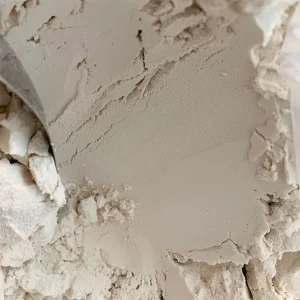

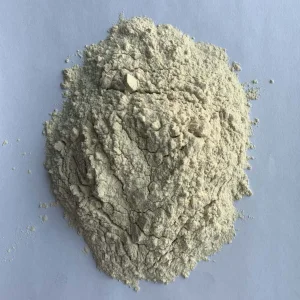
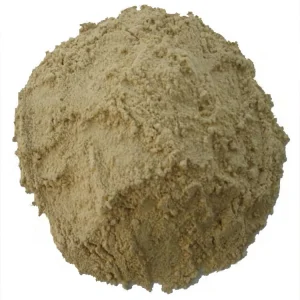
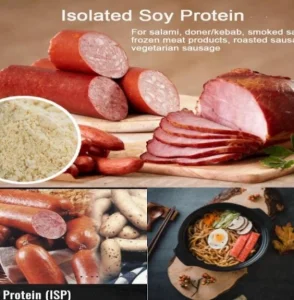
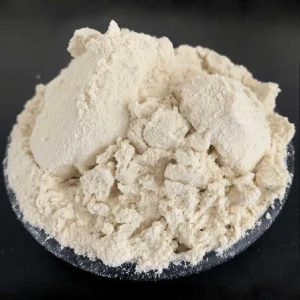
In the modern food manufacturing landscape, Isolated Soy Protein (ISP) has progressed from a simple cost-efficient meat filler to an indispensable functional ingredient. High-capacity meat processors, commercial sausage factories, and global food giants utilize Isolated Soy Protein to solve structural, textural, and economic challenges. Comprising over 90% protein on a dry weight basis, ISP is derived from defatted soybean flakes through a multi-step extraction, purification, and spray-drying process. This removes non-protein elements, resulting in a product with low flavor intensity, high digestibility, and superb functional characteristics.
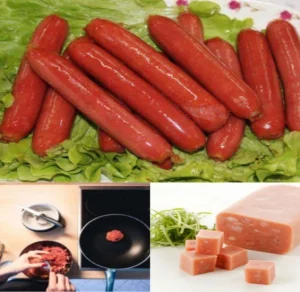
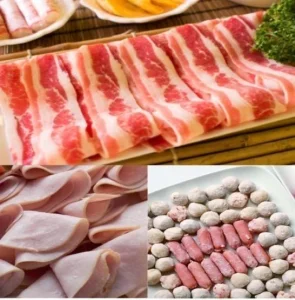
The global demand for high-quality meat-grade ISP is driven by two main trends: the optimization of traditional processed meats and the rapid growth of plant-based meat alternatives. In traditional meat sectors, including sausages, canned luncheon meats, meatballs, and patties, ISP serves as a structural agent. It binds free water and fats, preventing thermal syneresis and oil separation during cooking or sterilization. This preservation of texture and moisture improves yield and extends shelf life.
In the plant-based and hybrid meat sectors, ISP acts as the primary protein block. Formulators use its high gel strength and gelling characteristics to replicate the chewiness, elasticity, and bite profile of animal muscle tissue. Additionally, the clean sensory profile of premium Non-GMO soy protein isolate ensures it blends smoothly with colorings and flavor systems without leaving a bitter or beany aftertaste.
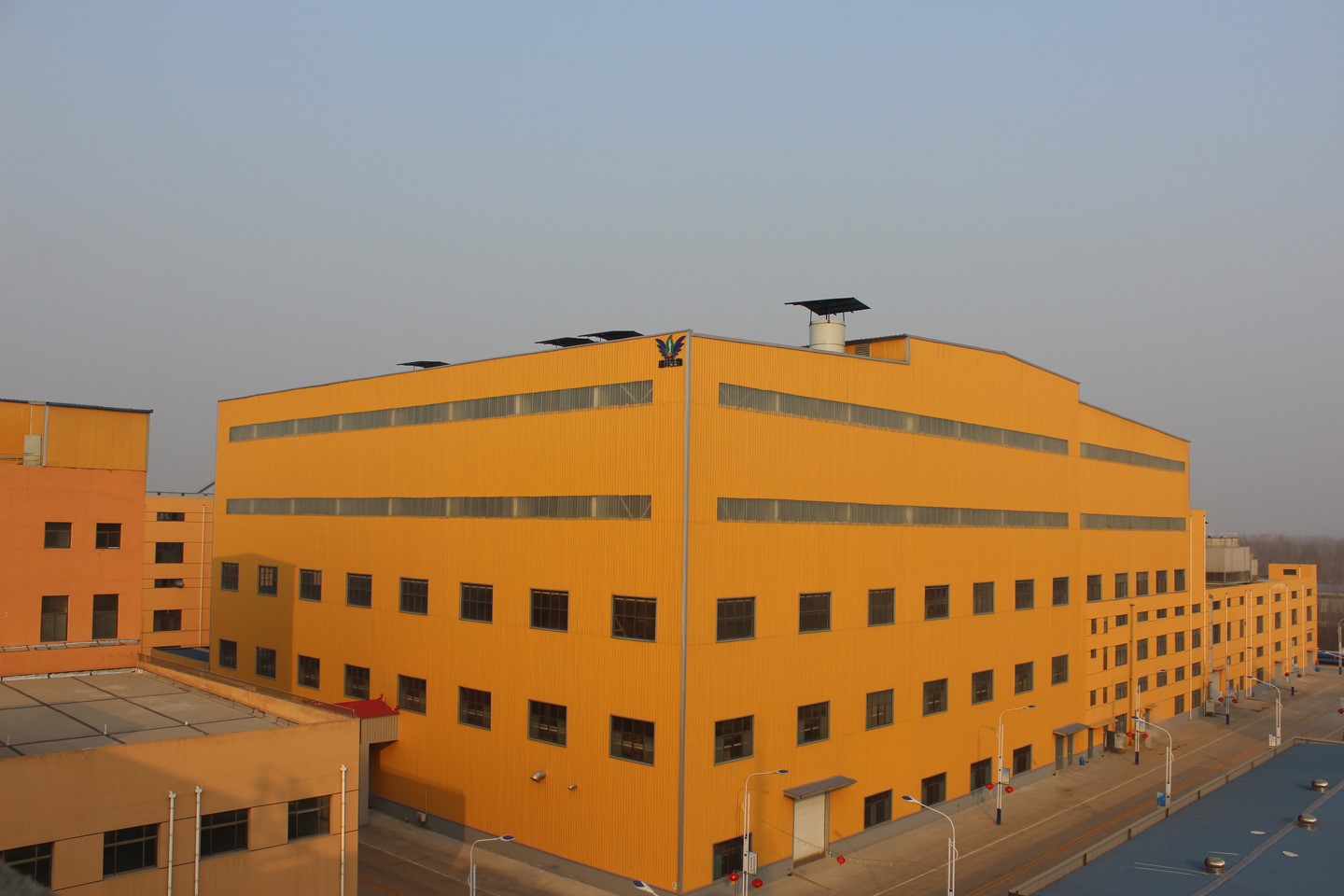
China is a leading global supplier of Isolated Soy Protein, driven by raw material supply security, advanced extraction technology, and vertical integration. Xinrui Group (established in 2003, with its processing subsidiary Shandong Kawah Oils Co., Ltd. founded in 2014) represents this advanced manufacturing model. By integrating domestic planting bases, oil crushing, low-temperature meal production, and final spray-drying, the group ensures full traceability and cost control.
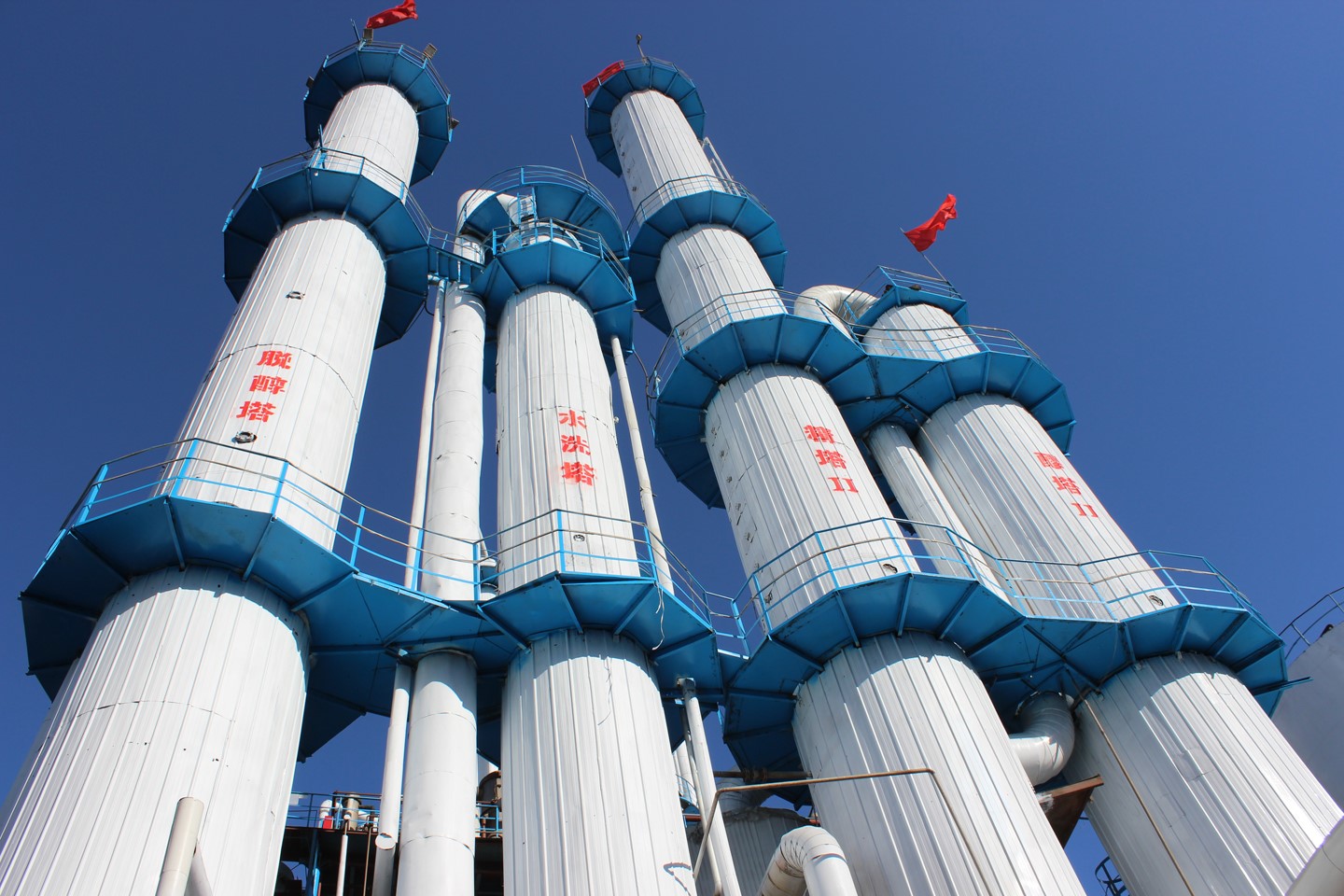
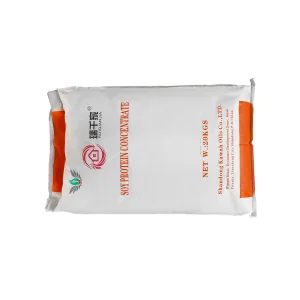
Shandong Kawah Oils Co., Ltd. processes 180,000 tons of domestic Non-GMO soybeans annually. Using these raw materials, it extracts Non-GMO soybean oil, low-temperature food-grade meal, isolated soy protein, and soy dietary fiber. This integrated structure minimizes shipping and handling steps, protecting the raw protein from degradation and ensuring consistent batch-to-batch quality. The plant features a spray drying tower from DACHUANYUAN, representing one of the largest single-line production capacities in China, which delivers highly uniform particle sizes and excellent dispersibility.
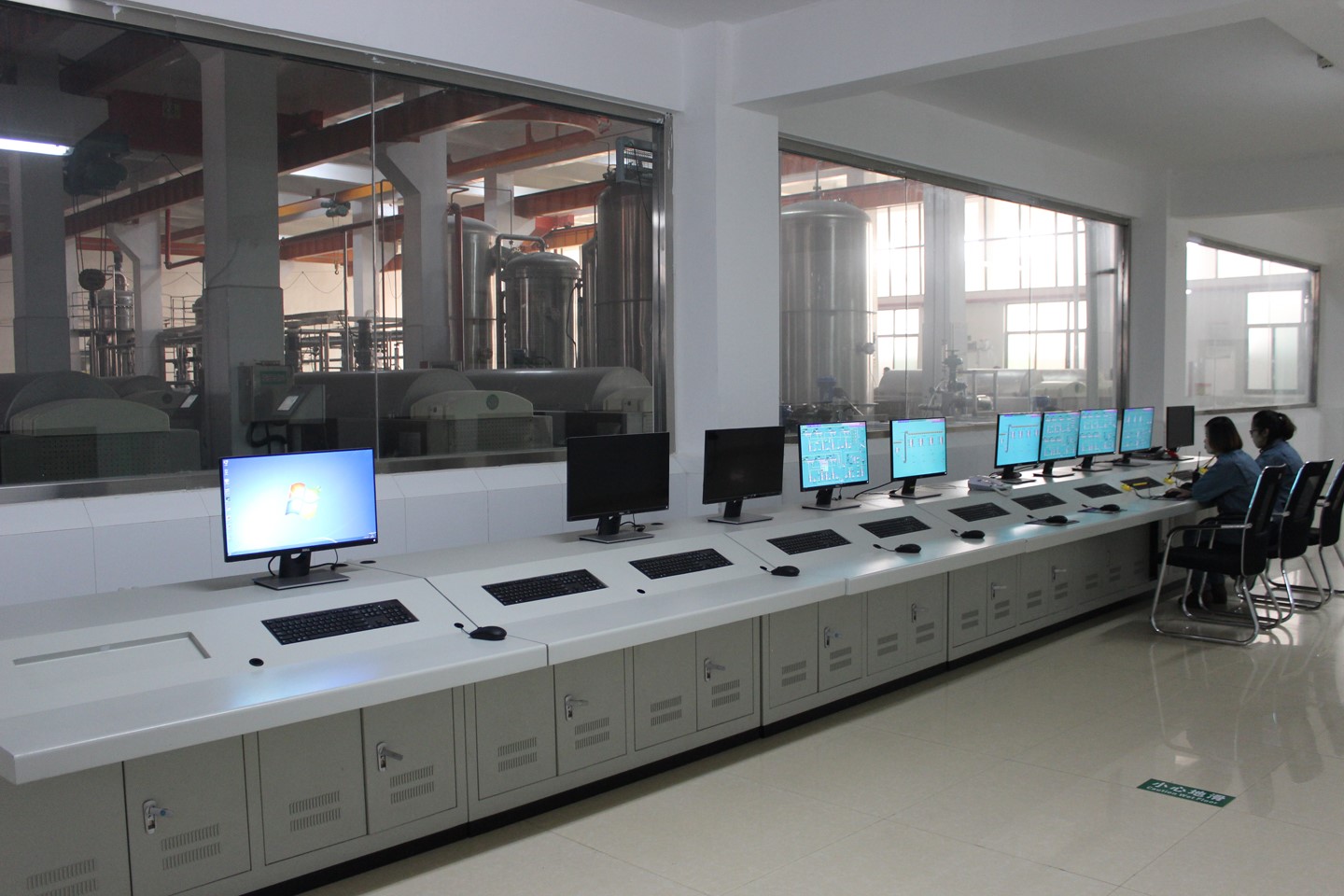
Imported advanced separation technology ensures a clean, closed, and fully automated process loop. This maximizes protein recovery and preserves native functional properties.
Our large-scale spray drying system generates uniform powder particles, providing rapid hydration, low dust levels, and superior dissolution profiles in commercial mixers.
Combining wheat starch, vital wheat gluten, ethanol, and soy protein production lines allows KaWah and Xinrui to reuse byproducts, reducing environmental impact and cost.

Guanxian Xinrui Industrial Co., Ltd. (formerly known as Guanxian Ruixiang Biotechnology Development Co., Ltd) was established in 2007 with a registered capital of 100 million Yuan. The facility processes 500,000 tons of wheat flour annually, producing vital wheat gluten and wheat starch grades A and B. Starch B and pentosan are recycled for ethanol and animal feed, creating a highly efficient circular production loop.
Shandong Kawah Oils Co., Ltd., founded in 2014 with 120 million Yuan of registered capital, acts as the group's soybean processing arm. Using domestic Non-GMO soybeans, it produces isolated soy protein (50,000 tons/year), dietary fiber, and refined soybean oil. To coordinate international sales, Guanxian Ruichang Trading Co., Ltd. was established in 2011. Ruichang exports over 70% of the group's production directly to clients worldwide, ensuring smooth transactions and logistics control.
Isolated Soy Protein is used across various meat processing categories, each requiring specific functional properties:
In finely chopped meat batters, fat particles must remain suspended in the protein-water matrix to prevent pockets of fat from forming during thermal processing. Emulsion-type ISPs (such as grades 9001BW, 9001B-Y, and 9000) are designed with a balanced ratio of hydrophilic and lipophilic groups. When hydrated at ratios of 1:5:5 (Protein : Water : Oil), they create a stable emulsion network that retains moisture and fat during sterilization, improving product yield and bite profile.
For whole muscle meats, functional proteins must be injected directly into the muscle fibers without clogging injection needles. Injection-type ISPs (including 9020, 9026, and 9028) feature low viscosity under high shear and high solubility. Once inside the muscle tissue, they interact with myofibrillar proteins during curing and cooking, improving moisture retention and sliceability while reducing cook shrink.
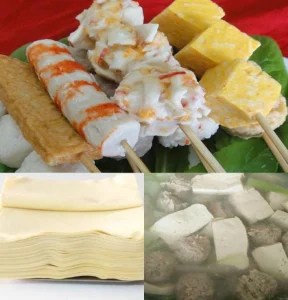
For plant-based meats and tofu applications, protein gelation is critical. High-gel ISPs (such as 9003B and 9005B) form firm, elastic, and irreversible thermal gels when heated above 80°C. These proteins provide structural bite and elasticity, helping plant-based alternatives closely replicate the texture and chewiness of animal proteins.
Our manufacturing sites follow strict quality systems to meet global regulatory requirements and food safety standards.
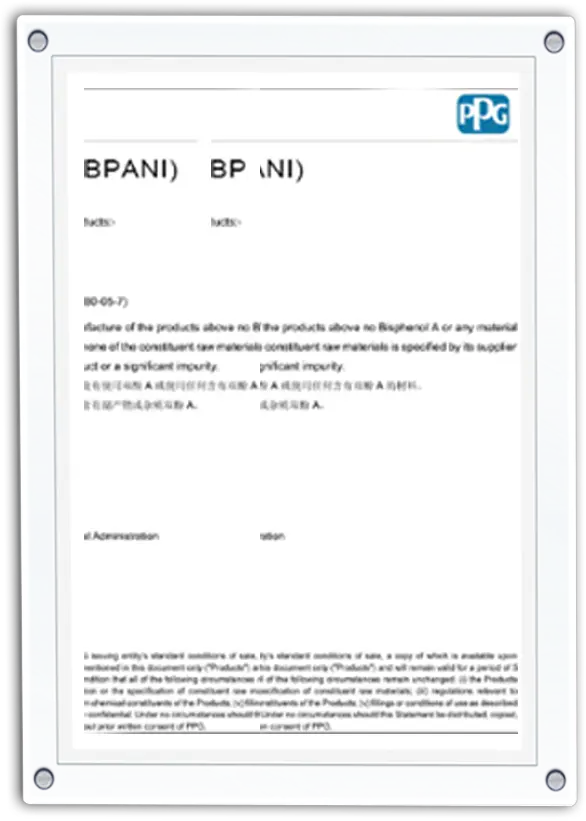
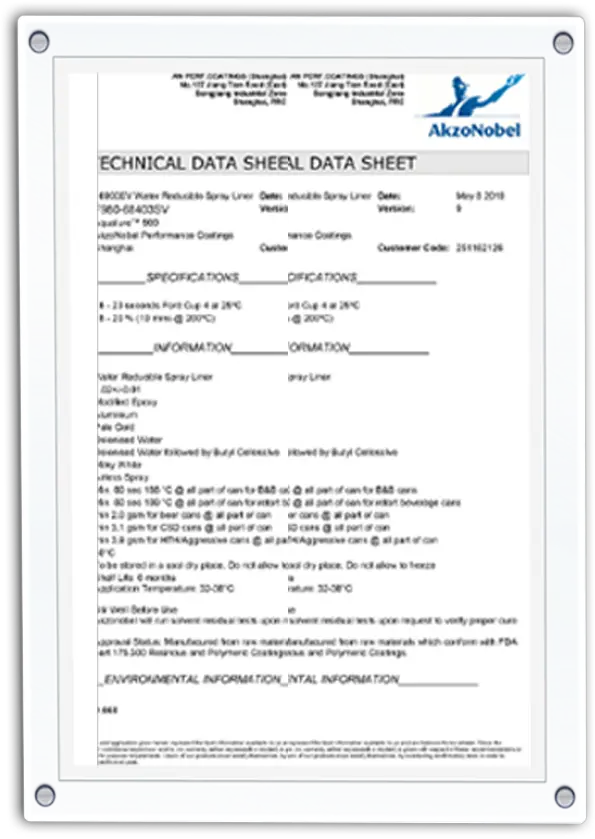
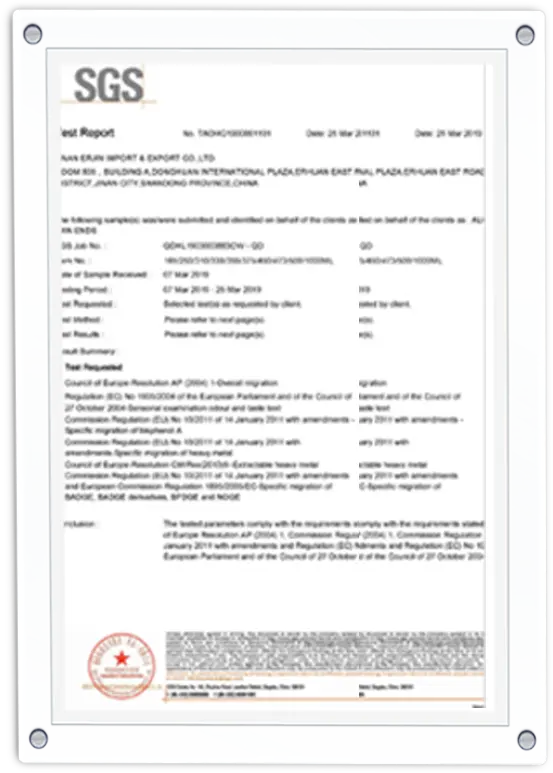
The business environment for food ingredients requires supply security, price stability, and verified sustainability certifications. Procurement teams evaluating partners for bulk isolated soy protein analyze factors beyond base pricing:
Consumer demand for clean-label, non-genetically modified foods is growing, particularly in European and North American markets. Importing raw materials with IP Non-GMO certification guarantees that soybeans are segregated at every stage: from seed selection and farming through oil extraction to final spray drying. Our production lines use domestic Non-GMO Chinese soybeans as raw material, ensuring full traceability back to the farm.
Fluctuations in raw soybean costs can strain margins for meat processing factories. Integrated groups like Xinrui Group, which combine cogeneration plants, municipal heating systems, oil crushing plants, and downstream deep processing, are insulated from sudden spikes in energy and logistics costs. This structural integration allows us to offer reliable, long-term pricing contracts to international buyers.

B2B food manufacturing is not a one-size-fits-all market. A sausage manufacturer in Central Europe requires specific gel strength and gelling temperatures, while a poultry processor in Latin America needs low-viscosity, high-solubility proteins for brine injection. Partnering directly with integrated manufacturers allows buyers to customize and lock in specific viscosity and gel parameters, ensuring consistent line performance.
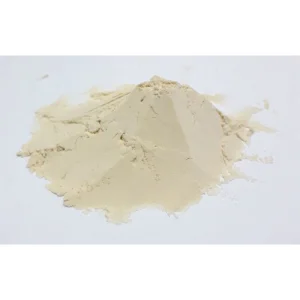
 Xinrui Group