 Xinrui Group
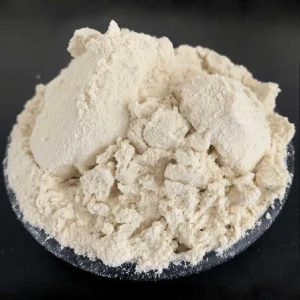
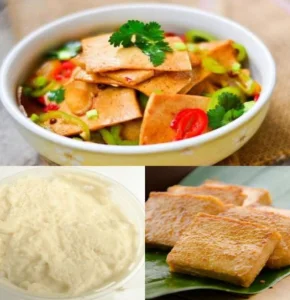
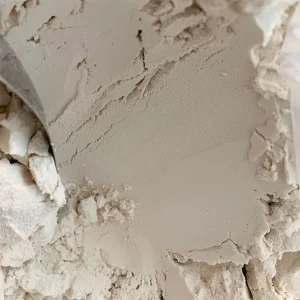
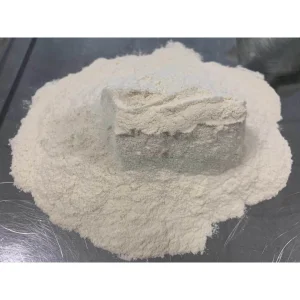
Global Industrial Status & Scientific Importance of Hydrolyzed Pea Protein
Analyzing the biochemical properties and market demand shifts driving plant peptide innovation.
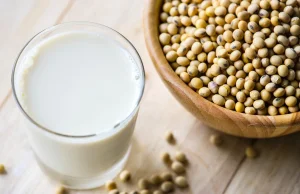
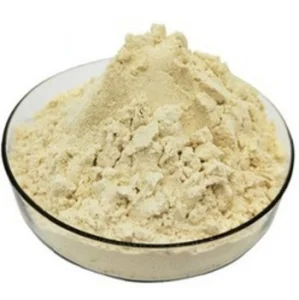
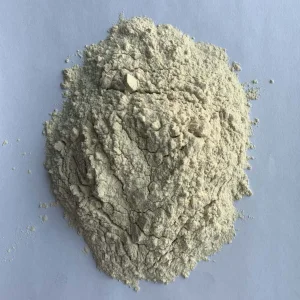
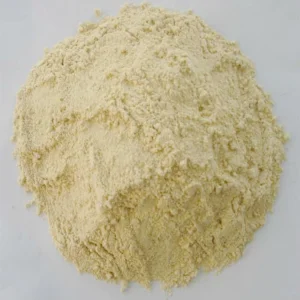
In the modern global food matrix, the demand for high-quality, allergen-free, and sustainable protein sources has undergone an exponential growth phase. Traditionally, soy and wheat protein isolates dominated the industrial landscape. However, regulatory updates, rising incidence of food allergies, and clean-label consumer trends have positioned Hydrolyzed Vegetable Pea Protein as the premier choice for research and development teams globally. Derived from Pisum sativum, hydrolyzed pea protein is characterized by its high digestibility and outstanding branched-chain amino acid (BCAA) profile, which matches or exceeds standard animal-derived whey proteins in many therapeutic applications.
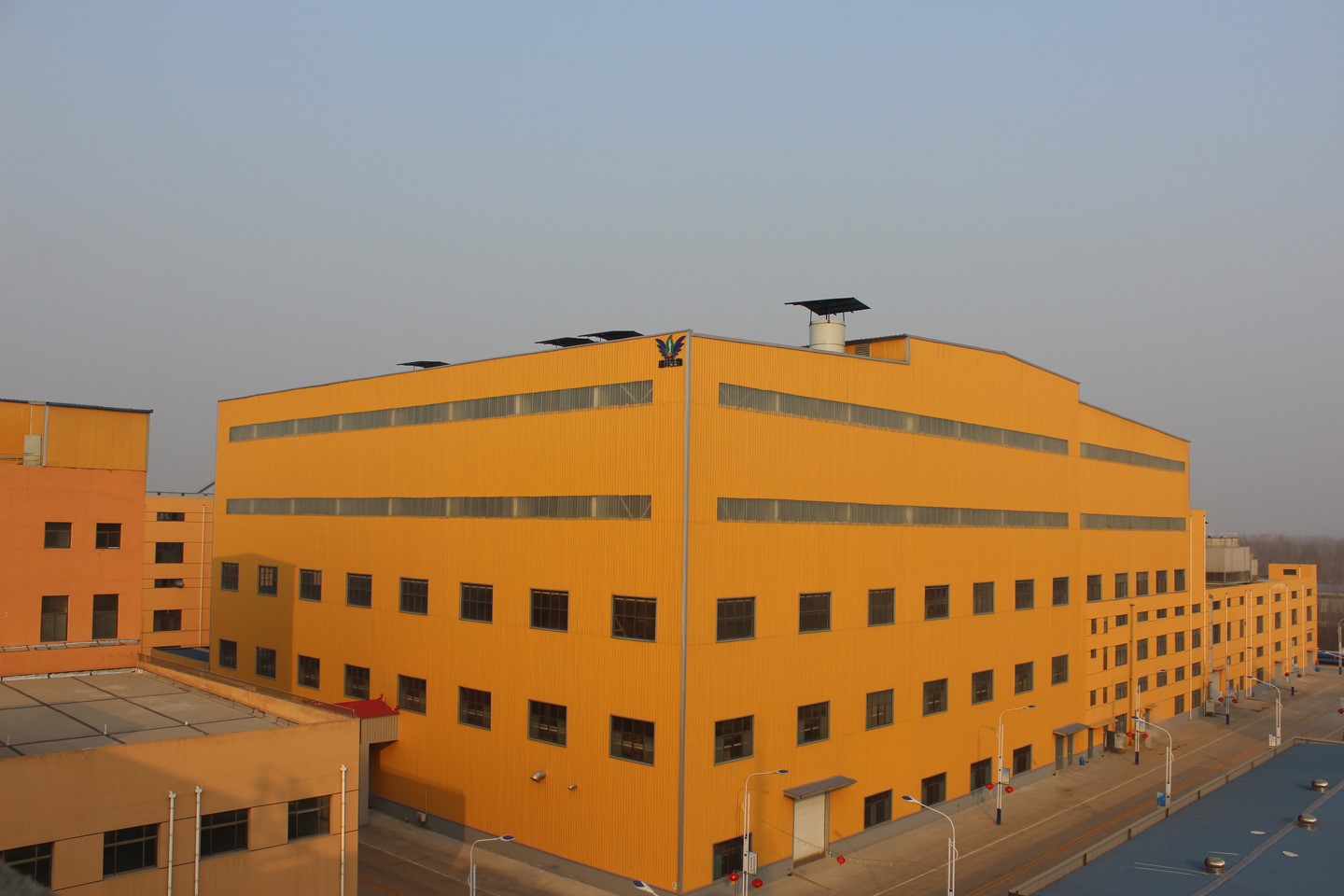
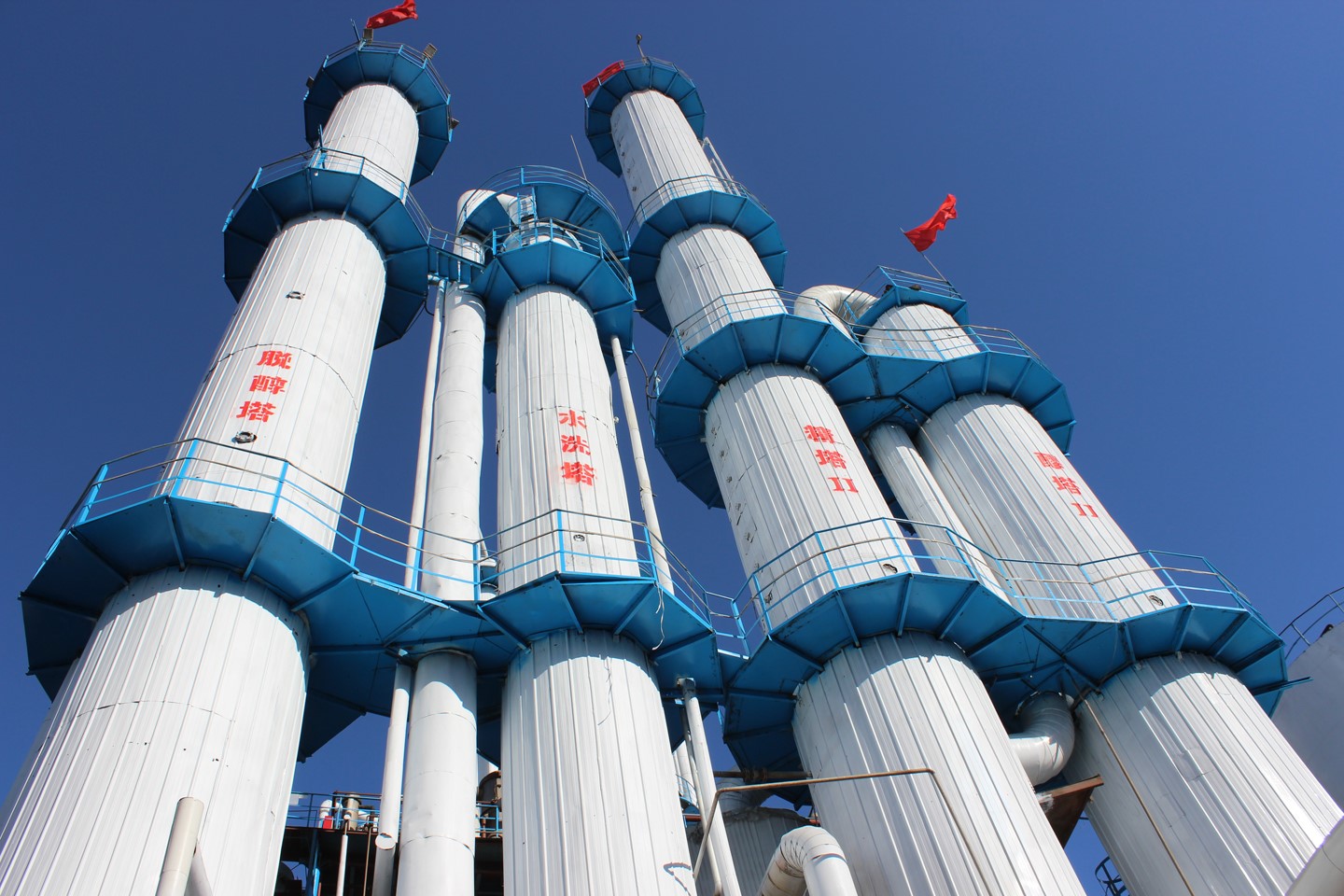
From a biological standpoint, hydrolysis enzymatically cleaves long-chain proteins into smaller peptides, dramatically improving systemic absorption kinetics. Unlike intact pea proteins, which can exhibit limited solubility and earthy off-flavors, hydrolyzed pea protein offers superior water solubility, heat stability, and lower viscosity at higher concentration levels. As a leading manufacturer, our production technologies focus on balancing the Degree of Hydrolysis (DH) to maximize functional performance without compromising sensory attributes.
The global commercial landscape is characterized by a rapid integration of plant-based peptides into mainstream consumer packaged goods (CPG). Market research highlights a compounding annual growth rate (CAGR) exceeding 8.5% for plant peptides, with hydrolyzed pea protein leading the sector. Industrial buyers are shifting from simple protein isolation to customized peptide profiling to satisfy requirements for solubility across broad pH ranges, especially in acidic ready-to-drink (RTD) sport beverages and complex multi-component nutritional powders.