Engineered to optimize functional properties, water binding capacity, and structural integrity across meat processing, bakery, and health supplement industries.
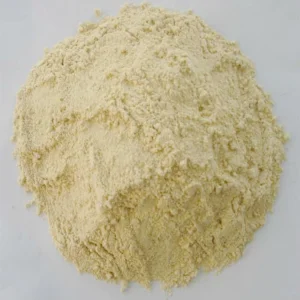
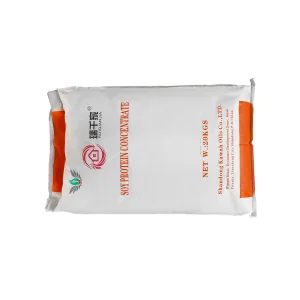
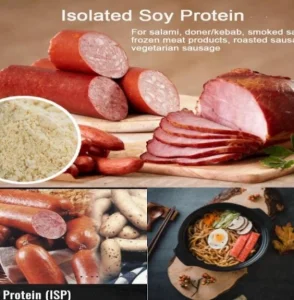
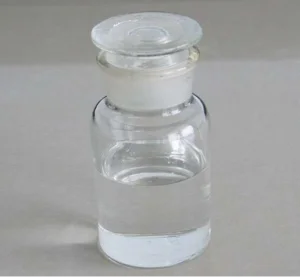
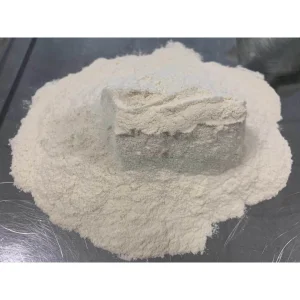
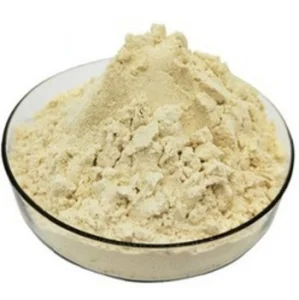
In the modern globalized food sector, sourcing raw ingredients requires more than just transactional agreements; it demands rigorous validation of structural integrity, biosecurity, and traceabilities. Xinrui Group, established in May 2003 and encompassing a sprawling facility area of over 1,000 mu, stands as a pioneer in circular economy processing. By integrating agricultural cultivation, technology-driven research and development, and direct export capacity, we provide global food operators with premium vital wheat gluten, non-GMO isolated soy protein, wheat starch, and technical grade ethyl alcohol.
Operating through specialized subsidiaries like Guanxian Xinrui Industrial Co., Ltd. (formerly known as Guanxian Ruixiang Biotechnology Development Co., Ltd) and Shandong Kawah Oils Co., Ltd., we maintain complete control over raw material inputs. Our wheat processing lines process 500,000 tons of high-grade wheat flour annually, extracting critical starches and gluten proteins. Simultaneously, Shandong Kawah Oils processes 180,000 tons of locally grown non-GMO soybeans annually to output food-grade low-temperature soy meal, high-viscosity isolated soy protein, and soy dietary fiber.
Direct control over non-GMO soybean and premium wheat planting bases. Minimizes raw material fluctuations and controls chemical pesticide drift.
Unrestricted global access with BRC (Grade A), HACCP, ISO22000, Kosher, Halal, IP-Non GMO, and SGS verified testing protocols.
Imported European tri-canter separation and custom DACHUANYUAN spray drying towers guarantee ideal protein purity and solubility.

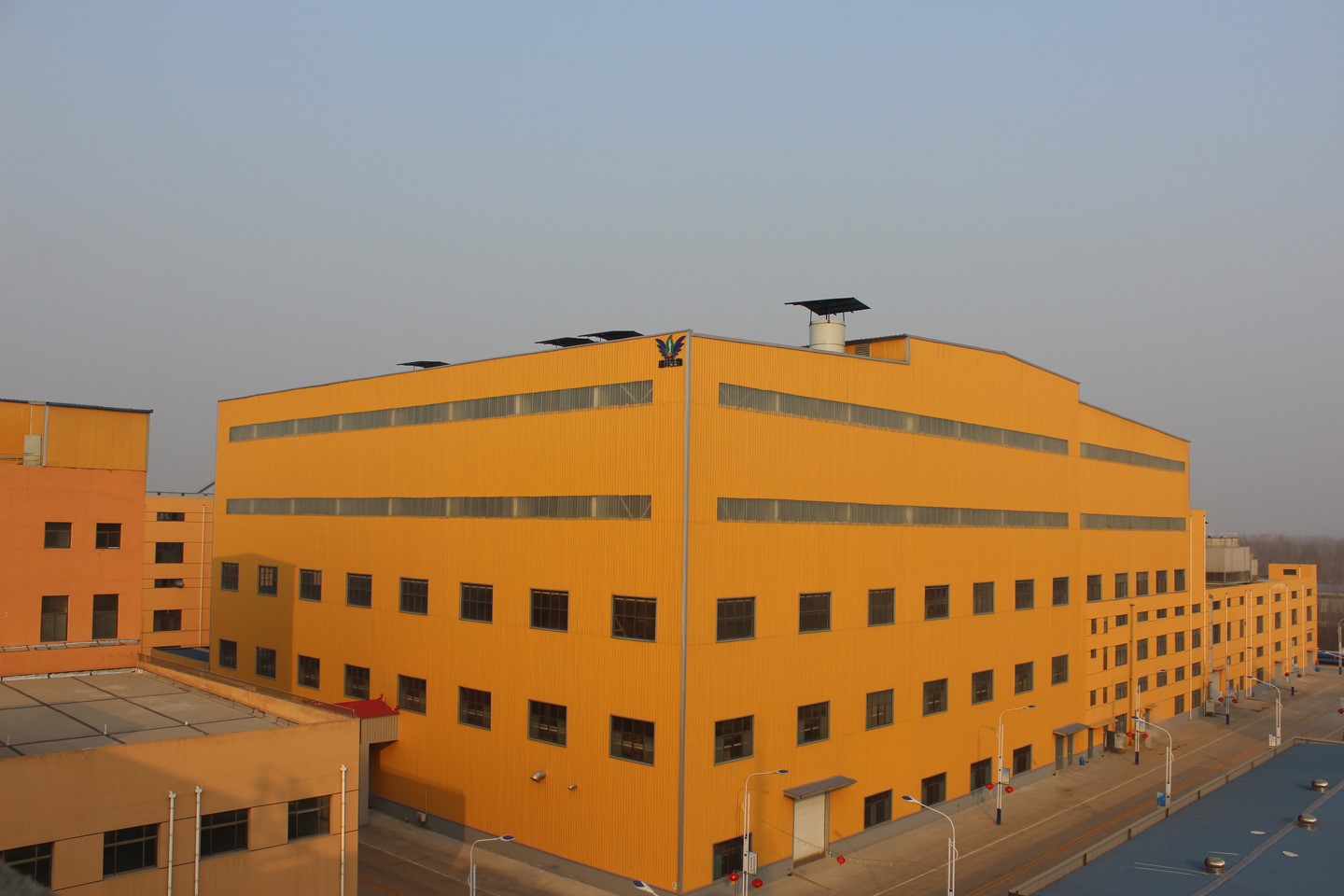
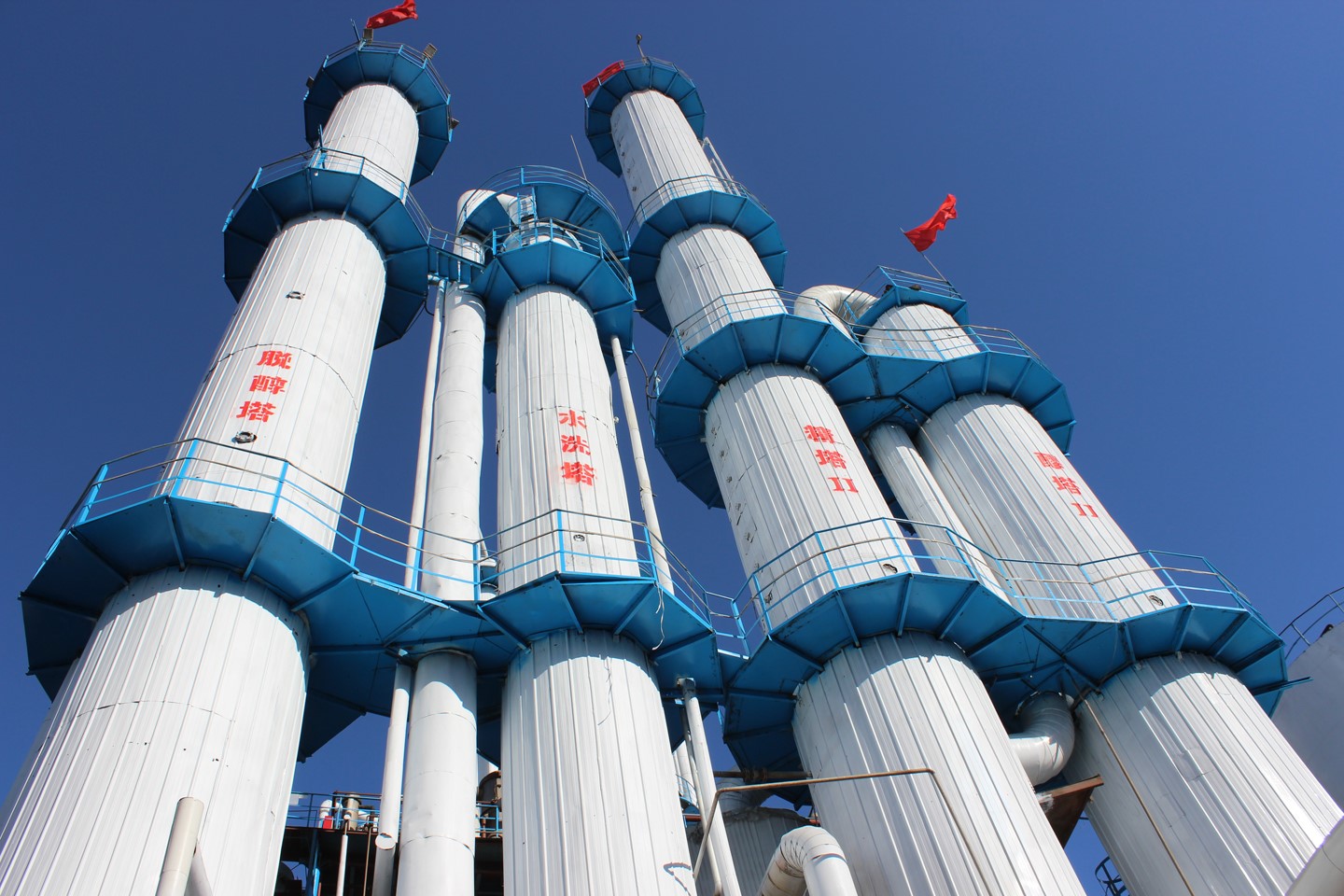
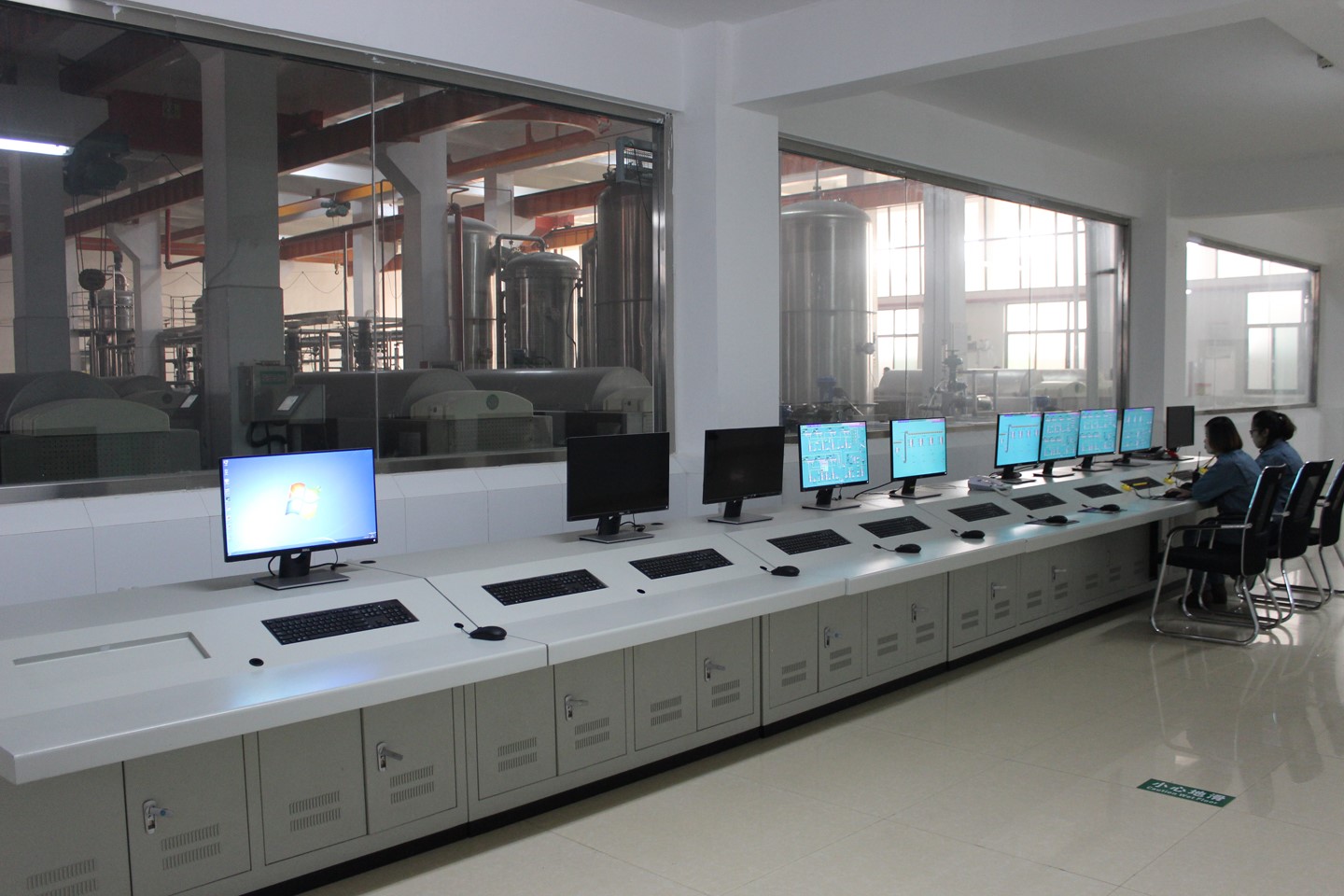
Why source food additives directly from a primary Chinese manufacturer? The answer lies in the structural efficiency of integrated industrial clusters. At our Guanxian facilities, raw grain input is sequentially refined. The primary milling stage processes wheat, separating high-grade flour. From this flour, the gluten starch matrix is split using advanced, closed-loop *tri-canter separation technology* imported from Europe.
This process splits the crop into three distinct phases: high-purity wet Vital Wheat Gluten, Wheat Starch A, and Wheat Starch B. Vital Wheat Gluten is carefully flash-dried to prevent heat denaturation, maintaining its natural viscoelasticity. Meanwhile, Wheat Starch B and pentosans are directed to our fermentation facility to produce high-grade food and industrial ethyl alcohol (ethanol 95% and 96% superior grade).
For soybean processing, Shandong Kawah Oils employs the country's largest single production line. Crucially, the core of our extraction system is the state-of-the-art **DACHUANYUAN spray drying tower**, custom-built for high-volume, uniform moisture evaporation. This setup yields isolated soy protein particles with highly consistent bulk density, hydration rates, and dispersibility profiles. By bypassing intermediate toll-processors, our direct-from-factory model yields substantial cost savings and eliminates inter-stage contamination risks.
Food additive import regulations are highly fragmented, presenting challenges for global sourcing teams. A manufacturer must offer strong compliance support in addition to raw supply. Through Guanxian Ruichang Trading Co., Ltd. (our group's specialized export vehicle founded in 2011), we provide end-to-end logistics and regulatory support.
Whether your facility needs to comply with the European Food Safety Authority (EFSA), the US Food and Drug Administration (FDA), or specialized regional standards in the APAC and Middle East, our technical compliance team manages the verification process. We maintain a robust testing program covering pesticide residues, heavy metal control (Lead, Arsenic, Cadmium), microbiological tolerances (Salmonella, E. Coli, Listeria), and allergen management.
Crucially, for plant proteins, **IP-Non GMO certification** is a standard requirement for clean-label formulation. We source our soybeans from dedicated domestic cultivation zones in Northeastern China. These soybeans are tracked through an Identity Preservation (IP) system from the farm, through low-temperature oil extraction, to the final isolated protein packaging, preventing cross-contamination with genetically modified materials.
Different applications require specific physical properties in food additives. Our product development team works closely with global brands to tailor proteins and starches to precise industrial applications:
The food additives industry is moving toward clean-label formulation, functional enhancement, and circular economy processing. High-temperature chemical extraction is being replaced by physical isolation methods. By optimizing the enzymatic profile during soy protein isolation, we reduce off-flavors and minimize the need for artificial masking agents in client formulations.
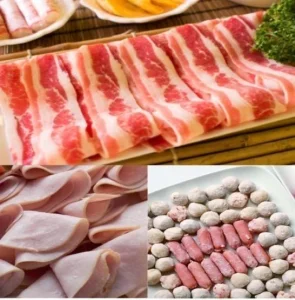
At the same time, dietary fiber is playing a dual role as both a functional texture modifier and a nutritional fortifier. Our *Soy Dietary Fiber (SDF)* binds water to keep processed meats juicy while allowing clean-label fiber claims. Additionally, our wheat processing utilizes a circular flow loop where byproducts are converted to high-purity ethanol, showing that modern industrial manufacturing can be both highly efficient and environmentally responsible.
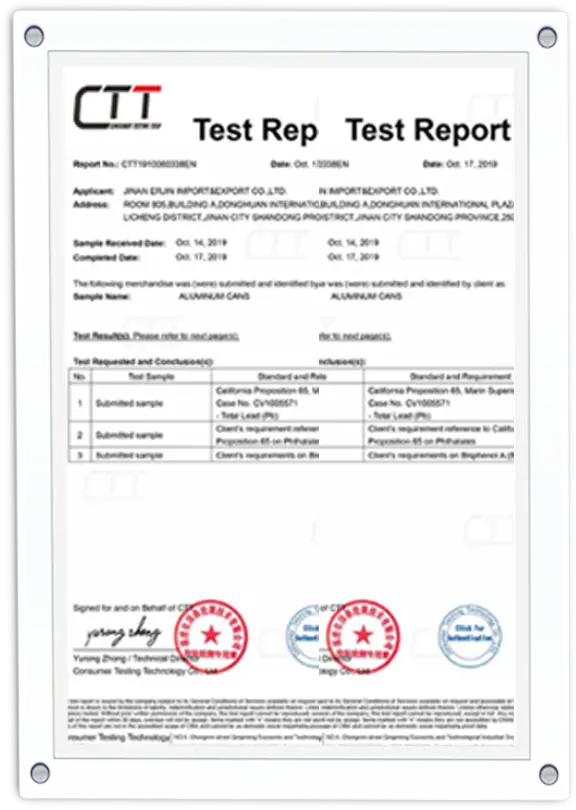
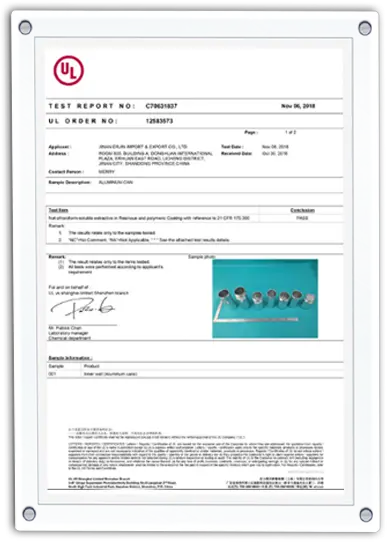
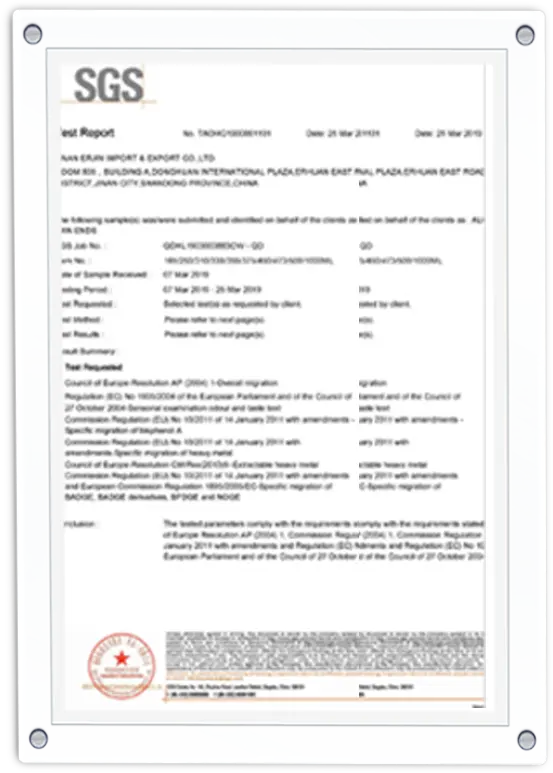
Standardized third-party audits ensure our factory operations match the quality demands of top-tier global food brands.
Take a virtual tour of our high-volume processing facilities, testing laboratories, and automated packaging systems.
Get instant answers to technical sourcing, regulatory compliance, and capacity questions.
Access technical specifications, viscosity parameters, and application matrices for our full range of starches and proteins.
 Xinrui Group