Premium functional proteins and starches processed under ISO9001, HACCP, and Non-GMO verification.
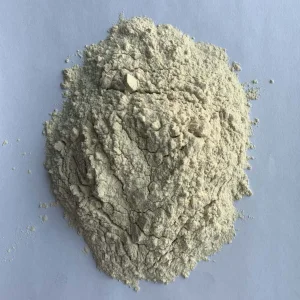
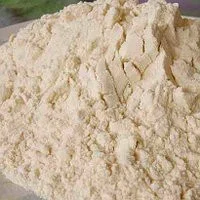
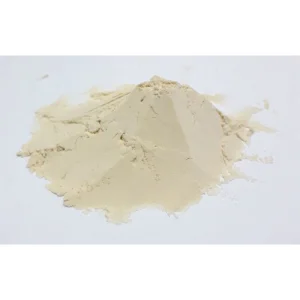
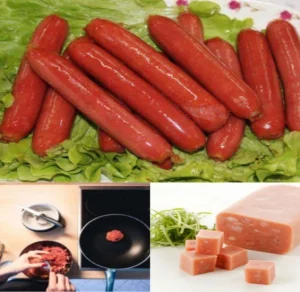
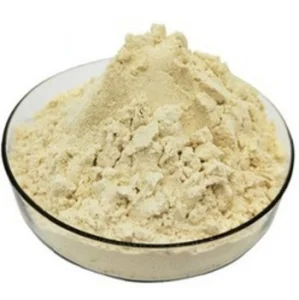
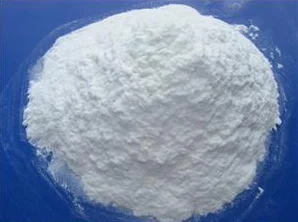
In the contemporary global agri-feed landscape, balancing nutritional density, formulation resilience, and cost efficiency represents a critical pivot point for feed millers and aquaculture operators. The industrial-scale deployment of Wheat Gluten Feed Pellets (VWG-PS) has emerged as a definitive answer to these complex demands. Characterized by high crude protein levels, excellent pellet binder properties, and rich energy yield, these pellets represent the apex of circular-economy processing methods. This technical document investigates the global market trends, manufacturing methodologies (specifically highlighting China’s Industrial 4.0 evolution), localized application fields, and procurement validation protocols necessary to optimize your supply chains.
The global feed protein market is undergoing a significant transformation. Traditional marine protein sources like fishmeal are increasingly constrained by ecological quotas, fluctuating catch rates, and rising ESG concerns. Concurrently, plant-derived feed proteins are scrutinized for their anti-nutritional factors (ANFs) and supply chain volatility. Wheat Gluten Feed Pellets bridge the gap. Consisting of the co-product fractions of wheat starch and gluten extraction, they offer a dense amino acid profile, particularly enriched in glutamine—a crucial amino acid for gut health, mucosal regeneration, and immune support in juvenile animals and aquaculture species.
From an industrial perspective, Vital Wheat Gluten Feed Pellets contribute heavily to the mechanical quality of pelleted feeds. Due to the inherent viscoelasticity of residual gluten networks, these pellets act as a natural binder, minimizing fine generation in feed mills and reducing dust pollution in bulk transport. The commercial valuation of this ingredient is not merely based on its crude protein analysis but also on the reduction of processing losses and the enhancement of feed conversion ratios (FCR) in aquaculture and intensive livestock systems.
Innovation in thermal and mechanical treatment has revolutionized how wheat gluten products are processed for the feed sector. The transition from loose, dusty vital wheat gluten meal to compacted, uniform pellets (VWG-PS) has significantly changed global logistics. Key industry trends include:
Purchasing agents from major feed producers look for manufacturers that can guarantee consistent specifications across seasons. When sourcing Wheat Gluten Feed Pellets, key parameters include fiber content, moisture control (crucial for mold prevention during trans-oceanic shipping), and protein digestibility. Procurement teams need factories that are not just agricultural processors, but integrated industrial partners capable of hedging raw material price swings and providing consistent monthly allocations.
To secure a reliable supply chain, global buyers are increasingly bypassing third-party traders and forming direct agreements with processing groups. This structural integration minimizes transactional frictions, ensures first-hand access to laboratory test certificates, and establishes customized quality standards suited to specific feeding systems.
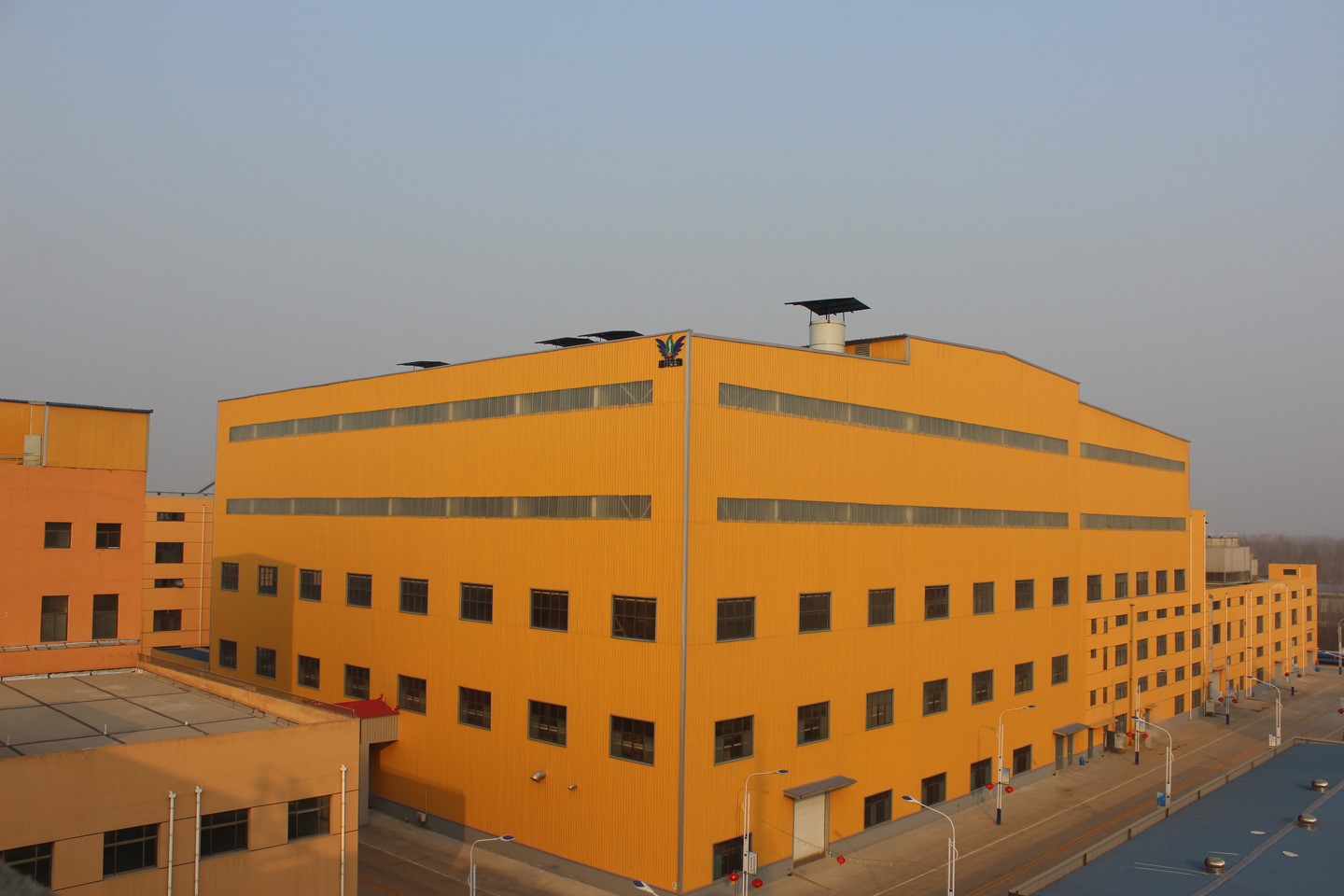
Guanxian Xinrui Industrial Co., Ltd. (formerly Guanxian Ruixiang Biotechnology Development Co., Ltd) is a prime example of China's automated agricultural processing. Established in 2007 with a registered capital of 100 million Yuan, the company has integrated a state-of-the-art circular economy industrial chain. Processing 500,000 tons of wheat flour annually, the facility produces high-grade vital wheat gluten, wheat starch A, and wheat starch B. The residual Starch B and pentosan fractions are directed to ethanol and animal feed manufacturing, maximizing raw material utilization.
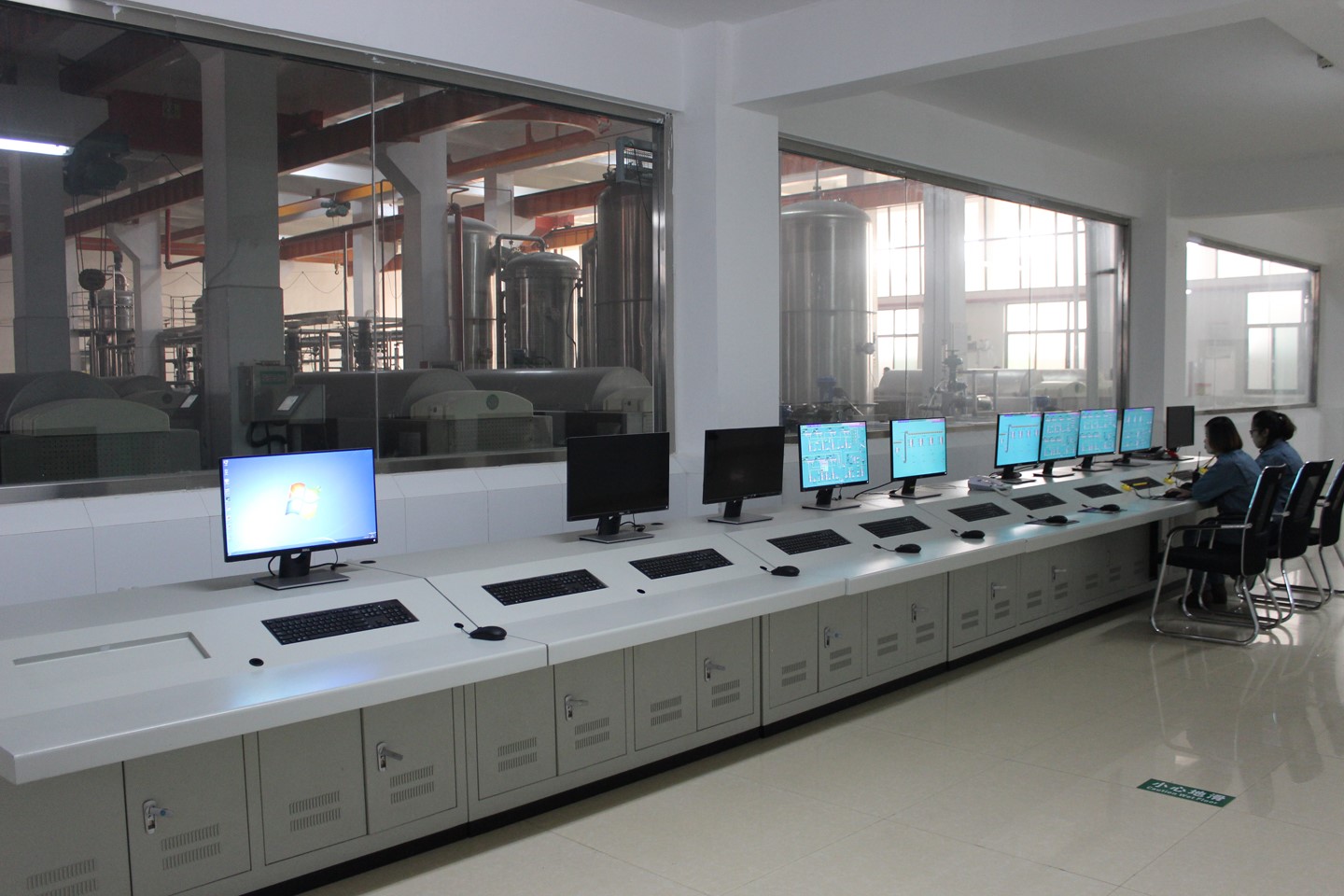
The manufacturing facility uses imported tri-canter separation technology for its wheat gluten production lines. This process maintains a closed, sanitary environment that protects protein functionality while ensuring consistency in particle size and pellet formation. The group's scale is supported by its trading division, Guanxian Ruichang Trading Co., Ltd. (founded in 2011), which exports vital wheat gluten, soy proteins, starch, and bio-ethanol directly to overseas buyers. Over 60% to 70% of the factory's output is exported globally, illustrating the business's integration of manufacturing and international trade.
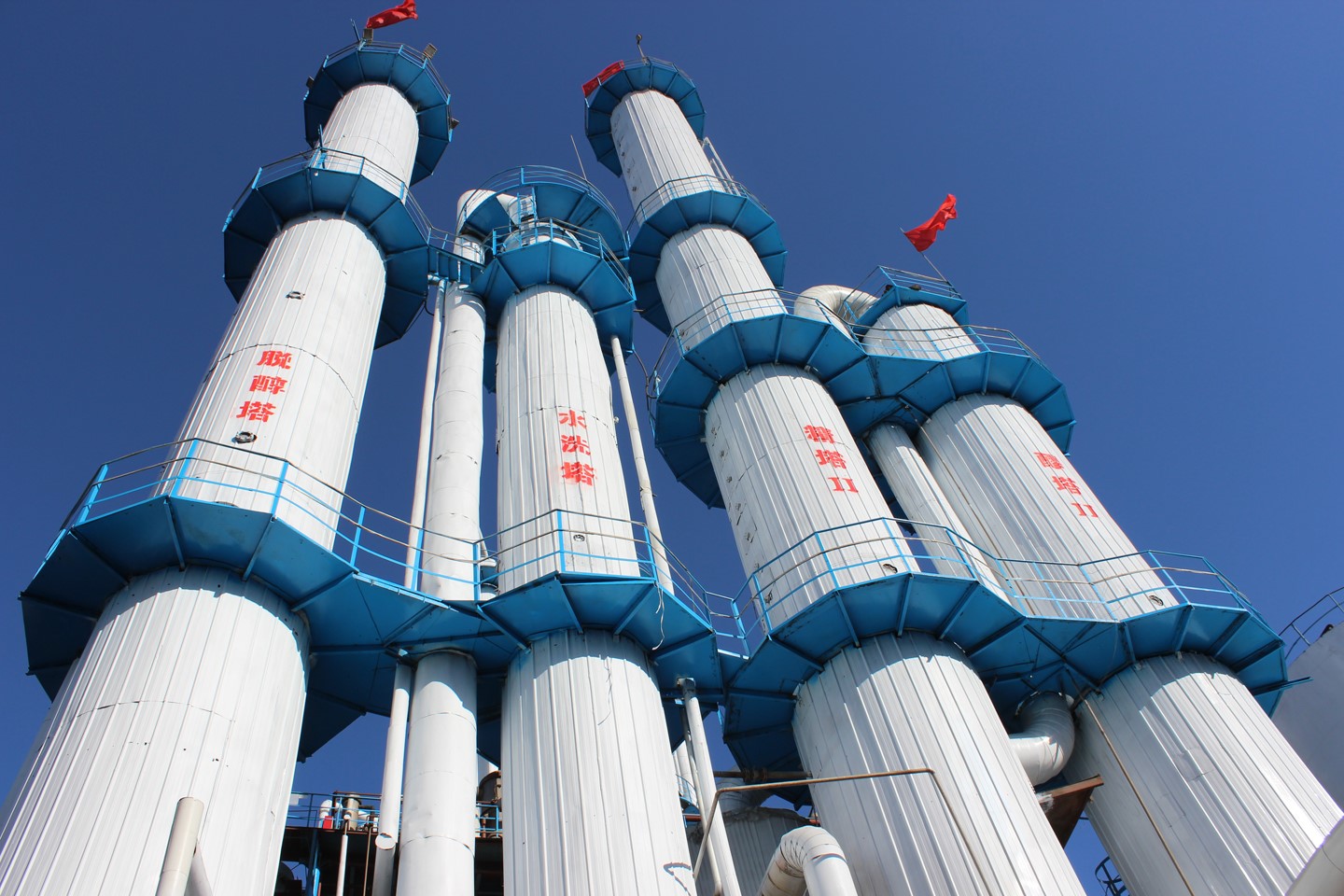
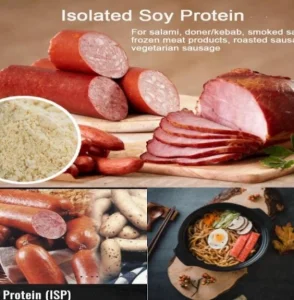
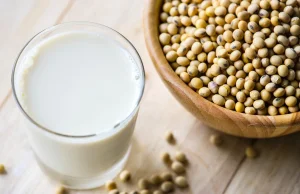
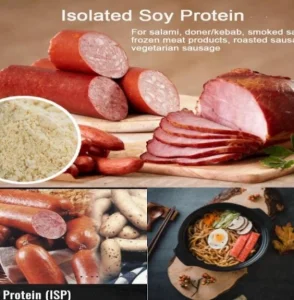
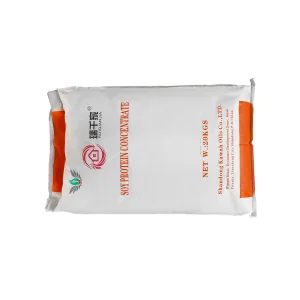
Complementing this wheat processing capability is Shandong Kawah Oils Co., Ltd., a member of the Xinrui Group established in 2014. Processing 180,000 tons of Non-GMO soybeans annually, Kawah Oils operates the largest single production line in China. It features an advanced spray drying tower from Dachuanyuan, converting domestic low-temperature soybean meal into isolated soy protein, soy dietary fiber, and oils. This dual-source processing (wheat and soybean) provides the group with strong resilience against agricultural supply shocks, ensuring a steady supply of both wheat- and soy-based protein solutions for international markets.
Founded in May 2003, Xinrui Group spans over 1,000 mu, developing a highly diversified agricultural and industrial footprint. The group integrates cogeneration, municipal heating, gas supply, and deep processing facilities to generate an annual output value of 2.8 billion Yuan. By managing dedicated wheat and Non-GMO soybean planting bases, the group controls its quality standards from seed selection to final pelleting and shipping.
Our infrastructure operates under advanced environmental control protocols. Our industrial processing relies on closed-loop energy systems where heat generated from our cogeneration facilities is directly used for starch drying and spray processing towers. This reduces carbon emissions and provides high thermodynamic efficiency, ensuring our competitive position in the global market.

Understanding the targeted application performance of Wheat Gluten Pellets across various feeds.
For shrimp, salmon, and eel diets, feed stability is critical. Wheat gluten pellets provide viscoelastic properties that improve water stability, reducing nutrient leaching. High digestibility protects sensitive digestive tracts, maximizing weight gain and minimizing environmental impact from waste.
Transitioning weaned piglets to dry feed requires highly digestible, palatable protein sources to avoid post-weaning diarrhea. The high concentration of glutamine in wheat gluten supports gut structure and intestinal development, aiding early growth performance.
In cat and dog kibble processing, wheat gluten acts as a texturizing agent that controls pellet expansion during extrusion, helping to create distinct shapes and a satisfying texture. As a highly digestible protein source, it serves as a functional alternative to animal-derived proteins.
Step inside our processing facilities and examine the automated systems driving our production lines.
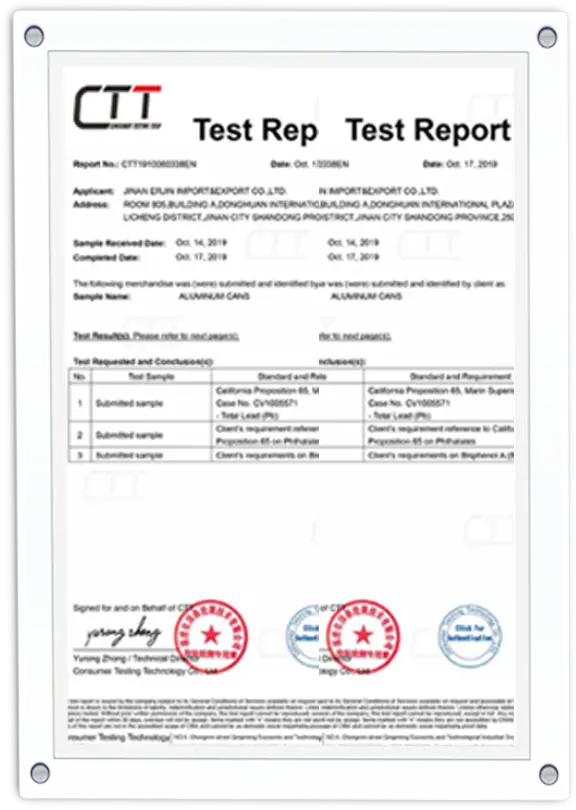
Our manufacturing and processing lines operate under strict quality management certifications.
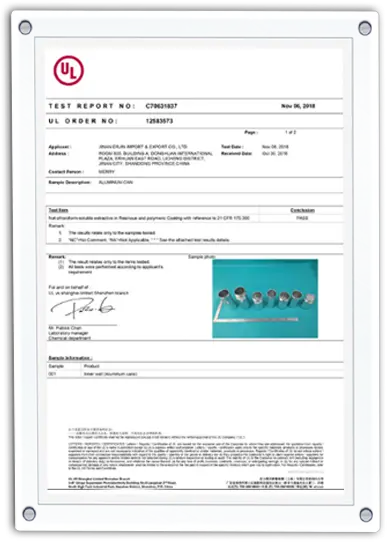
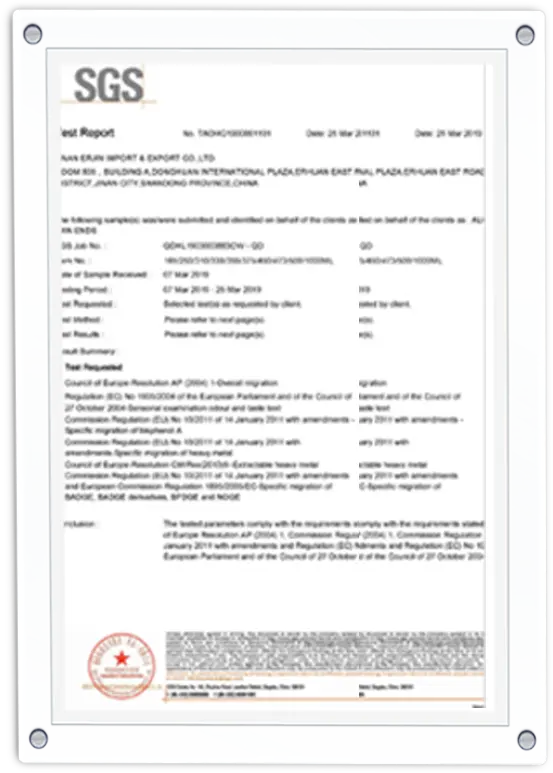
Detailed technical answers addressing common questions from global procurement managers and nutritionists.
Premium functional proteins and starches processed under ISO9001, HACCP, and Non-GMO verification.
 Xinrui Group