Discover our primary selection of Non-GMO isolated soy proteins, wheat glutens, and agricultural co-products formulated for superior emulsion, gel strength, and stability.
Analyzing the macro-economic transitions driving plant-based protein ingredients across B2B global supply networks.
The global vegetable extract and soya protein market is undergoing a seismic shift. Driven by supply chain vulnerabilities, surging demand for plant-based nutrition, and strict international requirements for clean-label, allergen-controlled inputs, food manufacturers require reliable suppliers. According to modern industrial market metrics, non-GMO plant protein isolated matrices have evolved from alternative choices to mainstream functional staples in processed meat products, infant formulas, dairy alternatives, and aquaculture feeding.
Sourcing vegetable extract soy protein demands strict adherence to Identity Preservation (IP) systems. Regulatory changes in Europe, North America, and parts of Asia require complete traceability of non-GMO crops. As an industry pioneer, Xinrui Group addresses this market demand. Operating in circular agricultural processing, we supply raw materials that satisfy consumer demands for purity, functionality, and sustainability.

Understanding our deep-processing circular economy model spanning wheat, soybeans, and high-purity extraction.
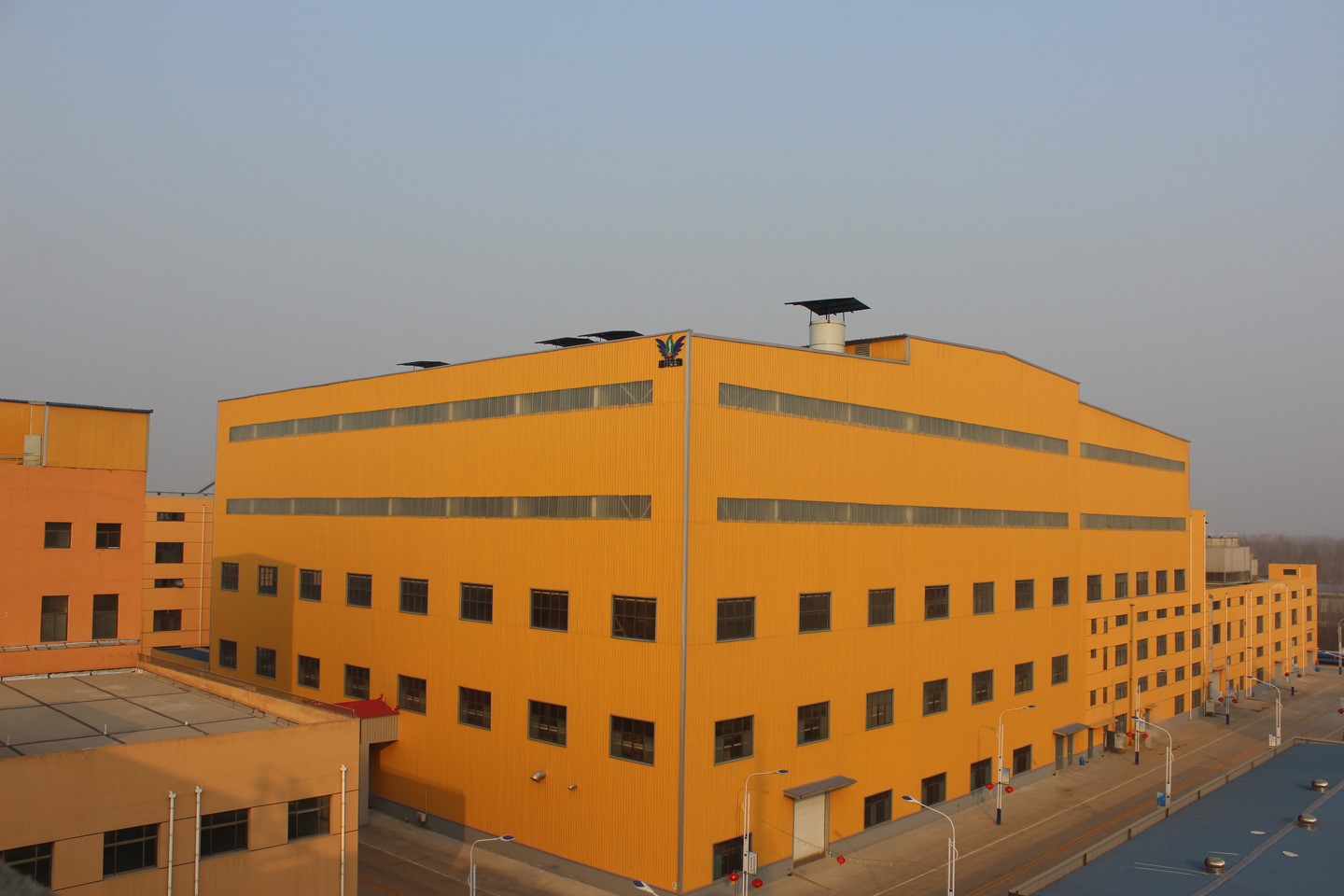
Established in May 2003, Xinrui Group occupies an industrial footprint of over 1,000 mu. Under the group's integration strategy, two main subsidiaries power our production ecosystem: Guanxian Xinrui Industrial Co., Ltd. (formerly Guanxian Ruixiang Biotechnology Development Co., Ltd.) and Shandong Kawah Oils Co., Ltd.
Guanxian Xinrui Industrial Co., Ltd., set up in 2007, processes 500,000 tons of wheat flour annually. Using this raw material, we manufacture premium vital wheat gluten, wheat starch A, and wheat starch B. Our closed circular economy ensures that starch B and pentosan are recycled for alcohol and animal feed production, reducing resource waste. In our wheat gluten lines, we utilize advanced tri-canter separation technology, maintaining a fully closed, sterile production stream.
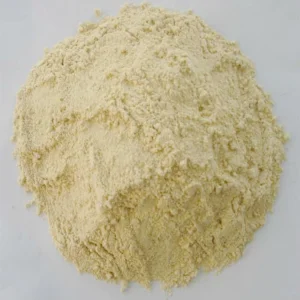
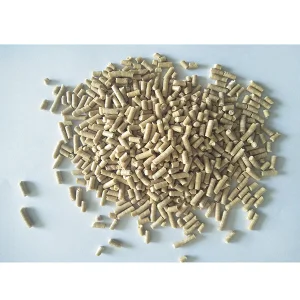
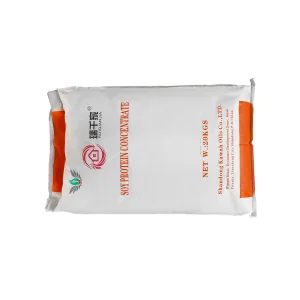
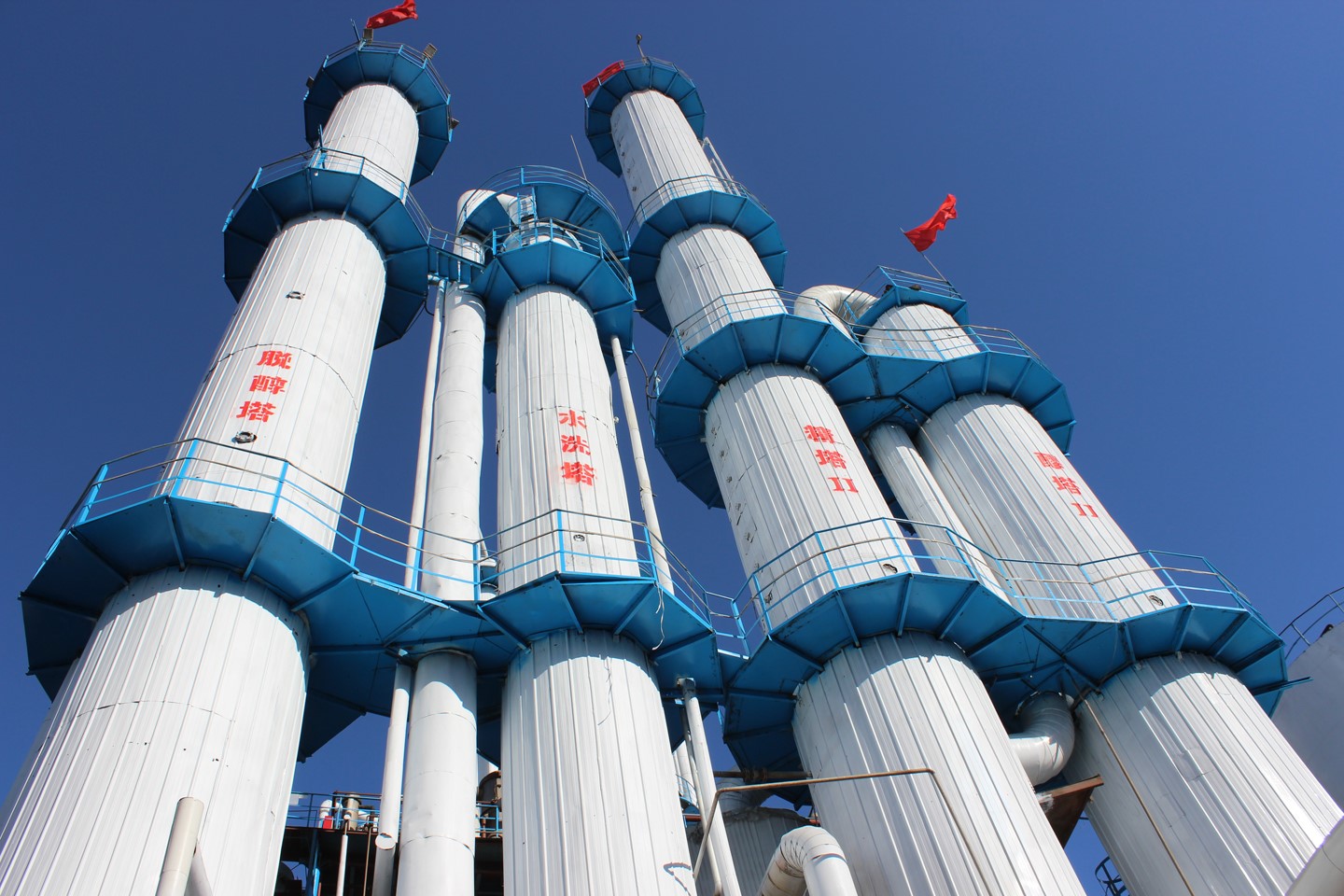
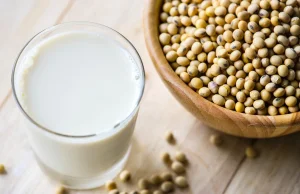
Shandong Kawah Oils Co., Ltd., established in 2014, processes 180,000 tons of domestic non-GMO soybeans annually. Our step-by-step extraction process recovers non-GMO soybean oil, low-temperature food-grade meal, isolated soy protein (SPI), and soy dietary fiber. Our facility features a DACHUANYUAN spray drying tower, constituting one of China's largest single-line plant protein extraction facilities.
Global logistics are managed through Guanxian Ruichang Trading Co., Ltd. (founded in 2011). Exporting directly from our manufacturing bases, Ruichang handles the global trade of isolated soy protein, vital wheat gluten, soluble dietary fiber, vermicelli, and ethanol. Exports represent over 60-70% of the group's capacity, serving customers in Europe, the Americas, and the Asia-Pacific region.
Our circular model links raw material farming, industrial extraction, and zero-waste byproduct utilization. This approach ensures high yield quality and stable pricing for our B2B customers, shielding them from market volatility.
How we employ modern biochemical separation to supply reliable, functional plant proteins.
Ensures precise separation of wheat gluten and starch, maximizing purity, protein recovery, and quality consistency.
Advanced dehydration technology ensures precise control over particle sizes, enhancing solubility, dispersion, and flow properties.
Strict controls prevent GMO contamination across the seed supply, cultivation, processing, and transportation stages.
Securing domestic non-GMO soybean and wheat farms under strict agricultural supervision to verify purity before harvesting.
Applying tri-canter separation and eco-efficient distillation to recover essential proteins while converting remaining starch fragments into ethanol and feed.
Modifying pH parameters, heat-treatments, and spray-drying ratios to customize our proteins for meat emulsions, beverages, and gel-based foods.
How our custom plant protein grades solve functional challenges in formulation development.
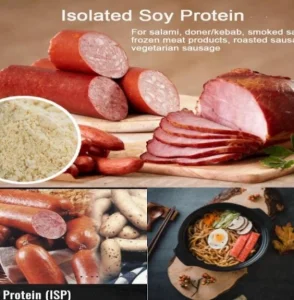
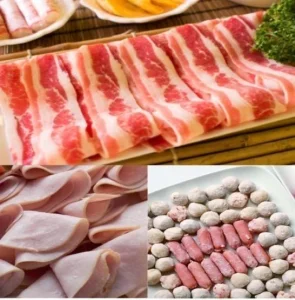
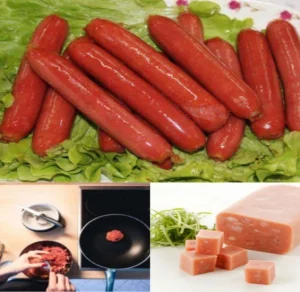
Isolated Soy Protein grades 9007B-A, 9007B-C, 9001BW, 9001B-Y, and 9000 are engineered to address fat and water binding in meat matrix systems. Designed for heat stability, they form cohesive protein structures that help control cook loss and maintain juiciness in sausages, burgers, and canned meats.
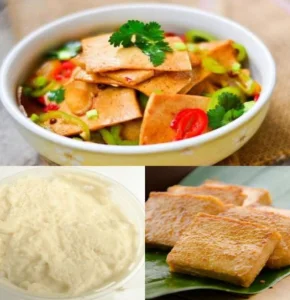
Protein models 9005B, 9003B, and 9003BA are designed to support structural gelling. These grades form a firm, elastic texture when hydrated and heated, matching the characteristics required for traditional tofu, vegetarian patties, and extruded meat analogues.
Models 9030 and 9032 are dispersion-grade proteins. They disperse rapidly in liquid systems, exhibiting low viscosity at high concentrations, making them suitable for meal-replacements, dairy alternatives, and dry-mix powders.
The 9020 Injection-Type protein features low initial viscosity and high solubility under cool temperatures. This allows it to pass through injection nozzles without clogging, helping to improve tenderness and yield in whole-muscle hams and poultry products.
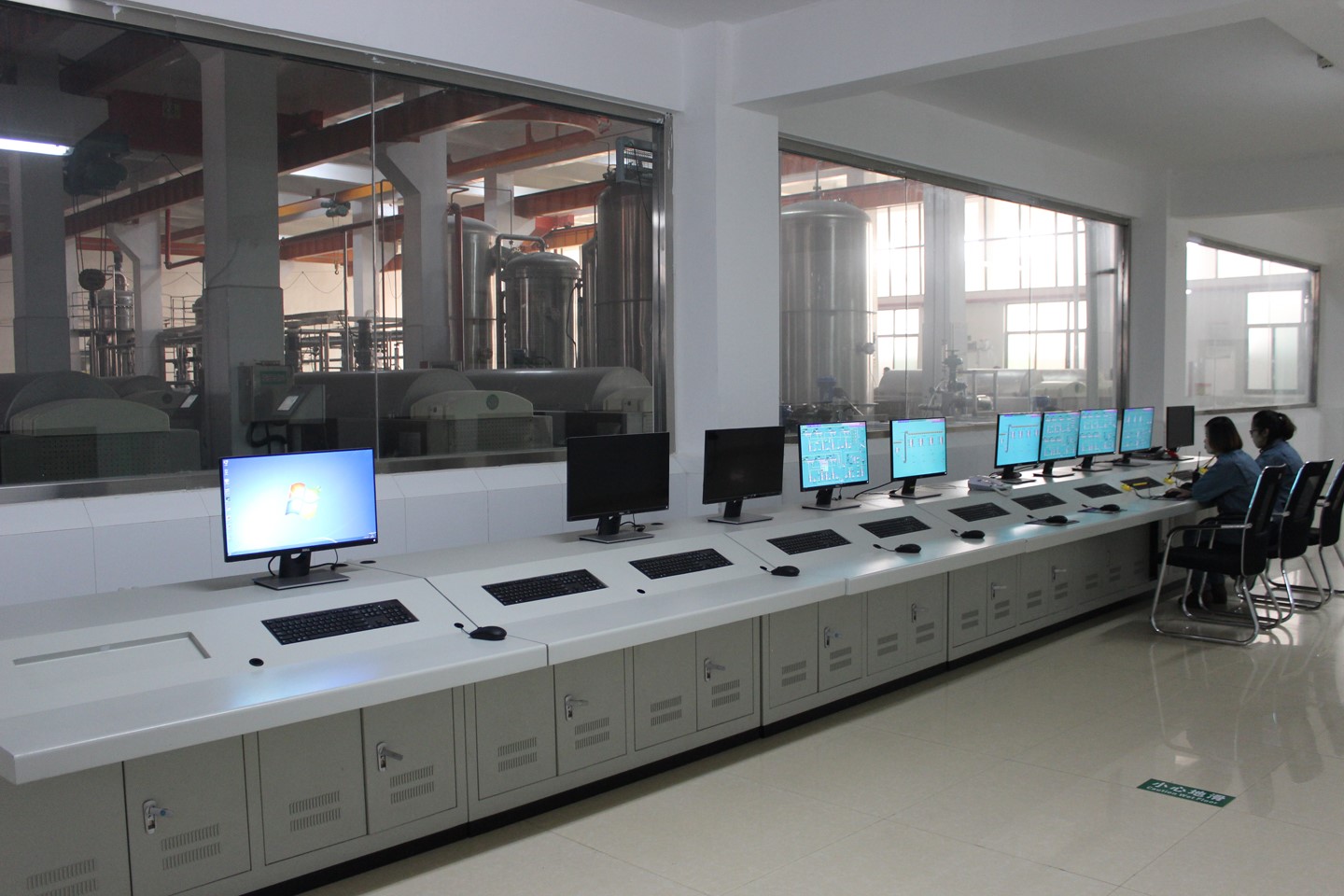
Tour our automated operations, processing lines, and packing stations through these official video uploads.
Validating our manufacturing safety, plant-health, and product purity through global audits.
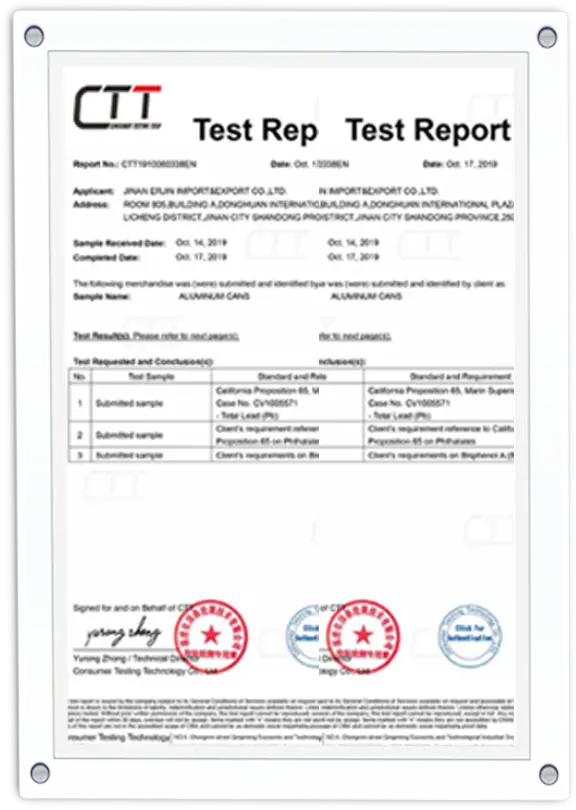
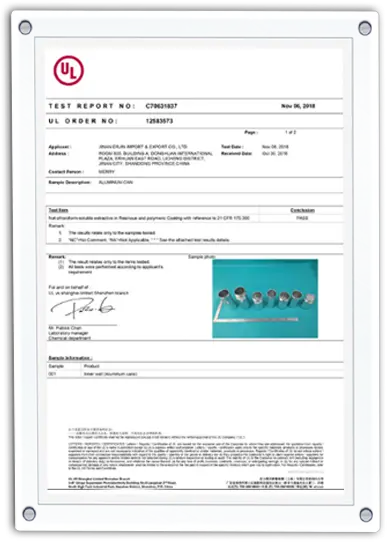
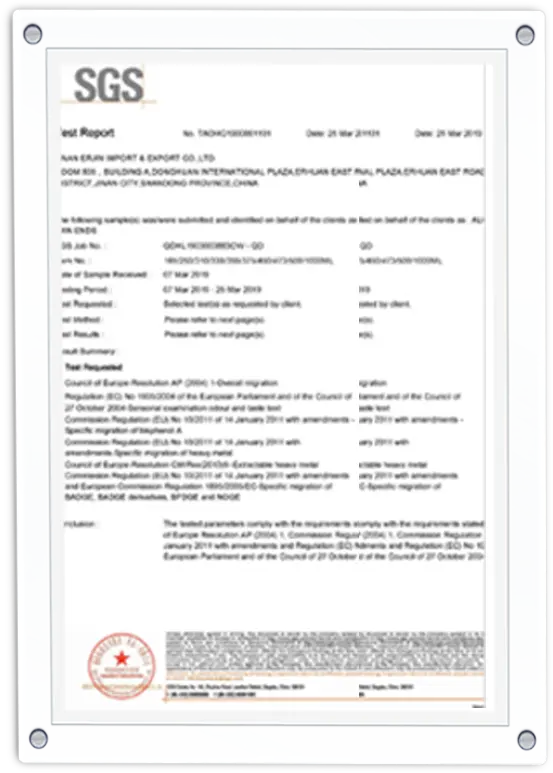
Our quality system is verified by recognized safety protocols, including: HACCP, ISO9001, ISO22000, BRC, HALAL, KOSHER, IP-NON GMO, and SGS. We implement strict hazard control checks at every stage, from seed planting to loading container deliveries at Ruichang.
Answers to common inquiries regarding our business model, production capability, and specifications.
Browse our full range of functional proteins, fiber options, and process co-products.
 Xinrui Group