Engineered for precise functional performance, including water binding, structural gelation, dynamic emulsification, and premium dispersal qualities.
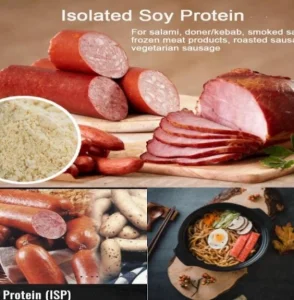
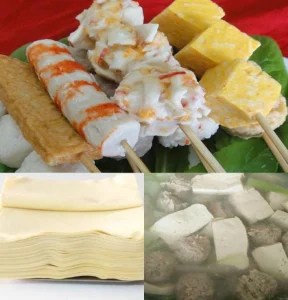
Decades of heavy-industry refining, agriculture integration, and circular sustainability metrics.
The global food, beverage, and agricultural industries are undergoing a fundamental structural transition. As dietary preferences move increasingly toward functional, clean-label, and plant-derived products, the demand for highly refined protein alternatives has spiked. Within this landscape, Isolated Soy Protein (ISP) stands as the functional and nutritional gold standard. Containing a minimum of 90% dry-basis protein, ISPs present an optimized amino acid profile matching animal-derived reference proteins, boasting a Protein Digestibility-Corrected Amino Acid Score (PDCAAS) of 1.0.
This unprecedented growth is not merely driven by vegetarian consumer segments; it is propelled by industrial food processing requirements. Soy protein isolates exhibit unique macromolecular structures that provide essential viscoelastic qualities in meat emulsions, bind oil and water at molecular interfaces in high-shear systems, and maintain high stability across broad thermal and pH ranges.
"The challenge for modern industrial food science is balancing high-efficiency production scales with strict identity preservation (IP Non-GMO) protocols. As plant-based formulations expand globally, manufacturers require protein sources that are chemically consistent, customizable, and backed by robust vertical supply chains."
However, the global ISP supply chain faces significant headwinds, including raw material price volatility, chemical contaminants, and inconsistent functional performance. At Shandong Kawah Oils Co., Ltd (part of the Xinrui Group), we address these challenges by operating a completely integrated agricultural processing network. By managing everything from the Non-GMO cultivation origins in Northern China to the industrial refinement phases, we protect the structural integrity of the crop matrix, delivering premium isolated proteins tailored directly for global food manufacturers.
Understanding the biochemistry of isolated soy protein requires looking closely at globulin proteins, specifically 7S (beta-conglycinin) and 11S (glycinin). These two components make up the majority of the extractable protein matrix. The ratio of 11S to 7S determines how the protein performs structurally: the 11S fraction contains sulfur-rich disulfide bonds that form rigid, heat-induced gels, while the 7S fraction is highly flexible, providing excellent emulsion properties at oil-water boundaries.
Our technical roadmap combines advanced raw extraction with precision thermal control, allowing us to adjust these molecular structures to fit different food applications:
Utilizing food-grade, low-temperature defatted soybean flakes as raw materials to maintain natural protein states and maximize solubility indices.
Extracting proteins under weak alkaline conditions (pH 7.5 - 8.0) followed by acid precipitation at the isoelectric point (pH 4.5) to isolate high-purity curds.
Applying high pressure to alter spatial protein structures, exposing hydrophilic and hydrophobic zones for optimized emulsification qualities.
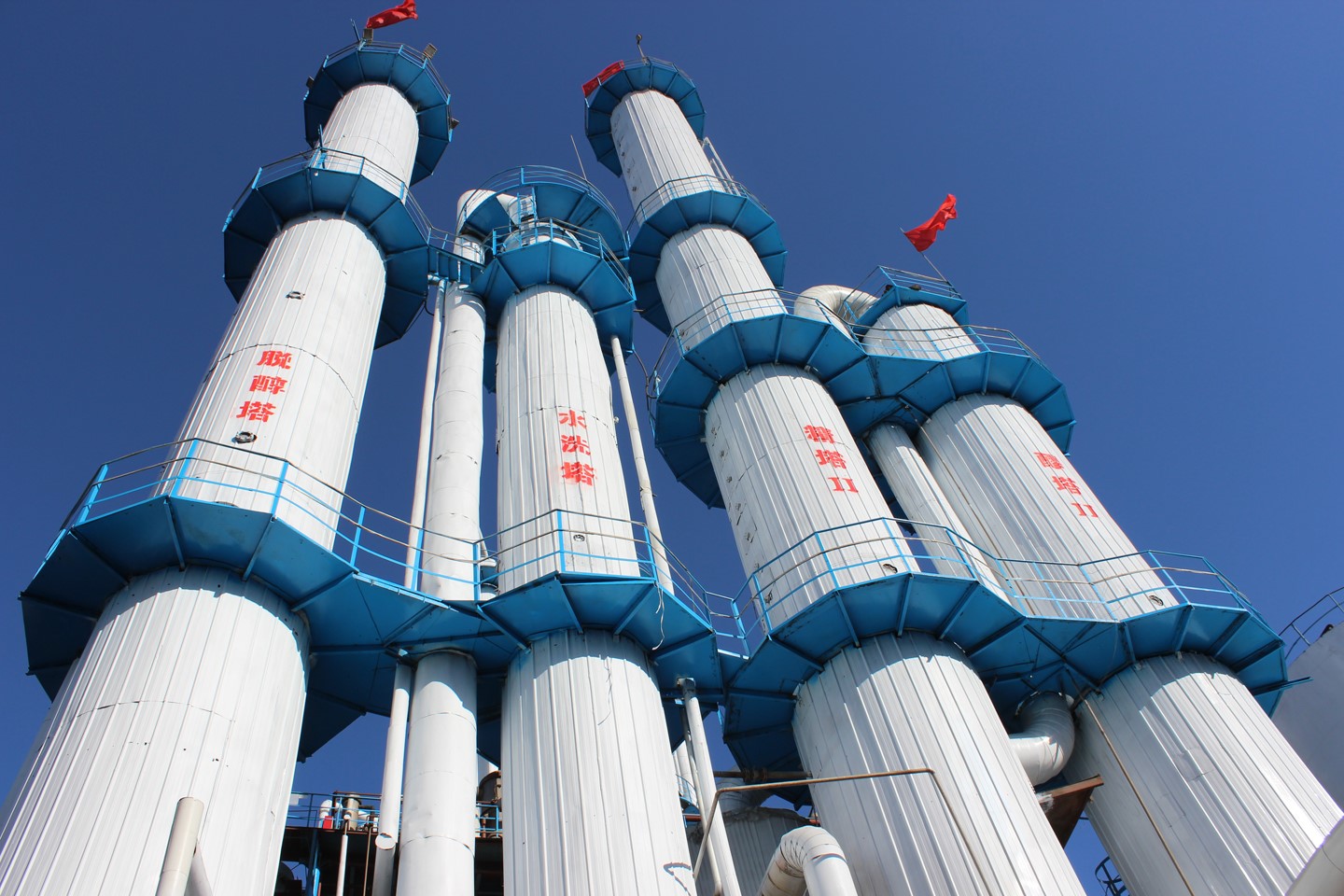
Running the industry's most advanced single spray drying tower lines in China to guarantee uniform particles, fast hydration, and clean flavor profiles.
Looking ahead, our research focus is moving toward enzymatic hydrolysis and specialized plant blends. By using targeted enzymes, we can create partially hydrolyzed soy proteins that dissolve easily in acidic conditions. This opens new opportunities in high-protein beverages, functional supplements, and sports nutrition drinks. Additionally, we are researching hybrid protein technologies, blending wheat gluten and soy isolates to create complex texturized proteins that closely mimic the long-fiber texture of animal meat.
Industrial manufacturing relies on keeping costs predictable and ensuring a stable, uninterrupted supply chain. Based in Guanxian, Shandong, China, Xinrui Group has built a unique, highly resilient circular agriculture industrial model. By operating multiple, integrated facilities, we eliminate supply chain bottlenecks, reuse production waste, and lower carbon emissions.
Our circular ecosystem links wheat and soybean processing. Guanxian Xinrui Industrial Co., Ltd. processes 500,000 tons of wheat flour annually, utilizing advanced tri-canter separation systems to yield vital wheat gluten, wheat starch A, and wheat starch B. Meanwhile, Shandong Kawah Oils Co., Ltd. processes 180,000 tons of Non-GMO soybeans per year.
Byproducts like starch B and pentosan are recycled for industrial alcohol production and animal feeds. The group also maintains its own cogeneration plants for heat and electricity, as well as municipal gas supply lines. This local integration means our factories remain fully operational and cost-competitive even when global energy prices fluctuate.
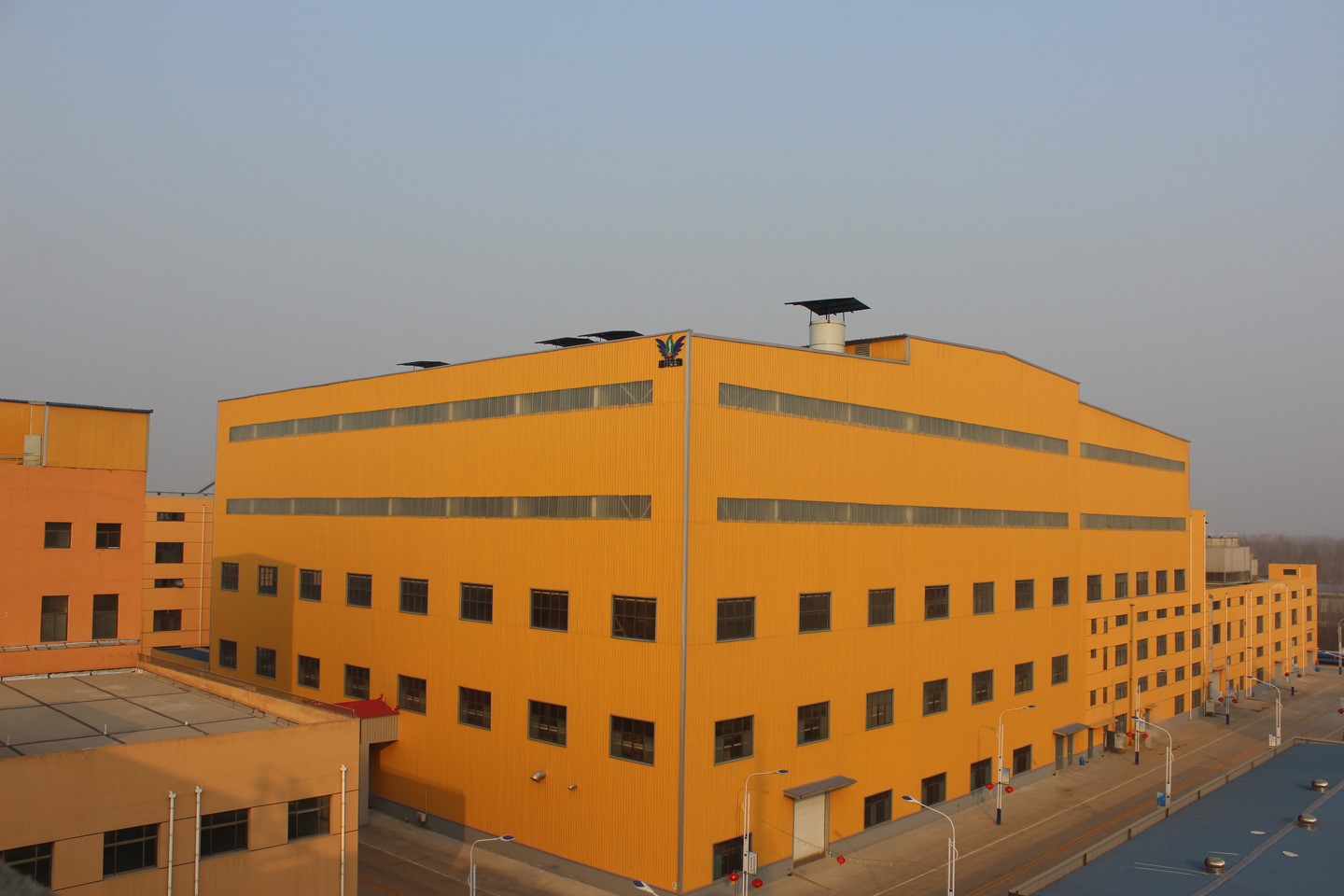
To ensure smooth logistics for global buyers, Guanxian Ruichang Trading Co., Ltd. manages all export operations. Handling over 70% of the group's production volume directly from the factory floors, we minimize delays and eliminate third-party markup costs, ensuring reliable deliveries across Europe, the Americas, and Southeast Asia.
Different global markets require specific protein structures. We develop specialized grades of isolated soy protein to meet these regional demands:
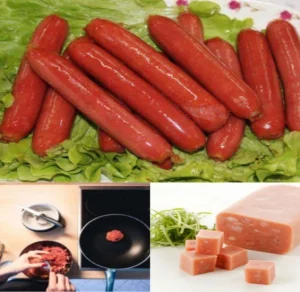
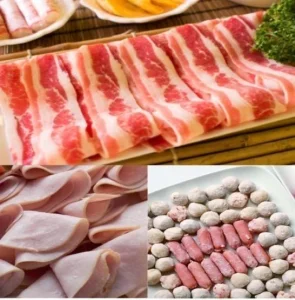
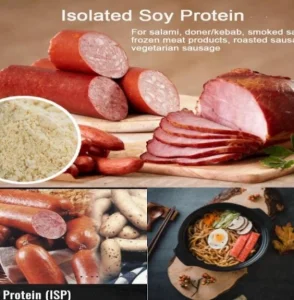
Used widely in frankfurters, sausages, and luncheon meats. Grades like 9002B (Chopping Type) and 9007B-C create strong oil-and-water emulsions and stable protein matrices, preventing fat separation during high-temperature cooking.
Designed for vegetarian sausage, burger patties, and texturized foods. Brands like our 9003BA and 9003B offer clean flavors and build flexible, fibrous networks that simulate the texture of real meat.
Created for nutritional powders and soy-based drinks. Grades like 9030 (Dispersion Type) dissolve rapidly in water without clumping, ensuring high protein density and a smooth mouthfeel.
Selling food ingredients globally requires absolute adherence to food safety standards. Shandong Kawah Oils operates under a strict quality management system, maintaining all major international food safety and ethical certifications:
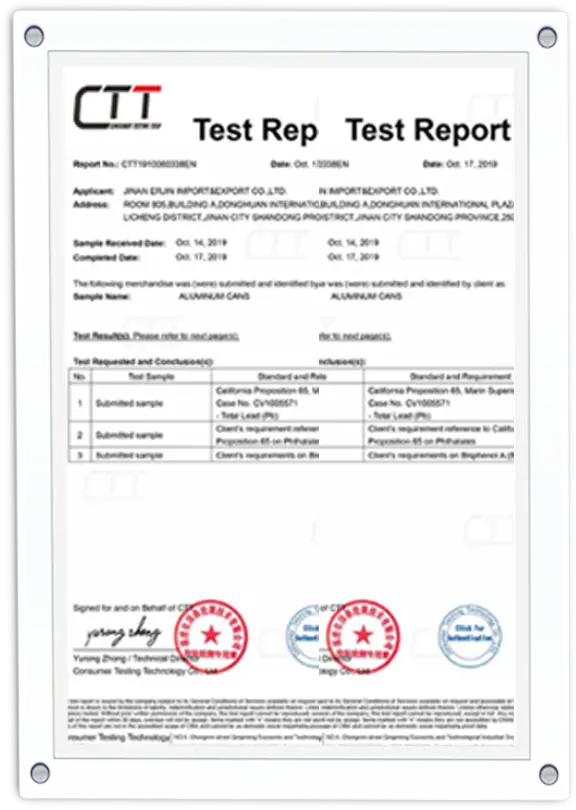
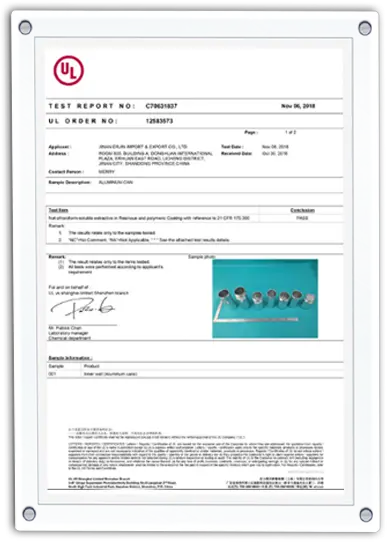
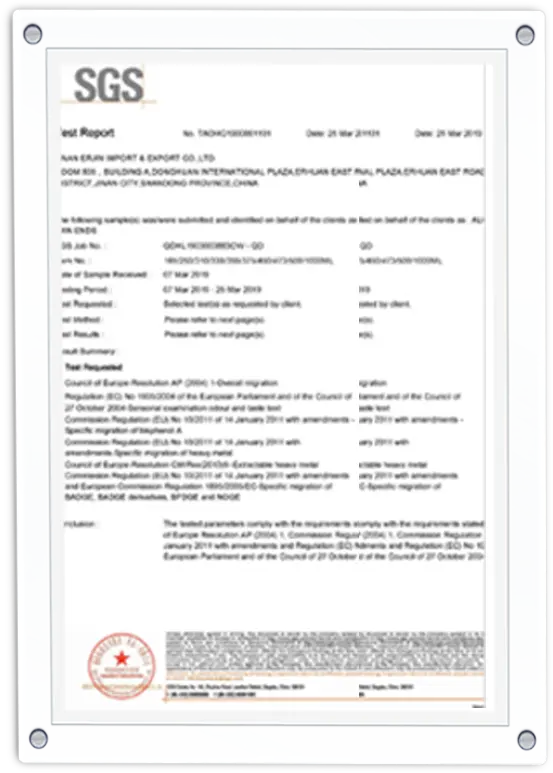
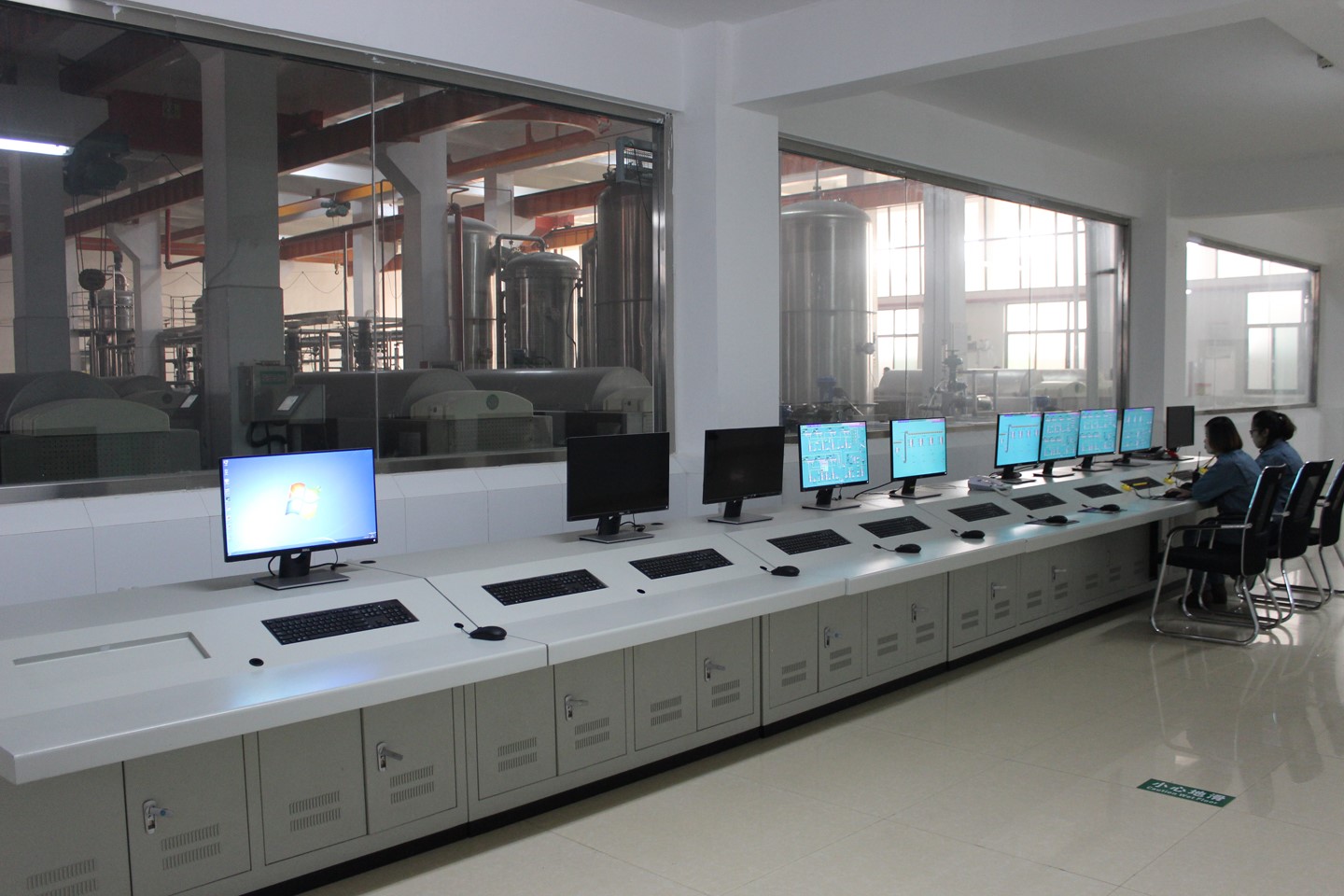
To ensure complete supply chain transparency, we offer full traceability back to the original soybean farms. Every batch undergoes comprehensive lab testing, covering pesticide residues, heavy metals, microbial counts, and GMO DNA traces, providing food manufacturers with consistent, compliant, and reliable ingredients.
Watch our manufacturing processes, low-temperature extraction lines, and advanced spray drying systems in action.
Get direct answers to common questions about our production capacities, company structure, and certifications.
We are a fully integrated group company named Xinrui Group that handles both manufacturing and exporting:
Our facilities are fully certified to meet the highest global standards. We hold certificates for: HACCP, ISO9001, ISO22000, BRC (Global Standard for Food Safety), HALAL, KOSHER, IP-NON GMO, and SGS audits. We can also provide other regional certifications upon request.
We source all of our raw soybeans from strictly monitored Non-GMO planting bases in Northern China. Our supply chain operates under a rigid IP (Identity Preservation) system. This means we test the raw soybeans at harvest, during transport, and at every stage of processing to guarantee zero GMO contamination.
Yes, we can customize our products. By adjusting parameters like thermal treatment, enzyme modification, and dynamic homogenization pressures, we can tailor the protein's gel strength, water-holding capacity, emulsification properties, and dispersion rates to match your specific food application.
Explore our full line of functional non-GMO soy protein concentrates, wheat starches, dietary fibers, and industrial ethanol.
 Xinrui Group