Explore our highly functional non-GMO plant proteins optimized for injection, emulsion, and gelation in commercial food processing lines.
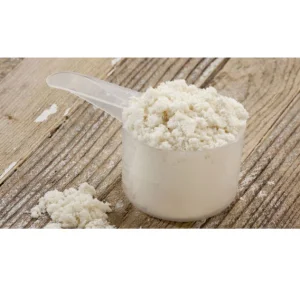
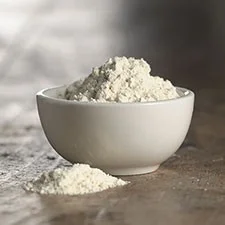
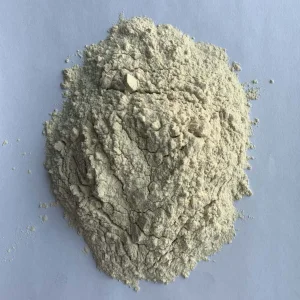
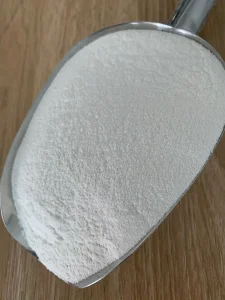
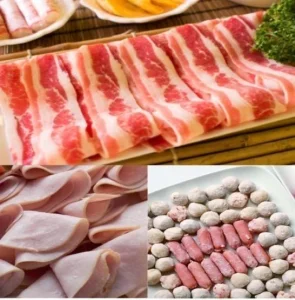
The global demand for plant-derived proteins has experienced exponential growth, shifting from a niche alternative dietary trend to a core pillar of mainstream industrial food production. At the center of this transition is Isolated Soy Protein (ISP), particularly the highly technical injection-grade variants (such as 9020, 9026, and 9028). These specialized proteins are formulated to meet the high performance, yield-boosting, and texture-retaining requirements of multinational meat processing companies.
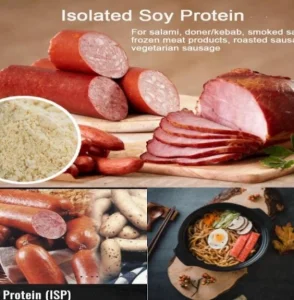
In modern meat industries across North America, the European Union, and South America, injection-grade ISP is vital for optimizing moisture retention, texture stability, and economic viability. Whole muscle cuts, hams, bacon, and poultry products are regularly treated with brine containing dissolved soy protein isolate. This process requires a protein that can dissolve rapidly in low temperatures, disperse evenly within the muscle fibers without clogging injection nozzles, and form a thermal gel when cooked to lock in juices and minimize syneresis.
By leveraging advanced molecular engineering, leading factories can manipulate the ratio of 7S and 11S globulins in the soybean extract. This provides custom gelation and viscosity profiles that suit different regional food textures—from the firm, high-bounce sausages favored in Asian markets to the tender, high-moisture deli meats preferred in Western supermarkets. The global commerce of ISP is highly dependent on reliable, certified suppliers capable of maintaining strict Non-GMO IP (Identity Preserved) statuses, high protein concentrations (≥90%), and low microbiological baselines.
Our injection-grade proteins achieve exceptional water binding capacity (1:5:2 up to 1:6:2 ratio), maintaining cellular moisture even under high thermal processing loads.
Specifically engineered to flow through industrial injection systems without nozzle clogging, ensuring rapid dispersibility and zero agglomeration in cold brines.
Acts as a natural surfactant at the fat-water interface, stabilizing food structure without the need for artificial texturizers or excessive chemical additives.
China has established itself as a premier global manufacturing hub for isolated soy proteins. This success is built on integrated circular economies, raw material supply security, and state-of-the-art processing technology. Leading companies like the Xinrui Group operate massive agricultural industrialization programs that handle production from bean selection to final export.
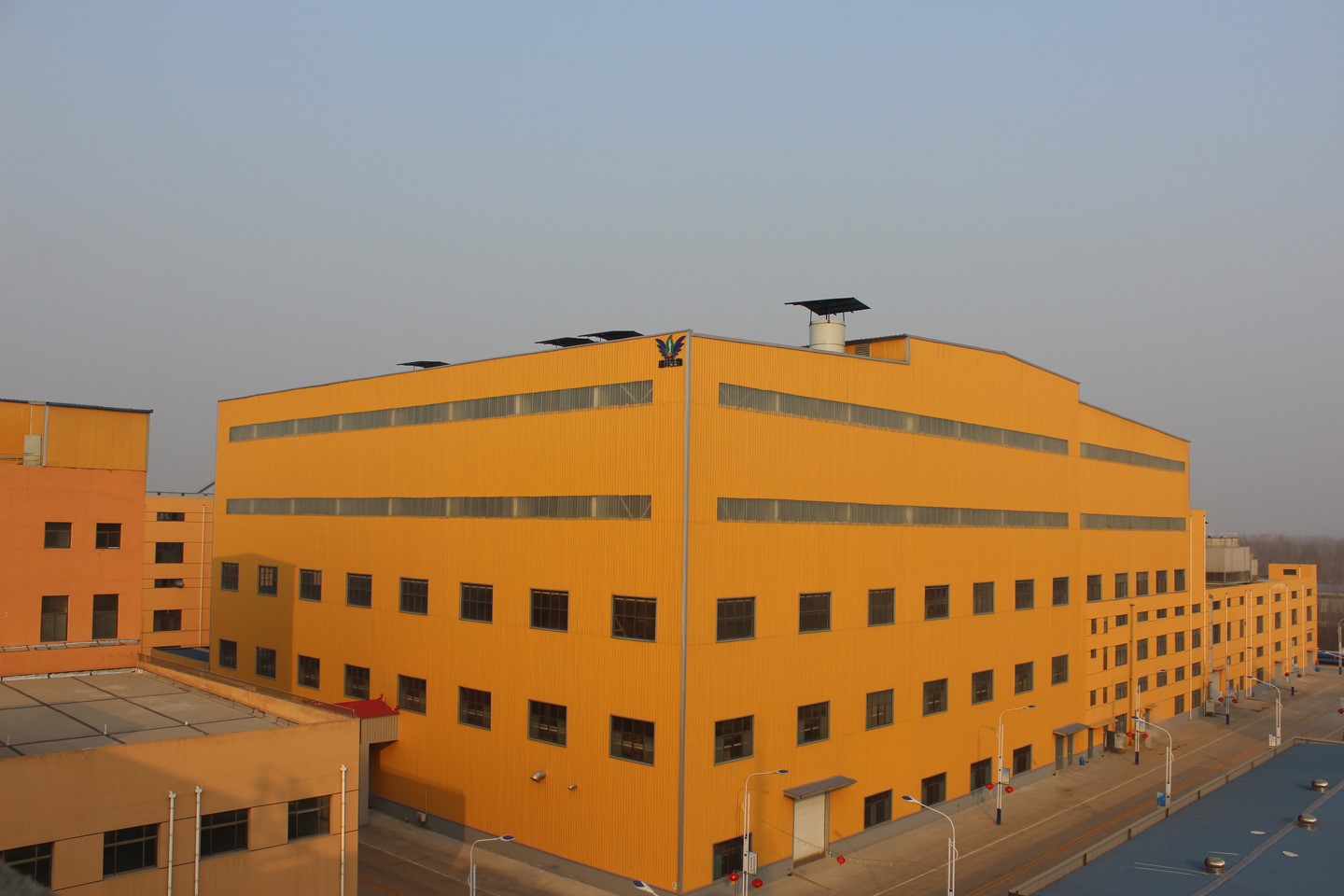
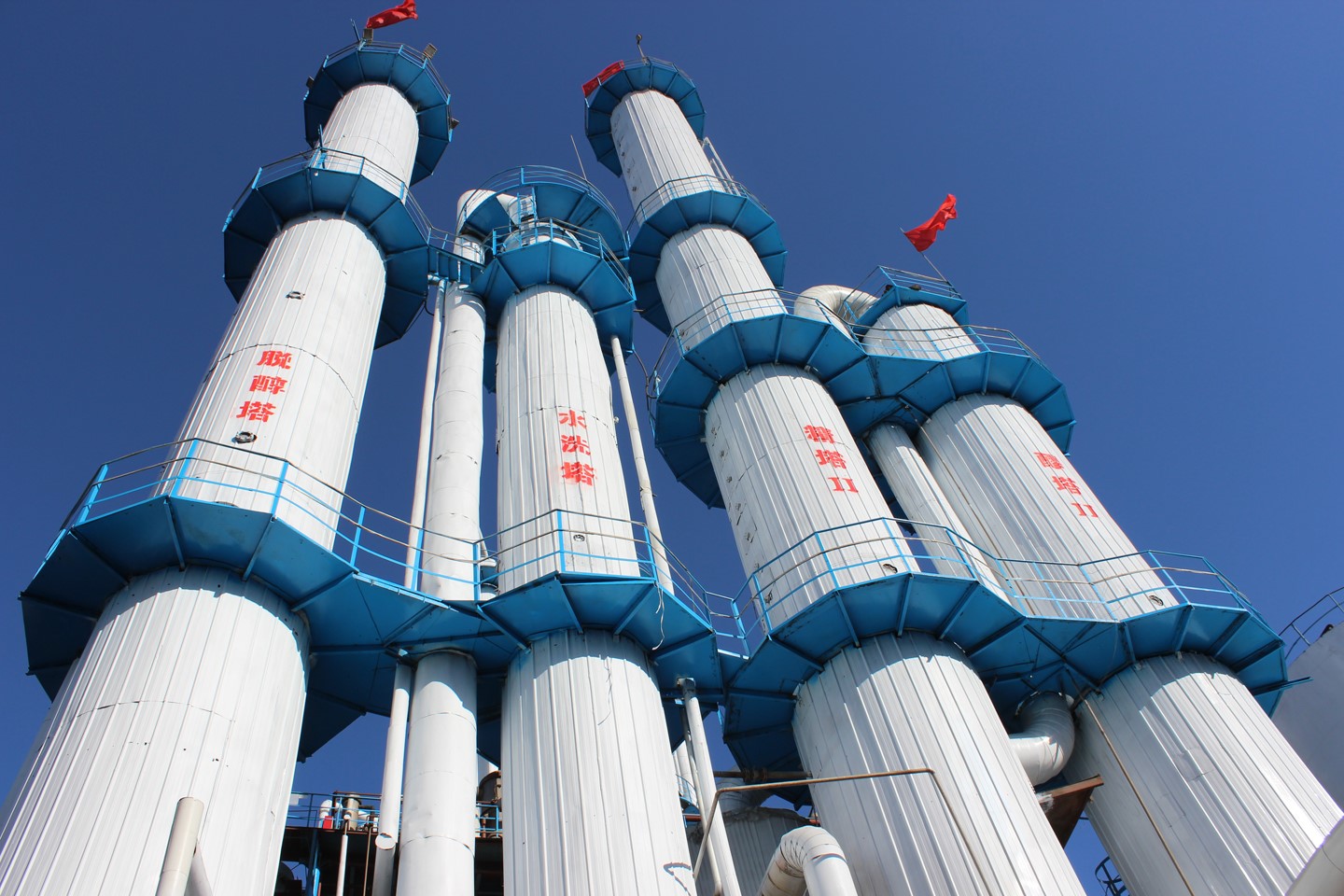
Through its specialized subsidiaries, Shandong Kawah Oils Co., Ltd. and Guanxian Xinrui Industrial Co., Ltd., the group integrates wheat and soy processing on an industrial scale. Shandong Kawah Oils processes 180,000 tons of domestic Non-GMO soybeans annually, utilizing advanced extraction, purification, and spray drying systems. The heart of the plant features the Dachuanyuan spray drying tower, the largest single production line of its kind in China, generating an annual capacity of 50,000 tons of isolated soy protein.
Our circular economic loop sets a high standard for resource optimization. The byproduct processing of wheat flour (up to 500,000 tons annually) yields vital wheat gluten (30,000 tons annually) and high-purity wheat starch. Residues, pentosans, and secondary starches are converted directly into food-grade ethanol and animal feed. This multi-level efficiency minimizes production waste, insulates buyers from global energy and raw material volatility, and ensures competitive wholesale pricing.

Soy protein isolates are not one-size-fits-all. Understanding the physical-chemical differences between injection, emulsion, and dispersion types is essential for optimal food product formulations.
Under neutral pH conditions, isolated soy protein is highly soluble, functional, and active. However, when injected directly into meat tissue via industrial brines, it must handle intense shear stresses, high salt concentrations, and varying temperatures. High-grade injection proteins (like 9020 / 9026 / 9028) are modified during the extraction phase to break down larger polymer structures. This reduces viscosity while preserving the protein's native gel-forming ability.
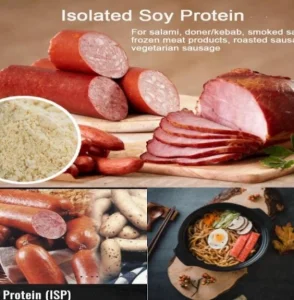
In contrast, emulsion types (like 9007B-A, 9007B-C, and 9001BW) focus on high lipophilic and hydrophilic structural balances. These properties are designed to bind fat and water into a smooth, sliceable paste suitable for sausages and frankfurters. Below is a professional-grade technical matrix showing the comparative performance profiles of these classes:
| Functional Grade | Key Model Codes | Viscosity (1:6 solution) | Salt Tolerance (NaCl 3-5%) | Dispersion Speed | Primary Industrial Applications |
|---|---|---|---|---|---|
| Injection Grade | 9020 / 9026 / 9028 | Ultra-Low (15-30 cP) | Excellent (Stable Gelation) | Instant (< 2 minutes) | Whole Muscle Hams, Bacon, Poultry Breasts, Injected Seafood |
| Emulsion Type | 9007B-C / 9007B-A / 9001BW | High (150-300 cP) | Moderate | Standard | Frankfurters, Mortadella, Chopped Meatballs, Pet Food Rolls |
| Tofu & Veg Type | 9003B / 9005B | Medium (80-120 cP) | Moderate | Standard | Vegetarian Tofu, Plant-based Cheese, Meat Alternatives |
| Beverage & Dispersion | 9030 / 9032 | Minimal (< 10 cP) | Low | Extremely Fast | Nutritional Protein Powders, Dairy Replacements, Sports Drinks |
We deliver targeted functional solutions developed for specific regional and technical applications worldwide.
Our injection protein penetrates deep into pork and poultry muscles. During thermal processing, it locks in moisture, minimizing cook loss and helping meat products remain juicy and tender under supermarket display lights.
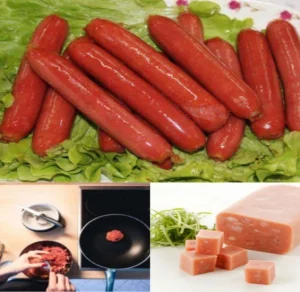
Designed for fast chopping operations. Models like 9007B-C bind free fats and water molecules into a stable matrix, ensuring that canned or cooked sausages keep their structural snap and chewiness.
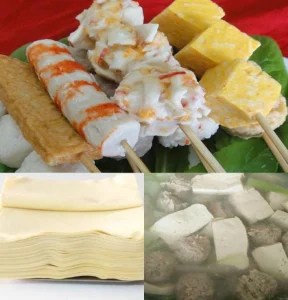
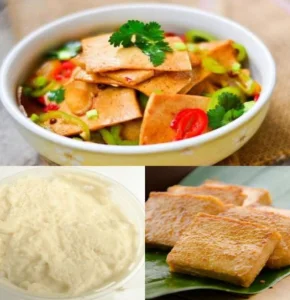
Providing custom protein levels for clean-label plant foods. Grade 9003B and 9005B establish a strong gel matrix that mimics the natural bite and mouthfeel of animal protein in vegan alternatives.
Featuring low viscosity and fast dispersion. Our 9030 and 9032 models dissolve smoothly in beverages without grittiness or off-notes, making them excellent choices for sports nutrition and dairy-free drinks.
We meet strict international agricultural and food processing requirements, assuring total quality compliance for our global trading partners.
At Shandong Kawah Oils and Guanxian Xinrui Industrial, our quality assurance systems cover the entire supply chain. Our raw materials are sourced from non-GMO soybean planting bases in northern China. Every harvest is tested to ensure strict genetic purity before entering the extraction lines.
Our production facilities utilize clean, closed-loop processing systems. We hold certifications from leading global food safety bodies, enabling seamless importing and customs clearance worldwide. Through Guanxian Ruichang Trading Co., Ltd., we export over 70% of our production volume, servicing processing clients in Europe, Southeast Asia, South America, and Africa.
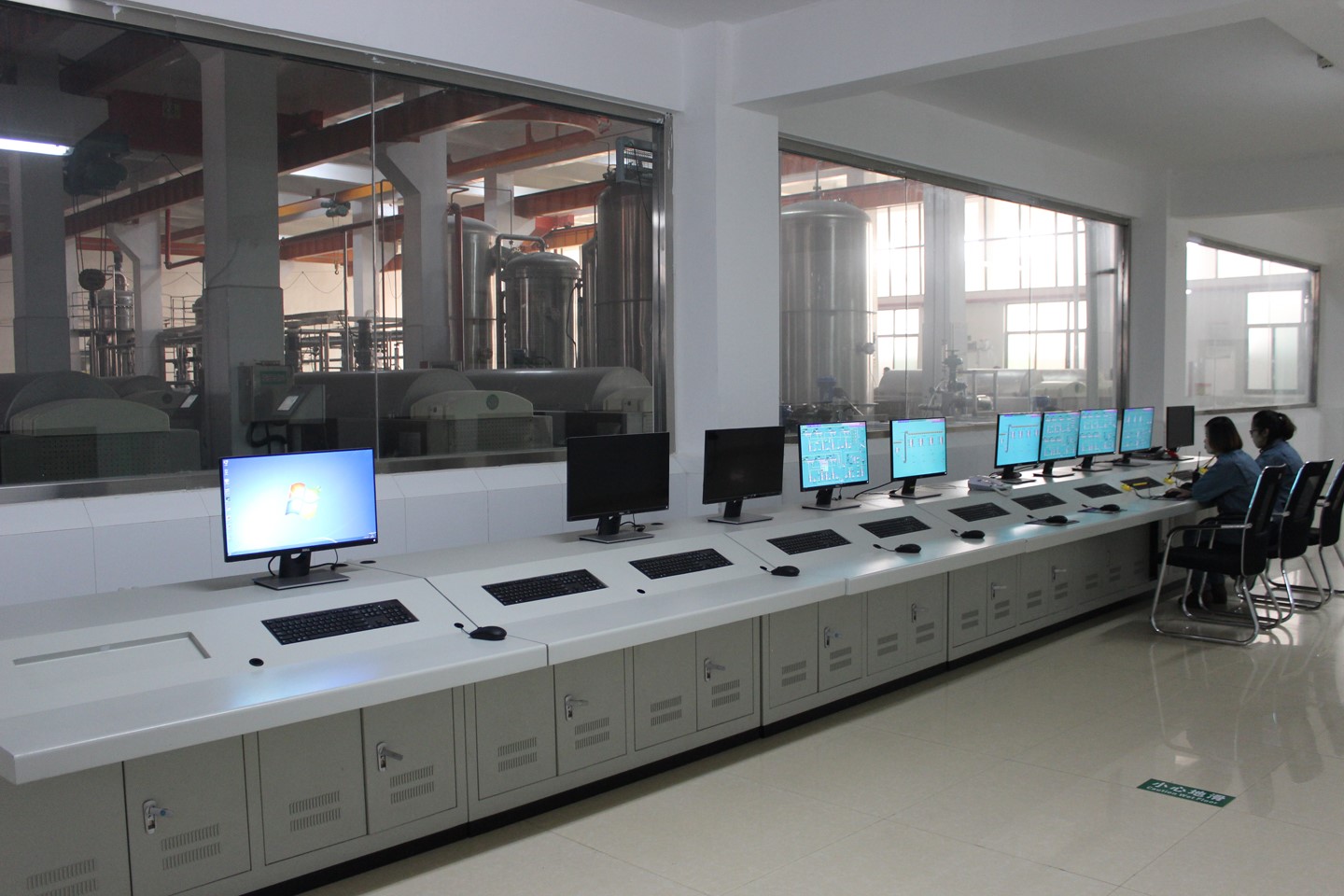
Take a virtual tour of our automated production facilities, processing lines, and packaging operations.
Clear answers to common questions about sourcing, product quality, and manufacturing capabilities.
We are an integrated group company (Xinrui Group) that covers both manufacturing and export operations. Our soy protein isolate is produced by Shandong Kawah Oils Co., Ltd., which has an annual capacity of 50,000 tons. Our vital wheat gluten is manufactured by Guanxian Xinrui Industrial Co., Ltd., producing 30,000 tons annually. All international sales and exports are managed directly by our export subsidiary, Guanxian Ruichang Trading Co., Ltd.
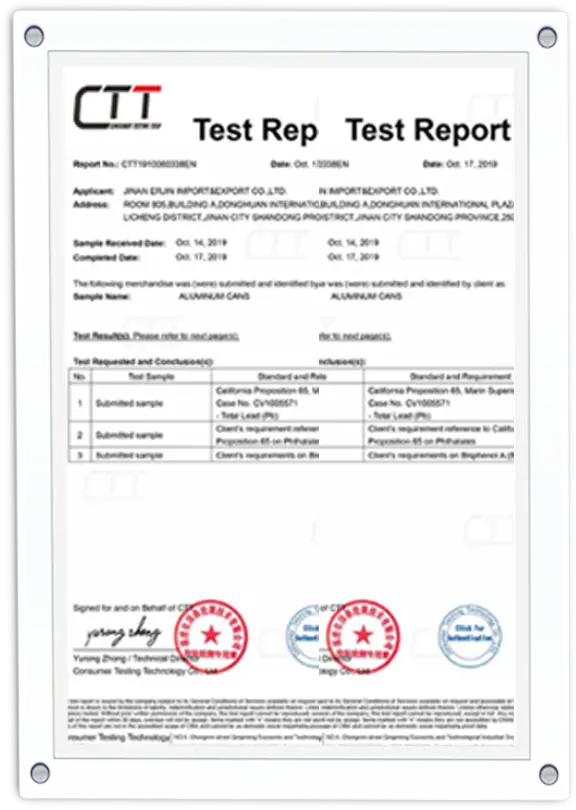
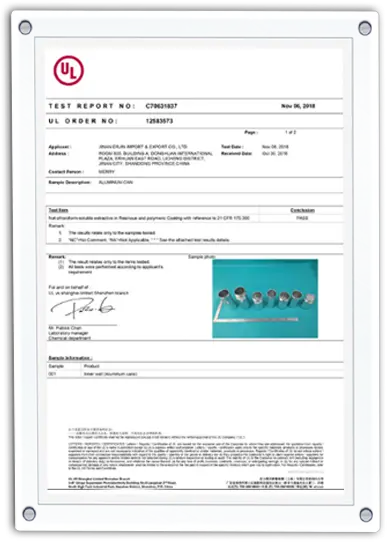
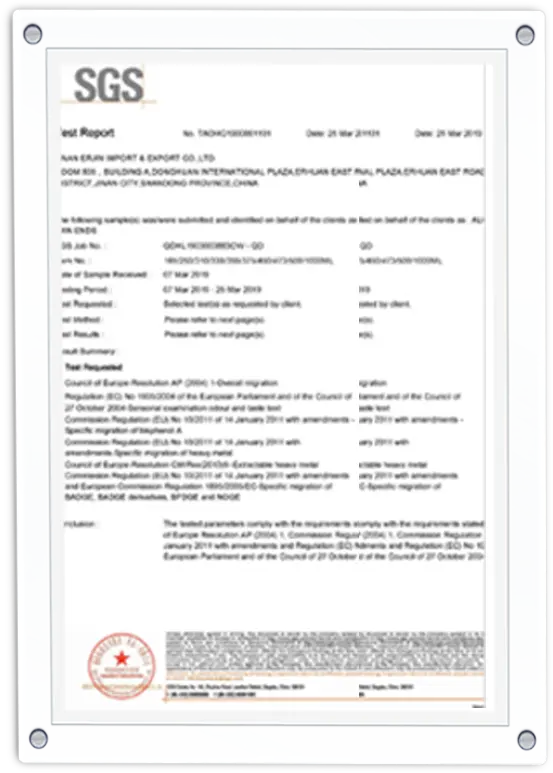
Our plants are fully certified under HACCP, ISO9001, ISO22000, BRC, Halal, Kosher, and IP-Non GMO standards. We can also provide custom testing certificates and SGS reports upon request to meet specific import requirements.
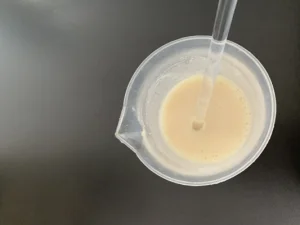
Low viscosity (typically 15-30 cP in a 1:6 solution) ensures that the protein remains fully dissolved and flows smoothly through the narrow needles of commercial meat injectors. High-viscosity proteins can clog these needles, causing uneven distribution in the meat and leading to production downtime.
We work with dedicated, contract-managed non-GMO farming bases in northern China. Every harvest is tested and tracked. We use IP (Identity Preserved) protocols from the farm, through transportation, and throughout the manufacturing process to prevent cross-contamination.
Our standard manufacturing and packing timeline is 15 to 20 days from order confirmation and deposit receipt. Shipping times vary by destination, with deliveries to European, North American, or African ports typically taking between 25 and 45 days.
Yes. We package our standard products in multi-ply paper bags (20kg or 25kg) with inner PE liners. For large contract volumes, we can customize bag sizing, labeling, and branding to meet your specifications.
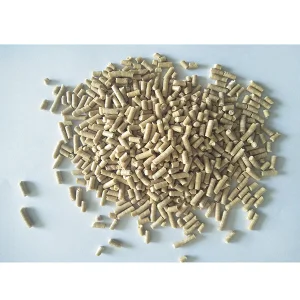
View additional products from our line, including chopping types, specialty starches, and vital wheat gluten pellets.
 Xinrui Group