Explore our industrial range of high-performance isolated soy proteins and functional starch products optimized for automated sausage manufacturing plants.
Leveraging deep industrial processing capacity, non-GMO farming origins, and advanced separation engineering to supply global food processors.

Established in May 2003, Xinrui Group spans a massive footprint of over 1,000 mu. Driven by continuous technological upgrades, the group has constructed a complete circular economic value chain including urban heating, gas supply, cogeneration, and agricultural deep-processing operations. Today, the group achieves an annual output value of 2.8 billion Yuan.
Within this ecosystem, Guanxian Xinrui Industrial Co., Ltd. (formerly known as Guanxian Ruixiang Biotechnology Development Co., Ltd) was founded in 2007 with 100 million Yuan in registered capital. Operating with a massive milling capacity, the company processes 500,000 tons of wheat flour annually, extracting premium wheat gluten, wheat starch A, and wheat starch B. The residual starch B and pentosan are systematically channeled into advanced ethanol and animal feed production lines, generating zero waste.
We imported the world's most advanced closed-loop tri-canter separation technology for wheat gluten production. The entire process line is completely sealed and automated, positioning our equipment capability, output rate, and food-grade hygienic control at the vanguard of the national industry.
Established in 2014 with 120 million Yuan in registered capital, Shandong Kawah Oils Co., Ltd. is a leading provincial agriculture industrialization enterprise. The company oversees a sophisticated ecosystem integrating scientific seed selection, non-GMO farming bases, extraction R&D, deep process modification, and international export operations.
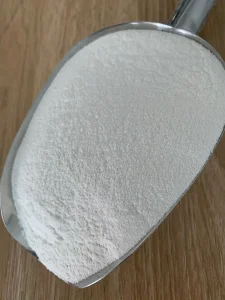
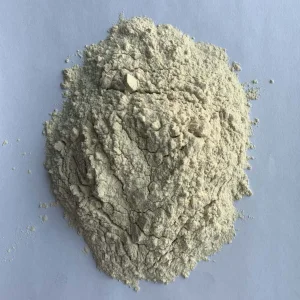
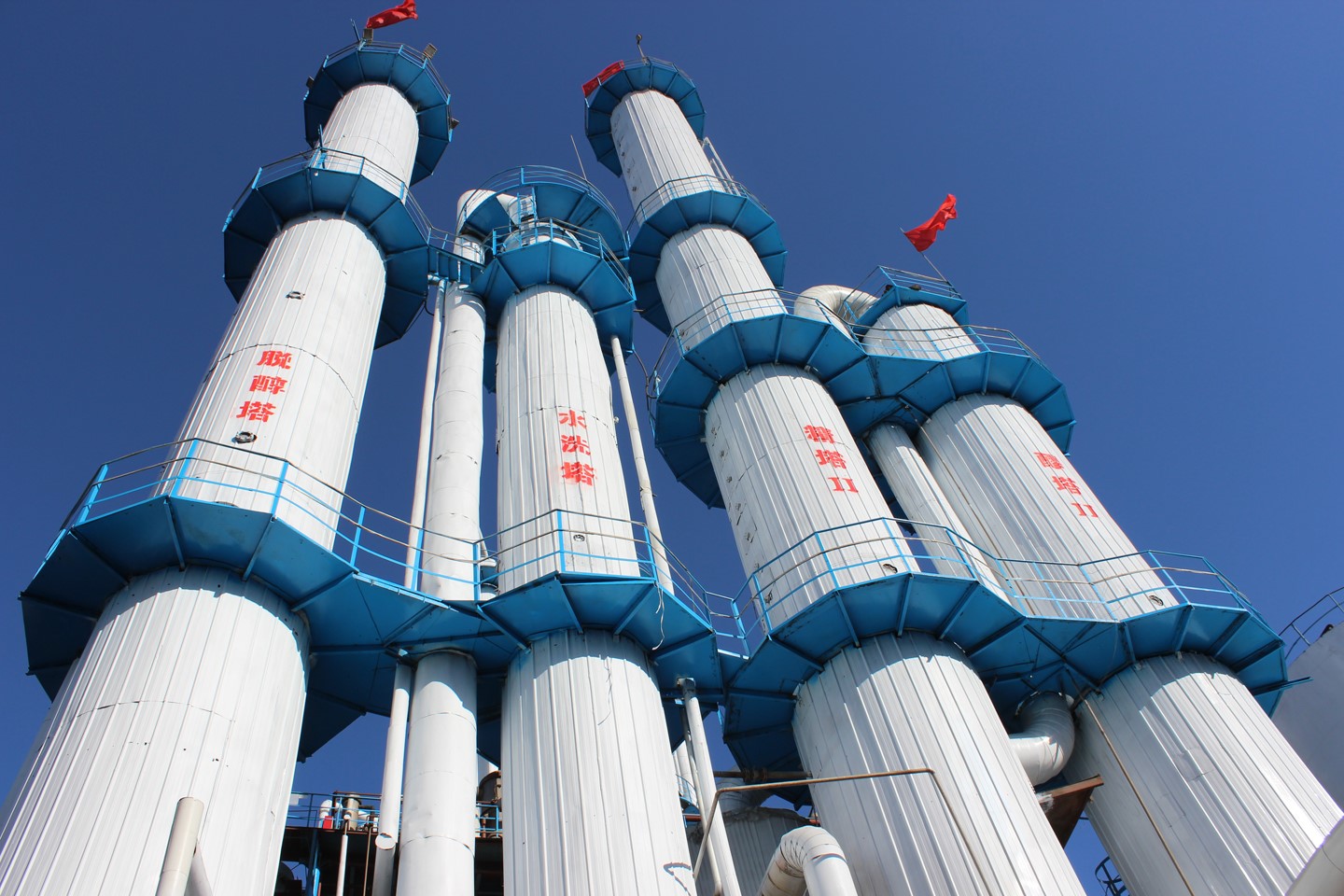
Processing 180,000 tons of domestic non-GMO soybeans annually, Kawah Oils utilizes mild physical extraction processes to manufacture high-yield low-temperature food-grade soy meal, food-grade isolated soy protein (SPI), edible soy dietary fiber, and pure soybean oil. Our plant features a state-of-the-art spray drying tower system from DACHUANYUAN, which constitutes the largest single production line in China.
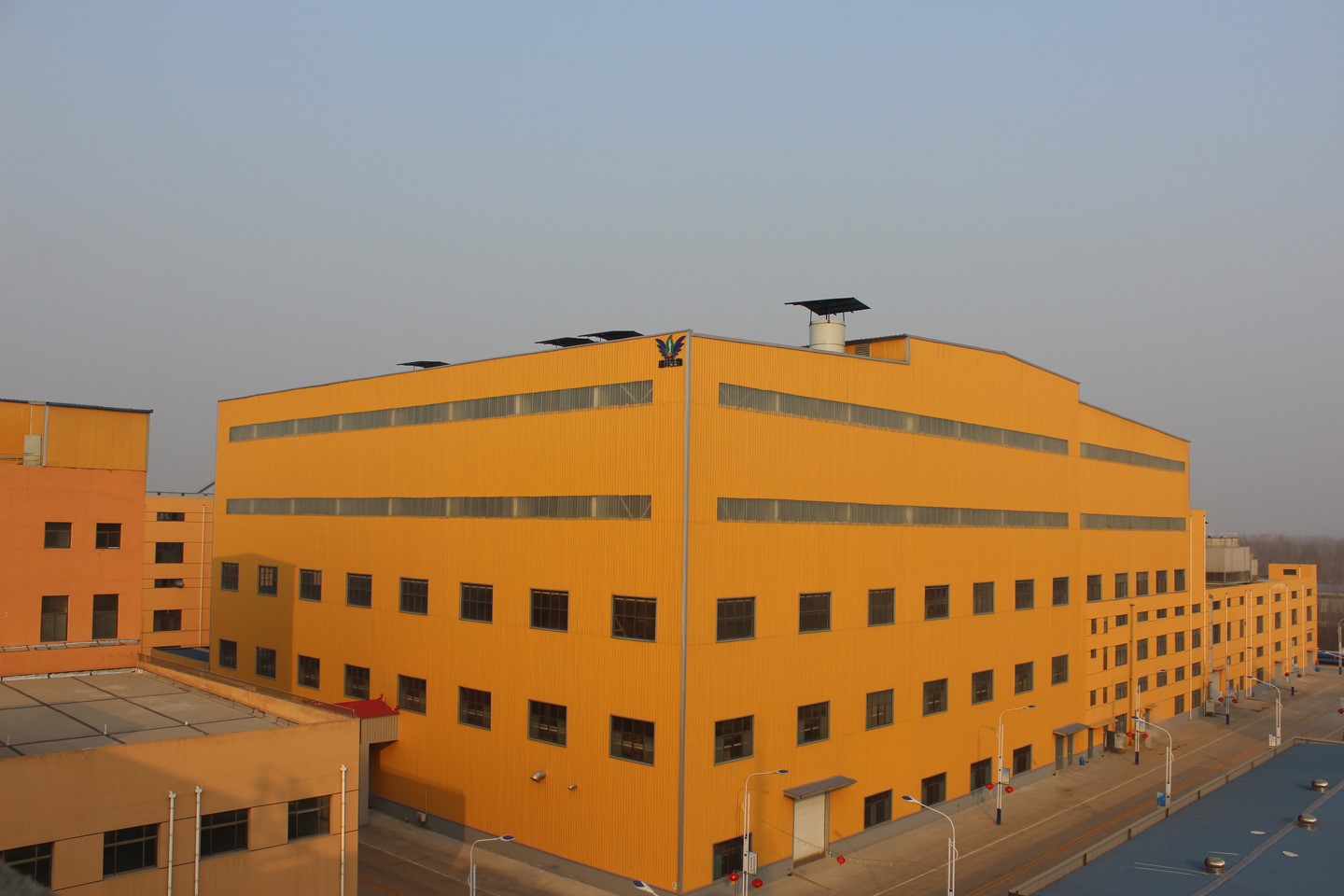
To provide seamless transactional infrastructure for global procurement managers, the group established Guanxian Ruichang Trading Co., Ltd. in 2011 with 6 million Yuan in registered capital. Ruichang acts as the direct export window, sending isolated soy protein, vital wheat gluten, soluble dietary fiber, vermicelli, and food-grade ethanol to overseas manufacturers. Ruichang direct exports constitute over 60% of the group's total production, eliminating middleman markup and ensuring direct technical and price accountability.
Understanding the functional interactions of soy protein isolates in meat batters, emulsification systems, and high-pressure injection equipment.
In sausage manufacturing, isolated soy protein functions as more than a simple filler. It is a highly active macromolecular network that interacts with muscle myofibrillar proteins to form a cohesive, viscoelastic matrix. At temperatures above 70°C, the globular structures of our 11S and 7S soy globulins denature, exposing hydrophobic zones that link to form stable, thermal-irreversible gels.
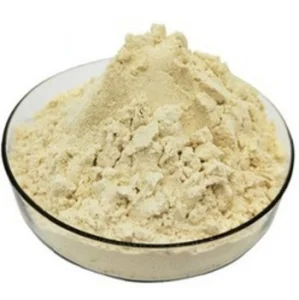
Raw Material: 100% Non-GMO Chinese Soybean Meal
Protein Content (Dry Basis): ≥ 90.0%
Moisture Content: ≤ 7.0%
Ash: ≤ 6.0%
E-coli / Salmonella: Negative
Gelling Properties: Controlled thermal-set gelation, ensuring no mushiness in sausages after retort sterilization at 121°C.
Ensuring micro-scale ingredient uniformity and reliable volume capabilities via digitalized plant controls.
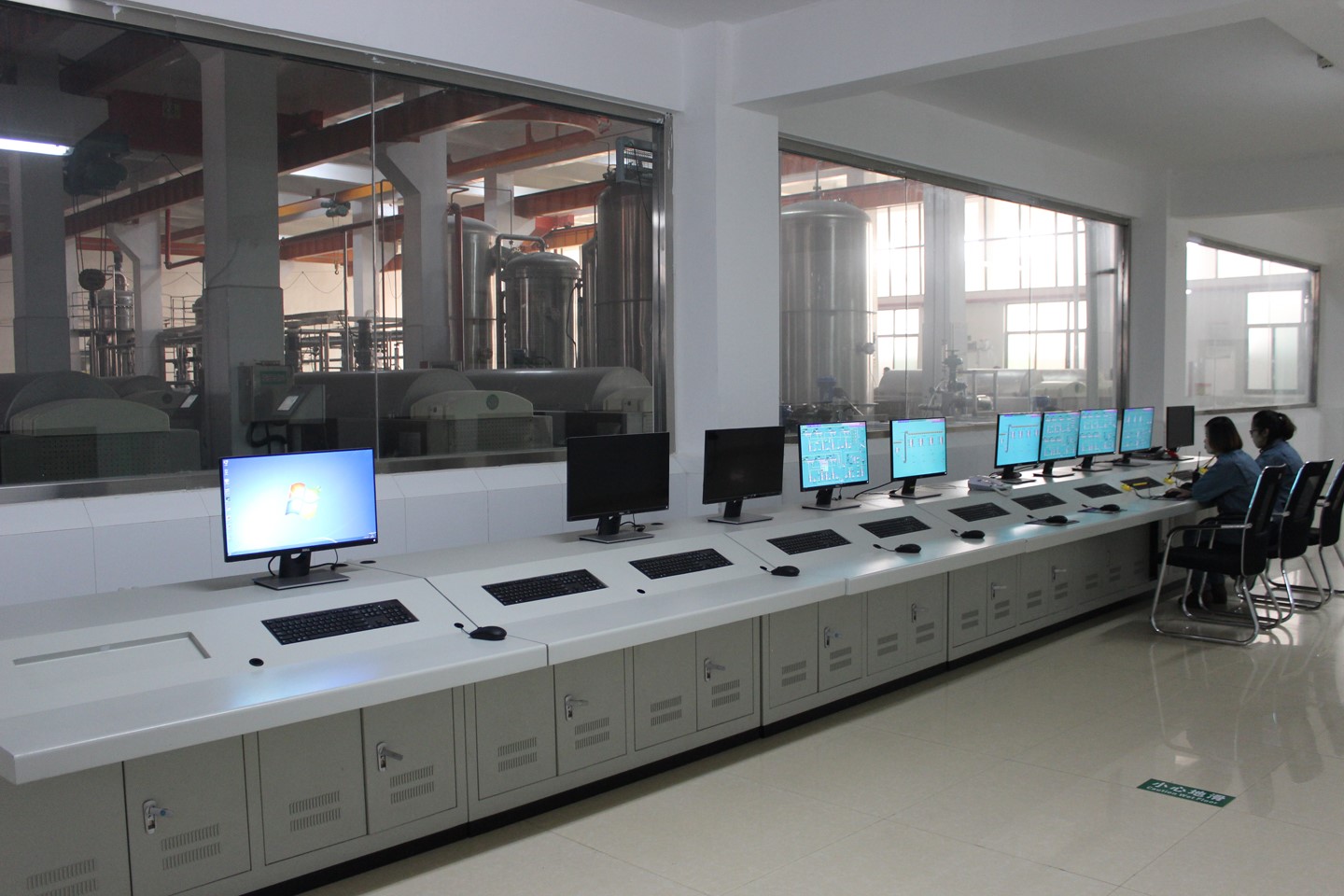
Our production advantage is built on manufacturing scale and technology. By using the DACHUANYUAN spray drying tower, we achieve precise control over the hot air flow and slurry atomization parameters. This ensures that every batch of isolated soy protein features a highly uniform particle size distribution, preventing dusting issues during dry blending in sausage mixing rooms.
Furthermore, our integrated processing model means that we process our raw materials directly on-site. Low-temperature soybean meal from Kawah Oils is immediately transferred to the protein isolation lines without transport-related contamination risks. By controlling the supply chain from raw wheat and non-GMO soybean planting bases to final spray drying and packaging, we shield our customers from raw material price volatility and quality changes.
Addressing yield loss, texture degradation, and economic challenges across high-output manufacturing lines.
Standard isolated soy proteins can sometimes produce a dry or powdery mouthfeel in sausages. Our modified structural proteins retain high hydration capacities, keeping sausages juicy and firm through hot-smoking, boiling, and packaging cycles.
Sausages stored in cold storage are prone to moisture loss and ice crystallization. Our soy protein isolate forms a stable thermal-irreversible gel that binds moisture, preventing purge loss even after multiple freeze-thaw cycles.
By using soy protein emulsions, sausage factories can partially replace lean meat with hydrated soy protein matrices without changing product sliceability or nutritional protein values. This helps protect margins amid rising lean meat prices.
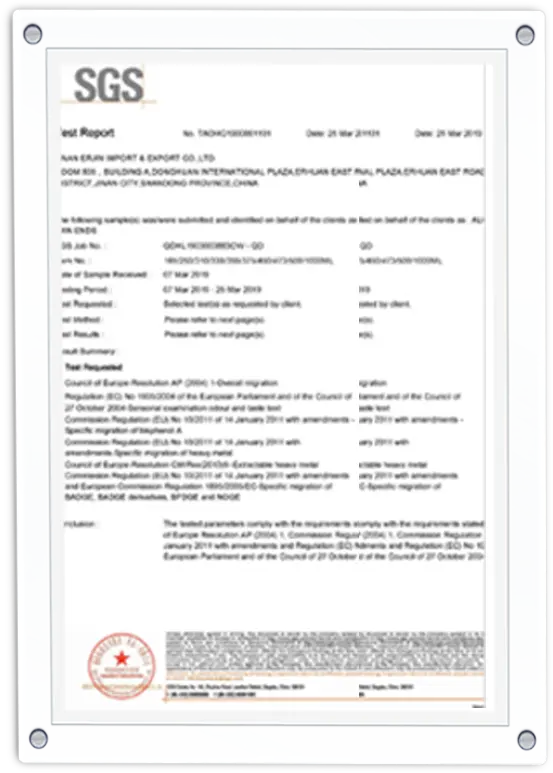
Every shipment is accompanied by complete batch documentation, meeting strict international safety and religious requirements.
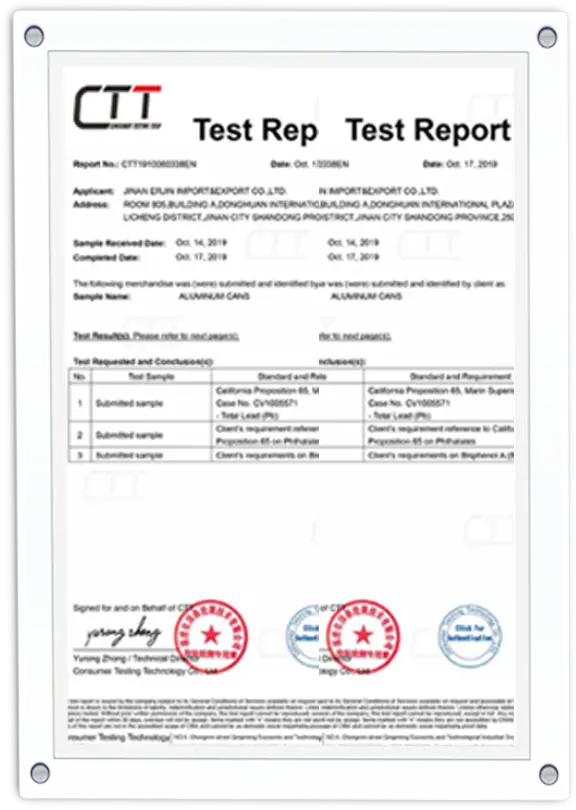
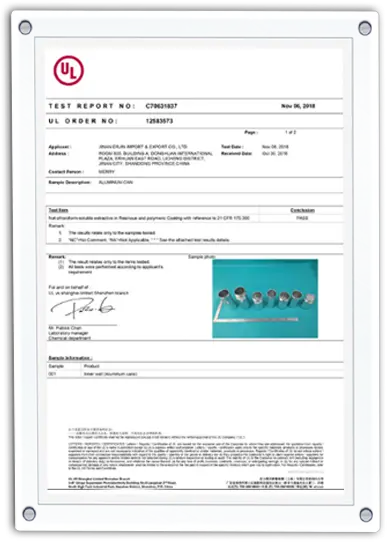
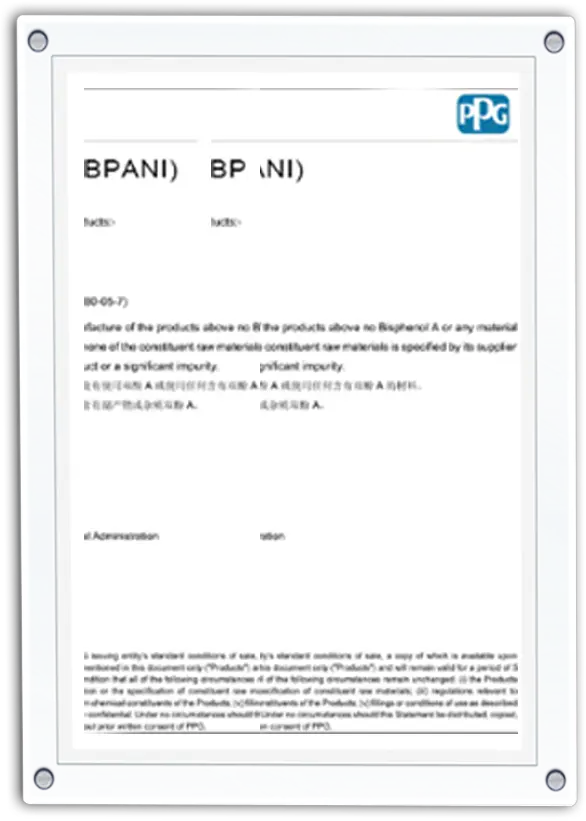
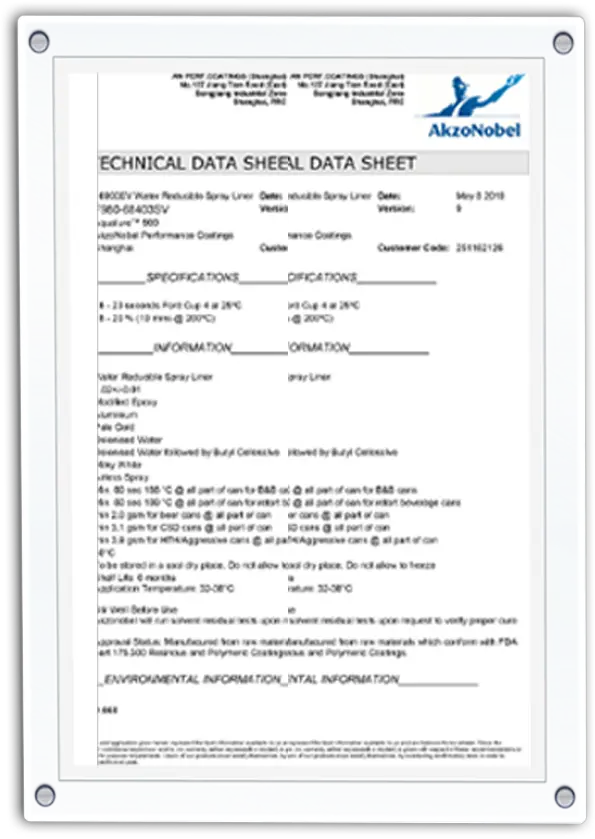
Xinrui Group adheres to strict global food safety standards. Our manufacturing processes are audited annually to maintain compliance with recognized global standards. We provide complete trace-back capability, tracking our inputs from our non-GMO planting bases to final finished product shipping container.
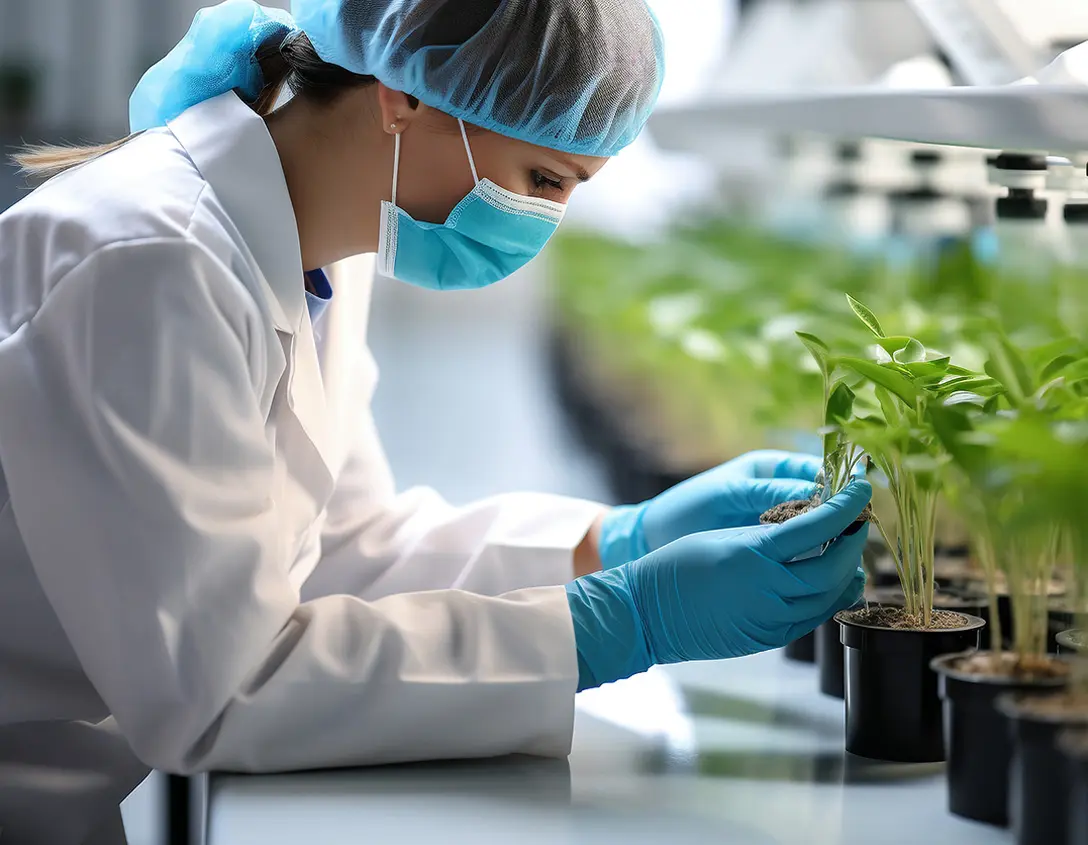
Our dedicated internal testing laboratory analyzes every production batch using high-performance liquid chromatography (HPLC), Kjeldahl nitrogen determination, and microbiologic cultures to ensure clean safety metrics.
We supply complete documentation for customs clearance and raw material qualification, including: Certificate of Analysis (COA), Phytosanitary Certificates, IP Non-GMO statements, and Allergen declarations.
Watch our video factory tours showing our advanced grain milling, oil extraction, spray drying processes, and automated packaging systems.
Developing next-generation proteins to meet evolving regulatory requirements and clean-label demands.
Our research and development center is currently focusing on enzymatically modified soy proteins. By utilizing food-grade endopeptidases, we can control the hydrolysis process to yield specific peptide profiles. This targeted modification helps optimize the viscosity and gelling profiles of our proteins, improving performance in low-sodium sausage recipes.
As the global market for hybrid meats (blending animal meat with plant protein) expands, we are developing functional proteins designed to mimic the exact bite profile of animal muscle fibers. Through advanced thermal extrusion modifications, our future lines will offer enhanced texture alignment, helping sausage manufacturers lower raw material costs while keeping sensory profiles high.
To support clean-label packaging requirements, we are scaling production of native-state soy protein concentrates and isolates. By minimizing chemical modifications during extraction, these clean-label ingredients provide excellent water-binding capacity while allowing manufacturers to present simpler ingredient listings to consumers.
Our on-site research center works directly with international food science universities, continuously testing new formulations in pilot sausage extrusion systems to simulate real-world production conditions.
Get answers to common technical, logistics, and supply chain questions from our engineering team.
Complete your supply chain with our range of plant proteins, starches, and food-grade ethanol products.
 Xinrui Group