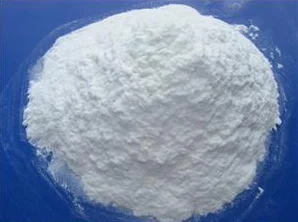
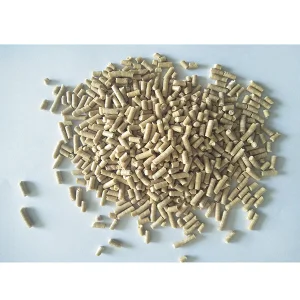
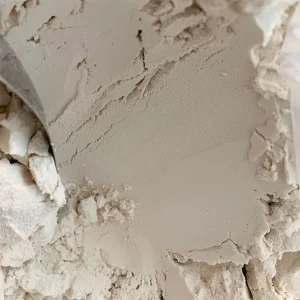
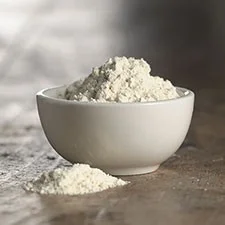
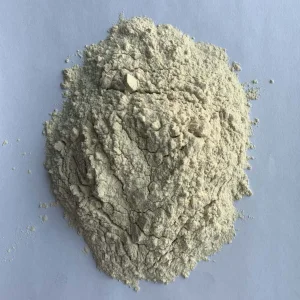
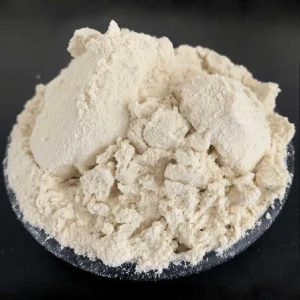
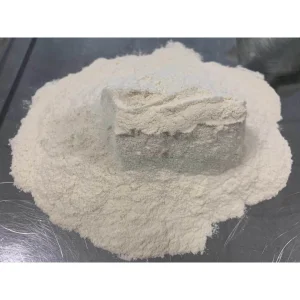
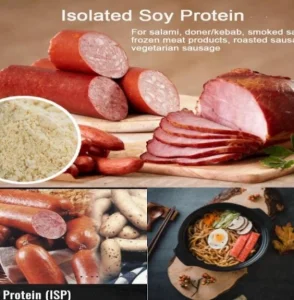
Discover our comprehensive catalog of isolated soy protein, functional concentrates, wheat gluten, and starch variants optimized for industrial-scale processing.

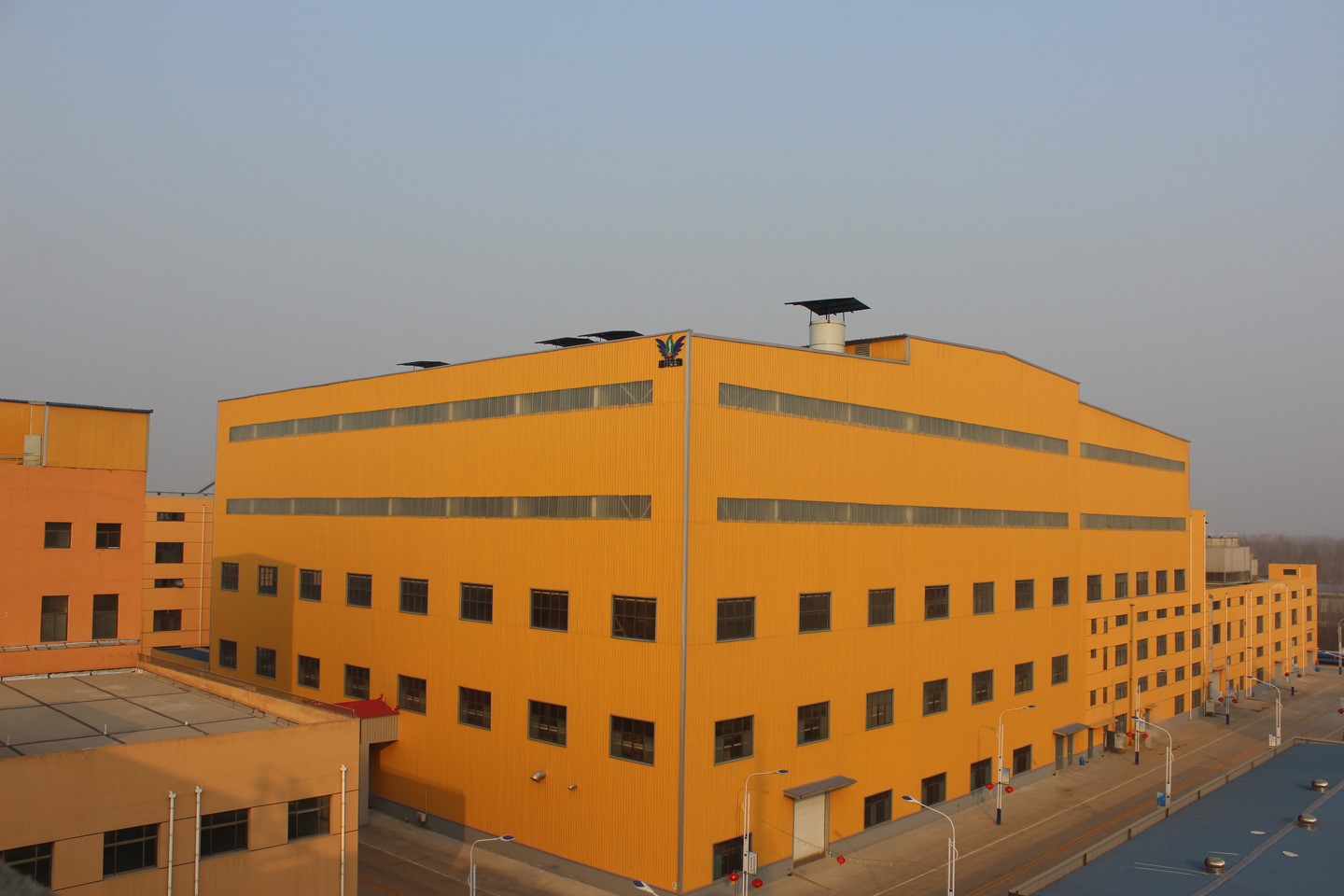
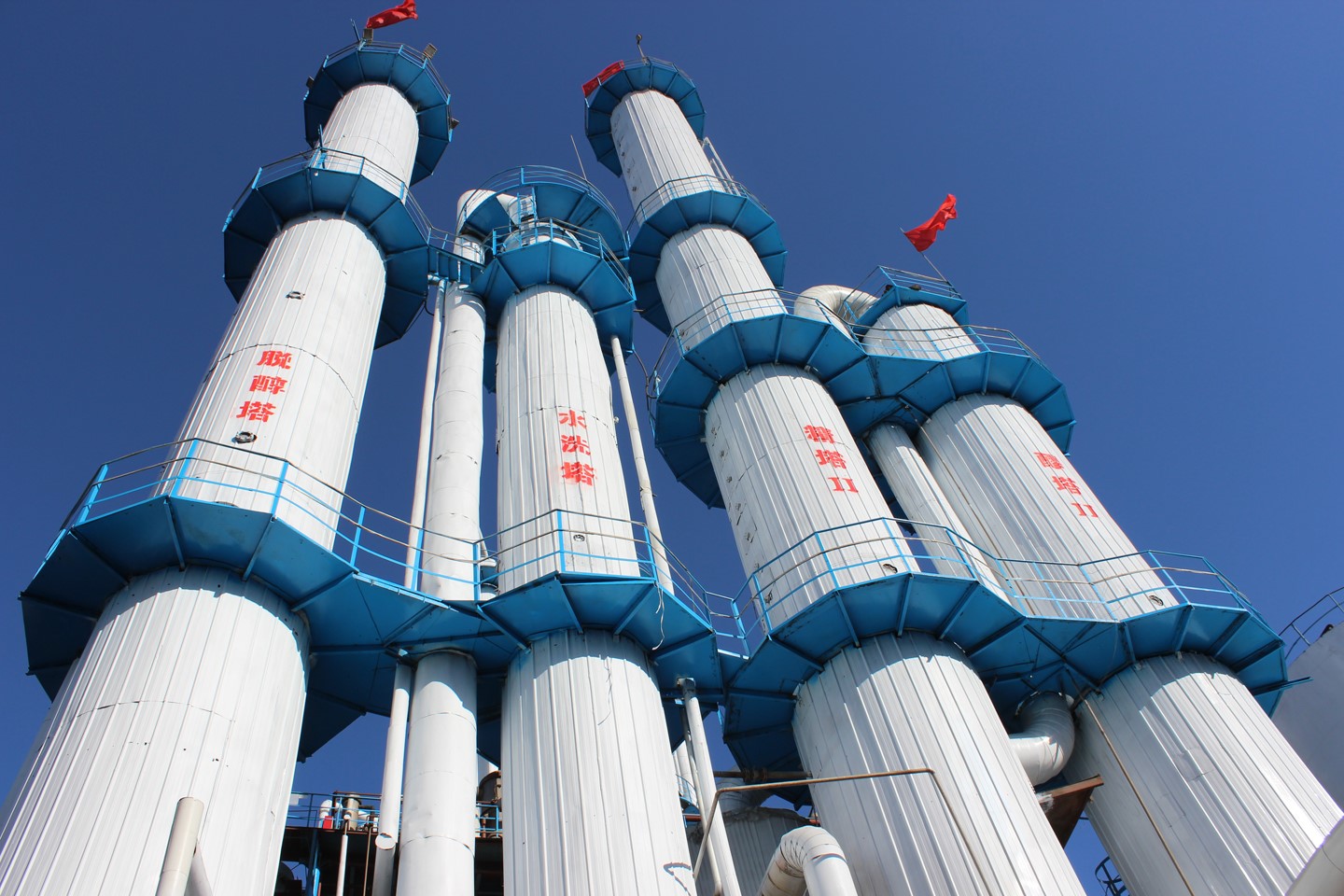
GUANXIAN XINRUI INDUSTRIAL CO., LTD. (formerly known as GUANXIAN RUIXIANG BIOTECHNOLOGY DEVELOPMENT CO., LTD) was established in 2007 with registered funds of 100 million Yuan. Strategically operating as a powerhouse in agricultural deep processing, the company processes 500,000 tons of wheat flour annually, extracting high-purity vital wheat gluten, wheat starch A, and wheat starch B. Starch B and pentosan are recycled for alcohol and animal feed production in a circular-economy industrial loop. Utilizing advanced tri-canter separation technology, we maintain leading domestic positions in quality, capacity, and processing cleanlines.
Exporting internationally under GUANXIAN RUICHANG TRADING CO., LTD. (founded in 2011, 6 million Yuan registered capital), the group channels isolated soy protein, vital wheat gluten, soluble dietary fiber, vermicelli, and premium ethanol to overseas clients. Direct factory-to-port logistics account for over 70% of total group output, reflecting seamless manufacturing and global trade integration.
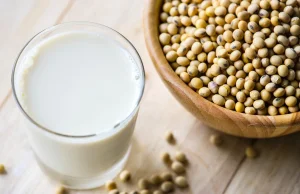
Direct control over raw sourcing via non-GMO domestic soybean planting bases covering 1,000+ mu.
Established in 2014 with 120 million Yuan registered capital, SHANDONG KAWAH OILS CO., LTD. serves as a provincial leading enterprise in agricultural industrialization. It focuses on research & development, plant cultivation, and importing/exporting agricultural byproducts. The factory processes 180,000 tons of domestic non-GMO soybeans annually to extract premium oil, food-grade low-temperature soybean meal, isolated soy protein, and dietary fiber.
By employing the industry-standard DACHUANYUAN spray drying tower system, Kawah Oils operates the largest single-line spray drying capacity in China. This configuration maintains exact heat control to yield highly functional proteins with exceptional emulsification and gelation, suited specifically for meat injection processes.
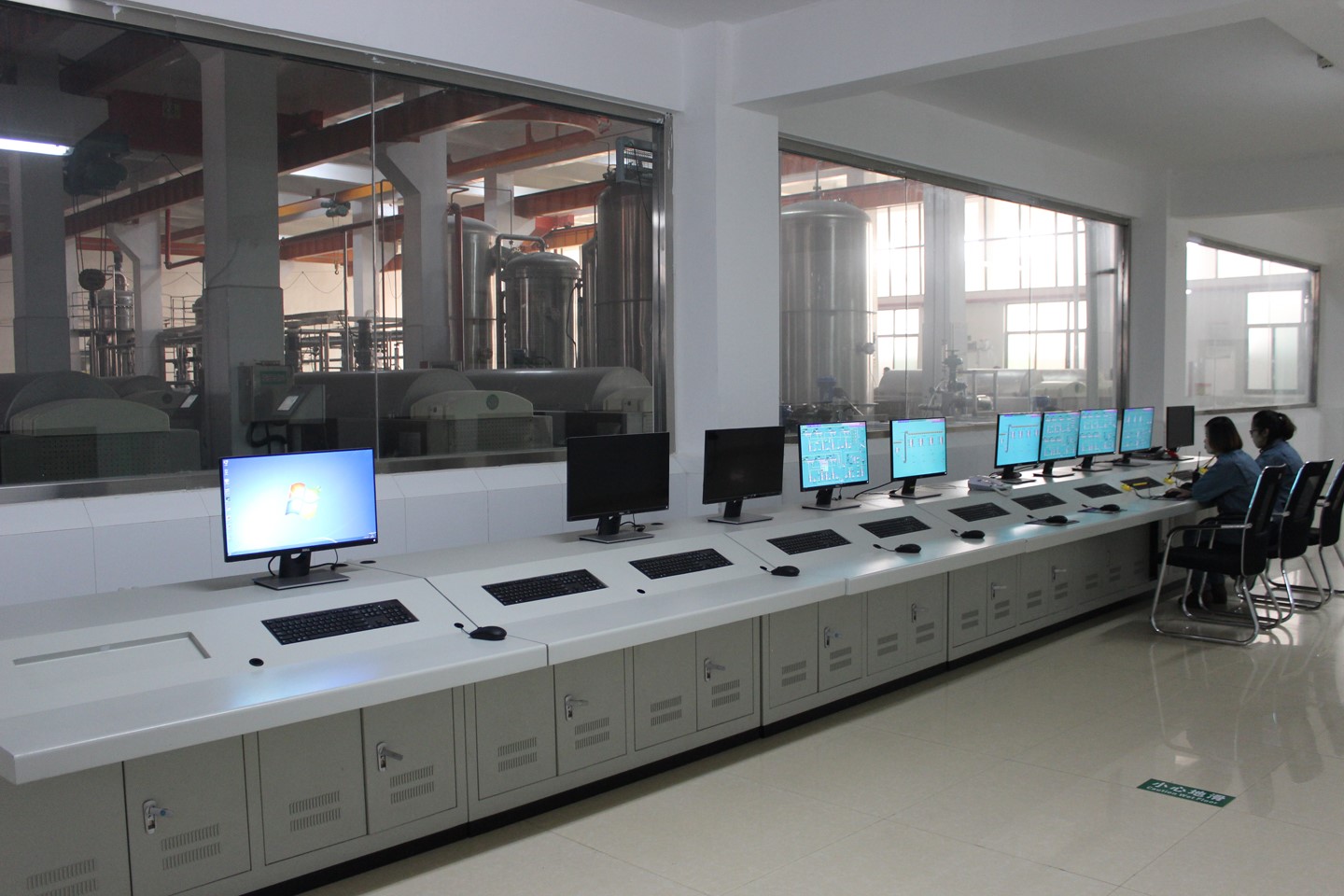
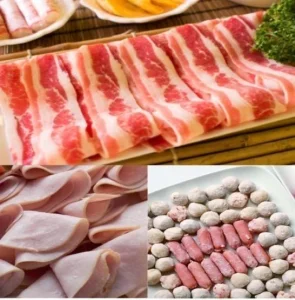
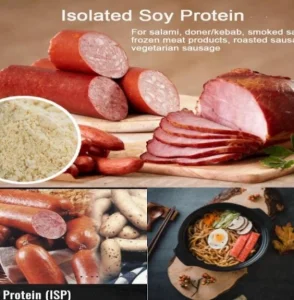
In modern meat processing, injection-grade isolated soy protein (SPI) plays an essential role in brine formulation, moisture retention, and texture optimization. Global food manufacturers require ingredients that offer high solubility, low viscosity during injection, and strong gelation when cooked. Utilizing advanced processing technology, our team delivers high-quality solutions to meet these challenges.
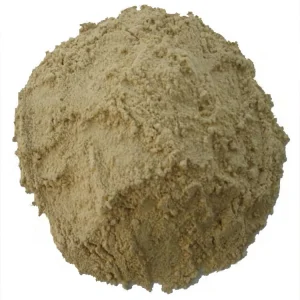
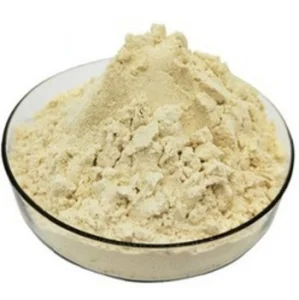
Standard SPI variants often exhibit high viscosity at low concentrations, which can clog injection needles, lead to uneven distribution in the meat matrix, and result in pockets of unhydrated protein. In contrast, injection-grade series 9020/9026/9028 are engineered through controlled enzymatic hydrolysis and thermal modification. This lowers dispersion viscosity while preserving the protein’s ability to bind water and form a stable gel structure when heated.
"By using controlled enzymatic hydrolysis to adjust molecular weights, we produce an injection-grade soy protein isolate that flows smoothly through 1.2mm needles without shearing, and retains water effectively upon thermal gelation."
To help manufacturers select the right protein for their products, the table below compares the functional properties of our core soy protein isolate series:
| Product Series | Primary Application | Viscosity Profile | Key Performance Matrix |
|---|---|---|---|
| 9020 / 9026 / 9028 | Meat Injection & Brining | Very Low (Cold dispersion) | Excellent syringeability, low viscosity, heat-activated water binding |
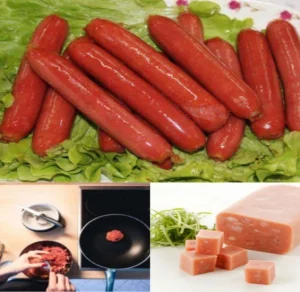
| 9001BW / 9001BH / 9000 | Emulsified Meats (Sausages, Frankfurters) | Medium-High | High emulsion stability, fat and water binding, stable texture |
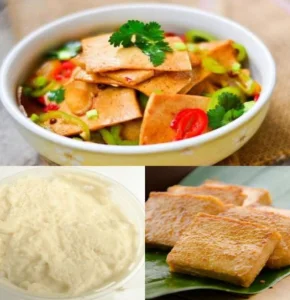
| 9005B / 9003B / 9003BA | Tofu & Vegetarian Analogs | High Gelation | Elastic gel matrix, neutral taste, smooth white coloration |
| 9030 / 9032 | Beverage & Nutritional Powders | Low & Highly Dispersible | High nitrogen solubility index (NSI), low grit, neutral flavor profile |
The core challenge in injection protein formulation is balancing low viscosity in the cold state with firm gelation when heated. Our R&D division resolves this through structural modification:
For optimal results when using injection soy protein isolate in meat processing, we recommend the following procedures:
As sustainability becomes increasingly important to consumers, we prioritize eco-friendly sourcing and production. We source only domestic non-GMO soybeans from verified agricultural planting bases. Our circular economy model recycles steam and wastewater from wheat and soybean processing to power municipal heating and cogeneration plants. This integration reduces carbon emissions per ton of protein produced, helping our clients meet their environmental targets.
Watch our processing lines, automated packaging systems, and quality control labs in action.
Our manufacturing and processing facilities operate under strict international food safety certifications.
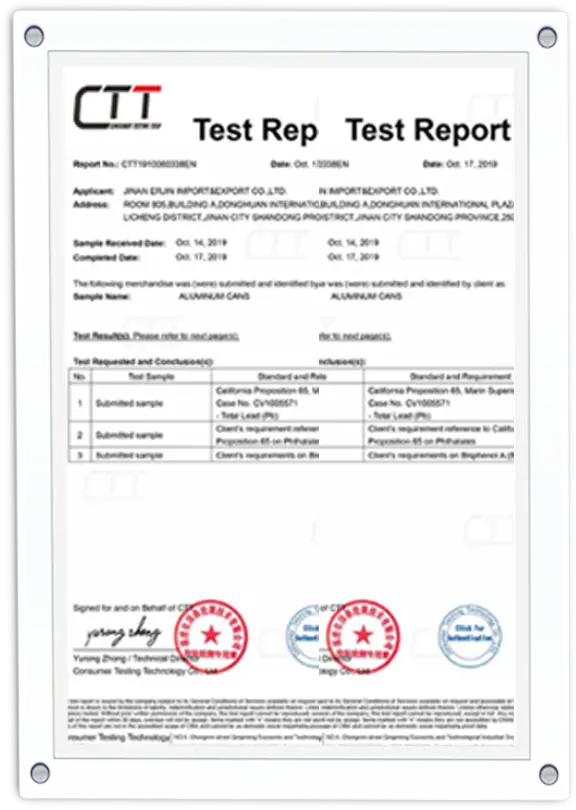
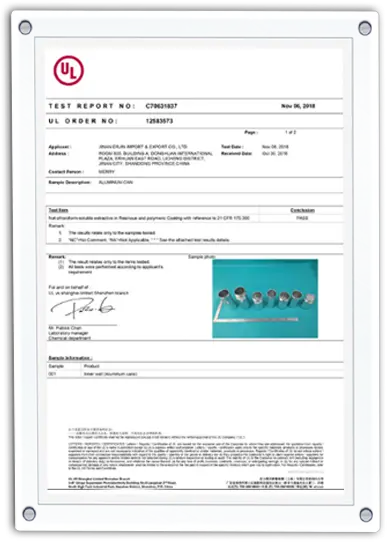
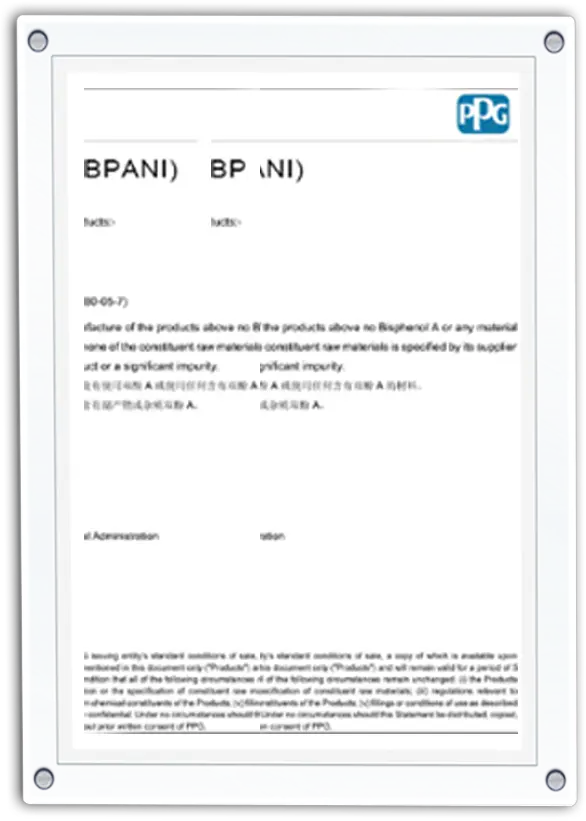
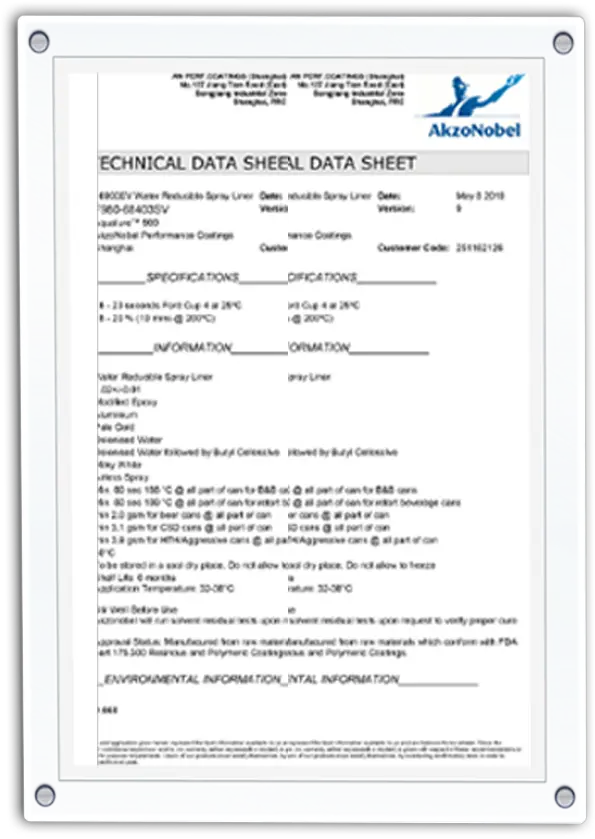
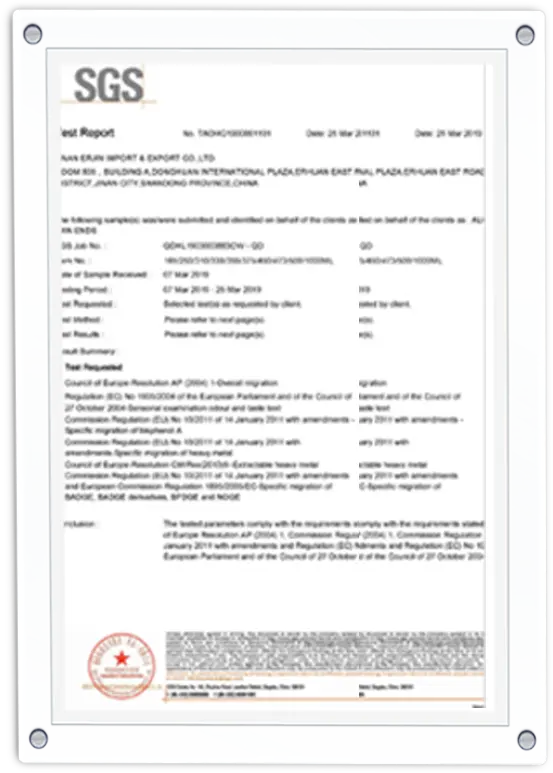
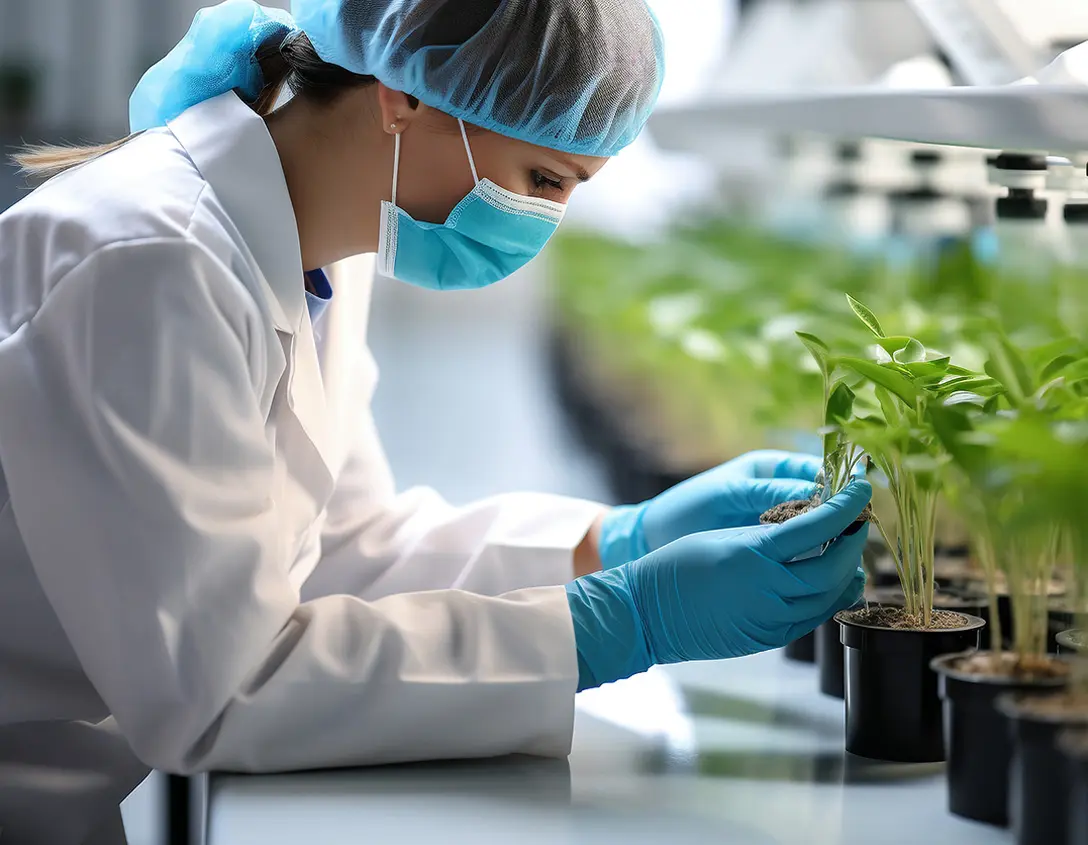
Every production batch undergoes comprehensive testing, including HPLC molecular weight mapping, microbiological assays, heavy metal scans, and non-GMO identity preservation (IP) verification, before receiving export release authorization.
Key questions and answers regarding soy protein isolates, processing technologies, and logistics.
Browse our complete product range and select the appropriate solutions for your processing needs.
 Xinrui Group