Explore our industrial-grade isolated soy proteins and texturizing agents specifically optimized for frozen meat analogs.
Understanding the technological shift, consumer behaviors, and formulation requirements in plant-based food systems.
The global demand for plant-based alternatives is shifting from simple substitutes to high-fidelity replacements that replicate the structural complexity of animal muscles. In frozen vegetarian meat formulations, maintaining structural integrity through freezing and thawing cycles presents a unique challenges. Water recrystallization can easily damage plant-protein fibrils, leading to moisture loss (syneresis) and a mushy texture after reheating.
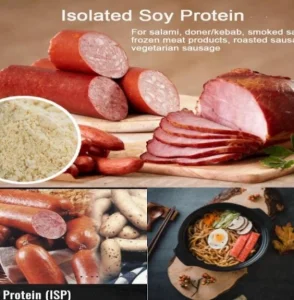
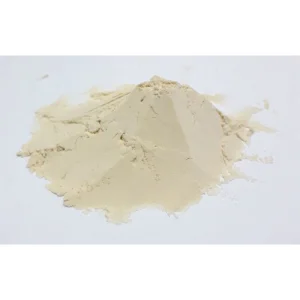
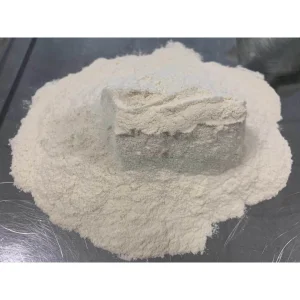
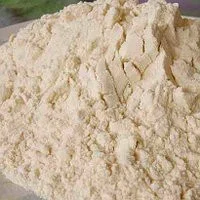
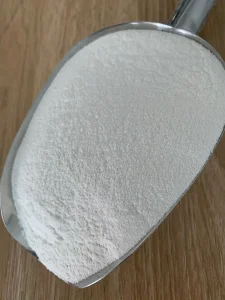
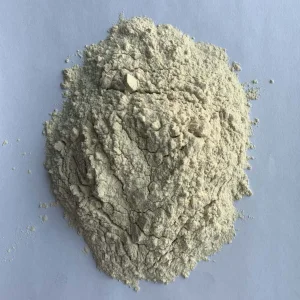
As a leading supplier, we solve this by utilizing a synergetic blend of high-emulsion Isolated Soy Proteins (such as the 9001BW/9001B-Y/9000 models) combined with Vital Wheat Gluten (VWG-P/VWG-PS). This combination mimics the elastic cross-linking of animal myofibrils, ensuring that reformed vegan burgers, sausages, and dim sum retain their bite, springiness, and juiciness throughout long-term cold storage.
How multinational food manufacturers select ingredients to meet strict national food safety codes and processing specifications.
Annual Wheat Flour Process Capacity
Annual NON-GMO Soy Process Capacity
Export Proportion of Group Capacity
Annual Group Output Value
When engineering vegetarian meat for industrial frozen applications, food scientists look closely at the raw materials' functional attributes. Gel strength, emulsification index, viscosity profile, and hydration rates dictate how a plant-based emulsion behaves under high-shear vacuum choppers.
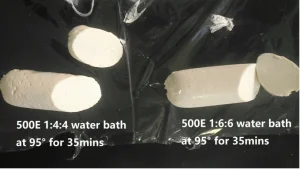
For example, our 9002B Chopping Type Isolated Soy Protein is optimized to absorb water and fat in a strict 1:5:5 ratio, maintaining stability even under violent thermal processing. Similarly, the introduction of Soy Dietary Fiber (SDF) increases structural dietary fiber while acting as an internal moisture-retention sponge, ensuring the finished product remains tender and juicy upon cooking.
European, North American, and Asian food supply chains demand flawless traceability. Through Shandong Kawah Oils Co., Ltd., we maintain a dedicated raw soybean cultivation network. We only process 100% domestic, strictly documented NON-GMO soybeans.
Our vertical integration—from planting bases, through initial crushing, low-temperature meal production, and final isolation—guarantees that cross-contamination is physically impossible. This complete chain transparency underpins the BRC, IP-NON GMO, Halal, Kosher, and HACCP certifications that make our ingredients globally accepted.
Combining mega-scale vertical industrial clusters with energy integration to guarantee price stability and supply security.
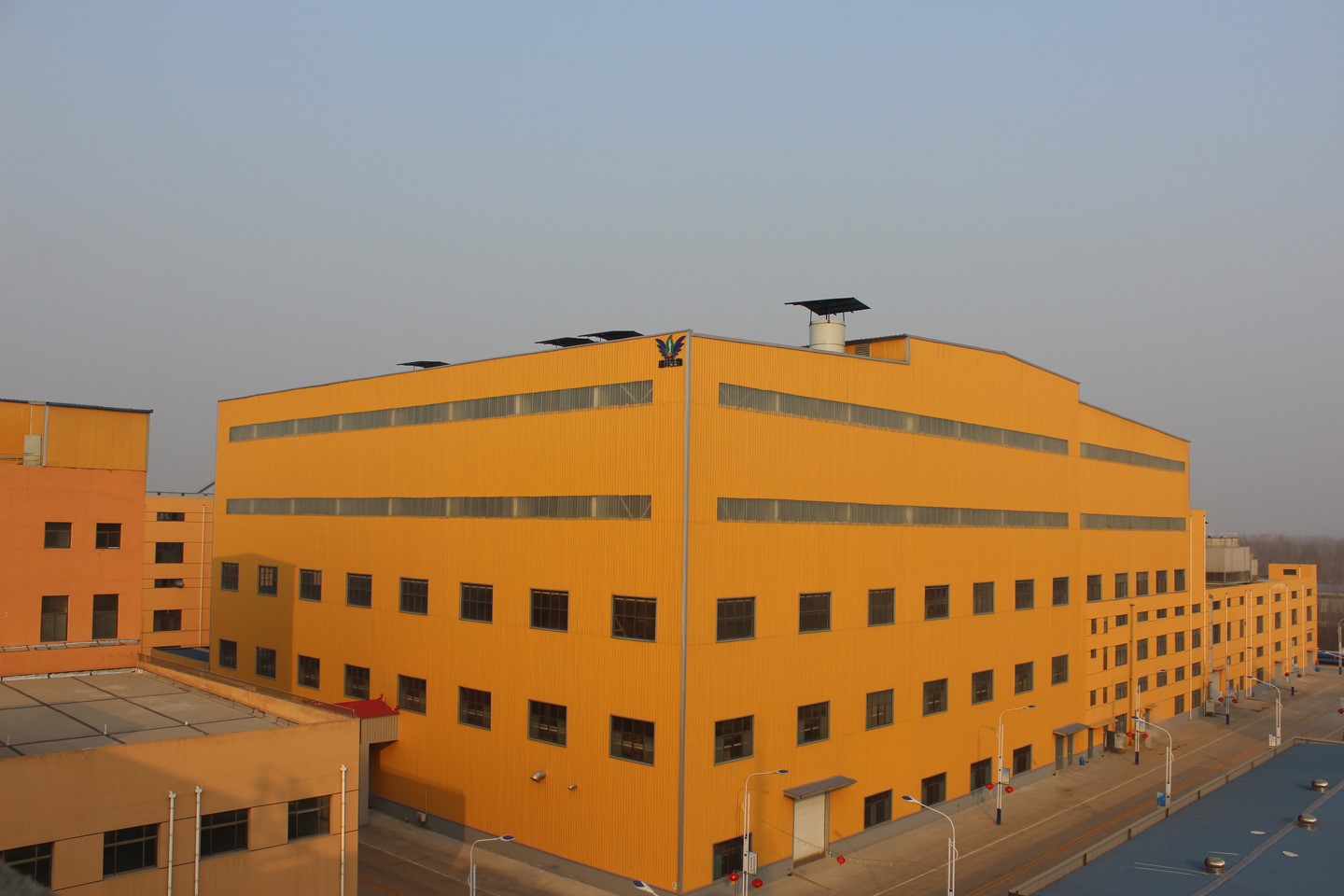
Raw plant protein isolation is an energy-intensive process requiring vast quantities of steam and electricity for spray drying and thermal separation. Xinrui Group (est. 2003) operates a complete circular industrial cluster covering over 1,000 mu. By owning and integrating municipal cogeneration, urban heating, and gas supply pipelines alongside our production facilities, we bypass the supply shocks and energy price swings that often plague independent protein processors.
Additionally, we process 500,000 tons of wheat flour annually. Our state-of-the-art tri-canter separation technology represents the peak of wheat gluten production. This clean, completely closed loop captures wheat starch A, wheat starch B, pentosans, and wheat gluten. Starch B and pentosans are directed downstream to produce premium grade ethyl alcohol (ethanol 95-96%) and animal feed, leaving zero waste and dramatically reducing production costs.
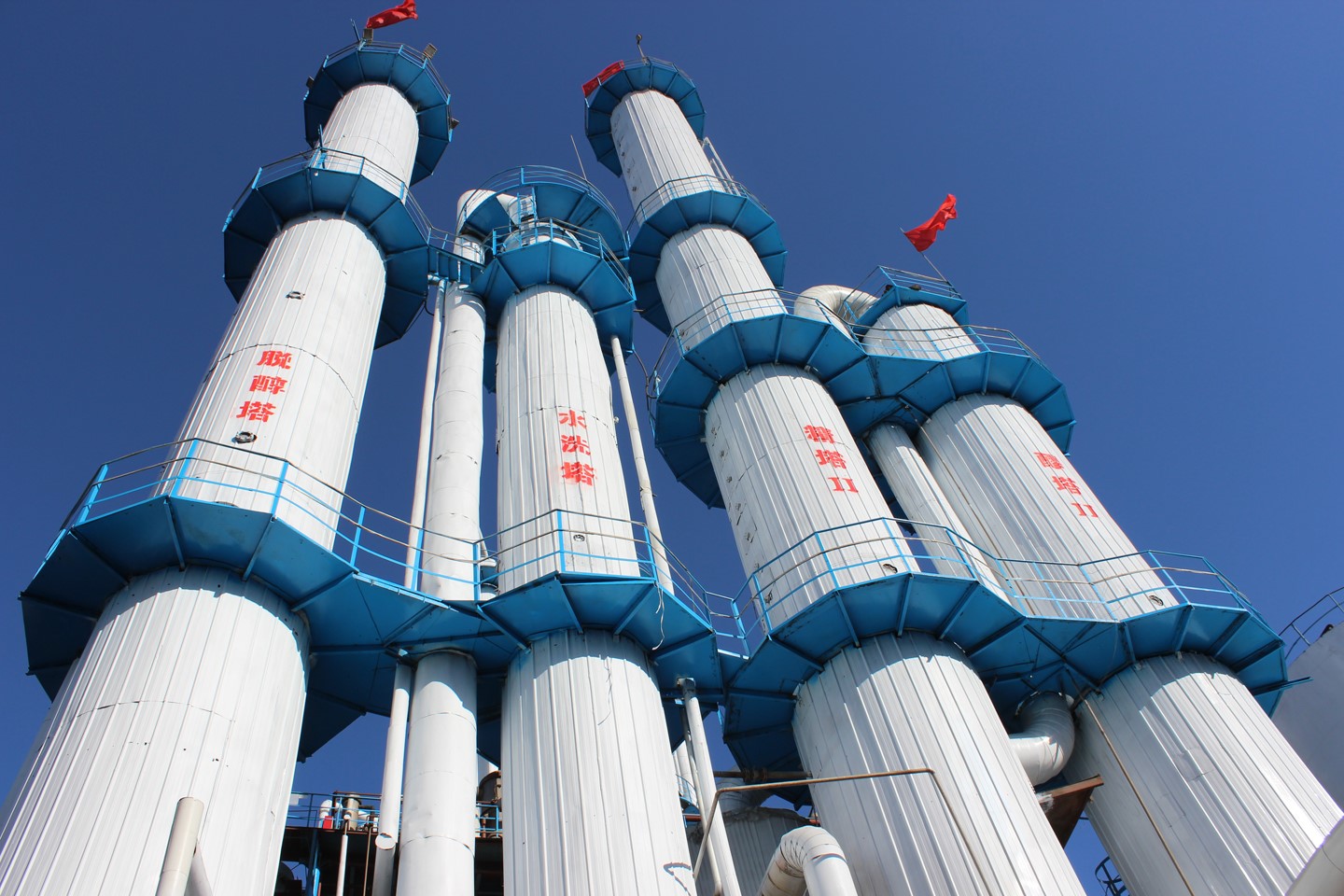
To produce highly stable, functional isolated soy proteins without batch-to-batch variation, scale is essential. Shandong Kawah Oils Co., Ltd. operates the largest single production line in China. Our core spray drying system utilizes the legendary DACHUANYUAN spray drying tower. The huge capacity of this tower ensures uniform heat exposure, which directly translates to consistent protein gelation, optimal dispersion qualities, and low dust profiles for clean plant floor environments.
Specific product selection strategies mapped to regional consumer and recipe profiles.
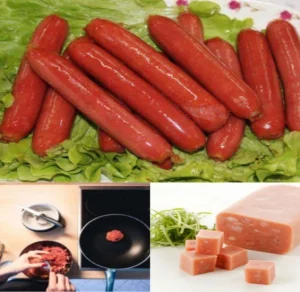
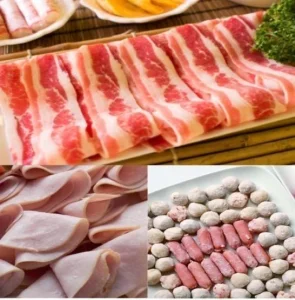
Optimized for vegan burger patties, minced meat, and cold-smoke style sausages. Employs 9500 Meat & Emulsion Type and VWG-PS Pellets to produce high-tensile, chewy fibers that mimic beef fibers while holding fat/oil emulsions under high heat grids.
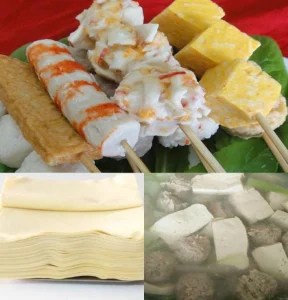
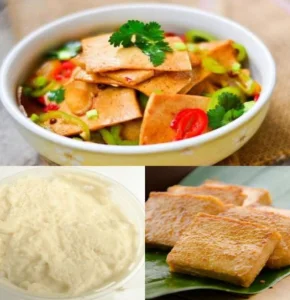
Designed for vegetarian gyoza, baozi fillings, and dim sum. Utilizes 9003B Tofu & Vegetarian Type Protein to deliver an incredibly smooth, tender texture. Combined with Wheat Starch to maintain filling volume and binding capacity during frozen storage and subsequent steaming.
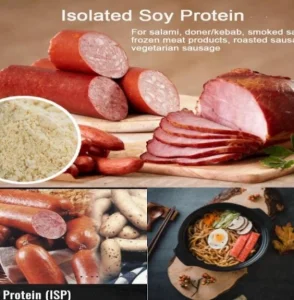
Ideal for vegan frankfurters, mortadella, and luncheon meats. Our 9007B-A Meat Type ISP provides ultra-high solubility and viscosity under cold processing temperatures, forming a stable fat/water matrix that resists thermal separation during boiling.
Take an inside look at our state-of-the-art wheat gluten, soy protein extraction lines, and industrial capabilities.
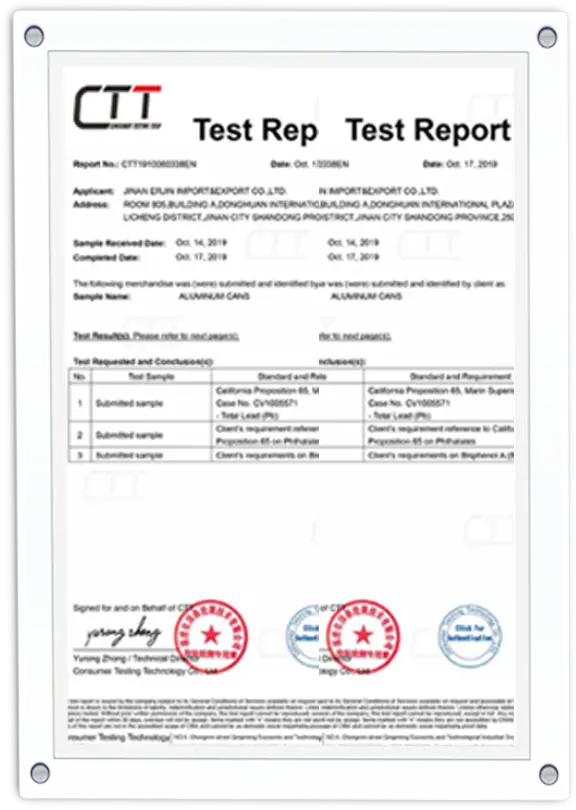
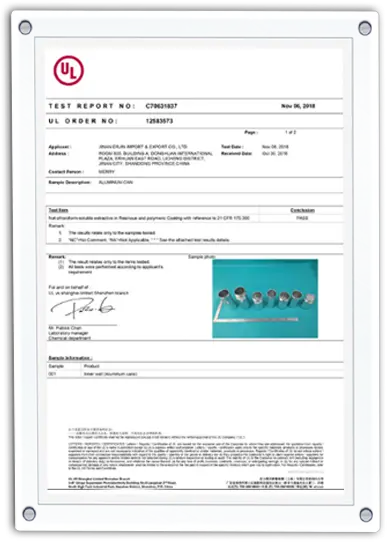
Demonstrating our commitment to world-class food safety, purity, and environmental responsibility standards.
Direct technical answers to the most common queries raised by food processors and industrial buyers.
We are a highly integrated group company named Xinrui Group that fully integrates manufacturing and direct exporting activities. Our operations consist of:
Our production facilities maintain complete quality compliance with international food systems. We hold active certifications for: HACCP, ISO9001, ISO22000, BRC (British Retail Consortium), HALAL, KOSHER, IP-NON GMO (Identity Preserved Non-GMO), and SGS audits. Other country-specific certifications can be prepared upon request.
During freezing cycles, ice crystal growth can rupture the protein network, causing water to separate upon thawing. Our high-emulsion isolated soy proteins (such as the 9001BW and 9007B-A) form high-viscosity, thermally stable covalent gel bonds. These bonds trap free water inside the protein matrix, maintaining moisture retention and stopping water separation during multiple freeze-thaw cycles.
Yes. We understand that various production methods require specific hydration profiles, mesh sizes, and viscosity ranges. Our research and development department can adjust drying profiles, water-binding capacities, and particle sizes (e.g. for injection vs. emulsification systems) to fit your exact production line parameters.
Our standard MOQ is a 20ft container, which holds between 10 to 20 metric tons depending on the bulk density of the specific protein or starch grade. Because we manage a fully integrated supply chain with on-site raw materials, our processing lead times are typically 14 to 21 days from order confirmation to port delivery.
Complete your formulation matrix with our industrial wheat starches, dietary fibers, and functional wheat gluten.
 Xinrui Group