 Xinrui Group
1. The Milanese Industrial Landscape for Vital Wheat Gluten
Milan, the economic epicentre of Italy and the heart of the Lombardy region, represents one of Europe's most sophisticated and demanding markets for food ingredients and raw materials. Vital wheat gluten (VWG)—a natural insoluble functional protein derived from wheat endosperm—is a cornerstone ingredient in Lombardy's industrial food clusters. Known locally as glutine di frumento, its viscoelastic properties are essential to both legacy food arts and cutting-edge biotech-food transitions.
The industrial flour mills (molini) and food manufacturing plants surrounding Milan, Monza, and Bergamo rely heavily on imported wheat gluten to supplement native European soft wheat varieties. Standard local harvests frequently lack the protein density and gluten strength required for long-fermentation dough structures, such as those used in traditional Italian bakery items (e.g., Panettone, Pandoro) and high-speed industrial bread lines. By integrating high-activity vital wheat gluten, Milanese food technologists can artificially optimize the dough's W-index (strength parameter) and P/L ratio (elasticity/extensibility), ensuring uniform structural volume, gas retention, and crumb elasticity.
Key Drivers of VWG Demand in Lombardy:
- Industrial Bakery and Pastry: Strengthening flour mixes for high-speed automated sandwich loaf, pizza, and panettone production.
- Premium Dried & Fresh Pasta: Improving cooking stability, preventing starch leaching, and ensuring the prized al dente bite even under overcooking conditions.
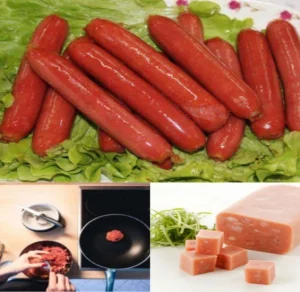
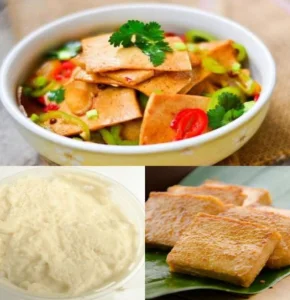
- The Plant-Based Protein Surge: Milan is the epicenter of Italy's plant-based transition. Meat-alternative manufacturers utilize VWG's fibrous network to replicate structural textures of chicken, beef, and pork (seitan products).
- Circular Animal Nutrition: Low-grade wheat gluten (starch B/pentosan byproducts) is highly sought after by local feed formulation companies in the Po Valley for aquaculture and weaning piglet feeds.
2. Technical Parameters and Functional Roles of Vital Wheat Gluten
Vital wheat gluten is not merely a protein fortifier; it is a structural hydrocolloid. Composed primarily of two protein fractions—gliadin (which confers extensibility and viscosity) and glutenin (which provides elasticity and cohesive strength)—VWG forms an interactive viscoelastic matrix when hydrated.
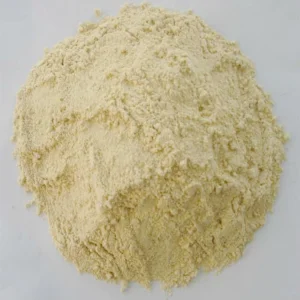
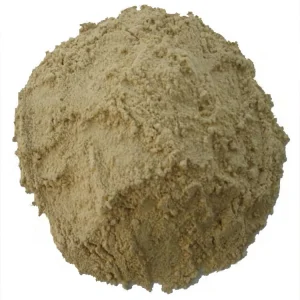
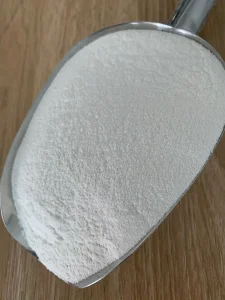
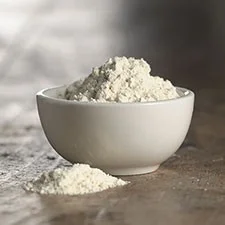
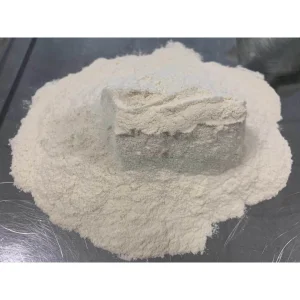
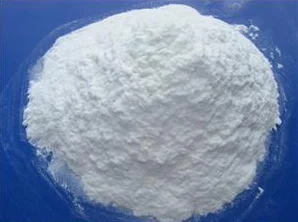
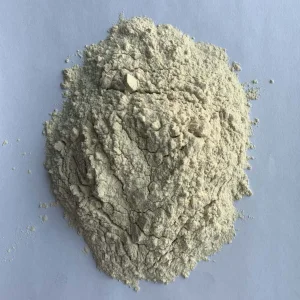
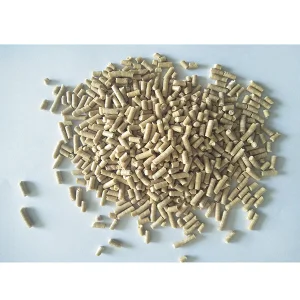
For industrial buyers in the Milan area, understanding the functional thresholds of importing vital wheat gluten is critical. Our VWG-P (Powder) and VWG-PS (Pellets) maintain excellent bio-activity, meaning the natural protein structure has not been denatured during the delicate flash-drying process. When rehydrated, our powder absorbs 1.5 to 2.0 times its dry weight in water, directly increasing dough yield and fresh-keeping properties for large-scale industrial bakeries.
| Specification Parameter | Guaranteed Standard (Dry Basis) | Functional Importance in Milanese Applications |
|---|---|---|
| Crude Protein (N x 6.25) | ≥ 82.0% | Guarantees dough structural reinforcement even at low replacement percentages. |
| Moisture Content | ≤ 9.0% | Ensures high microbiotic stability and prevents caking during transport & storage. |
| Water Absorption Capacity | ≥ 160% | Optimizes batch yields and freshness retention in packaged baked goods. |
| Ash Content | ≤ 1.0% | Indicates premium refining and separation, yielding clean sensory characteristics. |
| Particle Size (Through 80 mesh) | ≥ 98.0% (Powder grade) | Guarantees rapid hydration and smooth blending without dry lumps. |
3. The Guanxian Xinrui Industrial Model: China-to-Milan Supply Chain Advantages
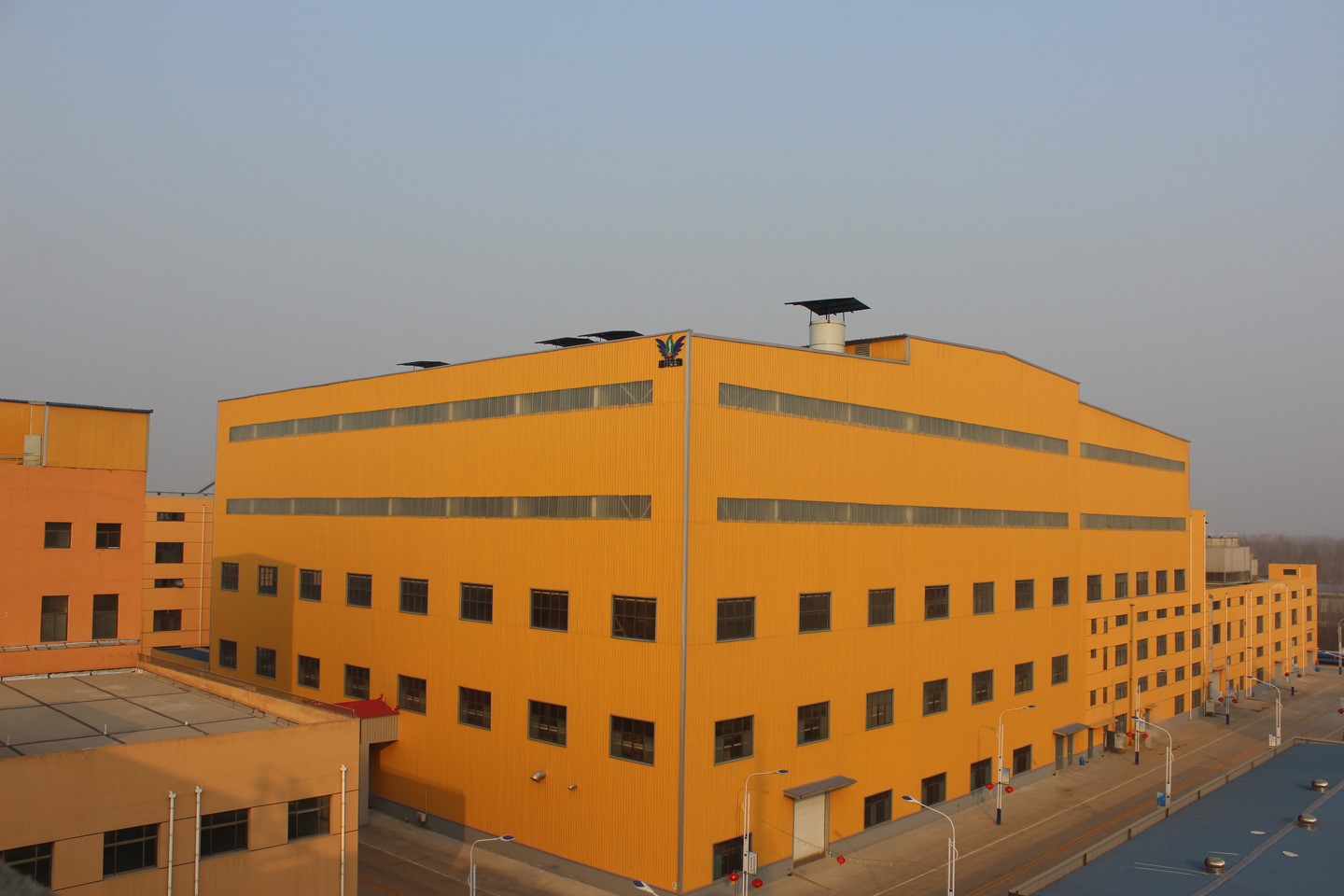
As global agricultural trade pathways evolve, sourcing raw wheat derivatives directly from leading scale-integrated Chinese manufacturers has become a highly competitive option for European procurement specialists. XINRUI GROUP, established in May 2003, represents a massive diversified industrial footprint covering more than 1,000 mu.
Our core operating subsidiary, GUANXIAN XINRUI INDUSTRIAL CO., LTD. (formerly known as GUANXIAN RUIXIANG BIOTECHNOLOGY DEVELOPMENT CO., LTD), was set up in 2007 with registered funds of 100 million Yuan. Operating at scale, the factory processes 500,000 tons of wheat flour annually. Through this processing capacity, we refine wheat into vital wheat gluten, wheat starch A, and wheat starch B.
By importing the world’s most advanced tri-canter separation technology, our wheat gluten production line operates in a fully enclosed, sterile, and automated environment. This technology guarantees that the natural properties of the gluten protein are preserved, preventing heat-denaturation and assuring maximum functional activity. In terms of total output, machinery technology, and quality control metrics, our operations stand at the vanguard of the global industry.

To ensure smooth international trade logistics, GUANXIAN RUICHANG TRADING CO., LTD. was founded in 2011 with 6 million Yuan of registered capital. As the direct export window of our group, Ruichang Trading exports isolated soy protein, wheat gluten, soluble dietary fiber, vermicelli, and premium ethanol directly to overseas markets from our factories. Because the export volume represents over 70% of the group's total production capacity, we have successfully achieved deep industry and trade integration. This setup eliminates middleman margins and allows us to offer transparent, factory-direct pricing to businesses in the Milan area.
Synergetic Plant Protein Assets: Shandong Kawah Oils Co., Ltd.
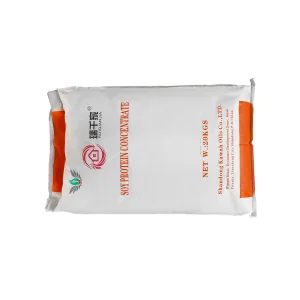
Beyond wheat derivatives, our sister facility SHANDONG KAWAH OILS CO., LTD. (established in 2014 with 120 million Yuan registered capital) processes 180,000 tons of domestic NON-GMO soybeans annually. Kawah Oils extracts oil, low-temperature food-grade soybean meal, isolated soy protein, and soy dietary fiber.
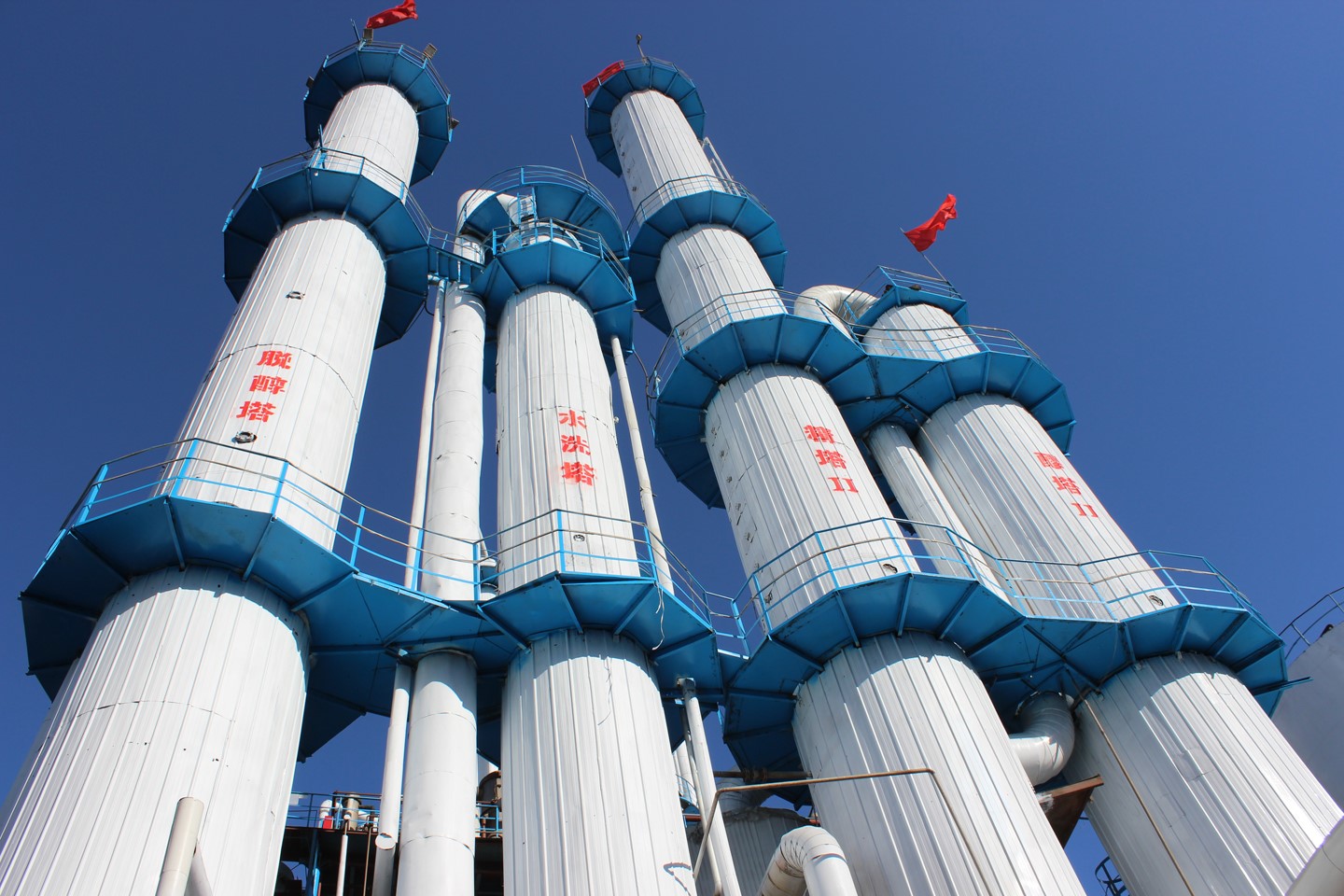
Utilizing advanced spray drying towers from DACHUANYUAN—forming the largest single-line capacity in China—we provide the European market with premium plant proteins that comply with strict Non-GMO IP tracking standards. This combined portfolio makes us a comprehensive supply partner for European food giants who buy both wheat and soy functional proteins.
4. Global Market Trends and Sustainability in Plant Protein Sourcing
Modern European food distribution channels place high emphasis on clean-label ingredients, supply chain transparency, and circular economic principles. Our wheat refining plant is built around a comprehensive circular economy industrial chain.
During the wet milling separation process, wheat is divided into prime gluten and high-grade Wheat Starch A. The residual Starch B and organic pentosan elements are not discarded; instead, they are immediately channeled into producing industrial alcohol (ethanol) and nutrient-rich animal feed. This zero-waste circular model significantly reduces our overall carbon footprint per ton of protein produced. This aligns with the Environmental, Social, and Governance (ESG) mandates of major corporate food producers across Italy and the broader EU.
Key Global Sourcing Considerations for procurement directors:
- Non-GMO Guarantee: Unlike many soy-derived proteins, our wheat gluten is inherently Non-GMO, answering the growing consumer resistance to genetically modified organisms in Europe.
- Traceability: Integrated grain storage and localized crop procurement systems assure full batch-to-batch tracking from Shandong wheat agricultural zones directly to Italian shipping terminals.
- Price Stability: Our deep scale (500,000-ton capacity) buffer and self-owned power and heat cogeneration plants shield buyers from energy price spikes that can halt smaller European domestic manufacturers.
5. Localized Application Scenarios for the Italian Food Sector
To get the best performance from Vital Wheat Gluten in the Milanese market, it is helpful to look at specific industrial application cases:
Lombardy-based industrial millers often receive soft wheats with wet gluten values below 24%. By blending 1.5% to 3.0% of our VWG-P Powder, they can increase the wet gluten content to over 28%, significantly raising the dough’s gas-holding capacity. This is critical for making Italian Ciabatta and sourdough breads that require large, open crumb structures.
In durum wheat pasta formulations, adding 1% to 2% Vital Wheat Gluten strengthens the protein network. This minimizes structural breakage during extrusion and packaging, reduces cooking water turbidity, and ensures the pasta maintains its structure under steam table conditions in food-service (HoReCa) applications.
Using a combination of our VWG-P (Vital Wheat Gluten Powder) and Isolated Soy Protein (such as the 9001BW or 9003B Vegetarian Type), Milanese vegan food producers can create meat analogs with realistic fibrous textures. The wheat gluten provides the chewy, elastic bite, while the isolated soy protein binds water and fat, preventing separation during frying or boiling.