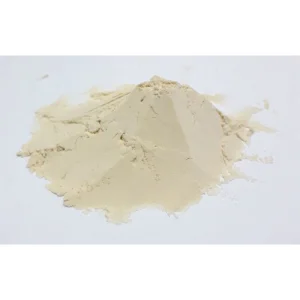
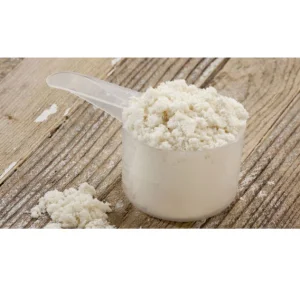
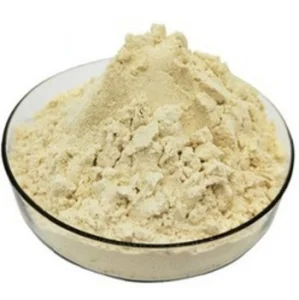
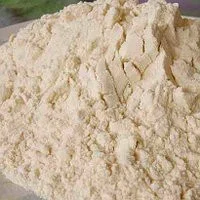
Highly functional emulsion and meat-type soy proteins optimized for local water-binding requirements and formulation stability.
As the world’s fifth-most populous nation, Pakistan is experiencing a profound transition in its urban dietary patterns and commercial food processing sectors. With over 240 million consumers, the domestic demand for cost-effective, high-nutrient, and Halal-compliant protein alternatives is rising exponentially. The commercial centers of Karachi, Lahore, and Faisalabad have emerged as primary hubs for large-scale industrial meat processing, beverage formulation, and confectionery manufacturing.
Historically, animal-based proteins dominated the processed food sector in Pakistan. However, persistent global inflation, localized economic pressures, and raw material volatility have driven food formulators to seek alternative protein extenders. Isolated Soy Protein (ISP) has become the gold standard. Generating over 90% protein content on a dry basis, ISP offers indispensable functional benefits: unmatched emulsification capability, fat binding, and water retention. By utilizing ISP, Pakistani food enterprises can optimize production costs without compromising nutritional density or sensory profiles.
Understanding the exact biochemical requirements of the Pakistani food industry is crucial for formulating functional proteins. Our isolated soy proteins are tailored for distinct local food formats, ensuring optimal texture, yield, and stability under tropical temperature conditions.
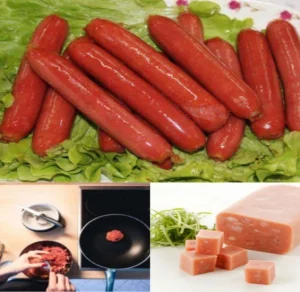
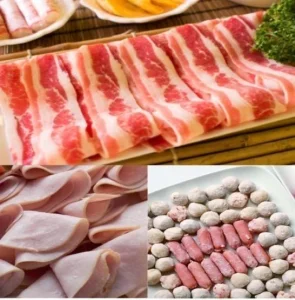
For sausages, seekh kebabs, and meat patties, our 9001BW and 9007B-A series establish highly stable protein-water-fat matrices. They prevent oil exudation and purge loss during thermal processing, improving sliceability and bite.
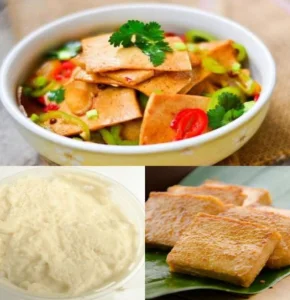
Our vegetarian-specific proteins (9003B, 9005B) act as excellent functional bases for plant-based paneer and dairy alternatives. They supply high emulsification and heat-stable gelling, mimicking traditional dairy textures.
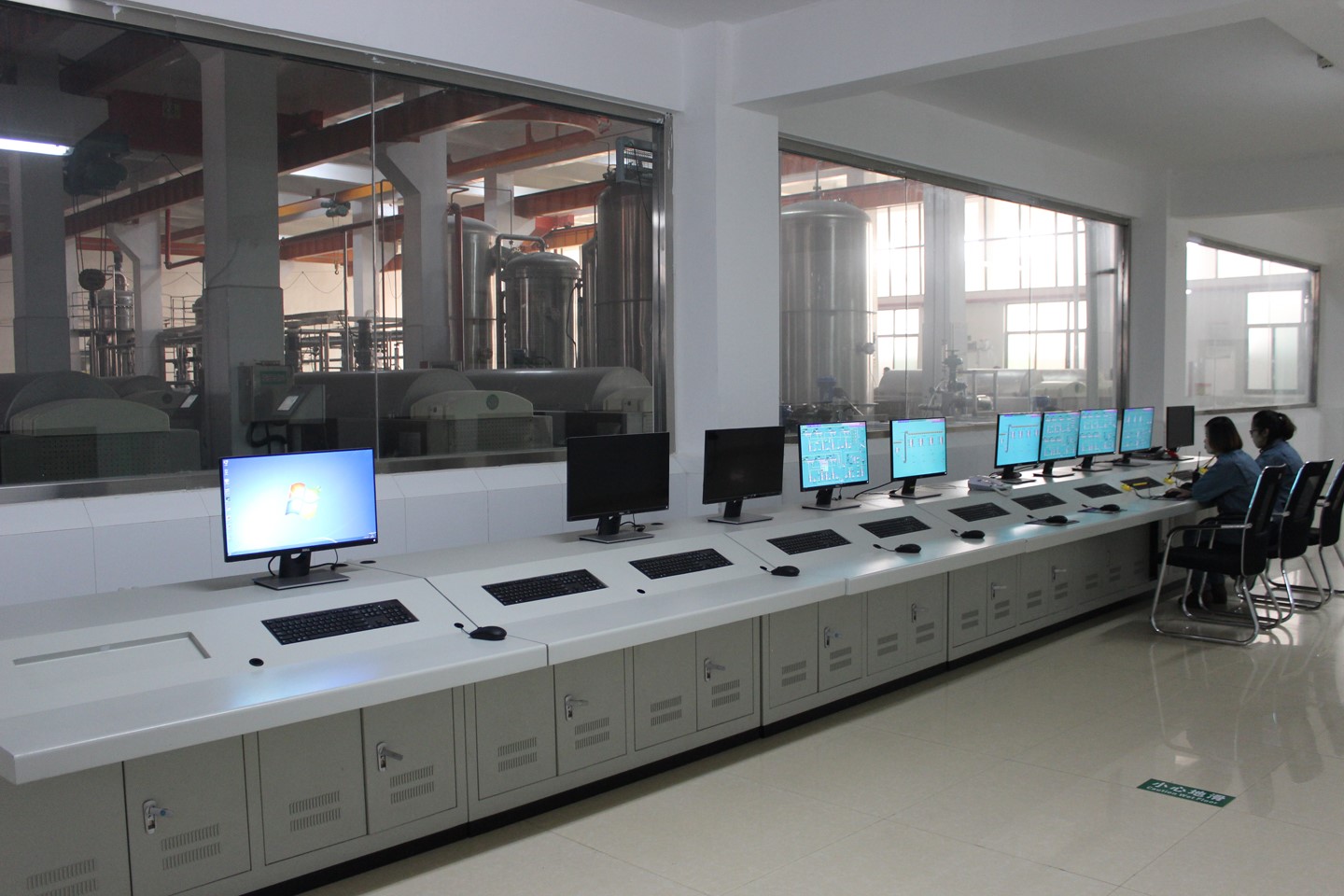
Under the corporate structure of Xinrui Group, our specialized soybean processing facility, Shandong Kawah Oils Co., Ltd, handles 180,000 tons of domestic Non-GMO soybean raw materials annually. Built on advanced manufacturing principles, our factory operates the largest single-line spray drying tower in China (engineered by Dachuan Yuan), ensuring optimal heat transfer rates, uniform particle size distribution, and consistent dispersion patterns.
This automated manufacturing approach guarantees that every batch exported to Pakistan meets strict quality tolerances. The entire processing sequence—from extraction and enzymatic hydrolysis to flash sterilization and aseptic packaging—occurs within closed-loop sanitation zones. This minimizes microbiological hazards, fulfilling international requirements for food safety.
Exporting food ingredients to Pakistan requires strict adherence to Halal food standards. All our manufacturing pathways are verified by reputable Islamic certification bodies globally. This ensures compliance with Pakistan's Halal regulatory framework, including SANHA, PSQCA, and the Punjab Halal Development Agency (PHDA).
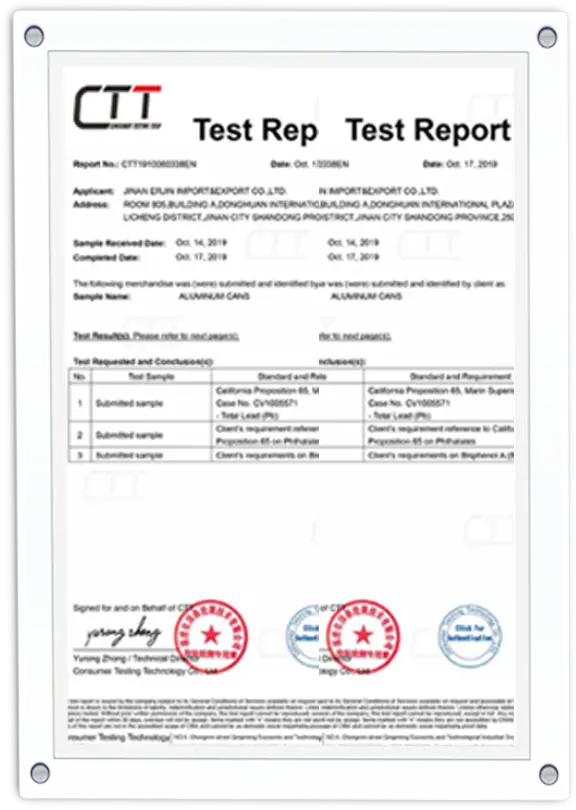
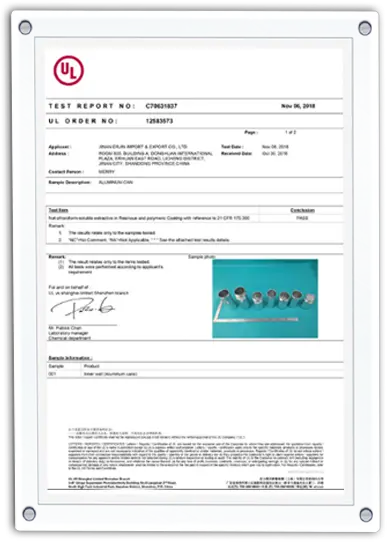
Beyond Halal validation, our systems are certified under global food quality management frameworks, proving our dedication to food safety and transparency.
Geographical proximity and robust trade channels are essential for maintaining lean manufacturing operations. Under the second phase of the China-Pakistan Free Trade Agreement (CPFTA), tariff-free and preferential duty structures apply to various raw starch and protein exports from China to Pakistan. Furthermore, the China-Pakistan Economic Corridor (CPEC) network enables rapid transit channels.
Through our dedicated trading entity, Guanxian Ruichang Trading Co., Ltd., we coordinate direct oceanic shipping routes originating from Qingdao Port, delivering to Karachi Port or Port Qasim. We handle customs declarations, containerization, moisture-proof transport lining, and local compliance documentation to ensure timely delivery to your production site.
Watch our processes, processing technologies, and testing procedures.
Integrating plant proteins into processed foods requires a deep understanding of protein chemistry. Isolated Soy Protein functions as a versatile macromolecule that interacts dynamically with lipids, water molecules, and mechanical shear forces.
ISP contains lipophilic and hydrophilic segments that align at the oil-water interface. This reduces interfacial tension and creates a strong membrane around fat droplets, preventing fat separation during thermal processing.
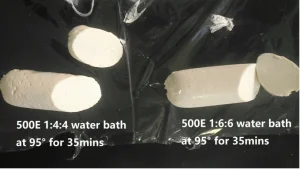
Upon heating, soy globulins (specifically glycinin 11S and beta-conglycinin 7S) unfold. They form an ordered three-dimensional cross-linked network that traps water and lipids, providing structured texture and bite to processed food products.
The high density of polar amino acid side-chains in ISP enables hydrogen bonding with water molecules. This hydration property controls viscosity in liquid formulations and prevents product shrinkage during storage.
Expert insights on technical procurement, quality specifications, and international distribution.
High-quality raw food ingredients designed for optimal texture, stability, and nutritional enrichment.
Partner with a reliable manufacturer offering cost-effective plant protein solutions designed for the Pakistan market.
 Xinrui Group