Engineered food formulations utilizing high-purity wheat and soy fractions optimized for texture, elasticity, and protein fortification.
Annual Wheat Processing Capacity
Annual Non-GMO Soybean Crusher & Processor
Isolated Soy Protein Annual Output
Direct Export Ratio to Global Markets
An in-depth analysis of functional attributes, molecular structure, and global supply dynamics for enterprise procurement teams.
The global food system is undergoing an unprecedented shift toward sustainable plant-based proteins. As food manufacturers seek clean-label ingredients to optimize viscosity, emulsification, water-binding capacity, and texture, isolated soy protein has emerged as the definitive benchmark. For large-scale procurement officers and food scientists, selecting a reliable manufacturer is not merely about finding a competitive price per ton—it is about securing a partner who understands the biophysics of gelation, the microstructural demands of meat alternatives, and the strict regulations of international markets.
Xinrui Group (comprising Guanxian Xinrui Industrial, Shandong Kawah Oils, and Guanxian Ruichang Trading) stands at the forefront of this industrial transition. Operating on a circular economy model, we manage the entire value chain from planting base to advanced refinery. This integration guarantees consistent nutritional qualities, security of supply, and strict Non-GMO IP identity-preserved tracking.
Firms sourcing isolated soy protein are facing supply chain vulnerabilities, carbon reduction mandates, and localized allergen restrictions. We minimize these headaches through raw material security. We process 180,000 tons of domestic Non-GMO soybeans annually under integrated plantation and manufacturing systems, offering deep risk mitigation against price fluctuations and regulatory hurdles.
Different industrial food systems require diverse functional profiles. Emulsion types demand rapid oil-water binding; injection types require high solubility and low viscosity at cold temperatures to prevent nozzle clogging; while vegetarian-grade proteins focus on forming resilient protein fibrils (gel matrices) mimicking muscle fibers. We support these specialized demands through optimized molecular tailoring.
At Shandong Kawah Oils, the heart of our isolated soy protein manufacturing is the spray drying tower of the DACHUANYUAN, boasting the largest single-line capacity in China. Coupled with state-of-the-art Tri-canter separation technology, we produce soy proteins with higher solubility indexes, reduced beany off-flavors, and superior thermal gelation properties compared to conventional wet-milled processors.
Understanding how industrial integration yields superior raw material consistency and reduces carbon footprints.
Industrial processors of soy and wheat protein are often at the mercy of multiple third-party suppliers, which introduces variation in moisture, protein density, and pesticide residues. The Xinrui Group model is built on a fully closed-loop circular economy. Founded in May 2003 and sitting on an operational area of more than 1,000 mu, our group encompasses municipal cogeneration, urban heating, gas supply, wheat milling, and soybean oil pressing facilities.
We process 500,000 tons of wheat flour annually, extracting wheat gluten (vital wheat gluten), wheat starch A, and wheat starch B. To maximize resource yield, starch B and pentosan fractions are routed into producing food-grade ethanol and animal feed. Under the same ecosystem, Shandong Kawah Oils processes 180,000 tons of domestic Non-GMO soybeans to extract soybean oil, low-temperature food-grade soybean meal, isolated soy protein, and soy dietary fiber. This integration ensures that energy, steam, water, and raw fractions are repurposed, drastically reducing emissions, production overheads, and biological waste.
Strict identity-preserved (IP) planting bases tracking crop conditions, ensuring zero genetic contamination and full pesticide audit paths.
Pressing and extraction under controlled thermal envelopes to prevent denaturing of the crucial 7S and 11S globulins in the soybean meal.
Solubilizing proteins at neutral pH, followed by precipitation at the isoelectric point (pH 4.5) to isolate pure protein fractions from sugars and fiber.
Flash drying using advanced airflow control to produce stable, highly dispersion-friendly, and functional isolated soy protein powders.
By controlling the process from defatting to drying, we prevent the structural collapse of protein molecules. This retains the high water-binding and fat-holding capabilities required by food processing companies globally. As an industry-leading manufacturer, we export over 70% of our capacity through Guanxian Ruichang Trading Co., Ltd., dealing directly with international buyers to eliminate middleman markups and technical communication barriers.
Verify our state-of-the-art manufacturing lines, automated packaging processes, and chemical laboratories online.
Optimize your recipes with the appropriate molecular grade. Compare emulsification, viscosity, and gel strength.
Not all isolated soy proteins are created equal. Food formulation success depends heavily on match-making protein structures to the application chemistry. For example, a meat emulsion type must withstand shearing force and heat sterilization without releasing fat or water. In contrast, dispersion types must remain low in viscosity when mixed into liquids, while dissolving completely without creating a grittier mouthfeel.
| Grade Series | Functional Highlights | Primary Industry Target | Gel / Viscosity Profile |
|---|---|---|---|
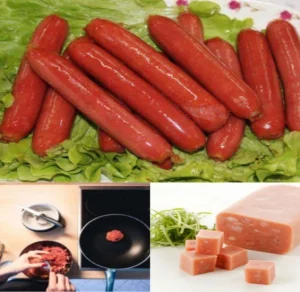
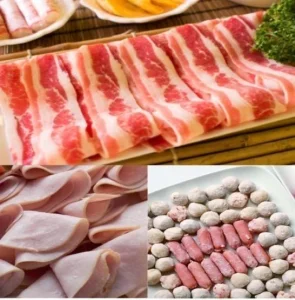
| 9001BW / 9001B-Y / 9000 | Excellent water retention, high salt tolerance, rapid oil emulsification. | Processed meats, sausages, meatballs, canned foods. | High gel strength, robust heat stability. |
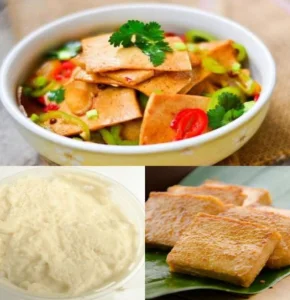
| 9003B / 9005B | Maintains structural elasticity under processing, clean taste profile. | Tofu, vegetarian analogs, meatless patties, plant nuggets. | High elasticity, firm structural gel. |
| 9020 / 9026 / 9028 | Superb hydration speed, zero residue clogging during continuous injection. | Whole muscle injections, hams, bacon, brined meat cuts. | Low cold viscosity, high hot gel bind. |
| 9030 / 9032 | Excellent dispersion in water, high solubility across pH ranges. | Nutritional beverages, meal replacement shakes, milk powders. | Low viscosity, high dispersion index. |
By adjusting extraction conditions and parameters during spray drying, our R&D department modifies the molecular weight distribution of the proteins. Under high mechanical shear, Kawah Oils' isolated soy proteins align to form dense networks that lock in water and lipids. This means that processed meats retain juiciness and plant-based foods achieve a meat-like bite that satisfies consumers.
Meeting the most rigorous food safety and dietary standards across Europe, North America, and the Middle East.
In B2B food raw material sourcing, safety certification is non-negotiable. Xinrui Group ensures compliance at every stage of the manufacturing process. Our production lines maintain certificates verifying compliance with global sanitation, identity, and process tracking systems. This allows our products to cross borders seamlessly and fit into complex customer formulations.
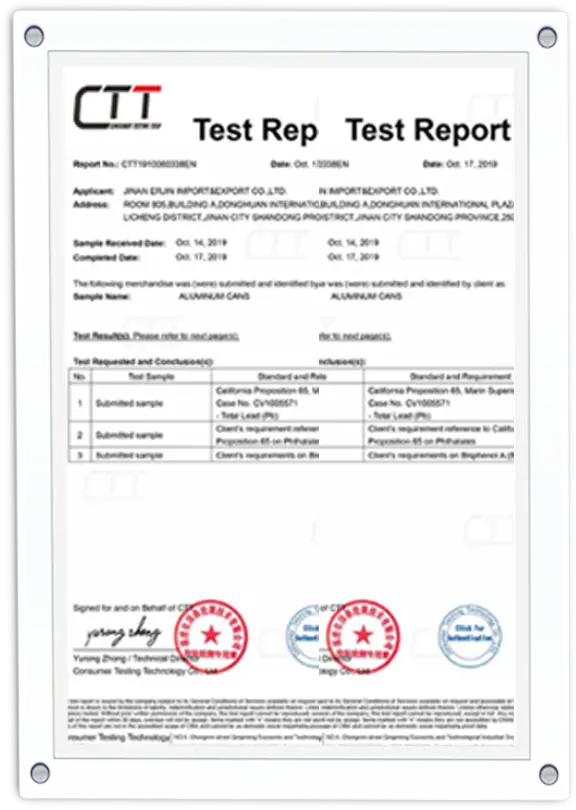
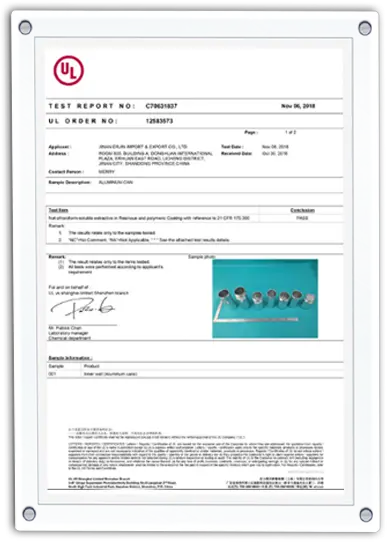
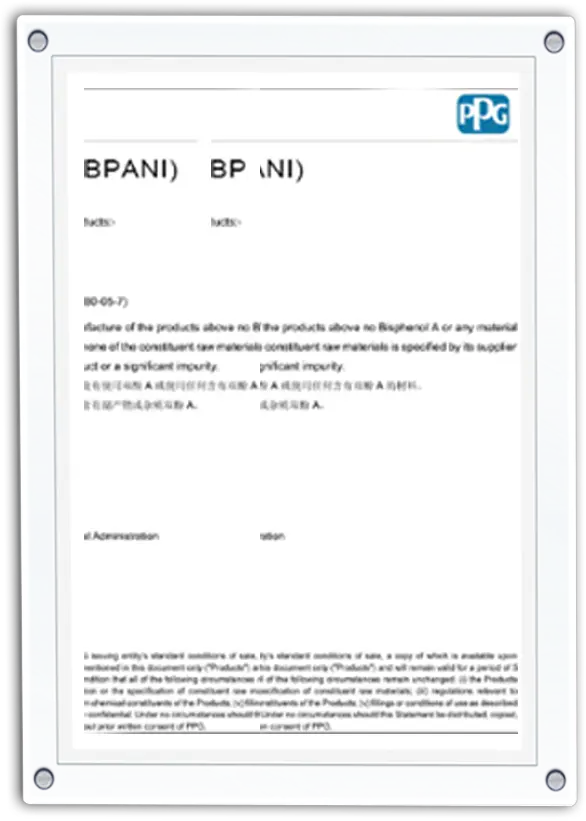
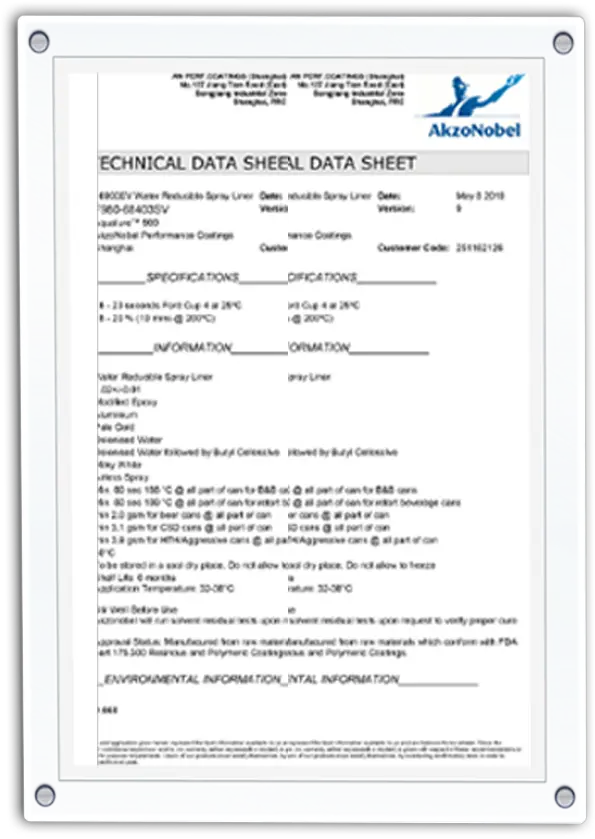
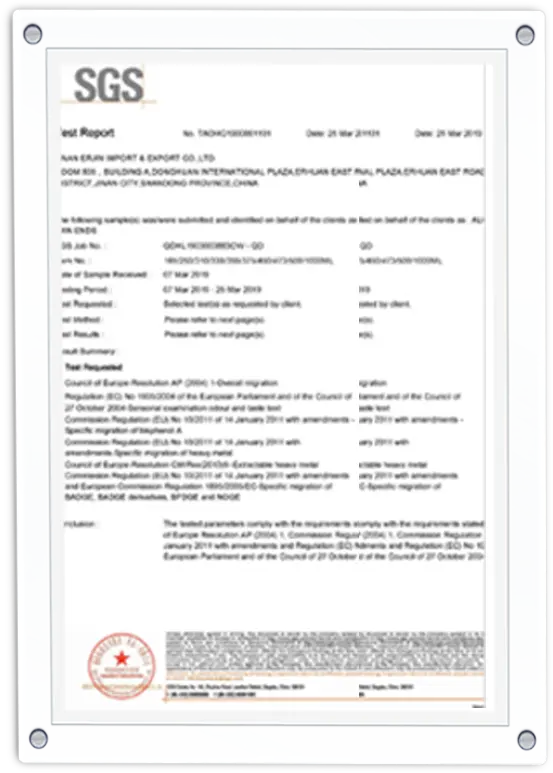
Our facilities are also verified by international inspection bodies like BRCGS, and we routinely cooperate with third-party testing firms such as SGS. Whether you require pesticide residue monitoring, heavy metal checks, or gluten-free validations, our quality assurance team is equipped to supply complete batches of COA (Certificate of Analysis) reports.
Crucial industry insights and technical specifications simplified for procurement managers and product formulators.
A: We run an identity-preserved (IP) system starting from the seeds planted by our agricultural base partners. Low-temperature meal crushing and protein separation lines are kept separate from GMO processing lines. Each batch is audited, traced, and third-party certified (e.g., SGS, IP certificates) to ensure compliance with strict European and American food legislation.
A: Emulsion types (like 9001BW or 9007B-A) undergo specific enzymatic treatments and controlled thermal conditions to maximize the availability of hydrophobic groups on the protein chain, allowing them to bind water and oils under high-shear conditions. Injection types (like 9020/9026) are modified to keep viscosity low when cold. This prevents nozzle blockages during high-speed mechanical injection into meats, but maintains high gel-building behavior when cooked.
A: We process both wheat and soybean by-products under one industrial group (Xinrui Group), utilizing municipal heat and self-generated steam. This integration shields us from fluctuations in local energy costs. Our massive raw storage bins protect us from seasonal fluctuations in grain supply, giving our buyers stable pricing terms and reliable delivery schedules.
A: No. Guanxian Xinrui Industrial Co., Ltd. operates a dedicated line that processes 500,000 tons of wheat flour annually. Our wheat gluten production line uses advanced tri-canter separation technology to wash and isolate gluten fractions from starch in a closed, clean loop, preventing cross-contamination with soybean proteins.
A: Yes. We work closely with corporate clients to adapt attributes like gel strength, water absorption index, dispersion rate, and particle size distribution. Our R&D team can test new formulation samples and produce customized batches to match your specific machinery.
Select from our complete range of soy proteins, wheat derivatives, and dietary fibers, complete with direct factory source links.
 Xinrui Group