Direct industrial supply of high-grade soy protein isolates, wheat starches, and vital glutens manufactured to strict global compliance standards.
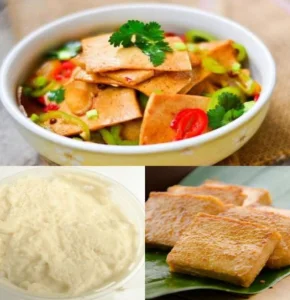
The global food industry is experiencing a profound paradigm shift driven by health consciousness, sustainability initiatives, and plant-centric nutrition pathways. Within this space, beverage manufacturers face the complex technical mandate of replacing or supplementing dairy and animal proteins with high-performing, allergen-friendly, plant-based alternatives. Soy Protein Isolate (SPI) stands at the absolute vanguard of this industrial change. Yielding a protein content of ≥90% on a dry basis, it is the only plant protein that matches dairy with a complete amino acid profile, carrying a PDCAAS (Protein Digestibility-Corrected Amino Acid Score) of 1.0.
Historically, plant-based beverage formulations have been limited by challenges surrounding taste, solubility, stability, and texture. Beverage developers frequently grapple with issues such as "chalkiness," sandy textures, phase separation, and off-flavors typical of raw legumes. Today, technical advancements in enzymatic modification and spray drying—spearheaded by state-of-the-art facilities like Shandong Kawah Oils Co., Ltd. (a subsidiary of the Xinrui Group)—have generated modern dispersion-type soy protein isolates (such as our 9030 and 9032 grades) that dissolve seamlessly in aqueous systems, maintain stable emulsions under high-temperature pasteurization (UHT), and offer a completely neutral sensory profile.
The primary limit of plant protein beverages has always been the maximum achievable protein concentration without triggering excessive viscosity or gelation during heat processing. At a concentration of 6% to 8% protein, standard isolates aggregate and form high-viscosity networks that ruin the mouthfeel. Our specialized 9030 & 9032 Beverage & Dispersion Type Isolates are subjected to controlled enzymatic shear, cleaving specific peptide bonds to disrupt gel network formation. This enables beverage manufacturers to formulate high-protein RTD (Ready-To-Drink) shakes containing up to 10% protein while maintaining low-viscosity fluid dynamics similar to milk.
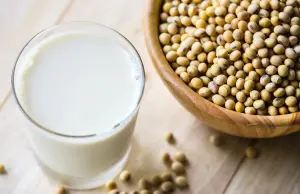
Different regional consumer preferences necessitate targeted technical characteristics. In North American and European markets, the demand is heavily centered around clean-label, Non-GMO sports nutrition powders and high-protein ready-to-drink shakes. In these formulations, instant wetting, zero foaming, and neutral taste profiles are critical. Conversely, in the Asia-Pacific region, soy protein is widely used for traditional plant-based milk formulations (e.g., soy milk, tofu-type drinks), where emulsion stability, whitening capacity, and synergistic blending with dairy are highly valued. Shandong Kawah Oils adapts to these regional nuances through precise batch adjustments in our spray-drying parameters, giving food scientists global formulations customized for local production lines.
From powdered premixes to complex emulsions, implementing soy protein isolates requires deep understanding of food science. Below, we break down three critical application pathways engineered by the Xinrui Group R&D division.
In high-protein RTD shakes, keeping protein suspended over a long shelf life is difficult. Utilizing our 9030 Dispersion Type Isolated Soy Protein, beverage factories can establish high-stability emulsions. The process involves high-shear dispersion of the protein, followed by hydration at 60-65°C. Oil-phase ingredients are then introduced, and the mix undergoes dual-stage homogenization (typically at 200/50 bar) prior to Ultra-High Temperature (UHT) sterilization at 137-142°C. The low viscosity of the 9030 isolate prevents fouling in thermal exchangers, guaranteeing long manufacturing runs and minimal downtime.
Soy protein is naturally unstable near its isoelectric point (pH 4.5), where molecules lose charge and aggregate, leading to precipitation. For beverage manufacturers formulation acidic drinks (pH 3.5 - 4.2), we provide engineered solutions combining our protein isolates with pectin or carboxymethylcellulose (CMC). Under high-shear mixing, these hydrocolloids coat the protein particles, generating steric hindrance and electrostatic repulsion that keeps them suspended in acidic environments. This method allows for the production of protein-fortified juice blends and drinkable yogurts with smooth mouthfeel and zero sedimentation.
For consumer-facing protein powders (sports nutrition, meal replacement shakes), the primary metric is instant dispersibility in cold liquids without clumping. Xinrui Group achieves this through fluid-bed lecithinization, coating the spray-dried protein particles with a minute quantity of food-grade lecithin. This treatment alters surface energy, promoting rapid hydration and water penetration. The result is a powder that dissolves completely in shaker cups with minimal agitation, presenting a smooth texture for the consumer.


Our manufacturing capacity is driven by a deep commitment to resource optimization and product quality. The Xinrui Group operates a fully integrated circular economy industry chain across more than 1,000 mu of facility area, transforming raw agricultural inputs into high-value functional food ingredients with near-zero waste.
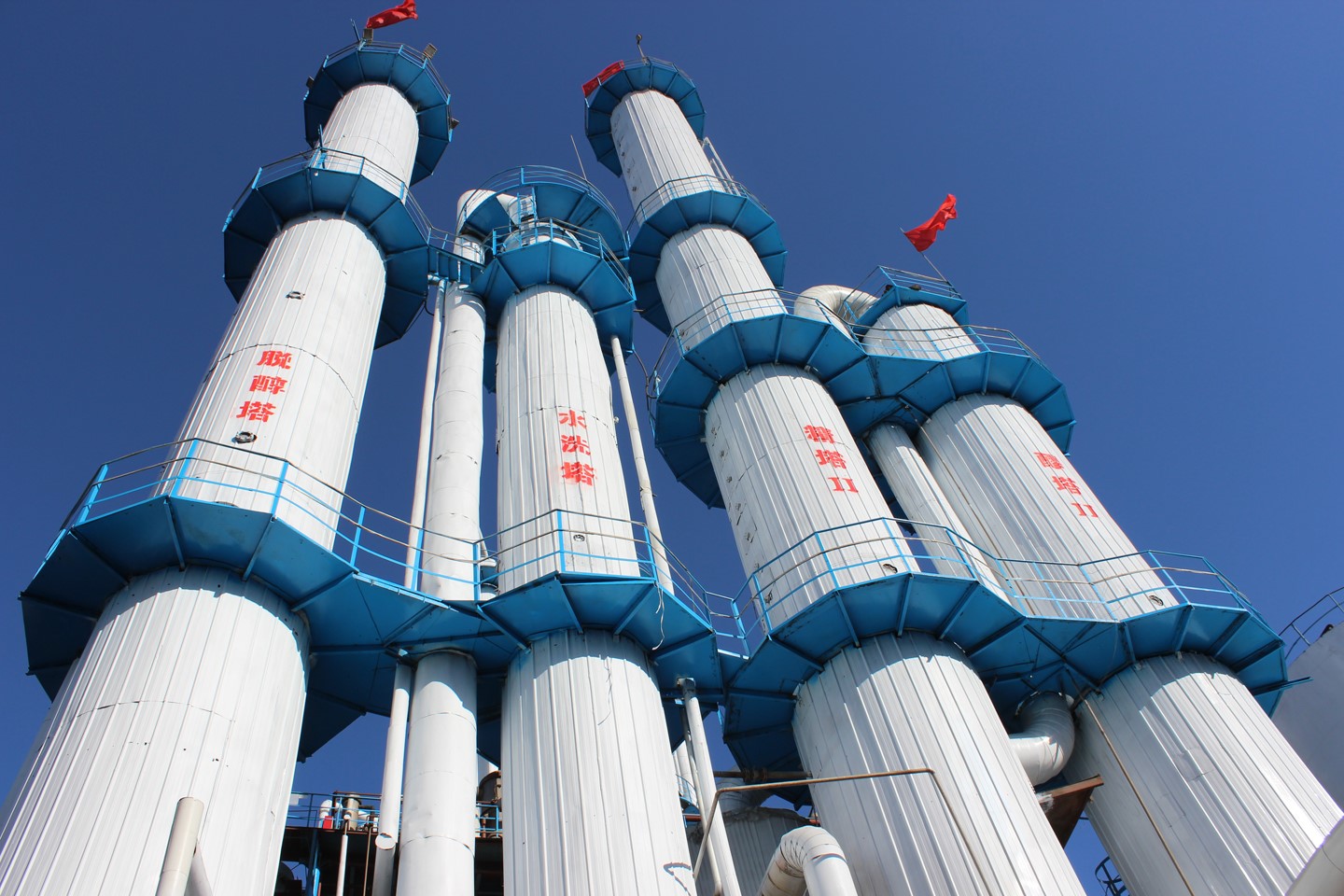
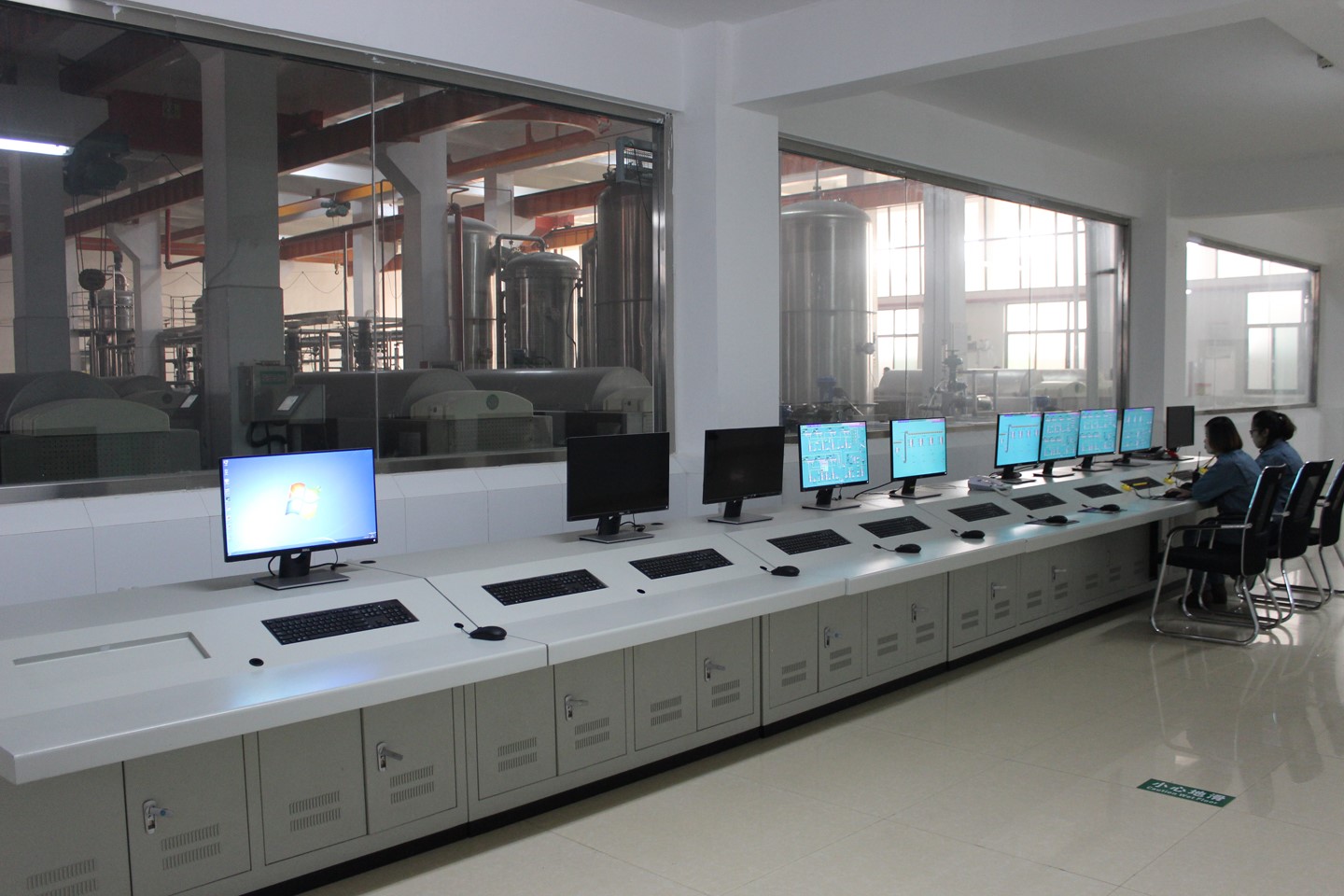
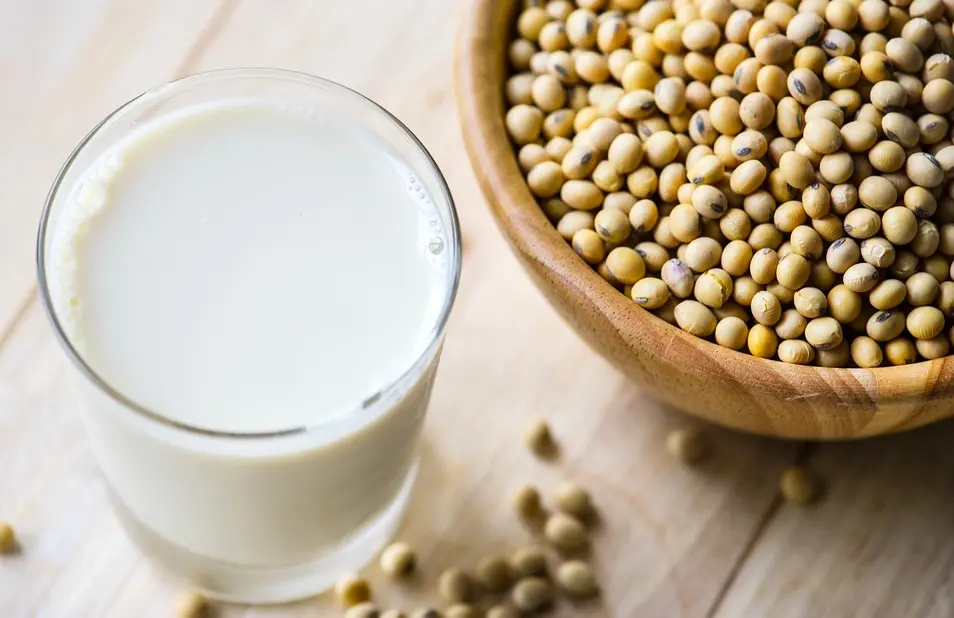
Our industrial facilities process 500,000 tons of wheat flour and 180,000 tons of soybeans annually. We use domestic, identity-preserved (IP) Non-GMO soybeans to extract low-temperature food-grade meal, high-purity isolated soy protein, soy dietary fiber, and soybean oil. By maintaining dedicated wheat and Non-GMO soybean planting bases, we secure a stable, traceable raw material supply chain.
Take a step inside our advanced facilities in Shandong, China. View our automated extraction pipelines, spray drying complexes, and clean-room packaging zones.
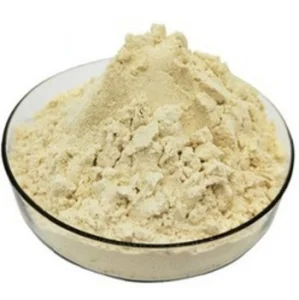
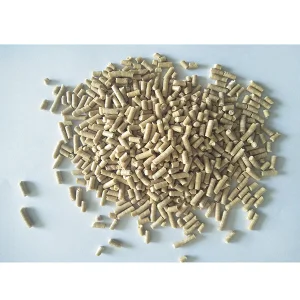
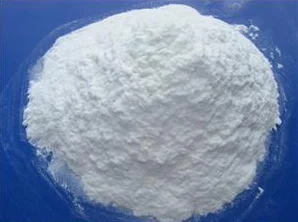
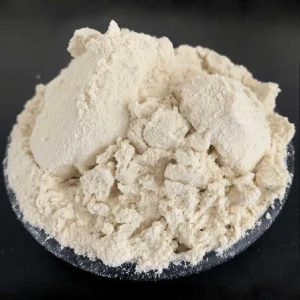
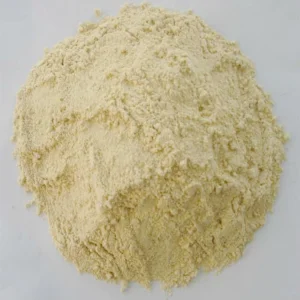
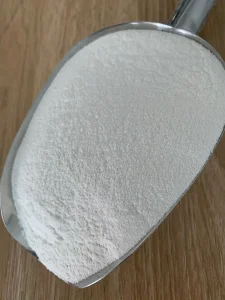
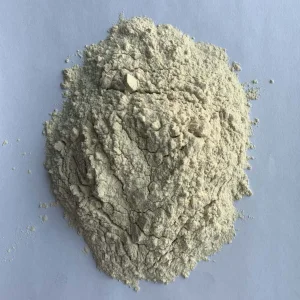
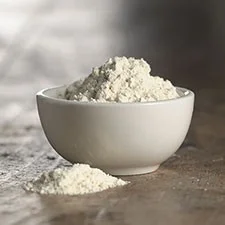
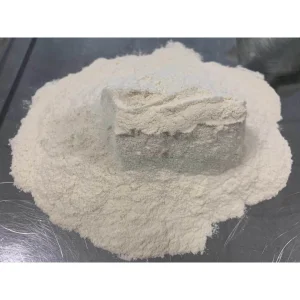
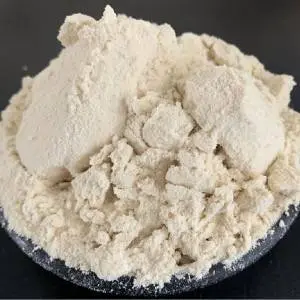
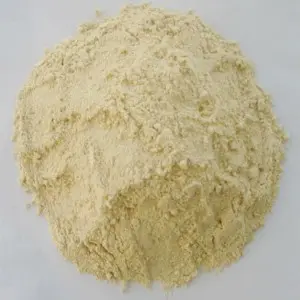
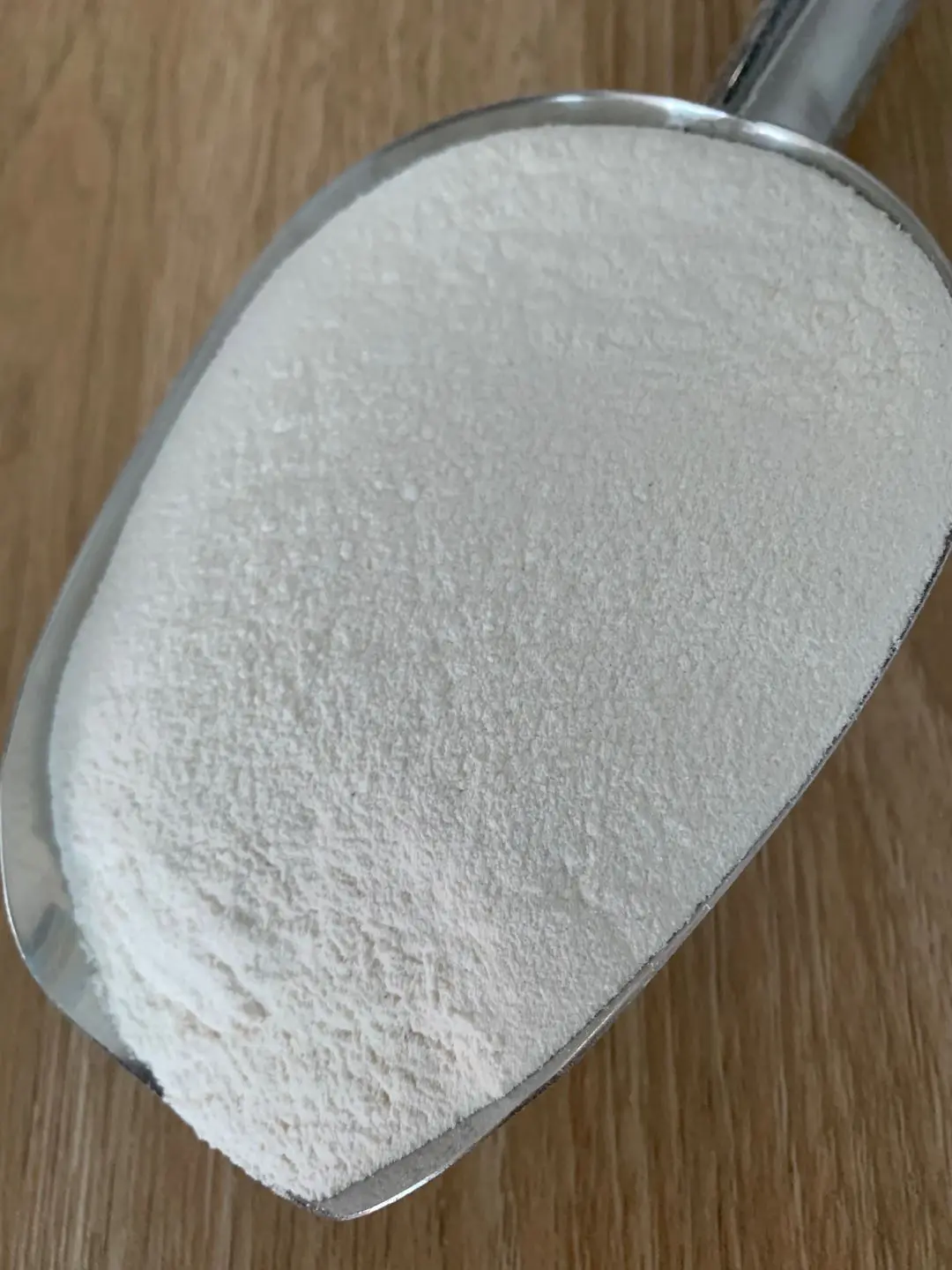
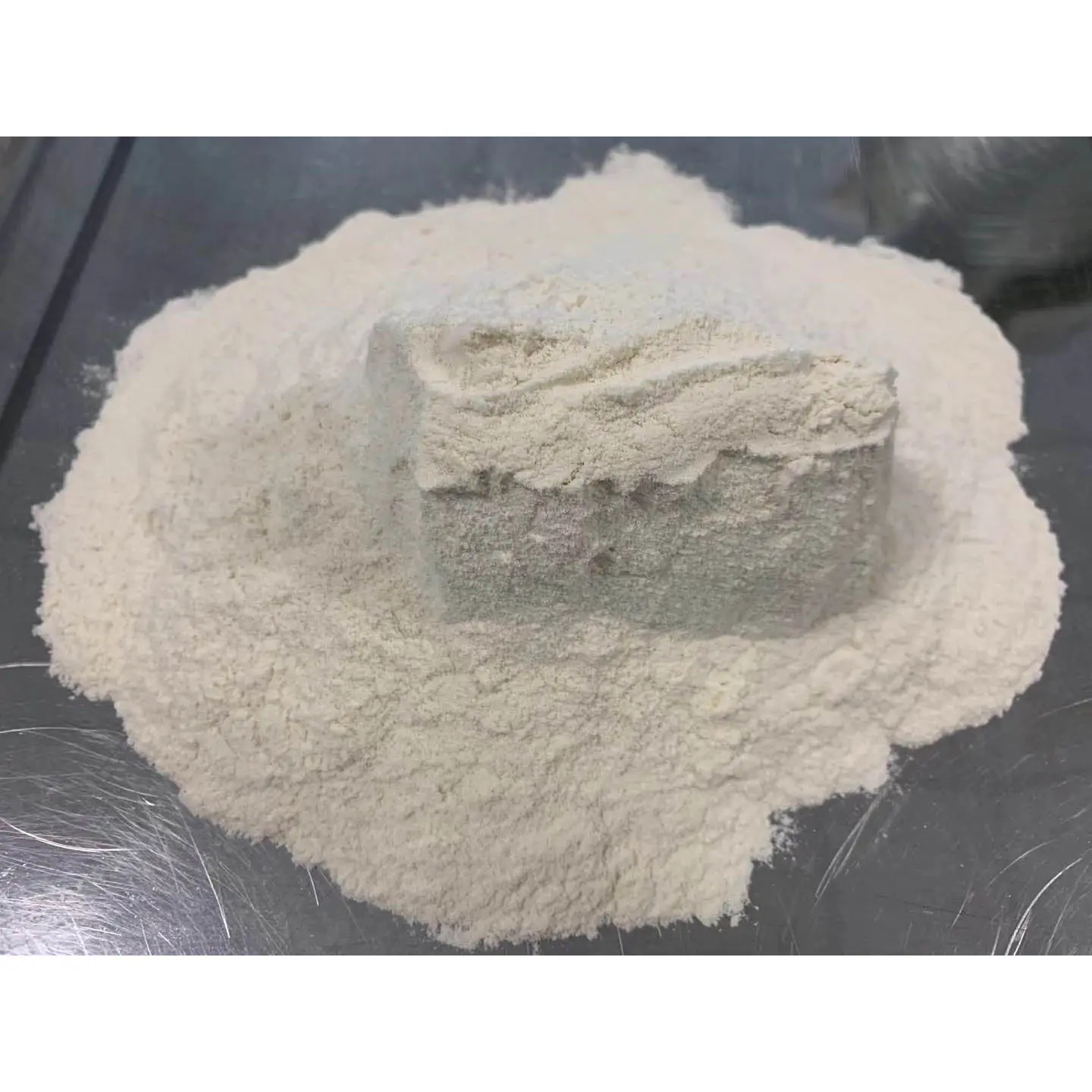
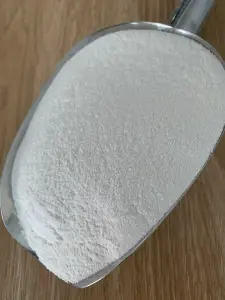
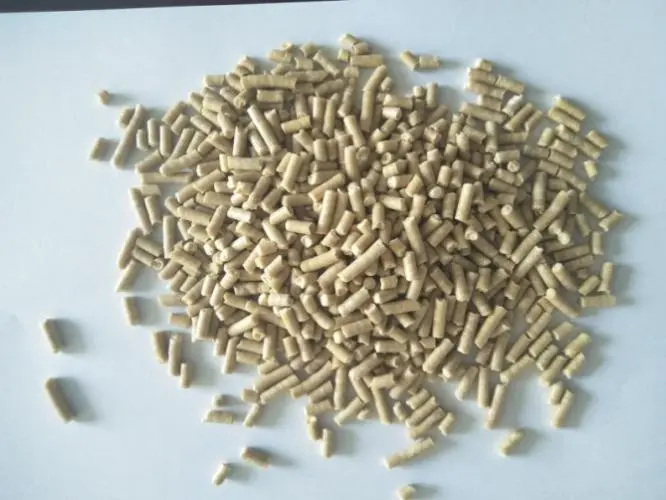
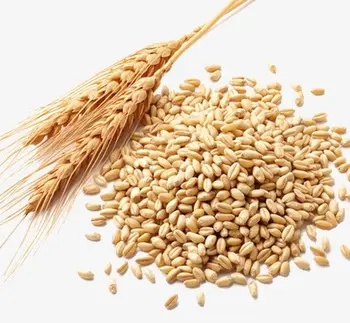
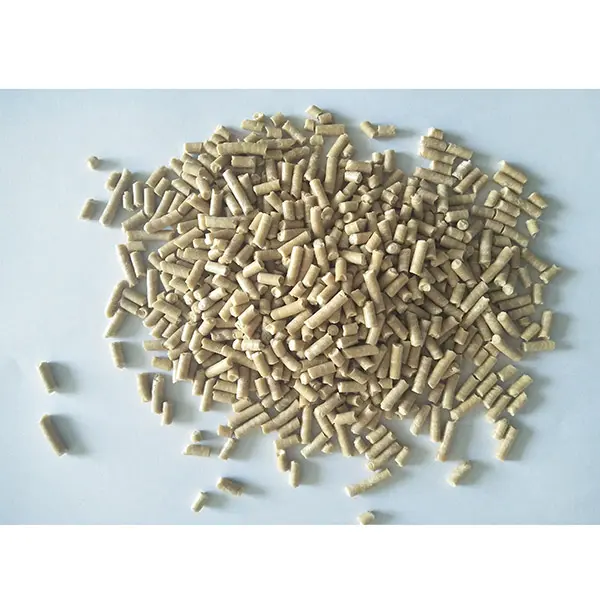
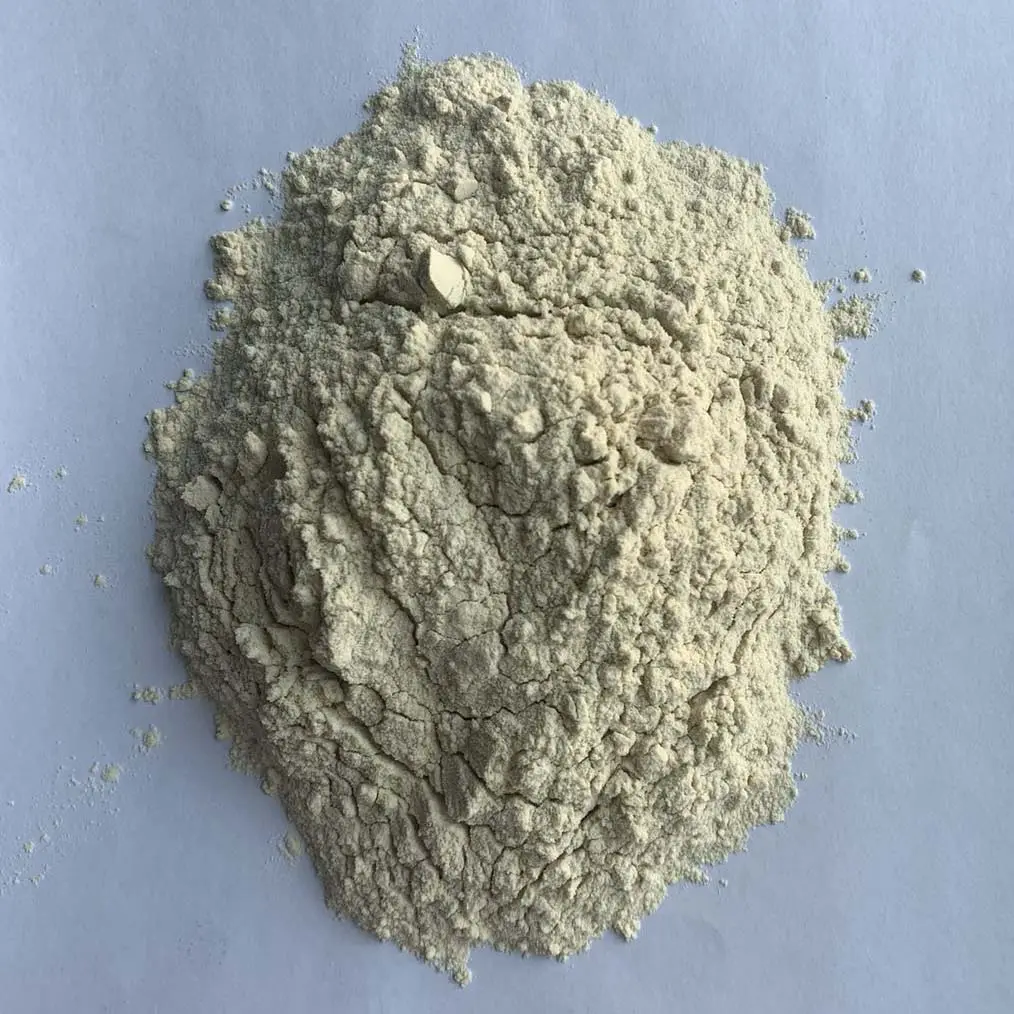
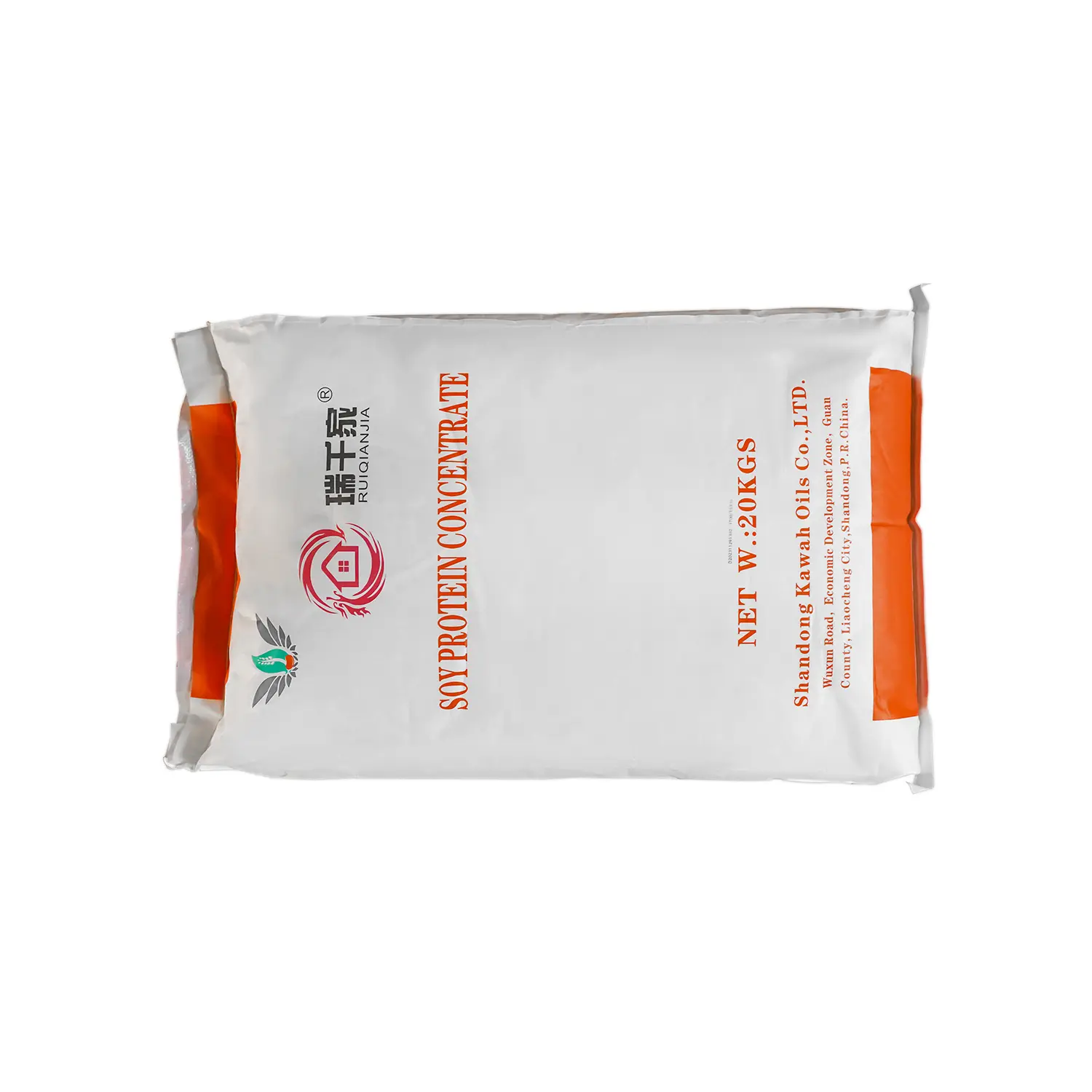
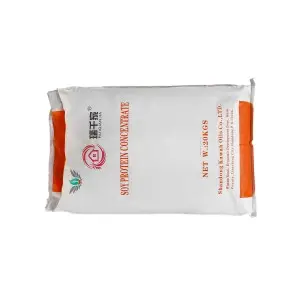
We export a diversified range of functional soy isolates, wheat starches, and vital wheat gluten. Browse our key product lines below.
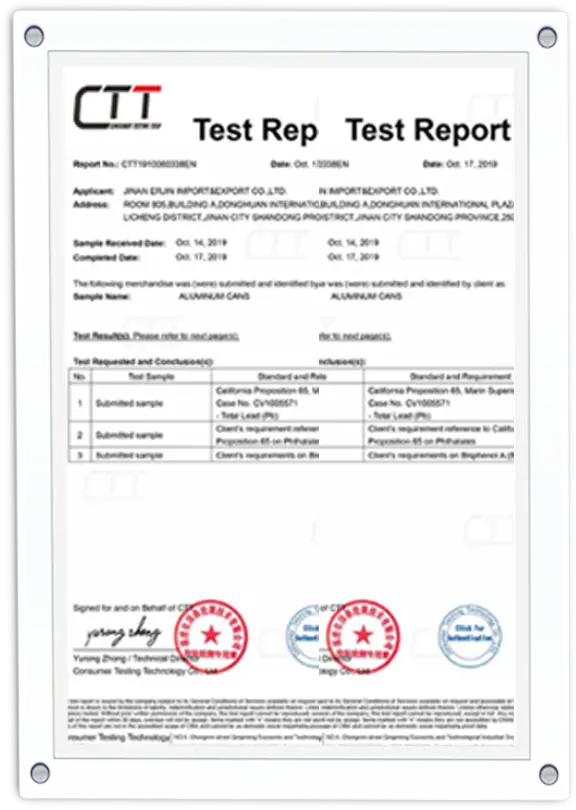
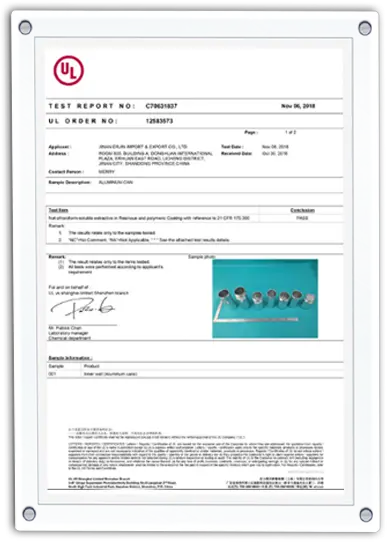
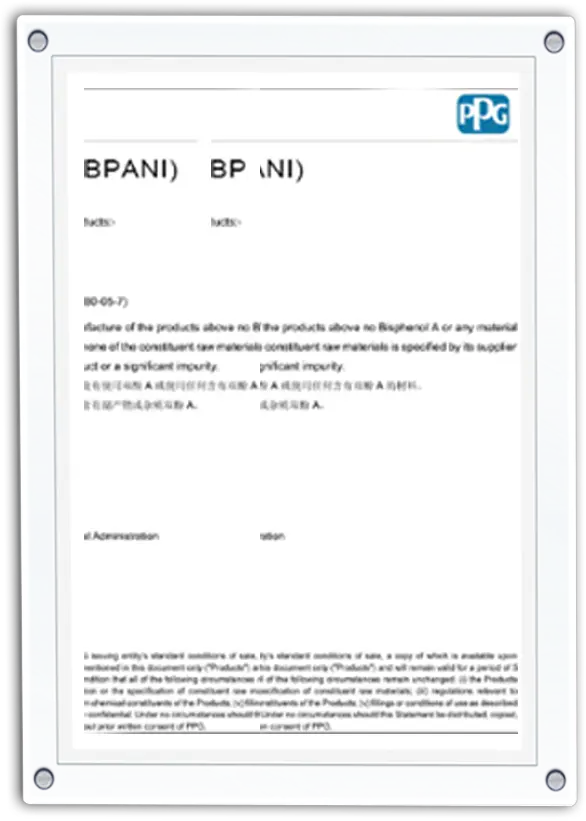
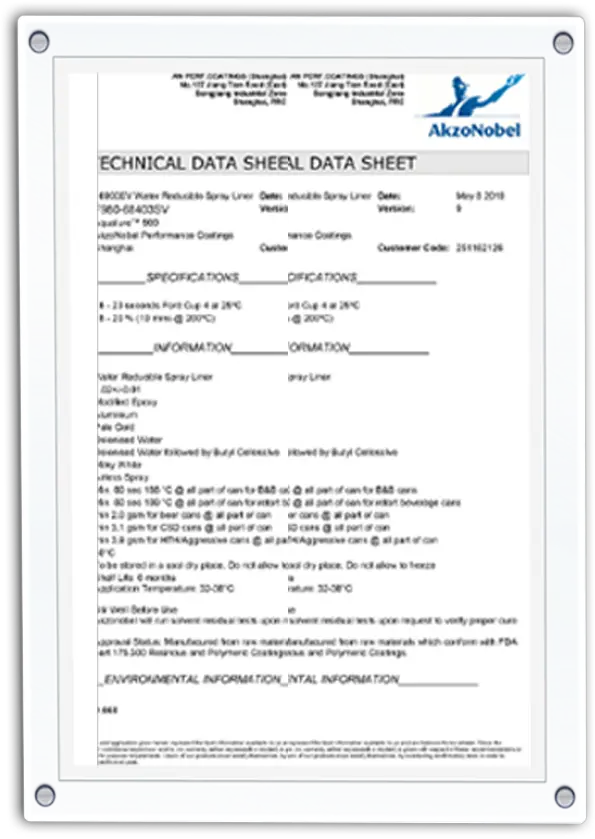
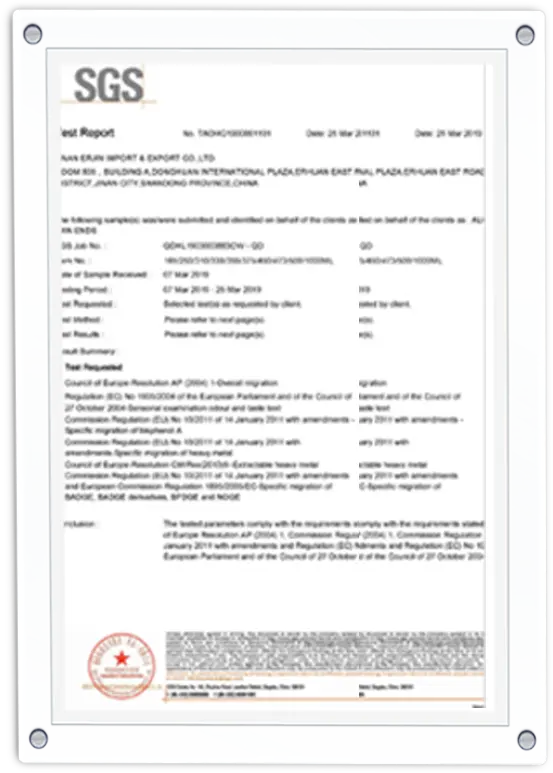
Our manufacturing system meets global regulatory guidelines, ensuring complete transparency and compliance.

Detailed answers to critical product, engineering, and logistics questions from our plant-protein partners.
Explore more of our highly functional food-grade isolates, fibers, and processing starches.
 Xinrui Group