High-performance plant protein selections developed for advanced gelling, water binding, and oil emulsification requirements
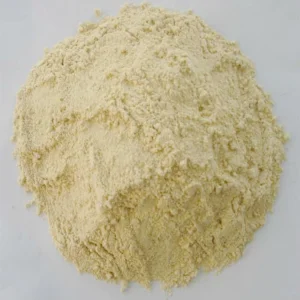
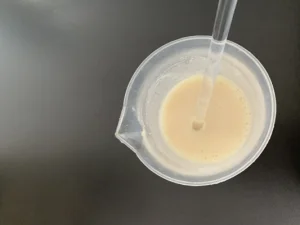
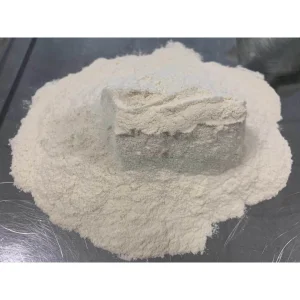
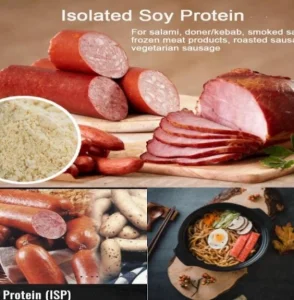
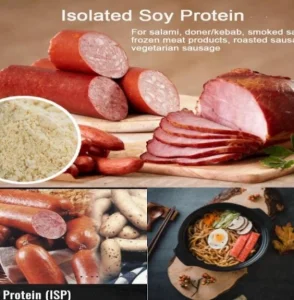
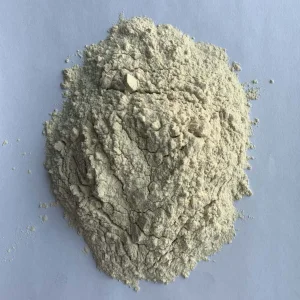
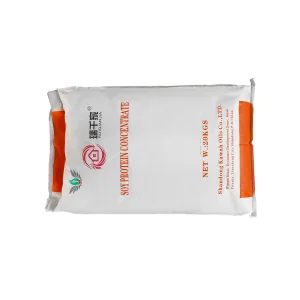
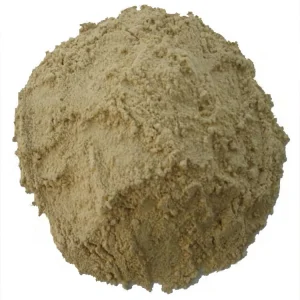
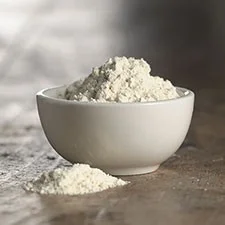
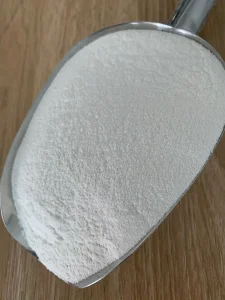
In modern food processing, achieving the optimal texture, structural cohesion, and yield efficiency represents a continuous challenge. Isolated Soy Protein (ISP) with high gelling capabilities is a premium functional ingredient engineered to solve these exact parameters. Derived from 100% Non-GMO soybeans, high-gel ISP contains over 90% protein on a dry basis, practically devoid of carbohydrates, soluble sugars, and fats. The functionality of high-gel ISP lies in its unique macromolecular protein structure, dominated by the globulin fractions: Glycinin (11S) and Beta-conglycinin (7S).
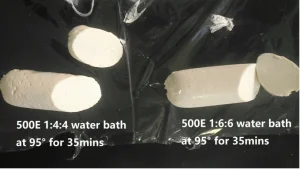
During processing, thermal denaturation unlocks these globular proteins, exposing their hydrophobic cores and sulfhydryl groups. Upon cooling, these polypeptide chains crosslink via hydrogen bonds, hydrophobic interactions, and covalent disulfide linkages, forming a robust, viscoelastic, three-dimensional matrix. This gel network functions as a structural anchor capable of trapping water molecules (water-binding capacity up to 1:6) and stabilizing oil droplets (emulsification ratio up to 1:6:6) under severe thermal and mechanical processing stresses, such as high-temperature retorting, injection, and high-shear emulsification.
Globally, the demand for high-performance plant proteins has moved beyond basic nutritional supplementation to advanced textural and structural engineering. The industrial market for high-gel soy proteins is growing rapidly, driven by the expansion of plant-based meat alternatives, processed meat optimization in developing regions, and clean-label clean-extraction movements. In Europe and North America, food manufacturers seek clean-label gelling systems that can replace methylcellulose or synthetic binders in vegan burgers and sausages.
In the Asia-Pacific region, Latin America, and Eastern Europe, the rapid development of processed foods—such as low-fat emulsion sausages, surimi-based seafood mimics, and structured vegetarian proteins—relies heavily on the cost-in-use benefits of high-gel ISP. As animal protein costs fluctuate and environmental, social, and corporate governance (ESG) targets tighten, major global food conglomerates are optimizing their formulations to increase plant-protein ratios. Soy protein remains the most cost-efficient, structurally viable, and globally accepted option for these transitions.
High 11S/7S globulin ratio ensures thermal gelation holds shape even during retorting (>121°C) and subsequent cooling cycles.
Full identity-preserved soybean supply chain, guaranteeing non-genetic modification from planting, harvesting, to production.
Stabilizes free fats and water in meat batters to prevent purge loss, increase cook yields, and preserve product juiciness.
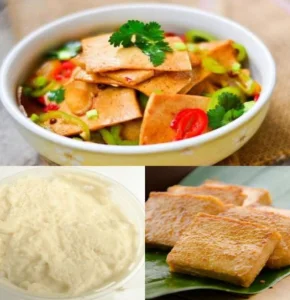
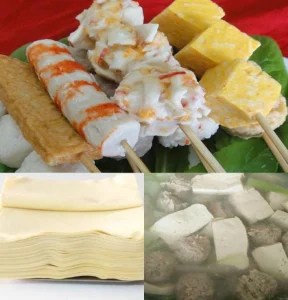
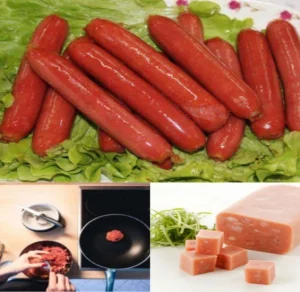
The versatility of high-gel isolated soy protein allows it to fit seamlessly into diverse localized manufacturing processes:
A fully integrated circular economy model ensuring quality control, production scale, and global supply stability
Xinrui Group, established in May 2003, is a comprehensive industrial conglomerate covering an area of more than 1,000 mu, with an annual output value reaching 2.8 billion Yuan. The group encompasses municipal cogeneration, urban heating, gas supply, and deep processing of grain crops.
Within this circular framework, Guanxian Xinrui Industrial Co., Ltd. (formerly Guanxian Ruixiang Biotechnology Development Co., Ltd), established in 2007, processes 500,000 tons of wheat flour annually. Utilizing advanced tri-canter separation technology, we produce high-purity vital wheat gluten, wheat starch A, and wheat starch B. The starch fractions are converted into high-grade alcohol and animal feed, closing the waste loop.
Our soy protein division is led by Shandong Kawah Oils Co., Ltd., established in 2014 with 120 million Yuan in registered capital. As a provincial leader in agricultural industrialization, Kawah Oils processes 180,000 tons of domestic Non-GMO soybeans annually. Our facilities feature advanced spray drying towers from Dachuanyuan, representing the largest single production line capacity in China.
To manage global demand, Guanxian Ruichang Trading Co., Ltd. (established in 2011) acts as the direct export arm of the group, exporting isolated soy protein, wheat gluten, dietary fiber, vermicelli, and ethanol directly to international clients. Over 70% of our production capacity is exported, integrating manufacturing with global trade logistics.

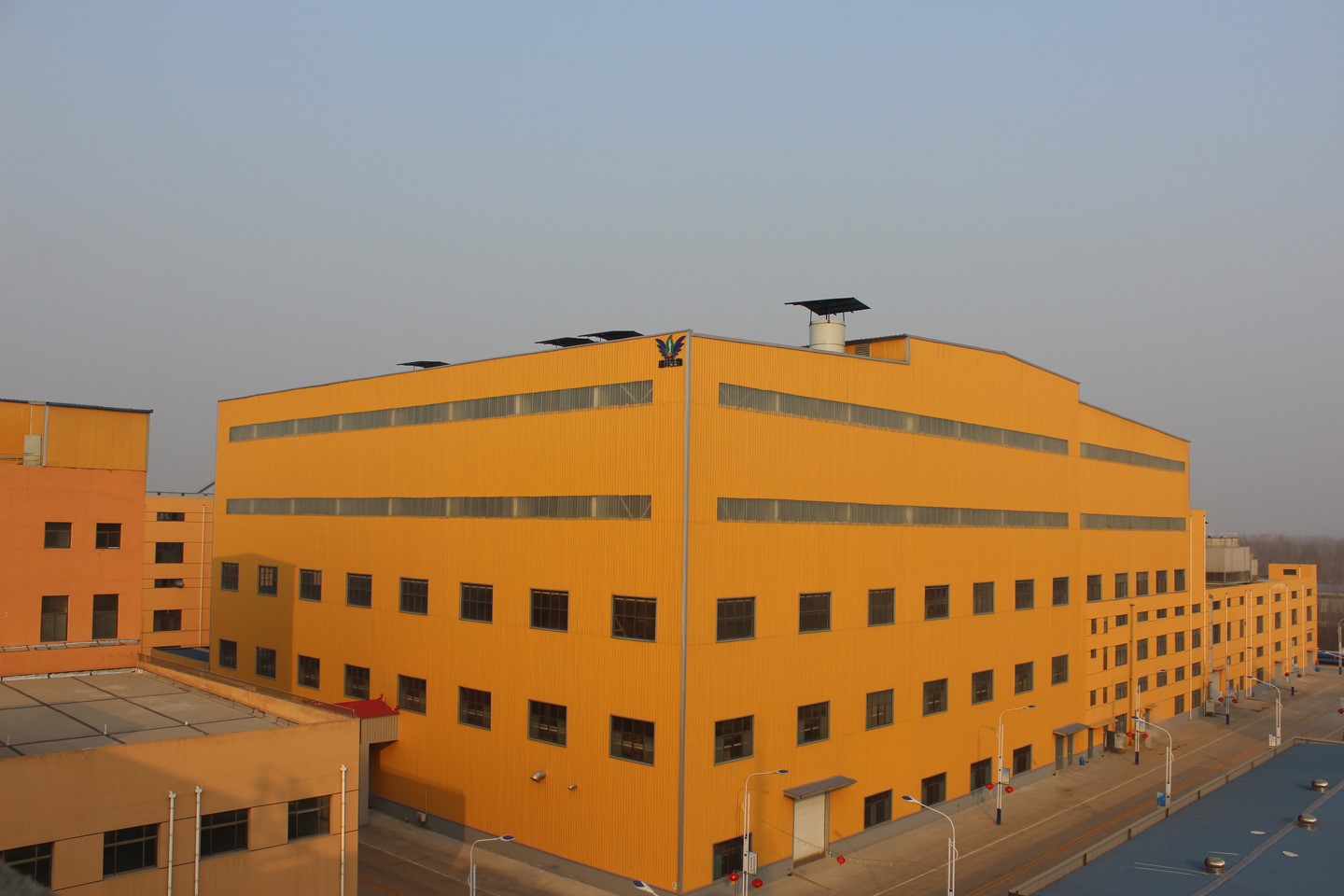
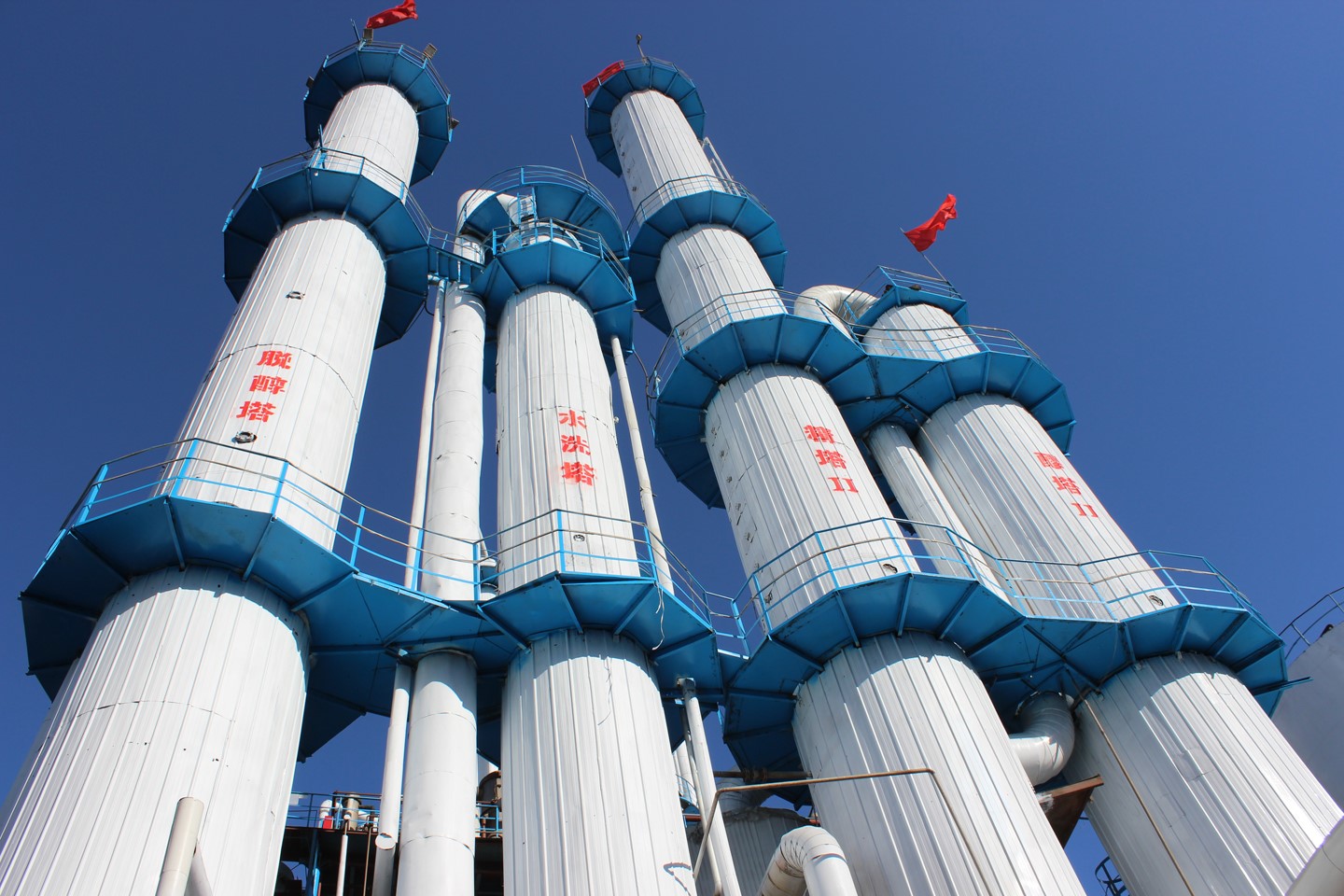
Production efficiency in the soy protein sector is determined by energy integration, scale of raw material supply, and processing technology. China, as a major manufacturing hub for plant proteins, offers key operational advantages that benefit global buyers:
Global supply chain managers face stricter standards regarding regulatory compliance, quality control, and shipping lead times. When purchasing high-gel isolated soy protein, procurement teams look for:
Watch our processing facilities, laboratory testing, and automated packaging systems in action
Technical and commercial answers from our laboratory and export departments
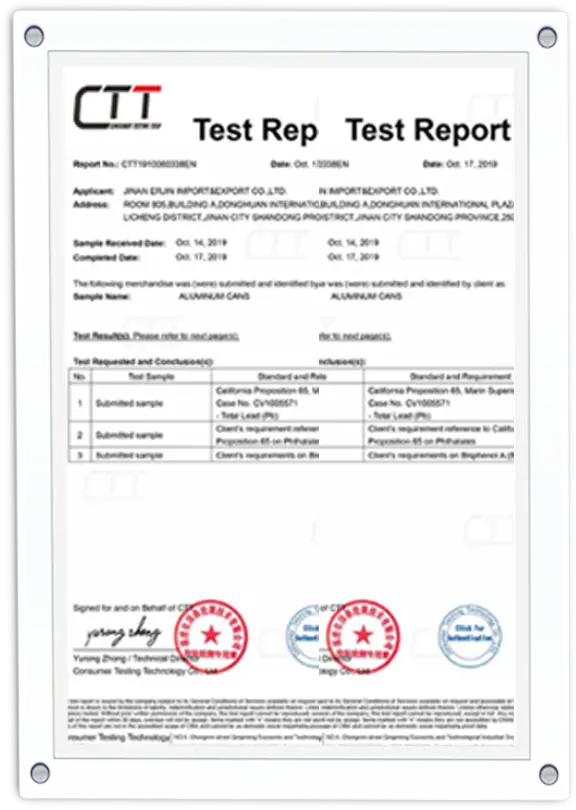
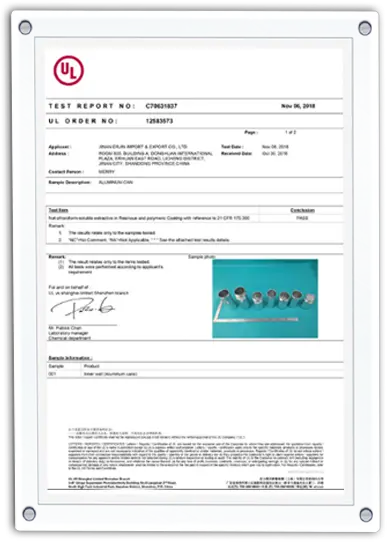
Inspected and verified to meet global food safety standards
Targeted formulations for meat processing, vegetarian foods, tofu, and industrial applications
 Xinrui Group