Scientifically engineered proteins, dietary fibers, and functional formulations optimized for structural integrity and nutritional density.
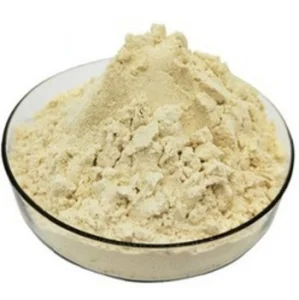
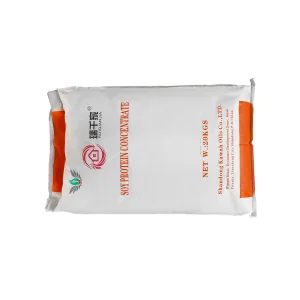
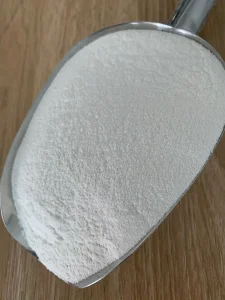
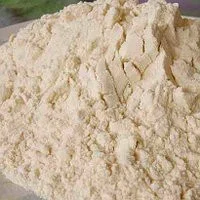
Established in May 2003, Xinrui Group has grown into a diversified agricultural processing giant spanning over 1,000 mu. Driven by structural innovation and an integration of industry and trade, our group annual output reaches 2.8 billion Yuan. We operate multiple heavy industrial facilities including municipal cogeneration, urban heating, and gas supply systems, which guarantee low-cost, self-sufficient energy for our energy-intensive spray drying and extraction systems.
Our agricultural deep processing capabilities are split into two major industrial tracks:

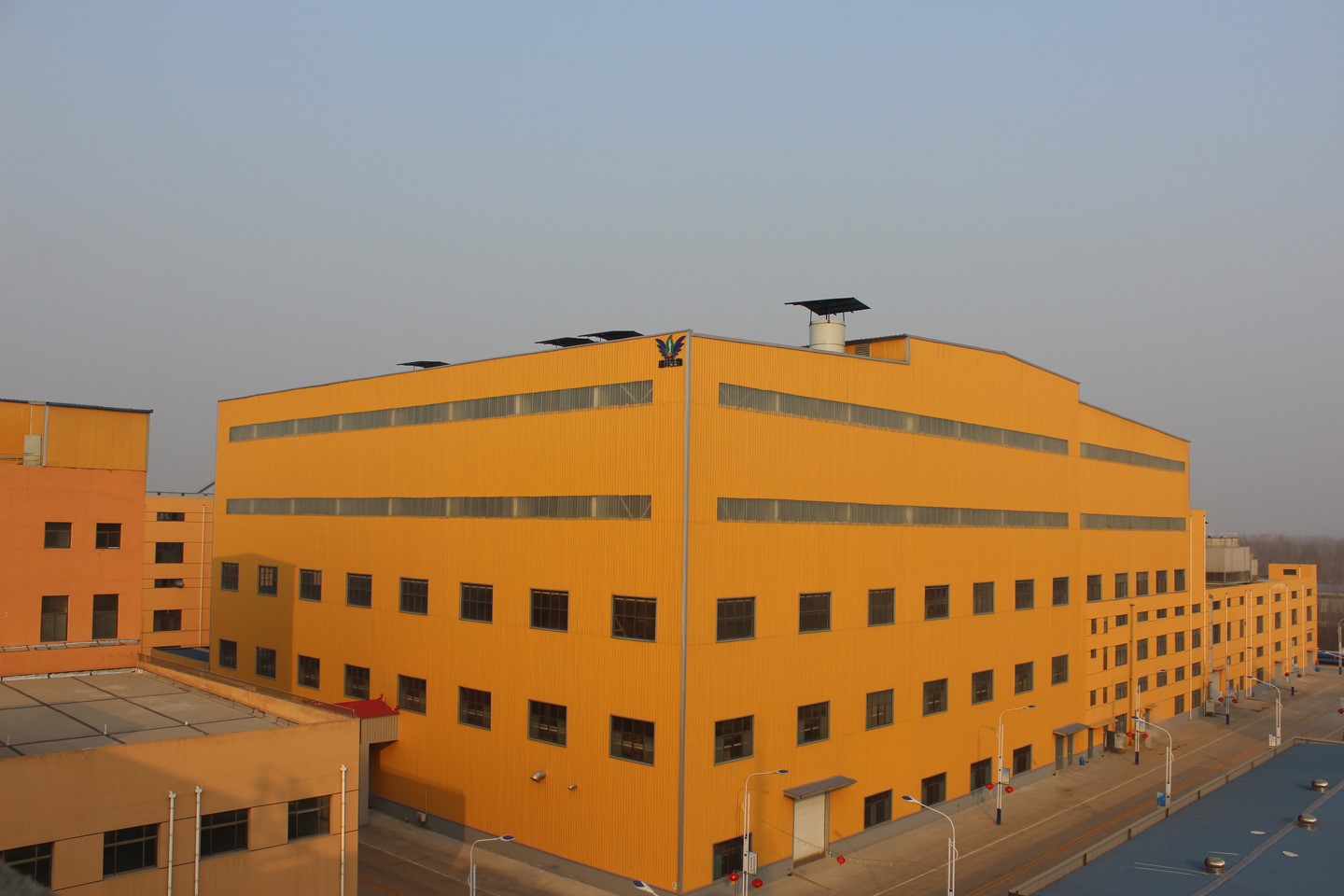
Annual Output Value (RMB)
Wheat Flour processed (Tons/Yr)
Non-GMO Soybean Capacity (Tons/Yr)
Direct Export Integration Ratio
The global market for soy extract is experiencing a massive shift driven by clean label demands, nutritional security programs, and the growth of meat alternatives. High-purity Isolated Soy Protein (ISP) and Functional Soy Protein Concentrates (SPC) are now essential structural elements across global processed food industries. Geopolitically, the demand is splitting between generic commodity proteins and Identity Preserved (IP) Non-GMO specialty products. Strict European and North American regulations demand traceabilities that many low-tier suppliers cannot provide.
Industrial food processors face a common challenge: balancing costs with functional requirements like water-binding, emulsion stability, and fat holding. Lower-grade soy extracts cause phase separation in meat emulsions and grittiness in plant-based milks. As a global manufacturer, Shandong Kawah Oils addresses these variables by using advanced solvent extraction followed by flash desolventizing. This ensures our soy extracts maintain high protein solubility indexes (NSI) and exceptional gel forming capability for global distributors and food brands.
High demand for non-GMO meat alternatives, sports drinks, and functional beverages. Requirements focus heavily on low-beany flavor profiles and rapid dispersibility.
Strict PCR testing thresholds (under 0.9% for GMO detection) and demands for chemical-free, eco-friendly solvent extraction processes with full farm-to-factory tracking.
Rapid integration into traditional tofu production, high-yield meat processing (sausages/surimi), and nutritional powder supplementation for aging demographics.
Our research and development team closely monitors shifting consumer preferences and industrial requirements. The global market is transitioning through several key areas:
1. Non-GMO as a Standard: IP (Identity Preserved) non-GMO sourcing is no longer optional in high-end food production. Because we source our raw materials from dedicated domestic planting bases, our soy extracts maintain complete biological integrity and avoid pesticide contamination.
2. Structural Specialization: The market is moving away from "one-size-fits-all" proteins. Our catalog offers customized grades, such as 9003B for vegetarian foods, 9020 for injection brines, and 9030 for dispersible beverages. This specialized approach ensures that the protein's gelation temperature, shear strength, and particle size match the target manufacturing environment.
3. Synergy with Dietary Fiber: Plant-based formulation is shifting toward holistic ingredient use. Combining isolated soy protein with high-quality soy dietary fiber allows developers to mimic natural meat fibers while improving moisture retention and reducing cooking losses.
How Shandong Kawah Oils achieves superior molecular functional properties across our advanced production lines.
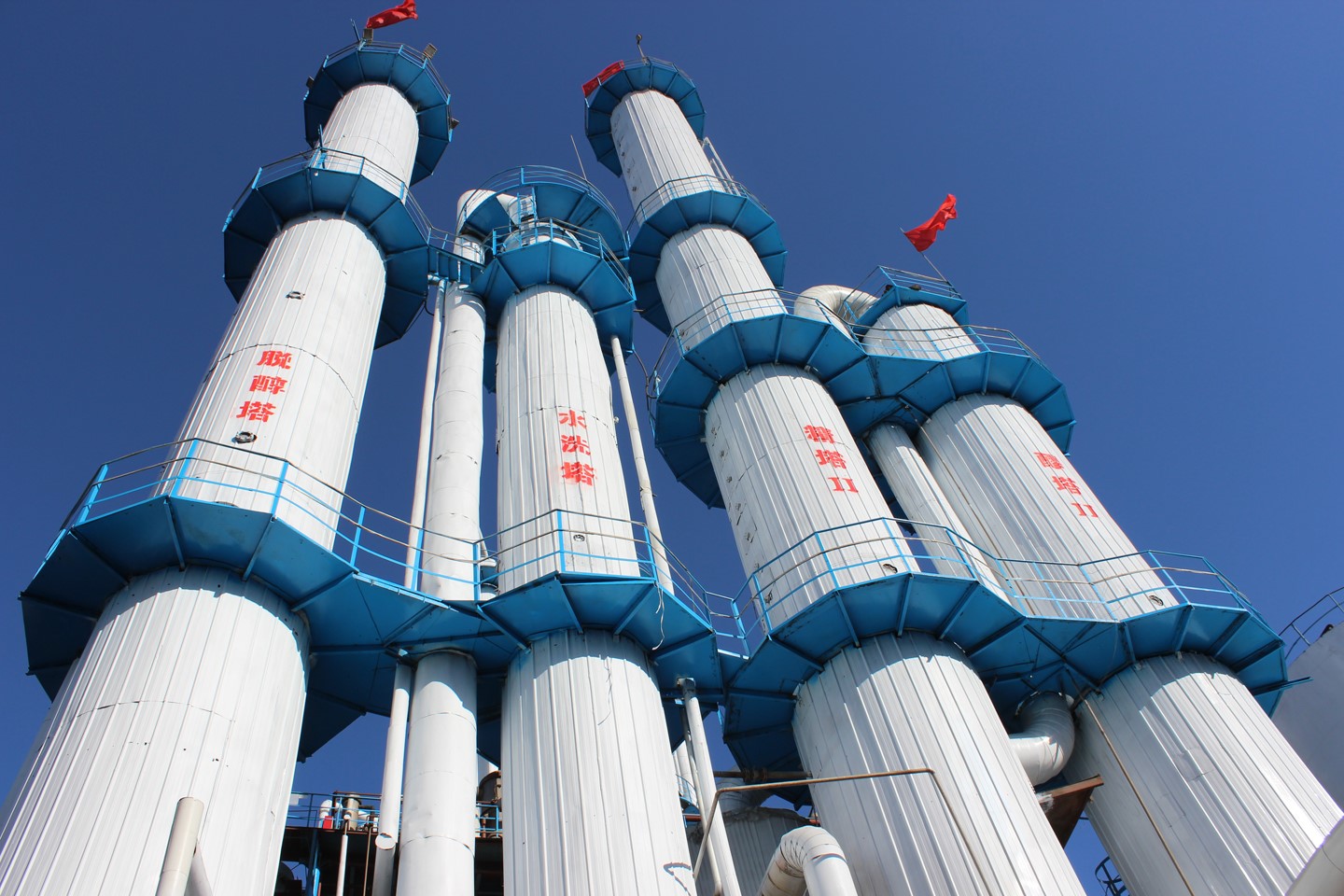
Our raw meal preparation utilizes advanced counter-current extraction loops. The solvent is stripped under high-vacuum, low-temperature conditions, preserving the native protein structure and preventing heat-induced denaturation of the globulin fractions (7S and 11S).
Proteins are precipitated at their isoelectric point (pH 4.5) to remove soluble sugars, oligosaccharides (which cause flatulence), and ash. The curd is then washed and neutralized to pH 6.8-7.2 under strict control loops to restore solubility and water-binding capacity.
The slurry is instantly dried using a large-scale spray drying tower, which helps maintain uniform particle size distribution. The rapid evaporation of moisture prevents thermal degradation, producing a free-flowing powder with excellent dispersion kinetics and hydration performance.
Different industrial processes require distinct functional properties. We have tailored our product lines to address these specific application requirements:
In emulsion-based meat processing (such as frankfurters and bologna), the protein must bind fat and water while enduring high shear forces. Our 9001BW and 9002B Chopping Type proteins are designed to stabilize these systems. They form a strong thermal gel matrix that locks in juices, reducing purge during packaging and keeping the product firm.
Vegan sausages, nuggets, and vegetarian burger patties require a fibrous structure similar to animal muscle. The 9003B and 9005B Vegetarian Type proteins provide the necessary elasticity and tensile strength. When hydration occurs, they form cross-linked protein networks that stand up to commercial retorting and freezing cycles.
Injecting whole muscle cuts (like hams and poultry) requires low-viscosity proteins that can pass through fine needles without clogging. Our 9020 Injection Type dissolves quickly and flows easily. Once cooked, it binds with the myofibrillar proteins inside the meat, improving yield and texture.
For instant protein powders, meal replacement shakes, and dairy alternatives, the key factors are dispersion and mouthfeel. Our 9030 and 9032 Dispersion Type proteins are treated to wet out quickly without clumping, providing a smooth texture free of beany off-notes.
At Xinrui Group, we focus on a circular economy that optimizes raw materials and minimizes waste. This approach helps lower production costs while reducing our environmental footprint:
Our integrated wheat loop processes 500,000 tons of wheat annually, separating starch and gluten. The secondary starch (Starch B) and pentosan fractions are not discarded; instead, they are routed to our ethanol fermentation plant to produce high-purity industrial and food-grade ethanol. The steam and electricity generated by our cogeneration plant power both our wheat wet milling lines and our soybean spray drying towers.
This closed-loop system protects our production from energy cost spikes and guarantees a steady supply of key ingredients like Vital Wheat Gluten and Ethyl Alcohol. For global food manufacturers, this setup translates to stable pricing and a secure supply chain, even during periods of market volatility.
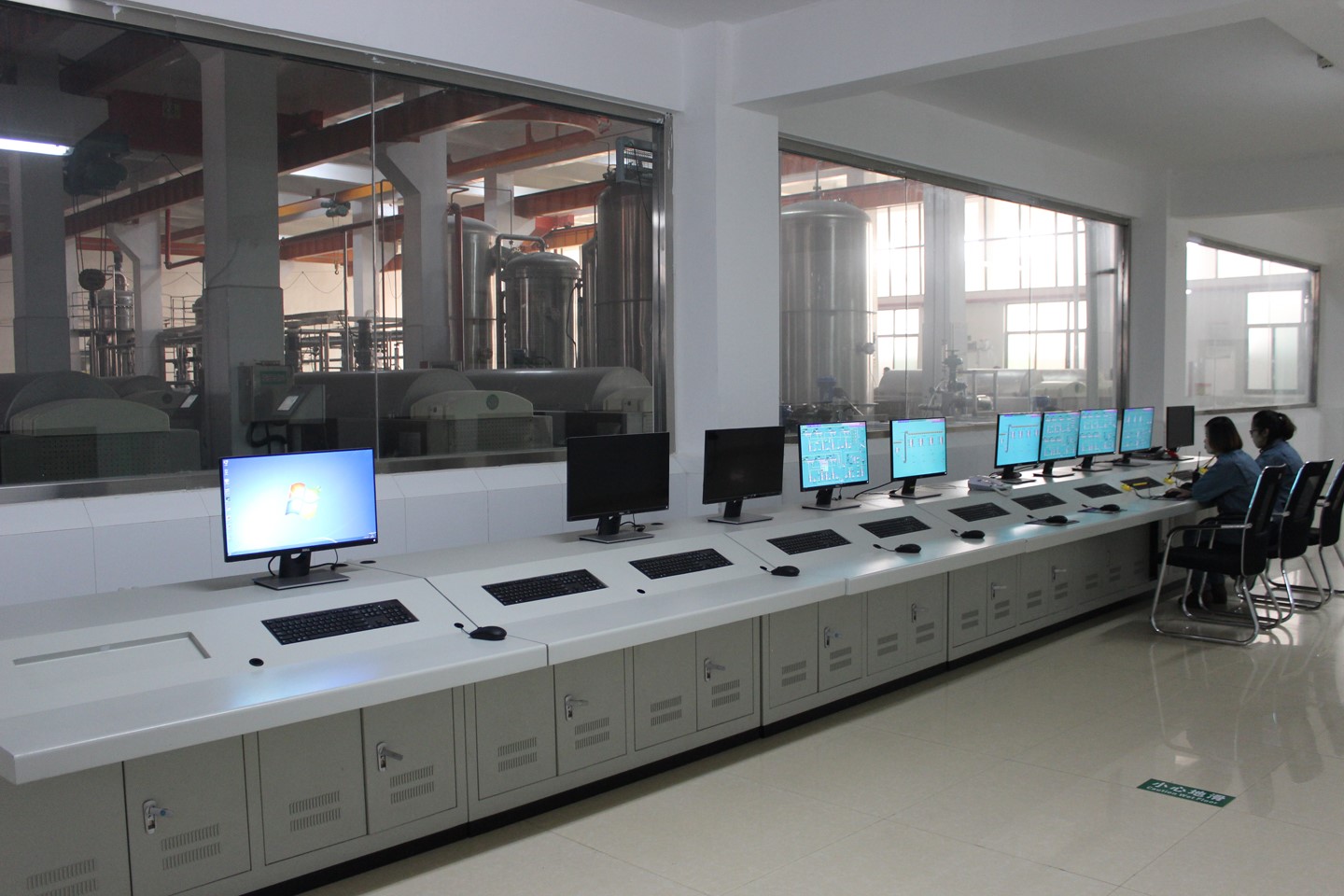
Take a virtual tour of our facilities and review our accredited quality management systems.
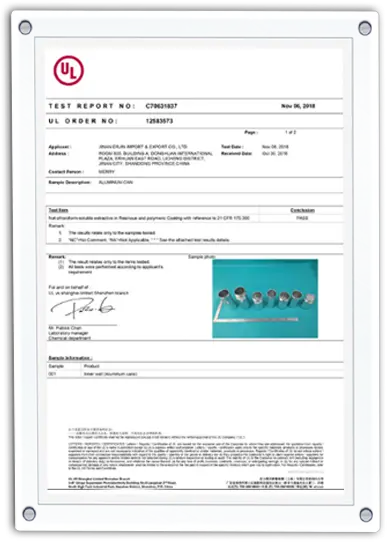
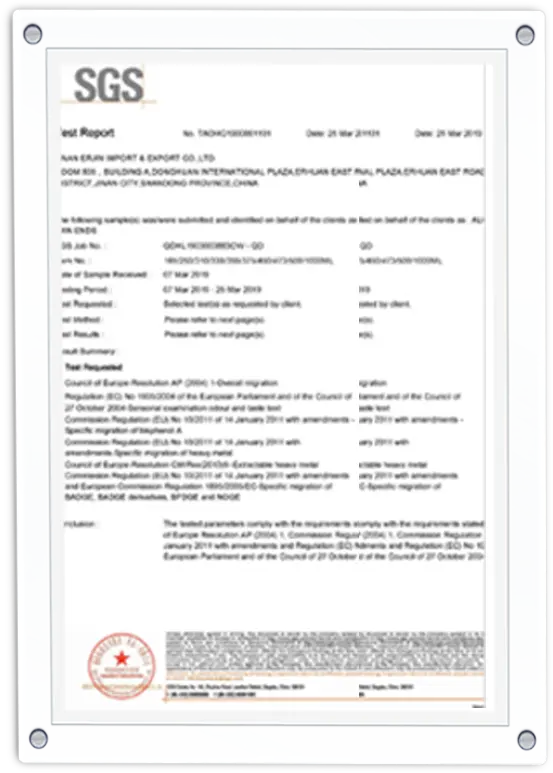
We hold standard international certificates to ensure our products meet food safety and trade requirements globally.
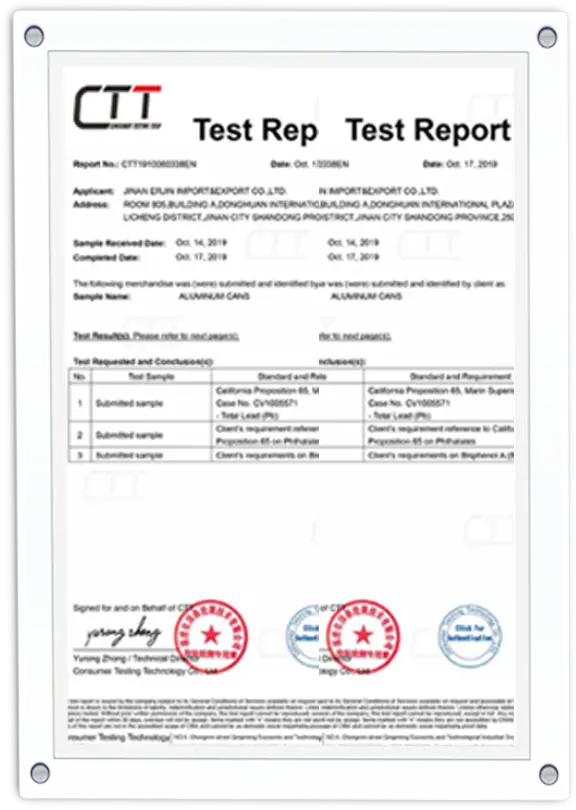
Technical and commercial answers to help streamline your procurement process.
Our full catalog of plant proteins, starches, dietary fibers, and ethanol grades.
 Xinrui Group