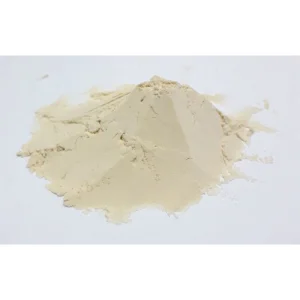
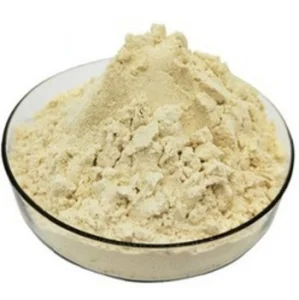
High-purity, structurally customized functional proteins engineered for meat emulsions, injection solutions, dry dispersions, and traditional plant-based foods.
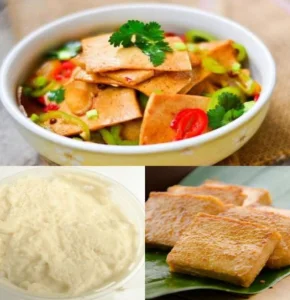
An authoritative analysis of market drivers, formulation mechanics, and standard requirements in high-yield soybean processing.
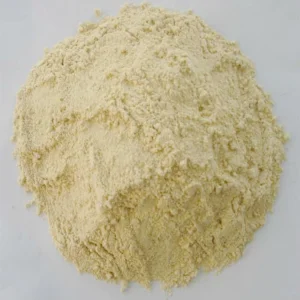
The global demand for plant extract functional proteins is driven by shifts in population dynamics, wellness trends, and macroeconomic sustainability initiatives. Isolated Soy Protein (ISP) sits at the peak of plant protein technology, offering a minimum protein content of 90% (dry basis) with an optimized amino acid profile that closely mirrors animal proteins (PDCAAS score of 1.0).
Modern applications require clean-label, Non-GMO protein configurations that offer specific physical behaviors. For instance, food manufacturers require customized emulsification capacities for high-temperature meat processing, rapid wetting curves for dry shake dispersions, and high gel strength to match the texture profile of traditional tofu products.
To meet specific structural requirements, industrial factories manipulate the ratio of 7S (conglycinin) and 11S (glycinin) proteins. Glycinin contains more disulfide bonds, making it crucial for creating strong, elastic gels when heated. Conglycinin, on the other hand, provides excellent emulsification and foam stability.
Through advanced extraction techniques and spray drying technology, manufacturers can control denaturation levels. This allows them to supply custom proteins tailored for different applications—ranging from highly soluble, low-viscosity isolates for beverages to highly texturized, water-binding isolates for emulsified meats.
Global procurement teams prioritize security of supply, strict regulatory compliance, and consistent product functionality. Non-GMO IP (Identity Preserved) certification remains a critical baseline requirement in European and North American markets to ensure traceabilty back to farm levels.
Furthermore, standardizing parameters such as nitrogen solubility index (NSI), viscosity curves, and microbiological limits is essential. Having an integrated supplier with large-scale production facilities ensures consistent batch quality, protecting large food brands from supply chain disruptions.
Annual Production Value (RMB)
Annual Non-GMO Soybean Processing
Annual Wheat Processing Capacity
Annual Soy Protein Isolate Output
Operating a massive, diversified circular agricultural economy since 2003.
Xinrui Group, established in May 2003, spans an industrial footprint exceeding 1,000 mu. Through decades of integration, the group has established a complete, highly optimized circular processing economy. Our operations include urban heating, cogeneration, gas supply utilities, and dedicated raw material processing units. These include Guanxian Xinrui Industrial Co., Ltd. (formerly known as Guanxian Ruixiang Biotechnology Development Co., Ltd) and Shandong Kawah Oils Co., Ltd., supported by dedicated non-GMO soybean and wheat planting bases.
Our industrial chain converts agricultural inputs into high-value proteins, starches, dietary fibers, and ethanol. This integrated model ensures absolute quality control, high energy efficiency, and a stable pricing structure for global markets. Export operations are managed by Guanxian Ruichang Trading Co., Ltd. (founded in 2011 with a registered capital of 6 million RMB). We export more than 70% of our production volume directly from our factories to global partners, providing a streamlined direct-to-manufacturer supply chain.

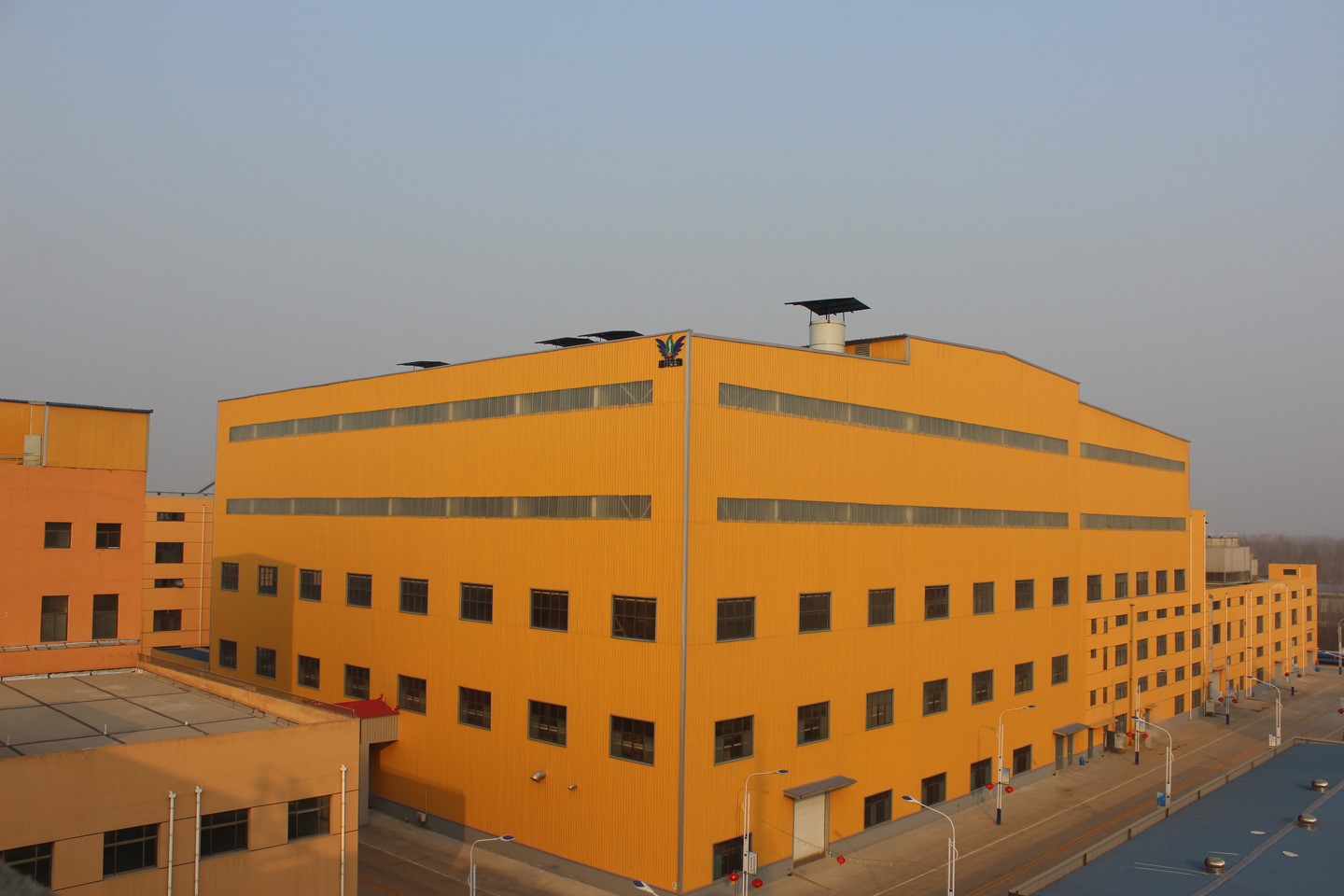
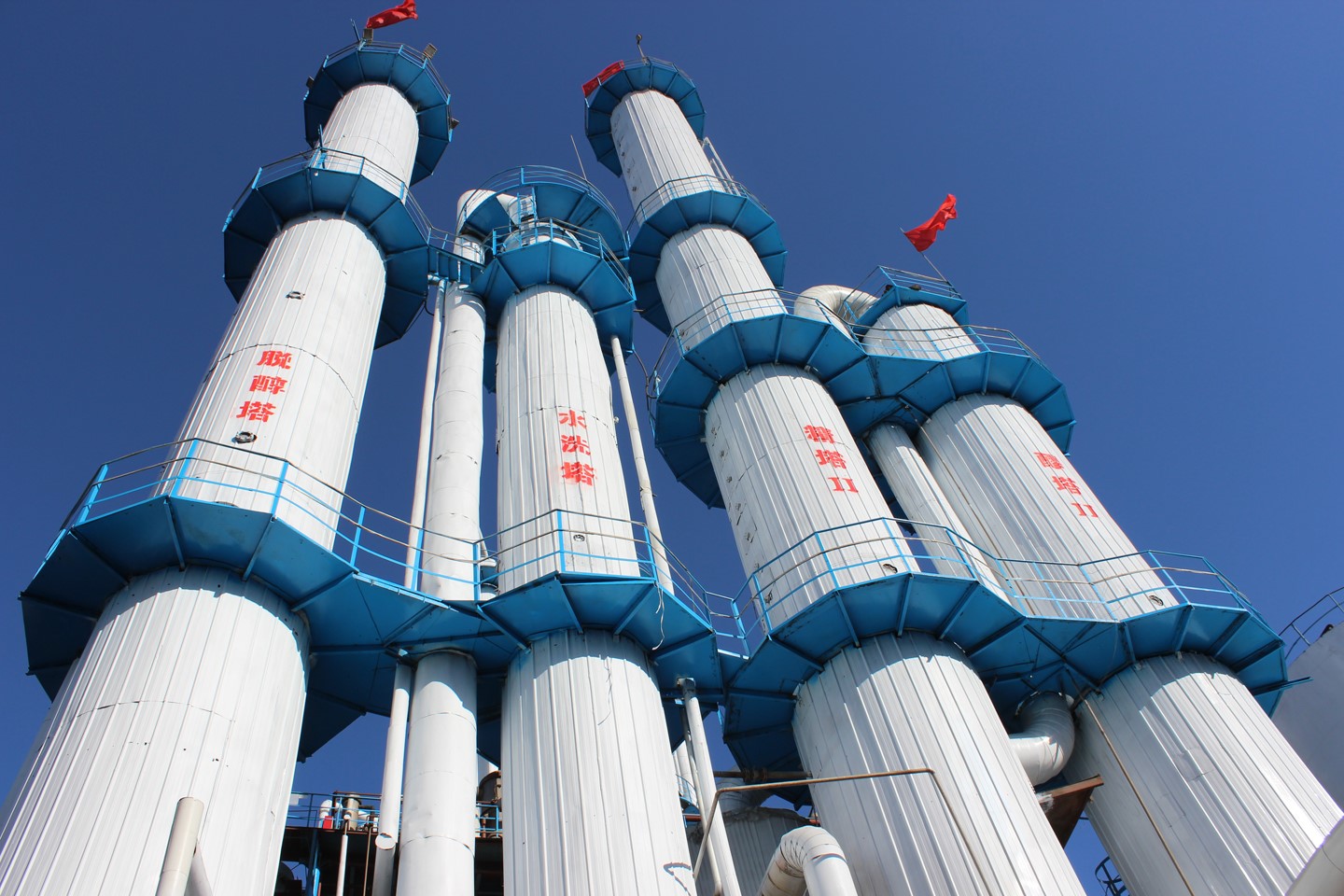
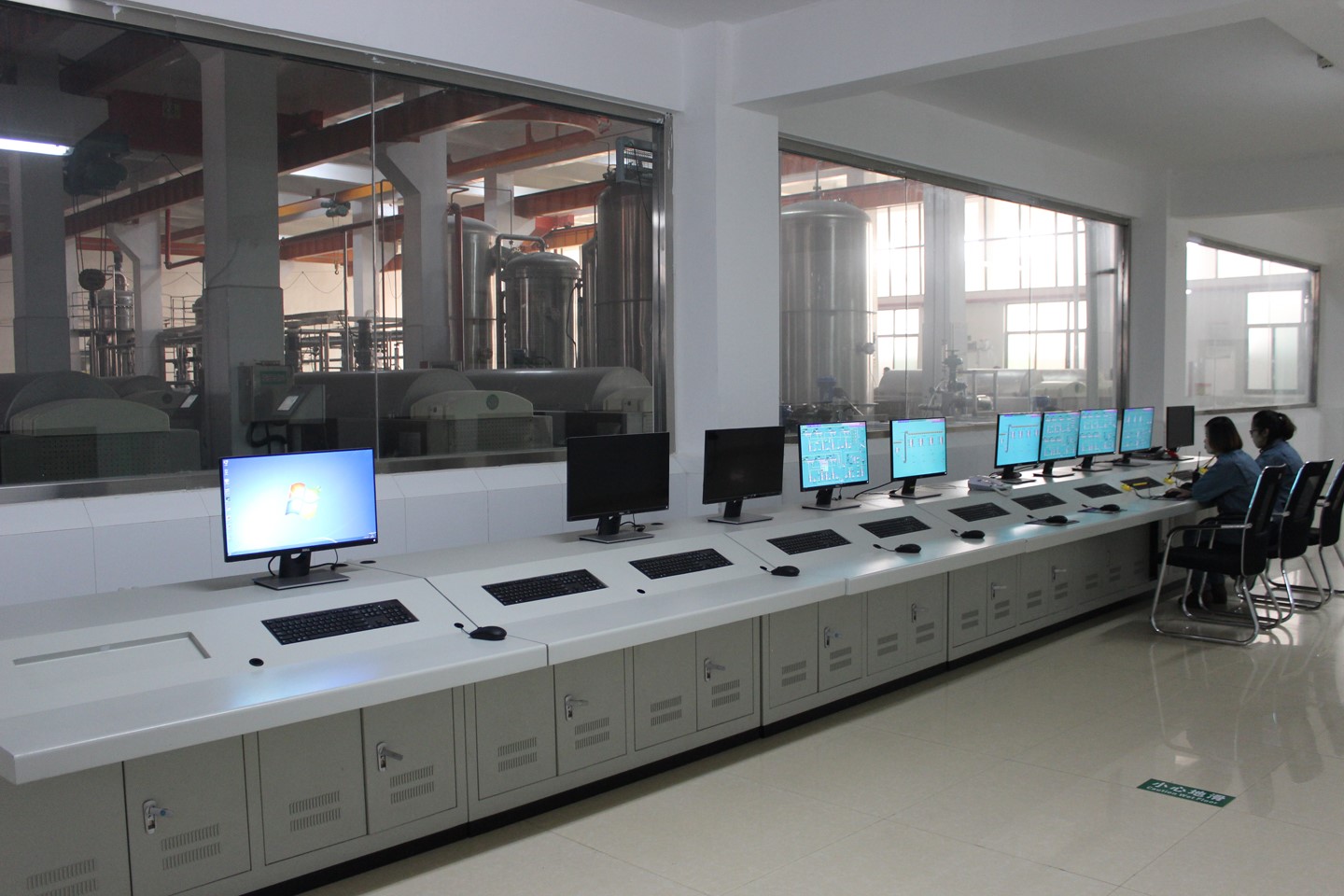
Operating advanced spray drying towers and wet extraction technologies for plant-based systems.
Our production partner, Shandong Kawah Oils Co., Ltd. (established in 2014, with a registered capital of 120 million RMB), houses one of the largest single isolated soy protein production lines in China. The plant utilizes a state-of-the-art Dachuanyuan spray drying tower. This setup ensures mild, uniform thermal processing, protecting the delicate molecular chains of the proteins and maintaining high solubility and functionality across batches.
For our wheat processing line, Guanxian Xinrui Industrial Co., Ltd. uses imported tri-canter separation technology. This closed loop system separates wheat flour into high-yield wheat gluten, wheat starch A, and wheat starch B. Operating in a completely closed, hygienic environment, the line achieves high separation efficiency and consistent purity levels.
Both our soybean and wheat facilities are strategically located near raw material source zones. Our Shandong facility sources premium Non-GMO soybeans, extracting Non-GMO soybean oil, food-grade meal, isolated soy proteins, and soy dietary fibers in a continuous, zero-waste process. This regional clustering keeps transport costs low and guarantees fresh, traceably sourced inputs.
| Functional Category | Common Code Reference | Key Properties | Primary Target Applications |
|---|---|---|---|
| Emulsion & Meat Grade | 9007B-A, 9007B-C, 9001BW, 9500 | High viscosity, excellent water & fat binding, high thermal gelation strength | Sausages, hams, burgers, surimi products, vegetarian meat analogues |
| Injection Grade | 9020, 9026, 9028 | Ultra-low viscosity, fast dispersion, cold-water soluble, zero needle-clogging particles | Whole muscle meat injections, poultry processing, brine systems |
| Dispersion & Beverage Grade | 9030, 9032 | Rapid hydration, low viscosity at high concentrations, neutral mouthfeel | Protein powder mixes, meal replacements, non-dairy beverages, health drinks |
| Tofu & Vegetarian Grade | 9003B, 9005B, 9003BA | Controlled gelation rate, elastic curd formation, high water absorption | Traditional Tofu, tofu skin, vegetarian products, analogue dairy products |
Optimizing formulation performance to meet the diverse regulatory and culinary demands of international markets.
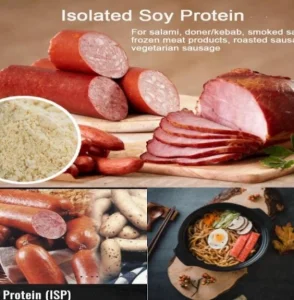
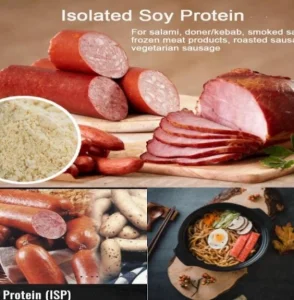
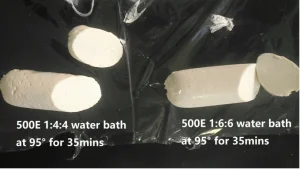
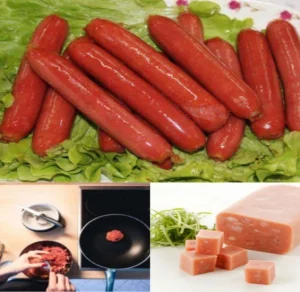
In high-speed processing lines, isolated soy proteins like the 9007B-A and 9500 series act as matrix binders. When thermal treatments denature soy globulins, they form stable networks that lock in water and fat. This prevents syneresis, maintains product shape, and yields consistent textures in hot dogs, emulsified canned sausages, and plant-based burgers.
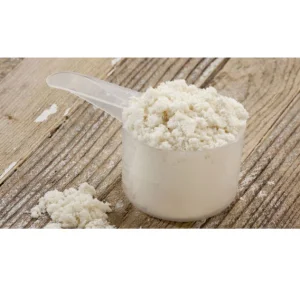
For meal replacements and ready-to-drink formulations, the 9030 dispersion series offers high NSI (Nitrogen Solubility Index) values. This prevents protein sedimentation in ready-to-drink (RTD) formulas and ensures smooth, non-gritty textures in plant-based dry beverage blends, appealing to texture-sensitive consumers.
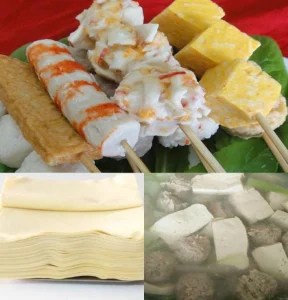
The 9005B series is designed for tofu production. It forms structured curds under typical coagulant conditions, providing the necessary elasticity and springiness for stir-fry tofu, deep-fried tofu puffs, and high-protein vegan meats.
For purchasing teams, ensuring supply chain security is paramount. Our integrated factory model handles everything from soybean crushing to final isolated protein export under strict IP Non-GMO certification. This closed-loop system reduces exposure to shipping bottlenecks and raw material volatility, providing a reliable partnership for global food manufacturers.
Virtual inspections of our production facilities, spray drying towers, and storage depots.
Adhering to strict international standards for safety, traceability, and religious dietary compliance.
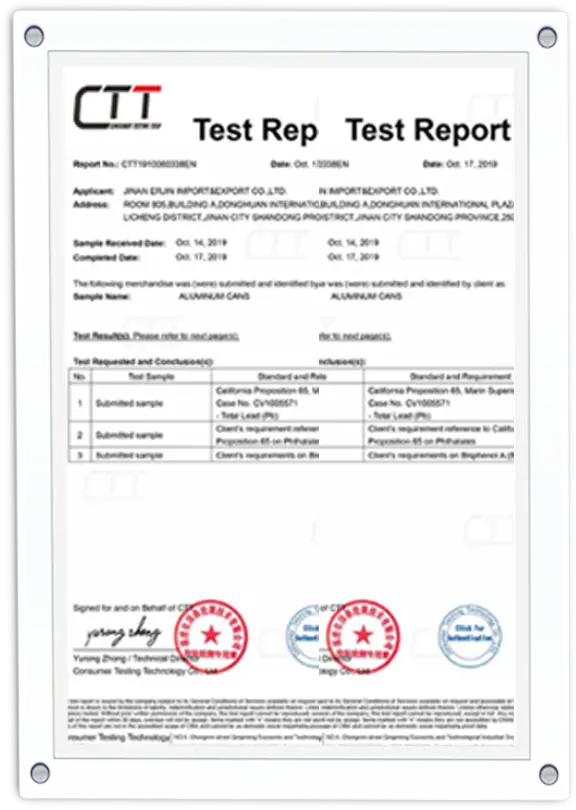
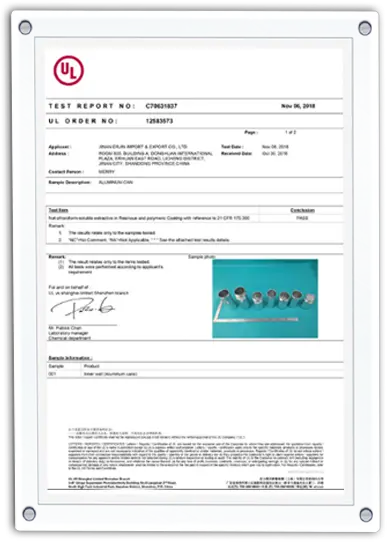
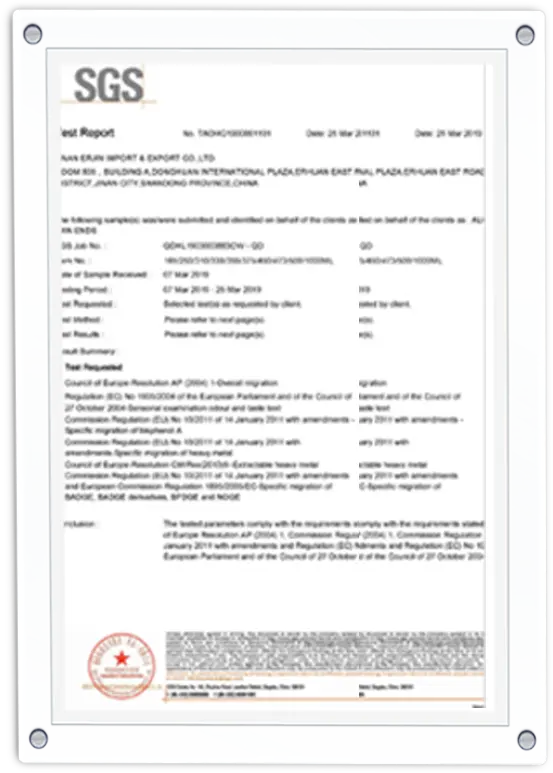
We maintain a complete quality registry, including HACCP, ISO9001, ISO22000, BRC (British Retail Consortium), HALAL, KOSHER, and IP-NON GMO certifications. All operations are regularly audited by independent third parties like SGS to ensure absolute compliance with global food codes.
Get clear answers regarding our sourcing, technical configurations, and logistics processes.
Explore our full line of functional plant proteins, starches, dietary fibers, and industrial derivatives.
 Xinrui Group