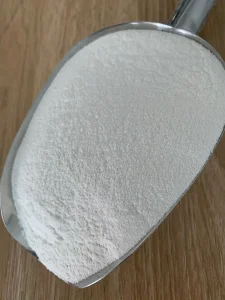
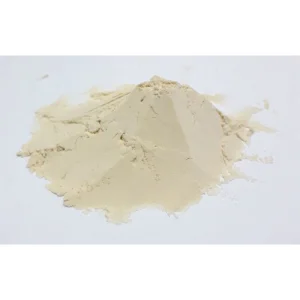
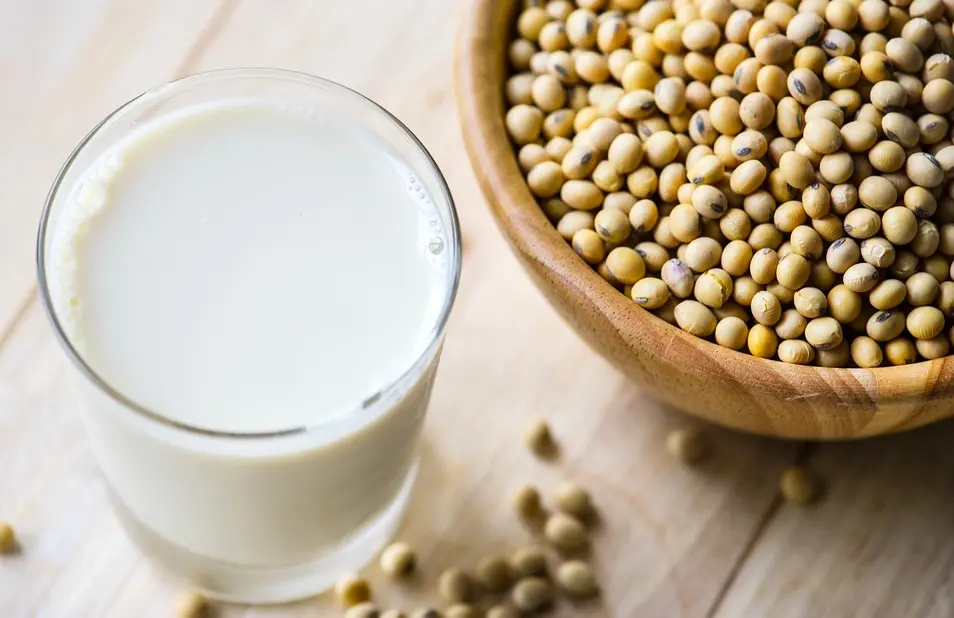
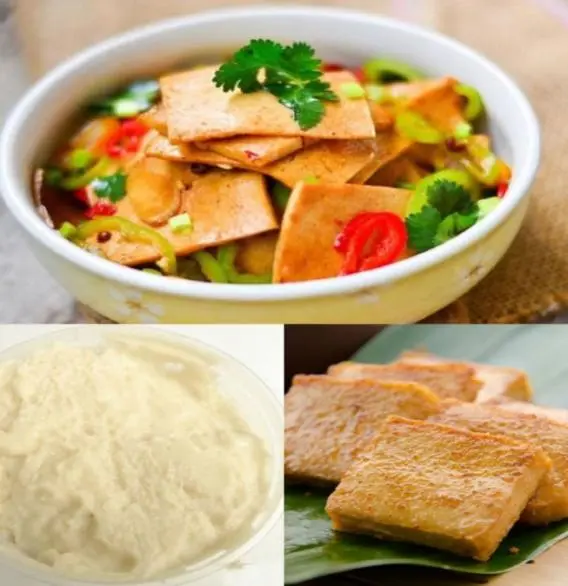
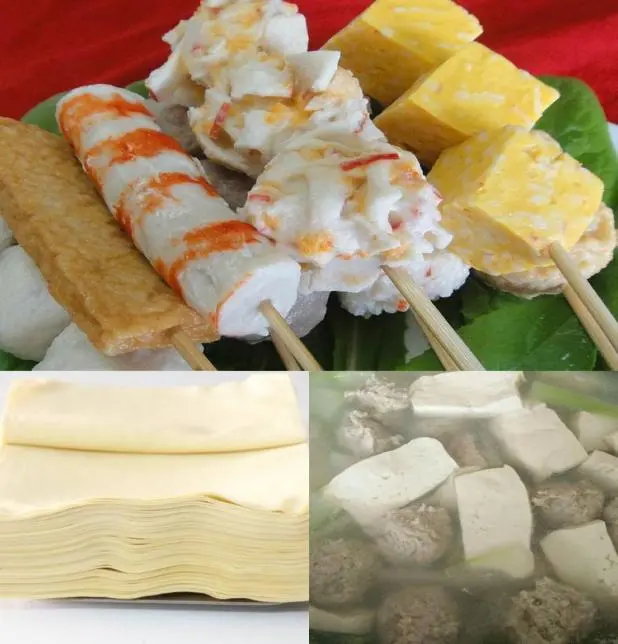
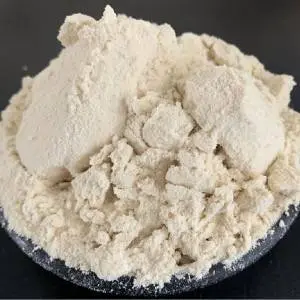
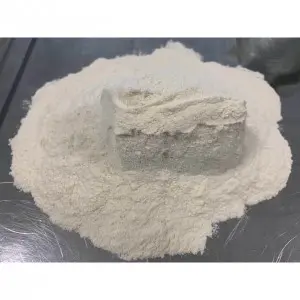
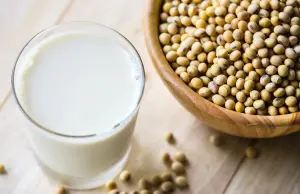
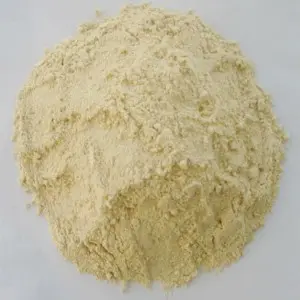
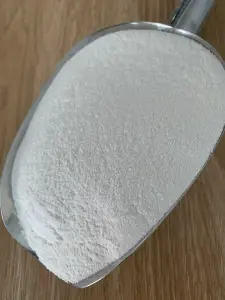
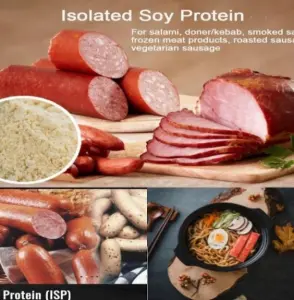
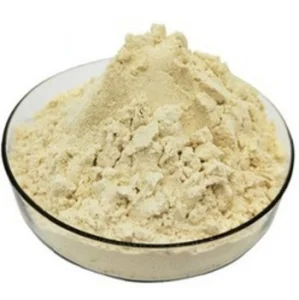
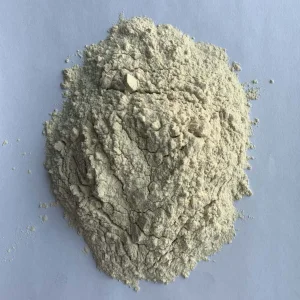
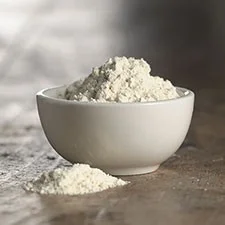
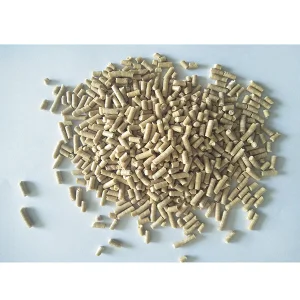
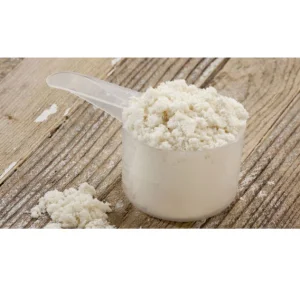
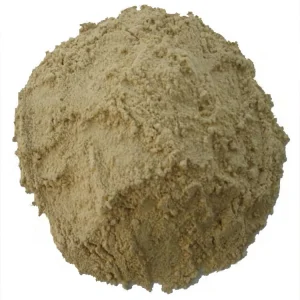
The global demand for plant-based proteins has shifted from a dietary niche to an essential pillar of industrial food processing, functional beverage development, and meat alternative manufacturing. At the core of this transition lies Natural Soy Isolate Protein, highly valued for its exceptional nutritional composition, complete amino acid profile (PDCAAS = 1.0), and technical functionalities. Soy isolate contains 90% or more protein on a moisture-free basis, making it the most refined soy derivative available.
Today's market dynamics are shaped by stringent regulatory expectations, consumer demands for clean-label formulation, and strict verification of Non-GMO Identity Preservation (IP). As food manufacturers seek to optimize production economics while improving product textures, the selection of raw materials determines final product yield, emulsification stability, and flavor profiles.
To successfully integrate soy isolate into high-moisture extrusion, pasteurized emulsions, or highly dispersible powder formulas, developers must rely on consistent chemical properties. Our production methods address these challenges by employing modern separation techniques that preserve the protein's native structures while eliminating off-flavor compounds.
The manufacturing process at Shandong Kawah Oils Co., Ltd. represents the state-of-the-art in agricultural biotechnology. Beginning with raw materials from our dedicated domestic Non-GMO soybean planting bases, we extract value through a multi-step biorefinery approach. Our engineering processes are designed to target the protein fraction while preserving native protein structure and functionality:
We process soybean flakes under carefully monitored temperatures to produce low-temperature food-grade soybean meal. This protects the solubility profile, ensuring high nitrogen solubility index (NSI) values before the subsequent aqueous extraction.
By adjusting pH levels, proteins are dissolved in alkaline medium, separated from fiber, and precipitated at the isoelectric point (pH 4.5). This step separates functional protein fractions (7S and 11S globulins) from soluble carbohydrates.
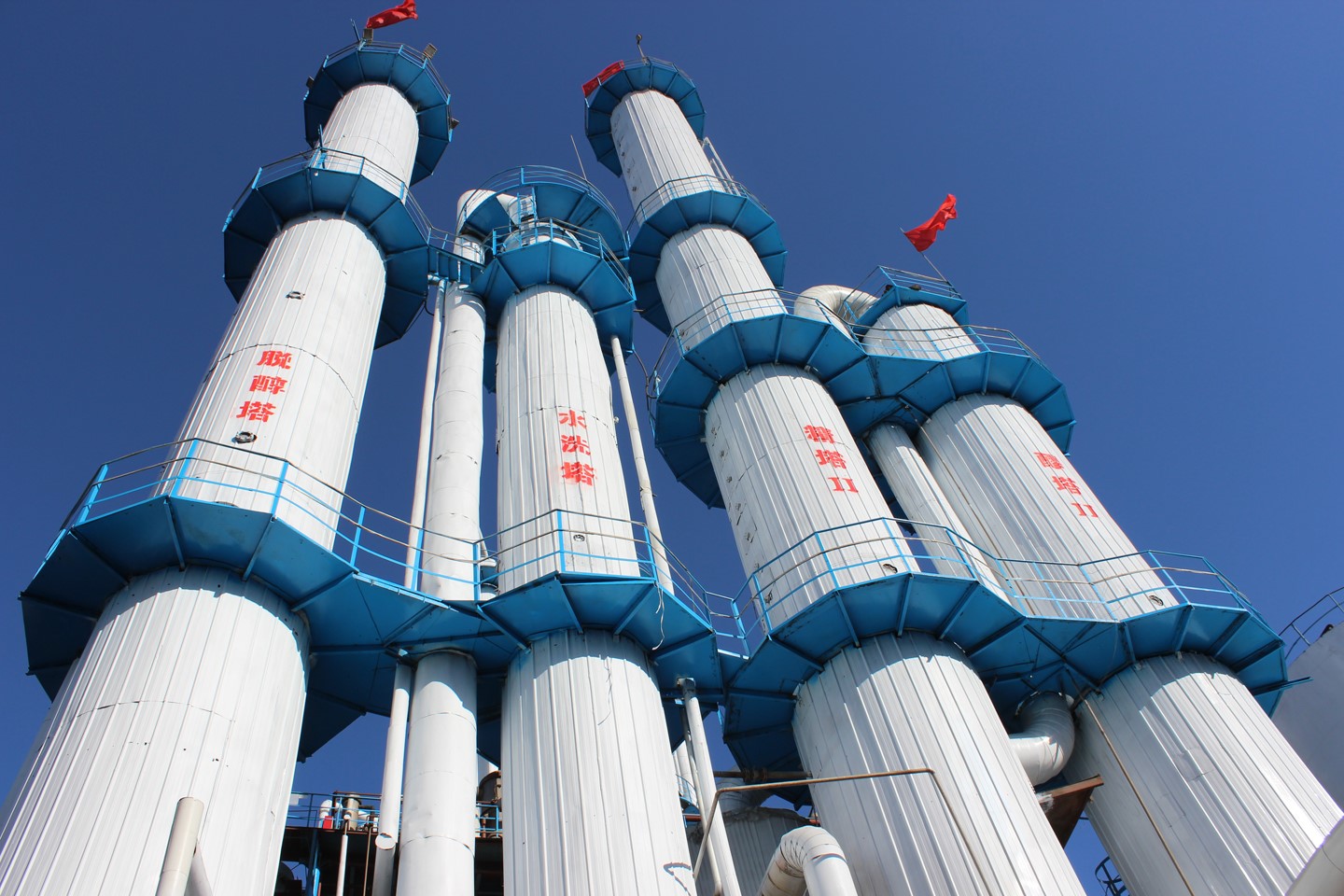
Using China's largest single spray drying tower from DACHUANYUAN, the neutralized protein slurry undergoes rapid moisture removal. This process maintains precise control over protein denaturation, density, and particle size distribution.
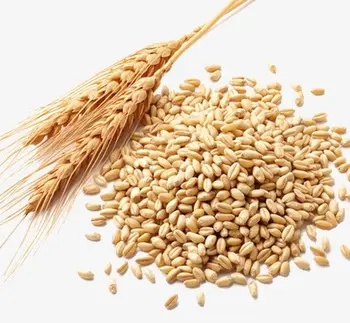
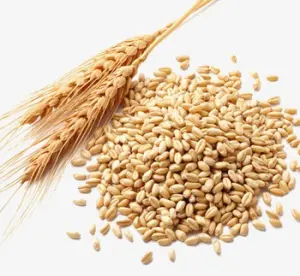
Under the broader umbrella of Xinrui Group (est. May 2003), we cultivate a industrial circular economy. Our parent organization operates dedicated wheat deep processing lines utilizing advanced Tri-Canter Separation Technology to process 500,000 tons of wheat flour annually into vital wheat gluten, wheat starch A, and wheat starch B. By-products from our processing lines, including starch B and pentosan, are directed into clean energy processes to generate ethanol and high-grade animal feed, establishing a closed-loop sustainable manufacturing environment.

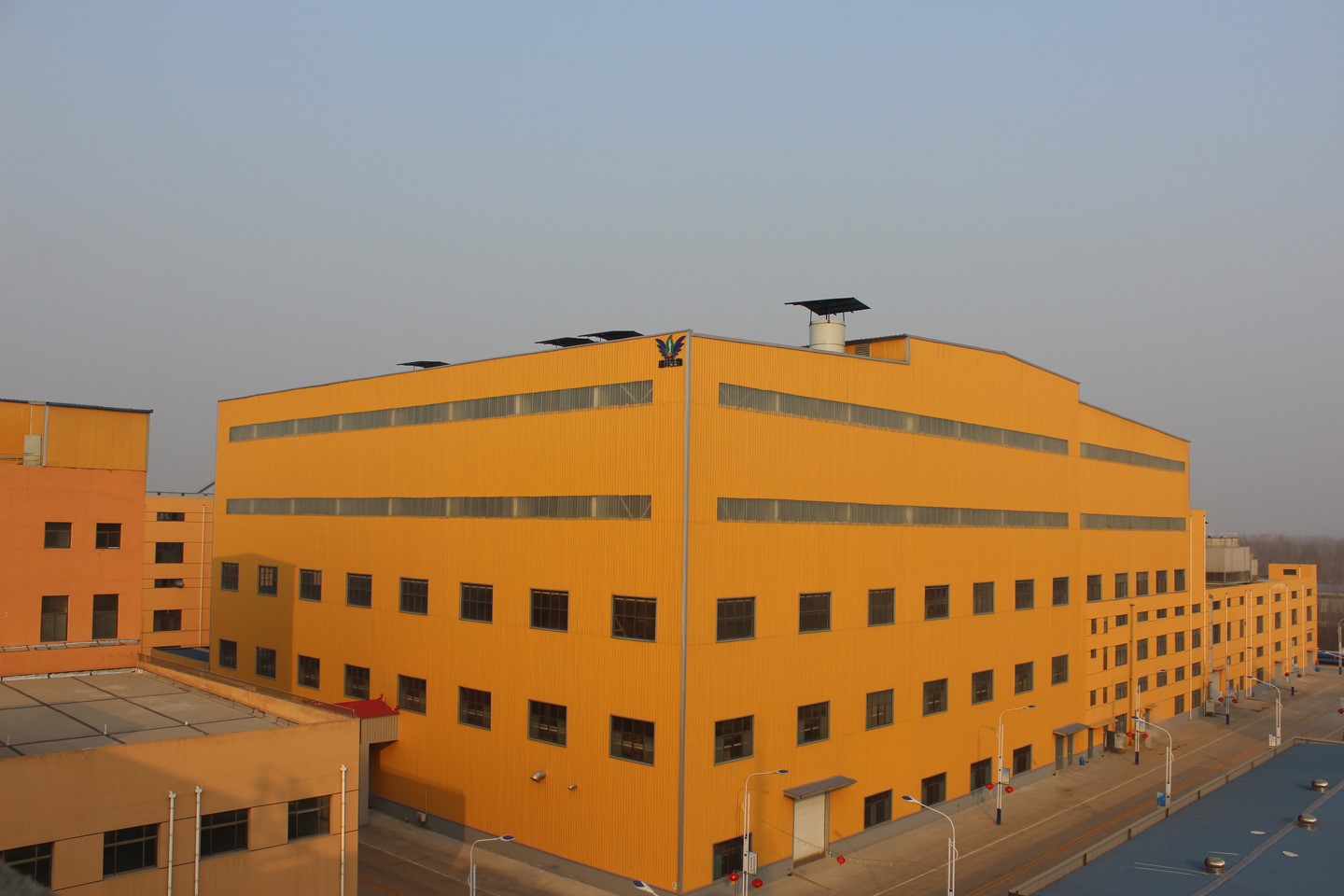
Figure 2: Overview of the integrated agricultural processing park spanning over 1,000 mu.
Different food formulations demand distinct functional attributes. Our specialized product ranges are tailored to meet these physical-chemical requirements directly in industrial lines:
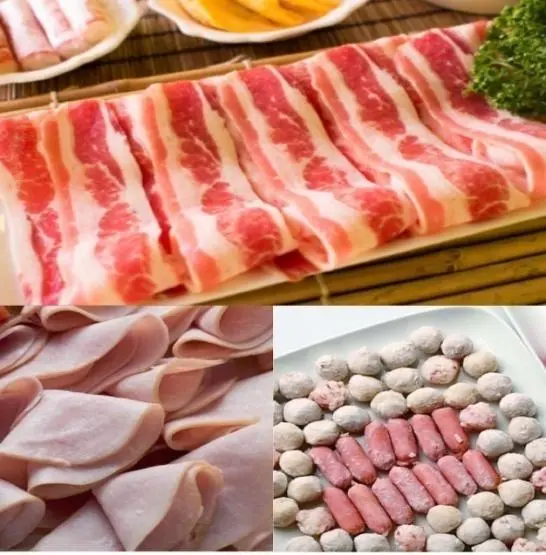
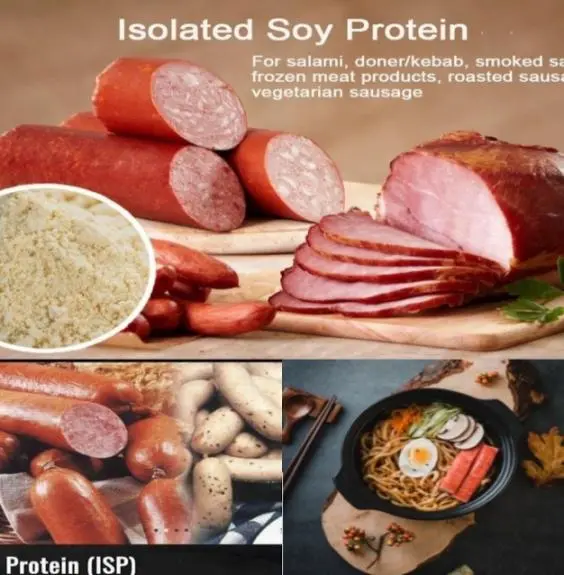
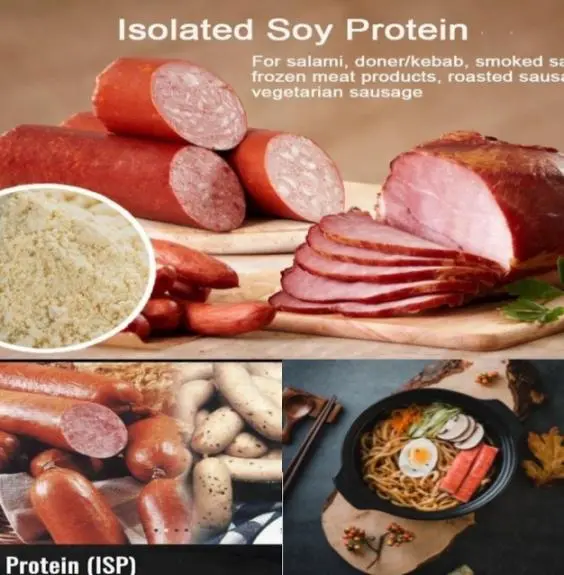
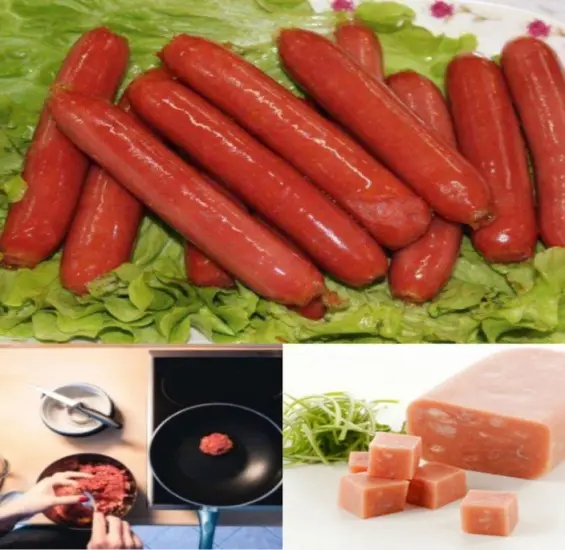
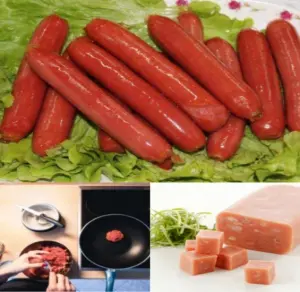
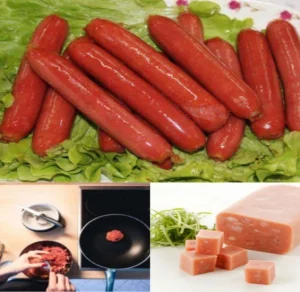
Types like 9007B-C, 9007B-A, and 9001BW/9001B-Y/9000 are engineered to establish robust water-binding and fat-emulsification matrices. These properties help manage purge loss, stabilize structures in processed meats, and maintain texture through cooking cycles.
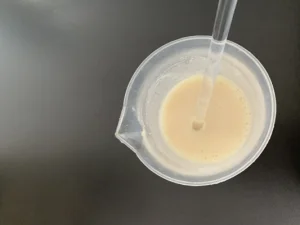
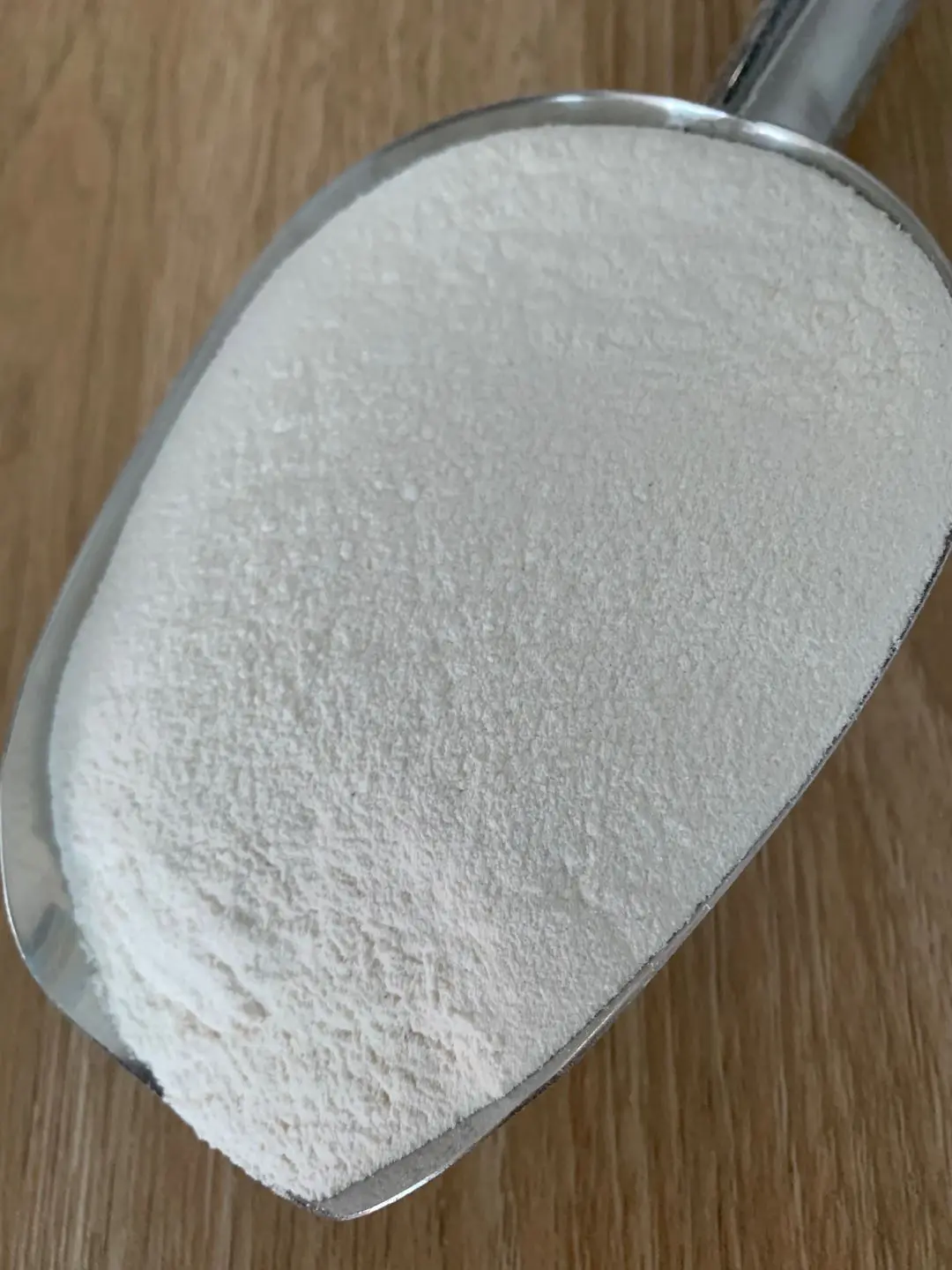
Our dispersion-grade proteins, including 9030 and 9032, are processed to dry into highly wettable powders. They disperse quickly under low shear, presenting minimal sedimentation, low viscosity profiles, and clean sensory properties.
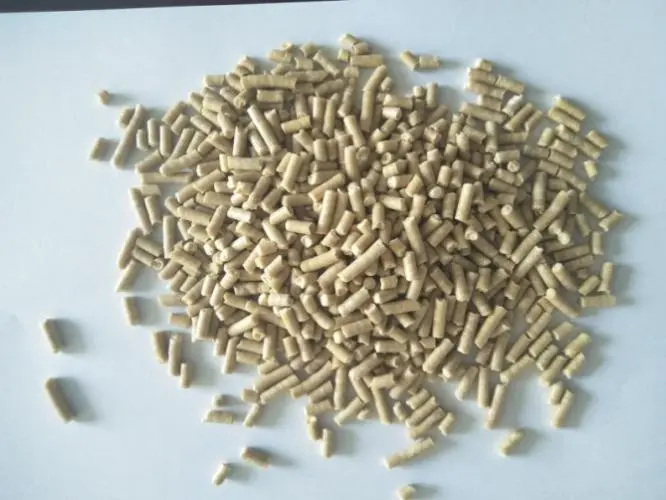
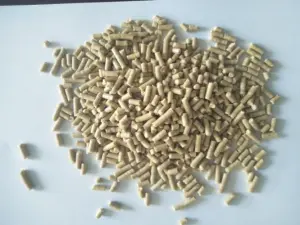
Designed for texturized systems, grades 9003B, 9003BA, and 9005B support gelling and water absorption. They provide structural cohesion for vegetarian applications, supporting the desired texture in meat-free alternatives.
As a major integrated trading group, Guanxian Ruichang Trading Co., Ltd. acts as our dedicated export engine, shipping over 60-70% of the Group's production output. Below is our complete lineup of plant proteins, starches, dietary fibers, and industrial derivatives:
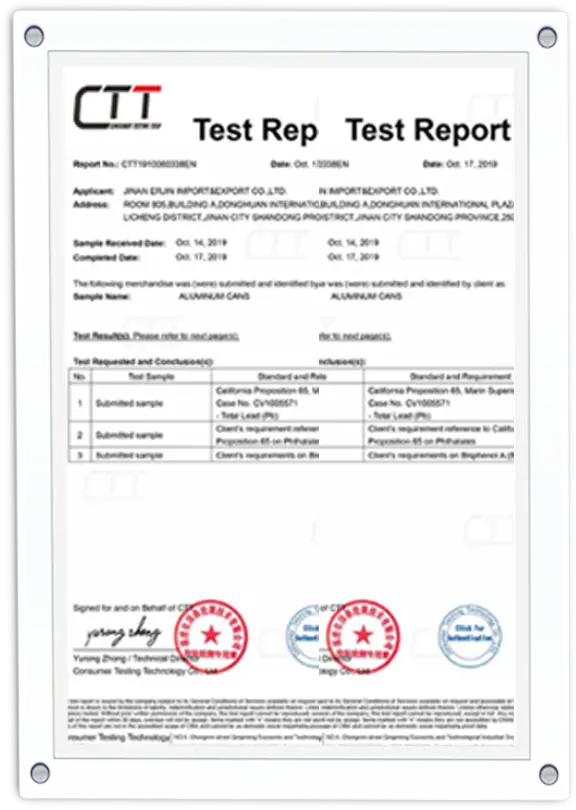
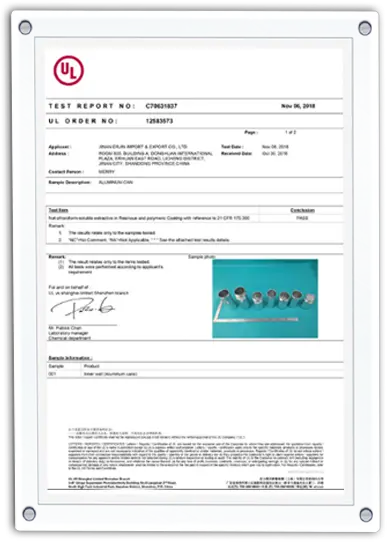
Our production processes maintain global regulatory standards. Through strict supply chain monitoring and regular independent auditing, we support traceabilty for all processing operations:
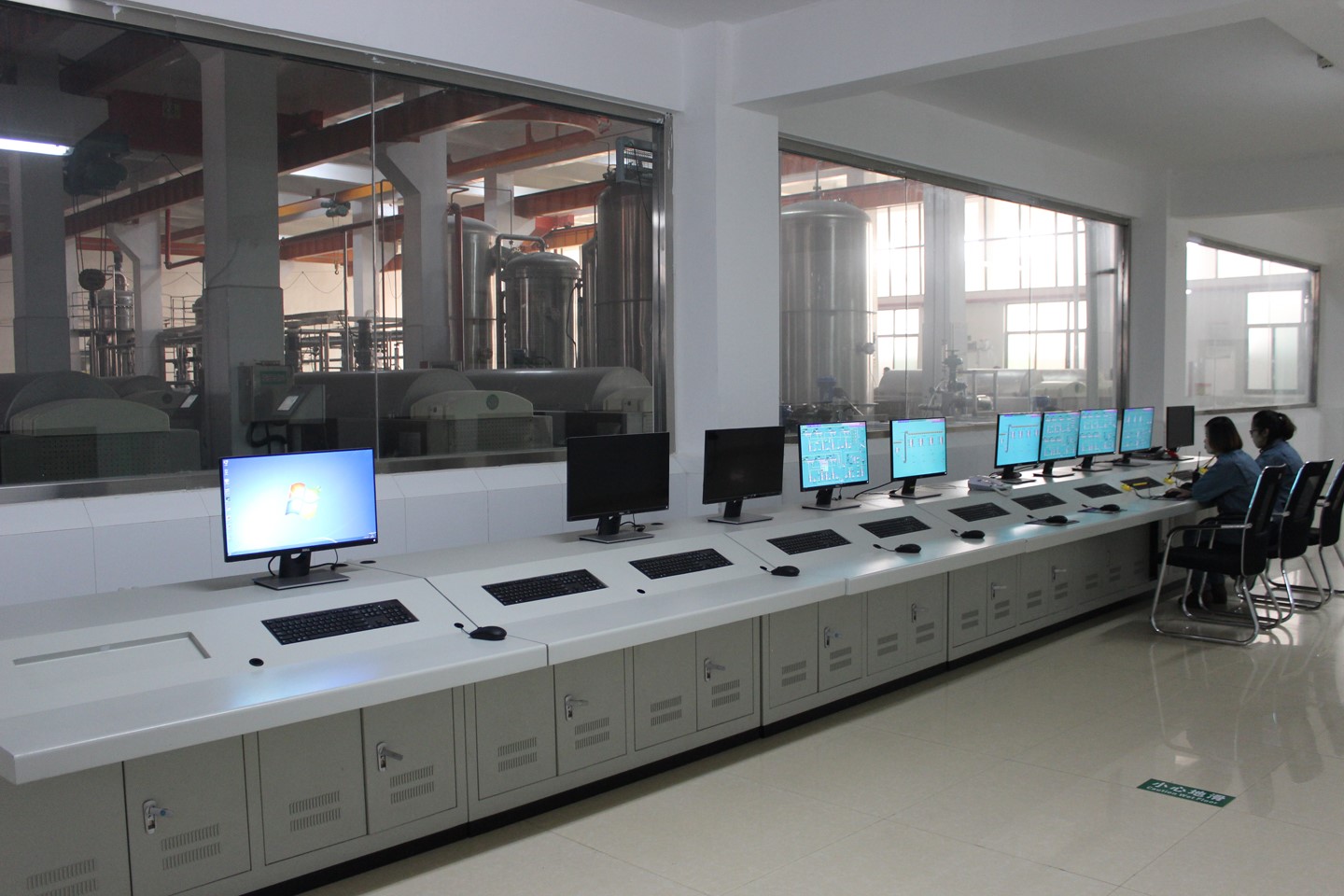
Review our production facilities, automation standards, spray drying towers, and packing floors through our operational video archives:
 Xinrui Group