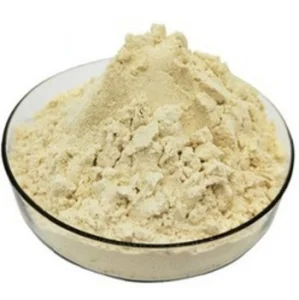
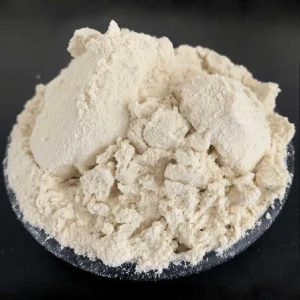
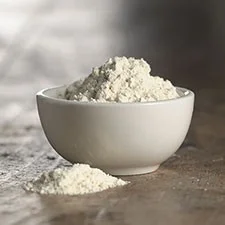
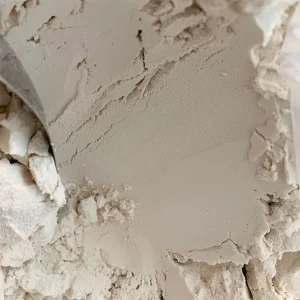
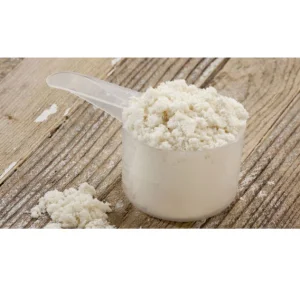
Premium raw functional proteins engineered for meat processing, dairy replacements, dispersion beverages, and structured vegetarian applications.
A comprehensive analysis of industrial demand, structural replacement, and supply chain strategies in the plant-based protein sector.
In the contemporary global food processing sector, the shift towards functional, high-purity ingredients is driven by two main forces: cost optimization and clean-label nutritional fortification. Isolated Soy Protein (ISP), containing over 90% protein dry basis, is the standard for high-performance plant protein ingredients. By separating the globulins (principally glycinin 11S and beta-conglycinin 7S) from fat and soluble dietary fibers, manufacturers obtain a clean ingredient with neutral taste, strong gel strength, and high water and fat retention properties.
In regions such as North America and the European Union, food manufacturers use ISP as a structural binder in plant-based meats. This mimics the fibrous texture of muscle tissue. In developing markets across the Asia-Pacific region, Latin America, and Eastern Europe, ISP is mainly used to optimize cost and quality in emulsified meat systems, functional beverages, and traditional foods like tofu. This hybrid demand has led to a major increase in global soy protein processing capacities, with a focus on reliable Non-GMO sourcing.
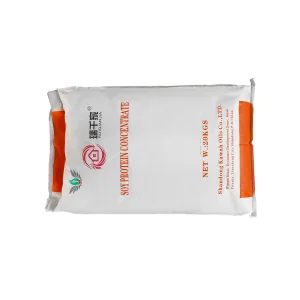
As a global leader in soybean deep processing, Shandong Kawah Oils Co., Ltd (a subsidiary of the Xinrui Group) operates the largest single spray-drying production line in China, using DACHUANYUAN technologies to supply consistent high-performance protein globally.
The manufacturing process of isolated soy protein determines its functional characteristics (solubility, gelation, viscosity, emulsion capacity). Standard processing uses low-temperature soybean meal flakes, which are extracted in a light alkaline solution (pH 7.2 - 8.5) to dissolve the proteins. This is followed by centrifugation to remove the insoluble fiber. The liquid is then adjusted to the isoelectric point of soy proteins (pH 4.5) using acid, causing the proteins to precipitate out of the whey. This precipitate is washed, neutralized with sodium hydroxide to pH 6.8 - 7.2, and spray-dried.
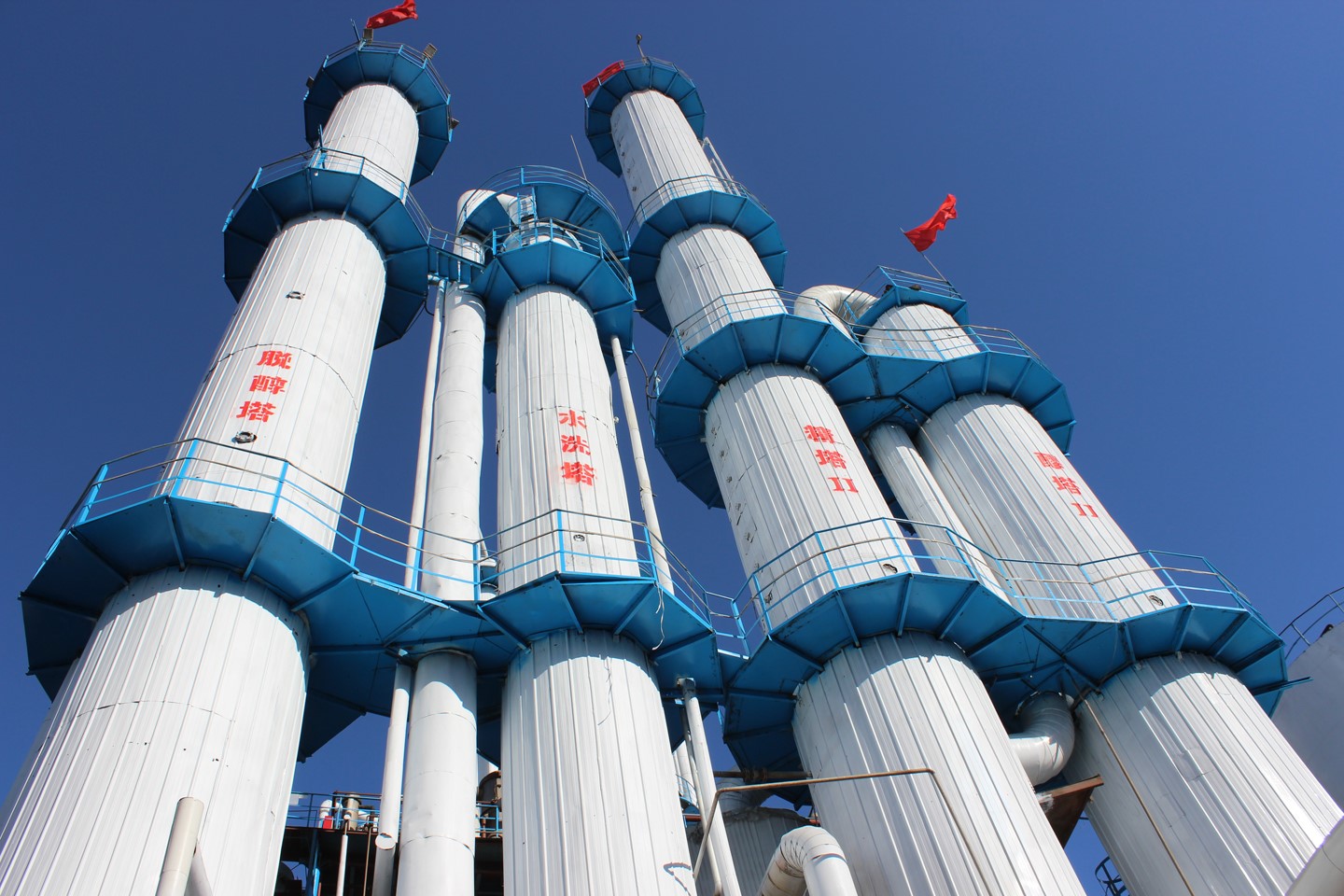
Shandong Kawah Oils Co., Ltd has optimized this process using state-of-the-art spray drying systems from DACHUANYUAN. This system prevents high thermal degradation, allowing Kawah Oils to control the balance of 7S and 11S proteins. This balance is critical because the 11S globulin contains disulfide bonds that form strong, rigid gels upon heating, whereas the 7S globulin is responsible for emulsification. Controlling this ratio allows for specialized grades such as the 9001BW Meat Type, 9500 Emulsion Type, 9020 Injection Type, and 9030 Beverage Dispersion Type.
A look at our fully integrated circular economy, raw material sourcing, and advanced industrial capabilities.
Founded in 2007 with registered capital of 100 million Yuan, Guanxian Xinrui Industrial Co., Ltd. (formerly Guanxian Ruixiang Biotechnology Development Co., Ltd) operates an advanced wheat deep-processing circular economy. Processing 500,000 tons of wheat flour annually, the facility uses tri-canter separation technology to produce high-purity vital wheat gluten and wheat starch (A and B grades). Starch B and pentosan are recycled for ethanol and animal feed production, creating a closed-loop system that reduces waste and lowers energy costs.
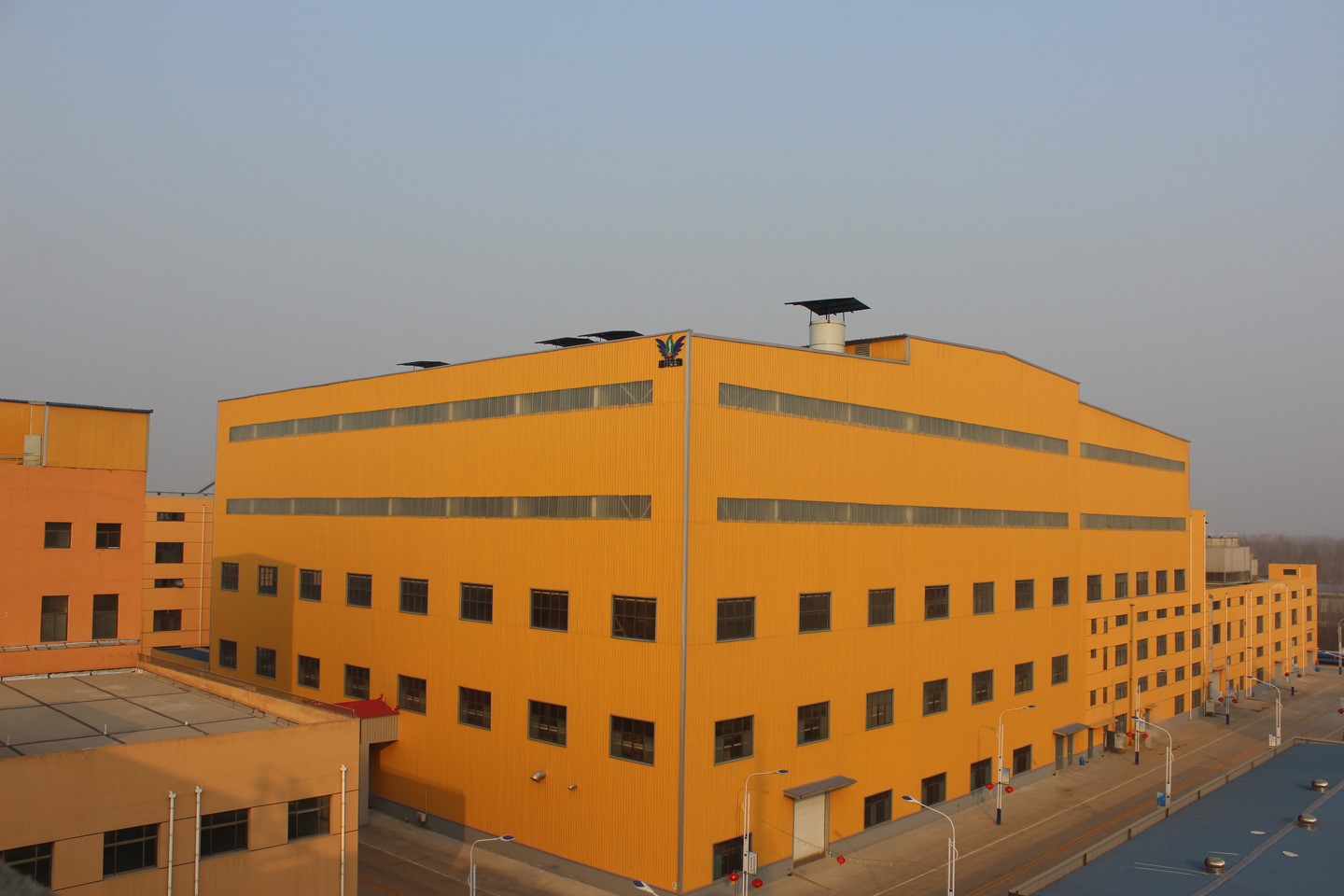
Established in 2014 with 120 million Yuan registered capital, Shandong Kawah Oils Co., Ltd. processes 180,000 tons of Non-GMO soybeans annually. We control the supply chain from raw seeds at our planting bases to the finished protein powder. Using domestic Non-GMO soybeans, Kawah Oils processes low-temperature meal flakes, crude oil, isolated soy proteins, and dietary fibers. This scale provides a reliable supply of raw material for our protein isolate spray-drying towers.
Direct export logistics are managed by our trading arm, Guanxian Ruichang Trading Co., Ltd. (founded in 2011, 6 million Yuan registered capital). Exporting directly to overseas destinations, the trading arm handles over 60%-70% of the group's total production capacity. This ensures direct communication, simplified documentation, and strict quality control from factory to container loading.

Engineered soy protein solutions tailored to regional food preferences, processing technologies, and economic criteria.
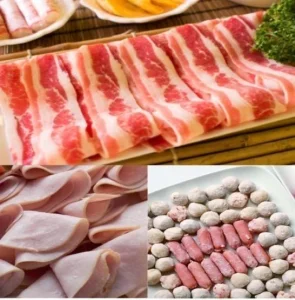
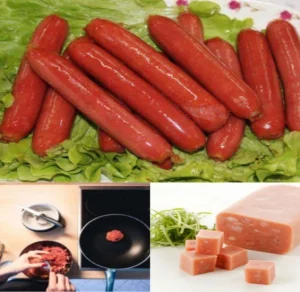
Commonly applied in European frankfurters, Asian meatballs, and Latin American sausages. High-emulsification isolates (like 9500 or 9007B-C) form stable oil-in-water matrices that retain fat and moisture during pasteurization or sterilization, maintaining bite and reducing cook-out loss.
For vegetarian patties, vegan nuggets, and high-moisture meat alternatives. Structuring isolates (like 9003B and 9003BA) are combined with vital wheat gluten to form cross-linked fiber systems. This mimics the mouthfeel and bite of animal proteins.
For premium hams and cooked poultry. Injection type isolates (such as 9020, 9026, and 9028) are designed for low viscosity in cold brines. They pass easily through multi-needle systems without clogging, dispersing evenly inside the meat to improve tenderness and yield.
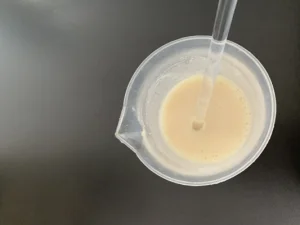
For nutritional shakes, infant formulas, and powdered functional mixes. The dispersion type 9030 is modified to dissolve quickly in water with low viscosity and high solubility across a range of pH levels, preventing sedimentation.
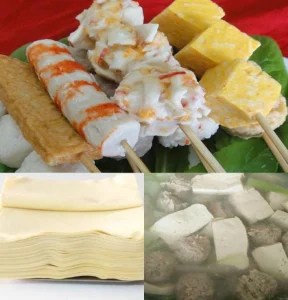
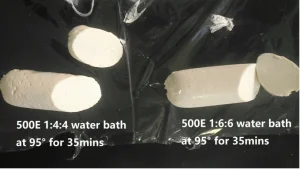
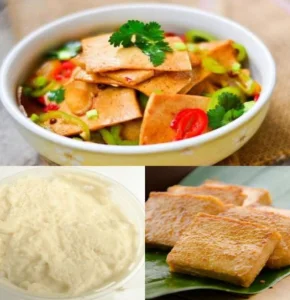
Used to standardize yield and gel firmness in traditional tofu, bean curd skin, and vegetarian snacks. Gel-type isolates like 9005B provide consistent gel strength regardless of variations in local soybean crops.
Integrating Non-GMO Functional Soy Protein Concentrate and Soy Dietary Fiber (SDF) in high-fiber breads, dietetic biscuits, and clinical nutrition formulas to improve crumb structure and shelf-life through moisture management.
Explore our certified facilities, quality standards, and processing capabilities via our factory video tour.
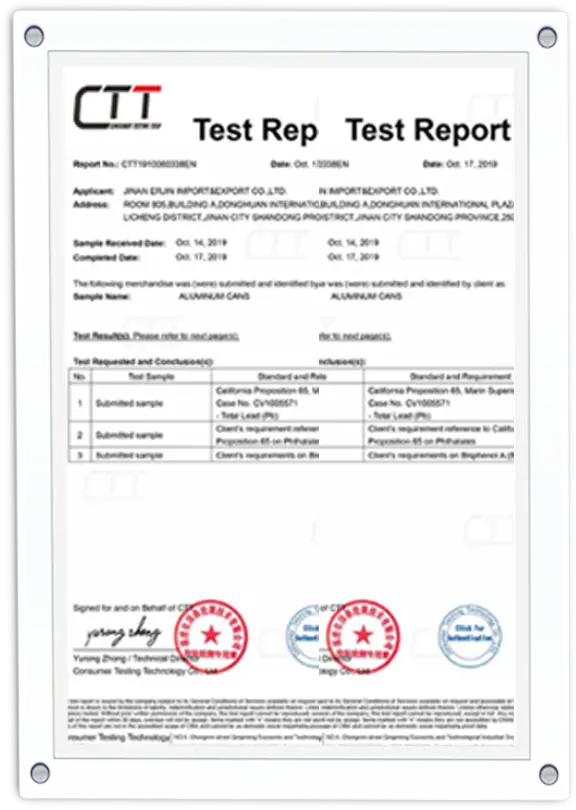
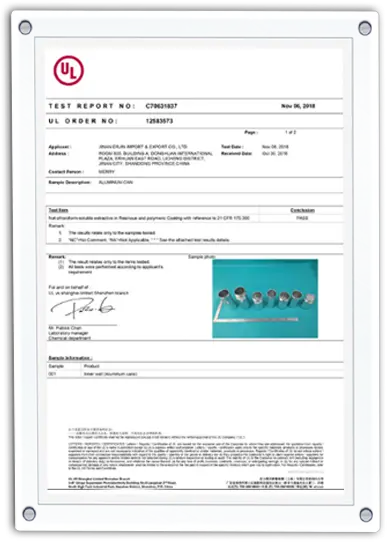
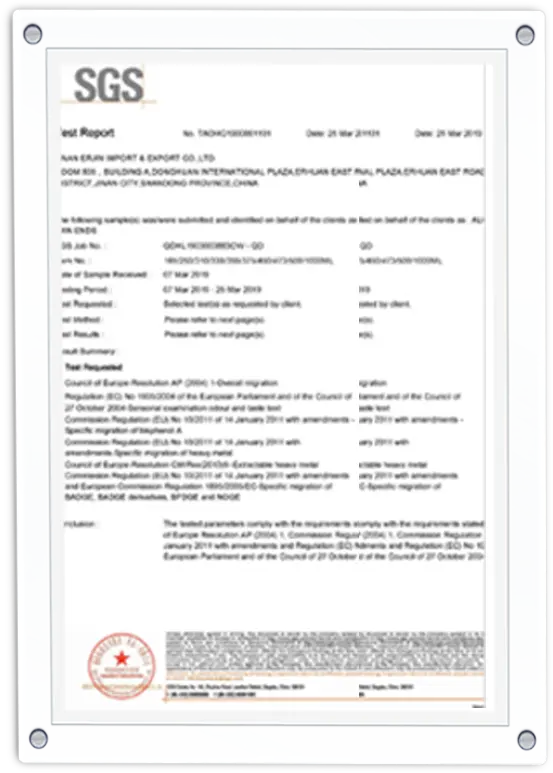
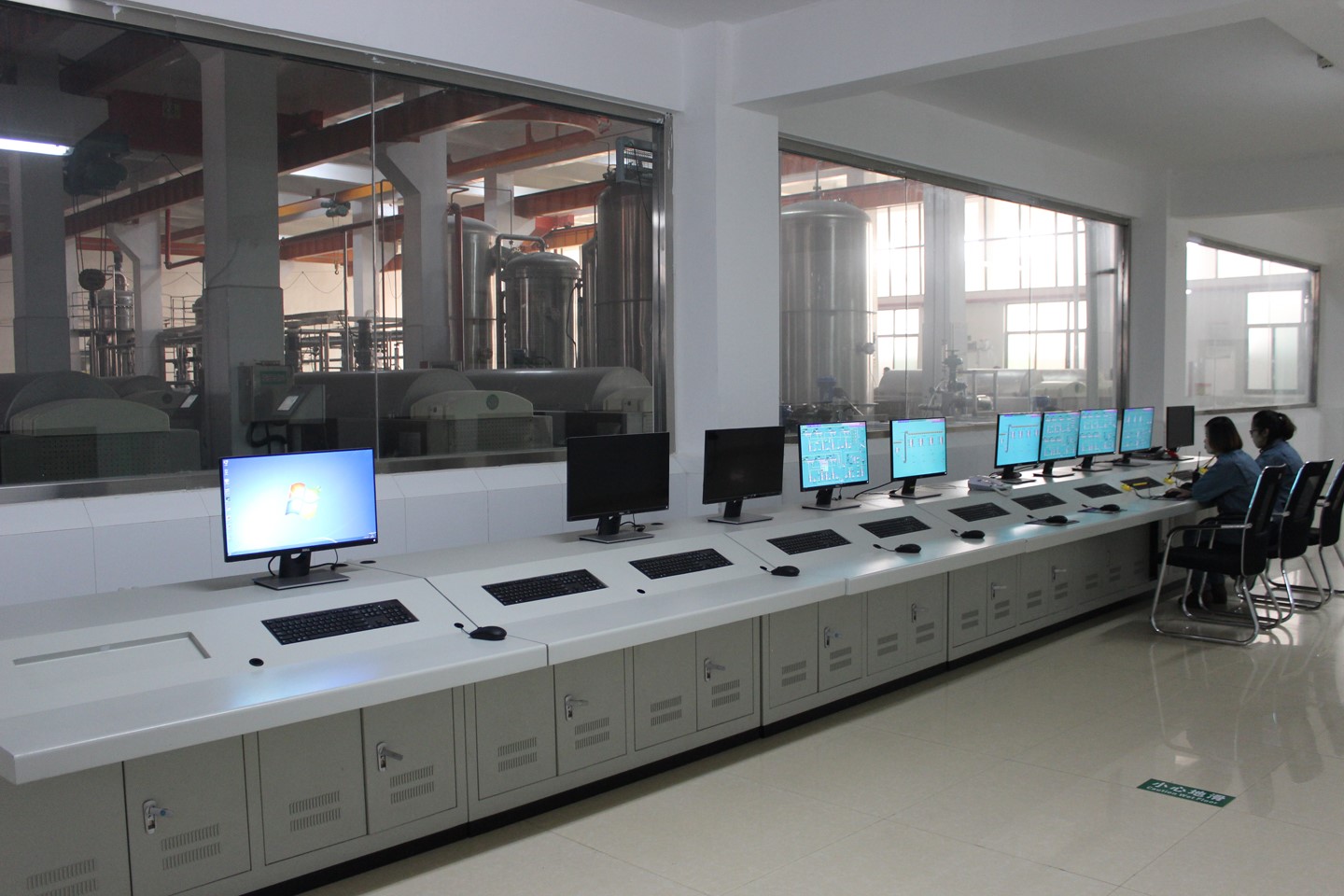
Watch our production lines in action: from wheat flour separation and low-temperature soybean extraction to our spray-drying towers and final packaging.
Developing next-generation protein matrices to meet evolving nutritional standards and clean label requirements.
B2B protein buyers are moving beyond simple protein content. Research focuses on physical and enzymatic modifications to optimize protein functionality. Kawah Oils is developing specialized enzymatically hydrolyzed isolates. Using food-grade endopeptidases, we alter the protein structure to expose hydrophobic groups. This improves emulsification capacity in acidic beverages and low-fat meat emulsions, while reducing the typical beany flavor notes.
Consumer demand for clean labels is changing isolation technologies. Membrane filtration, including ultrafiltration (UF) and microfiltration (MF), is being researched as a replacement for standard acid-precipitation. Membrane isolation processes soy proteins without altering the pH, retaining the protein's native state. This yields isolates with higher solubility and superior water-binding capacity. This process also reduces mineral waste streams, aligning with our circular economy goals.
Our circular model integrates co-generation plants, municipal heating, and industrial gas supply with raw wheat and soybean processing. By utilizing waste starch streams (Wheat B-starch) and pentosan for ethanol production, and reusing steam from our cogeneration plant, we lower energy consumption across our isolation facilities. This vertical integration helps stabilize costs and protects B2B buyers from energy price fluctuations.
Get answers to common technical, logistics, and processing questions from our engineering and commercial teams.
Premium functional proteins engineered for meat processing, dairy replacements, dispersion beverages, and structured vegetarian applications.
 Xinrui Group