Explore our main industrial configurations, from injection-grade proteins to specialty emulsion and beverage-dispersion isolates manufactured under strict non-GMO IP protocols.
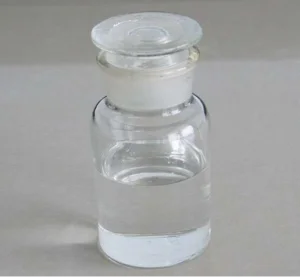
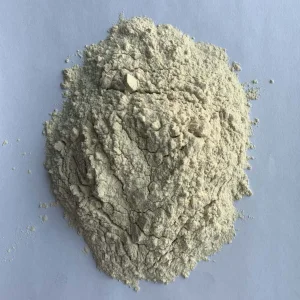
Established in May 2003, Xinrui Group has evolved into a highly diversified agro-industrial giant spanning an area of more than 1,000 mu. Under its corporate umbrella, the group runs integrated power generation, urban heating, gas utilities, and large-scale plant protein processing infrastructures. Today, Xinrui Group boasts an annual output value of 2.8 billion Yuan, powered by two massive industrial units: Guanxian Xinrui Industrial Co., Ltd. (formerly Guanxian Ruixiang Biotechnology Development Co., Ltd) and Shandong Kawah Oils Co., Ltd.
Established in 2014 with 120 million Yuan registered capital, Kawah Oils processes 180,000 tons of domestic NON-GMO soybeans annually. Embodying our "circular agriculture" model, the plant operates a cascade extraction system, generating soy oil, low-temperature food-grade soybean meal, high-purity isolated soy protein (ISP), and soy dietary fiber step-by-step.
Featuring the world-class DACHUANYUAN spray drying tower system, Kawah Oils hosts the largest single isolated soy protein production line in China, yielding over 50,000 tons of high-performance ISP annually.
Founded in 2007 with 100 million Yuan registered capital, this processing plant handles 500,000 tons of wheat flour per year. Using cutting-edge tri-canter wet separation technology imported from Europe, it extracts vital wheat gluten (30,000 tons annually) and premium wheat starch (Grades A & B).
Our wheat processing ecosystem forms a closed-loop zero-waste loop. The secondary starch (Starch B) and pentosan are recycled directly into our high-grade industrial ethanol plant (producing 95% & 96% superior grade ethanol) and animal feed, maximizing resources and reducing ecological footprint.

Advanced Plant Separation Infrastructure
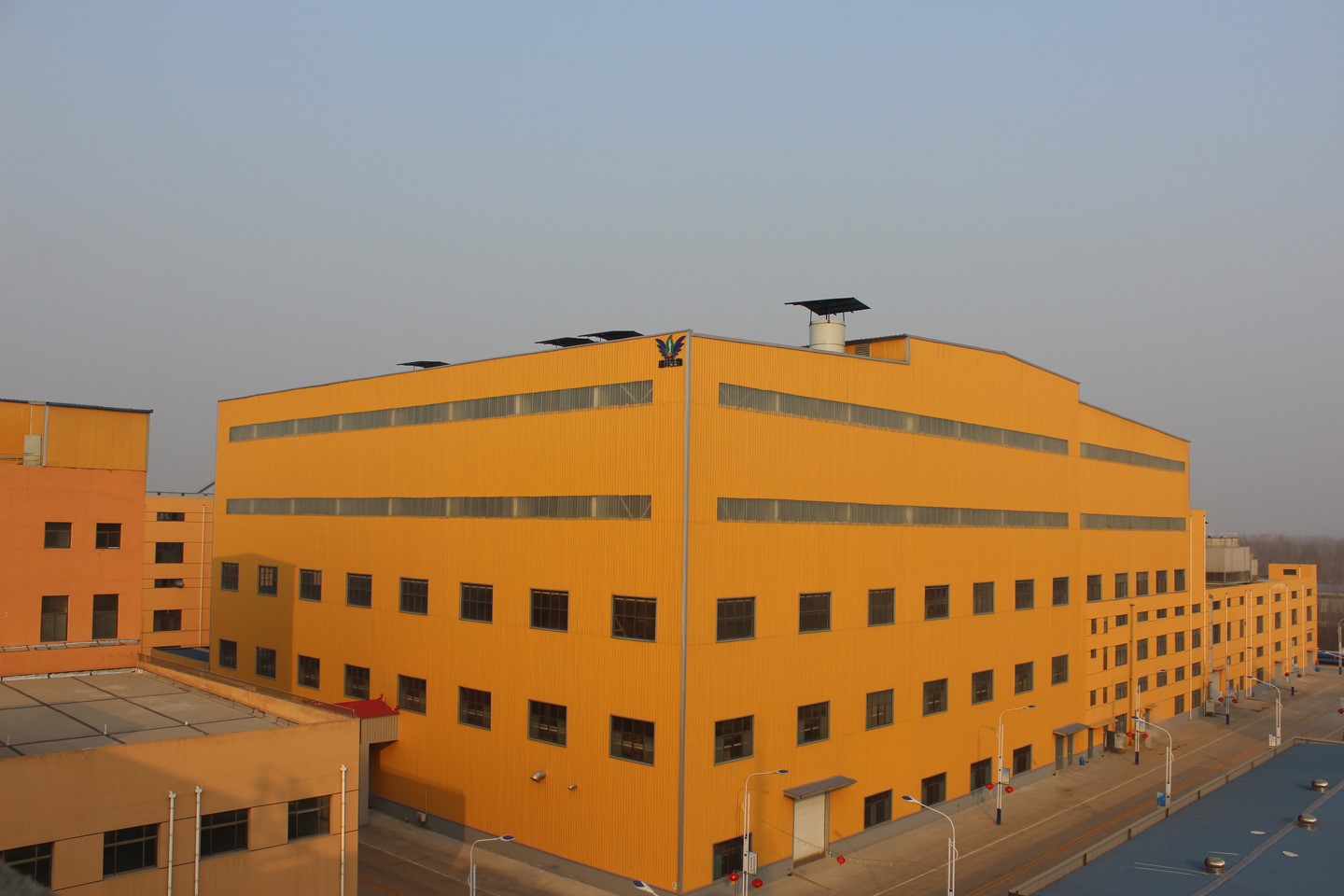
Central Storage & Extraction Terminals
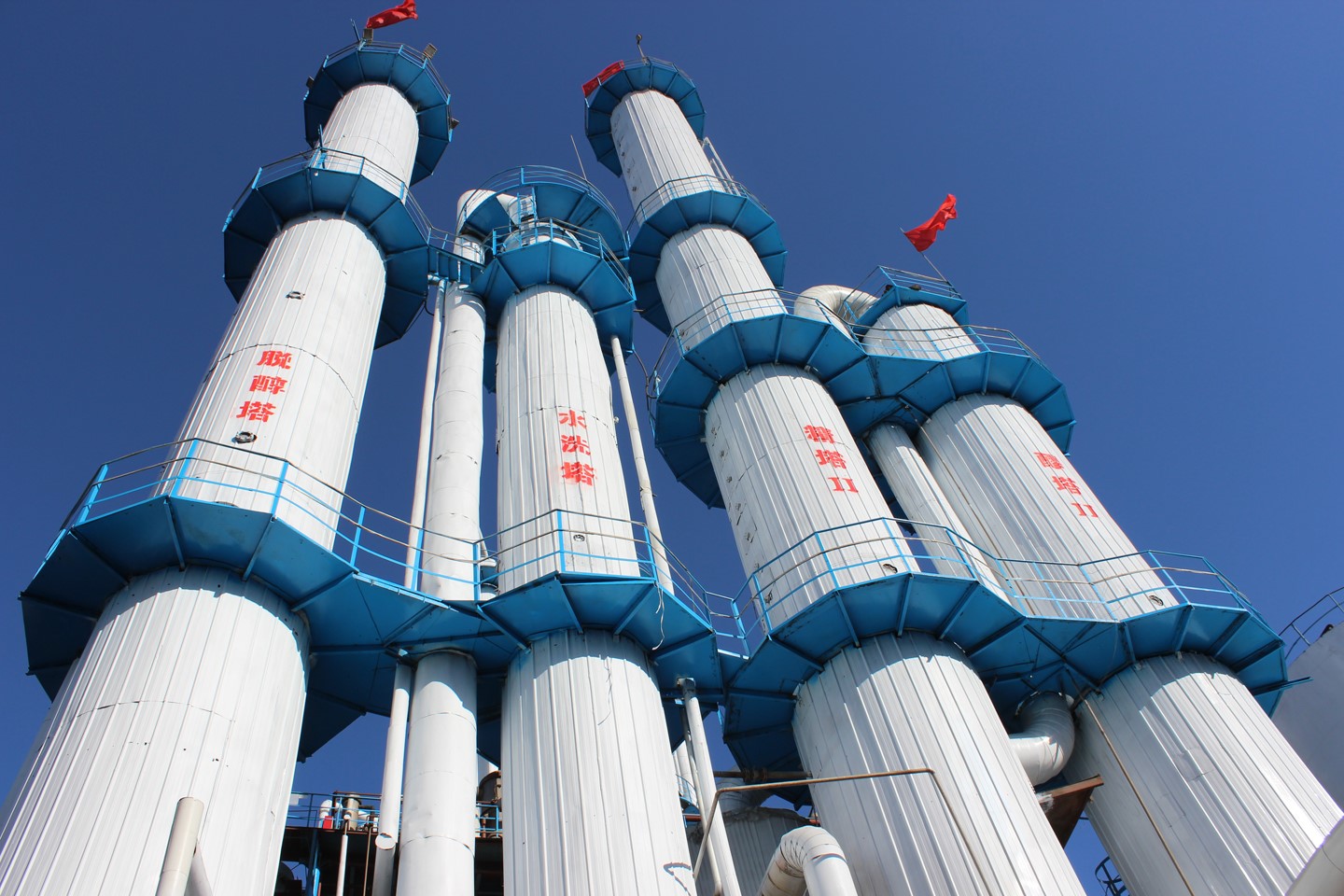
Soybean Extractors & Low-Temp Meal Silos
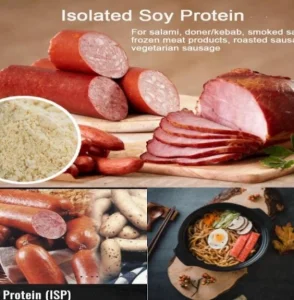
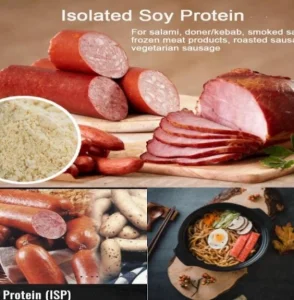
Isolated Soy Protein (ISP) has transitioned from a standard meat binder to a foundational functional driver of the global food transition. As global consumer demand surges for clean-label plant protein, plant-based dairy alternatives, and high-protein sports nutrition, food manufacturers are increasingly targeting high-functionality isolates. These products must deliver a minimum dry-basis protein content of 90% while satisfying strict non-GMO parameters and sensory properties (color, odor, texture).
| Product Category | Protein Content (Dry Basis) | Principal Functional Roles | Primary Industrial Applications |
|---|---|---|---|
| Isolated Soy Protein (ISP) | ≥ 90.0% | High Emulsification, Strong Gelation, Water/Fat Binding, Variable Viscosity | Meat Processing, Injected Hams, Tofu, Vegetarian Analogs, Beverages, Infant Formula |
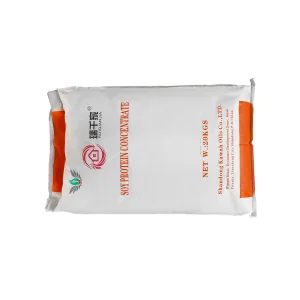
| Functional Soy Protein Concentrate | ≥ 65.0% - 70.0% | Moderate Water Absorption, Good Fiber Matrix Strength | High-Moisture Extrusion, Texturized Plant Meats, Bakery, Pet Nutrition |
| Vital Wheat Gluten (VWG) | ≥ 75.0% - 82.0% | Viscoelasticity, Extensibility, Water Absorption, Dough Strength | Baking (Bread, Noodles), Feed Formulations, Texturized Vegetarian Meat Bases |
| Soy Dietary Fiber (SDF) | ≥ 65.0% - 75.0% (TDF) | Moisture Retention, Viscosity Adjustment, Intestinal Health | Dietary Fibers, Low-Carb Foods, Processed Meats, Weight Management Powders |
North American and European meat processing industries are facing a growing demand for cost-effective functional binders. Concurrently, fast-growing plant-based meat markets in APAC demand localized isolates with precise gelatinizing profiles to mimic animal myofibrillar structures. As an industry-leading manufacturer, Xinrui Group supplies target-spec raw materials that enable global blenders to formulate stable emulsions, stable meat injection solutions, and premium-yield vegetarian applications.
By leveraging an integrated industrial model, we mitigate the volatility of agricultural commodity price swings. The energy needed for our protein extraction is supplied by our own cogeneration plant, while byproduct fibers and wastewater starch feed our ethanol distillery. This highly circular design allows us to maintain stable, competitive pricing for our international clients even during global supply chain disruptions.
Our high-purity protein extraction follows a precise technological path designed to maximize protein yields while preserving native molecular structures for optimal functionality (NSI/Gelation).
Soluble globulins (7S & 11S) are extracted from low-temperature defatted soy flakes under precise pH (7.5–8.5) and temperature controls.
Using advanced high-speed decanters to isolate insoluble soy dietary fiber from the protein-rich liquid supernatant.
Adjusting the pH to 4.5 (isoelectric point) with acid to precipitate the target proteins, followed by water washing and neutralization.
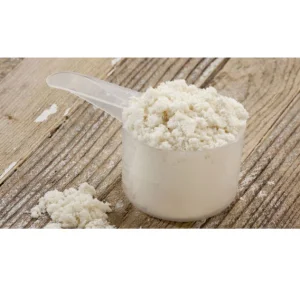
Instantaneous flash-pasteurization followed by atomization in the spray drying tower to yield ultra-fine, highly soluble ISP powder.
The core structural and functional properties of Isolated Soy Protein—such as gel strength and emulsification—are governed by the ratio of 7S (conglycinin) and 11S (glycinin) proteins. The 11S globulin contains more cysteine residues, which form strong intermolecular disulfide bonds during thermal gelation. Our extraction process is finely calibrated to preserve these proteins, producing high-gel-strength isolates like the 9007B-A and 9007B-C, which form elastic, resilient protein gels upon heating.
By operating China's largest single-line DACHUANYUAN spray drying tower, we achieve uniform particle size distribution. This micro-atomization minimizes thermal degradation, preserving the protein's native state. The result is a powder with a high Nitrogen Solubility Index (NSI), offering rapid dispersion and hydration without clumping—critical parameters for high-throughput beverage and injection applications.
Every regional market has distinct processing equipment and sensory standards. Our isolated soy protein portfolio features multiple tailored grades engineered to excel across a wide range of industrial applications.
Primary Grades: 9007B-A, 9007B-C, 9500
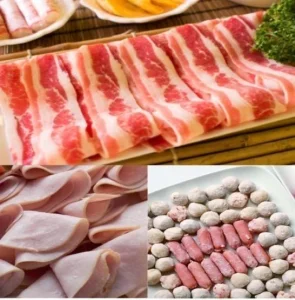
Designed for sausages, frankfurters, and meatballs. These grades form a stable emulsion with fat and water that survives thermal processing and shearing. They improve yield, reduce cooking losses, and provide a firm, meat-like bite by mimicking animal proteins.
Primary Grades: 9020, 9026, 9028
Formulated for high-yield cured hams and poultry. These proteins dissolve rapidly in brine to form a low-viscosity solution that passes easily through multi-needle injectors without clogging. Once injected, they bind free moisture to improve sliceability and succulence.
Primary Grades: 9003B, 9003BA, 9005B
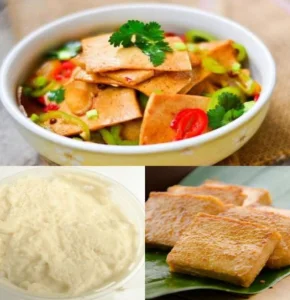
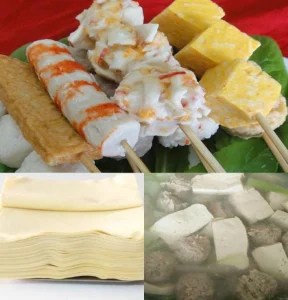
Ideal for plant-based burgers, patties, nuggets, and traditional tofu. These proteins offer a balanced blend of gelling strength and fiber-binding capacity. They help build a fibrous, satisfying chew and hold together plant-based meat matrices during grilling or frying.
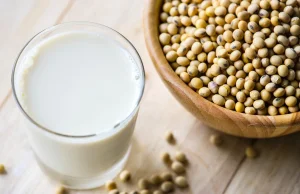
For protein-fortified ready-to-drink (RTD) beverages, dry-mix protein powders, and plant-based milk alternatives, viscosity control and suspension stability are critical. Our specialized dispersion isolates, 9030 and 9032, are processed to reduce viscosity under high shear. This allows manufacturers to formulate beverages with up to 8% protein content that remain smooth, clean-tasting, and free of sandiness or sedimentation.
In a volatile global logistics landscape, reliable supply chain management is just as important as product quality. Xinrui Group's vertically integrated business model, combined with dedicated transport channels, ensures a reliable, continuous supply of plant proteins for our global partners.
Through our dedicated agricultural program, we secure high-quality domestic non-GMO soybeans and wheat from selected regional growers. Crucially, Guanxian Ruichang Trading Co., Ltd. serves as our group's in-house international trade team. By integrating production with direct export capabilities, we bypass third-party brokers. This direct model ensures full cargo traceability, protects raw material quality during handling, and lowers transshipment costs.
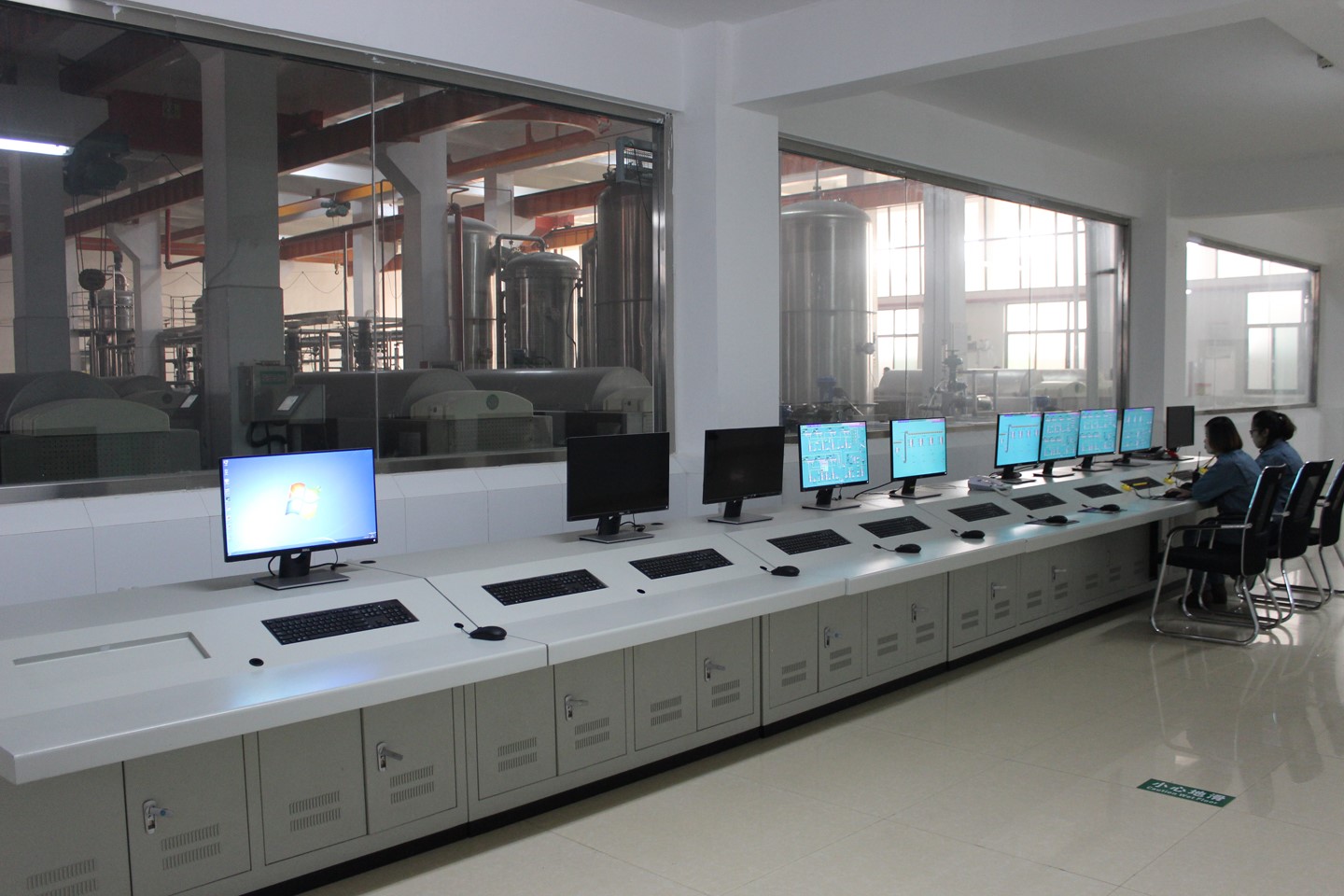
Group Raw Material Silos and Dynamic Logistics Terminals
Our Guanxian processing hub operates a highly integrated circular loop. High-capacity steam and electrical power are generated by our on-site cogeneration facility. The water and energy used for soybean extraction and wheat washing are recycled across plants. For example, starch residues are diverted to our industrial ethanol distillery. This self-contained utility system insulates our operations from external energy grid fluctuations, keeping our manufacturing processes stable and cost-efficient year-round.
Watch our production lines in action, tour our spray drying towers, and explore our quality control laboratories through these recorded video walk-throughs.
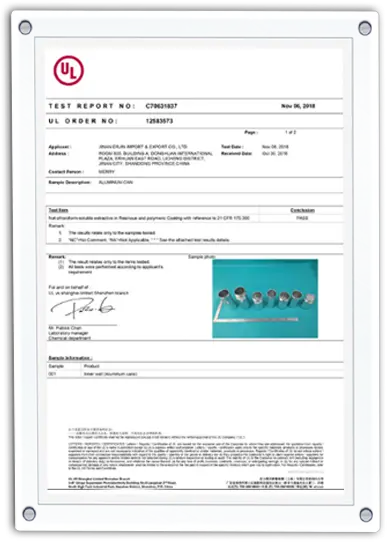
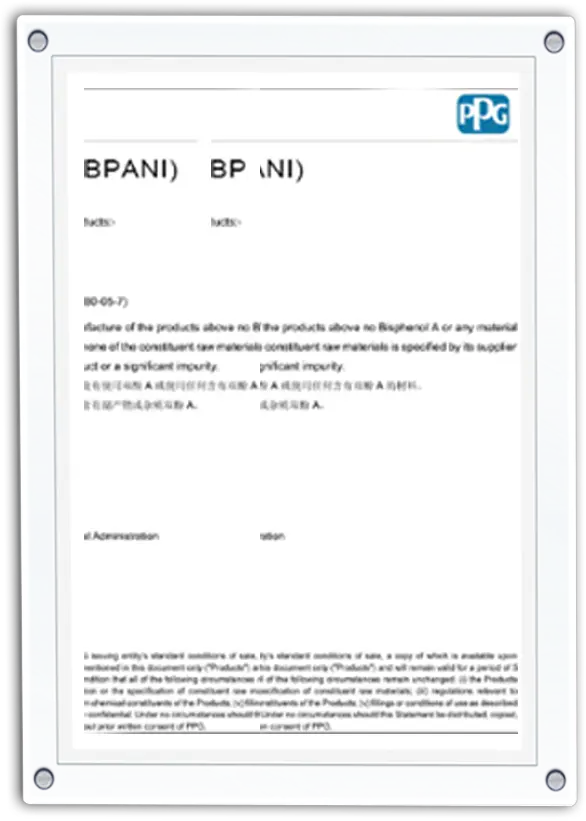
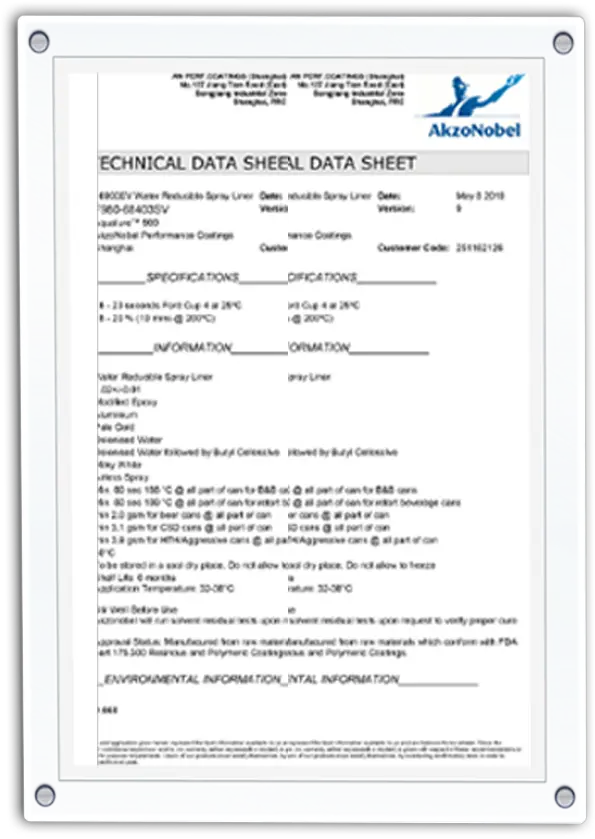
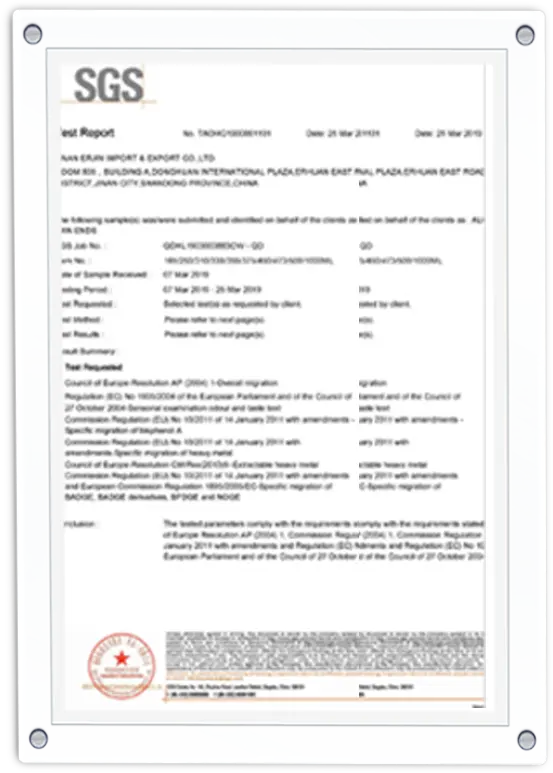
We manufacture all ingredients under strict international quality guidelines. This ensures every batch meets global safety standards, religious dietary requirements, and non-GMO identity preservation (IP) protocols.
We source our raw materials exclusively from designated Non-GMO planting bases. Our raw materials are tested using PCR assay kits to confirm the absence of genetically modified DNA prior to processing. Our strict Identity Preservation (IP) system maintains batch segregation throughout storage, milling, chemical extraction, and packaging. This gives food manufacturers full traceability and peace of mind.
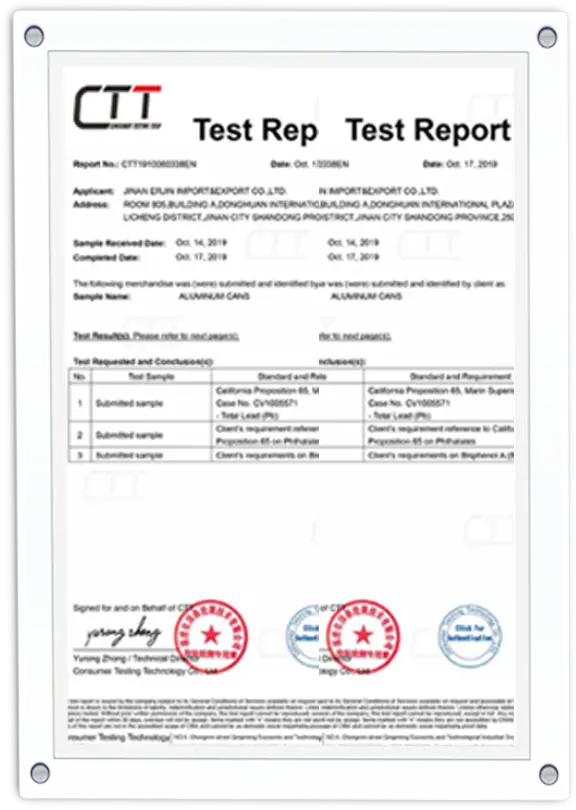
Our plants operate under comprehensive HACCP food safety systems. Our product portfolio is fully certified to meet the standards of major global markets, allowing for seamless custom clearance. Our primary certifications include:
Find answers to common questions about our corporate structure, production capacity, and ordering logistics.
Explore our range of specialty wheat starches, soy fibers, and functional concentrates designed to optimize texture and viscosity in your food formulations.
 Xinrui Group