 Xinrui Group
Why Injection-Grade Isolated Soy Protein (ISP) is Essential for High-Yield Meat Processing
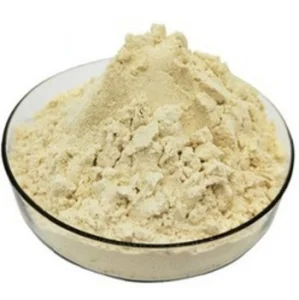
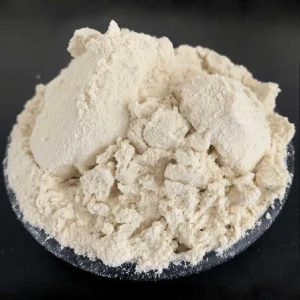
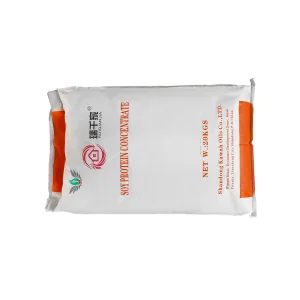
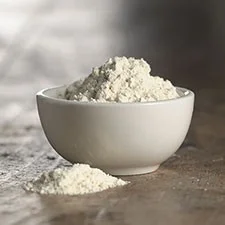
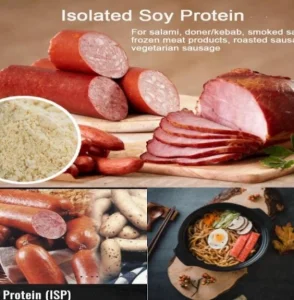
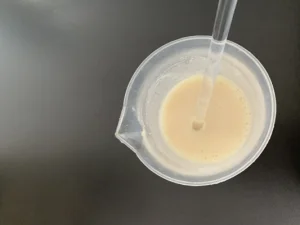
In modern industrial meat processing, maximizing production yields while maintaining optimal product texture, color, and consumer appeal is a critical balancing act. Injection-grade Isolated Soy Protein (ISP), specifically formulations like 9020, 9026, and 9028, acts as a primary technological additive. Unlike standard emulsion-type soy proteins, which swell rapidly and build high viscosity in water, injection-grade ISP is engineered to display rapid dispersion, low cold viscosity, and delayed hydration.
When meat processors formulate brines (containing water, salt, phosphates, and curing agents), adding standard soy proteins results in a thick paste that cannot pass through fine injector needles. Our injection-grade isolates are manufactured with advanced enzymatic modification, which hydrolyzes the macromolecular protein structures just enough to reduce cold-solution viscosity without sacrificing the gel-forming ability of the protein when exposed to heat.
The Mechanism of Action in Brine Injection
During the injection process, the soy protein must disperse completely in the liquid carrier, remaining suspended without sedimentation. Once injected into the muscle tissue of pork, beef, or poultry, the protein works in tandem with the natural myofibrillar proteins of the meat. During the subsequent tumbling or massaging phase, the soy protein penetrates deep into the muscle fiber junctions.
When the meat undergoes thermal processing (cooking/pasteurization), the isolated soy protein denatures and forms a three-dimensional gel network. This network traps water molecules, reducing drip loss in vacuum packaging and significantly enhancing the juicy mouthfeel of the final product. For wholesale buyers, this translates to predictable yield gains of 15% to 40% depending on the injection rate and meat cut.