 Xinrui Group
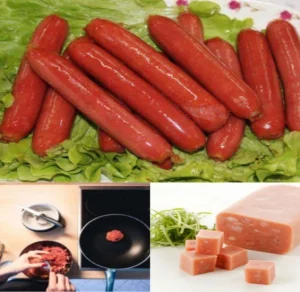
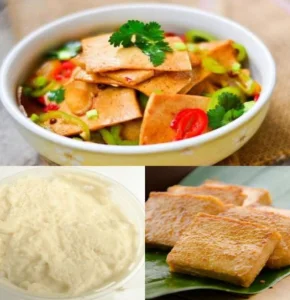
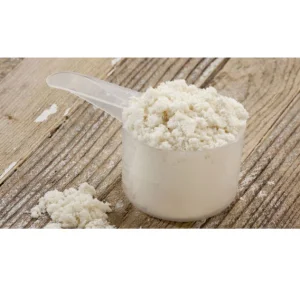
Scientific Fundamentals of Isolated Soy Protein in Sausage Systems
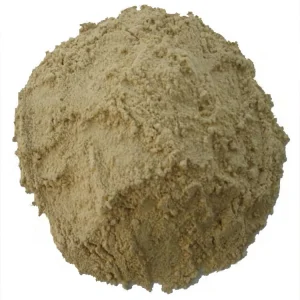
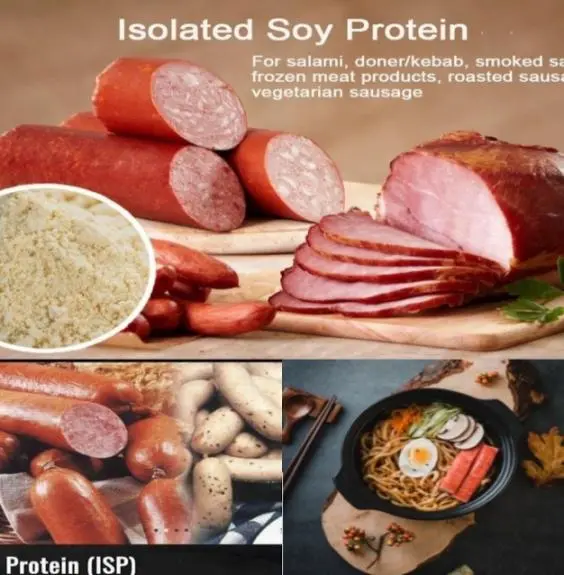
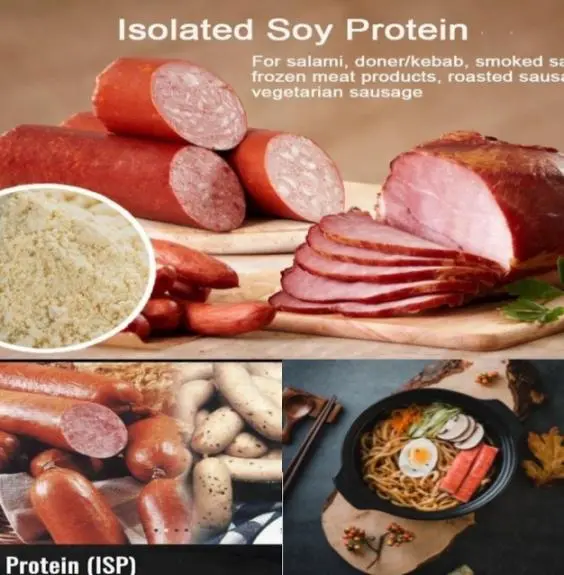
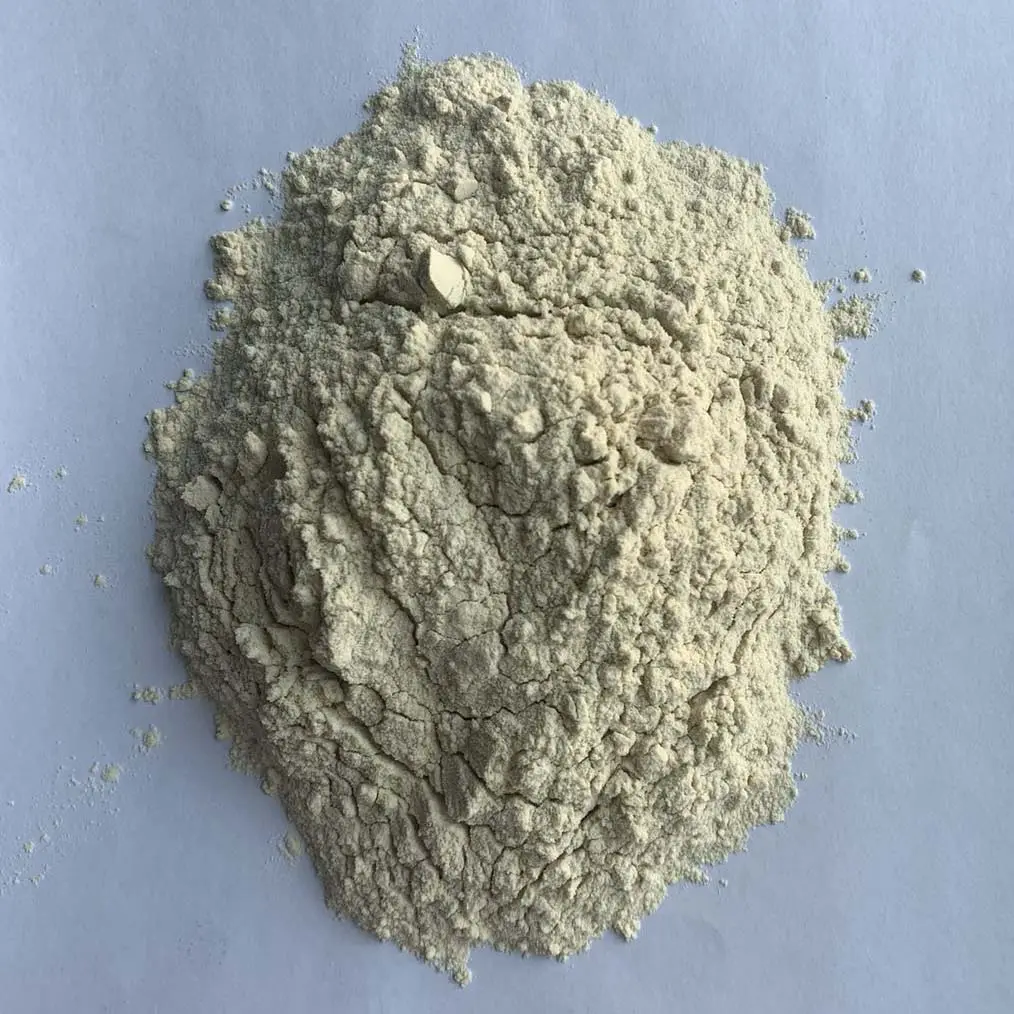
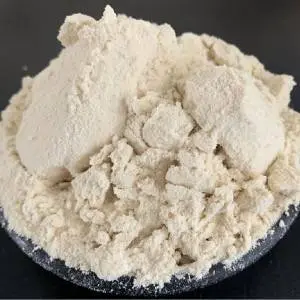
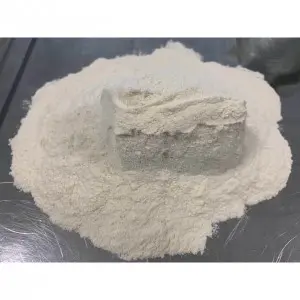
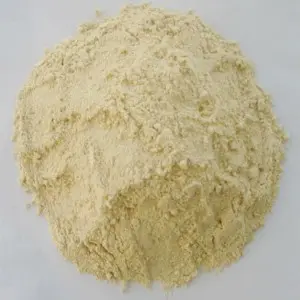
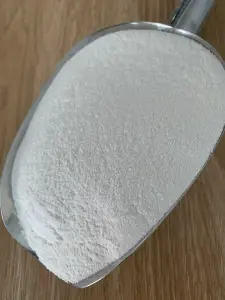
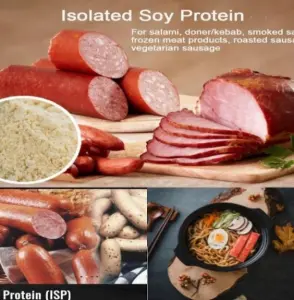
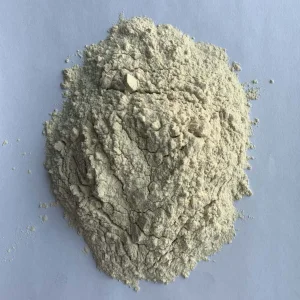
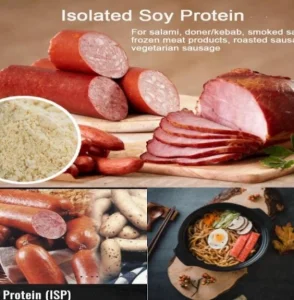
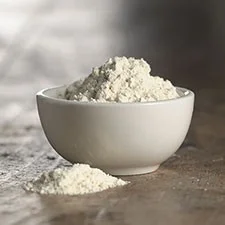
In the modern meat processing sector, achieving the perfect texture, emulsification, and water retention is paramount. Isolated Soy Protein (ISP) serves as a critical structural biopolymer in sausage formulation. Composed of at least 90% protein on a moisture-free basis, ISP is predominantly made up of 7S (β-conglycinin) and 11S (glycinin) globulins. These protein fractions possess distinct thermodynamic and biochemical characteristics that directly influence meat batters during thermal processing.
The 11S globulin fraction has a higher content of disulfide bonds compared to 7S, contributing to superior gel strength and heat stability. In sausage production, when temperatures reach 70°C to 80°C, the unfolding of 11S polypeptide chains exposes hydrophobic patches, facilitating stable network cross-linking with myofibrillar proteins (actin and myosin).
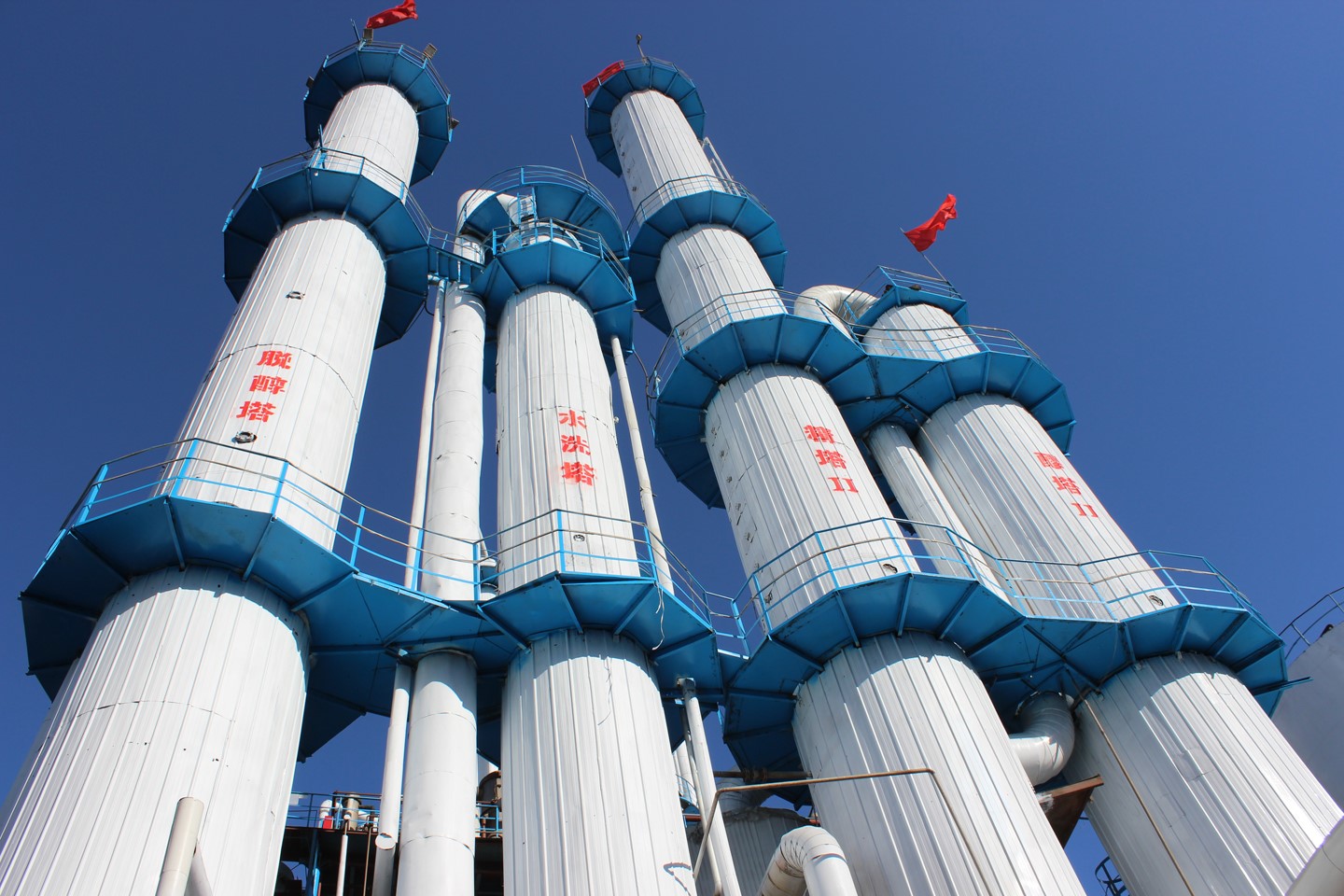
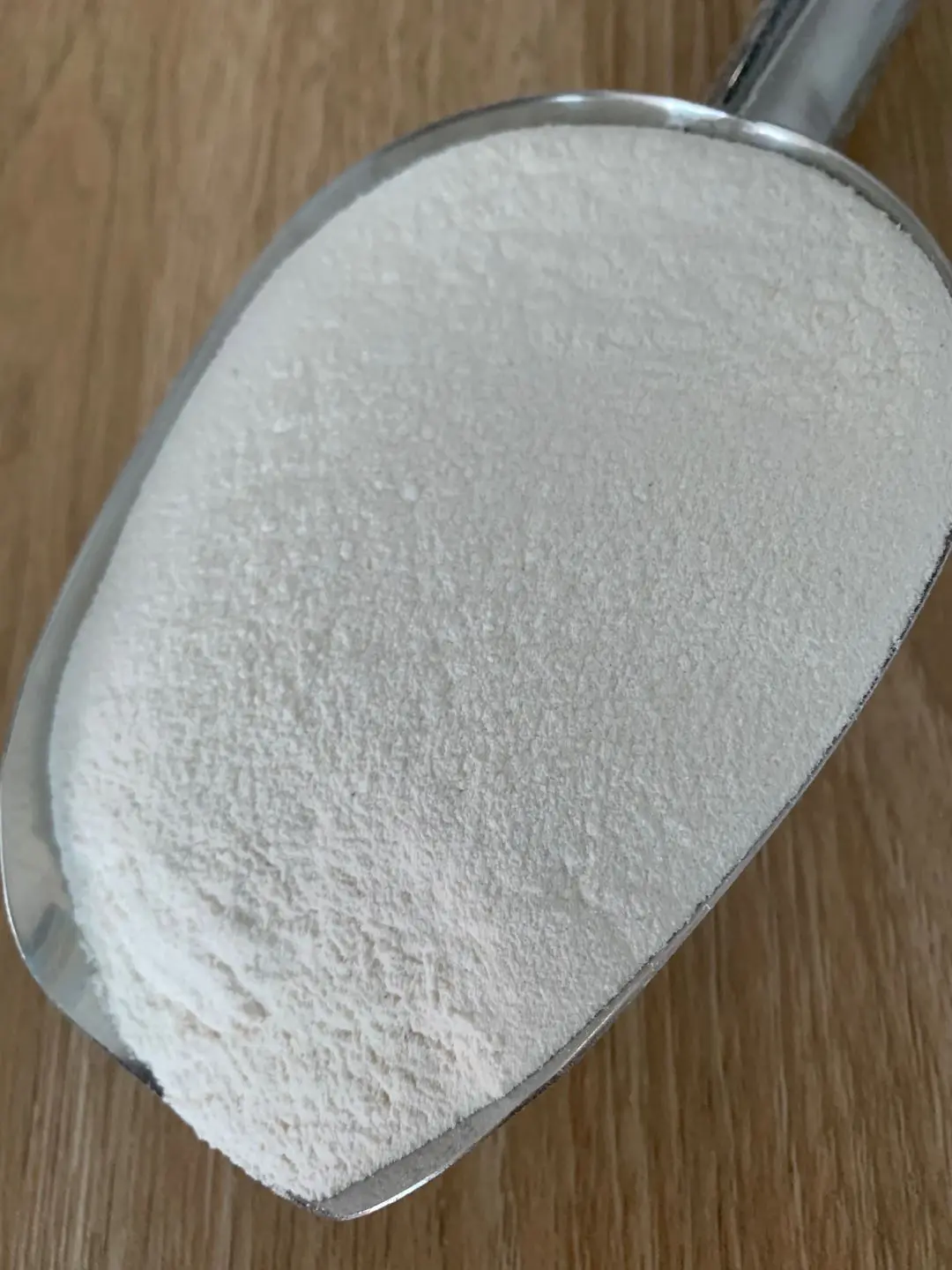
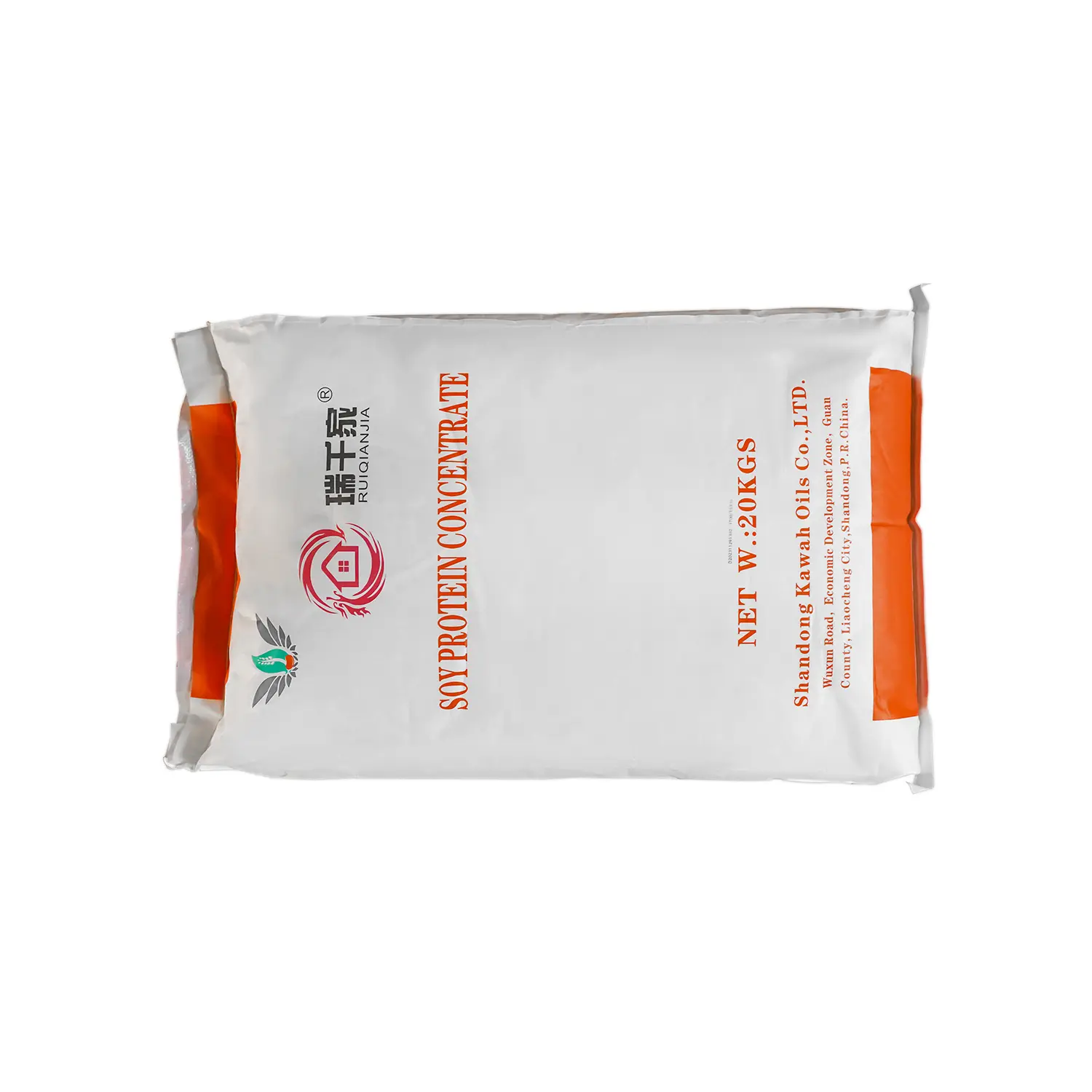
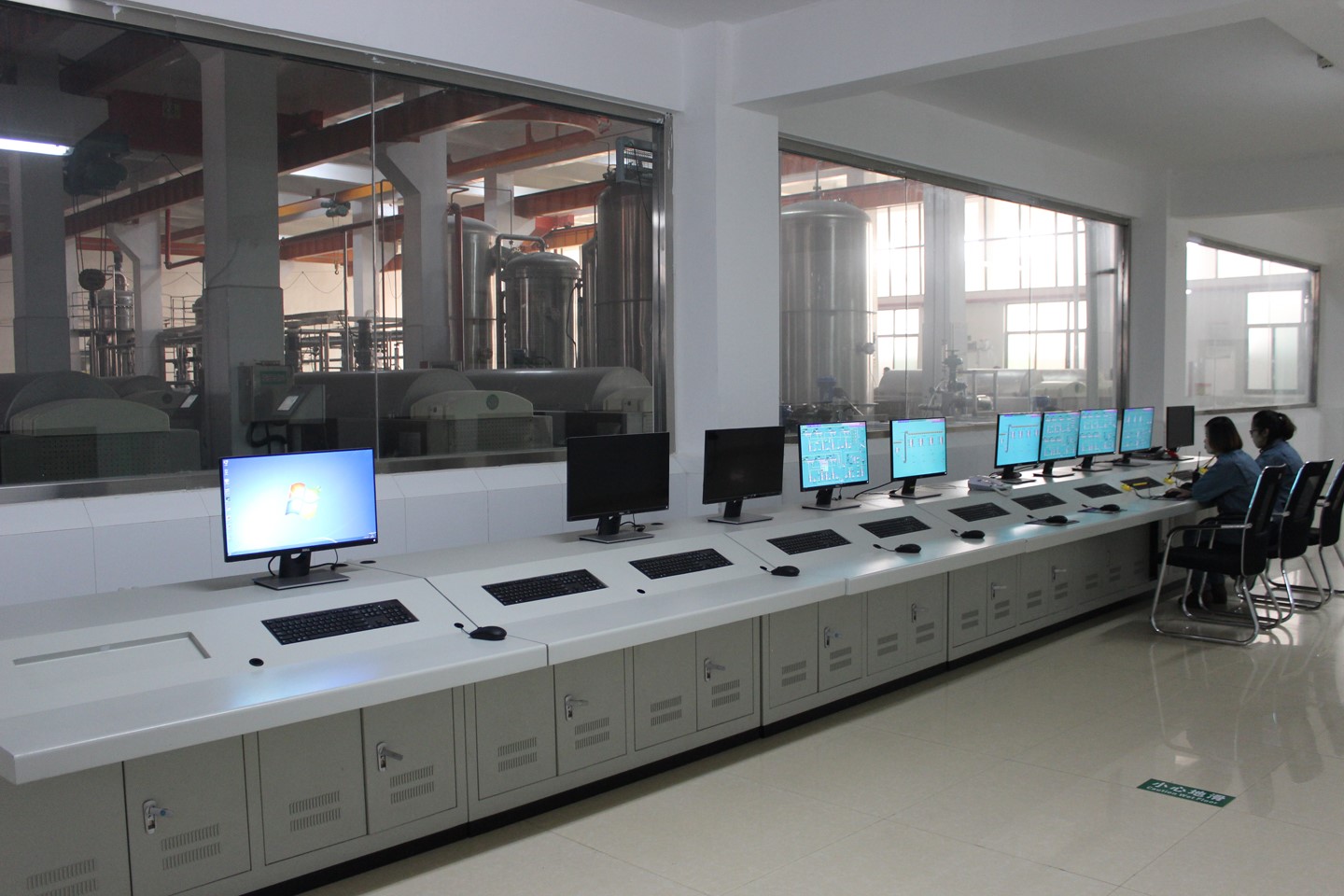
Our state-of-the-art manufacturing facility—operated under Shandong Kawah Oils Co., Ltd (a key subsidiary of the Xinrui Group)—utilizes advanced low-temperature extraction technology to yield high-solubility, high-gelation ISPs. These products match the exact water-to-protein binding targets required for vacuum-packed, sterilized, or fresh sausage formulations.
Emulsification Mechanisms & Stabilization
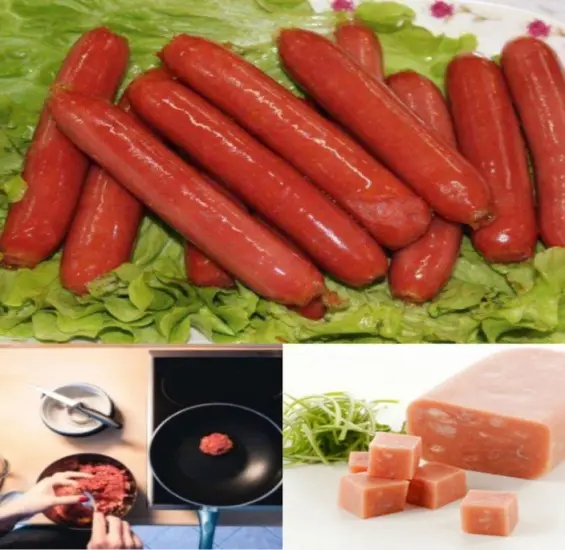
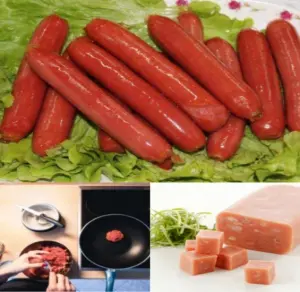
Sausages are thermodynamic systems containing unstable meat emulsions. Myofibrillar proteins typically wrap around fat droplets to stabilize the emulsion. However, mechanical shear stress and thermal treatments can break this delicate matrix, resulting in fat separation or "fatting out". Introducing Meat & Emulsion Type Isolated Soy Protein (such as our 9001BW or 9007B-A) adds an amphiphilic structural barrier. The hydrophilic poles of the soy protein bind tightly to the water phase, while the hydrophobic side chains orient toward the lipids, creating an exceptionally stable interface that prevents coalesce under high thermal processing parameters.
| Functional Property | Underlying Mechanism in Meat Emulsions | Impact on Sausage Quality |
|---|---|---|
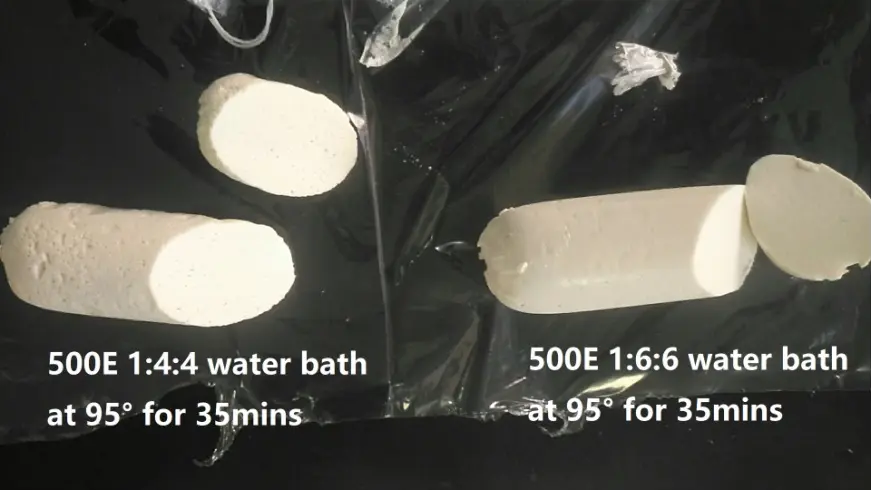
| Water-Binding Capacity (1:5:5 ratio) | Capillary action and hydrogen bonding trap moisture within the protein matrix. | Reduces purge loss, improves bite tenderness, and increases commercial yield. |
| Thermal Gelation | Heat-induced denaturation form solid, elastic 3D gel networks at 75°C-80°C. | Improves springiness, chewiness, and cohesive texture of cooked sausages. |
| Fat-Binding / Emulsification | Amphiphilic molecules coat fat particles, preventing grease coalescence. | Eliminates oily pockets on the sausage casing, improving appearance. |
| Myofibrillar Synergy | Covalent and non-covalent interactions between soy globulins and meat myosin. | Enhances product density, stability during cutting, and texture profile. |