Premium grade isolated soy protein, wheat gluten, and functional fibers directly from our production lines.
A trusted industrial leader since 2003, driving structural innovations in non-GMO plant protein extraction.
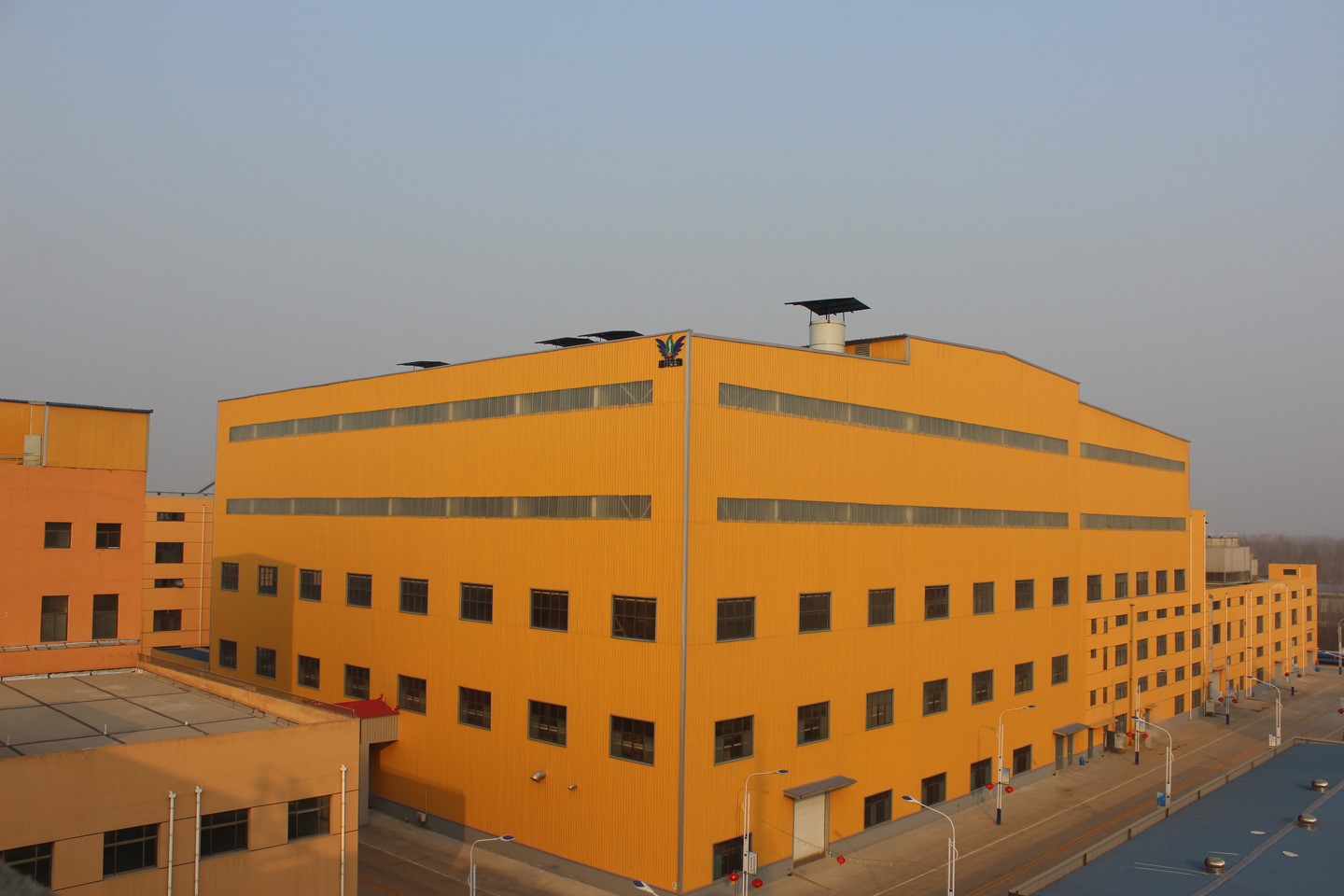
Xinrui Group, established in May 2003, represents a diversified industrial powerhouse covering over 1,000 mu. Under the group's umbrella, we have integrated a highly efficient, deep-processing circular economy model. Our operations mill 500,000 tons of wheat flour annually, utilizing advanced tri-canter separation technology to refine high-purity vital wheat gluten, wheat starch A, and wheat starch B. Byproducts are converted into premium ethanol and animal feed, ensuring a zero-waste industrial system.
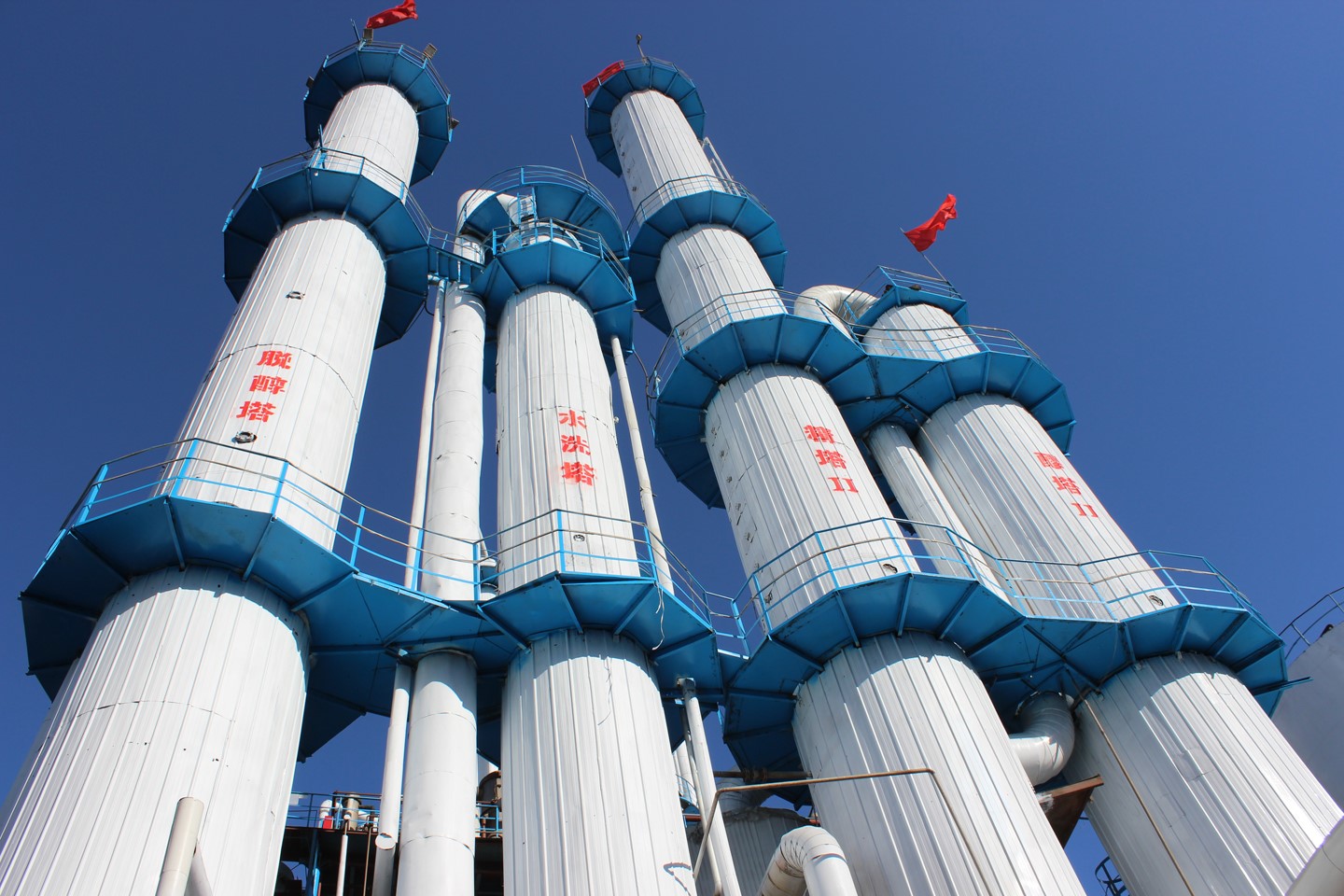
Our specialized subsidiary, Shandong Kawah Oils Co., Ltd. (established in 2014), handles the deep processing of 180,000 tons of Non-GMO soybeans annually. Operating the largest single-line production facility in China, equipped with the state-of-the-art DACHUANYUAN spray drying tower, we process low-temperature food-grade soybean meal into premium isolated soy proteins and dietary fibers.

To directly connect our advanced production lines with overseas pharmaceutical, food, beverage, and feed manufacturers, we established Guanxian Ruichang Trading Co., Ltd. in 2011. Facilitating over 70% of the group's total output directly to the global markets, we guarantee complete supply chain visibility and price stability.
Our factory bypasses traditional middlemen, ensuring that global corporate purchasers secure competitive wholesale pricing with comprehensive logistical backing. We manage the entire processing cycle—from planting bases, crushing, chemical-free physical extraction, to spray drying and containerized global shipment.
Why global food brands choose our Shandong-based plant protein processing facility.
We source local Non-GMO wheat and soybeans from our closely monitored agricultural bases. This prevents contamination risk from GM seeds and ensures consistent protein indices starting from the soil.
Our core processing line runs the DACHUANYUAN spray drying tower, which provides the largest single-line processing capacity in China. Precise thermal regulation prevents protein denaturation, preserving excellent gelation and solubility.
Imported tri-canter separation equipment is integrated within our wheat milling lines. It delivers maximum separation efficiency of gluten and starch fractions in a completely enclosed, sanitary, automated system.
A technical guide on selecting the correct protein isolation class for your specific industrial application.
| Functional Category | Specific Grades | Functional Mechanism | Target Applications |
|---|---|---|---|
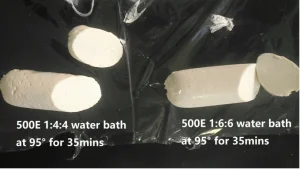
| Meat & Emulsion Type | 9007B-A, 9007B-C, 9500, 9001BW, 9001BH | High emulsification and high gel strength; binds water and fat at 1:5:5 ratios. Prevents phase separation during thermal processing. | Frankfurters, sausages, canned meats, meatballs, meat analogues. |
| Injection Type | 9020, 9026, 9028 | Low viscosity under shear, excellent dispersion, and zero particulate clogging. Integrates cleanly into brine injection matrices. | Hams, cured pork, whole poultry processing, large-muscle meats. |
| Beverage & Dispersion | 9030, 9032 | Rapid hydration, neutral pH profile, high dispersion without settling. Low beany flavor profile. | Protein shakes, nutritional powders, dairy alternatives, infant formulas. |
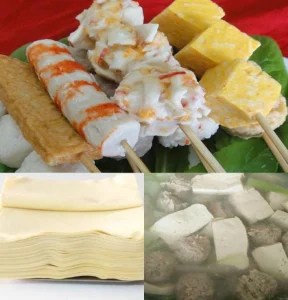
| Tofu & Vegetarian | 9003B, 9005B | Forms elastic, cohesive protein networks when coagulated. Mimics structural meat fibers. | Traditional tofu, plant-based vegetarian burger patties, textured soy sheets. |
Industrial buyers must note the biochemical differences. Emulsion-grade isolates (like our 9007B-A) rely on the heat-induced gelation of 7S and 11S globulins to trap water and lipids. This creates a solid matrix. Conversely, Injection-grade isolates (like our 9020) are processed to keep viscosity low even at high concentrations, allowing the protein to diffuse deep into raw muscle fibers under high-pressure needle injection systems without causing dry spots or needle blocks.
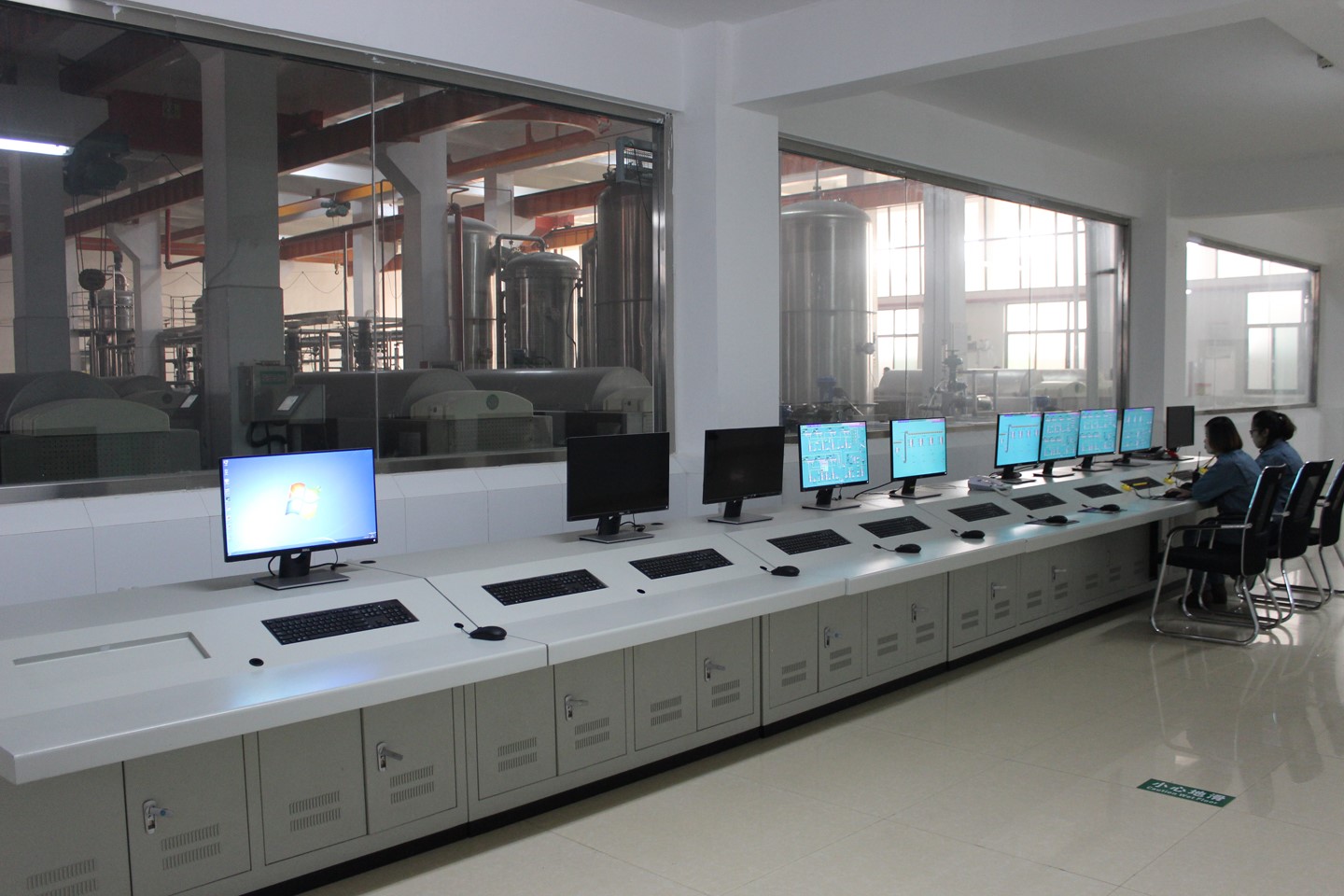
Inside our advanced production plants: milling, soy protein extraction, and logistics.
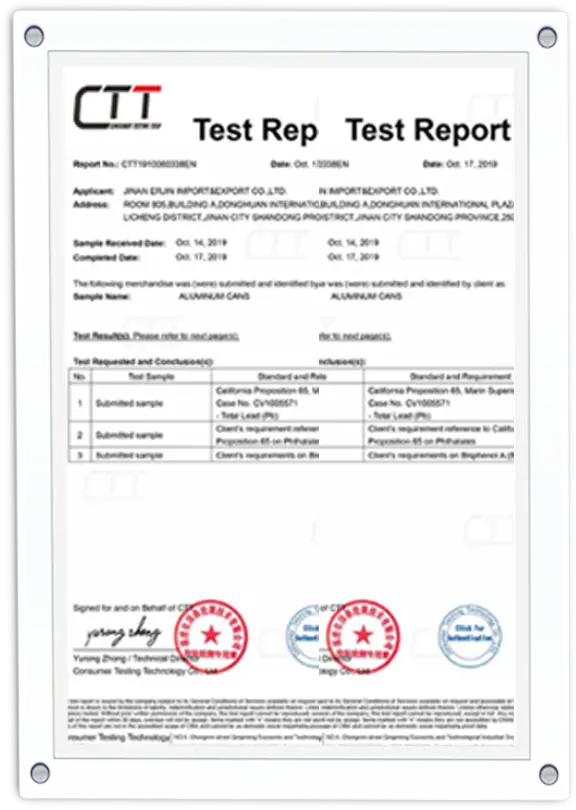
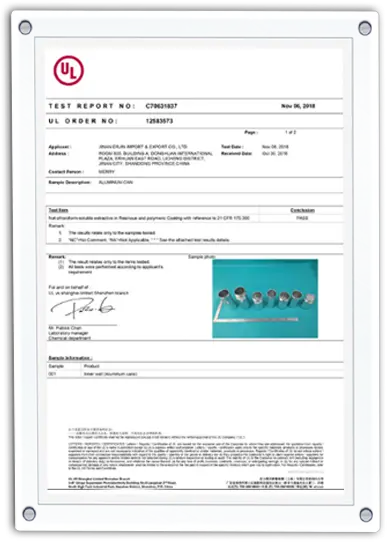
Meeting global pharmaceutical, food safety, and religious dietary regulations.

Strategic insights for procurement directors, food scientists, and global logistics managers.
In the EU, North American, and select Asian markets, consumers are demanding clean-label products. Transgenic soy alternatives face regulatory pressure and anti-GMO sentiment. Sourcing isolated soy protein from dedicated Chinese crushing plants that enforce identity preservation (IP) protocols provides a key marketing advantage.
Energy remains a significant cost factor in plant protein isolation due to the thermal demands of spray drying. Xinrui Group integrates internal cogeneration, municipal steam routing, and waste-to-energy conversion (utilizing byproducts of wheat starch B and pentosans for industrial alcohol synthesis). This infrastructure insulates bulk buyers from raw energy price volatility.
Modern meat analogue systems require high-purity protein sources to limit bitter and beany off-notes. Advanced flash desolventizing processes during soybean meal production yield soy isolates with minimum volatile compounds, reducing the need for masking agents in final formulations.
Clear answers to technical, commercial, and logistical queries from global purchasers.
We are a vertically integrated group company named Xinrui Group that handles both manufacturing and direct export operations:
Our plants are fully certified under major international food quality and safety systems, including:
We operate dedicated domestic Non-GMO soybean cultivation bases. From planting, harvesting, transportation, crushing, and final chemical-free extraction, the supply chain is isolated. PCR testing is performed regularly to confirm that GMO genomic markers remain below the detection limit (0.1%), compliant with strict European standards.
Our VWG-P Wheat Gluten Powder features excellent viscoelastic properties with a water-binding ratio of 1:1.5 to 1:2.0. This makes it ideal for improving the crumb structure, gas retention, and structural chewiness in bakery goods and animal feeds.
By using wheat starch B and pentosan byproducts for industrial ethanol and feed processing, we eliminate waste disposal overheads. This integration generates multiple revenue streams from a single raw wheat run, allowing us to pass significant cost savings to our bulk buyers.
Complete your procurement requirements with our full line of functional isolates, starches, and ethanol grades.
 Xinrui Group