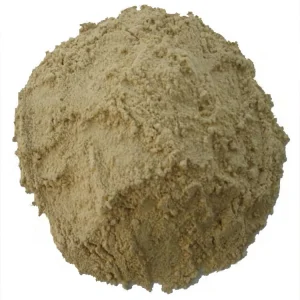
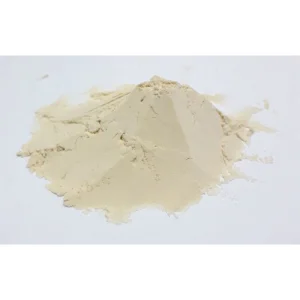
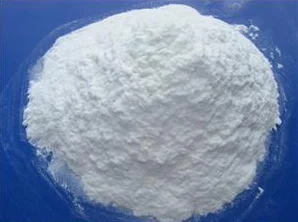
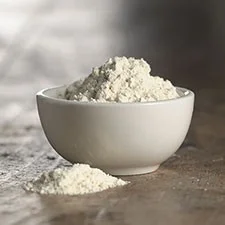
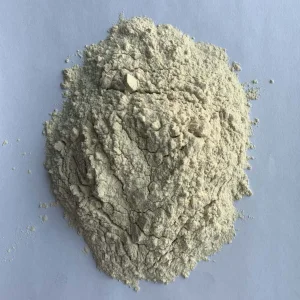
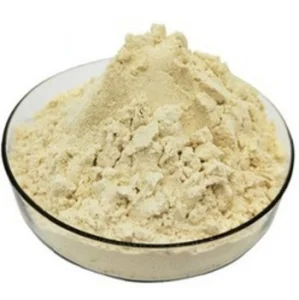
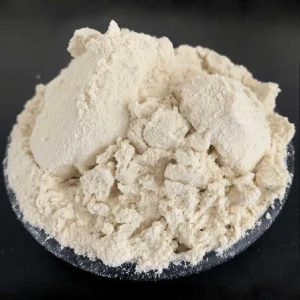
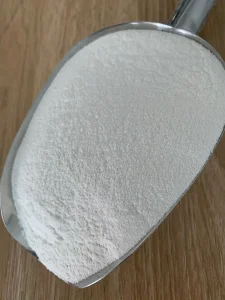
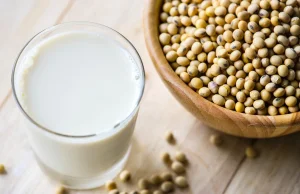
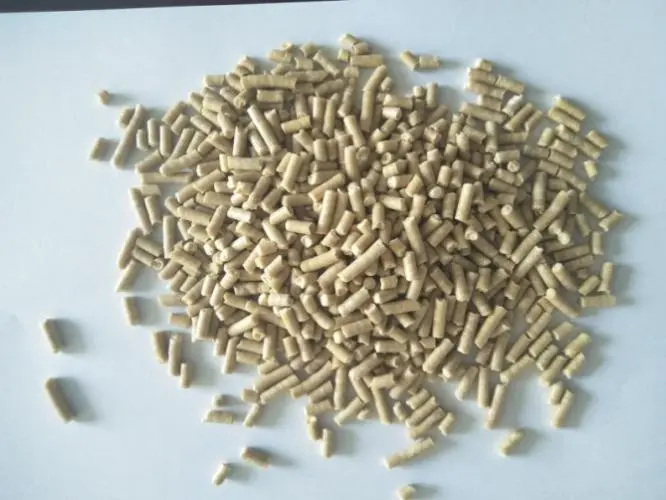
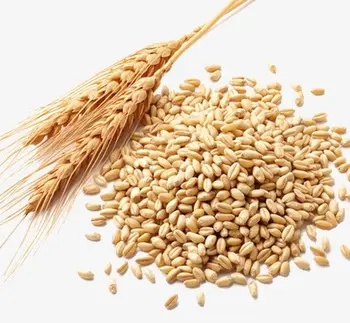
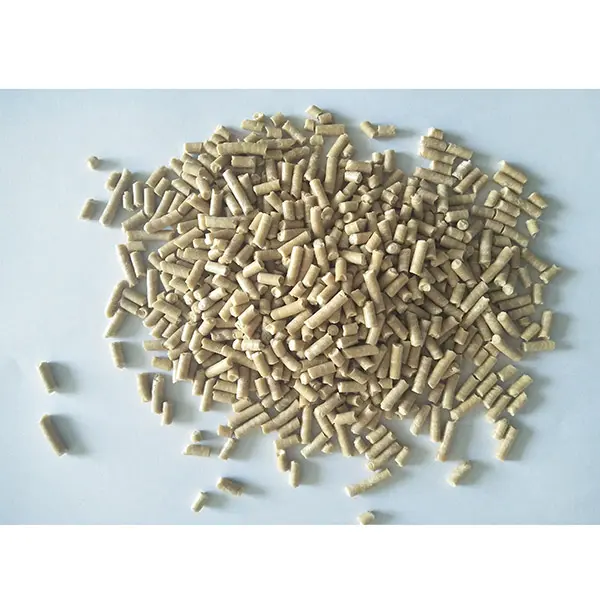
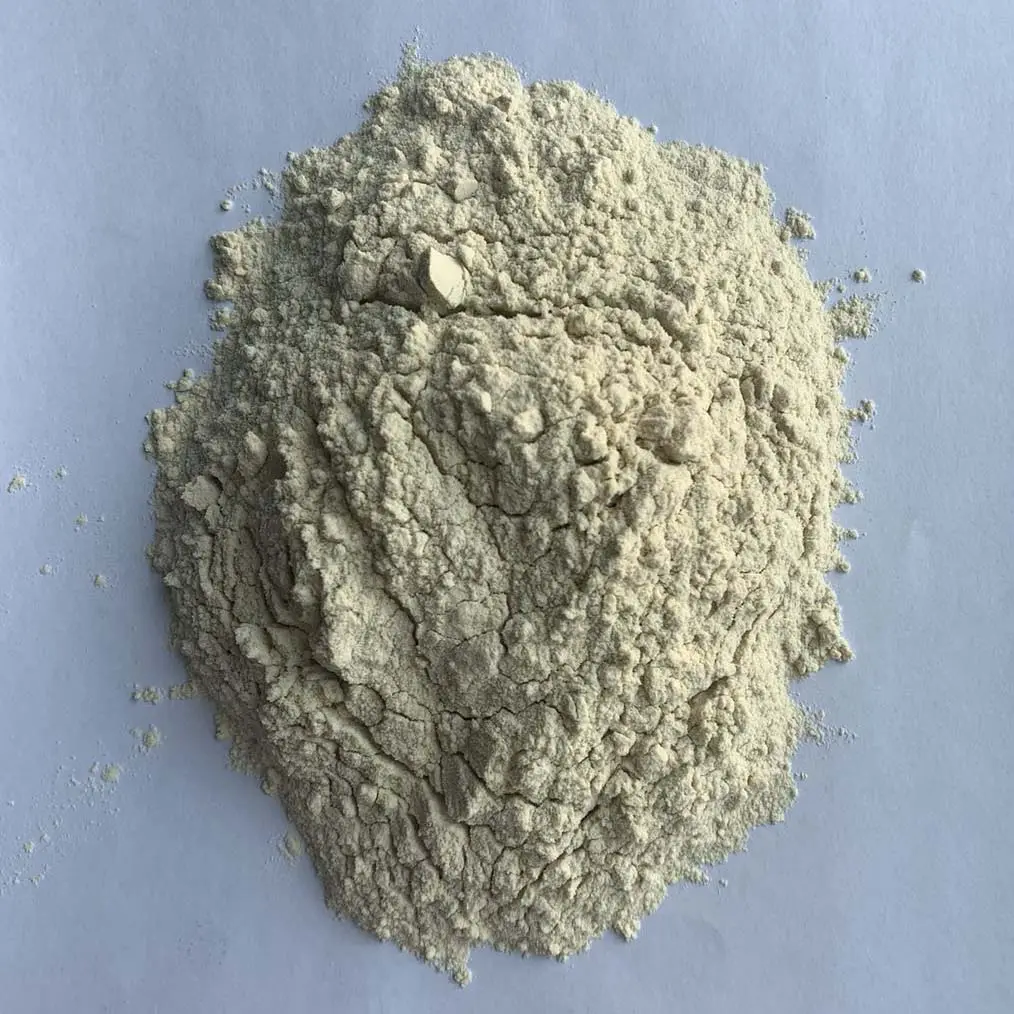
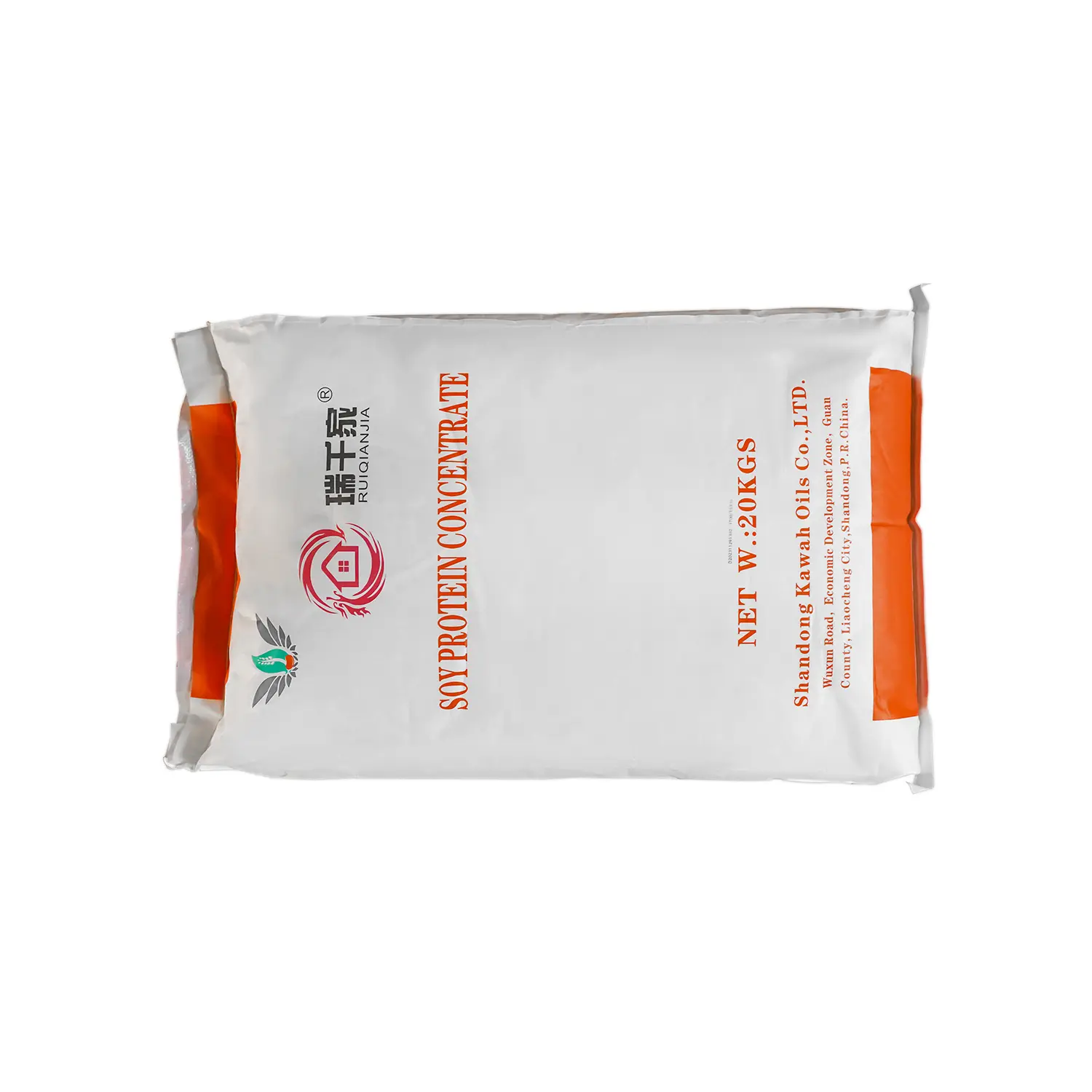
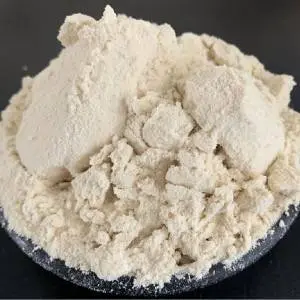
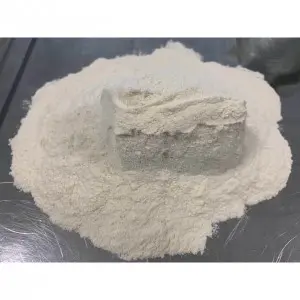
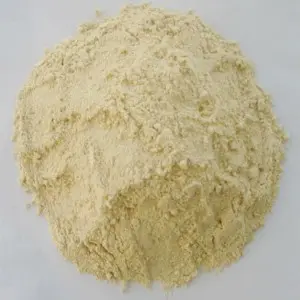
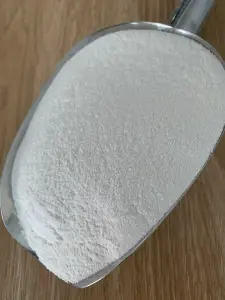
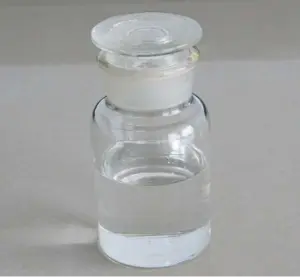
Direct supply from state-of-the-art processing lines, designed for structural stability and high water-oil holding capacities.
The global demand for plant-based macromolecules has undergone a structural pivot. What once was viewed primarily as a functional cost-reducer is now recognized as a key cornerstone of high-performance food engineering. Driven by the explosive growth of clean-label movements, sustainable logistics, and meat analogues, the global market for Emulsion-Type Isolated Soy Proteins is projected to grow at a CAGR of 5.8% over the next decade.
As food manufacturers target superior mouthfeel and stability in comminuted meat systems, dairy alternatives, and vegan applications, the physical chemistry of the protein molecule is critical. Traditional soybean isolation processes often neglect the critical balance between hydrophilic and lipophilic nodes. Our advanced manufacturing approaches isolate protein fractions with optimal molecular weights, facilitating excellent interface tension reduction and stable emulsion matrices that resist thermal and mechanical shear stress.

Understanding the molecular dynamics that separate standard soy protein from our industrial emulsion grades.
Our 9007B-A and 9007B-C series are engineered to generate cross-linked protein networks that solidify during heat treatment. Once set, these gels maintain elasticity, locking in fats and water to prevent structural breakdown in canned goods, sausages, and plant-based burgers.
Industrial processing involves high-speed chopping and high-pressure extrusion. Standard proteins denature unpredictably under intense shear. Our products preserve their primary and tertiary protein foldings, providing stable emulsification matrices under severe high-shear processing environments.
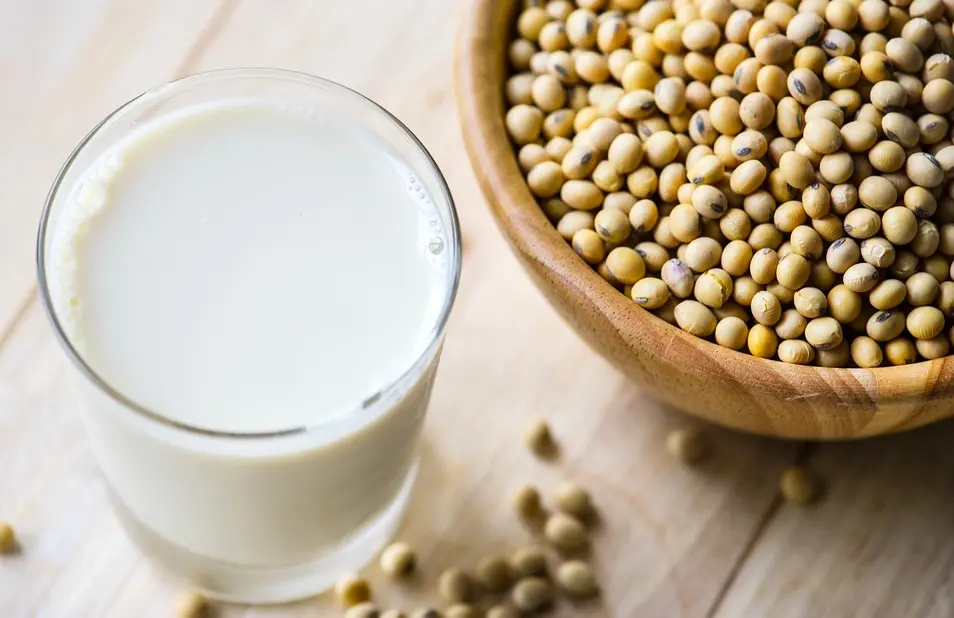
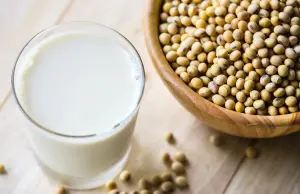
Obtained using domestic Non-GMO soybean seeds under segregated IP (Identity Preserved) systems. Safe, clean-label, traceably farmed crops processed within a closed loop chemical-free water extraction network, ensuring purity in every batch.
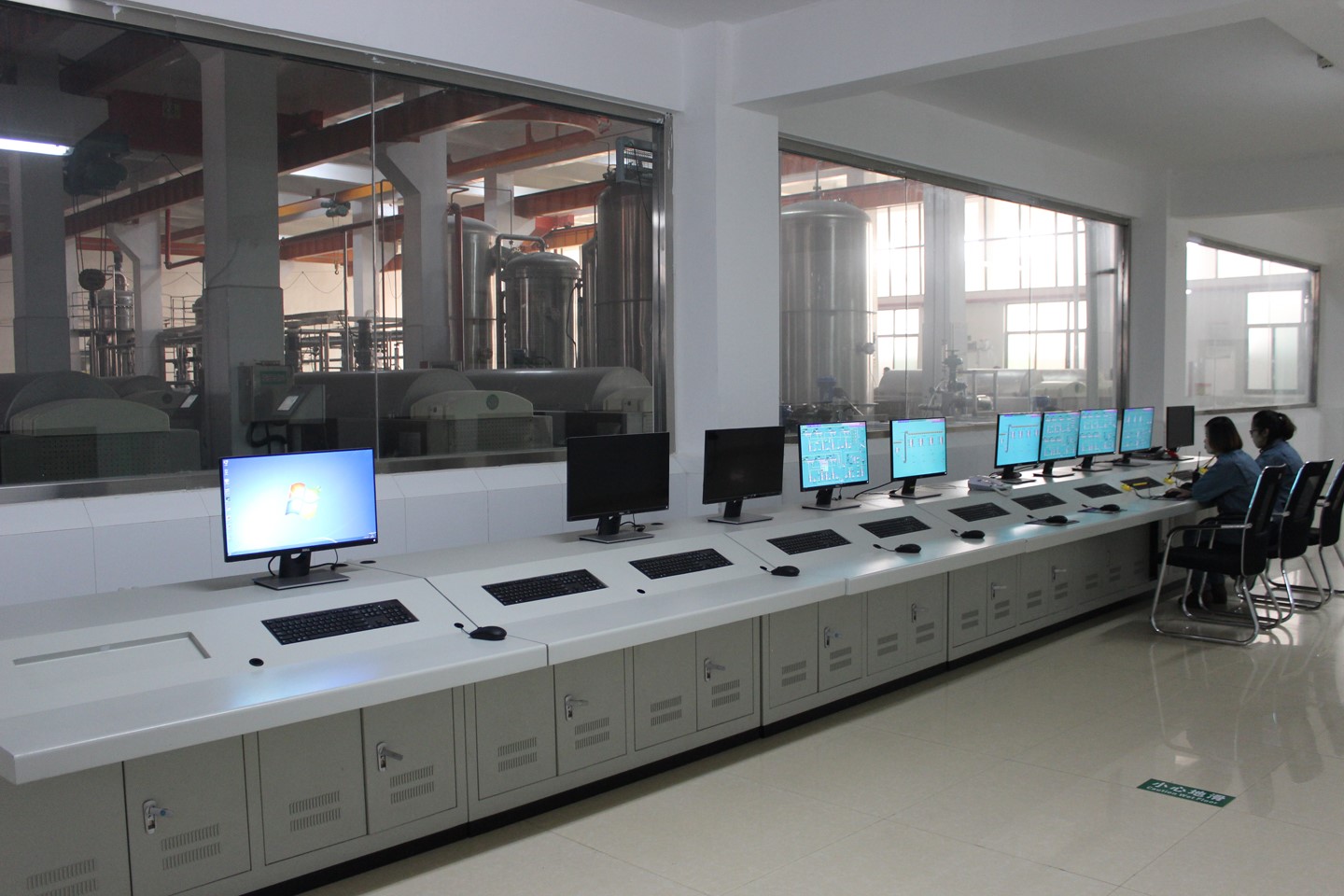
Our parent entity, Xinrui Group (established in May 2003, spanning over 1,000 mu), is designed around the principles of industrial circular ecology. We manage resources across several dedicated divisions:
Targeted solutions designed for regional food regulations, formulation preferences, and processing guidelines.
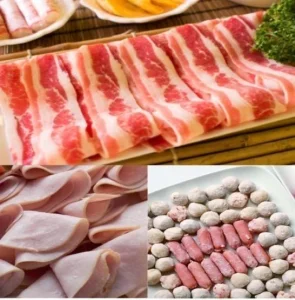
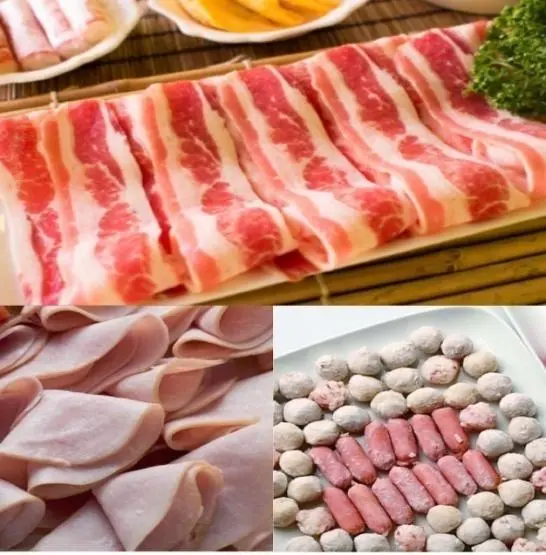
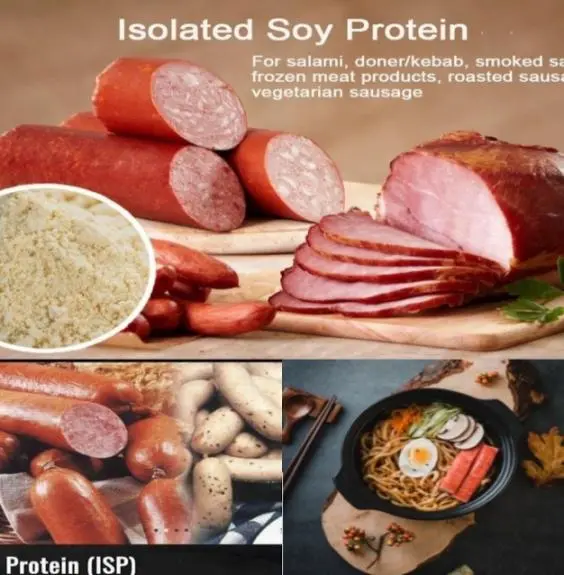
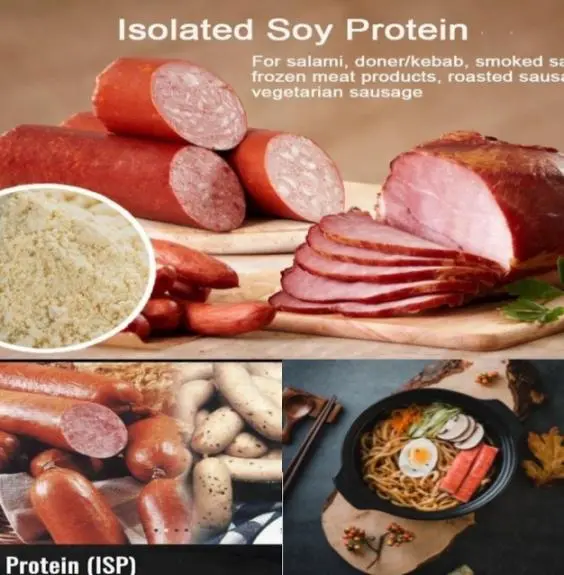
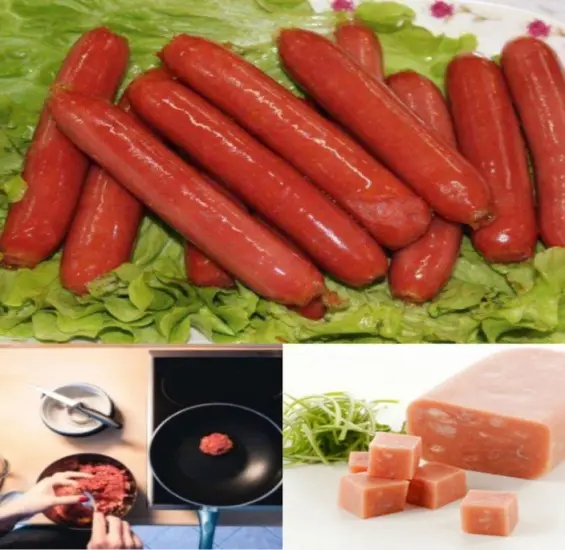
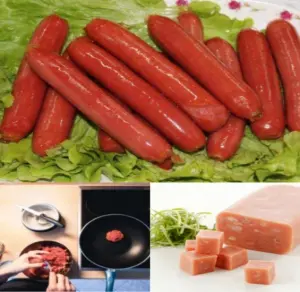
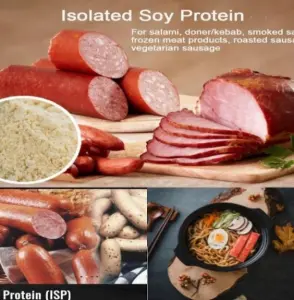
Optimized for Frankfurters, Bologna, and high-speed comminuted sausage networks.
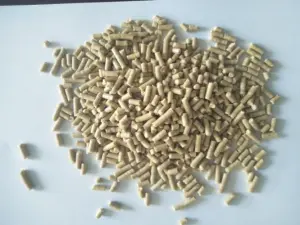
Engineered for high-moisture extrusion (HME) and textured vegetable protein (TVP) blends.
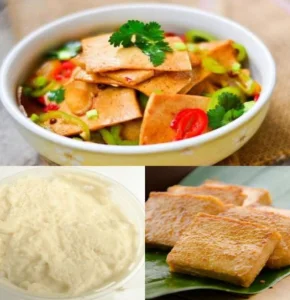
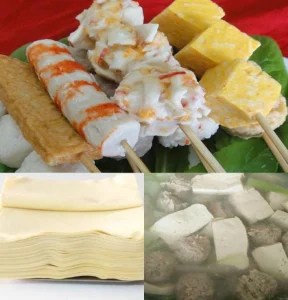
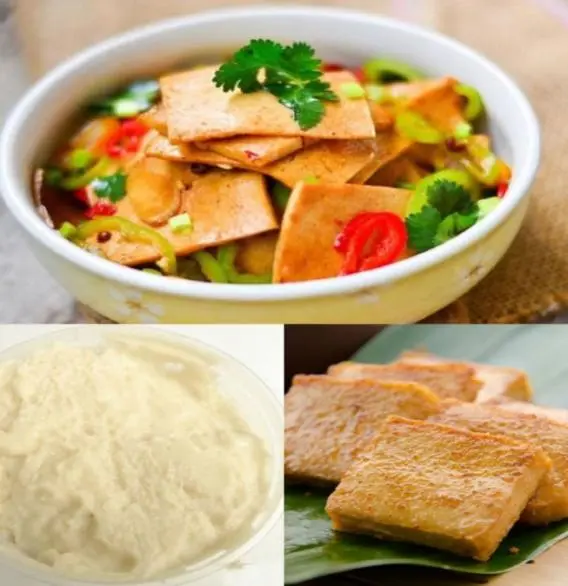
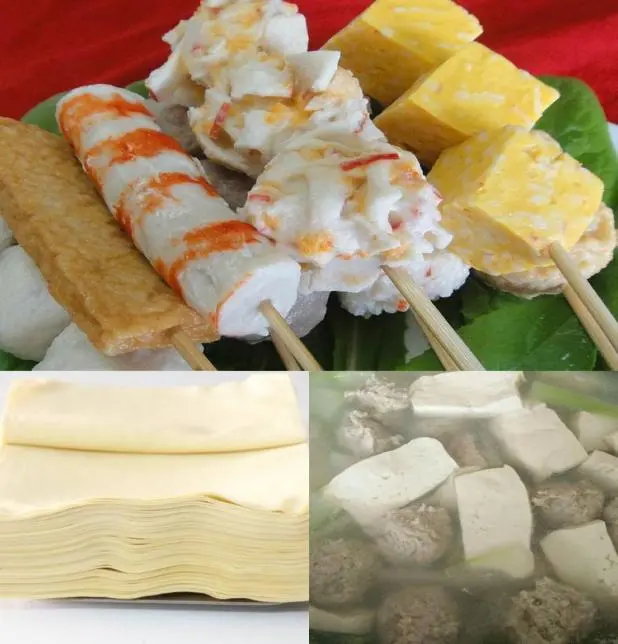
Specifically engineered for traditional Asian tofu, hotpot bites, and vegetarian alternatives.
Our commitment to continuous process optimization, quality standards, and environmental stewardship.
Soybeans undergo specialized mechanical pressing and low-temperature extraction. This ensures the native structures of 7S and 11S globulins remain fully functional prior to isolation, establishing the foundation for high emulsification behavior.
Adjusting acid-base parameters to separate protein matrices from soluble carbohydrates. This yields high-purity protein isolate fractions (>90% dry basis) while feeding the remaining fiber directly to our soy dietary fiber extraction lines.
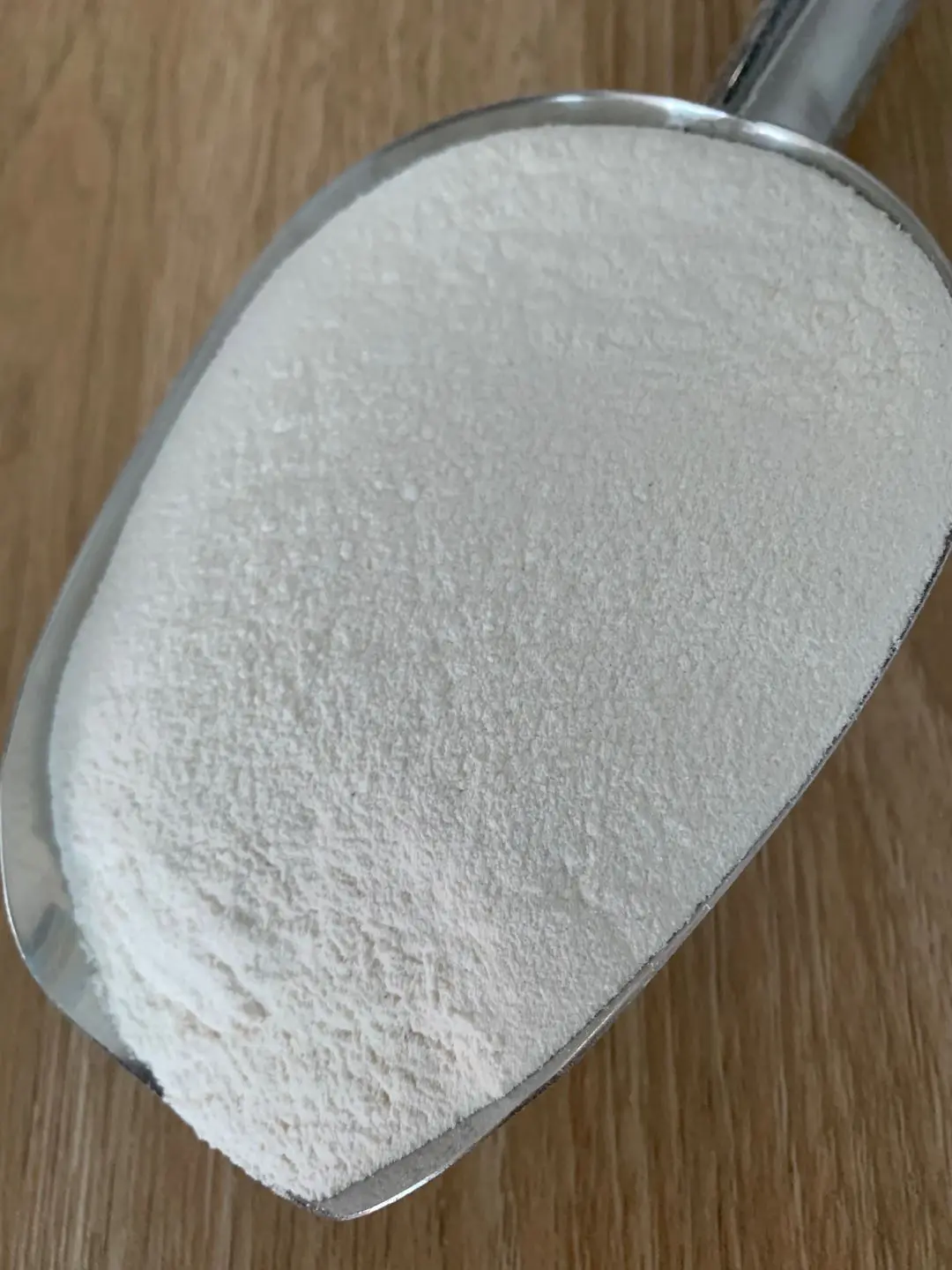
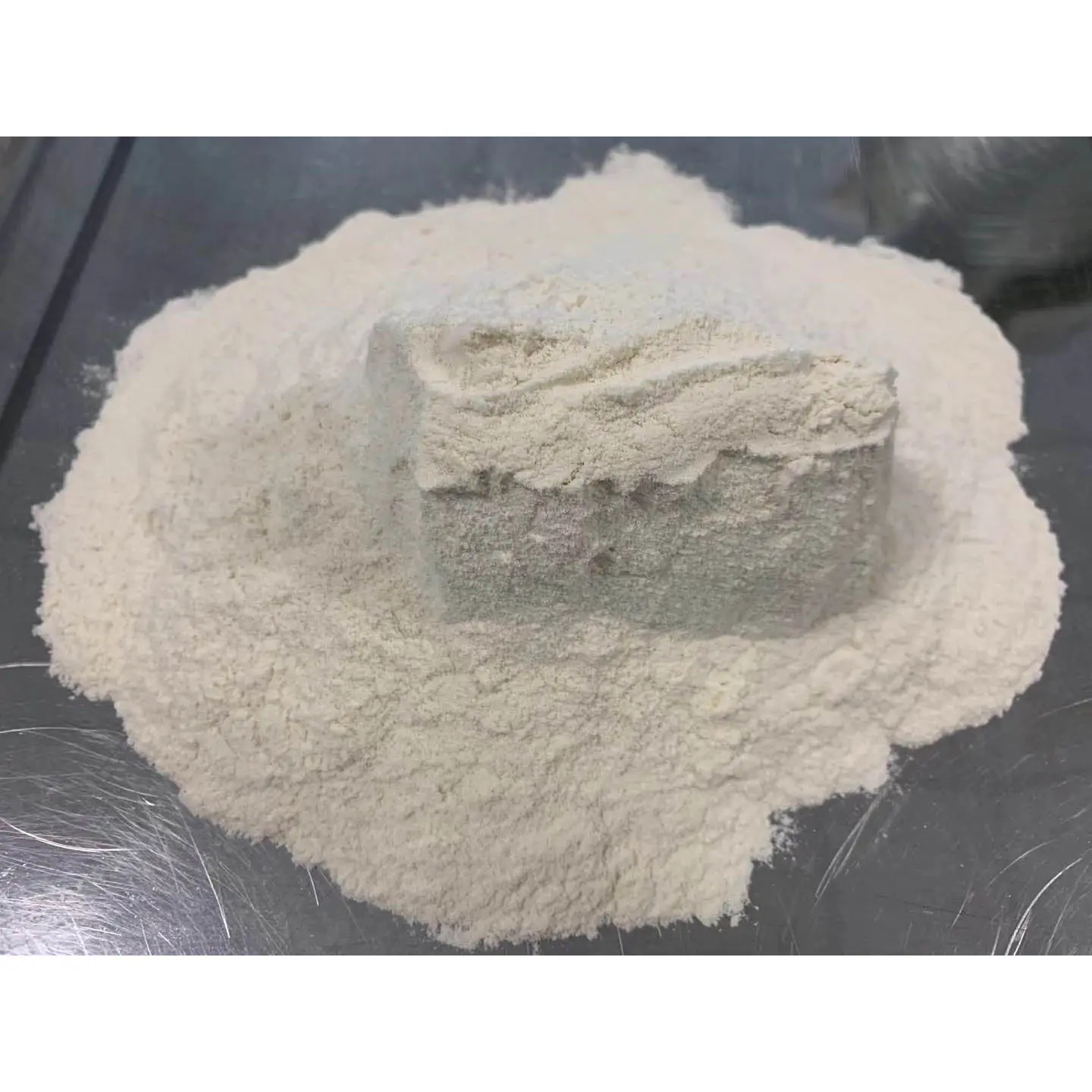
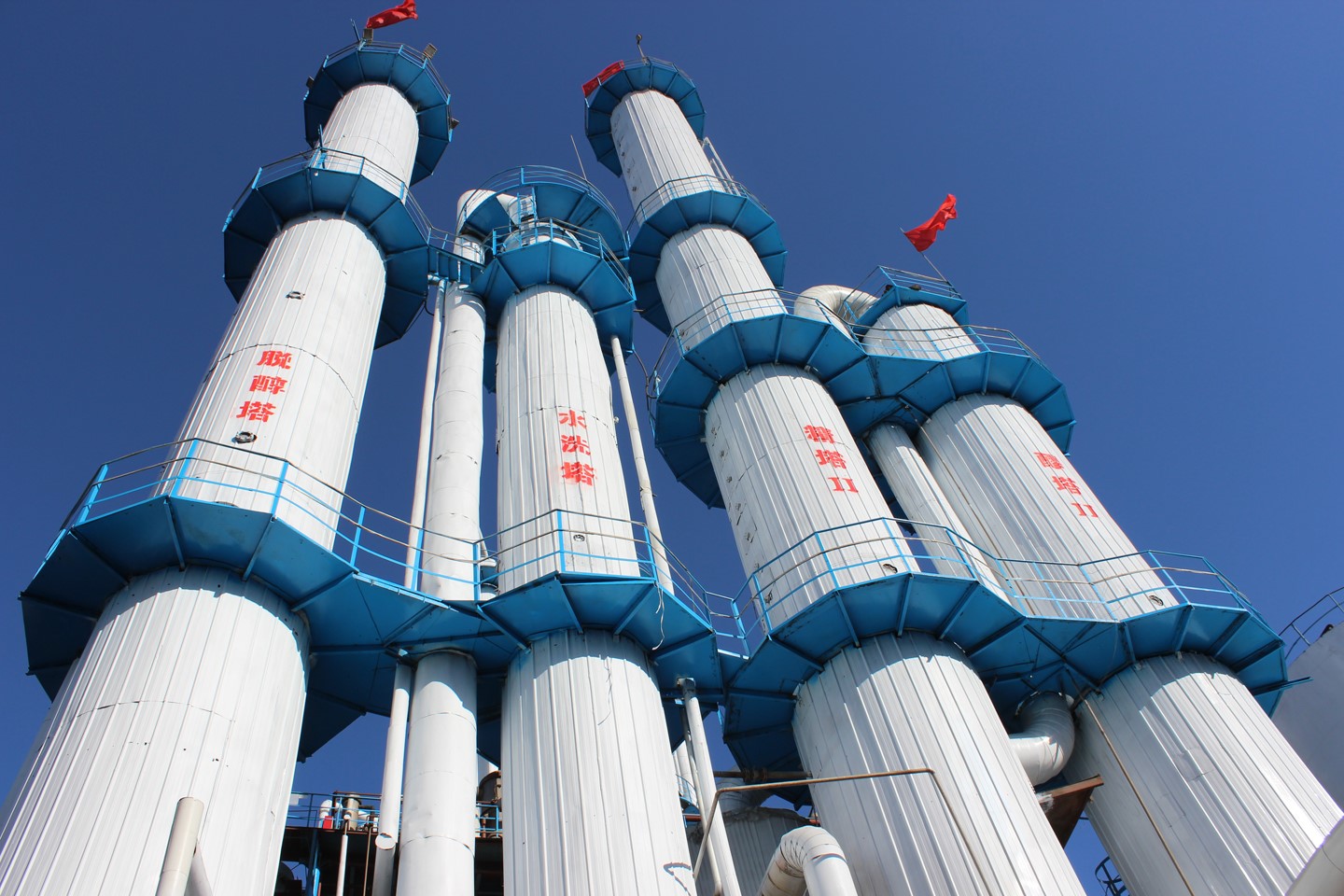
Utilizing China's premier Dachuanyuan high-capacity drying towers. The liquid dispersion is atomized under custom micro-homogenization pressures, creating highly dispersible, uniform particles that hydrate instantly in commercial mixers.
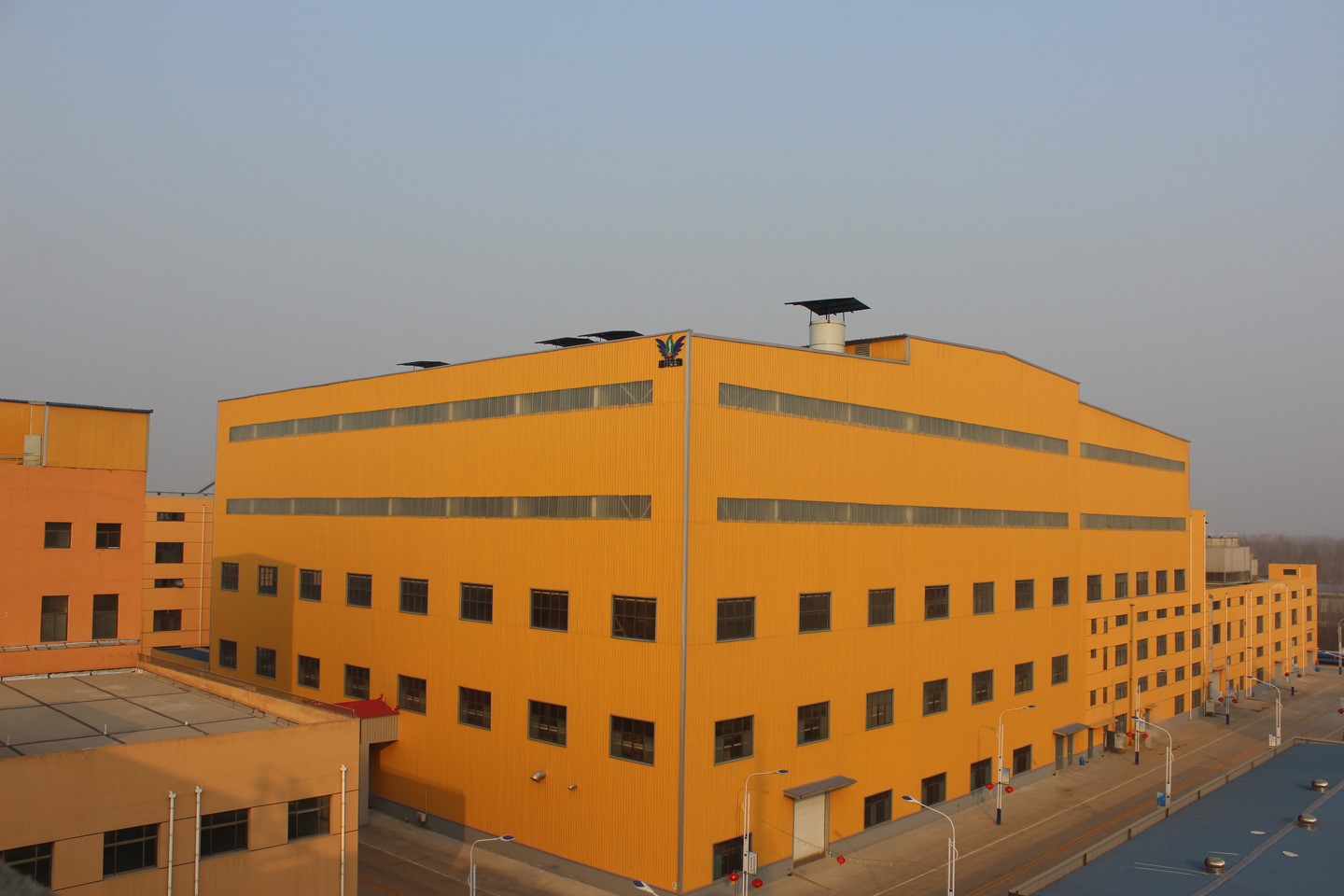
Witness our industrial capacity, advanced spray-drying systems, and comprehensive quality control procedures.
Ensuring auditability and compliance for multinational food brands across all major jurisdictions.
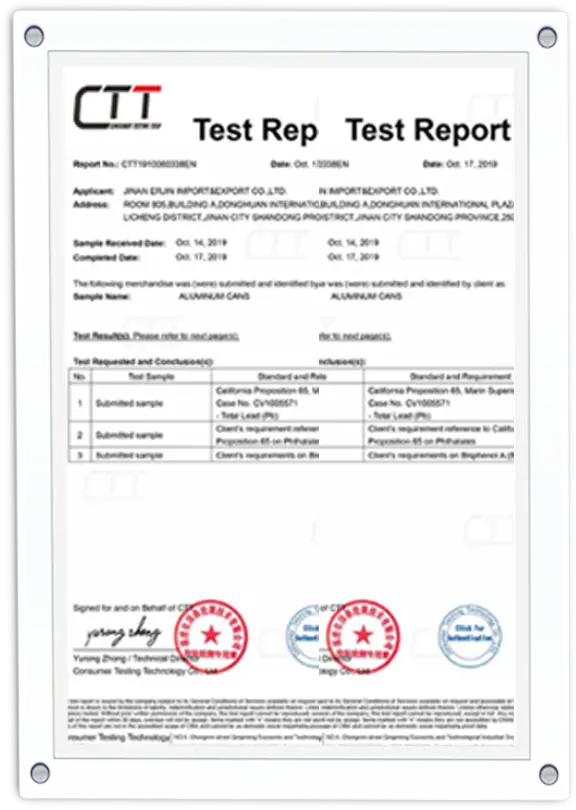
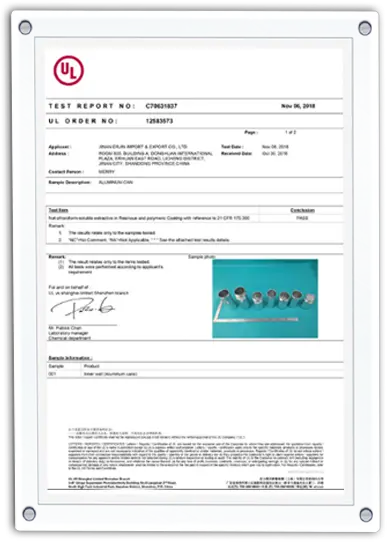
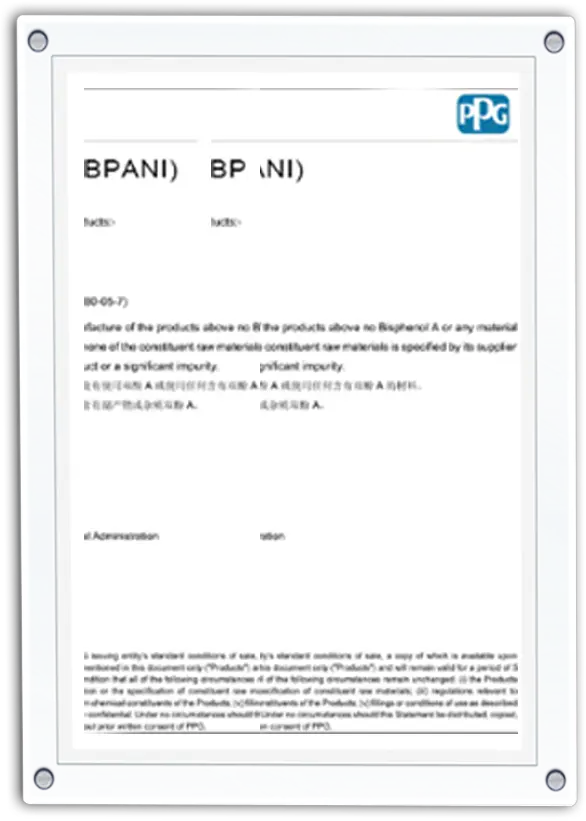
Direct technical answers from our R&D and quality control teams regarding formulations and logistics.
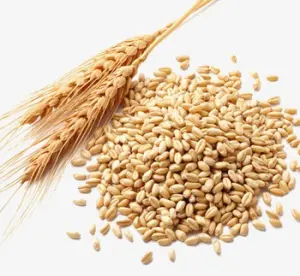
We are an integrated group company named Xinrui Group. Shandong Kawah Oils Co., Ltd manufactures our isolated soy protein (50,000 tons/year capacity). Guanxian Xinrui Industrial Co., Ltd. manufactures our vital wheat gluten (30,000 tons/year capacity) and wheat starch. Guanxian Ruichang Trading Co., Ltd. manages direct export, ensuring high efficiency and direct-to-factory pricing.
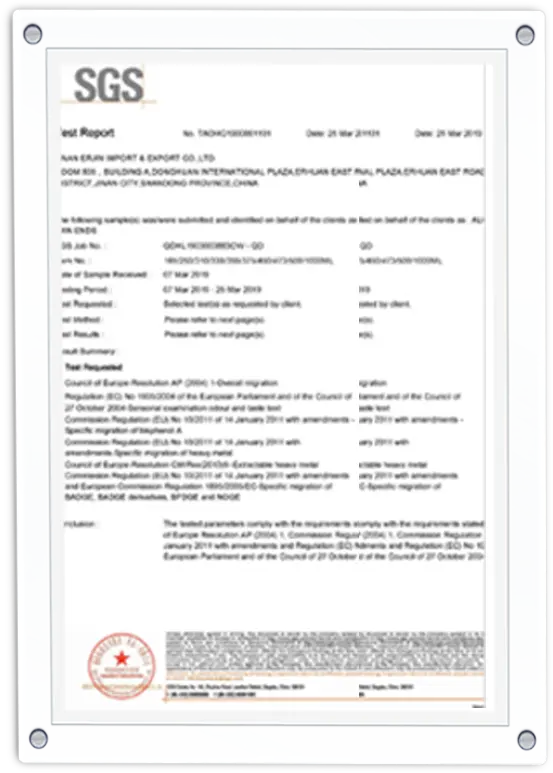
We hold HACCP, ISO9001, ISO22000, BRC (Global Standard for Food Safety), HALAL, KOSHER, and IP-NON GMO certifications. We also conduct routine SGS inspections. We can provide additional documentation upon request to support your regional regulatory requirements.
Emulsion isolated soy proteins (such as our 9007B-A or 9007B-C) are processed to exhibit high oil-binding and gelation indexes, which help hold high ratios of fat and water under thermal processing. Injection-type soy proteins (like our 9020/9026 series) require much lower viscosities and higher dispersion profiles to flow smoothly through fine injector needles without clogging muscle tissues.
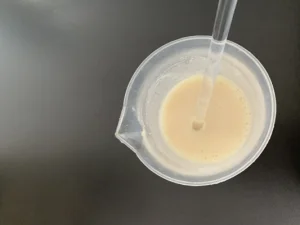
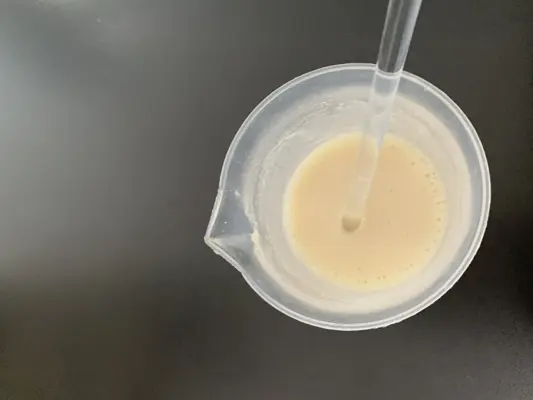
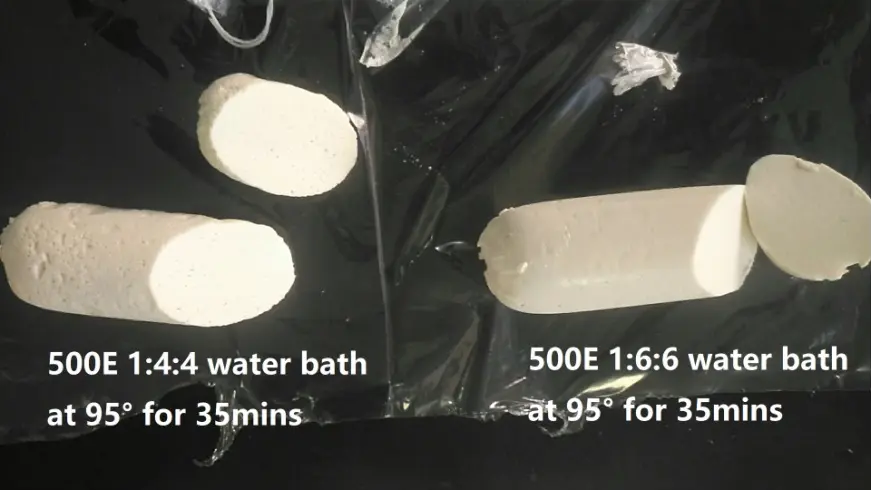
Under typical formulation conditions, our 9007B-C isolated soy protein maintains a water-holding capacity of at least 1:5.0 (protein to water by weight). In cold emulsification trials with vegetable oil, it forms a highly stable emulsion gel at 1:5:5 (protein:water:oil) that maintains its integrity during high-temperature sterilization.
Our raw materials are sourced from contracted, non-GMO farming fields in northeastern China. Our facilities operate under strict IP (Identity Preservation) guidelines. Every step—from harvesting, transport, storing, through processing in our Dachuanyuan spray-drying tower—is segregated from GMO grains to prevent cross-contamination.
Yes, our vertical integration allows us to load consolidated containers containing isolated soy protein, soy dietary fiber, vital wheat gluten, and wheat starch directly from the Xinrui Group industrial park. This reduces logistics costs and simplifies customs clearance.
Providing functional, plant-derived products for meat processing, baking, beverages, and industrial formulations globally.
 Xinrui Group