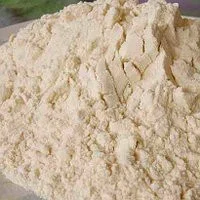
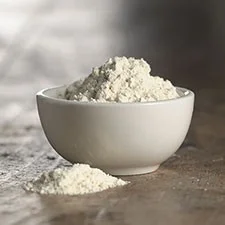
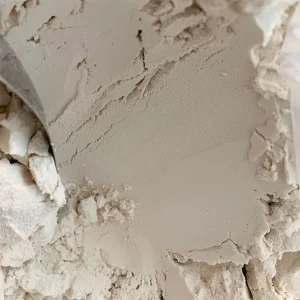
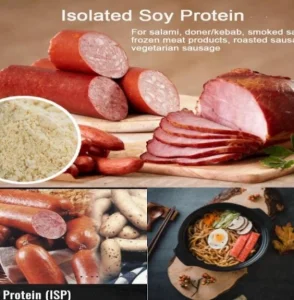
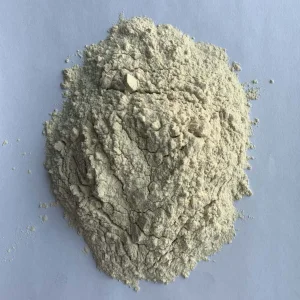
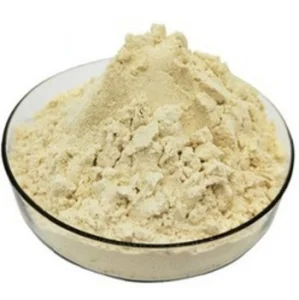
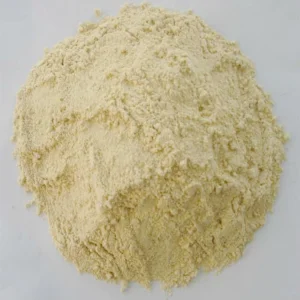
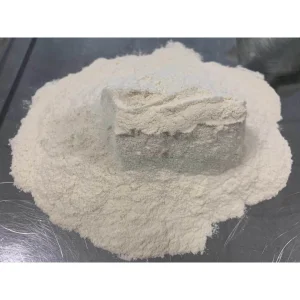
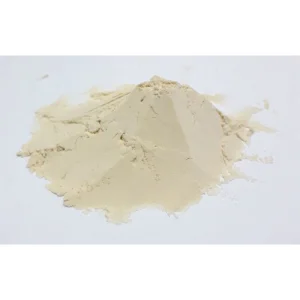
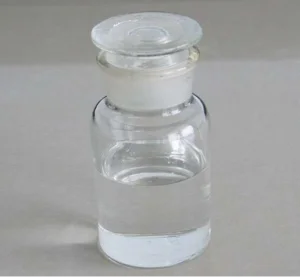
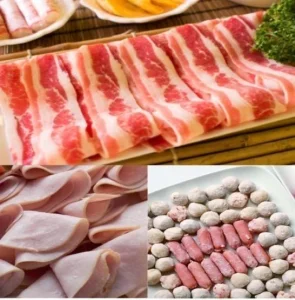
Explore our specialized range of Isolated Soy Protein solutions engineered for optimal functionality, water-binding capability, and structural integrity across diverse food processing applications.
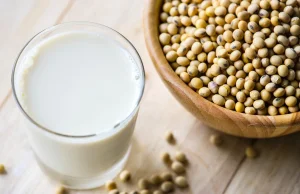
Annual Wheat Processing Capacity
Annual Non-GMO Soybean Capacity
Annual Isolated Soy Protein Output
RMB Group Annual Output Value
Understanding the molecular properties, processing parameters, and global supply dynamics of plant-based emulsification agents in modern food science.
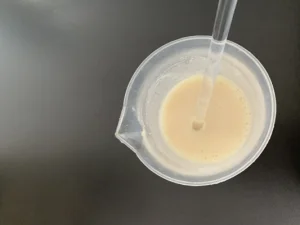
In the rapidly evolving landscape of global food science, Isolated Soy Protein (ISP) has emerged as one of the most functionally versatile plant-derived macromolecules. With a minimum protein concentration of 90% on a dry basis, ISP is engineered primarily from high-quality, low-temperature defatted soybean flakes. Beyond its superior nutritional profile, its industrial significance rests heavily on its physicochemical properties—specifically its capability to act as a highly effective surfactant and stabilizer in oil-in-water (O/W) emulsions.
The emulsifying performance of Isolated Soy Protein is directly dictated by its structural proteins, chiefly the globulin fractions 7S (β-conglycinin) and 11S (glycinin). These proteins exhibit a highly amphiphilic structure, possessing distinct hydrophobic and hydrophilic domains on their polypeptide chains. During high-shear processing or homogenization, these molecular chains unfold. The hydrophobic regions migrate toward the lipid phase, while the hydrophilic regions interface with the continuous aqueous phase.
This dynamic molecular orientation forms a cohesive, viscoelastic film around dispersed oil droplets, reducing interfacial tension and preventing phase separation. The stability is further enhanced through electrostatic repulsion and steric hindrance. These physical actions prevent coalescence and flocculation, even under high cooking temperatures and industrial mechanical stress.
Across North America, Europe, and the Asia-Pacific region, the demand for natural, clean-label emulsifiers has triggered a significant decline in the use of synthetic chemical surfactants (such as mono- and diglycerides or polysorbates). Industrial manufacturers are increasingly standardizing formulations with Non-GMO Isolated Soy Protein due to its multi-functional role: it replaces synthetic stabilizers, improves moisture retention, and increases the nutritional profile of finished products.
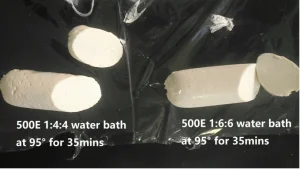
The global transition toward plant-based diets has accelerated this shift. Modern meat-alternative applications require soy proteins that mimic the exact bite, texture, and juiciness of traditional animal fats. Our specialized emulsifier soy proteins, such as the 9007B-C Meat & Emulsion Type and the 9500 Series, are specifically designed to create highly stable cold-set gels. These gels bind both moisture and fat, preventing cook-out in hot dogs, plant-based burgers, and traditional comminuted meat products.
Our proteins establish robust heat-induced, irreversible gel networks that trap oil and water droplets securely within meat and plant-based protein matrices.
Specialized low-viscosity, high-dispersion models (9030/9032) ensure stability in high-solids liquid formulations, such as protein beverages and infant formulas.
Sourced from dedicated geographic agricultural zones under strict Identity Preservation (IP) protocols, guaranteeing clean supply chain pedigree.
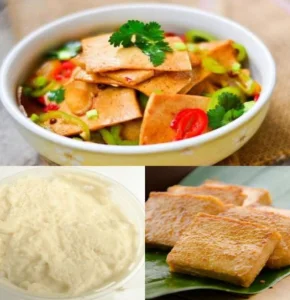
Depending on regional dietary patterns and processing facilities, the structural application of Isolated Soy Protein varies:
Our commitment to producing world-class functional food ingredients is backed by advanced production technologies:
Our soybean processing subsidiary, Shandong Kawah Oils Co., Ltd, utilizes low-temperature extraction technology to yield high-quality defatted meal. The subsequent protein isolation phase incorporates advanced industrial spray-drying systems from DACHUANYUAN, representing one of the largest single-tower production setups in China. This configuration ensures uniform particle size distributions, consistent hydration kinetics, and prevents thermal degradation during drying.
Similarly, for our wheat-based value chain, Guanxian Xinrui Industrial Co., Ltd utilizes state-of-the-art three-phase (Tri-canter) physical separation technology. This completely closed, sanitary extraction loop separates premium wheat gluten from wheat starch while protecting the natural viscoelastic properties of the gluten protein.
Discover how the Xinrui Group leverages fully integrated agricultural processing to optimize resource utilization, reduce carbon footprints, and deliver cost-competitive ingredients globally.
Established in May 2003, Xinrui Group spans an expansive footprint of more than 1,000 mu. The group has grown into a highly diversified industrial conglomerate, integrating local cogeneration facilities, municipal urban heating, industrial gas supply, and deep agricultural processing divisions. By generating its own power and steam, the group achieves significant cost efficiencies in steam-intensive processes such as starch drying and soy protein isolation, culminating in an annual output value of 2.8 billion Yuan.
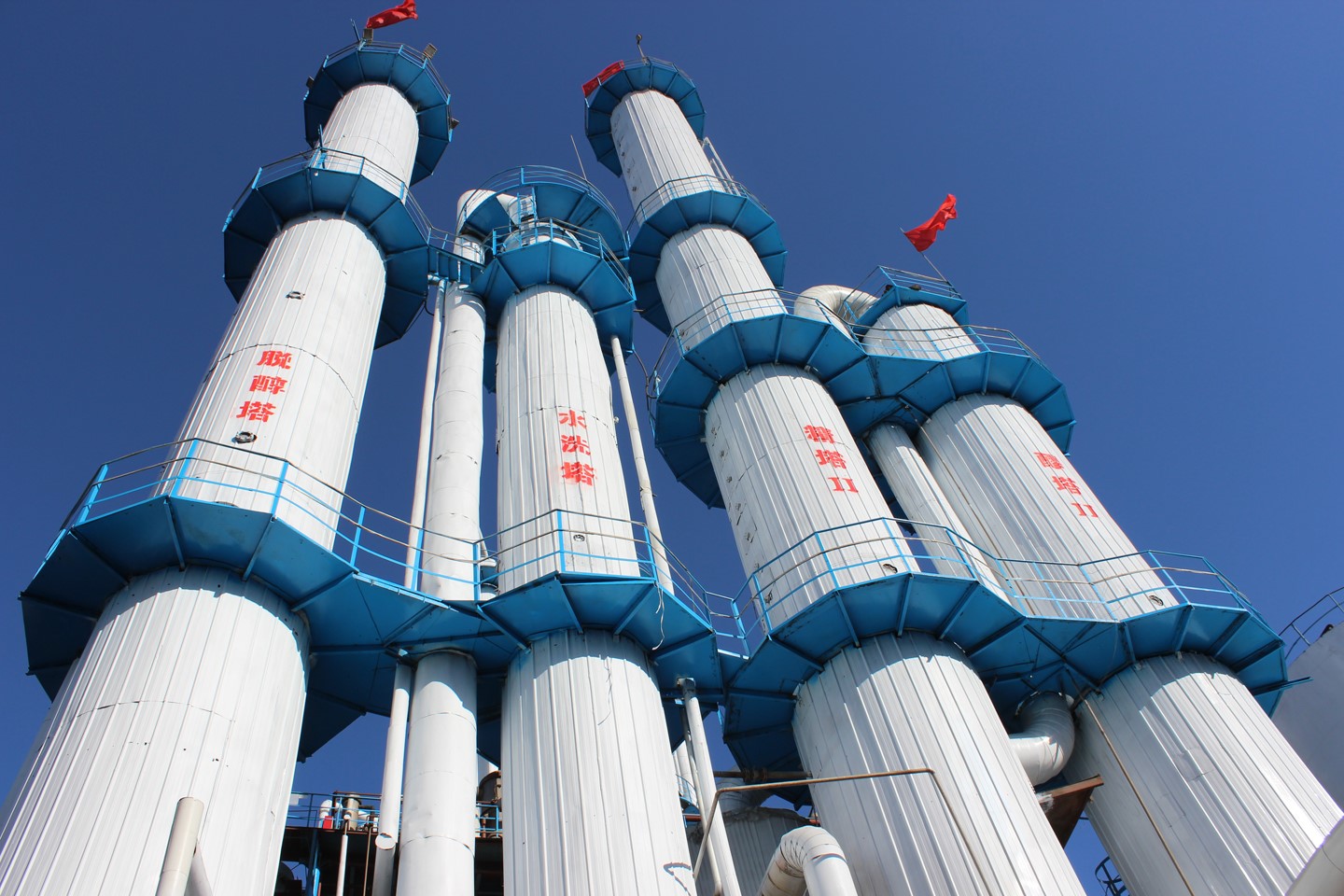
Guanxian Xinrui Industrial Co., Ltd. (formerly known as Guanxian Ruixiang Biotechnology Development Co., Ltd) was founded in 2007 with a registered capital of 100 million Yuan. The facility processes 500,000 tons of wheat flour annually, extracting premium wheat gluten and high-grade wheat starch (A and B starch). Starch B and pentosan are recycled back into industrial-grade biofuel (ethanol) and nutritious animal feed, completing a zero-waste agricultural loop. The facility features imported tri-canter separation lines that ensure the highest purity and safety standards in the industry.

Established in 2014 with 120 million Yuan in registered capital, Shandong Kawah Oils Co., Ltd. is a leading agricultural enterprise. Processing 180,000 tons of domestic Non-GMO soybeans annually, it implements a step-by-step extraction model: extracting crude oil, manufacturing food-grade low-temperature soy meal, isolating high-purity soy protein, and recovering dietary fibers. The facility operates the largest single-tower spray drying line in China, engineered by DACHUANYUAN, providing unmatched physical consistency for global exports.
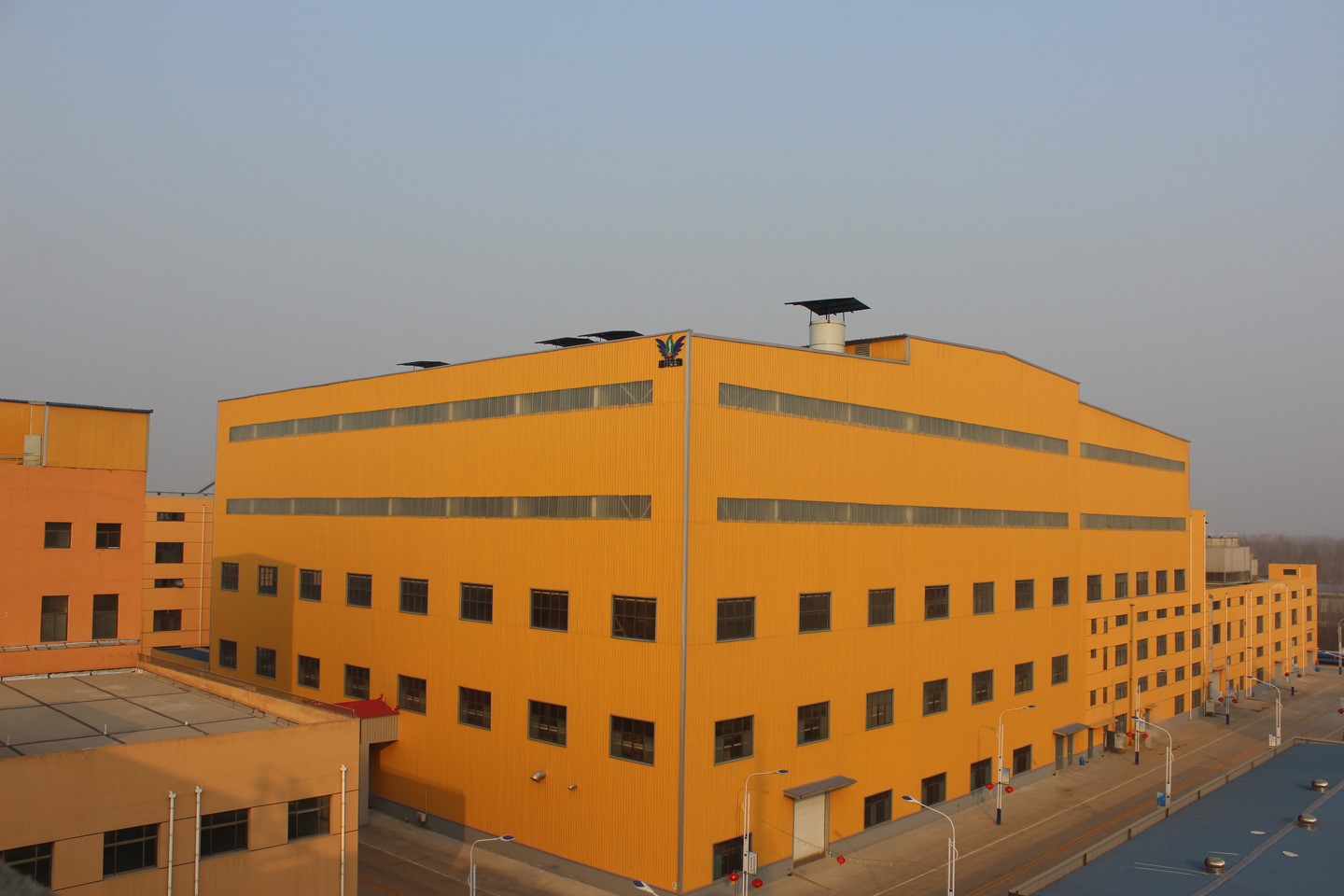
Founded in 2011 with a registered capital of 6 million Yuan, Guanxian Ruichang Trading Co., Ltd. acts as the specialized export channel for the group. By managing international logistics, customs compliance, and client relationships directly from the factory floor, Ruichang exports over 70% of the group’s total production capacity. This ensures that global customers receive fresh product batches with full manufacturer support, eliminating middleman markups.
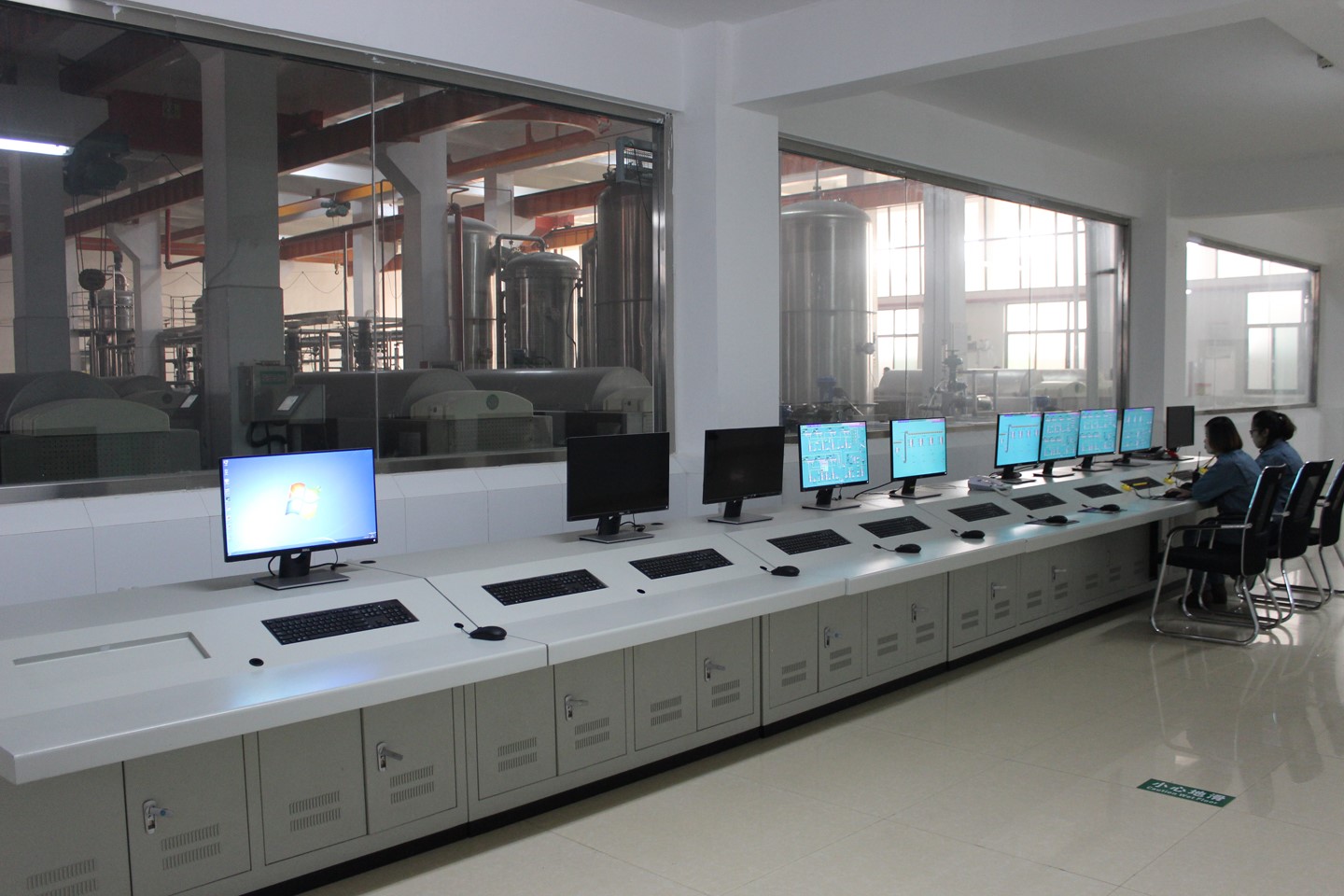
Take a virtual tour of our state-of-the-art production environments, showcasing our closed-loop extraction systems, control centers, and high-efficiency packaging lines.
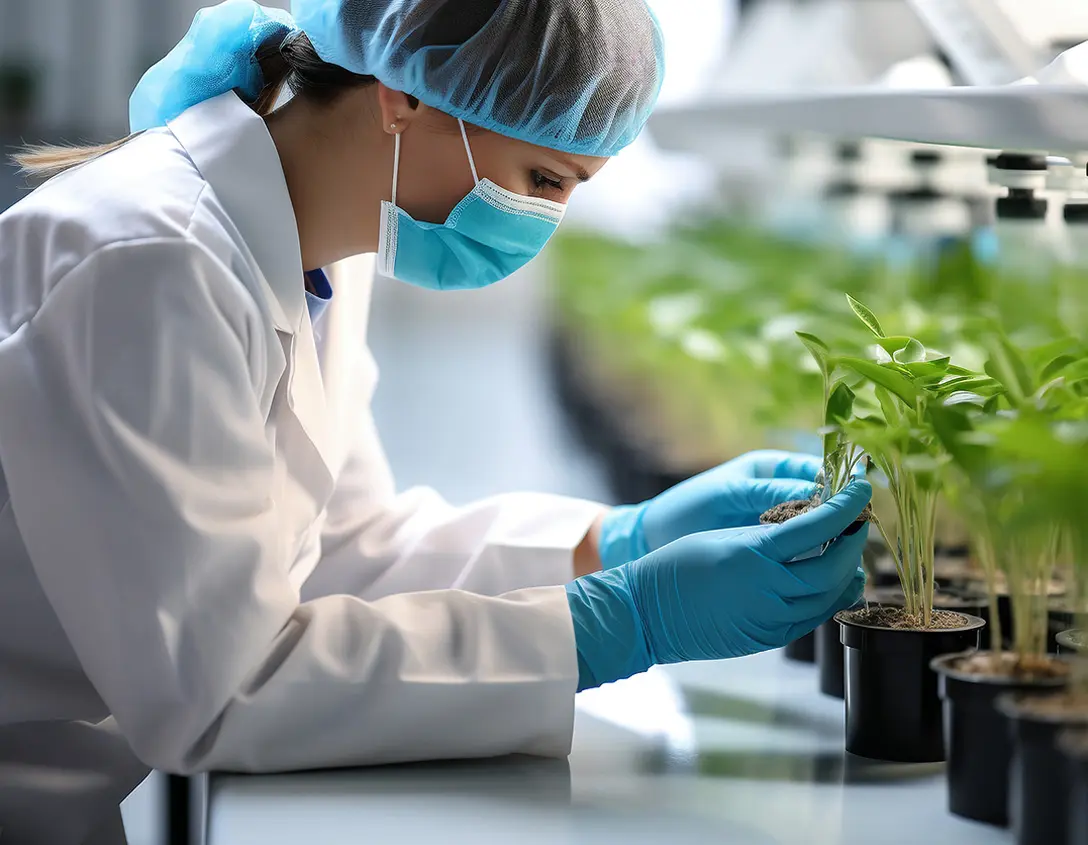
Developing high-performance, clean-label plant protein isolates for global food manufacturers.
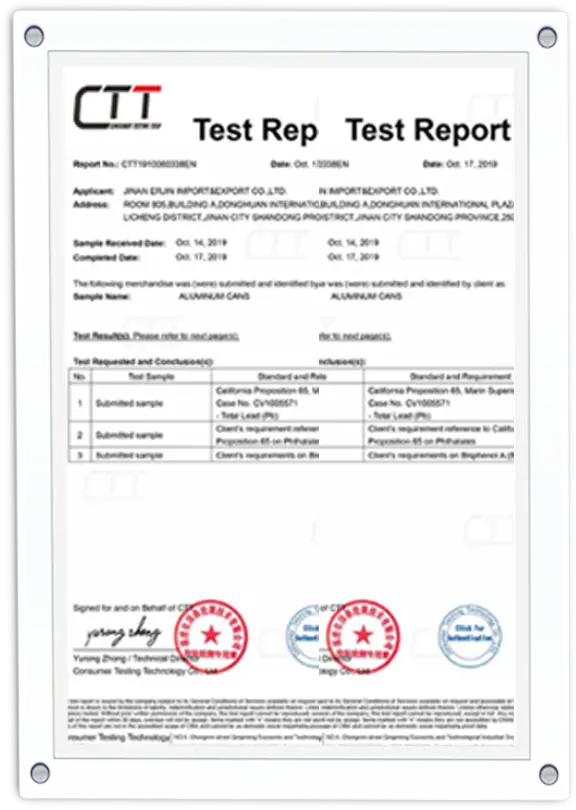
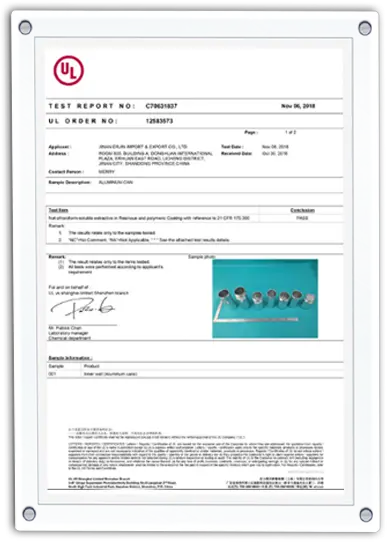
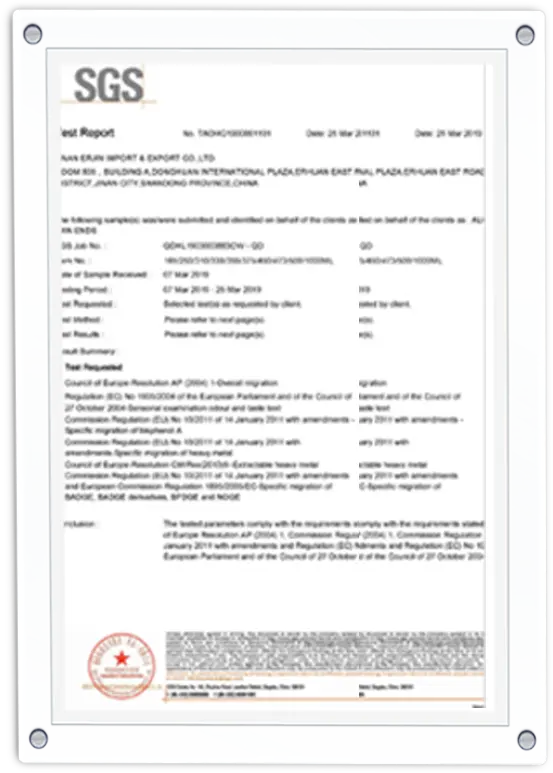
Our facilities implement strict quality management programs verified by international third-party certification bodies, ensuring safe supply chain integration.
Find technical answers regarding solubility profiles, batch consistency, logistics, and formulation assistance.
Complete your formulation matrix with our functional wheat gluten, soy fibers, and specialty food-grade ethanol products sourced from our closed-loop refining facility.
 Xinrui Group