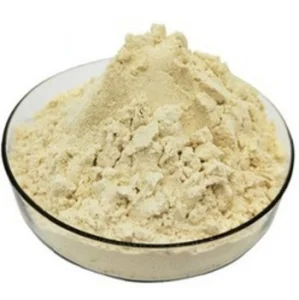
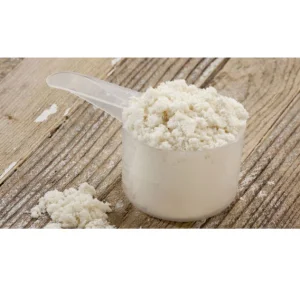
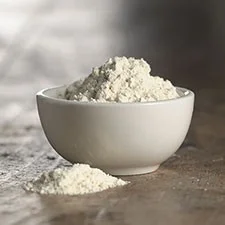
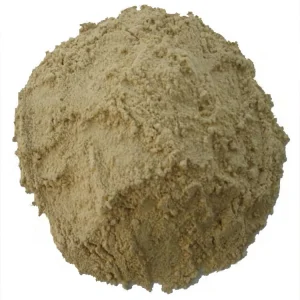
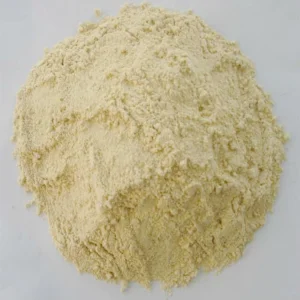
In modern commercial baking, flour quality optimization is paramount to satisfying the consistent structural demands of high-throughput automated baking lines. Vital Wheat Gluten (VWG), also designated as active wheat gluten, functions as a natural structural powder concentrate derived from the insoluble protein fractions of wheat endosperm. Industrially separated to yield a minimum of 75% to 80% dry-basis protein content, it predominantly consists of two major polymorphic protein classes: Gliadins and Glutenins.
Gliadins contribute to the cohesive extensibility and viscosity of the dough matrix, allowing it to stretch during gas expansion stages without tearing. Glutenins, conversely, associate through inter-molecular disulfide bonds to form a complex three-dimensional polymeric network that imparts elasticity, mixing tolerance, and structural resistance. Together, these proteins constitute a viscoelastic network that traps carbon dioxide generated by yeast fermentation and water vapor during baking. This architecture prevents gas cell coalescence, maximizes loaf volume, improves crumb cell uniformity, and ultimately ensures the structural integrity of bread loaves under commercial slicing, packaging, and handling forces.
For bread factories operating continuous high-speed mixers and industrial extrusion lines, dough stability is a crucial metric. Base flour variations caused by crop year changes, localized weather patterns, and soil conditions present challenges to consistency. Our vital wheat gluten acts as an essential standardization agent, helping manufacturers stabilize mixing tolerance index (MTI), increase development times on Farinograph charts, and boost the gas retention properties of weak flours. By using our premium wheat gluten, large-scale factories can maintain uniform dough hydration and optimize processing times, minimizing downtime and maintaining product quality across shifts.

The global demand for plant-based proteins, clean-label clean-binders, and protein-fortified baked goods has escalated. Vital wheat gluten has transitioned from a basic baking aid to a globally traded commodity critical to both human nutrition and feed sectors. Commercial bread factories from Europe to the Asia-Pacific region utilize imported vital wheat gluten to meet high-protein standards without compromising soft textures.
Currently, supply chain stability is a major factor for multinational buyers. Having a direct processing partner with vast raw material resources and dedicated logistics infrastructure is essential. Guanxian Xinrui Industrial Co., Ltd., together with Ruichang Trading, supports this demand by overseeing the entire cycle from non-GMO agricultural grain cultivation to deep bioseparation, domestic storage, and direct sea/rail shipping.
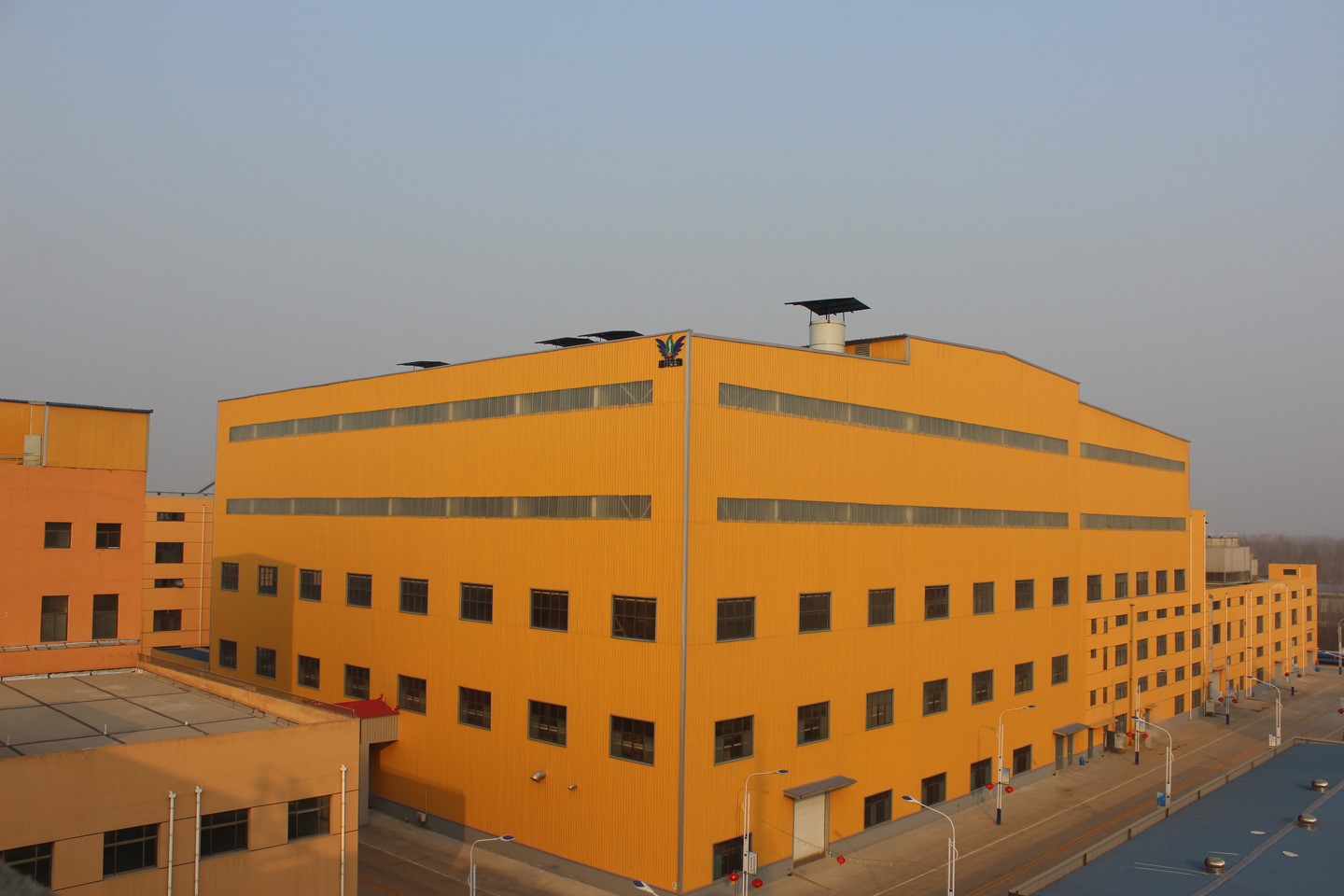
Established in 2007 with registered capital of 100 million Yuan, Guanxian Xinrui Industrial Co., Ltd. processes 500,000 tons of wheat flour annually. Our production chain yields Vital Wheat Gluten, Wheat Starch A, and Wheat Starch B. We utilize Tri-canter separation technology, operating a fully closed, automated, and hygienic loop.
Guanxian Ruichang Trading Co., Ltd., established in 2011 with a registered capital of 6 million Yuan, manages our export operations. Exporting over 70% of the group's production capacity directly to global markets, we offer integrated industry-and-trade efficiency, stable pricing, and simplified logistics.
Different global baking traditions call for specific dough rheology adjustments. Our high-quality Vital Wheat Gluten is formulated to optimize these varying parameters:
Provides strong dough tolerance in high-shear mixers. Helps prevent top-cave or side-wall collapse in large loaves, ensuring consistent crumb structure and soft, sliceable volume.
Enhances the gas holding capacity of long fermentation doughs. Supports large-hole open crumb patterns, improves crispiness, and produces a distinct caramelized crust color.
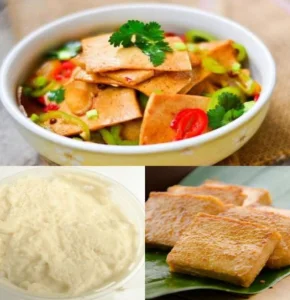
Improves tensile strength and elasticity, reducing cooking breakage in industrial noodle production. Prevents shrinkage and wrinkling in steamed buns, ensuring a smooth surface.
Imparts the necessary stretch and chewiness. Prevents tearing during automated rolling, maintaining crust shape during rapid, high-temperature baking.
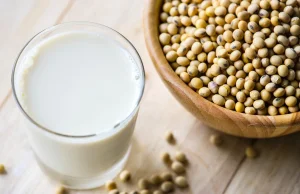
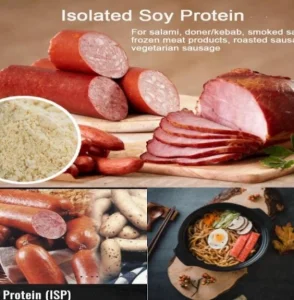
Xinrui Group operates a comprehensive crop processing network. In addition to our wheat processing facilities, Shandong Kawah Oils Co., Ltd. (established in 2014, registered capital 120 million Yuan) processes 180,000 tons of domestic Non-GMO soybeans annually. Kawah Oils extracts Non-GMO soybean oil, food-grade soy meal, isolated soy protein (ISP), and soy dietary fiber.
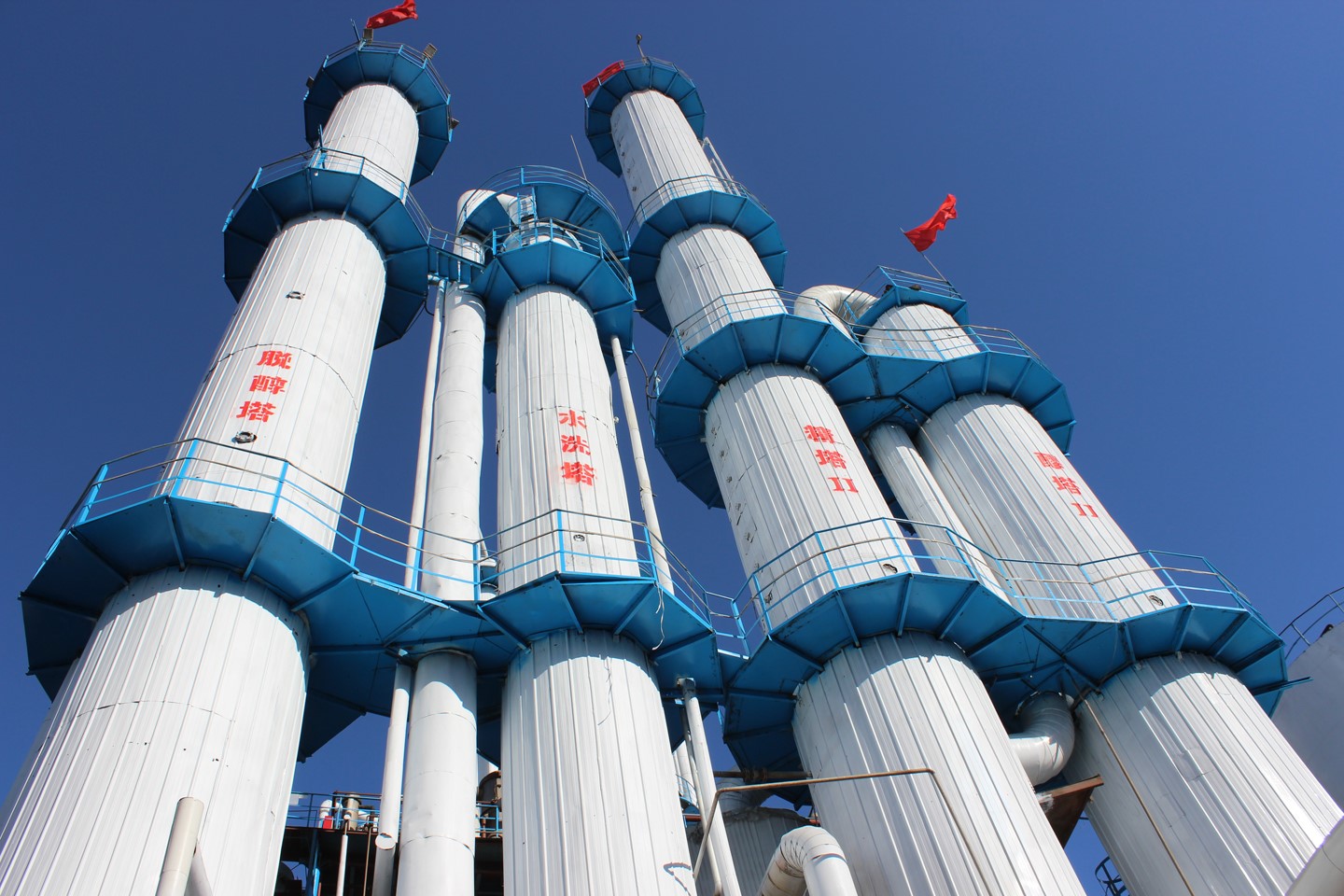
Equipped with advanced spray drying towers, including systems from Dachuanyuan, we operate a large single production line in China. This dual capability in both wheat and soy protein isolates enables us to offer unique co-formulation solutions, adjusting water binding, crumb softness, and protein density for diverse global baking applications.
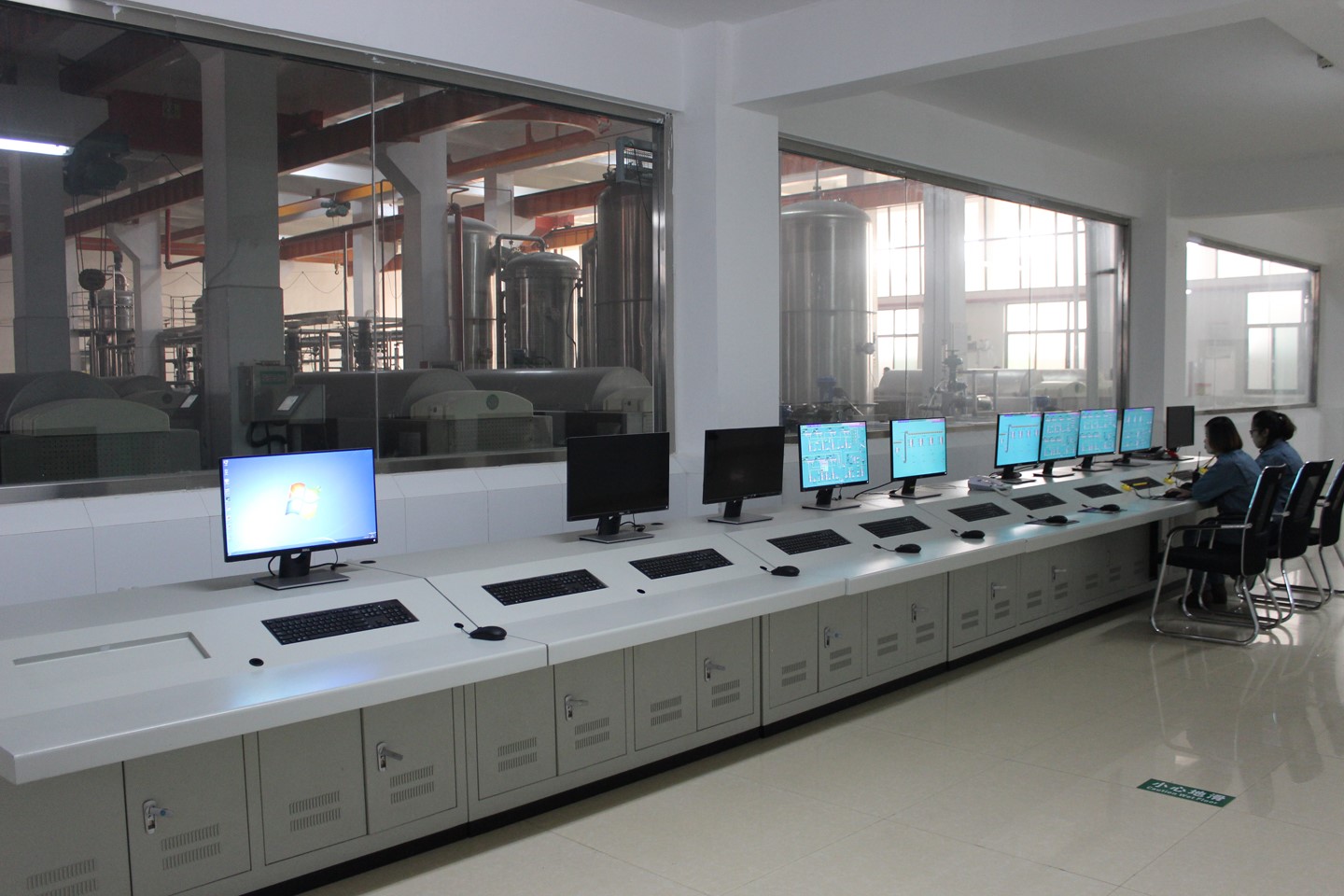
Exporting food ingredients globally requires strict compliance with varying safety standards. Guanxian Xinrui Industrial operates on a fully transparent trace-back platform, ensuring all vital wheat gluten batches are traceable to our selected wheat planting bases. We maintain strict control over pesticide residues, heavy metals, and microbiological criteria to comply with international standards.
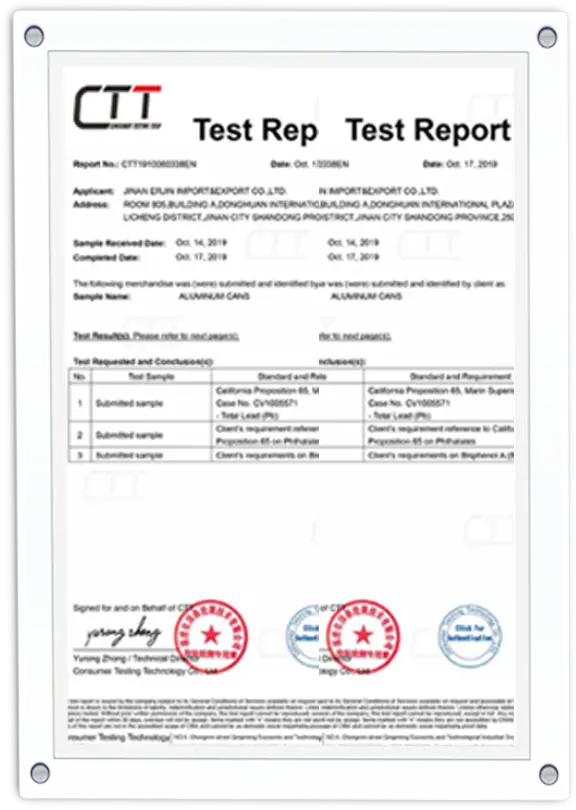
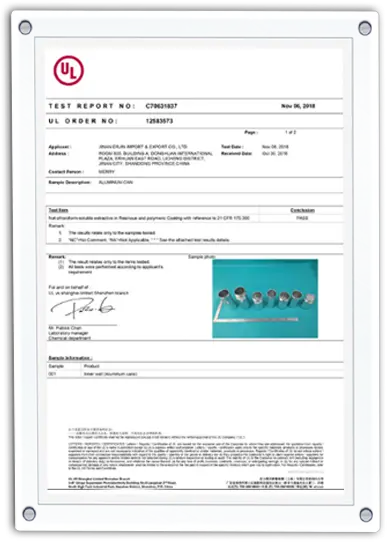
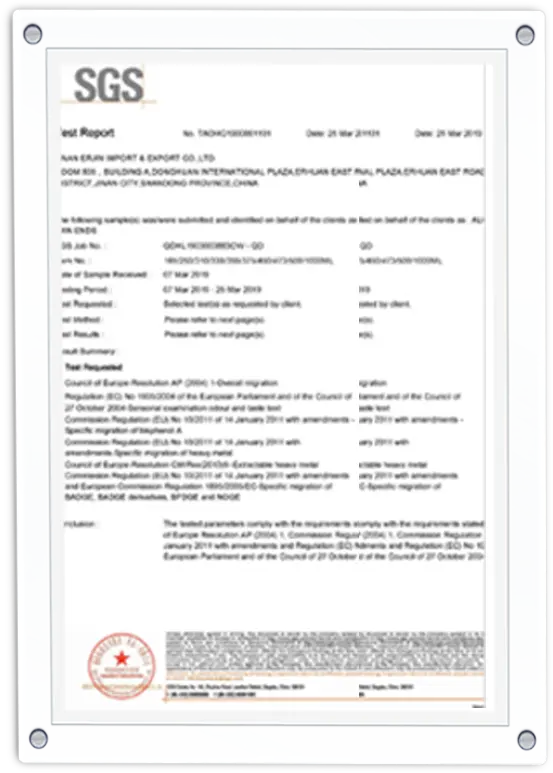
Our manufacturing facilities and processes hold key international food safety certifications, including: BRCGS (Global Standard for Food Safety), HACCP, ISO 9001, ISO 22000, KOSHER, HALAL, and IP Non-GMO.
These certifications verify that our production lines meet strict global parameters for processing cleanliness, cross-contamination prevention, and consistent product quality. Our team can coordinate with customs brokers to supply all necessary phytosanitary certificates, COAs (Certificates of Analysis), and customized packaging labels for your target market.
The future of industrial baking ingredients lies in clean-label, bio-enzymatic modifications. Over-reliance on synthetic chemical conditioners (like DATEM or azodicarbonamide) is declining due to changing consumer preferences. In response, Xinrui Group's R&D focus is centered on optimizing the clean-label properties of vital wheat gluten. By adapting the native gluten polymer to specific mixing profiles, we aim to help industrial bread factories reduce or eliminate chemical dough conditioners.
Additionally, our circular economy model minimizes resource consumption. Our integrated loop uses raw wheat to produce vital wheat gluten, Wheat Starch A, and Wheat Starch B. We route Starch B and pentosans toward eco-friendly ethanol and animal feed production, utilizing byproducts efficiently and lowering the carbon footprint of our wheat gluten.
Take a digital tour of our state-of-the-art wheat separation and soy protein processing facilities.
We are a vertically integrated group company named Xinrui Group, combining processing, research, and exporting operations. The processing of soy protein isolate is conducted by Shandong Kawah Oils Co., Ltd (capacity: 50,000 tons/year). The processing of vital wheat gluten and starch is managed by Guanxian Xinrui Industrial Co., Ltd. (formerly known as Guanxian Ruixiang Biotechnology Development Co., Ltd), producing 30,000 tons of vital wheat gluten annually. All international export logistics, compliance, and billing are managed by our export trade arm, Guanxian Ruichang Trading Co., Ltd.
Our facilities hold a comprehensive certification portfolio including HACCP, ISO 9001, ISO 22000, BRCGS (BRC), HALAL, KOSHER, and IP-NON GMO. Additional testing protocols and certificates can be arranged through SGS or other independent testing bodies upon request.
Our vital wheat gluten binds water within its protein matrix. During baking, this moisture is retained within the crumb structure rather than migrating to the crust, which helps delay starch retrogradation (staling) and keeps bread crumb soft and elastic for a longer period.
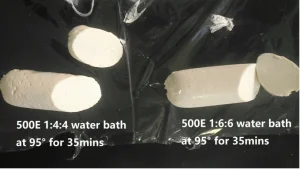
Our active wheat gluten achieves a water absorption ratio of approximately 1:1.5 to 1:2.0, meaning it can absorb 150% to 200% of its dry weight in water. This high absorption capacity helps industrial bakeries optimize dough yield.
Our soybean products are sourced from non-GMO planting bases in China. We operate a strict Identity Preservation (IP) program from raw bean procurement to final packaging, and we test our plant protein products to ensure Non-GMO compliance.
 Xinrui Group