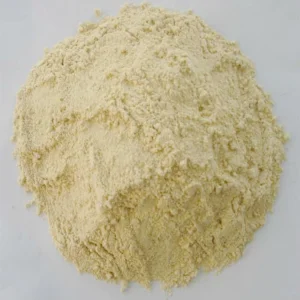
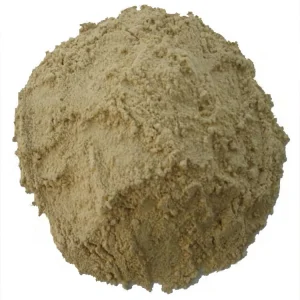
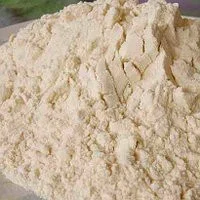
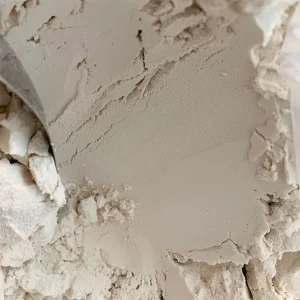
Select from our industry-leading formulations engineered for exceptional gel strength, water retention, and emulsification.
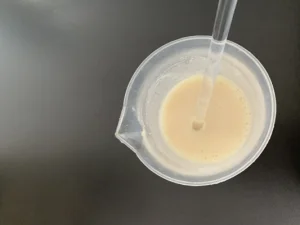
A Technical Analysis of Soy Protein Isolates and Vital Wheat Gluten in B2B Applications
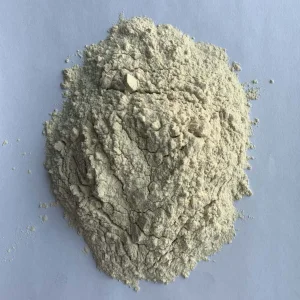
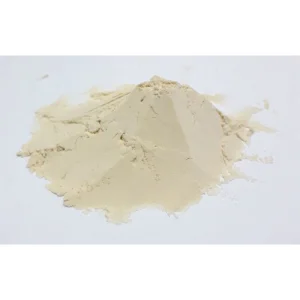
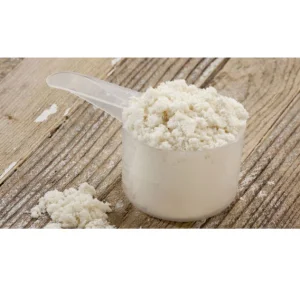
The global shift toward plant-based nutrition has elevated the demand for structural proteins that can accurately replicate the organoleptic properties of animal meat. As a leading vegetarian soya meat supplier and factory, Xinrui Group stands at the intersection of biotechnology and industrial food processing. We provide high-functionality Isolated Soy Protein (ISP) and Vital Wheat Gluten (VWG) engineered to address the core challenges of the meat analogue sector: texture, moisture retention, fat emulsification, and clean-label compliance.
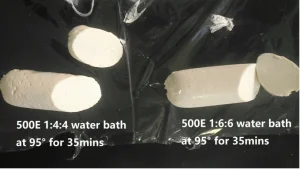
Modern food developers require plant-based proteins that go beyond basic nutritional delivery. Our products are formulated to act as structural building blocks. High-quality isolated soy protein forms the backbone of meat alternatives by establishing a cohesive protein matrix. Through thermal gelation, these isolates mimic the firm bite of animal myofibrillar proteins, preventing common product defects such as syneresis (water loss) and texture degradation during freeze-thaw cycles. By adjusting the ratio of gelation-type and emulsion-type proteins, manufacturers can optimize formulations for products ranging from sliced vegetarian hams to high-moisture texturized vegetarian patties.
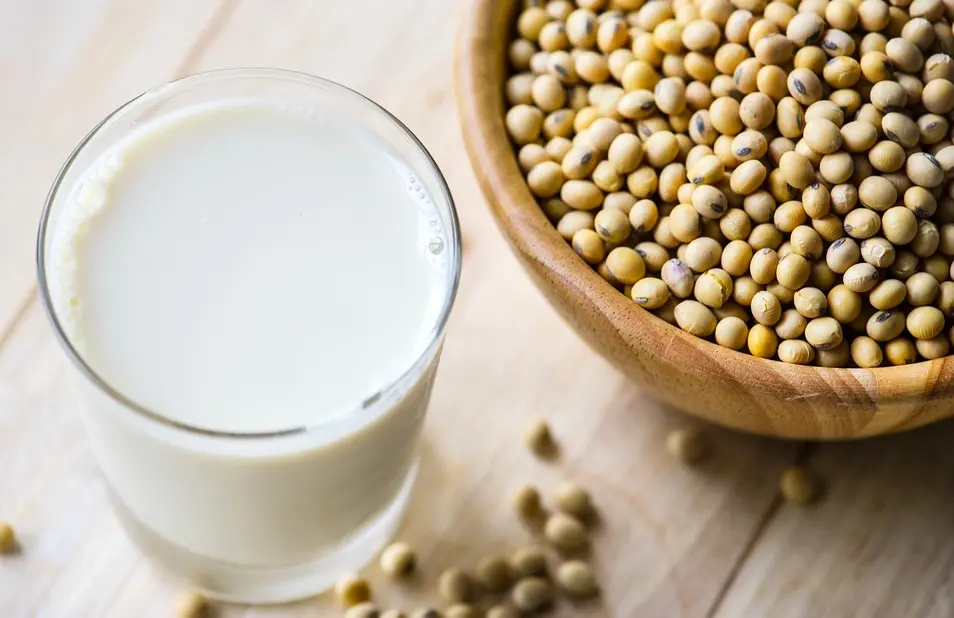
The supply chain landscape for plant proteins demands strict reliability and volume capability. In the global trade sphere, non-GMO status is critical for regulatory approval and premium positioning in markets such as the EU and North America. Xinrui Group's integration model addresses this by utilizing domestic, identity-preserved (IP) Non-GMO soybeans as raw materials. By managing the extraction from low-temperature soybean meal down to isolated soy protein and dietary fiber, we ensure complete traceability. This industrial-scale control allows us to stabilize viscosity, dispersibility, and gelation parameters across production batches, mitigating the volatility often seen in agricultural products.
Established in May 2003, Xinrui Group spans a footprint of more than 1,000 mu. Over decades of calculated infrastructure growth, the group has established a highly efficient, diversified circular economy. The process flow integrates crop planting bases, grain processing, energy generation, and biochemical extraction into a self-sustaining loop.
Our core manufacturing hub, Guanxian Xinrui Industrial Co., Ltd. (formerly Guanxian Ruixiang Biotechnology Development Co., Ltd), established in 2007 with 100 million Yuan in registered funds, processes 500,000 tons of wheat flour annually. Using state-of-the-art European tri-canter separation technology, we extract vital wheat gluten, wheat starch A, and wheat starch B. The starch B and pentosans are directed into ethanol production and animal feed, closing the loop and eliminating agricultural waste.
Simultaneously, Shandong Kawah Oils Co., Ltd., founded in 2014 with 120 million Yuan in registered capital, manages the soybean processing line. It processes 180,000 tons of domestic Non-GMO soybeans annually, extracting high-purity oil, low-temperature meal, isolated soy protein, and soy dietary fiber. This dual-grain approach provides our clients with both soy and wheat protein options to optimize their meat analogue formulations.
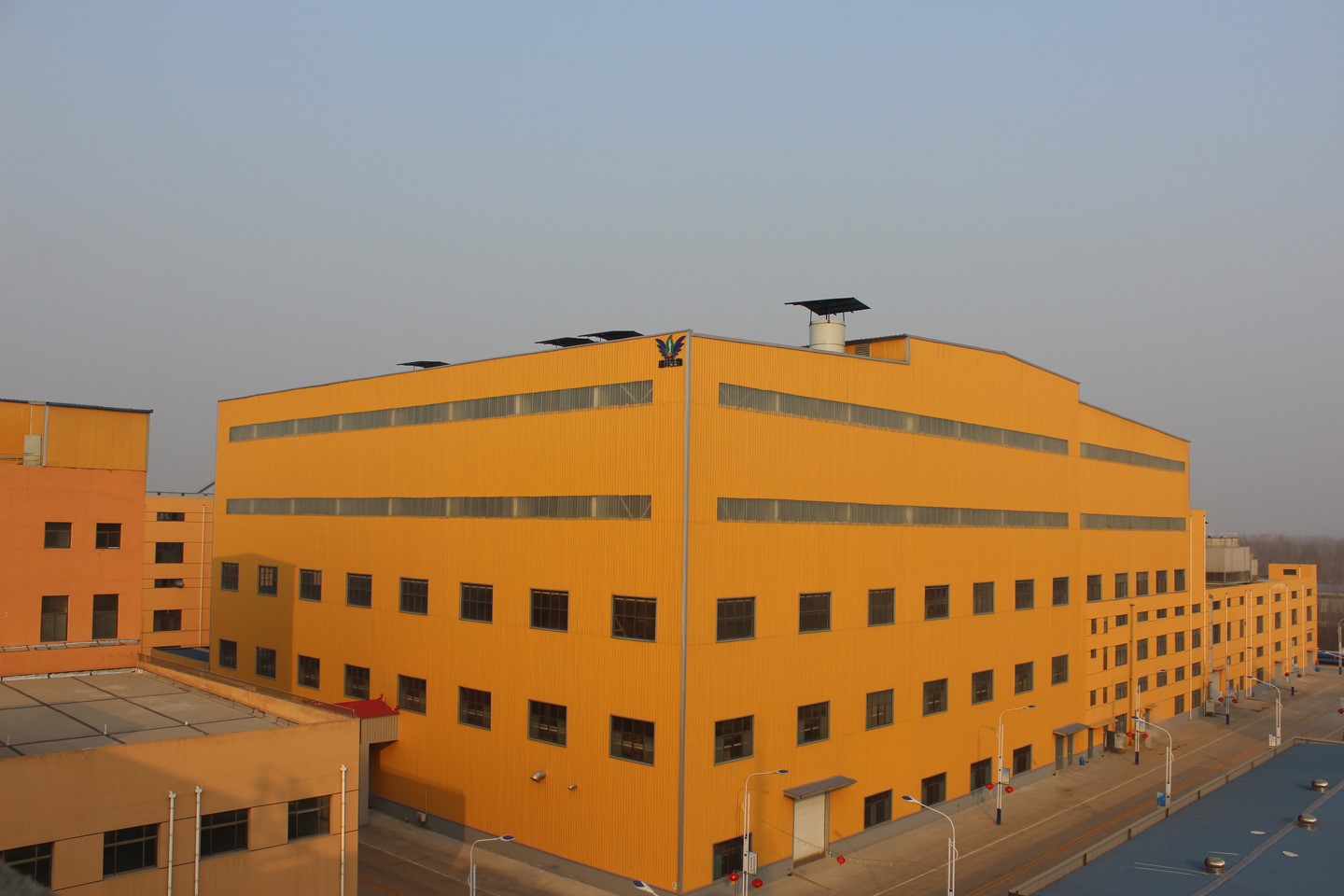
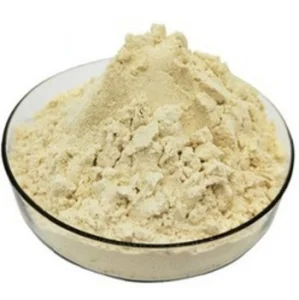
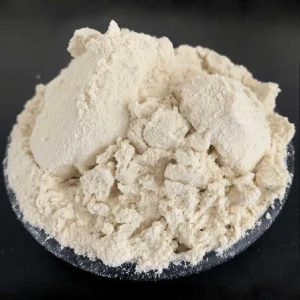
Leveraging automated, clean-loop processing systems to ensure optimal particle dispersion, high nitrogen solubility, and protein purity.
European-designed separation technology ensures wheat proteins are extracted without thermal denaturation, retaining their vital viscoelastic properties and water absorption capacity.
Using the largest single-line spray drying tower in China. Promotes uniform particle size distribution, dust-free dissolution, and consistent gelling behavior under thermal processing.
Rigorous agricultural identity preservation (IP) guarantees that all soybeans processed are 100% free of genetic modification, meeting strict global regulatory standards.
As we expand our global footprint, our R&D efforts are focused on the customization of plant protein structures. We are currently implementing enzymatic cross-linking and physical modification techniques to produce soy proteins with higher shear-stability. This will facilitate clean-label binding without the use of methylcellulose. Additionally, our cogeneration plant and waste-energy integration systems are reducing our carbon footprint, aligning with the sustainability objectives of our global B2B clients.
Matching protein functionalities with specific food processing requirements

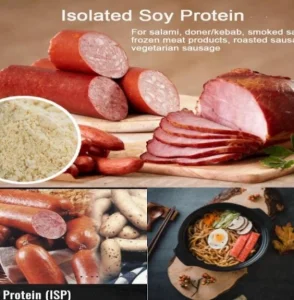
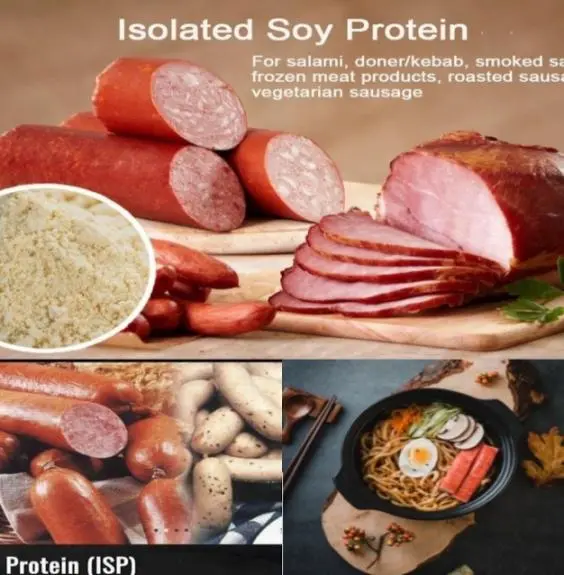
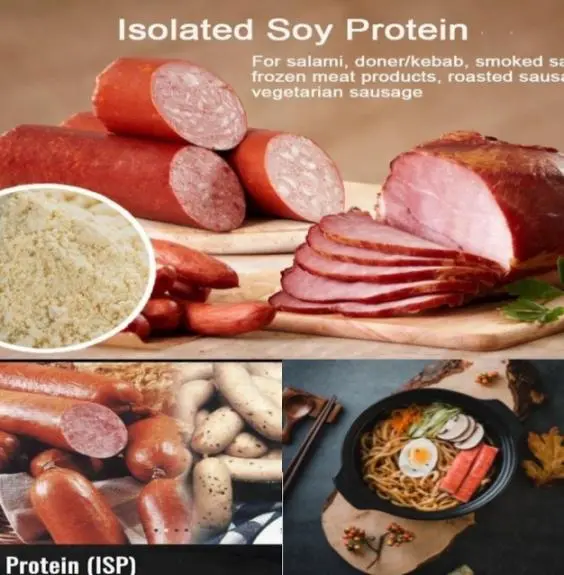
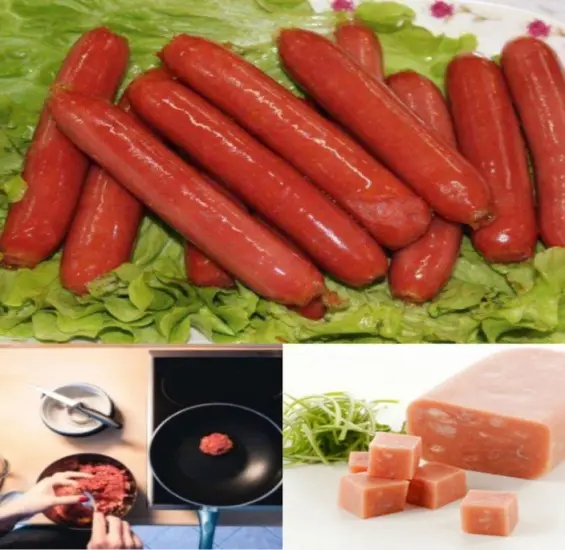
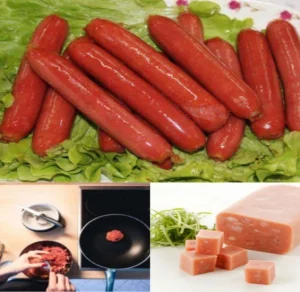
Emulsified products such as sausages, frankfurters, and meatballs require protein matrices that can bind water and fat under shear stress. Our emulsion-type soy protein isolates form a robust interfacial film around lipid droplets. This prevents oil separation during thermal processing. These proteins also feature optimized gelling temperatures, matching standard meat-cooking cycles to ensure the final product retains a firm, juicy texture.
For whole-muscle applications, hams, and cured meats, isolated soy protein must exhibit high solubility and low viscosity at cold temperatures to pass through fine injector needles without clogging. Our injection-grade isolates disperse easily without forming clumps. Once inside the meat structure, they interact with muscle proteins to reduce cooking loss, increase yield, and maintain bite integrity.
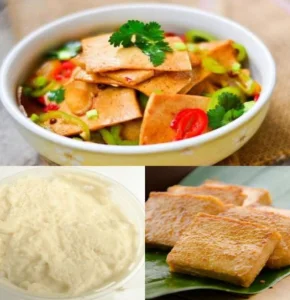
Vegetarian meat alternatives like plant-based burgers, mince, and traditional tofu demand a balanced protein profile. Our vegetarian-type isolates are engineered to provide elastic gelation and clean flavor profiles, minimizing the beany taste common in soy products. This allows developers to reduce masking agents and clean up their ingredient declarations.
Direct industrial access to our primary manufacturing portfolio
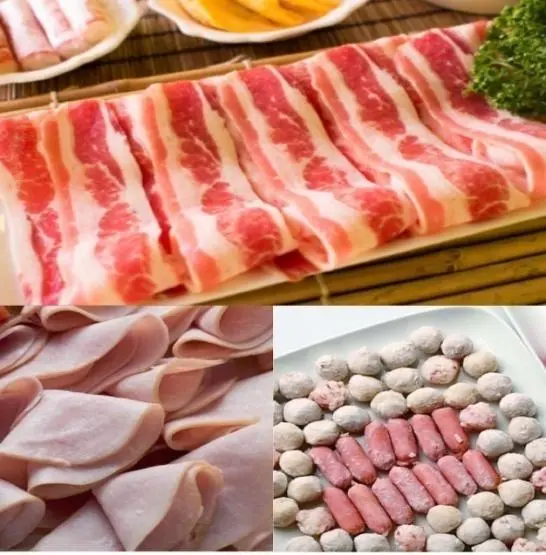
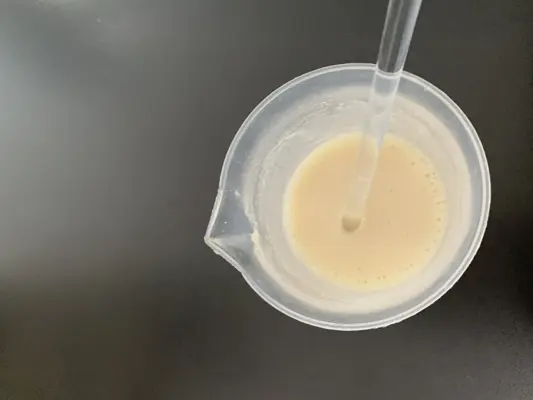
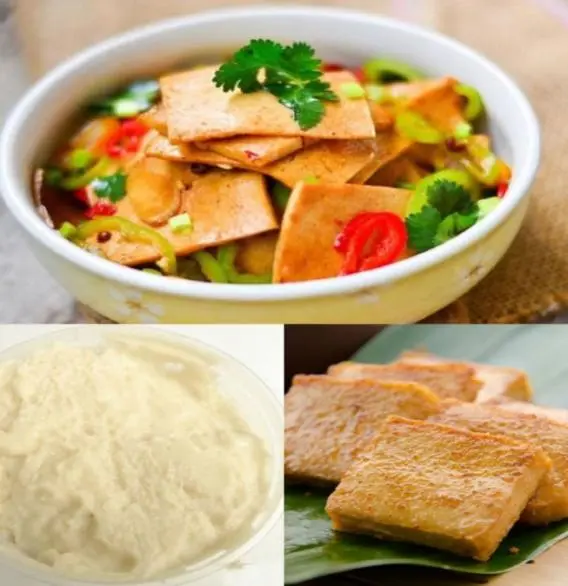
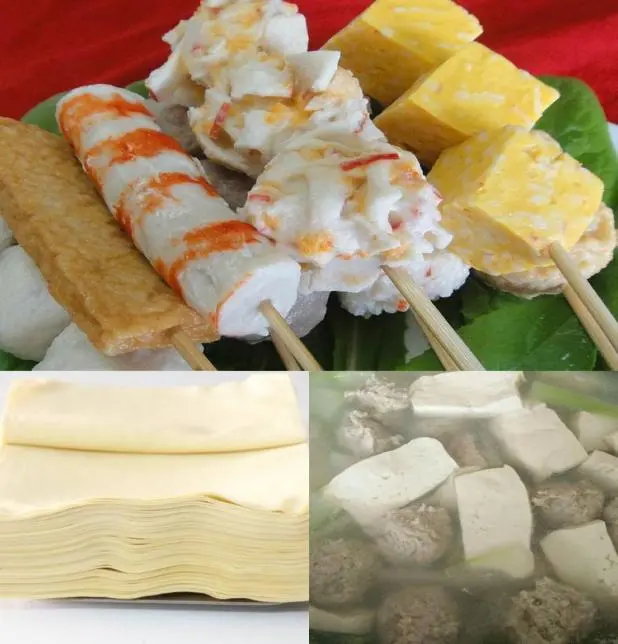
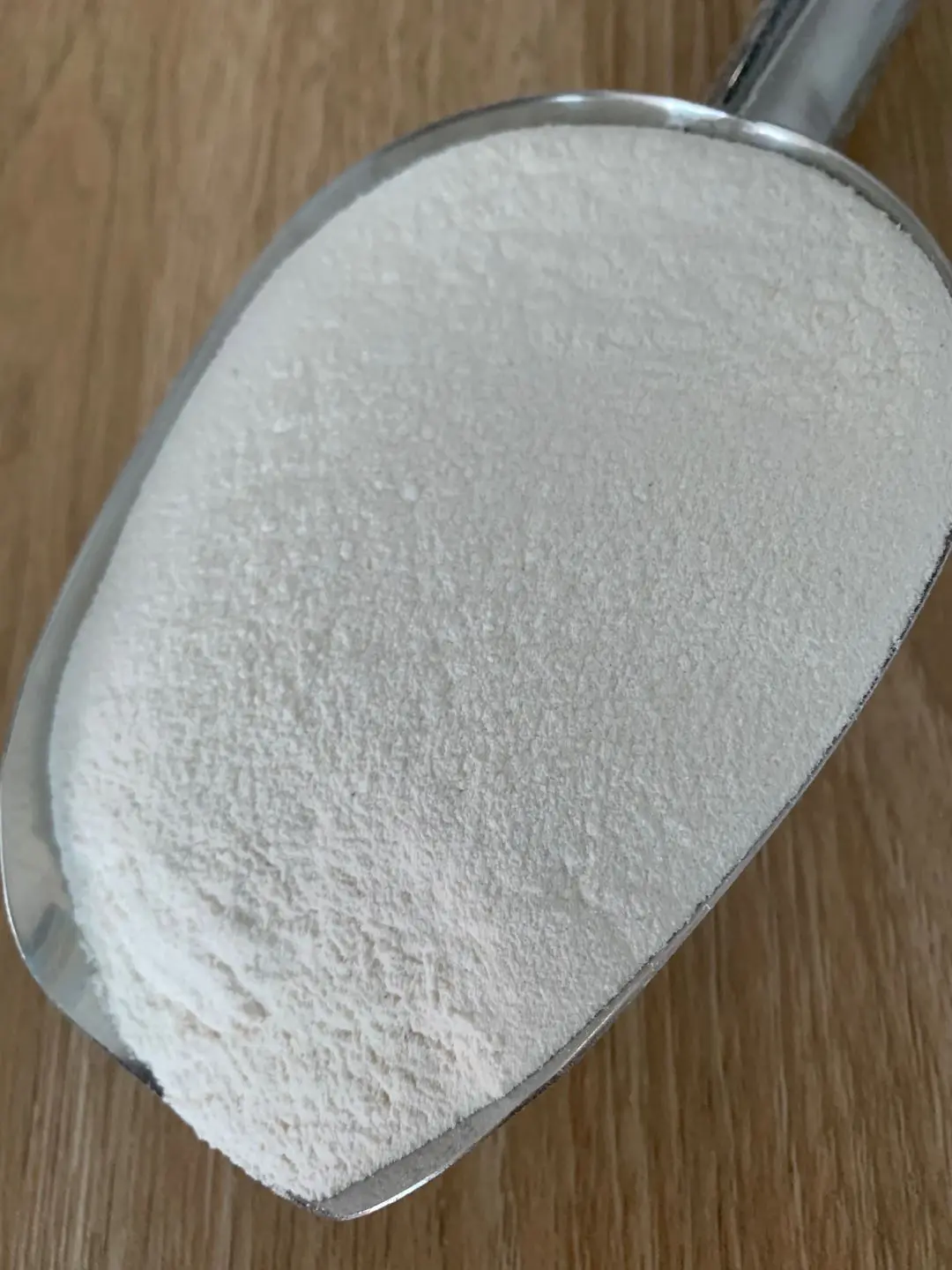
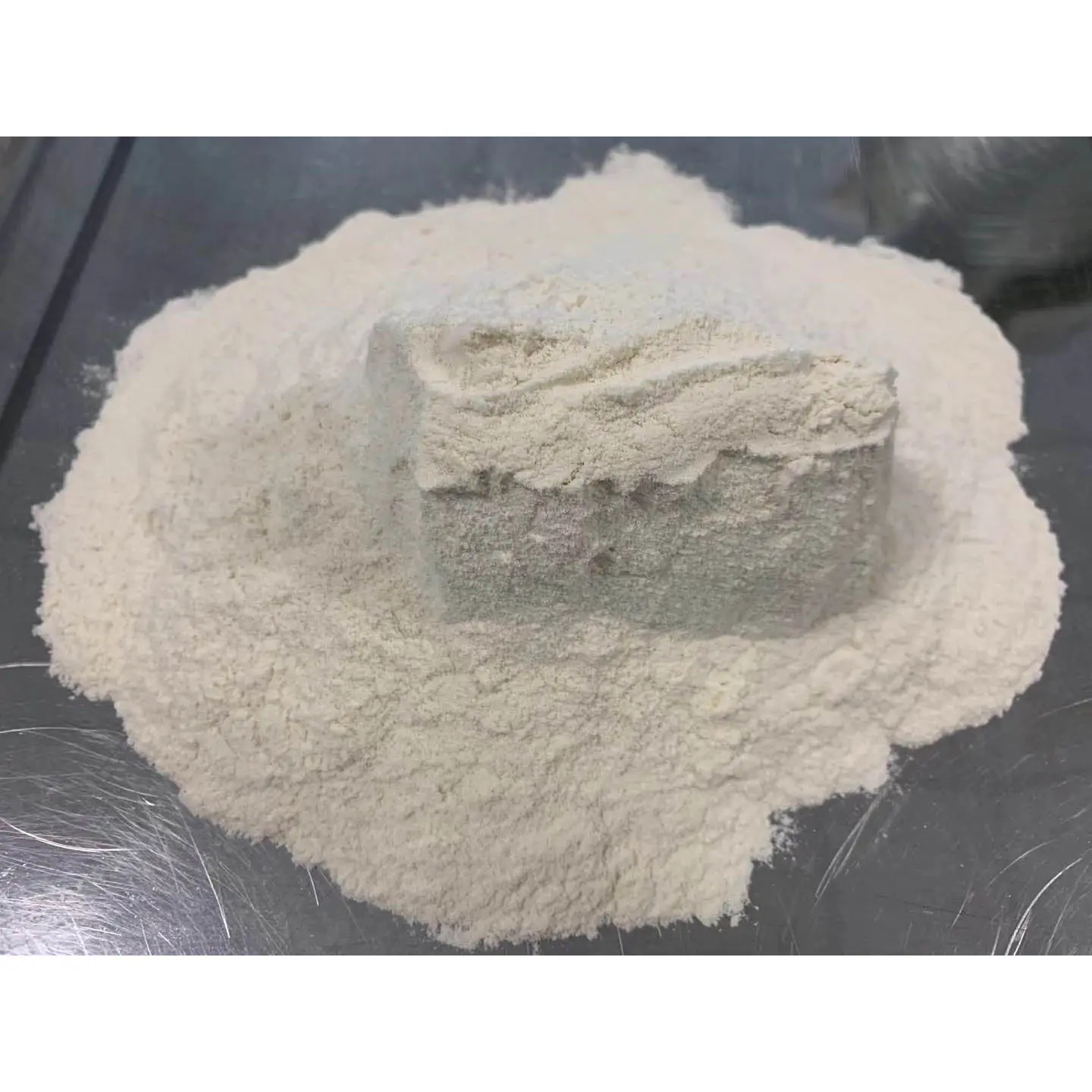
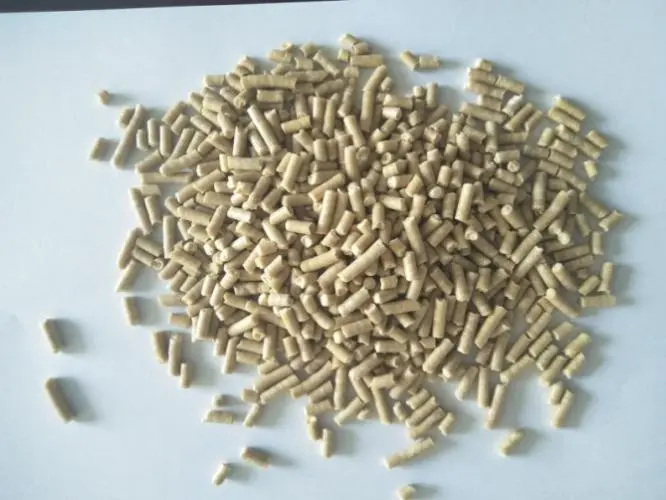
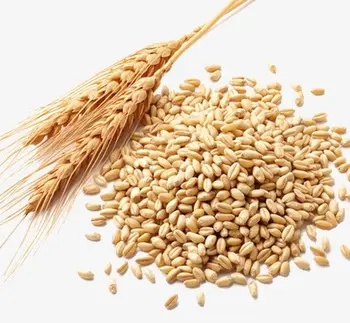
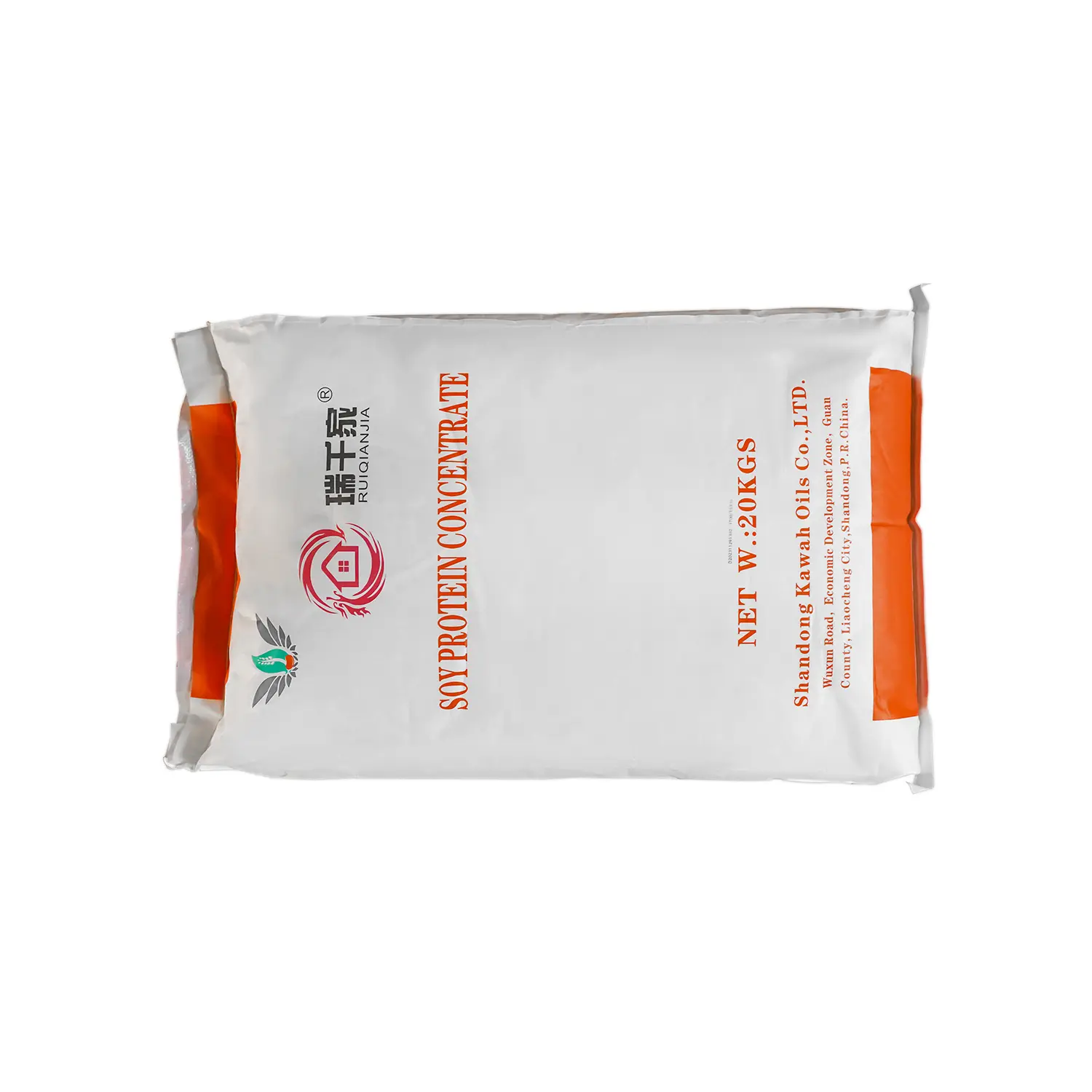
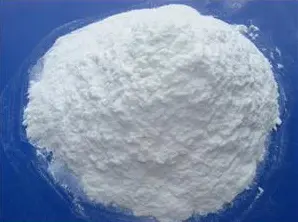
Delivering verified quality across international borders
Navigating global food safety laws requires thorough documentation and third-party validation. To support import compliance for international food brands, Xinrui Group maintains certifications across all operational facilities. This regulatory foundation ensures that our products seamlessly integrate into global production workflows.
Our raw material sourcing and extraction procedures comply with Identity Preservation (IP) Non-GMO standards. This guarantees that our supply lines remain isolated from GMO materials, from farm planting to final product packaging. Our quality systems are structured around HACCP, ensuring physical, chemical, and biological hazards are controlled at every production stage.
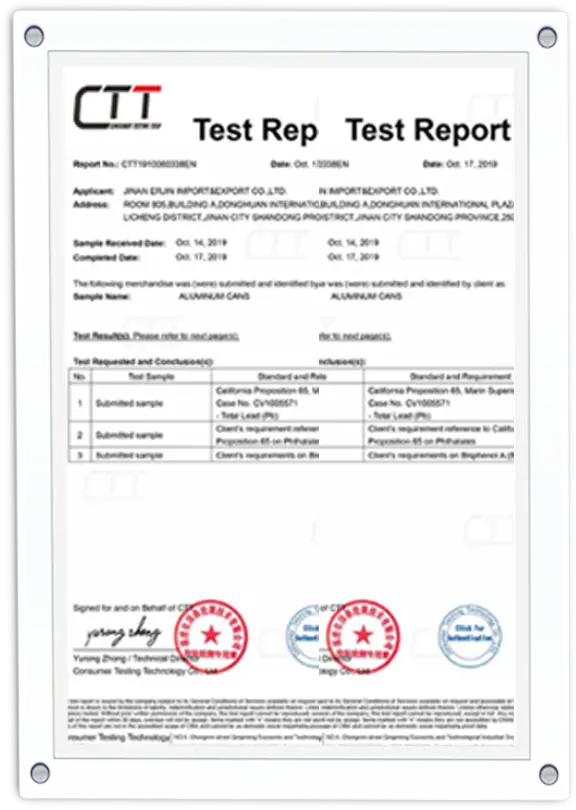
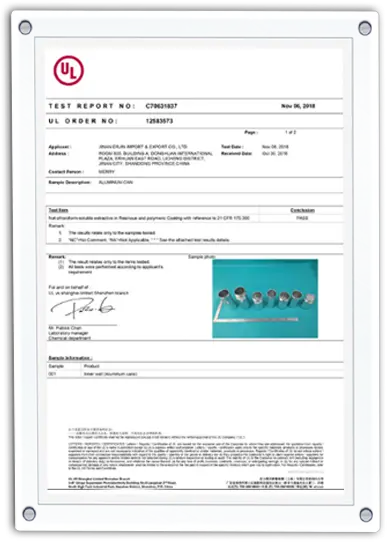
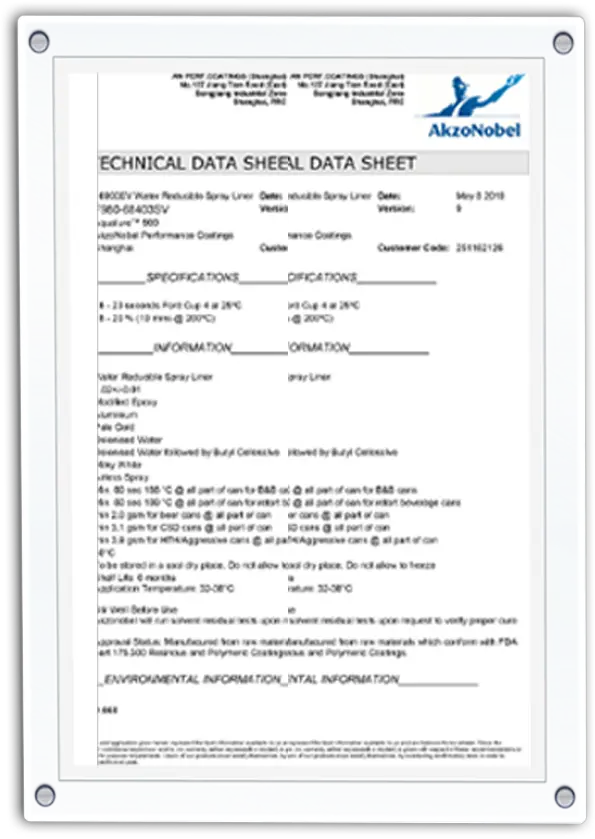
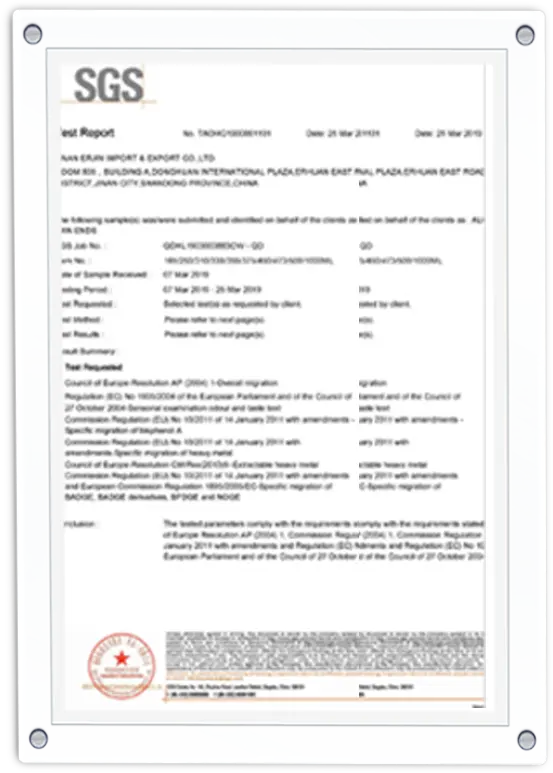
We hold certifications including HACCP, ISO9001, ISO22000, BRC, HALAL, KOSHER, and IP-NON GMO. These certifications allow us to export more than 70% of our production capacity to major international markets, providing reliable product quality and documentation to global purchasers.
Visualizing our manufacturing process, refining towers, and industrial output
Detailed responses from our technical team
High-purity soy protein isolates, vital wheat gluten, and grain starch products for global B2B food applications.
 Xinrui Group