Direct from factory sourcing solutions optimizing water-binding capability, shear resistance, and structural texture for next-generation analog meats.
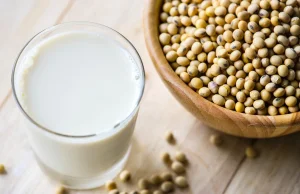
Over the last decade, the plant-based protein sector has advanced far beyond basic ground beef analogs. R&D labs and industrial manufacturers are turning their attention to complex muscle structures. Among these, vegetarian lamb meat represents a major sensory frontier. Mimicking lamb requires recreating its specific fat-to-protein ratio, elastic mouthfeel, and rich flavor retention. Conventional isolated soy proteins are no longer sufficient on their own; instead, food production demands customized emulsification matrices and structured dietary fiber architectures to simulate the texture of lamb.
According to current market intelligence, the worldwide demand for specialized meat alternatives is expanding rapidly. Global sales are fueled by health-focused consumers, environmental mandates, and growing populations requiring Halal-certified vegan proteins. As a result, B2B food brands are looking for high-quality vegetarian lamb meat suppliers who can provide consistent protein levels, excellent mechanical shearing properties, and clean labeling. To meet these needs, agricultural processing must integrate advanced raw material fractionation, precise temperature control, and standardized molecular cross-linking.
Vegetarian lamb alternatives are popular in diverse culinary applications, including Chinese hotpot, Middle Eastern kebabs, and Western-style slow-cooked stews. In these applications, the protein must withstand extreme heat without losing moisture or breaking apart. Utilizing non-GMO low-temperature soybean meal alongside functional wheat proteins helps create a strong gel structure. This matrix keeps the product tender and juicy, even through sterilization and high-temperature processing.
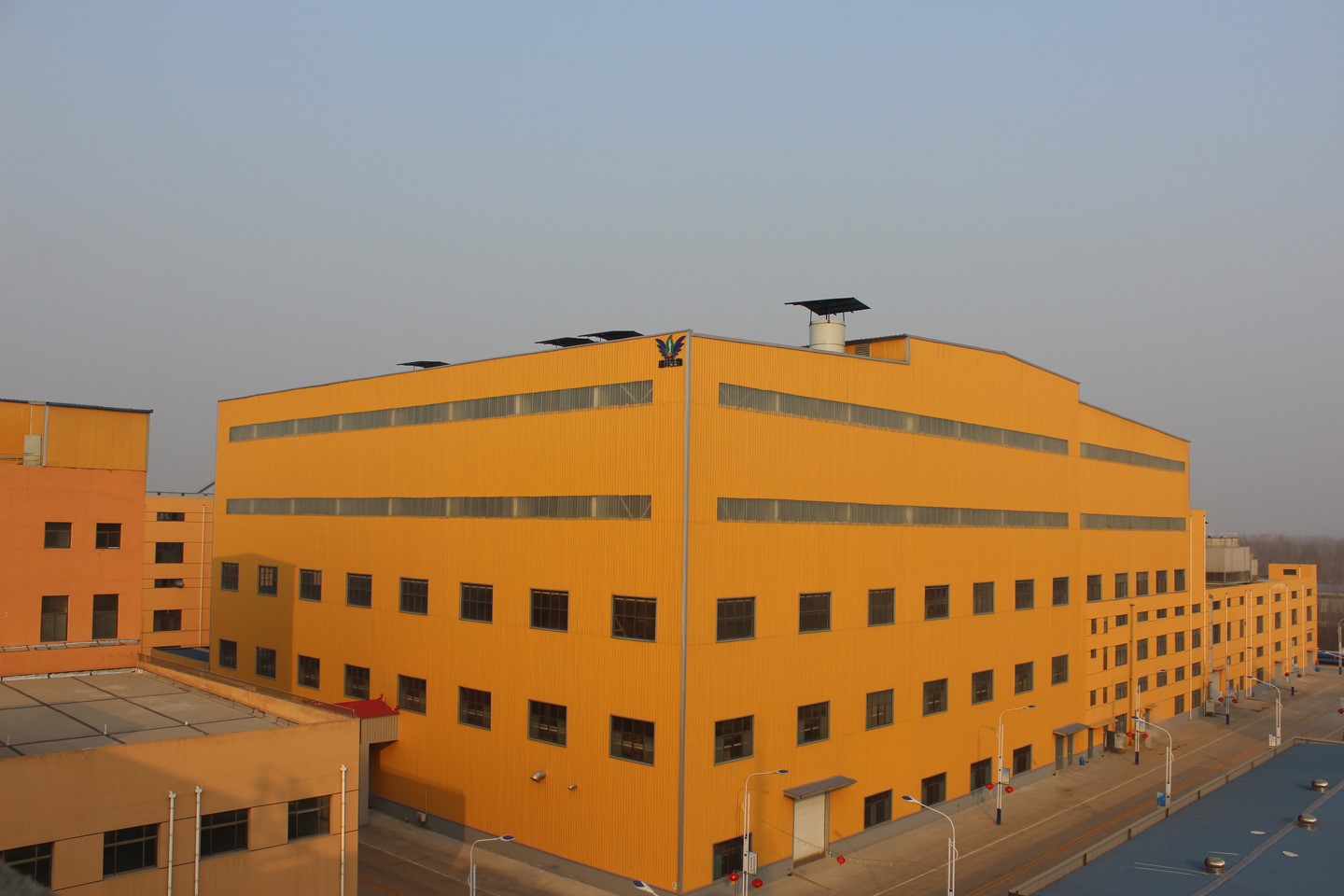
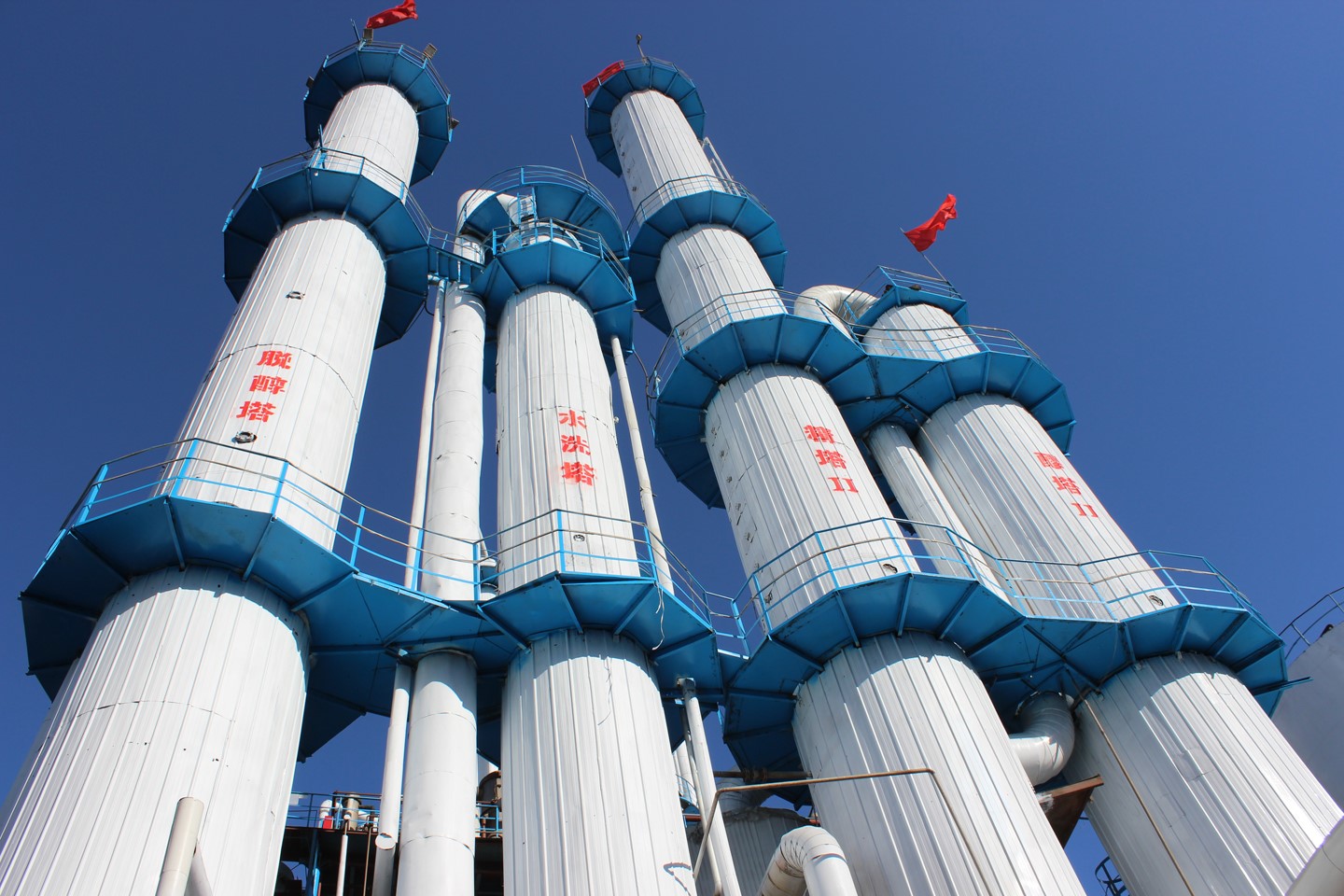
High-quality plant-based lamb is built on precise raw material selection. Shandong Kawah Oils Co., Ltd (a leading agricultural processing enterprise under the Xinrui Group umbrella) utilizes domestic non-GMO soybeans to extract premium ingredients. The production process yields low-temperature food-grade soybean meal, isolated soy proteins, and functional dietary fibers. The plant's spray drying tower, engineered by DACHUANYUAN, has a single-line capacity that is among the largest in China, ensuring consistent molecular weight distribution in every batch of protein powder.
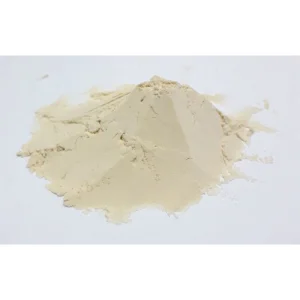
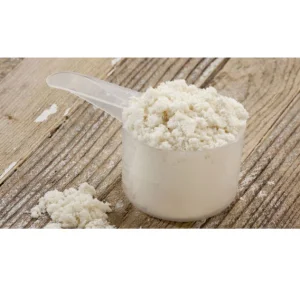
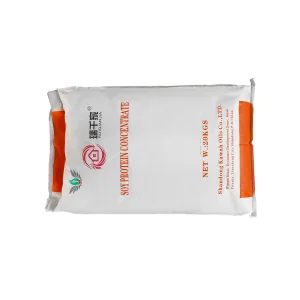
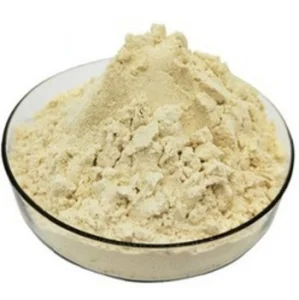
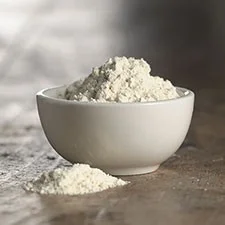
Our Isolated Soy Protein (such as the 9006B Meat Type and 9500 Emulsion Type) is formulated to create strong protein networks at low temperatures, ensuring excellent bite and texture in vegetarian meats.
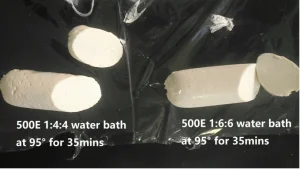
Under heavy shear, these proteins bind oil and water at ratios up to 1:4:4, preventing oil separation and keeping the product moist and juicy during storage and cooking.
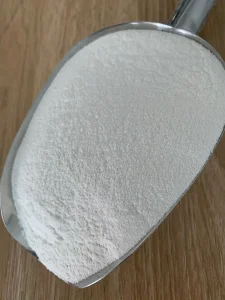
Integrating Vital Wheat Gluten (such as VWG-P Powder and VWG-PS Pellets) adds chewiness, mimicking the natural muscle fibers of real lamb.
Modern B2B food sourcing requires reliable supply chains and consistent quality. Under the Xinrui Group (established in May 2003, spanning over 1,000 mu), our manufacturing processes follow circular economy principles. Guanxian Xinrui Industrial Co., Ltd. processes 500,000 tons of wheat flour annually, extracting wheat gluten, wheat starch A, and wheat starch B. The remaining starch B and pentosans are used for industrial ethanol and animal feed production, creating a closed-loop system that reduces waste and stabilizes material costs.
By importing advanced tri-canter separation technology for wheat gluten production, the entire system operates in a clean, closed environment. Our integrated logistics and direct export capabilities (managed by Guanxian Ruichang Trading Co., Ltd.) ensure that international customers receive consistent, high-purity protein products directly from the factory, avoiding intermediary markups.

Recreating the texture of lamb requires precise control over plant protein molecules. Real lamb meat contains myofibrillar proteins that form a strong three-dimensional gel network when heated, locking in fats and water. To mimic this structure in plant-based lamb, isolated soy proteins must undergo targeted denaturation.
During extrusion or mixing, soy protein molecules unfold, exposing hydrophobic groups that bind with water molecules and emulsified fats. Combining this with Vital Wheat Gluten creates a cohesive gluten network. The wheat proteins provide elasticity, while the soy proteins supply structural volume. Additionally, incorporating Soy Dietary Fiber (SDF) mimics the natural marbling of lamb fat, preventing water loss and keeping the product tender during freezing, distribution, and final cooking.
For injection-molded or structured vegetarian meats, products like our 9020 Injection Type Isolated Soy Protein offer low viscosity during processing and form strong gels after thermal activation. This helps the vegetarian lamb maintain its shape and texture during automated slicing and packaging.
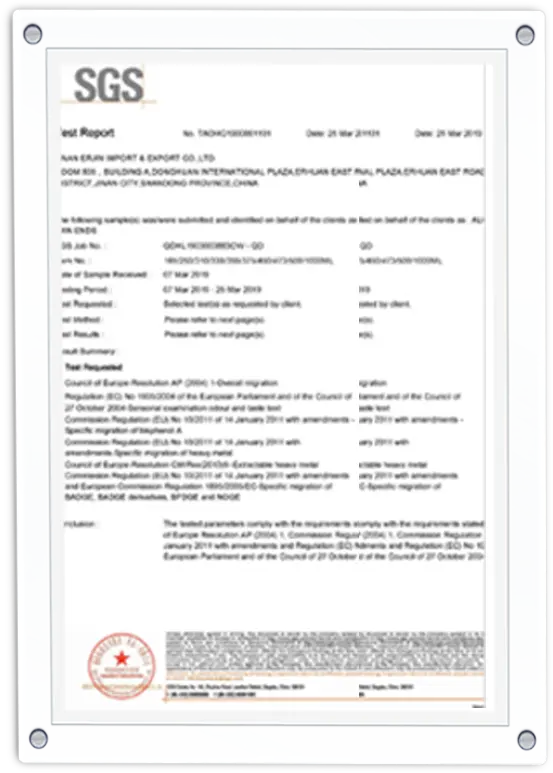
Global food manufacturing requires strict compliance with international food safety standards. The Xinrui Group operates under ISO 9001 and ISO 22000 quality systems, and our products hold certifications including HACCP, BRC, HALAL, KOSHER, and IP-NON GMO. This compliance allows our ingredients to be used seamlessly in various regional markets, meeting Halal, Kosher, and allergen-controlled labeling requirements.
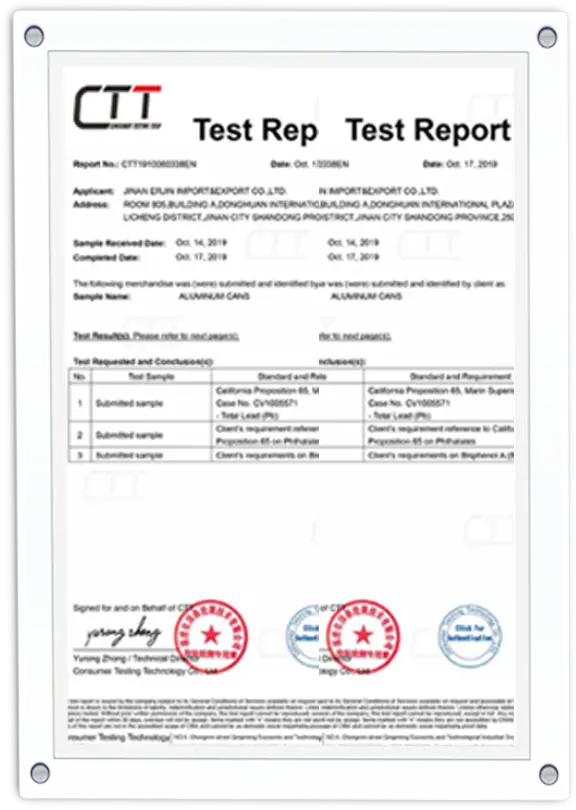
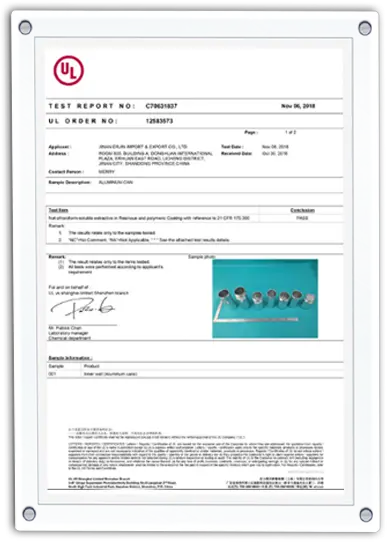
Take a virtual tour of our production facilities to see our processing technologies, automated packaging lines, and quality control departments first-hand.
Answering common technical, regulatory, and logistics questions from food production managers and R&D teams.
We are an integrated group company (Xinrui Group) that handles both manufacturing and export sales. Specifically, our soy protein isolate is manufactured by Shandong Kawah Oils Co., Ltd, which produces 50,000 tons of isolated soy protein per year. Our wheat gluten is manufactured by Guanxian Xinrui Industrial Co., Ltd., which produces 30,000 tons of vital wheat gluten per year. All international sales and export logistics are managed by Guanxian Ruichang Trading Co., Ltd.
Our factories hold a wide range of international certifications, including HACCP, ISO9001, ISO22000, BRC, HALAL, KOSHER, and IP-NON GMO. Additional documentation and specific local certificates can be provided upon request.
For products subjected to high heat, we recommend our 9007B-C and 9500 Emulsion and Meat Type Soy Protein Isolates. These formulations are designed to maintain their gel structures and water-binding capacity under high-temperature cooking and retorting, ensuring the final vegetarian meat keeps its bite.
Our integrated facility processes raw wheat and soybeans into gluten, starches, isolated proteins, dietary fibers, and ethanol. This closed-loop system reduces manufacturing waste, optimizes resource use, and helps protect our buyers from fluctuations in global raw material prices.
Browse our catalog of non-GMO soy isolates, wheat glutens, and dietary fibers, all designed for global plant-based food manufacturing.
 Xinrui Group