Pioneering food grade plant ingredients optimized for emulsification, hydration, and nutritional fortification.
Technical Whitepaper: Functional properties, manufacturing standards, and global supply systems.
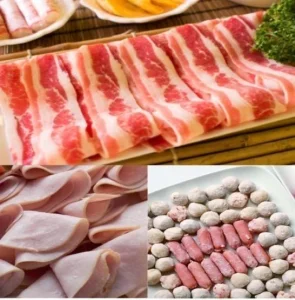
The global food production ecosystem is undergoing a significant transition toward plant-based functional food matrices. Vegetable proteins—specifically Isolated Soy Protein (ISP) and Vital Wheat Gluten (VWG)—are no longer viewed simply as nutritional supplements or meat substitutes. Today, they serve as critical structure-forming agents, emulsifiers, water-binding agents, and texture stabilizers in a variety of industrial food products, including processed meats, baked goods, plant-based dairy, and advanced vegetarian matrices.
From a chemical perspective, plant-based proteins possess complex molecular structures that determine their functionality. For example, soy protein isolates contain globulin structures (7S and 11S fractions) that influence their gelling behavior and emulsification capacity. Similarly, the viscoelastic matrix of vital wheat gluten, which is composed of glutenin and gliadin fractions, determines its ability to form gas-retaining networks in bakery formulations. Controlling these biochemical parameters requires precise manufacturing systems, clean raw materials, and strict quality control.
Understanding the gelling properties, nitrogen solubility index (NSI), and emulsion capacities of plant proteins to optimize food formulas.
Maintaining strict Identity Preservation (IP) systems from sowing to processing to guarantee clean-label ingredients.
Ensuring consistent deliveries through integrated dry-processing infrastructure and direct factory-to-port logistics networks.
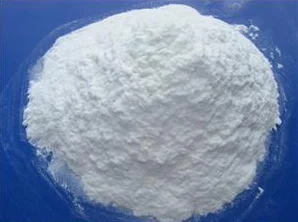
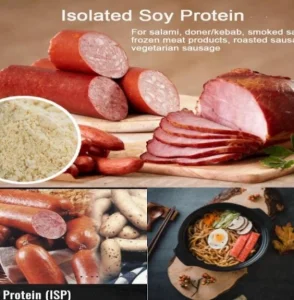
To utilize vegetable proteins effectively in commercial manufacturing, we must look at their structural behaviors. Isolated Soy Protein (ISP) is processed using gentle water extraction and acid precipitation to achieve a minimum protein concentration of 90% (on a dry basis). The gelling properties of ISP depend on the ratio of 7S (conglycinin) to 11S (glycinin). Glycinin contains disulfide bonds that form strong heat-induced gel structures, making it well-suited for high-shear meat chopping systems, emulsion type sausages, and vegetarian ham.
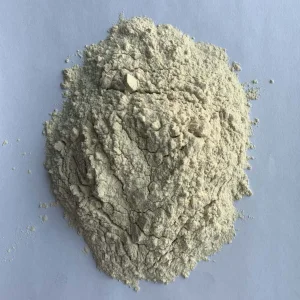
Vital Wheat Gluten (VWG), on the other hand, consists of two main protein components: gliadin, which provides viscosity and extensibility, and glutenin, which provides elasticity and cohesive strength. When hydrated, these components form a continuous viscoelastic matrix capable of retaining gas and water. This is essential for structural stability in high-speed commercial bakeries and structured meat analogs.
An overview of our integrated plant processing facilities, raw material sourcing, and export networks.
Established in May 2003, Xinrui Group has grown to cover an industrial footprint of over 1,000 mu. The group is structured as a diversified circular economy company. We operate dedicated raw material base networks, steam-generating co-generation systems, urban heating networks, gas infrastructure, and advanced dry plant protein extraction lines. This integration allows us to optimize resource use and reduce energy footprints across our production processes.

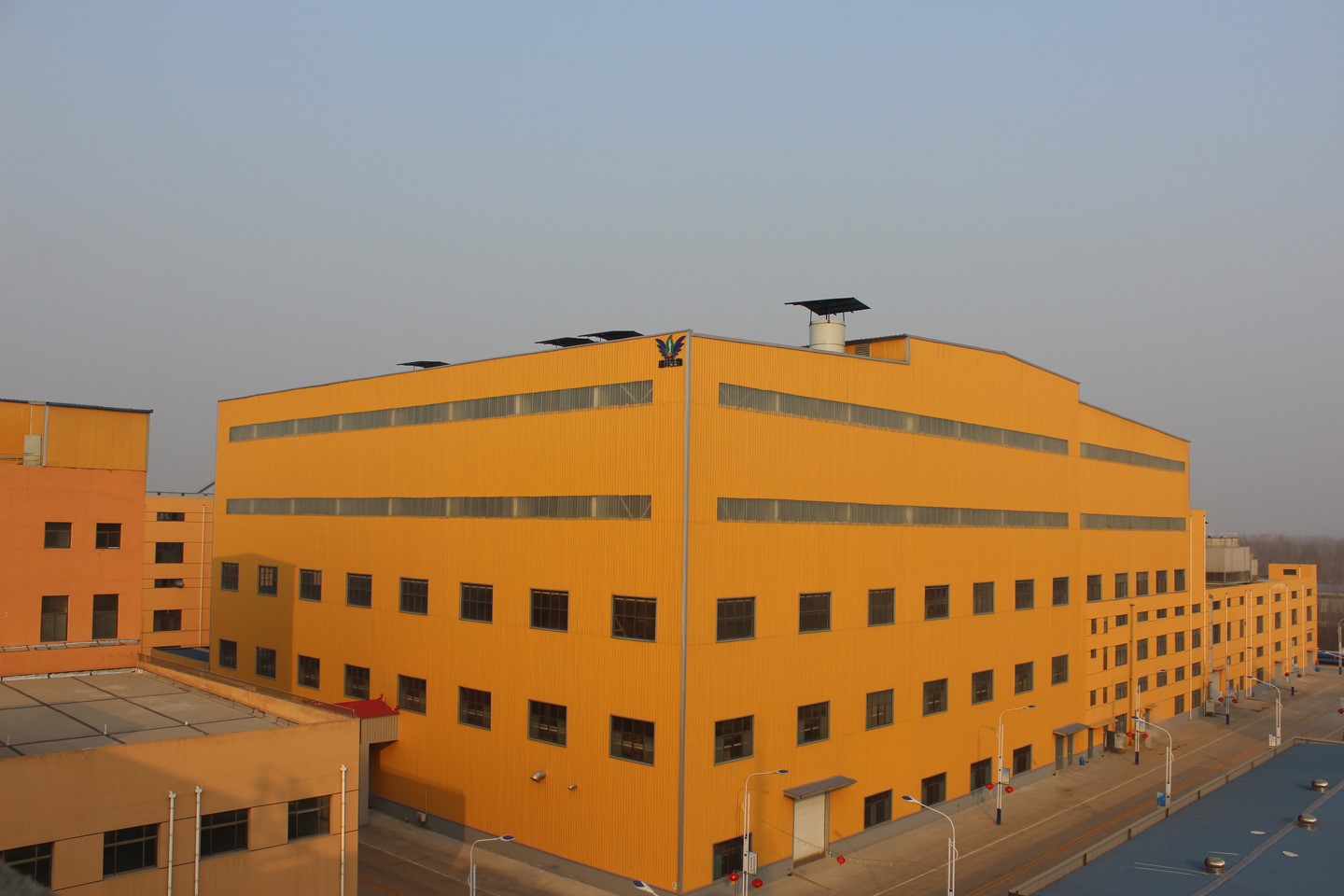
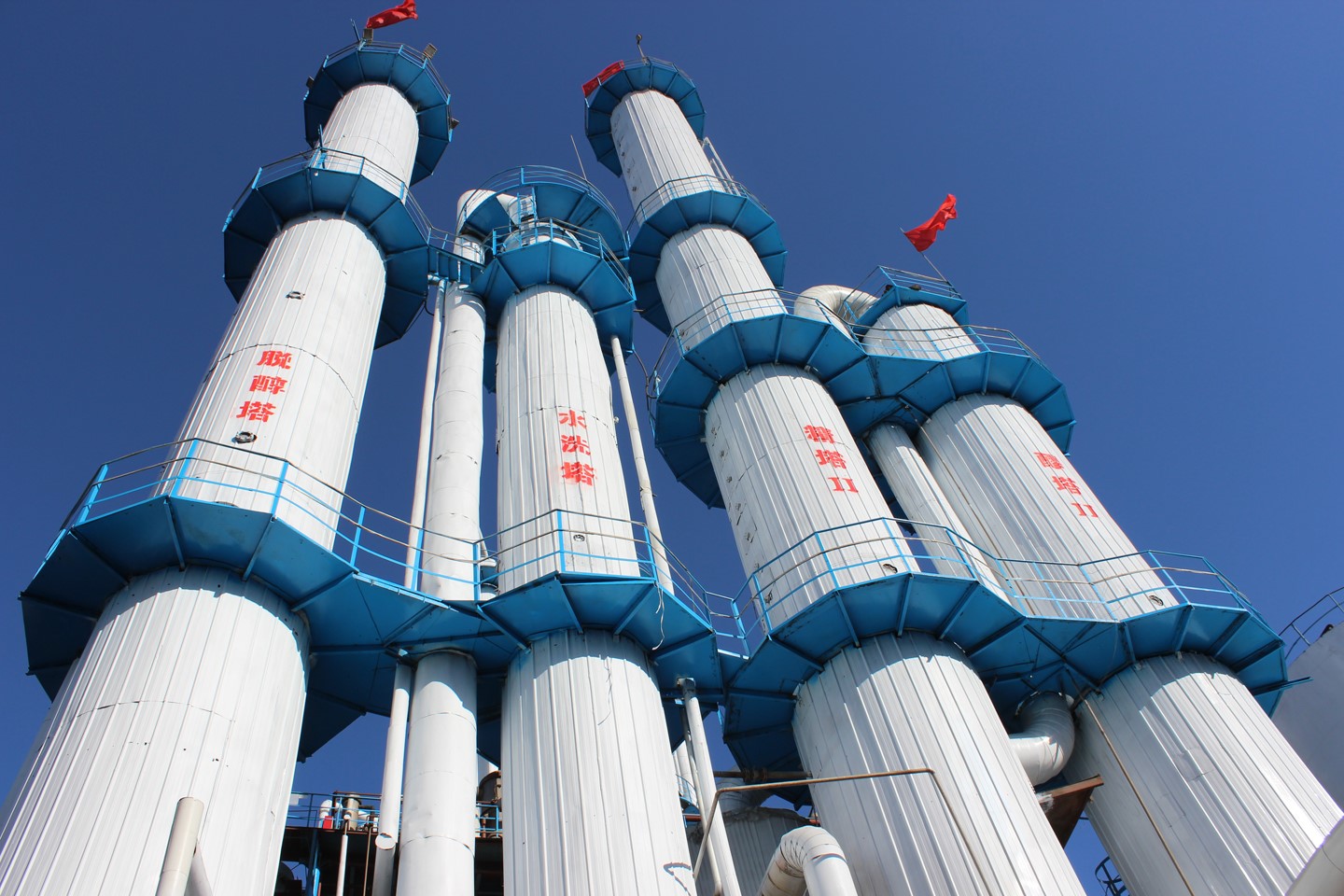
Our operations are managed through three key subsidiaries to ensure product quality and efficient distribution:
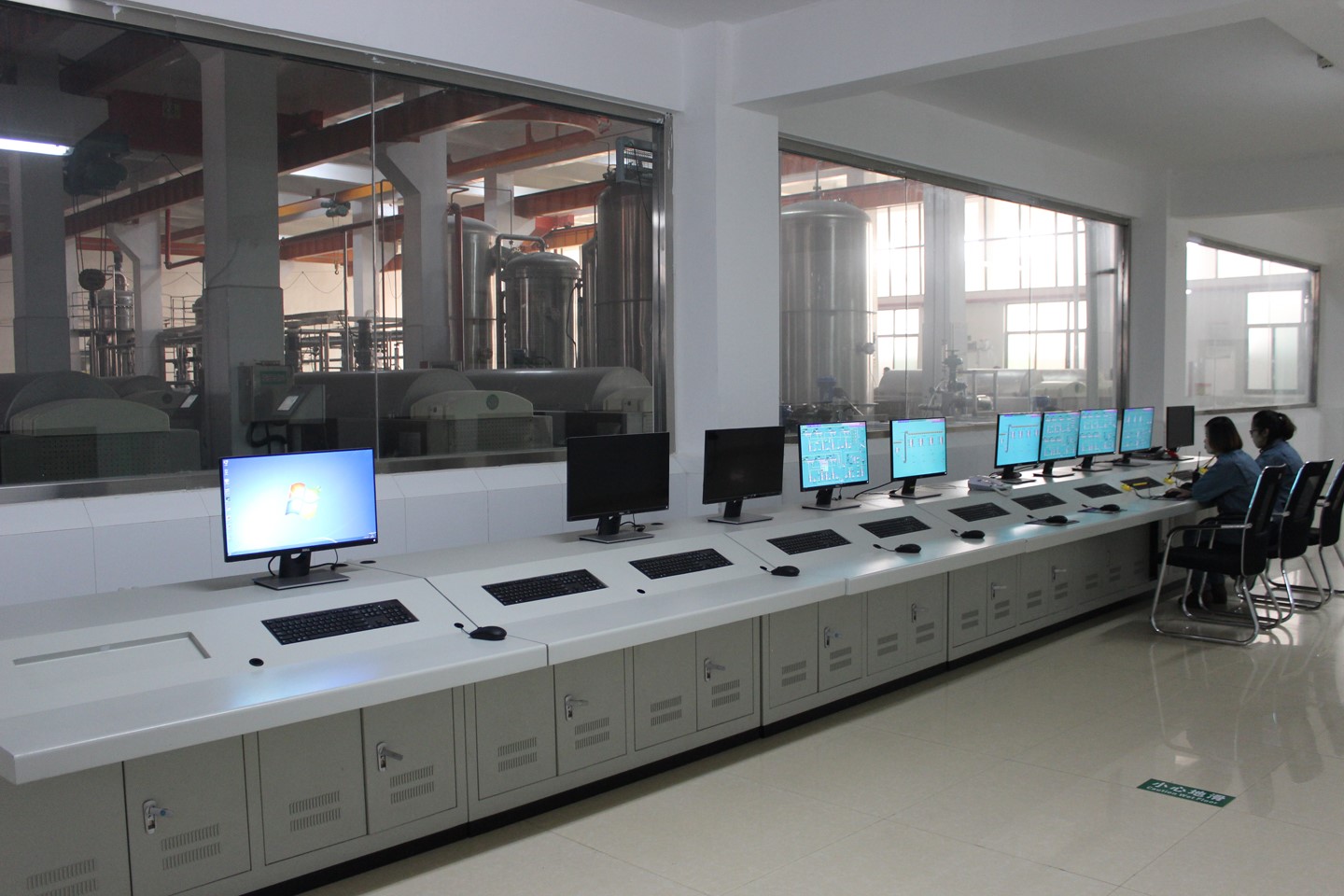
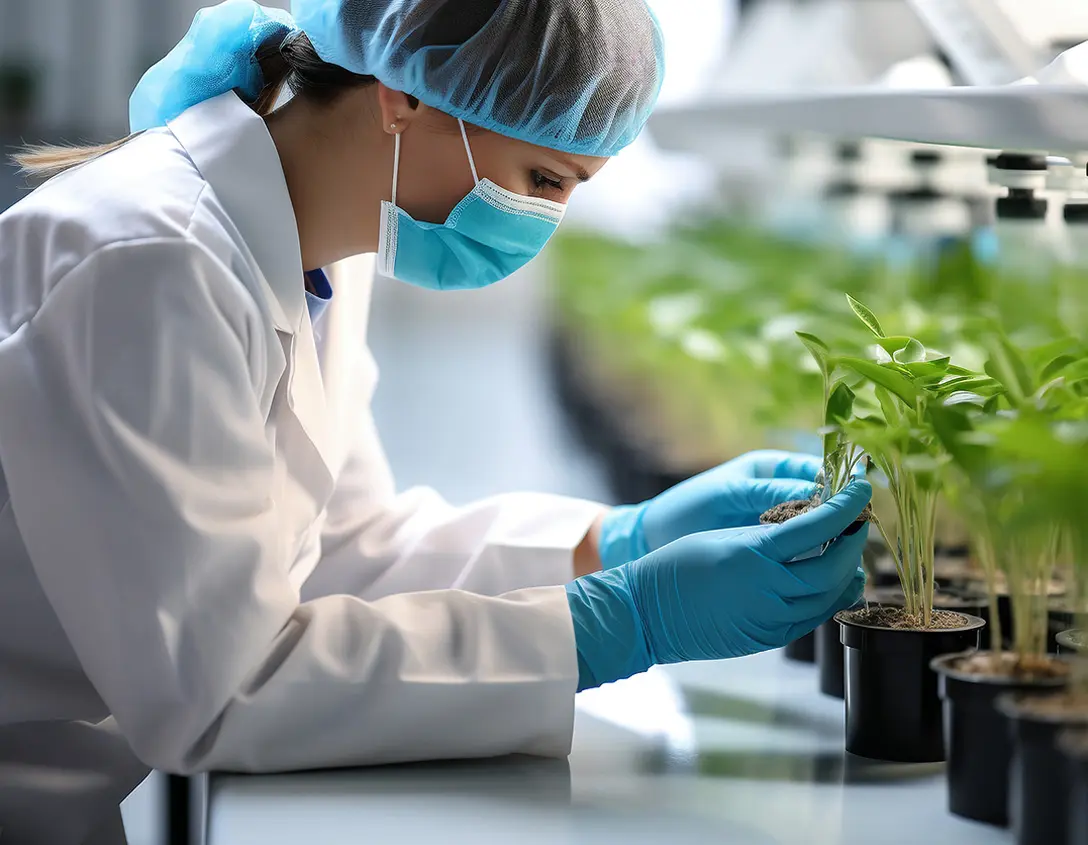
"By controlling the process from farming and raw meal processing through to extraction and spray drying, we can ensure batch-to-batch consistency and trace every batch of Non-GMO Soy Protein and Vital Wheat Gluten back to its field of origin."
Meeting regional food safety standards and formulation requirements in major markets.
Navigating the regulatory landscape is a key requirement for global food manufacturing brands. Vegetable protein imports must comply with specific regional food safety rules, allergen declarations, and quality certifications. Xinrui Group maintains certifications that align with major global food safety programs, ensuring compliance for our international partners:
GFSI benchmarked facility audits verifying consistent allergen control, sanitation, and trace-back validation systems.
Complete Identity Preservation protocols tracking soybeans from non-GMO seeds, through cultivation and harvest, to dry processing.
Supervised manufacturing processes complying with global dietary guidelines, facilitating distribution in diverse regional markets.
We also provide technical support to assist food manufacturers with regional ingredient declarations. Our team helps adapt plant protein ratios to meet regulatory standards in the European Union (EFSA regulations), North America (FDA guidelines), and the Asia-Pacific region. This support includes assisting with label claims regarding protein content, allergen management, and functional usage limits.
To support regional supply chains, we coordinate with domestic warehouses in key markets to offer flexible delivery options. This localized service reduces lead times and minimizes the impact of global shipping delays, helping our customers maintain consistent production schedules.
How to select and apply the correct protein grade based on physical and chemical performance requirements.
The functionality of plant-based protein ingredients depends on selecting the right grade for the target food system. The matrix below outlines typical applications and functional parameters for our isolated soy protein and vital wheat gluten lines:
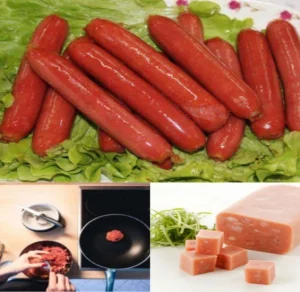
In sausages, hot dogs, and canned meats, protein functional behavior is critical for stabilizing water and oil phases. Using grades like 9001BW or 9007B-C helps establish a strong matrix when exposed to heat. This matrix binds water and encapsulates fat droplets, which helps reduce cooking loss, prevent oil separation, and maintain texture in processed meats.
To produce meat-free items with realistic fibers, proteins must have high gel strength and a fibrous structure under shear. Grades such as 9003BA and 9003B are optimized for texturization. They can be processed through extrusion or high-shear systems to form a fibrous network similar to animal muscle tissue, providing the bite and texture required for plant-based meats.
Many plant proteins tend to settle out in liquid formulations. Our dispersion-grade isolate, 9030, is physically modified to disperse rapidly in aqueous systems. It retains low viscosity even at higher concentrations, making it suitable for RTD nutrition beverages, powdered meal replacements, and plant-based milk alternatives where a smooth mouthfeel is needed.
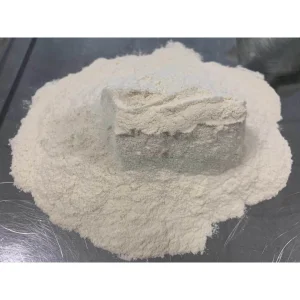
In milling and baking, Vital Wheat Gluten Powder (VWG-P) is used to adjust the protein content of weak flours. It improves dough mixing tolerance and gas retention, resulting in uniform volume, crumb structure, and shelf life in bread, noodle, and frozen dough applications.
Take a look inside our processing facilities and see our raw material handling and packaging operations.
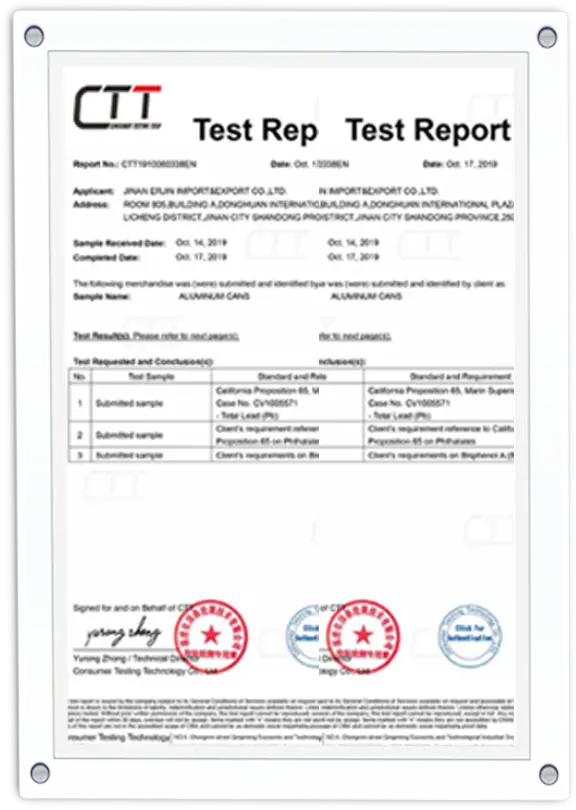
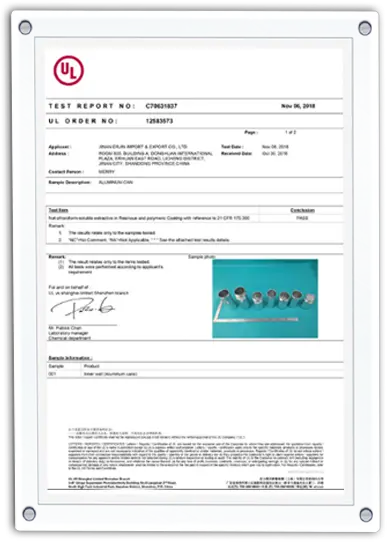
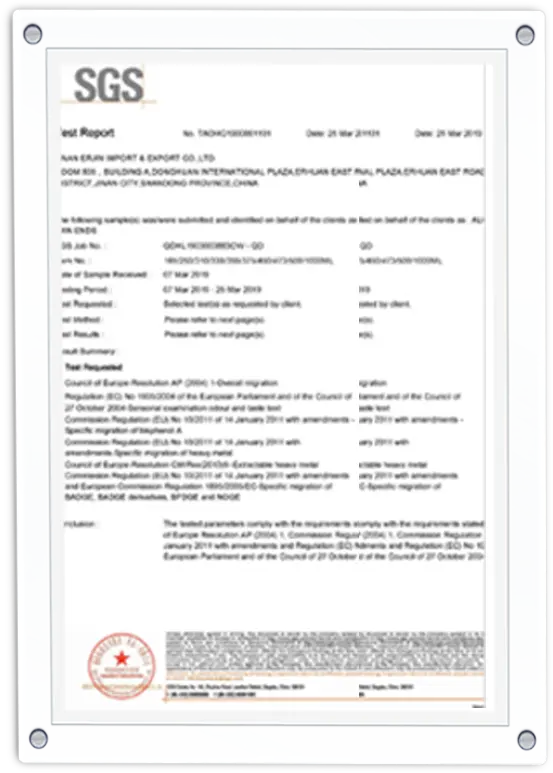
Our products are manufactured under strict international food safety standards.
Answers to common technical, logistics, and quality control questions.
We offer plant-based functional ingredients, dietary fibers, wheat starches, and ethanol to meet your production needs.
 Xinrui Group