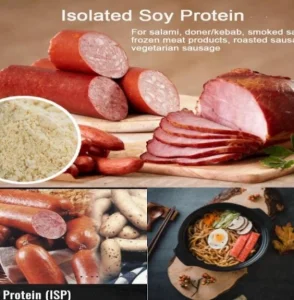
Explore our certified Non-GMO Isolated Soy Protein, Wheat Gluten, and Dietary Fiber product lines engineered for global food processing and industrial systems.
The international food manufacturing sector is undergoing a profound structural shift. Sourcing departments at tier-1 food companies are increasingly prioritizing clean-label, functional, and Non-GMO (Identity Preserved - IP) plant proteins to meet regulatory requirements and shifting consumer demands. Highly functional plant-based proteins, including Textured Soya Protein (TSP), Isolated Soy Protein (ISP), and Vital Wheat Gluten (VWG), are no longer just meat replacements—they are critical building blocks for texture optimization, emulsion stability, and nutritional profile enhancements in modern B2B formulations.
Procurement directors face three key challenges today: ensuring raw material stability, verifying strict IP Non-GMO compliance, and optimizing cost-in-use metrics. As an integrated manufacturer, we address these constraints at source by maintaining fully localized planting bases, direct agricultural sourcing, and vertically integrated raw material separation. This structure protects our B2B partners from volatile raw ingredient markets and guarantees a transparent chain of custody from farm to processing line.

Established in 2003, Xinrui Group has developed a vast industrial footprint covering over 1,000 mu. The cornerstone of our competitive edge is our vertical circular economy model. Through our operating subsidiary, Guanxian Xinrui Industrial Co., Ltd. (formerly Guanxian Ruixiang Biotechnology Development Co., Ltd), we process 500,000 tons of wheat flour annually.
This closed-loop system uses advanced tri-canter separation technology to extract high-value vital wheat gluten and wheat starch (Grade A and Grade B). Crucially, the secondary starch B and pentosan fractions are routed directly to our cogeneration plant for clean energy extraction, public heating, gas supply, and the synthesis of industrial alcohol and high-value animal feed.
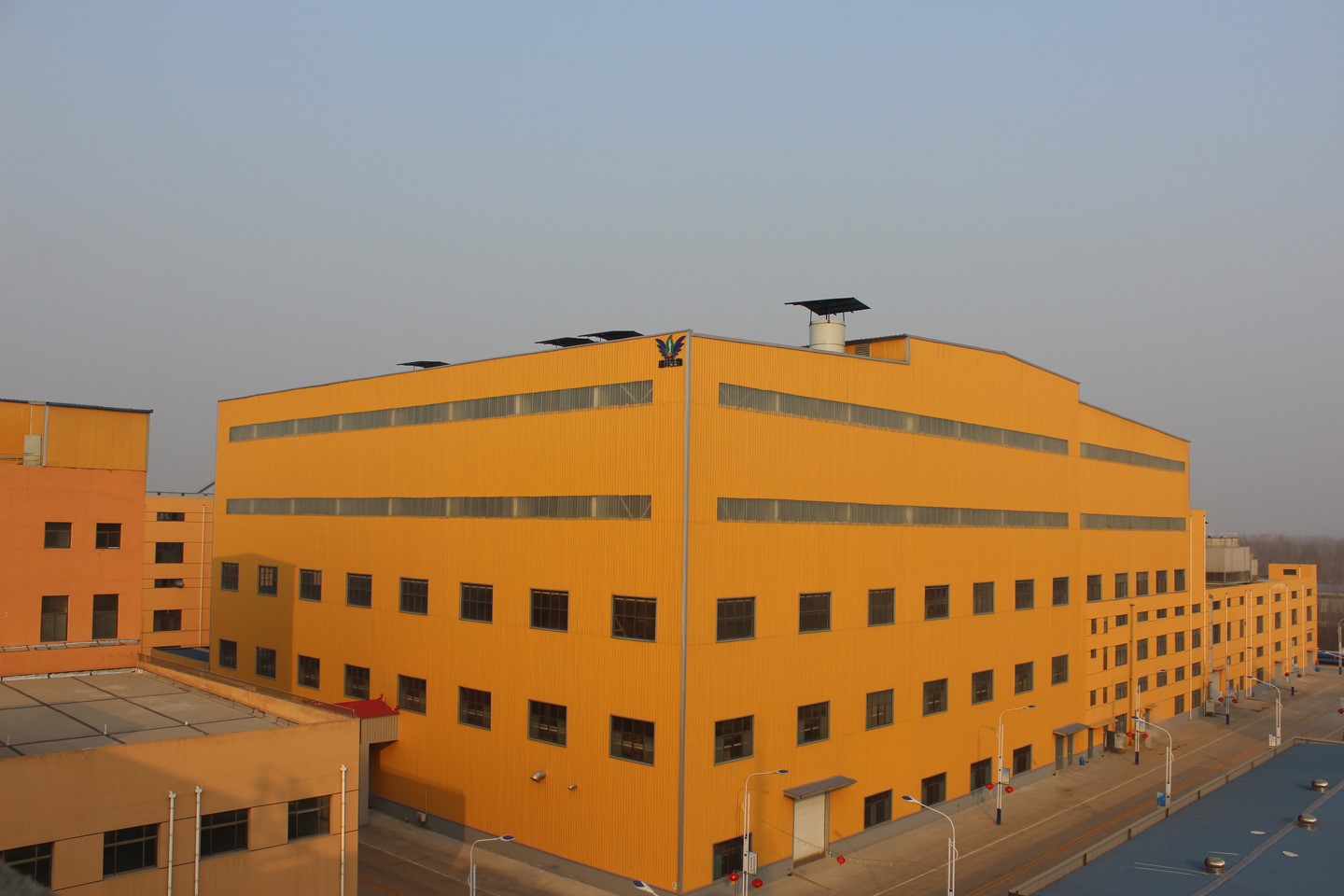
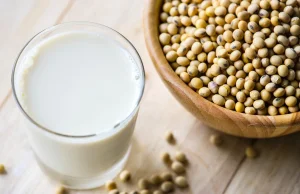
Founded in 2014 with 120 million Yuan in registered capital, Shandong Kawah Oils Co., Ltd. operates as a provincial leading agricultural industrialization enterprise. Processing 180,000 tons of domestic Non-GMO soybeans annually, Kawah Oils employs sequential extraction processes to produce premium Non-GMO soybean oil, low-temperature food-grade meal, isolated soy protein, and soy dietary fiber.
By managing the entire value chain—from our designated non-GMO agricultural contract farms through crushing, oil extraction, and protein isolation—we control the quality, safety, and functionality of every batch of textured soya protein and isolated soy protein.
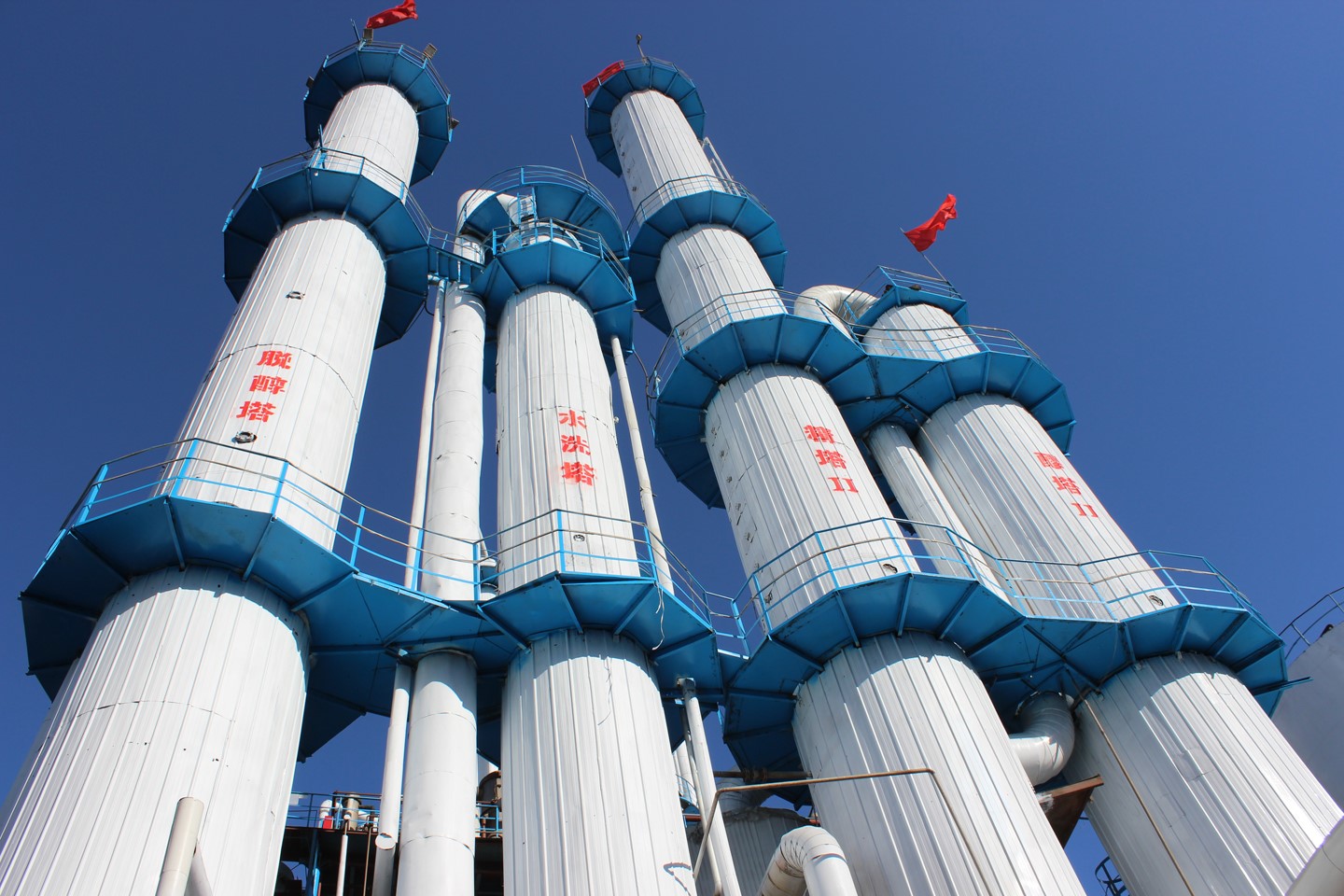
Creating textured soya protein with excellent chewiness, structural integrity, and high water-binding capacity requires precise control over thermal and mechanical parameters. Our production lines feature advanced processing equipment, including China's largest single-line spray drying tower from Dachuanyuan, ensuring high-throughput capacity and consistent particle properties.
Imported technology utilized in our wheat gluten lines. Ensures clean, closed, and continuous wet processing to isolate vital wheat gluten and starches with maximum purity and biological activity.
Our Dachuanyuan spray drying towers maintain gentle temperature profiles during the dehydration of soy protein isolates. This preserves the tertiary structure of proteins, optimizing water binding and emulsification.
Texturizing parameters are strictly monitored. Feeding speed, water injection, temperature zones, and die pressure are optimized to output high-tensile fibrous protein matrices.
Depending on the targeted end-use application (beverages, emulsified meats, vegetarian analogues, or structural injection), we manufacture distinct grades of isolated soy proteins and functional derivatives. Below is the technical performance matrix for our primary industrial grades:
| Grade Code / Type | Primary Physical Form | Protein Content (Dry Basis) | Primary Functional Feature | Recommended Applications |
|---|---|---|---|---|
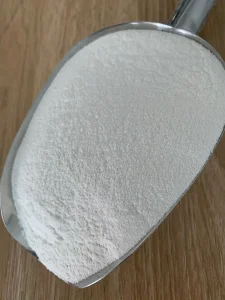
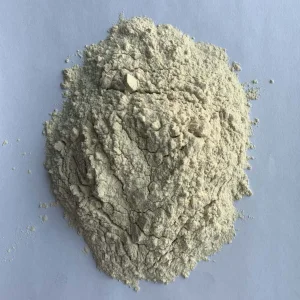
| 9030 / 9032 (Dispersion Type) | Fine, highly soluble powder | ≥ 90% | Rapid dispersion, low viscosity | Protein dry blends, dairy alternatives, nutrition beverages |
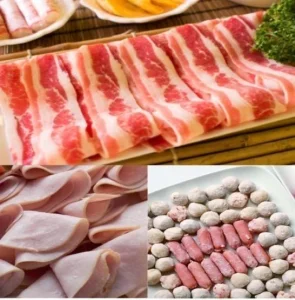
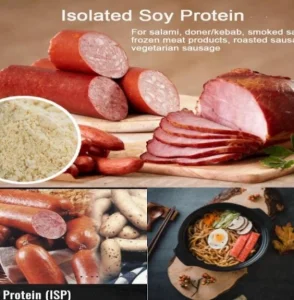
| 9007B-A / 9007B-C (Emulsion Type) | Creamy white powder | ≥ 90% | High emulsion stability, hot/cold gelation | Sausages, emulsified meats, surimi products |
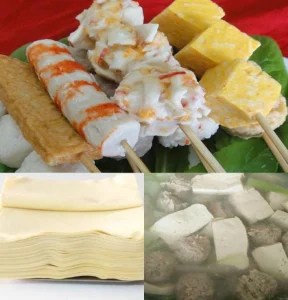
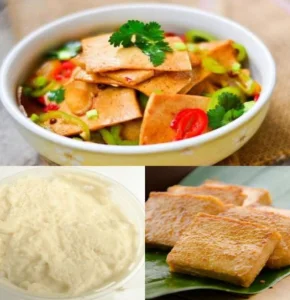
| 9003B / 9005B / 9003BA (Vegetarian) | Medium density powder | ≥ 90% | Fibrous cross-linking, cohesive structural support | Tofu, vegetarian foods, simulated meat formulations |
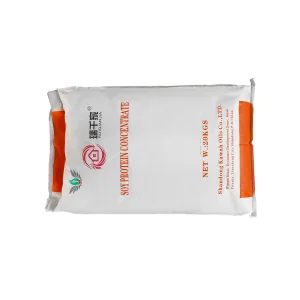
| Functional Concentrate (NON-GMO) | Granular / Powder | ≥ 68% | High fiber-protein cohesion, low off-flavors | Burgers, nutritional bars, general food fortifiers |
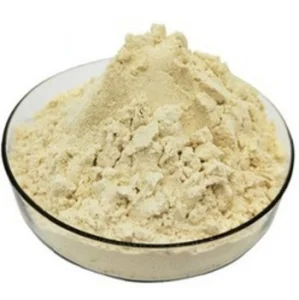
| VWG-P (Vital Wheat Gluten) | Creamy, free-flowing powder | ≥ 75% | Viscoelastic network construction | Bakery, noodles, textured vegetarian analogues |
Our production plants combine scale with modern safety controls, producing stable volumes for international supply chains.
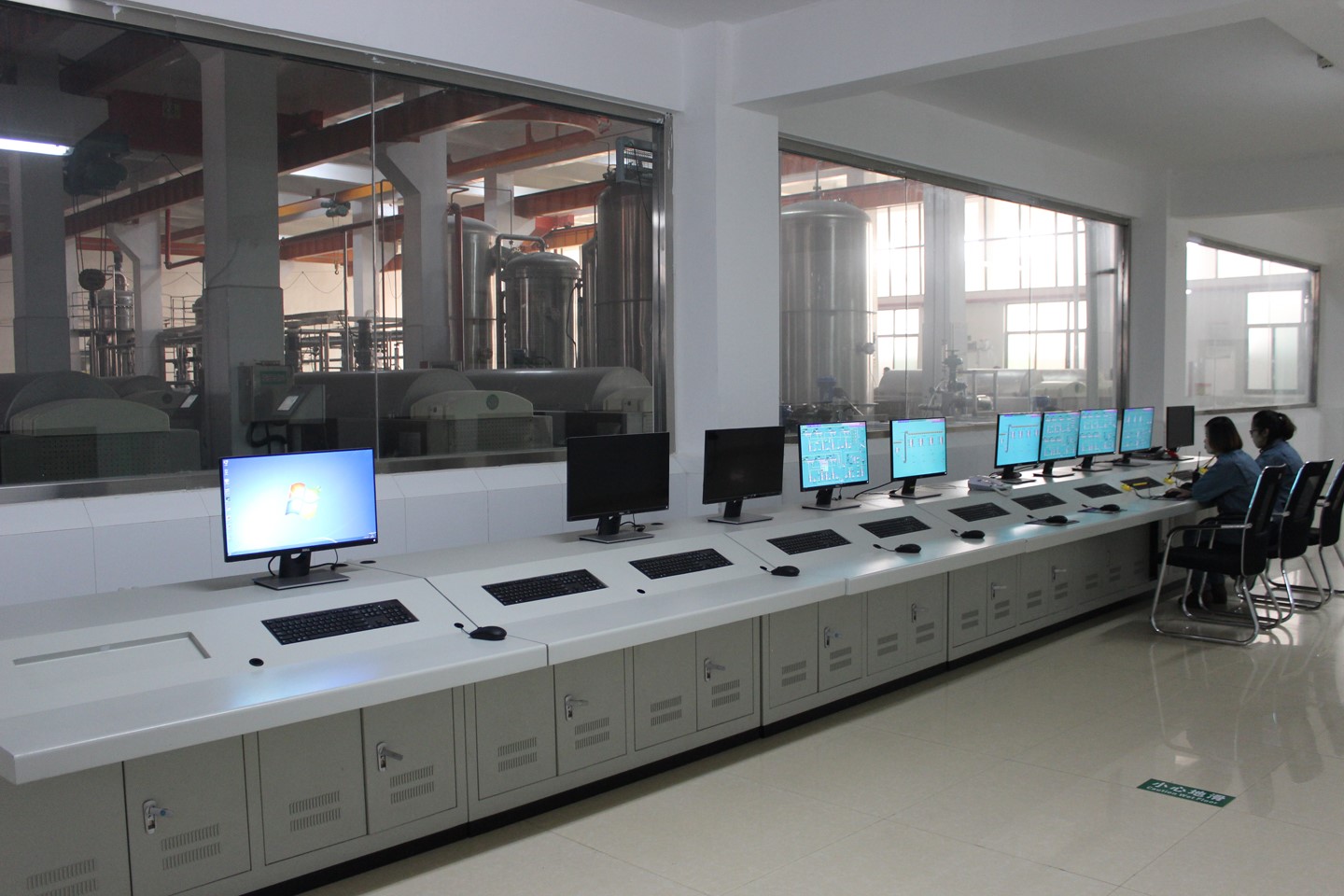
Automated control desk supervising multi-phase wet separation systems.
Bulk storage silos feeding directly into the packaging and milling divisions.

Clean room packaging zone ensuring sterile containment and standard palletizing.
To serve global brands across North America, the European Union, Southeast Asia, and the Middle East, our facilities operate under verified quality management certifications. From farm selection to chemical assay testing, our processing steps comply with standard safety benchmarks.
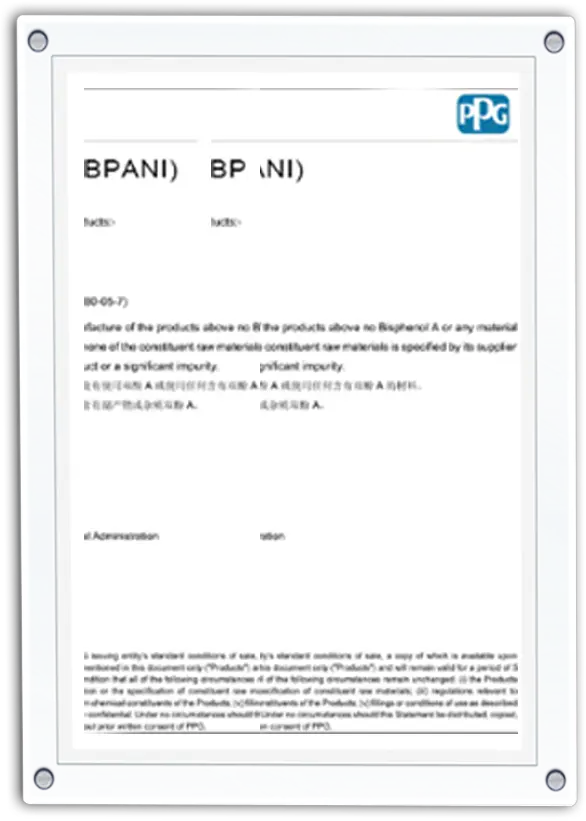
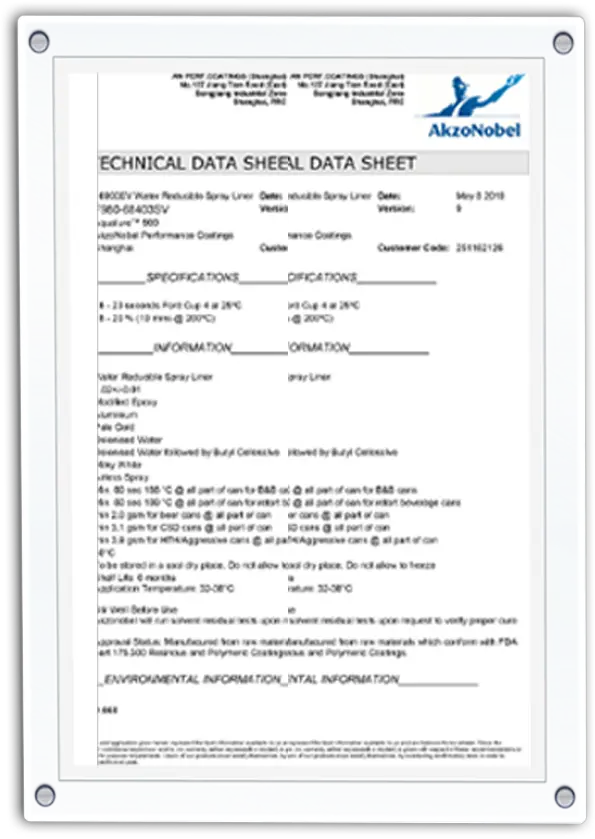
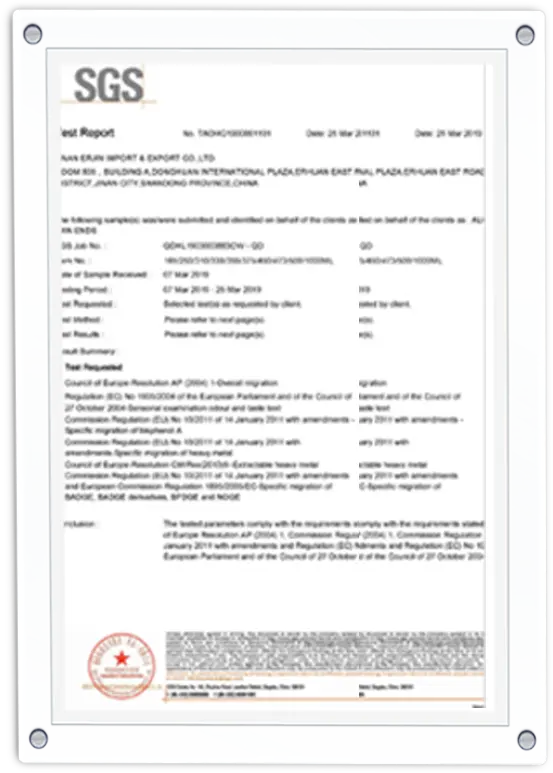
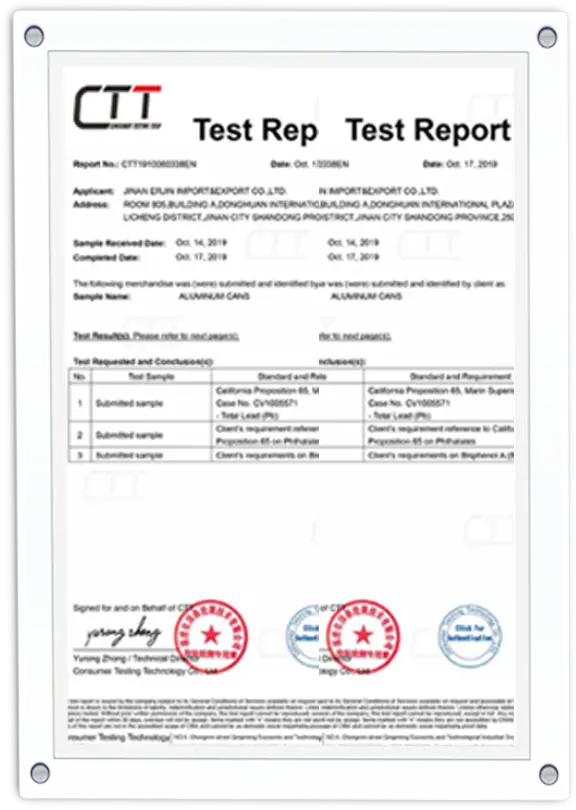
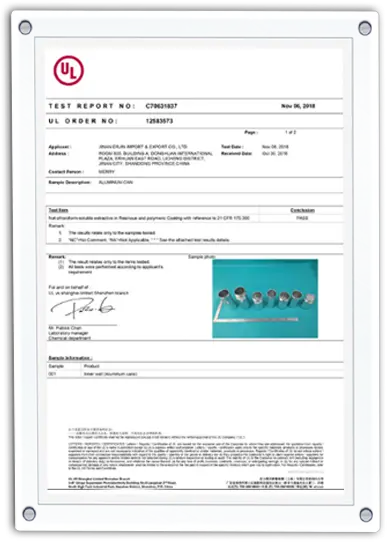
In addition, we maintain compliance protocols for HACCP, ISO9001, and SGS assays. Our quality assurance team provides certificate documentation (including GMO status, pesticide residuals, heavy metals, and allergen reports) with every commercial shipment.
To support our global customers, the group established Guanxian Ruichang Trading Co., Ltd. in 2011. Ruichang Trading oversees all logistics operations, custom documentation, export filing, and contract execution.
More than 70% of the group's total production capacity is exported directly to international markets. Operating adjacent to major Chinese transit corridors, we offer shipping timelines via Qingdao, Tianjin, and other major ports, ensuring steady container deliveries and inventory replenishment for international food brands.
View our processing operations, automated sorting, packaging lines, and industrial facilities in these video tours.
Choose from our specialized protein fractions and processing ingredients designed for international markets.
 Xinrui Group