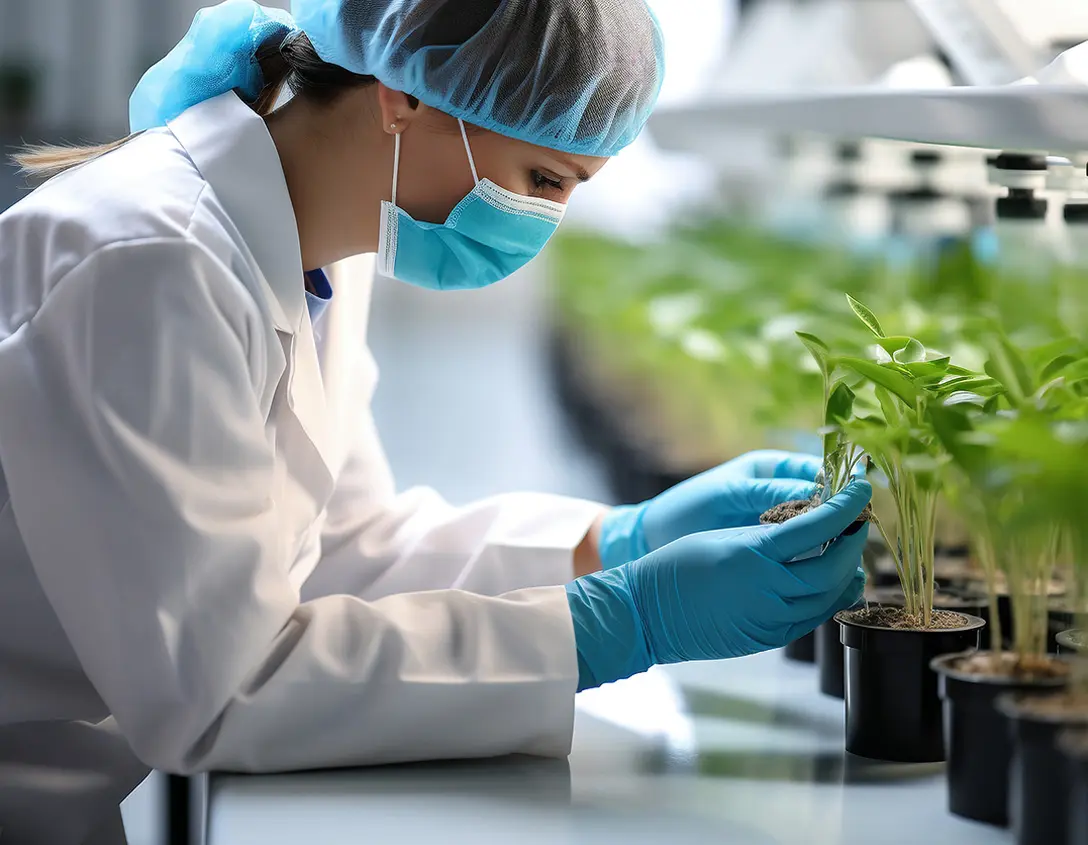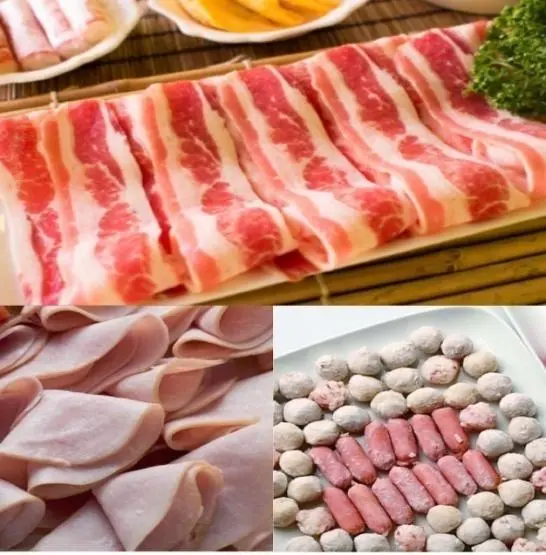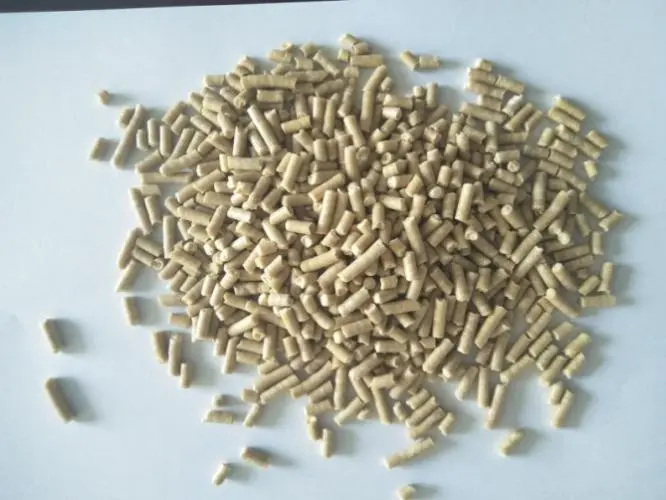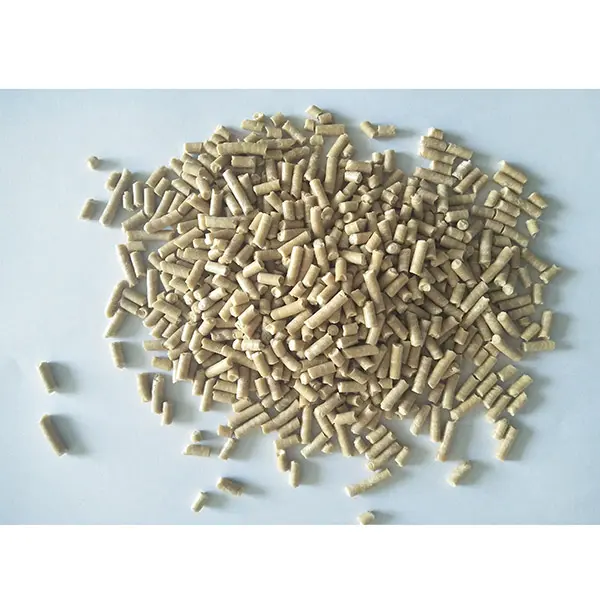
In modern intensive animal husbandry, the utilization of agricultural residues like crop straw and wheat co-products has evolved from a simple environmental management practice to a vital pillar of the global bio-economy. As a leading agricultural industrialization conglomerate, Xinrui Group (comprising Guanxian Xinrui Industrial Co., Ltd. and Shandong Kawah Oils Co., Ltd.) is at the absolute forefront of this paradigm shift. By integrating advanced raw agricultural feedstock processing with high-performance biochemical extraction technologies, we establish a premier global supply standard for biomass straw and wheat-based animal feed solutions.
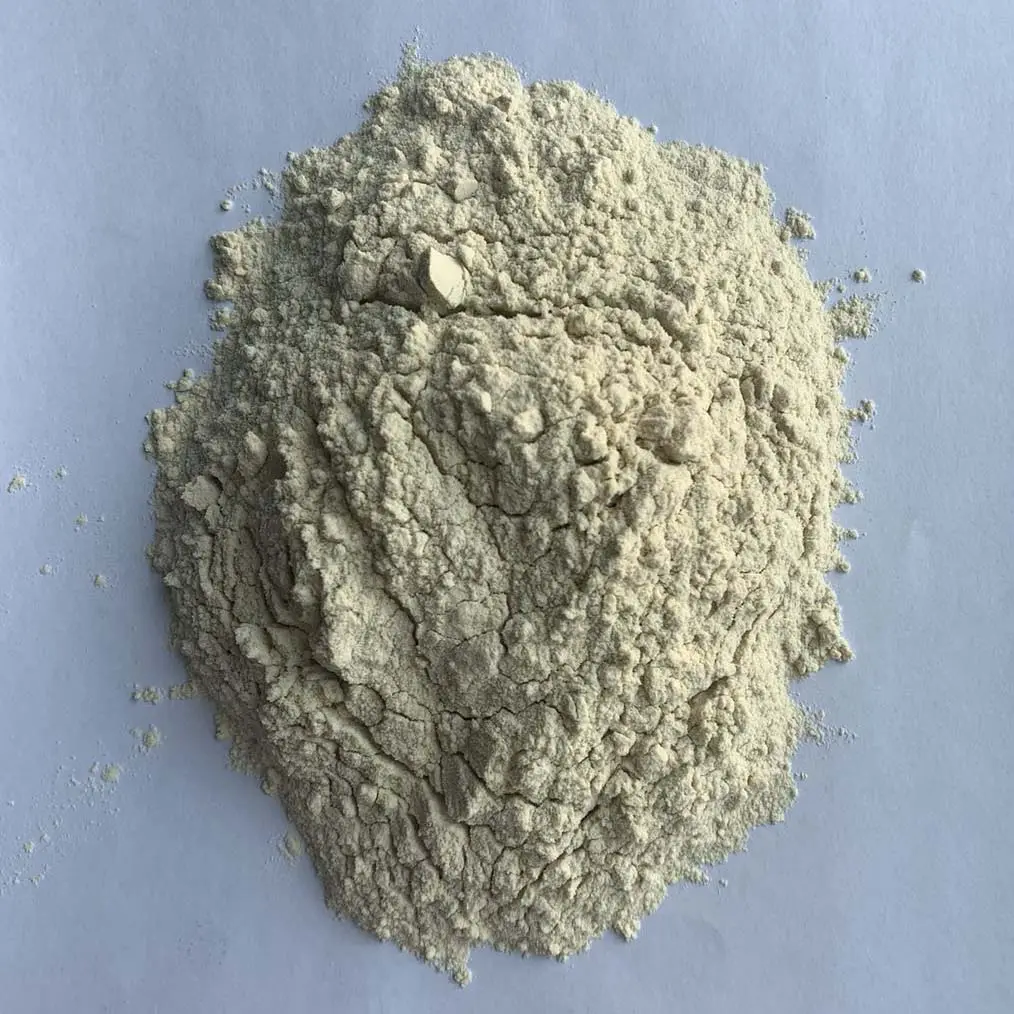
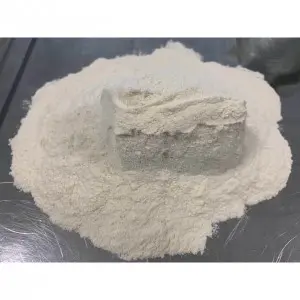
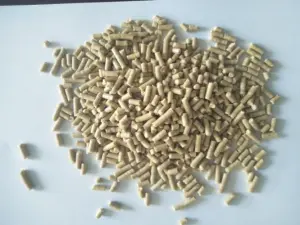
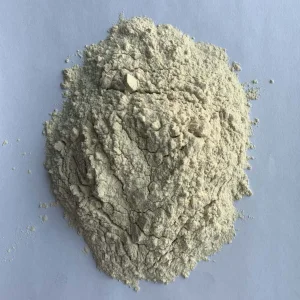
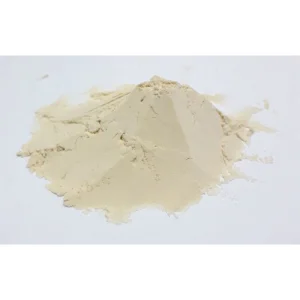
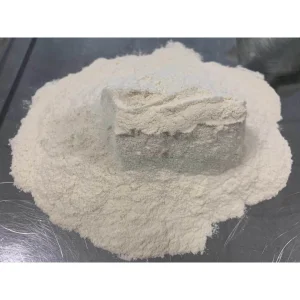
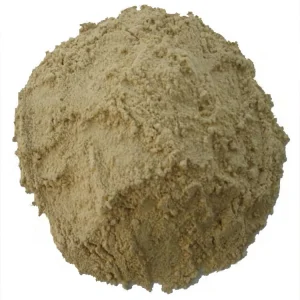
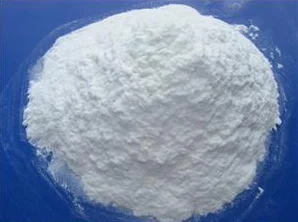
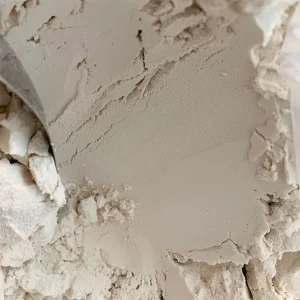
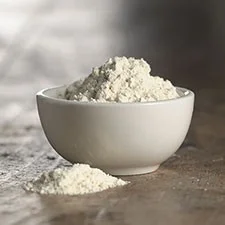
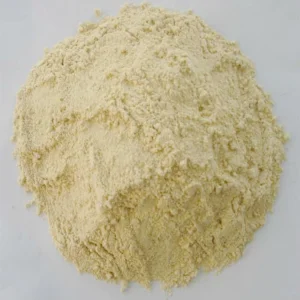
The processing of raw straw into stable feed pellets requires high-precision manufacturing, nutritional optimization, and reliable starch and protein binders. Crop straw, while containing rich structural carbohydrates and lignocellulosic fiber, lacks essential density, bypass proteins, and structural integrity. Through the integrated circular processes at Xinrui Group, the production of vital wheat gluten (such as our premium VWG-PS Wheat Gluten Pellets), starch B, and pentosan offers the international feed pellet industry an unmatched structural binder and protein amplifier. This dynamic circular integration ensures that feed millers, distributors, and large-scale industrial farms obtain pellets with optimal durability indexes, superior feed conversion rates, and guaranteed clean-label non-GMO tracing.
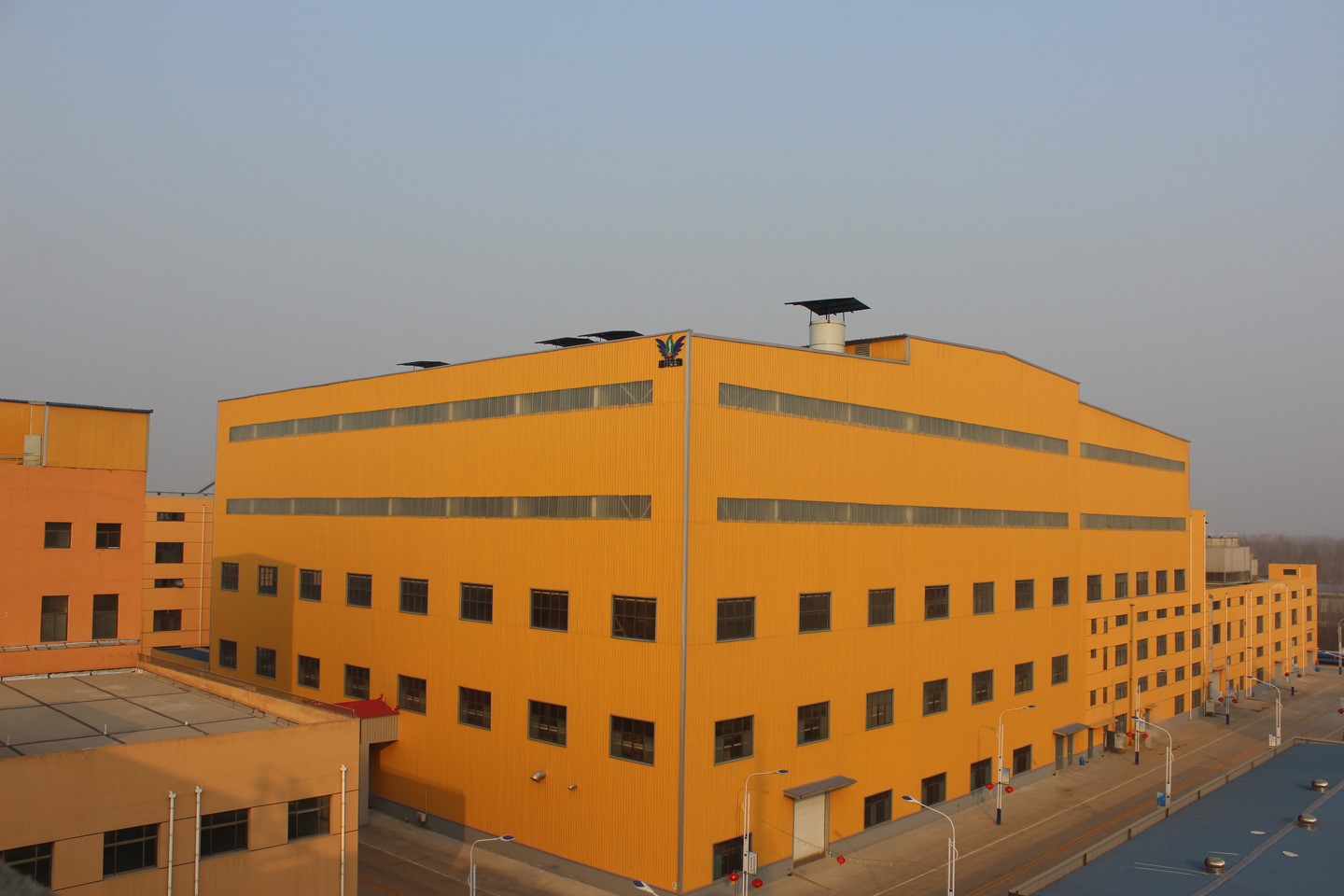
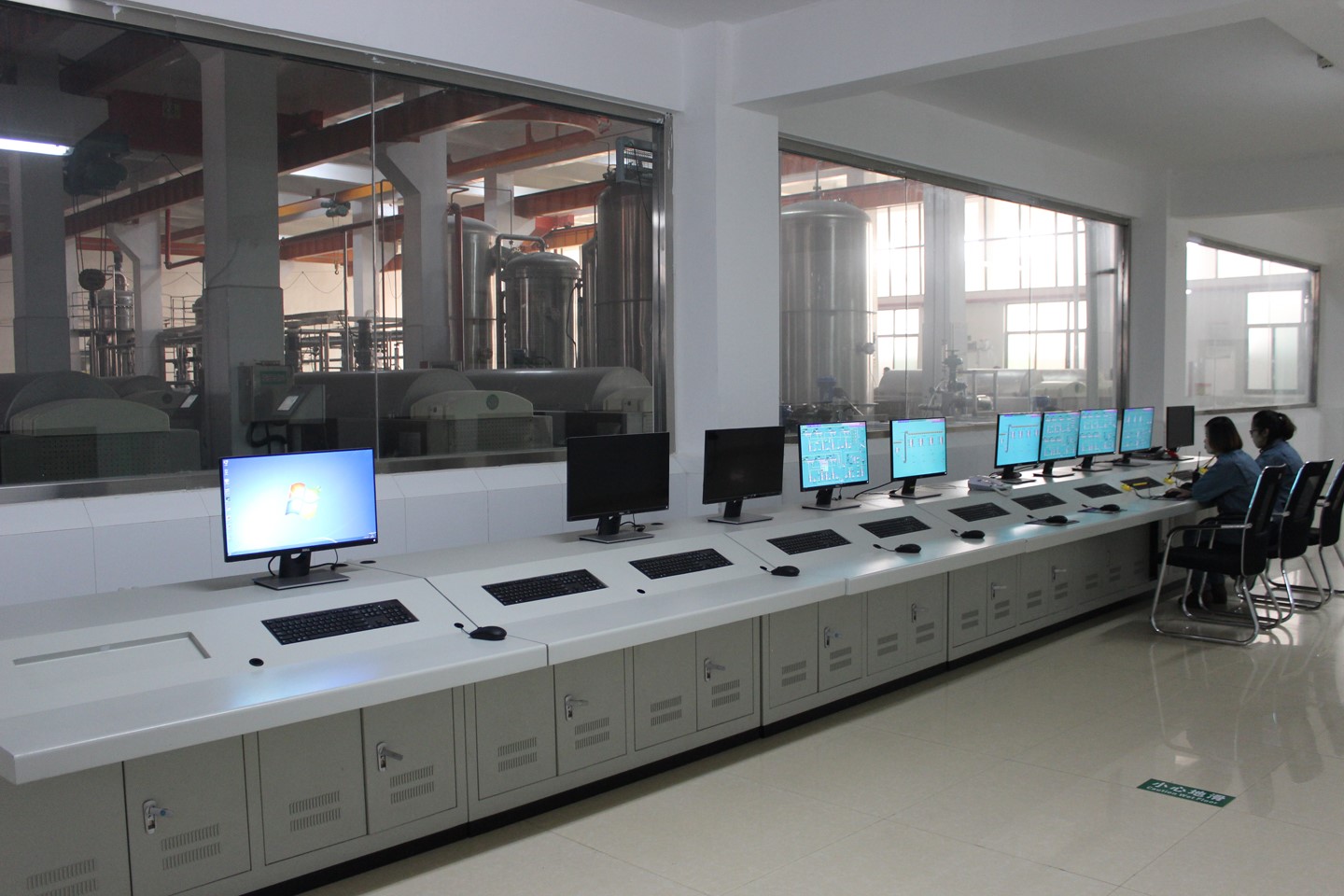
China's agricultural processing sector has undergone rapid technological upgrades, moving from localized mills to highly integrated, digitally managed biorefineries. The production facility of Guanxian Xinrui Industrial Co., Ltd. (established in 2007 with a registered capital of 100 million Yuan) represents the benchmark of this evolution. Located in the heart of China’s wheat production belt, the factory leverages localized crop access, state-of-the-art logistics infrastructure, and deep technological prowess.
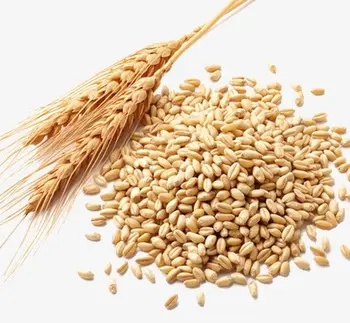
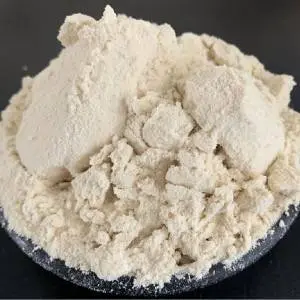
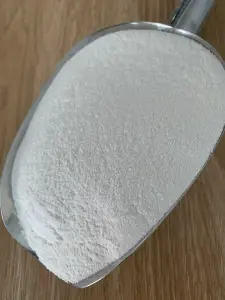
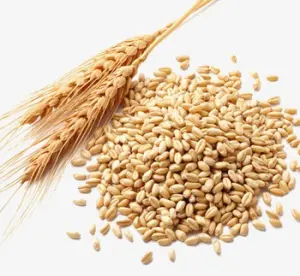
By importing the highly advanced tri-canter separation technology for wheat gluten production, our factory processes 500,000 tons of wheat flour annually. This advanced process divides wheat into vital wheat gluten, wheat starch A, and wheat starch B. The starch B and pentosan are systematically funneled into clean alcohol distillation and high-energy animal feed formulations. Because the entire processing line is closed, sterile, and fully automated, the chemical consistency of our by-product streams is guaranteed. This provides a reliable supply of binding starches and protein concentrates essential for high-durability straw feed pellet manufacturing.

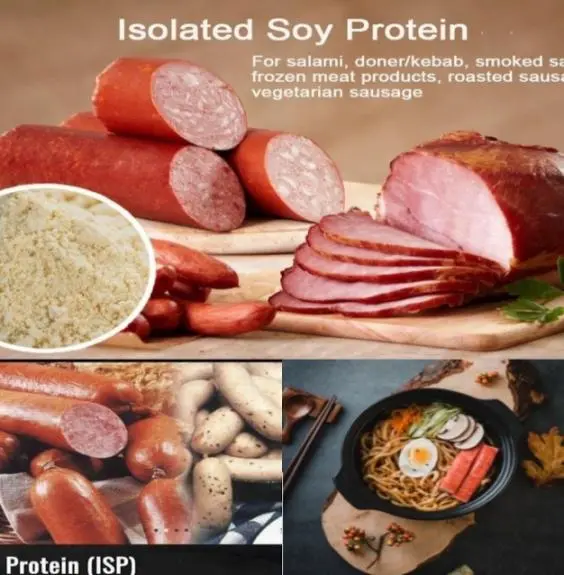
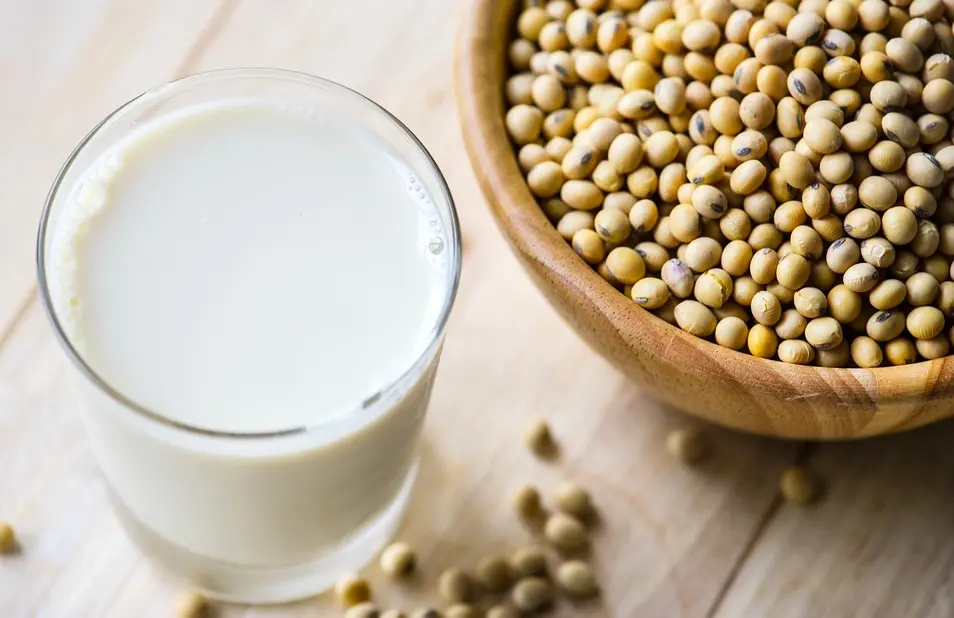
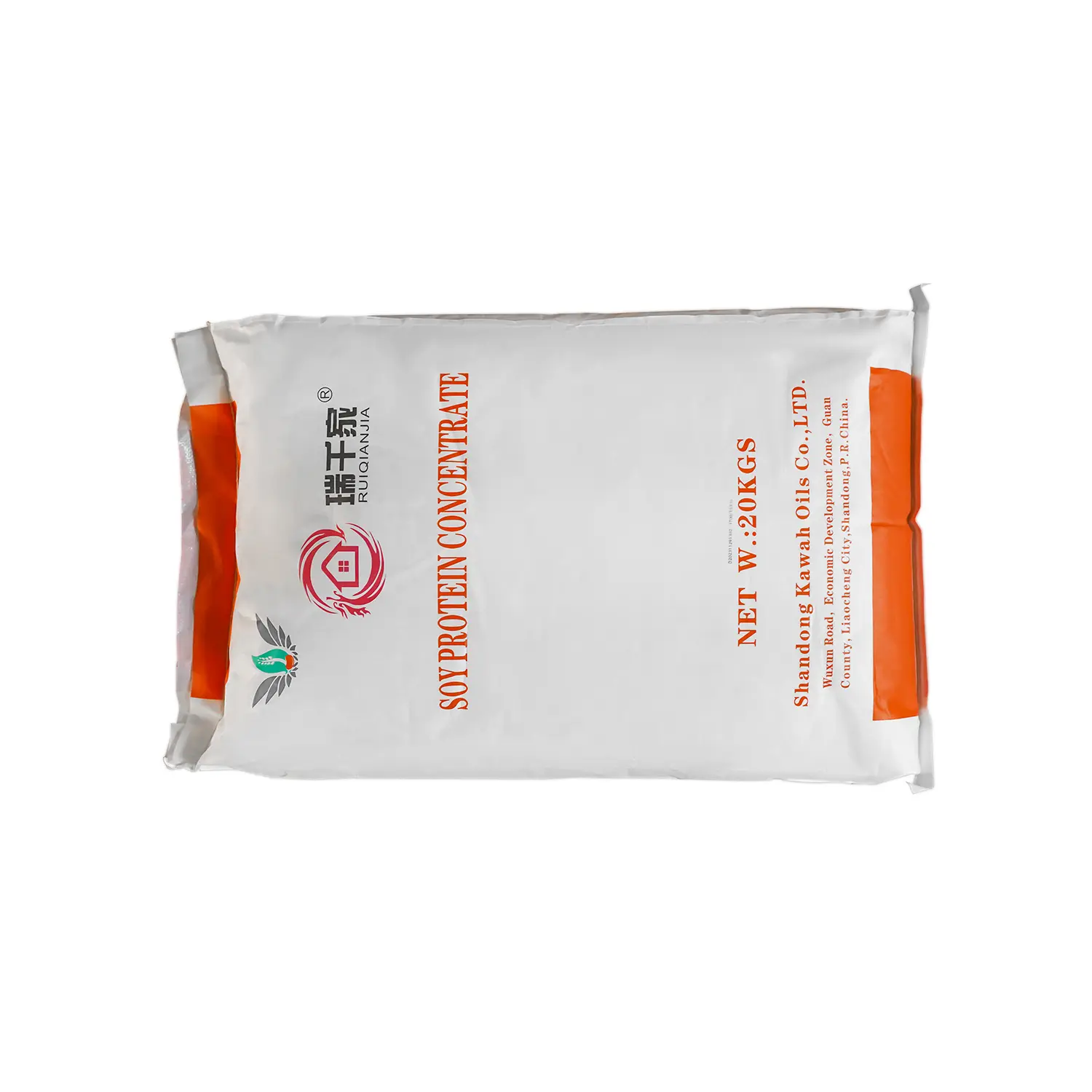
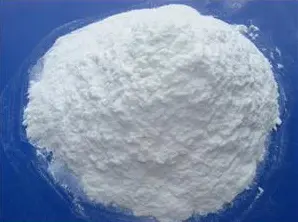
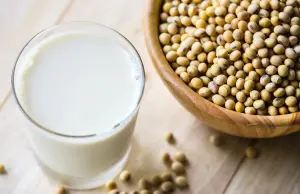
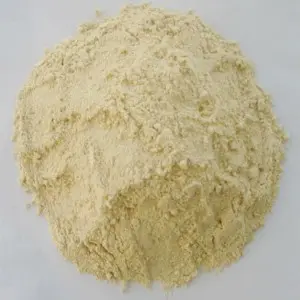
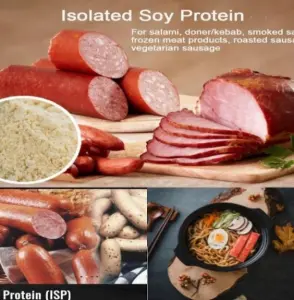
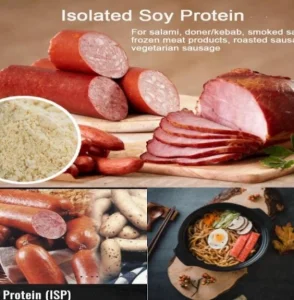
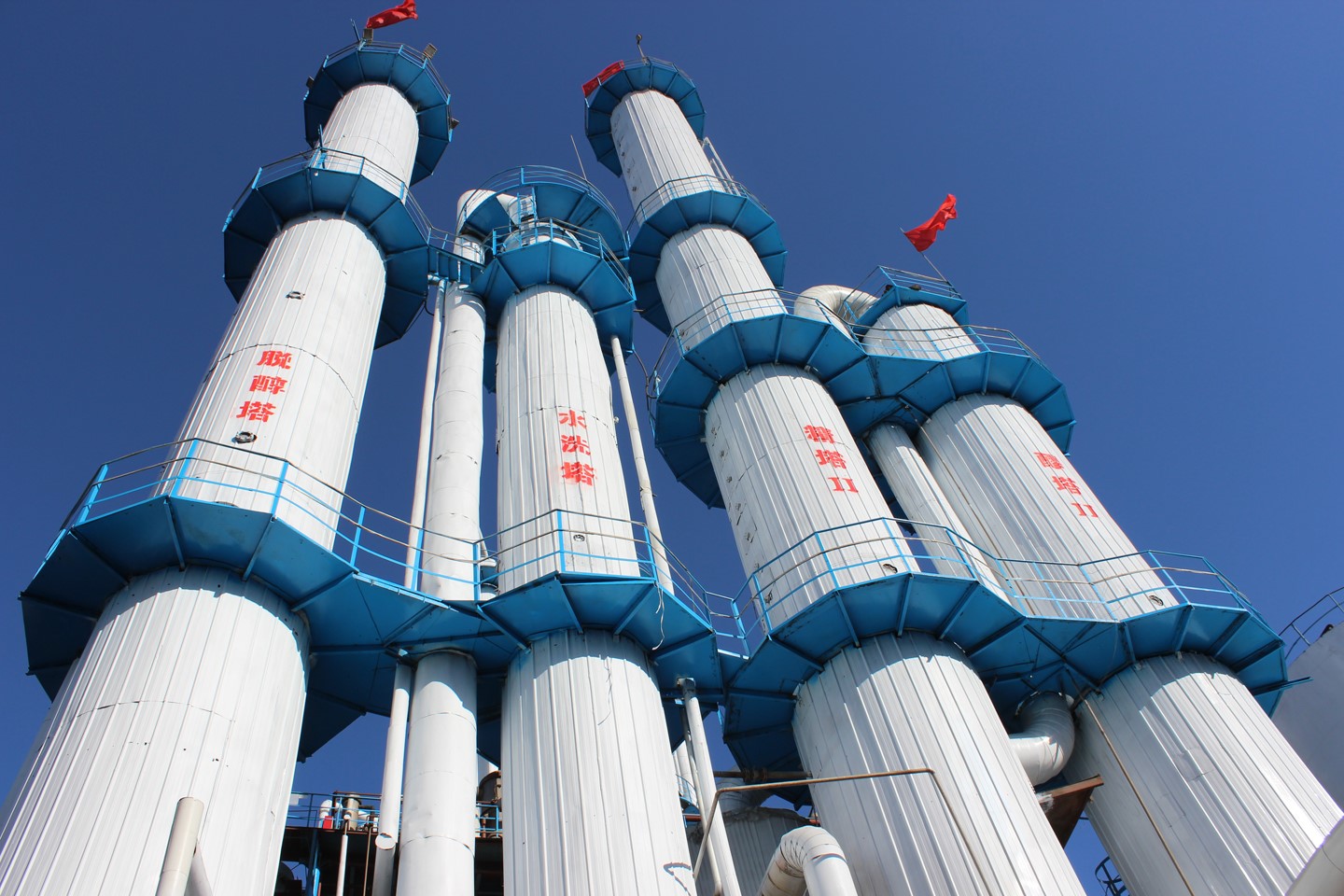
Furthermore, our soybean division, Shandong Kawah Oils Co., Ltd. (established in 2014 with 120 million Yuan registered capital), processes 180,000 tons of domestic, strictly NON-GMO soybeans. Featuring the largest single-line spray drying tower in China (engineered by the renowned DACHUANYUAN), this plant produces isolated soy protein, functional soy protein concentrate, and soy dietary fiber. These structural fiber matrices are ideal organic fillers and binding agents for industrial feed pellet factories worldwide.
Industrial procurement departments in Europe, North America, and parts of Asia are actively shifting away from raw, unprocessed grain dependency in feed formulations. Instead, they are prioritizing feed pellet systems that utilize agricultural residues, such as wheat and rice straw, combined with high-nutrient density binders. This transition is motivated by three main macro factors:
Global climate policies mandate the reduction of agricultural waste burning. Utilizing straw feed pellets directly binds carbon in the animal production lifecycle and reduces the environmental footprint of global meat and dairy supply chains.
Unbound biomass crumbles easily during long-distance maritime transport. By integrating cohesive binding elements like wheat starch B, vital wheat gluten, and soy dietary fiber, pellet manufacturers achieve a high Pellet Durability Index (PDI), preventing dust formation and product loss.
International consumers demand clean-label certification. Shandong Kawah Oils uses strictly domestic non-GMO soybeans, ensuring that all soy dietary fibers and proteins entering the feed pellet supply chain are completely free of genetic modification.
Different livestock species require tailored feed textures, digestion profiles, and physical densities. Our straw and grain co-product pellets are engineered to fit distinct biological roles:
Founded in May 2003, Xinrui Group has grown to span more than 1,000 mu, establishing a highly integrated circular economy loop. Our capabilities extend beyond agricultural processing; the group owns municipal cogeneration systems, urban heating networks, and regional gas lines, alongside a vast wheat and non-GMO soybean planting infrastructure. This scale generates a robust annual output of 2.8 billion Yuan, ensuring stability against raw material fluctuations.
To support overseas transactions, Guanxian Ruichang Trading Co., Ltd. was established in 2011 with a registered capital of 6 million Yuan. By handling direct-from-factory exports of wheat gluten, isolated soy protein, soluble dietary fibers, and starch derivatives, Ruichang ensures that more than 70% of the group's capacity is efficiently delivered to global buyers, streamlining logistics and lowering costs.
Operating within the international food and feed supply chain requires strict compliance and verification. Xinrui Group maintains top industry certifications to assure buyers of our quality, safety, and traceability:
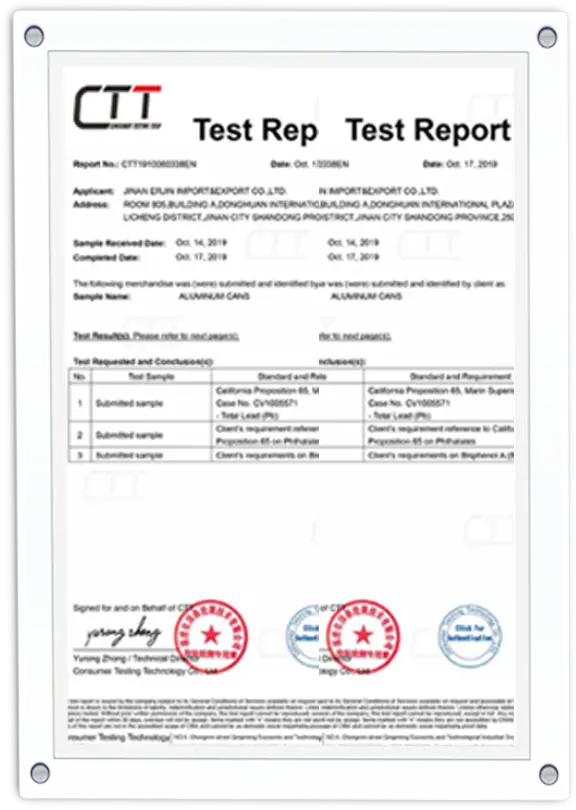
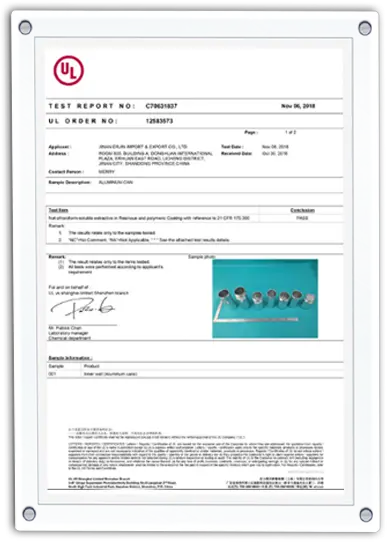
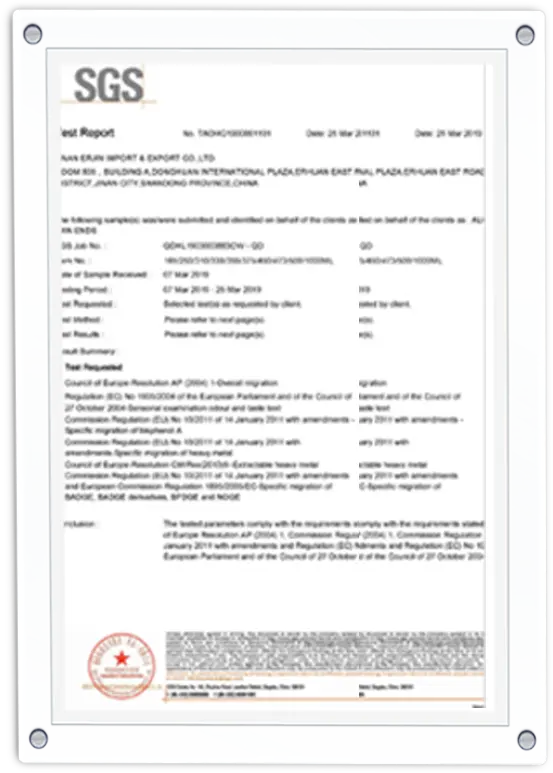
Our quality management portfolio includes: HACCP, ISO9001, ISO22000, BRC, HALAL, KOSHER, IP-NON GMO, and SGS. Other regional or client-specific certifications are available upon request.
 Xinrui Group