Explore our primary range of Non-GMO isolated proteins and structured functional starches, engineered specifically to replicate animal muscle fibers and emulsion profiles.
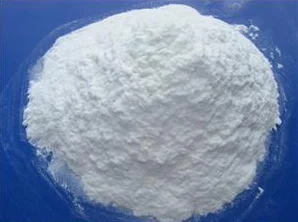
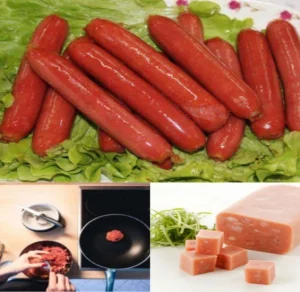
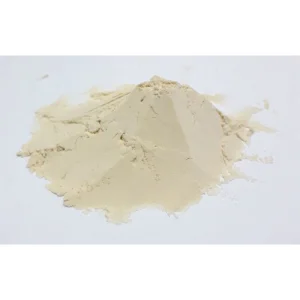
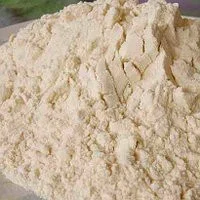
The alternative protein sector is undergoing a monumental paradigm shift. Driven by environmental imperatives, shifting consumer health indices, and food-security strategies, food manufacturers globally are seeking reliable bulk manufacturers of plant-based texturizers. A meat analogue (or plant-based meat alternative) relies entirely on the quality and structural integrity of its underlying base proteins. For years, the industry relied on standard texturized vegetable proteins (TVPs) that offered subpar fiber mimicry. Today, the focus has shifted toward high-grade, non-GMO Isolated Soy Protein (ISP), Vital Wheat Gluten (VWG), and specialized Dietary Fibers which offer the essential water-binding capacity, viscoelasticity, and gel-formation dynamics required to simulate raw animal muscle tissues.
In terms of global trade flow, countries in Western Europe and North America demand high-purity, Non-GMO certified materials to fulfill the clean-label trend. Meanwhile, industrial hubs in Latin America and the Asia-Pacific region are optimizing cost structures by mixing high-gelation soy proteins with meat products to produce hybrid meats. This multi-tiered market utilization requires a diverse catalog of customized, application-specific functional proteins.
Recreating the complex structure of meat (muscle fibers, fat deposits, connective tissues, and hydration levels) requires a sophisticated understanding of plant macromolecules. As an industry-leading manufacturer, our research and development programs focus heavily on the molecular interactions between storage globulins in soy and viscoelastic proteins in wheat.
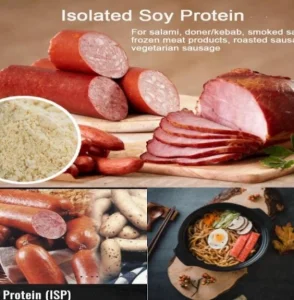
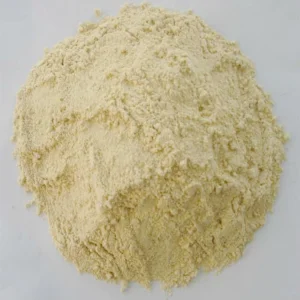
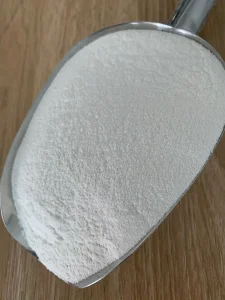
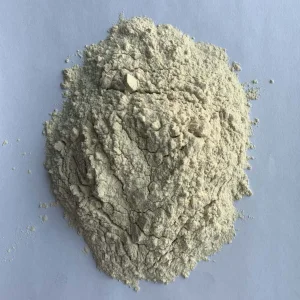
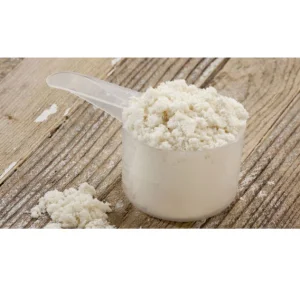
Isolated Soy Protein is the primary structuring element. Boasting a protein content of over 90% (on a dry basis), our ISP varieties are processed from low-temperature food-grade soy meal.
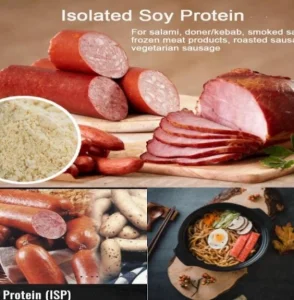
Emulsion Types (9007B-A, 9007B-C, 9001BW, 9000, 9500): These isolates feature high emulsifying capabilities, binding water and oil in high-shear systems (1:5:5 or higher ratio). They form stable thermal-irreversible gels that ensure firm, bouncy textures in plant-based sausages, hot dogs, and vegetarian patties.
Vital Wheat Gluten provides the crucial chewy texture and structural memory. Consisting mainly of gliadin and glutenin, it forms a cohesive, elastic, and expandable network when hydrated.
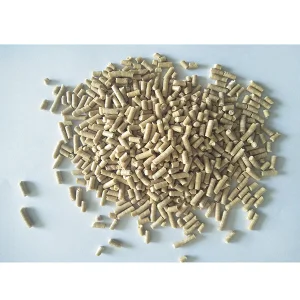
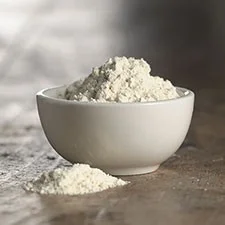
Pellets & Powder (VWG-PS, VWG-P): The powder variant provides instant hydration and uniform distribution, ideal for blending into burger pre-mixes. The pellets offer prolonged stability and slow hydration, making them perfect for specialized wet extrusion lines and dense plant-based cold cuts.
Soy Dietary Fiber (soluble & insoluble fractions) serves as a stabilizing support mechanism. It enhances water retention capacity (up to 1:10 water binding) and prevents moisture purge during freeze-thaw cycles.
Integrating SDF into meat analogues helps emulate the soft juiciness of animal fat tissue without introducing lipid degradation issues or raising cholesterol contents.
The global alternative protein ecosystem is transitioning from basic texturized proteins to advanced High-Moisture Extrusion Cooking (HMEC). In HMEC systems, plant proteins, starches, and lipids are fed into a twin-screw extruder with moisture levels reaching up to 50-70%. Under heat and shear pressure, the plant proteins denature, align, and form a fiber structure that matches chicken breasts or steak strips.
Requires raw material with extremely consistent gelation profiles and minimal fat residuals. Standard protein isolates often burn or clog the die plate. Our 9006B Meat Type and 9020 Injection Type are designed with controlled thermogelation thresholds to guarantee uniform flow and long fiber formation.
Modern consumers demand short ingredient lists free from chemical additives. By securing pure, Non-GMO raw crops directly from our contracted bases, and utilizing water-based physical separation (tri-canter separation), we ensure our final wheat gluten and soy protein isolates are free from pesticide residuals, chemical carriers, and organic solvents.
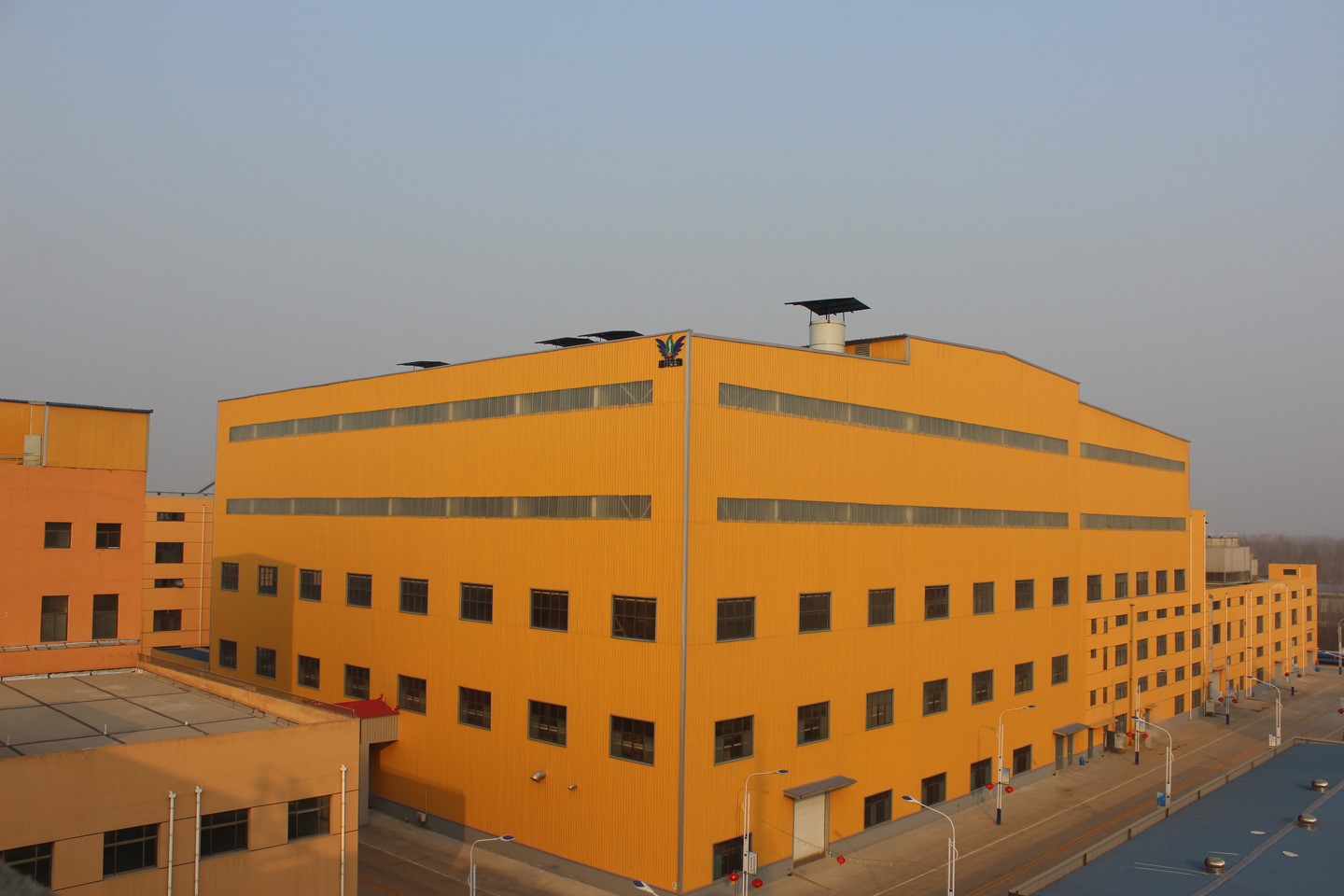
Xinrui Group (founded in May 2003, spanning over 1,000 mu) stands at the pinnacle of plant protein manufacturing. Through strategic division, the group runs a fully integrated circular economy:
Guanxian Xinrui Industrial Co., Ltd. (formerly Guanxian Ruixiang Biotechnology Development Co., Ltd), established in 2007 with a registered capital of 100 million Yuan, processes 500,000 tons of wheat flour annually. Our advanced tri-canter separation line produces vital wheat gluten, wheat starch A, and wheat starch B. The residual starch B and pentosans are directed into clean ethanol and animal feed manufacturing, achieving zero industrial waste.
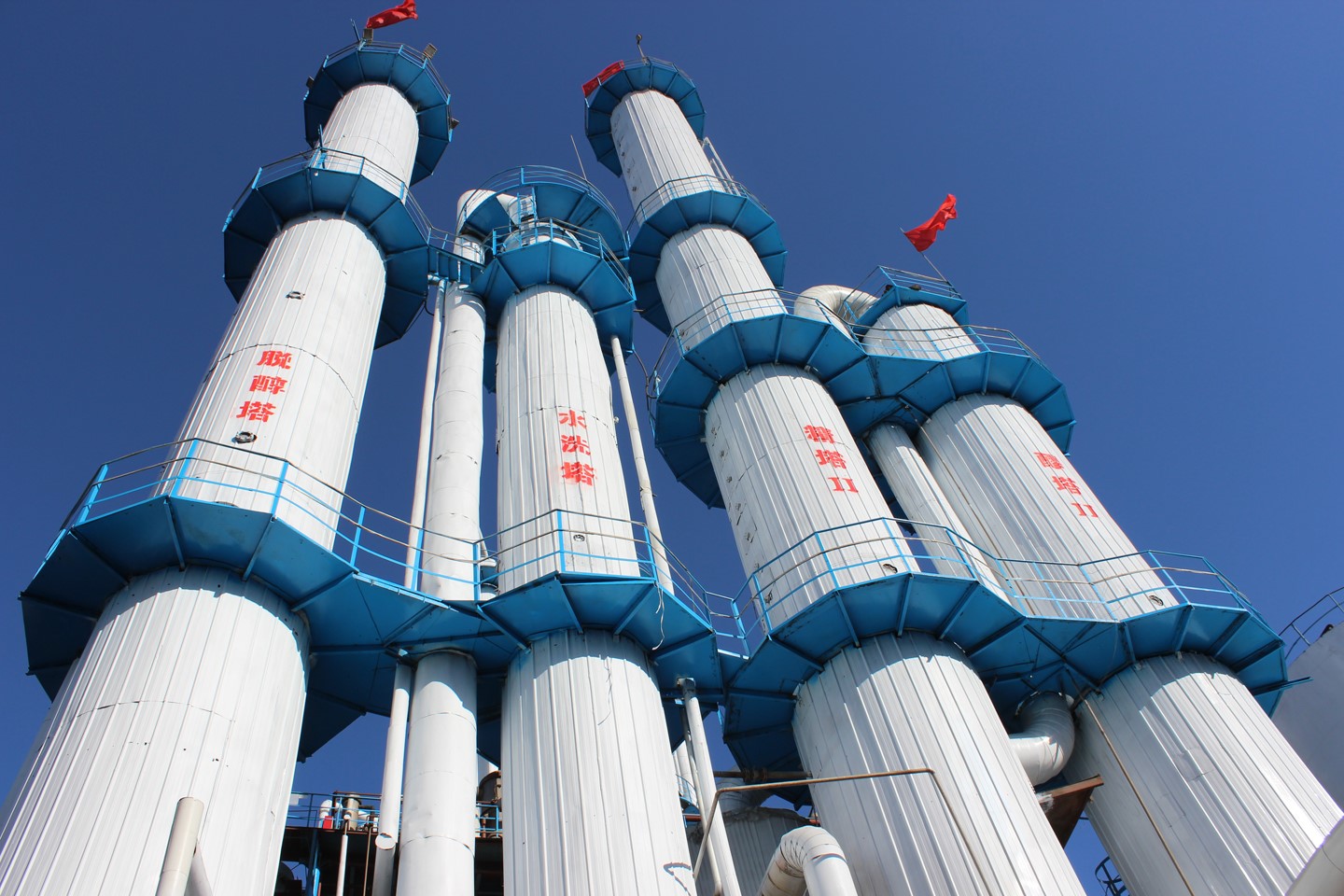
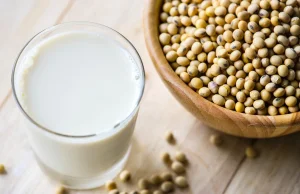
Shandong Kawah Oils Co., Ltd., established in 2014 with 120 million Yuan of registered capital, processes 180,000 tons of domestic Non-GMO soybeans annually. It features China's largest single production line equipped with a state-of-the-art DACHUANYUAN spray drying tower. Kawah extracts Non-GMO soybean oil, low-temperature food-grade meal, isolated soy proteins, and dietary fiber in consecutive, high-efficiency steps.
Our global distribution is integrated through Guanxian Ruichang Trading Co., Ltd. (founded in 2011, 6 million Yuan registered capital), exporting over 70% of the group's protein capacity to premium food manufacturers overseas.

The versatility of plant protein isolates allows them to adapt to diverse regional food cultures and technical configurations. Here is a guide to utilizing our functional isolates in localized target markets:
Western applications require a firm, elastic texture with strong juice-retention during pan-frying or grilling.
Recommended Blend: 9007B-A or 9007B-C Emulsion-type ISP combined with Vital Wheat Gluten Powder (VWG-P). This configuration builds a dual-protein matrix where wheat gluten provides chewiness while the soy protein emulsifies added fats and oils.
Asian culinary formulations emphasize tenderness, moisture, and fine dispersal.
Recommended Blend: 9030 or 9032 Dispersion-type ISP, combined with Soy Dietary Fiber (SDF). Using dispersion type isolated proteins ensures that filling mixtures (such as plant-based dumpling filling or dim sum components) retain structural integrity without becoming rubbery or dry.
Seafood alternatives require fine micro-fibrils that flake like fish flesh, and low-density structures that mimic shrimp.
Recommended Blend: 9020 or 9026 Meat & Injection Type ISP. Designed for low viscosity at room temperature, it can be injected directly into restructured substrates, forming a tender and cohesive network upon heat processing.
A key differentiator of Xinrui Group is our energy self-sufficiency and raw material utilization cycle. Our facility runs a proprietary deep-processing industrial chain:
Stage 1 - Cultivation: Direct control of Non-GMO wheat and soybean agricultural bases ensures raw material trace-back capabilities.
Stage 2 - Fractionation: Wheat flour is processed using advanced tri-canter technologies into vital wheat gluten, starch A, and starch B.
Stage 3 - Transformation: Low-grade starch B and pentosans are fermented to manufacture high-grade industrial ethanol (95-96% Superior Grade) and high-fiber animal feed.
Stage 4 - Cogeneration: The Group's integrated power station provides clean cogeneration, urban heating, and gas supply directly to our factories, slashing carbon footprints and production costs.
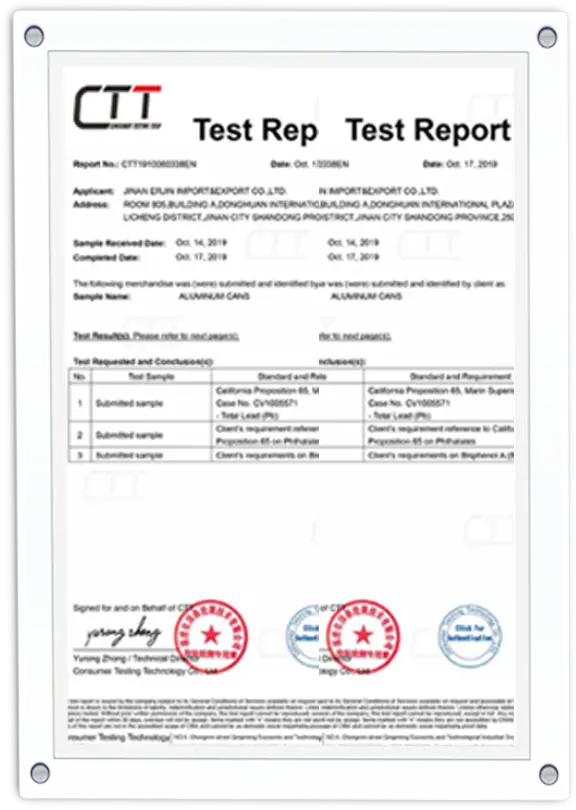
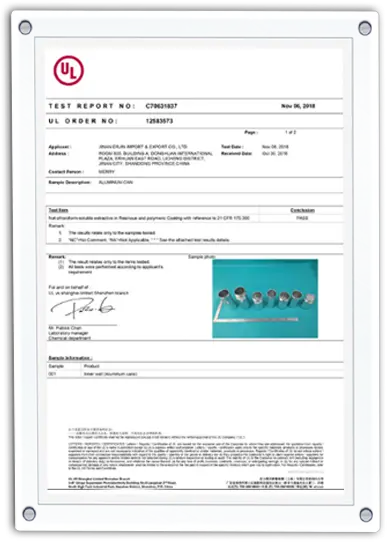
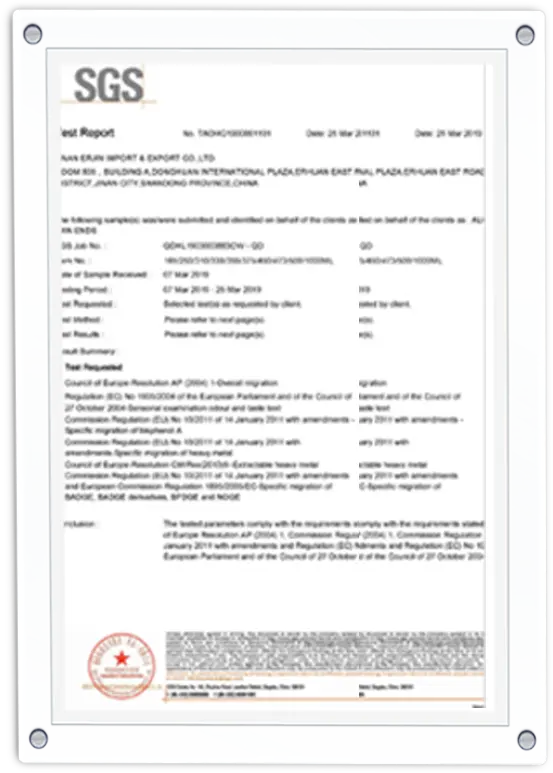
To align with strict global food standards, all Xinrui Group facilities hold comprehensive food safety and religious certifications. Our processing lines undergo external audits to meet international standard guidelines.
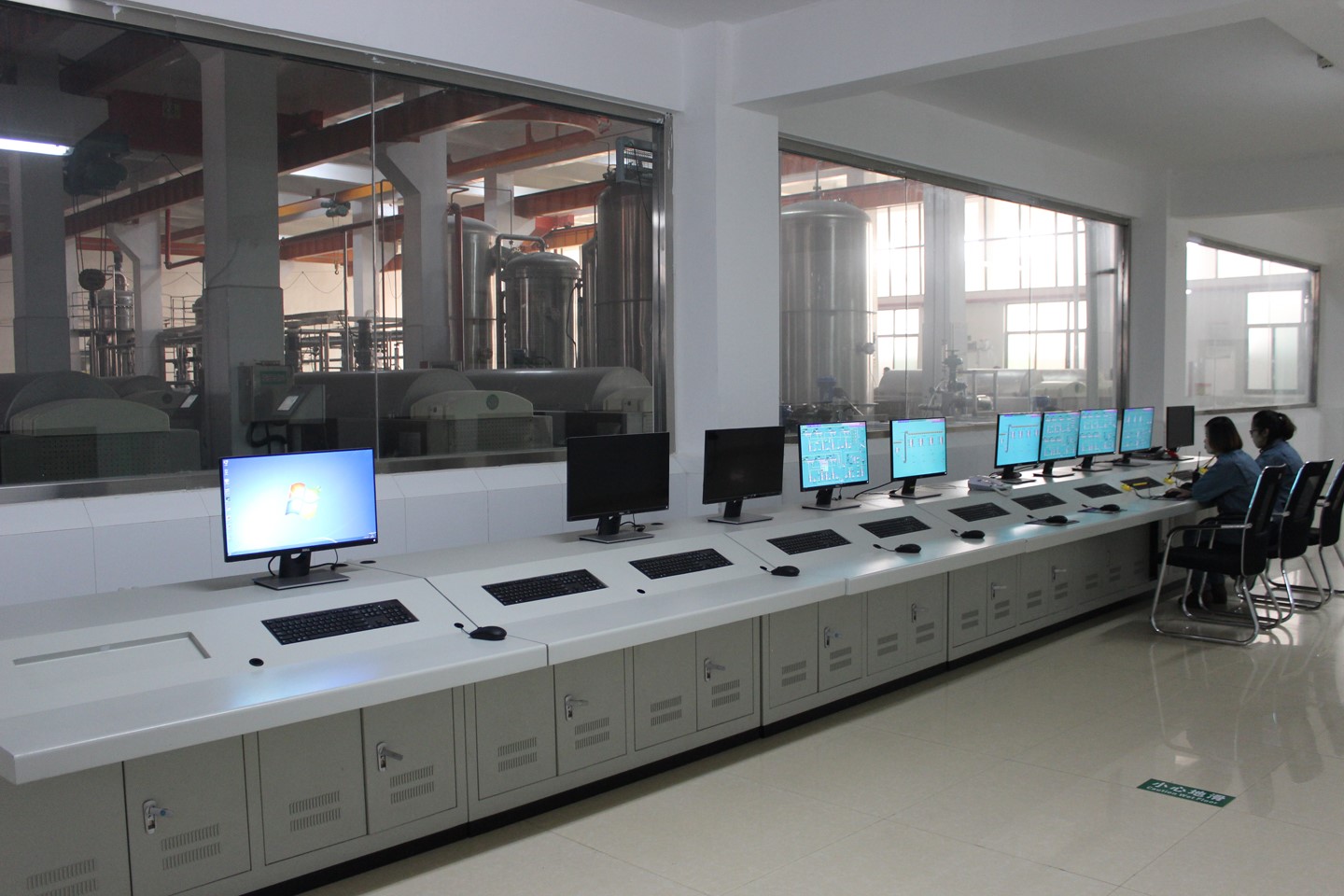
Observe our automated processing floors, quality control laboratories, and packaging lines in real-time:
Review our answers to commonly asked questions from industrial procurement managers, food scientists, and global logistics buyers.
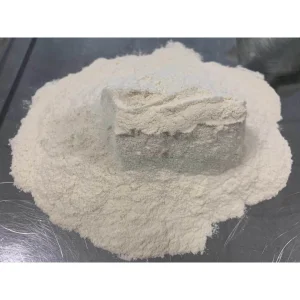
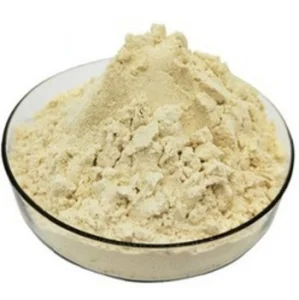
Explore our secondary product lineup, including specialized dietary fibers, wheat gluten powders, injection isolates, and agricultural industrial alcohols.
 Xinrui Group