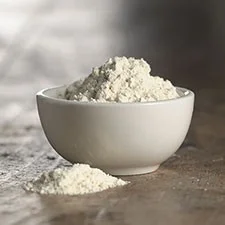
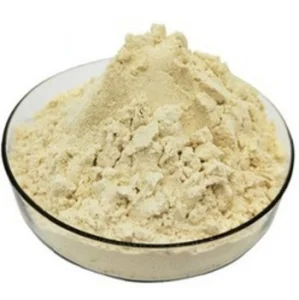
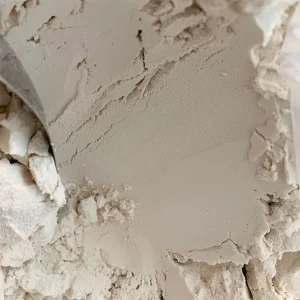
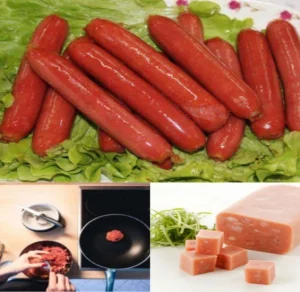
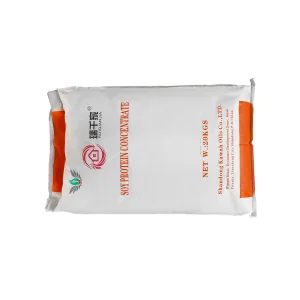
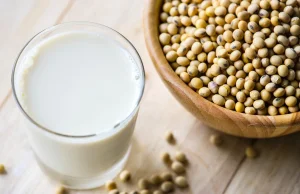
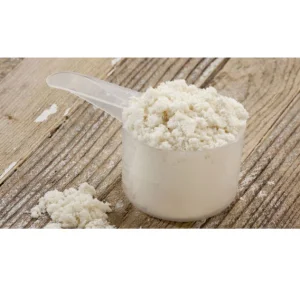
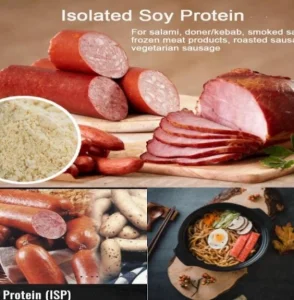
In the contemporary food processing industry, meat matrix builders are challenged with volatile animal protein costs, stringent clean-label expectations, and functional demands for low-sodium or low-fat alternatives. Our Isolated Soy Protein (SPI) solutions act as the crucial architectural backbone in fine-emulsion and injected sausages. By mimicking the fibrous alignment of myofibrillar proteins, we assist large-scale manufacturers in creating textures that customers trust while driving economic formulation yields.
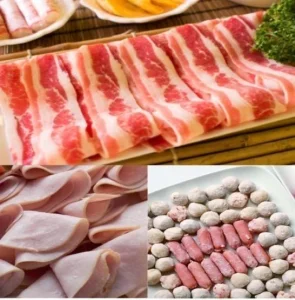
Modern processed meats—ranging from classic frankfurters and bologna to highly regional dry-cured sausages—require precise control of moisture and fat retention. The global transition toward plant-hybrid formulation requires ingredients that integrate seamlessly into existing industrial machinery without clogging equipment or forcing costly modifications to slicing lines.
The primary mechanism of food-grade isolated soy protein lies in its heat-induced gelation capacity. When combined with minced meat matrixes during the chopping or bowl-cutter process, the 11S and 7S globulin structures denature and cross-link, establishing a cohesive network. This prevents water separation and fat leakage during thermal processing (cooking and sterilization steps).
As a leading raw material manufacturer, we operate extensive supply networks tailored to optimize the interaction between soy globulins and muscle fibers. This technological synergy helps reduce cook shrink, improve overall bite firmness, and stabilize the product through rigorous cold-chain shipping channels.
Established in May 2003, Xinrui Group spans a massive industrial area of over 1,000 mu. The group is structured as a highly diversified circular economy industrial chain, integrating energy cogeneration, heating, and gas supply with massive agricultural deep processing. This integration provides our manufacturing facilities with highly reliable utility supplies, protecting operations from energy price shocks and ensuring uninterrupted production runs.
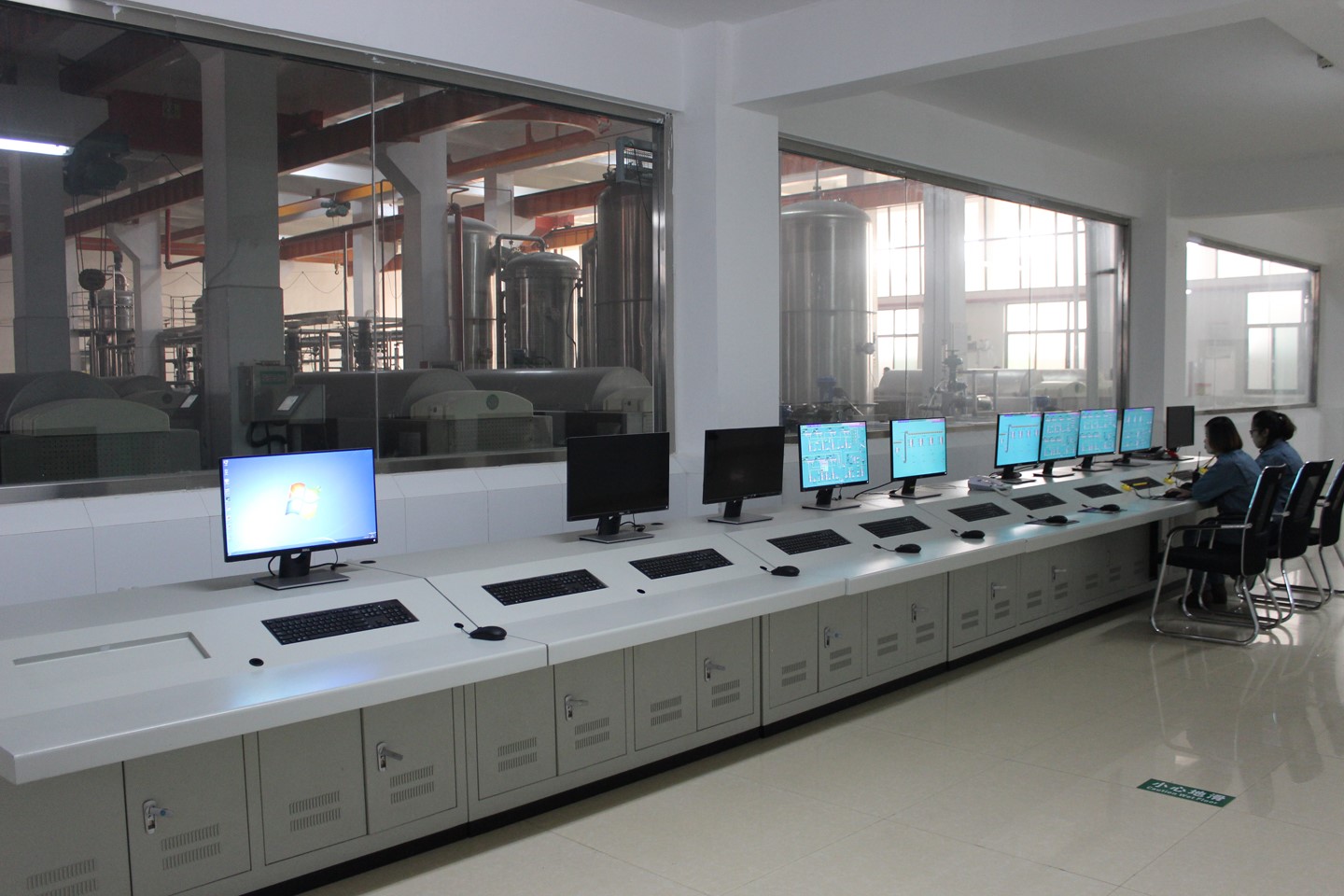
Under this strong corporate umbrella, Shandong Kawah Oils Co., Ltd. (established in 2014 with 120 million Yuan registered capital) manages our state-of-the-art soy protein manufacturing operations. As a provincial-level leading agricultural industrialization enterprise, Kawah Oils processes 180,000 tons of strictly domestic, IP-certified NON-GMO soybeans each year. From this premium source material, we extract high-grade soybean oil, low-temperature food-grade soy meal, isolated soy proteins, and dietary fiber in an eco-friendly cascade process.
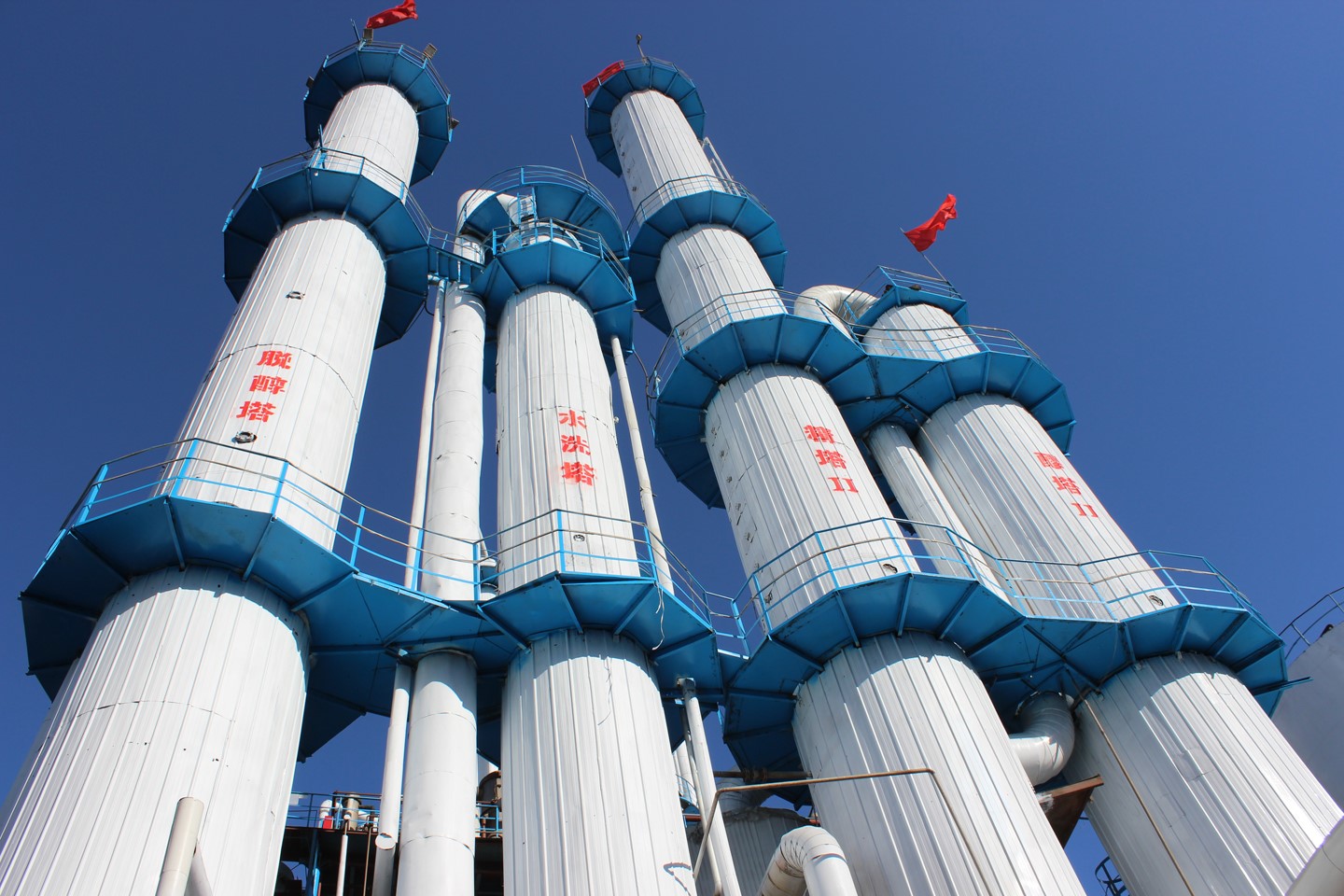
Our extraction lines utilize advanced imported spray drying towers from DACHUANYUAN. The main tower operates as the largest single spray-drying unit in China, delivering consistent particle size, exceptional dispersibility, and reliable batch-to-batch protein performance. For export management, our specialized subsidiary Guanxian Ruichang Trading Co., Ltd. handles all international shipping, exporting more than 70% of our capacity to markets across the globe.


For meat processing engineers, selecting the correct grade of Isolated Soy Protein (SPI) depends on understanding its functional behavior within the meat emulsion. During the bowl cutter phase, meat proteins, water, fat, and SPI form an intricate multiphase emulsion. The performance of the SPI depends on several key biochemical parameters:
Our specialized meat-grade proteins, such as the 9006B and 9007B-C, are engineered to match the gelation temperatures of myofibrillar proteins (approximately 55°C to 72°C). This matching system allows the plant protein and animal protein networks to cross-link simultaneously during thermal processing. The table below outlines the core properties of our primary sausage-grade protein offerings:
| Product Grade | Primary Application | Protein (Dry Basis) | Moisture Capacity (Ratio) | Gelation Strength |
|---|---|---|---|---|
| 9001BW / 9001B-Y | Emulsified Sausages, Frankfurters, Bologna | ≥ 90.0% | 1:5.0 to 1:5.5 | High Emulsion & Firm Gel |
| 9006B / 9007B-C | Heavy-Meat Products, Medium-Low Temp Sausages | ≥ 90.0% | 1:5.0 to 1:6.0 | Excellent Bite & Firm Texture |
| 9020 / 9026 / 9028 | Ham Injections, Injected Bacon, Whole Muscle Meats | ≥ 90.0% | Low Viscosity High Dispersion | Elastic Structure Support |
| 9003B / 9005B | Vegetarian Sausages, Plant-Based Hot Dogs | ≥ 90.0% | 1:4.5 to 1:5.0 | High Cohesion, Neutral Taste |
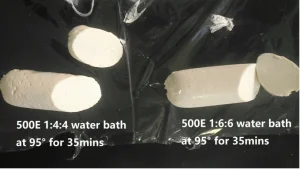
In high-volume markets where raw meat costs are volatile, processors rely on SPI to substitute animal fat and lean meat while maintaining texture. Using our 9007B-C or 9500 Meat & Emulsion Type proteins combined with Soy Dietary Fiber allows manufacturers to create stable emulsions at a 1:5:5 water-to-protein-to-fat ratio. This system maintains firmness and reduces water separation, even in shelf-stable canned sausages processed under retort temperatures.
High-speed industrial slicing lines require sausages and cured meats to remain firm without crumbling or tearing. By adding our 9020 / 9026 / 9028 Injection Type proteins, processors can inject brine directly into whole muscle tissues. The low viscosity of our injection-grade protein prevents needle clogging, while its high solubility ensures even distribution through the muscle fibers, maintaining slice yield and texture after thermal processing.
The rise of plant-based diets requires proteins with a clean flavor profile and a high-strength gel. Our 9003B and 9003BA Vegetarian Type proteins are processed specifically to remove standard volatile green beany notes. When blended with Vital Wheat Gluten (VWG-P), it creates a clean-label fibrous texture that closely mimics the classic bite and snap of traditional hot dogs.
In fresh, uncooked sausages, maintaining moisture during final preparation by the consumer is critical. Adding our 9006B Meat Type protein helps lock in water and fat within the raw meat matrix. This reduces cook shrink on the home grill or pan, keeping sausages juicy and plump.
In global food manufacturing, regulatory compliance and safety documentation are as important as functional performance. Shandong Kawah Oils ensures total traceability for all soy protein exports. Since we use strictly domestic, non-genetically modified crop sources, we can verify our raw materials through standard IP (Identity Preservation) Non-GMO tracking systems from seed to final container load.
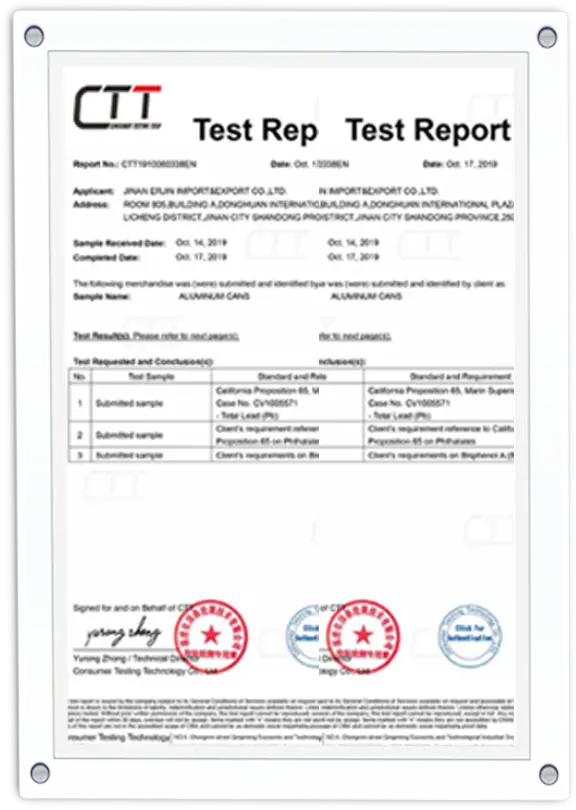
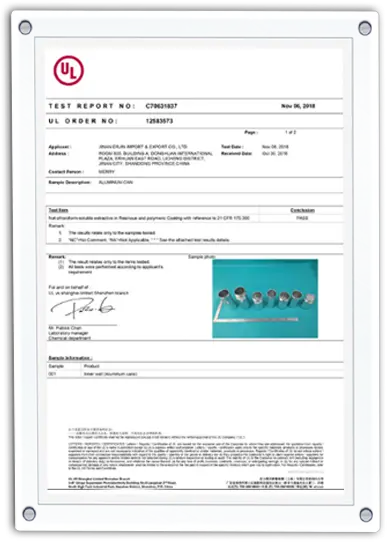
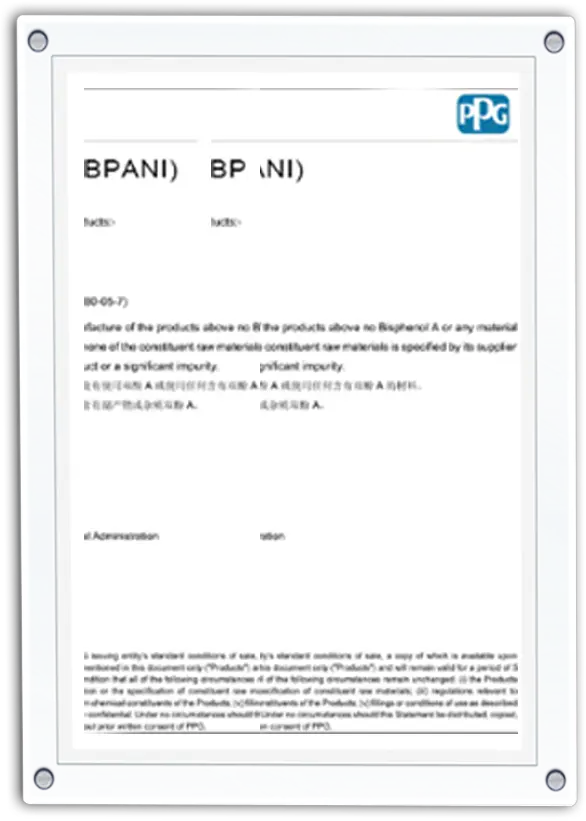
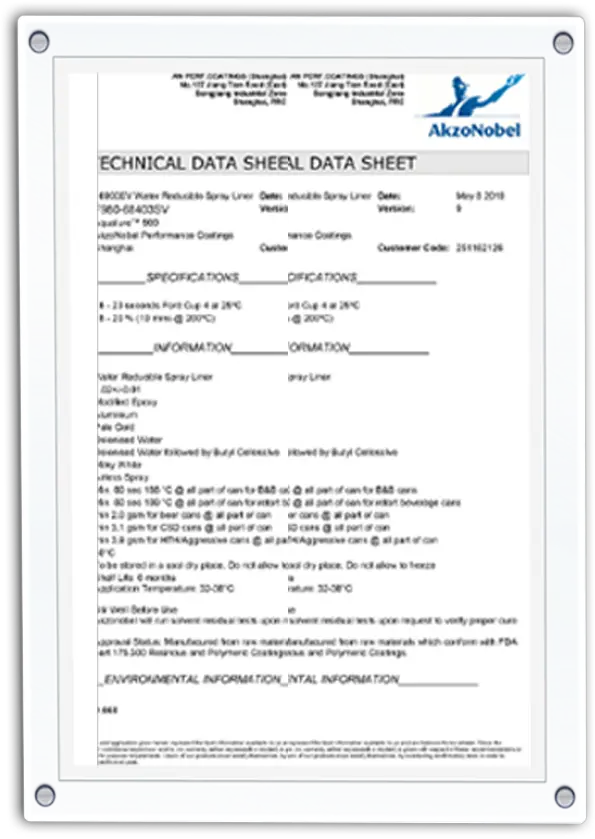
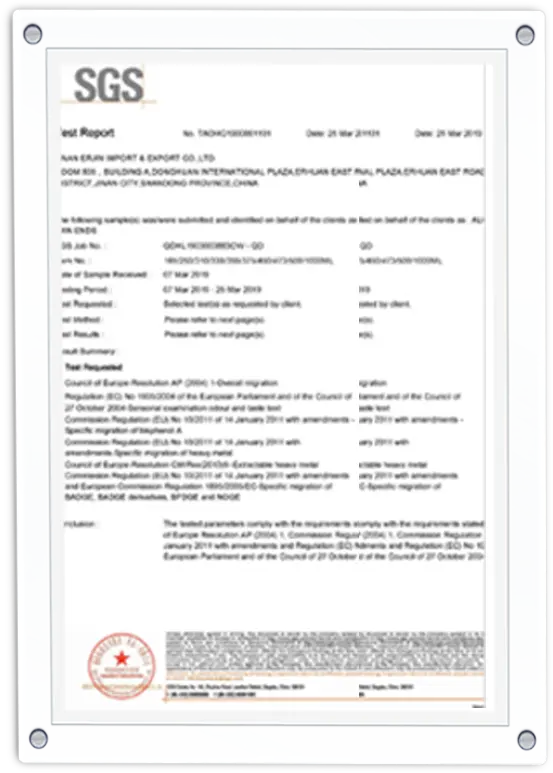
We maintain a rigorous quality management program verified by international third-party certification bodies. Our plants are certified under key food safety standards to ensure smooth clearance through customs in North America, Europe, Asia, and the Middle East:

Our research and development team is working on enzymatic modification of soy globulins to introduce cold-set gelation capabilities. Traditional SPI requires heating to above 70°C to activate the gelling network. Our upcoming generation of modified proteins will enable gelling under cold processing conditions (4-8°C). This allows sausage makers to improve cohesion in raw, fresh sausages without changing the color, appearance, or shelf stability of the fresh meat.
By coupling wheat processing (producing gluten, starch, and biofuel from pentosans) with soybean extraction, the Xinrui Group operates a zero-waste industrial system. The steam energy generated by our cogeneration plant powers our spray drying towers, reducing carbon emissions per ton of protein produced. This integration allows us to offer global partners competitive, stable pricing unaffected by standard energy market fluctuations.
We are an integrated group company named Xinrui Group that manages both manufacturing and export services. Under our corporate structure, Shandong Kawah Oils Co., Ltd. serves as our primary manufacturing unit for isolated soy protein, producing 50,000 tons of SPI annually. Guanxian Xinrui Industrial Co., Ltd. produces 30,000 tons of vital wheat gluten annually. All international exports are managed directly by our export subsidiary, Guanxian Ruichang Trading Co., Ltd., allowing direct factory sales.
We hold certifications including BRCGS, HACCP, ISO9001, ISO22000, HALAL, KOSHER, IP-NON GMO, and SGS audits. Additional national and regional quality certificates can be provided upon request during the contract phase.
Fat capping and water purging occur when the sausage emulsion breaks during thermal processing. The hydrophobic and hydrophilic groups on the SPI molecules align at the oil-water interface, encapsulating oil droplets in a stable matrix. During cooking, this matrix sets into a firm, irreversible gel that locks in both fats and water.
Standard export production and inspection cycles require 15 to 20 days. Shipments are typically packed in 20kg or 25kg multi-ply paper bags. A 20-foot container (FCL) can hold up to 12 metric tons of SPI with pallets, or 14 metric tons loose-loaded, depending on the specific bulk density of the ordered grade.
 Xinrui Group