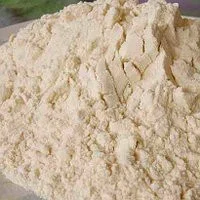
Explore our core manufacturing line of high-purity isolated soy proteins and dietary fibers optimized for functional texturization, water absorption, and high-performance emulsion matrices.
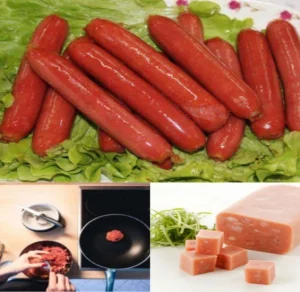
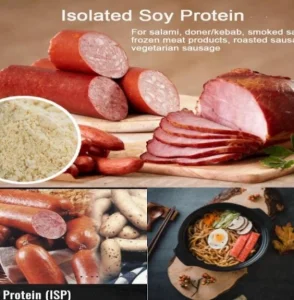
In the wake of shifts in global food consumption patterns, industrialized agricultural biotechnology has transcended simple resource extraction to enter the era of precision macro-nutrition and circular bio-refining. Global food supply chains face structural demands for protein alternatives that are scalable, allergen-conscious, highly functional, and environmentally sustainable. High-Quality Hydrolyzed Vegetable Plant Proteins represent the focal point of this transformation.
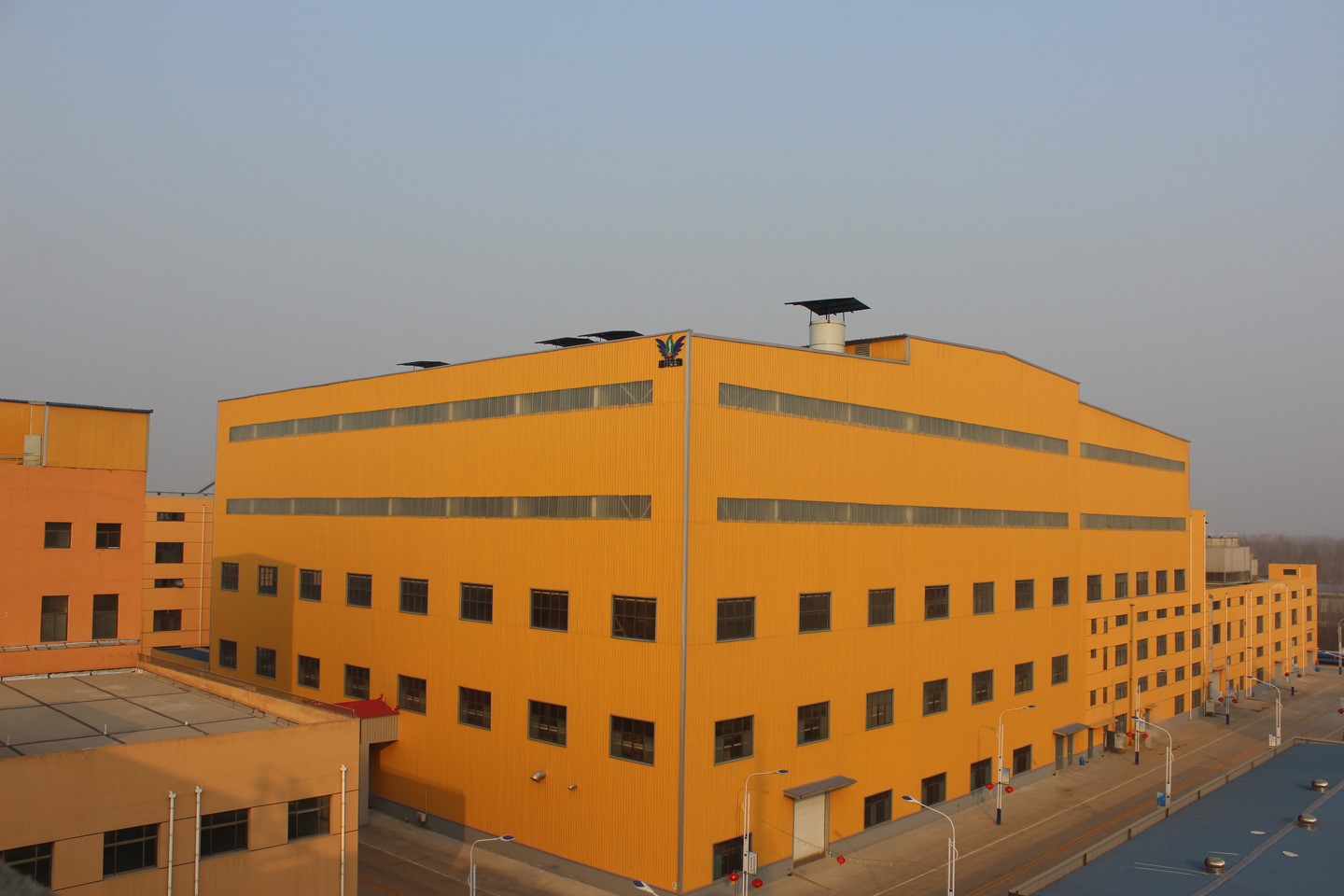
As a leading enterprise in this transition, Xinrui Group (established in May 2003, spanning over 1,000 mu of advanced industrial park space) has designed a fully integrated, zero-waste agricultural refinery network. Through our subsidiary processing complexes, we target the pain points of modern industrial food formulation: texture replication, high-yield emulsion stability, and biological profile enrichment. By leveraging massive agricultural input control, we bypass the supply-chain instability common in the ingredients sector, providing bulk solutions directly to multinational meat processors, beverage manufacturers, and global specialty nutrition brands.
Our circular economic model is anchored on two distinct mega-refining pipelines that feed, utilize, and process by-products sequentially, reducing environmental load while maximizing raw material utilization yield. This is how we process raw elements into complex, valuable plant proteins:

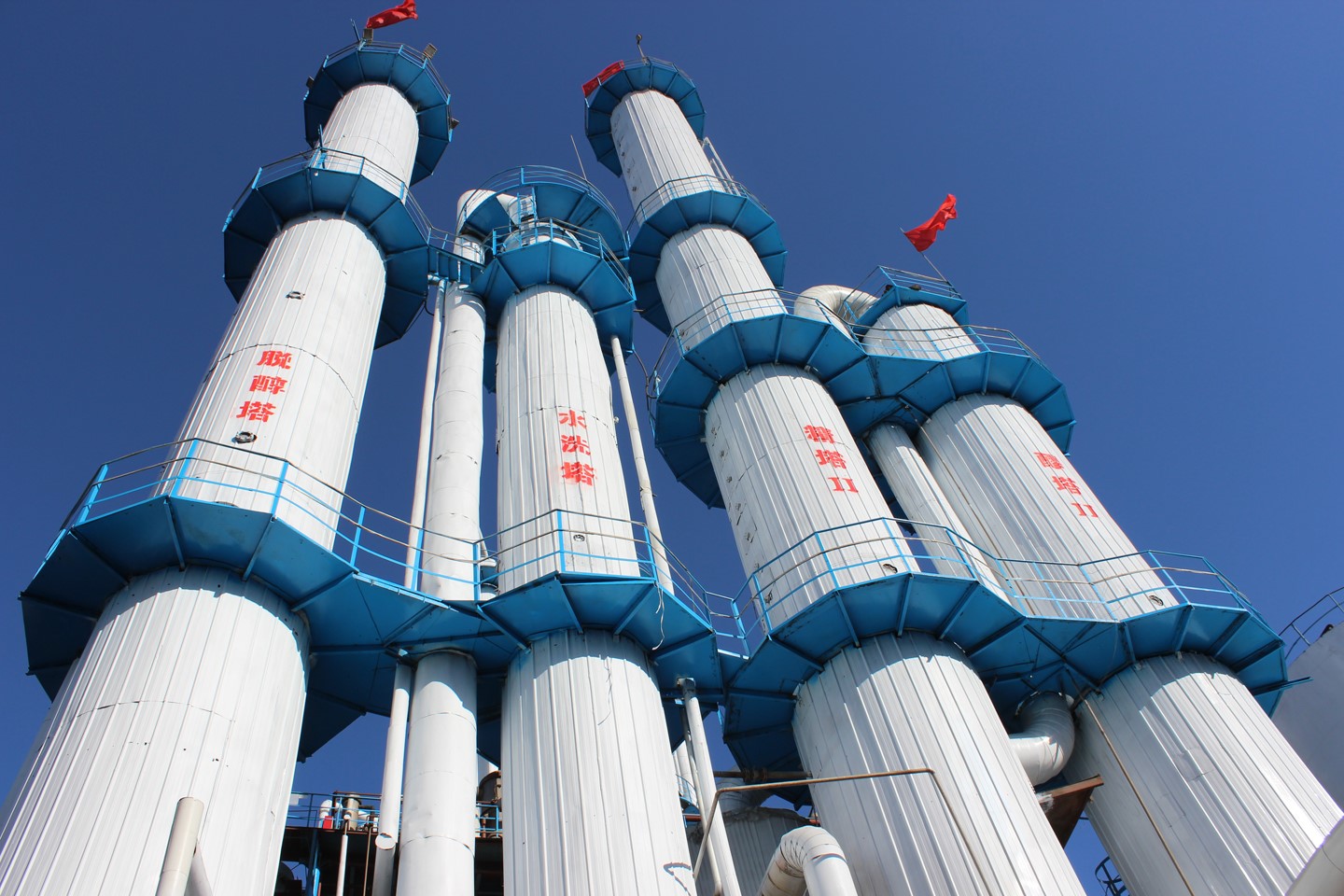
The industrial functionality of vegetable plant proteins is directly linked to the configuration of their molecular structures. Native plant proteins are often hydrophobic, tightly folded, and sensitive to environmental changes such as heat and pH. Our factory applies targeted physical, chemical, and enzymatic technologies to modify these properties, resulting in tailored functional behaviors.
| Functional Parameter | Isolated Soy Protein (Meat/Emulsion Type) | Hydrolyzed Vegetable Protein (Soluble) | Vital Wheat Gluten (VWG-P) | Soy Dietary Fiber (SDF) |
|---|---|---|---|---|
| Protein Content (Dry Basis) | ≥ 90.0% | ≥ 85.0% | ≥ 75.0% (N x 5.7) | N/A (Fiber Content ≥ 65%) | Degree of Hydrolysis (DH) | Minimal (< 2%) | Controlled 8% - 15% | None | None |
| NSI (Nitrogen Solubility Index) | 35% - 45% (Emulsion Type) | ≥ 85% | Low (< 10%) | Dispersible but insoluble |
| Water Holding Capacity | 1:5.0 - 1:5.5 | Highly variable based on application | 1:1.5 - 1:2.0 (Viscoelastic) | 1:8.0 - 1:10.0 |
| Emulsifying Activity Index | ≥ 20 m²/g | Moderate (Rapid Interface Migration) | N/A | Provides physical stabilization |
Our extraction line utilizes advanced tri-canter separation. The separation process isolates proteins from carbohydrates and fats without using harsh acids that degrade nutritional values. For hydrolyzed vegetable plant proteins, we apply controlled enzymatic hydrolysis using targeted endopeptidases and exopeptidases. This process breaks specific peptide bonds to optimize solubility, reduce bitterness, and maintain high bio-availability. This step is critical for developing dairy alternatives, clear protein beverages, and medical nutrition formulations.
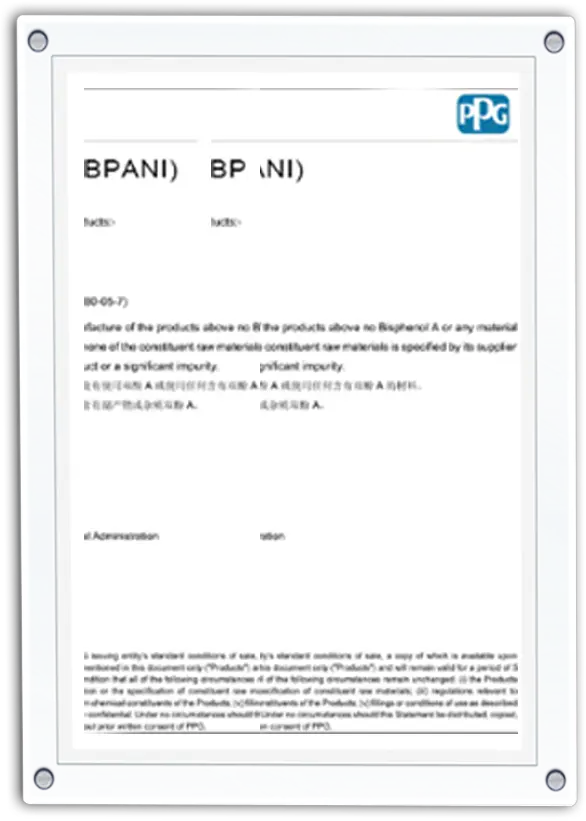
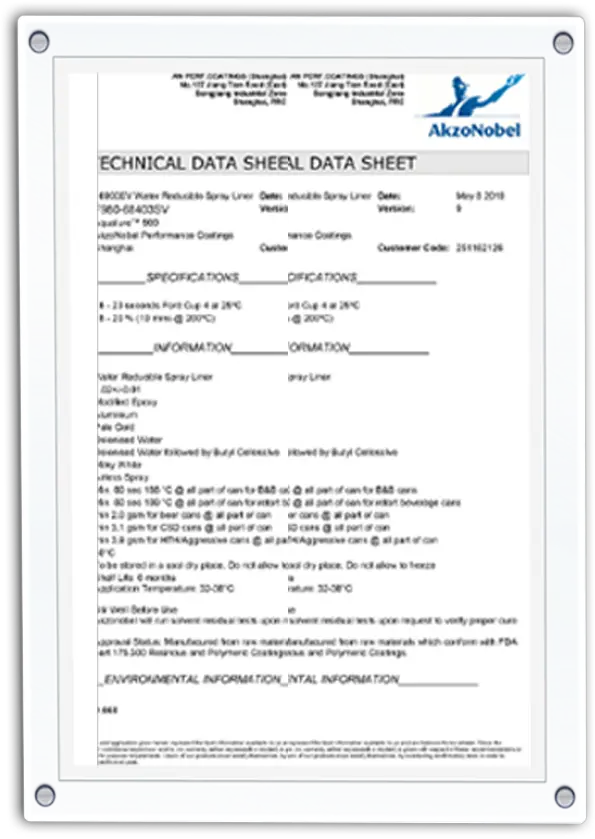
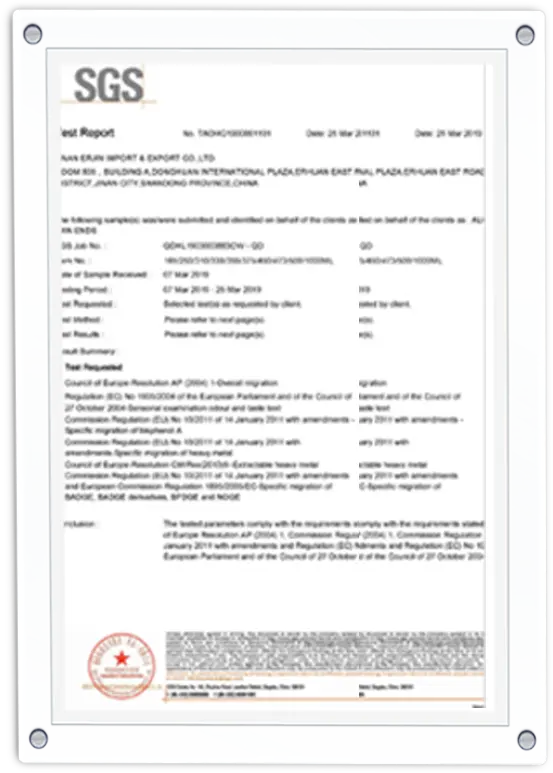
For international food manufacturers, component safety, allergen transparency, and clean labels are primary compliance requirements. At Xinrui Group, we verify every processing stage to ensure complete traceability from our agricultural bases to the finished cargo.
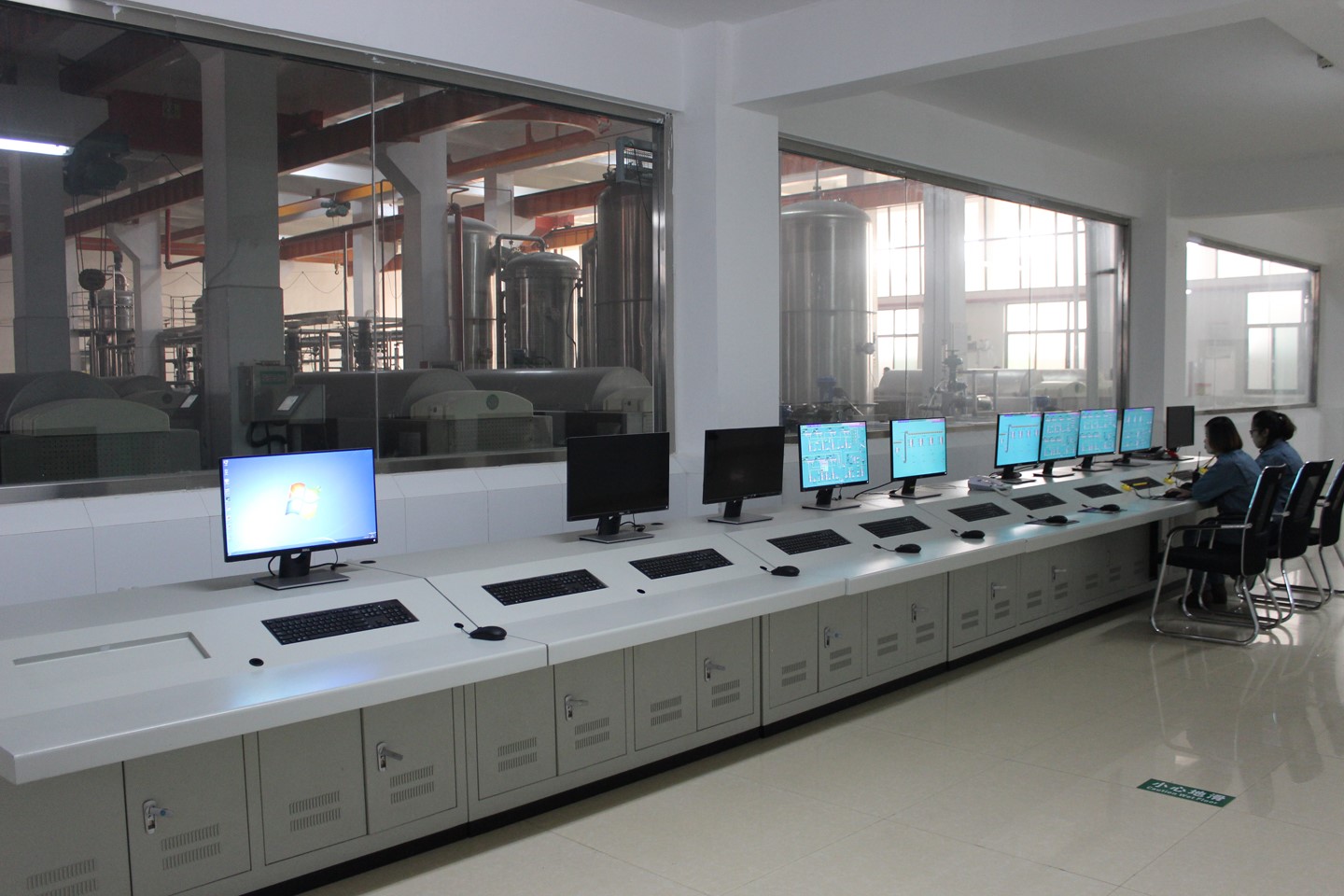
Our raw material supply chain operates under strict Identity Preservation (IP) protocols. Every batch of soybeans processed at Shandong Kawah Oils Co., Ltd. is traced back to Non-GMO planting bases in Northern China. PCR testing is performed at harvest, raw material intake, and during packaging to prevent cross-contact with genetically modified crops. This process ensures full compliance with European Union regulations, enabling clean labeling for the international market.
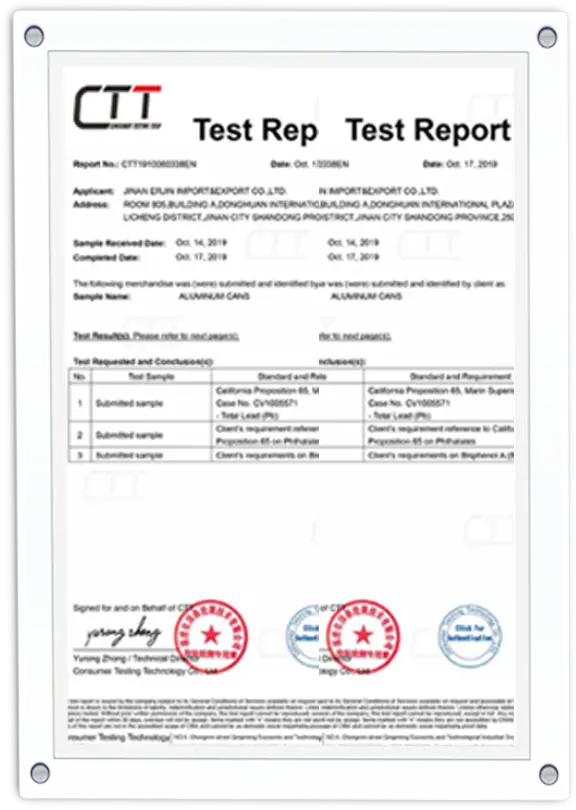
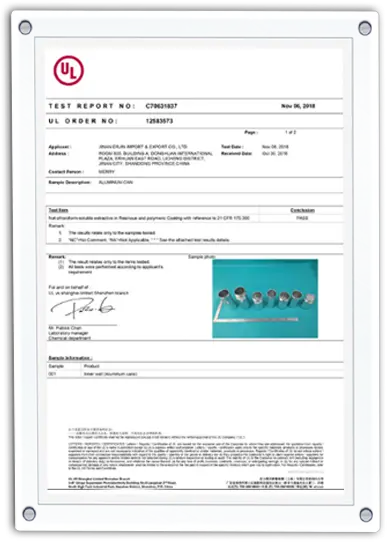
Vegetable proteins are functional materials that interact with water, fats, and structural starches. Our product line is engineered to optimize performance across specific food systems and manufacturing platforms.
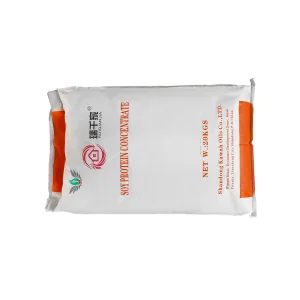
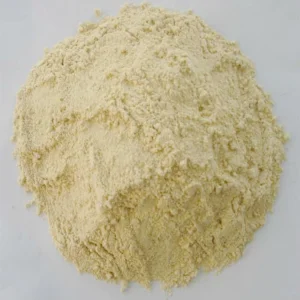
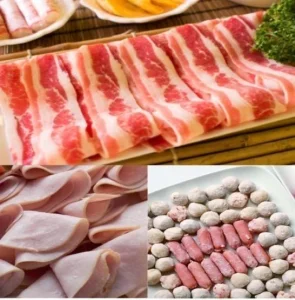
Our Isolated Soy Protein ranges (including 9001BW, 9001B-Y, 9000, and 9007B-A) are engineered for standard meat processing and meat alternatives. These proteins help form stable fat-water emulsions that prevent oil separation during thermal processing. The 9020/9026/9028 injection-grade variants dissolve easily under high brine concentrations, improving yield, moisture retention, and texture in whole-muscle cuts.
Our Vital Wheat Gluten (VWG-P/VWG-PS) provides excellent viscoelasticity. When hydrated, it forms a cohesive gluten network that traps gas in dough, improving volume and structural consistency in industrial bakery lines. Additionally, it helps standardize gluten levels in commercial flour milling operations.
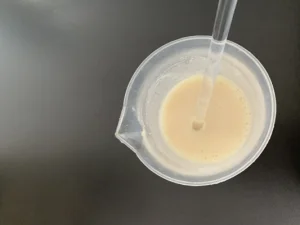
The 9030 and 9032 dispersion-grade isolated proteins are treated for high dispersibility, dissolving easily under low-shear mixing. They are optimized for RTD beverages, dairy alternatives, and dry-mix nutritional powders, offering stability and a clean, neutral flavor profile.
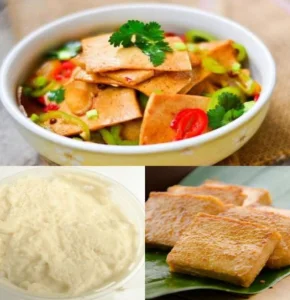
Our 9005B and 9003B variants are optimized for traditional tofu production and plant-based meat analogs. They form firm, cohesive gels during heat processing, replicating the bite and chew profile of animal-derived products.
Through our dedicated export arm, Guanxian Ruichang Trading Co., Ltd. (founded in 2011, with 6 million Yuan registered capital), we manage the logistics and export documentation for more than 70% of the group's total production capacity. Our team handles international shipments, customs clearance, and quality verification to ensure direct delivery from our factory to your facility.
By integrating production and trade within one group, we eliminate intermediary fees, protect batch tracing, and provide real-time updates on bulk shipments. For large-scale manufacturing requirements, we offer customizable packaging, contract pricing, and technical support to match your specific production line parameters.
Browse our selection of specialized vegetable protein isolates, dispersion powders, wheat gluten, and industrial-grade ethanol solutions designed to support diverse manufacturing applications.
 Xinrui Group