Premium grade vital wheat gluten and high-purity protein structures optimized for clean-label formulation.
Why Seattle food technology startups and industrial baking operations demand high-integrity protein imports.
Seattle and the broader Puget Sound region represent one of North America's most dynamic hubs for plant-based food innovation and industrial baking. From commercial baking networks serving the entire Pacific Northwest to cutting-edge food-tech enterprises pioneering meat analogs, the demand for high-viscoelastic plant proteins has surged. Vital Wheat Gluten (VWG) is the structural cornerstone of these operations. Its ability to create elastic protein matrices that trap fermentation gases is indispensable for the region's famous sourdoughs, high-protein organic breads, and commercial buns.
Moreover, Seattle's progressive consumer base drives a dense concentration of vegetarian and vegan food manufacturers. For plant-based meat substitutes, our Vital Wheat Gluten acts as a primary texturizing agent, delivering the chewy, fibrous muscle-like shear that consumers expect. This necessitates a supplier capable of delivering consistent protein content (minimum 75% on dry basis) and highly controlled water absorption capacities (150% to 200%).
For Seattle-based purchasing departments, supply chain reliability is just as critical as raw material specifications. The Port of Seattle and the Port of Tacoma form the Northwest Seaport Alliance (NWSA), acting as the primary marine gateway for inbound trans-Pacific container vessels.
By coordinating directly from our central manufacturing plants in Shandong, China, through our dedicated export arm, Guanxian Ruichang Trading Co., Ltd., we maintain integrated control over domestic logistics, port clearance in Qingdao, ocean transit, and arrival mapping at Seattle terminals. We address the typical maritime bottlenecks of the modern era through strategic container spacing and contracted ocean freight allocations, ensuring that our high-capacity partners in Washington State maintain lean inventory setups without risking stockouts.
Vertical integration from grain sowing to high-purity protein export.
Founded in May 2003, Xinrui Group has grown to occupy a premium production footprint spanning over 1,000 mu. The group operates a fully realized circular economy agricultural industrialization model. Our core entities—Guanxian Xinrui Industrial Co., Ltd. (formerly Guanxian Ruixiang Biotechnology Development Co., Ltd.) and Shandong Kawah Oils Co., Ltd.—integrate municipal steam production, industrial cogeneration, crop cultivation, starch refining, protein separation, and international trade.
Guanxian Xinrui Industrial processes over 500,000 tons of raw wheat flour annually. Our specialized extraction lines convert this wheat into premium Vital Wheat Gluten, Wheat Starch A, and Wheat Starch B. We then route Starch B and pentosan streams directly to our bio-ethanol production unit, establishing a high-efficiency closed-loop loop that minimizes environmental footprints while driving down overhead costs. This structural integration allows us to offer pricing advantages to the Seattle and North American markets that independent traders cannot match.
By relying on advanced tri-canter centrifugal starch-gluten separation technology, our factory achieves continuous wet extraction. This gentle separation ensures that the vital wheat gluten retains its native structure, yielding superior water absorption indices and high visco-elasticity in industrial flour formulations.
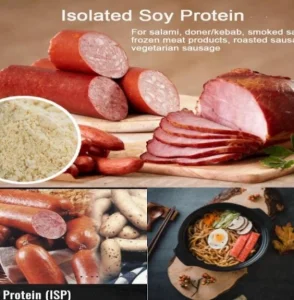
On the soy side, Shandong Kawah Oils Co., Ltd. acts as our dedicated division for soy-based protein solutions. Established in 2014 with 120 million Yuan in registered capital, the facility processes 180,000 tons of strictly Non-GMO soybeans annually. Powered by state-of-the-art spray drying towers imported from Dachuanyuan, this operation features the largest single-line isolate drying output in China. It produces premium isolated soy proteins, concentrated soy proteins, and dietary fibers for meat-processing, vegetarian, beverage, and nutritional industries.
Full IP Non-GMO segregation systems ensure crop purity from Chinese planting bases straight to Seattle ports, backed by Kosher, Halal, BRC, and ISO audits.
Optimized dry-basis protein purity levels exceeding 75% for wheat gluten and 90% for soy isolates, assuring predictable gelation, binding, and emulsion stability.
Our trading arm, Guanxian Ruichang Trading, manages customs clearance, logistics, and documentation, bypassing third-party supply chain markups.
Meeting FDA, USDA, and GFSI regulatory requirements for food imports.
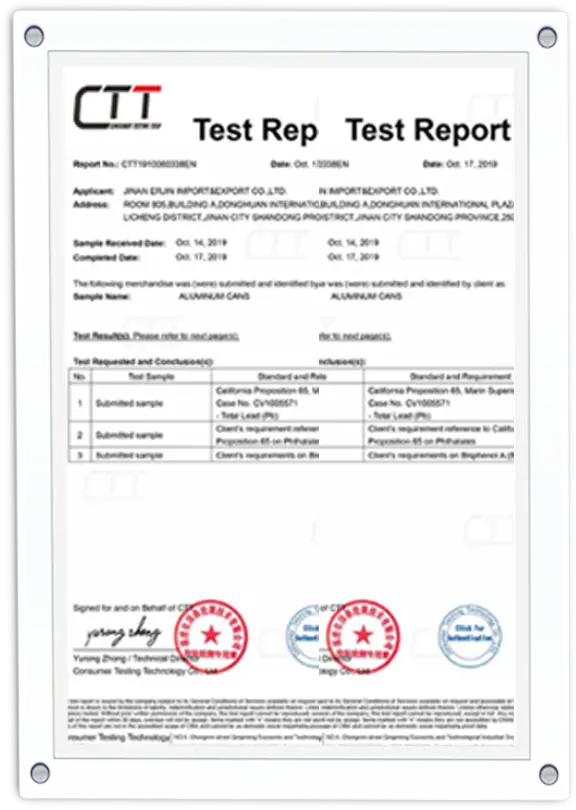
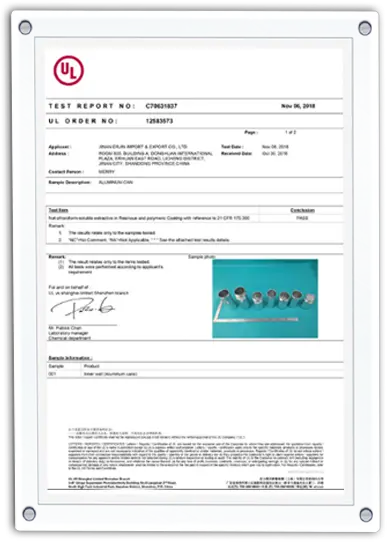
We maintain strict quality control standards. Our production processes adhere to international benchmarks, ensuring that every shipment of Vital Wheat Gluten or Soy Protein Isolate sent to Seattle complies with US Food Safety Modernization Act (FSMA) standards.
A video tour of our automated extraction lines, drying towers, and packing facilities.
Providing technical answers to typical questions from quality assurance managers and purchasing agents in Seattle.
We are an integrated group company named Xinrui Group. The production of our isolated soy protein is managed by Shandong Kawah Oils Co., Ltd. (50,000 tons/year), and our vital wheat gluten is manufactured by Guanxian Xinrui Industrial Co., Ltd. (30,000 tons/year). Export management is handled by our internal trading firm, Guanxian Ruichang Trading Co., Ltd.
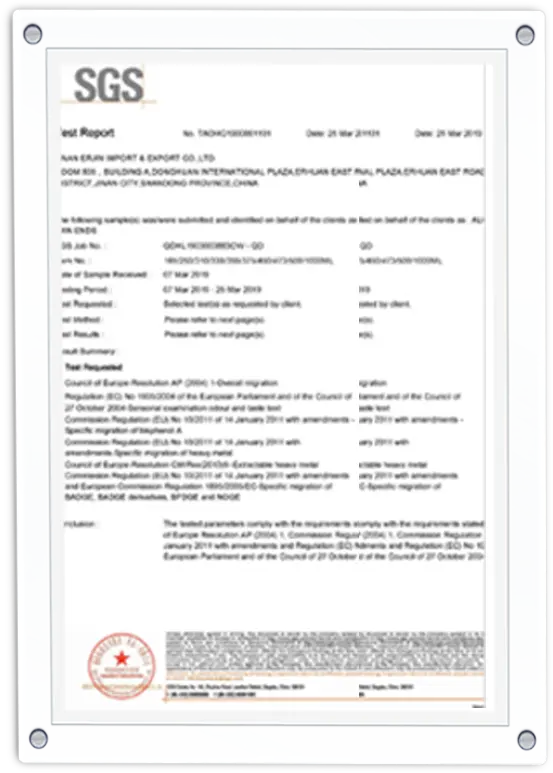
Our facilities are certified for BRC Global Standards for Food Safety, HACCP, ISO 9001, ISO 22000, Halal, Kosher, and IP-NON GMO traceability. We also offer SGS inspection audits upon request.
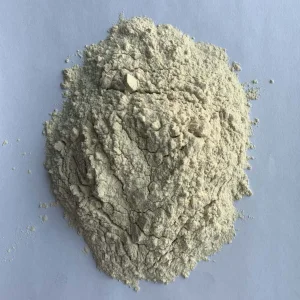
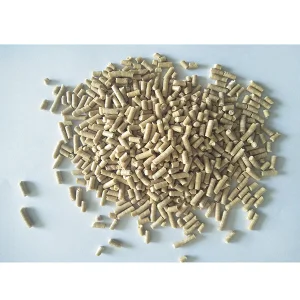
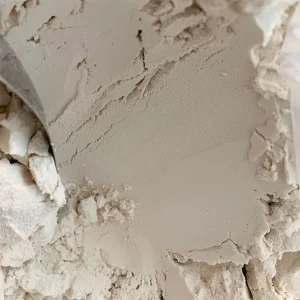
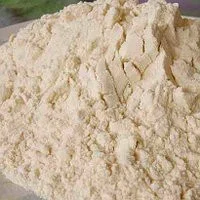
VWG-P (Vital Wheat Gluten Powder) is our finely milled product designed for food applications, such as baking and meat analogs. VWG-PS (Vital Wheat Gluten Pellets) has been pelletized to improve handling and flowability, making it ideal for the animal feed, aquaculture, and pet food industries.
We utilize an Identity Preservation (IP) system, sourcing exclusively from verified domestic Non-GMO soybean fields in Shandong and northeast provinces. The entire production chain is isolated from genetically modified grains, and every batch is tested by third-party agencies prior to export.
Upon receipt of order confirmation and L/C or deposit, processing and loading at the port of Qingdao takes approximately 7 to 10 days. The ocean transit to the US West Coast (Seattle/Tacoma) typically takes 16 to 22 days, depending on shipping lines and route availability.
A comprehensive selection of functional soy isolates, wheat starches, and specialty ethanol products.
Get in touch with our commercial export managers today. We provide full technical analysis reports, material safety data sheets, and custom packaging solutions tailored for Seattle food manufacturing lines.
 Xinrui Group