As Vietnam's premier economic powerhouse, Ho Chi Minh City (HCMC), along with surrounding manufacturing corridors like Binh Duong and Dong Nai, represents the fastest-growing food processing hub in Southeast Asia. Driven by rapid urbanization and a rising middle class, urban consumers are shifting rapidly toward functional, high-fiber, and plant-based foods.
Local manufacturers of traditional cold cuts (Chả lụa), vegetarian products, instant noodles, and baked goods face dual pressures: optimizing manufacturing margins while meeting modern consumer expectations for clean labels, high nutritional values, and GMO-free verification.
To satisfy this demand, raw material procurement managers in HCMC require reliable, large-scale supply chains that deliver consistent hydration and texturizing properties. Soy dietary fiber acts as a critical multi-functional ingredient, offering high water-binding capacity (WBC) and oil-binding capacity (OBC) crucial for maintaining quality in hot and humid tropical climates.
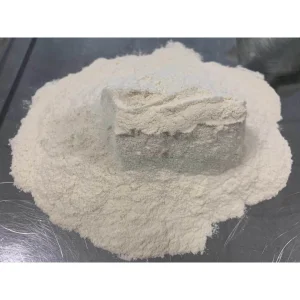
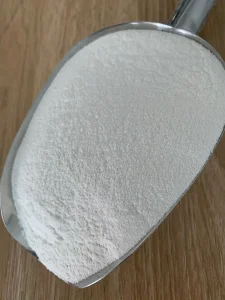
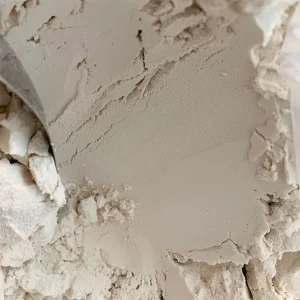
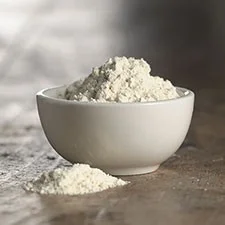
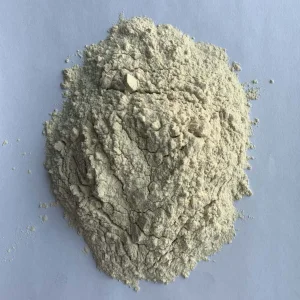
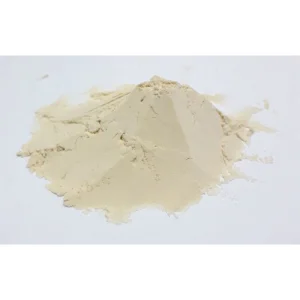
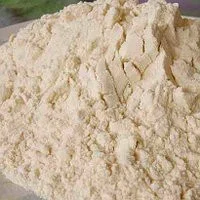
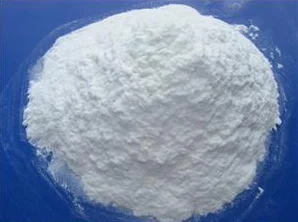
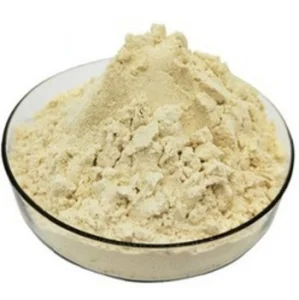
Derived from the cell walls of non-GMO soybean cotyledons, soy dietary fiber is a complex structural carbohydrate containing both insoluble fiber (cellulose and hemicellulose) and soluble fiber (pectins and gums). This dual composition provides exceptional thermal stability and emulsification capabilities.
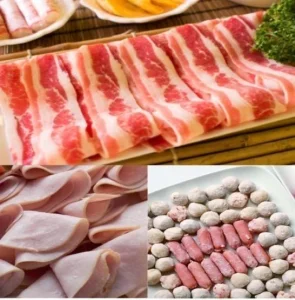
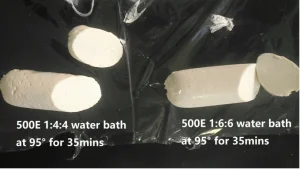
In emulsified meat systems, our soy dietary fiber forms a robust three-dimensional matrix that physically traps moisture and fat globules. This action prevents syneresis during cooking, sterilizing, and freeze-thaw cycles, assuring a firm, succulent bite in meat products.
For bakery and confectionery sectors, the fiber network strengthens dough rheology, improves crumb cell structure, and retains moisture, resulting in significantly extended freshness and shelf life for finished baked items.
Established in 2007 with a registered capital of 100 million Yuan, Guanxian Xinrui Industrial Co., Ltd. (formerly Guanxian Ruixiang Biotechnology Development Co., Ltd) is a global leader in agricultural biotechnology. Processing 500,000 tons of wheat flour annually, we operate an advanced circular economy industrial chain. We produce high-purity vital wheat gluten, wheat starch (A and B grades), pentosan, and animal feed components using the industry's most advanced clean, closed-loop tri-canter separation technologies.
To serve the international market, Guanxian Ruichang Trading Co., Ltd. was established in 2011. Ruichang directly exports isolated soy protein, wheat gluten, soluble dietary fiber, vermicelli, and ethanol to overseas customers. The group's export division channels over 70% of our capacity to global partners, achieving seamless integration of manufacturing and trade.
Our soybean processing hub, Shandong Kawah Oils Co., Ltd., was founded in 2014 with 120 million yuan of registered capital. As a leading provincial agricultural industrialization enterprise, Kawah Oils processes 180,000 tons of domestic NON-GMO soybeans annually. We employ a step-by-step extraction process to manufacture non-GMO soybean oil, low-temperature food-grade soybean meal, isolated soy protein (SPI), and dietary fiber. Kawah Oils operates the largest single production line in China, equipped with a high-capacity DACHUANYUAN spray drying tower.

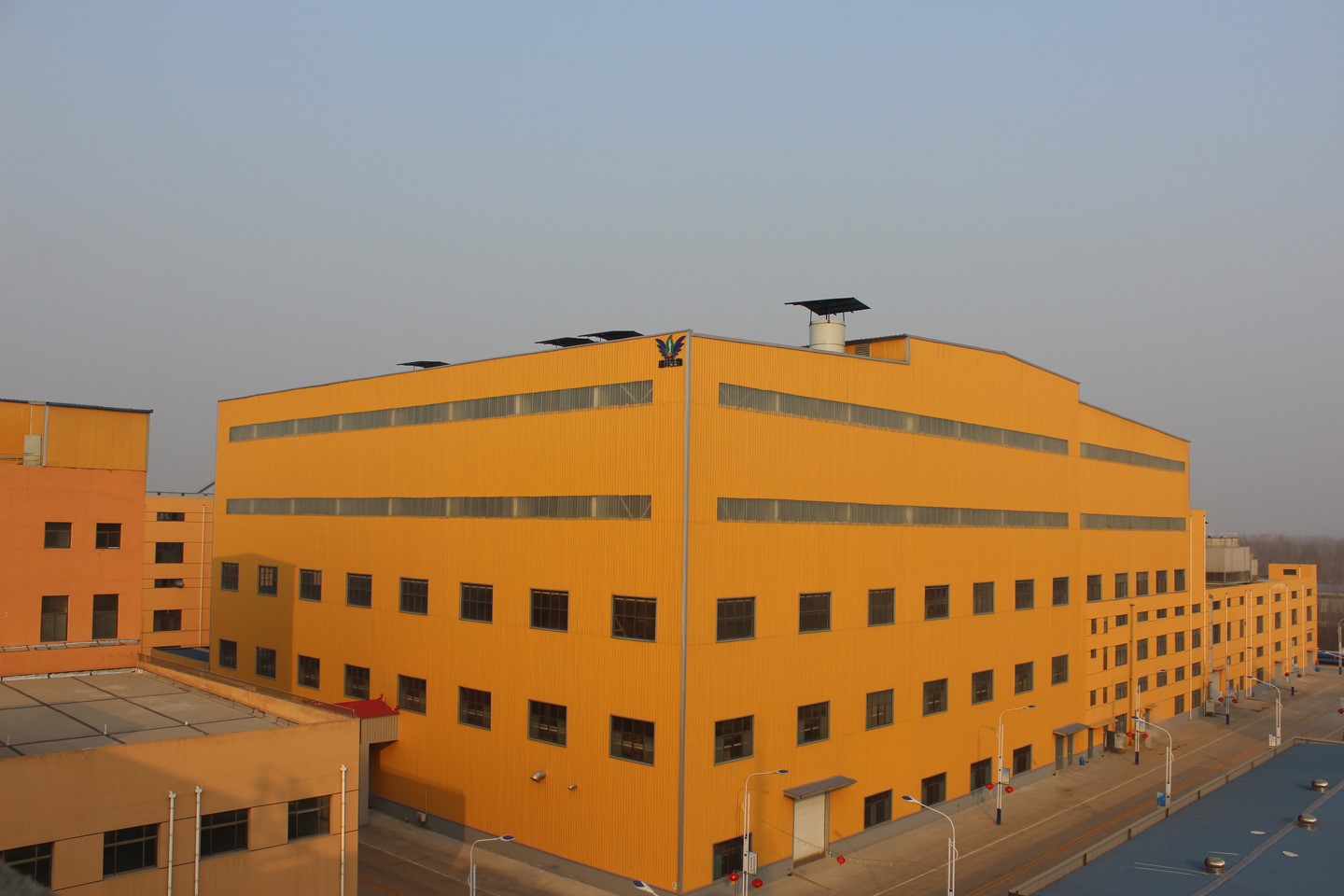
By employing automated PLC systems and direct extraction mechanisms, our factories achieve clean, continuous production. This closed-loop configuration prevents environmental cross-contamination, ensuring that every batch of soy fiber maintains strict compliance with global hygiene standards.
We partner with dedicated raw material cultivation bases to secure a reliable supply of verified Identity Preserved (IP) Non-GMO soybeans. Our testing processes ensure zero cross-mixing, protecting your formulations and enabling clean-label certification for the Vietnamese and global markets.
Xinrui Group operates its own municipal heating, cogeneration, and gas supply systems. This internal utility infrastructure insulates our manufacturing plants from external energy cost volatility, allowing us to maintain stable, competitive pricing for our global business partners.
Our export logistics network channels goods smoothly from our production plants to Qingdao Port, offering direct sea freight routing to Cat Lai Port in Ho Chi Minh City. This enables short lead times and consistent delivery schedules for all major food manufacturers in Vietnam.
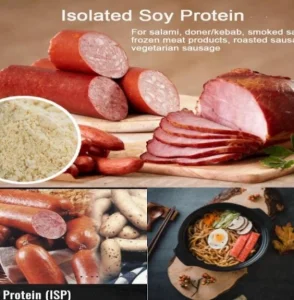
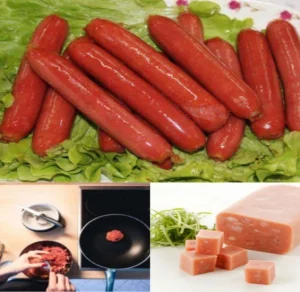
Historically, maintaining chewiness in processed pork and beef sausage recipes required chemical stabilizers. Our high-viscosity soy dietary fiber absorbs up to 8 times its weight in water, helping food processors lock in meat emulsion stability, reduce fat separation, and lower total ingredient costs.
In bread, pastries, and instant noodles, soy fiber acts as a strong water binder. It retards starch retrogradation, keeping the crumb structure soft and preventing early moisture loss. This guarantees longer product freshness in Vietnam's high-temperature environments.
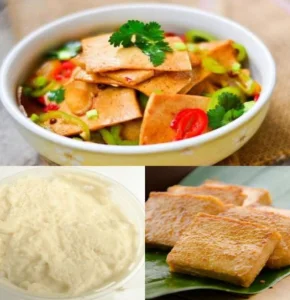
Ho Chi Minh City has a large and growing vegan population. Using soy dietary fiber alongside our Isolated Soy Protein (such as our 9003B or 9005B grades) helps manufacturers create plant-based meats with authentic, fibrous textures and clean labels.
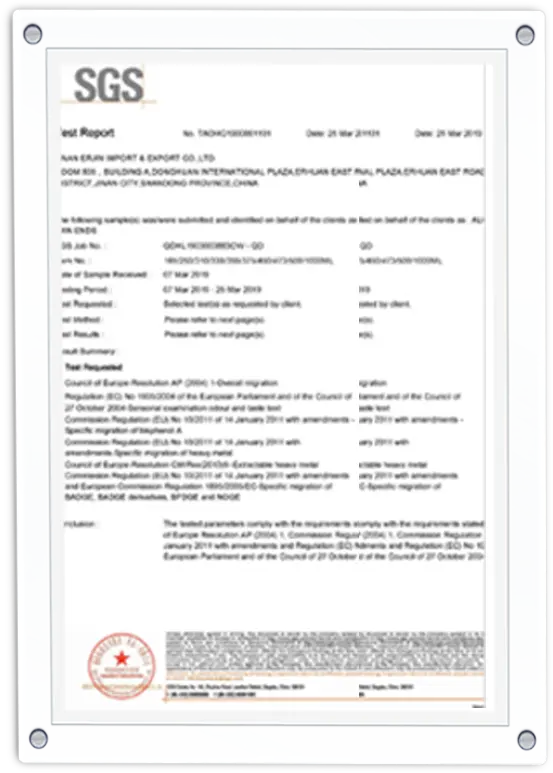
Our products undergo stringent quality inspection processes to guarantee compliance with internal and international quality controls.
| Parameters | Soy Dietary Fiber (Food Grade) | Isolated Soy Protein (Emulsion Type) | Isolated Soy Protein (Dispersion Type) | |
|---|---|---|---|---|
| Protein Content (Dry basis) | 15% - 20% | ≥ 90.0% | ≥ 90.0% | ≥ 75.0% |
| Dietary Fiber Content | ≥ 65.0% (Insoluble) | - | - | - |
| Moisture | ≤ 10.0% | ≤ 7.0% | ≤ 7.0% | ≤ 8.0% |
| Water Binding Capacity | ≥ 1:8 (up to 1:10) | 1:5.5 | - | - |
| Ash Content | ≤ 6.0% | ≤ 6.0% | ≤ 6.0% | ≤ 4.0% |
| Particle Size | 80 - 100 mesh | 100 mesh | 100 mesh | 100 mesh |
Take a look inside our processing plants, showing how our wheat circular economy and low-temperature soybean extraction systems produce high-grade dietary ingredients.
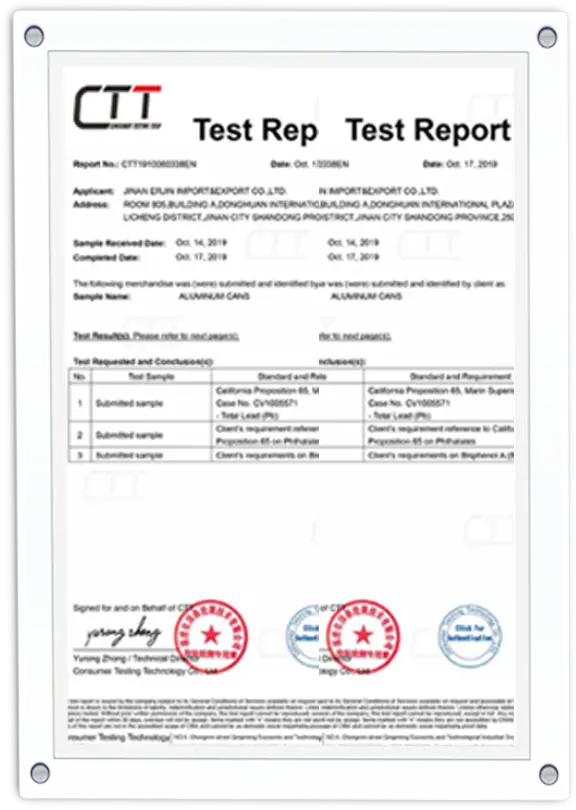
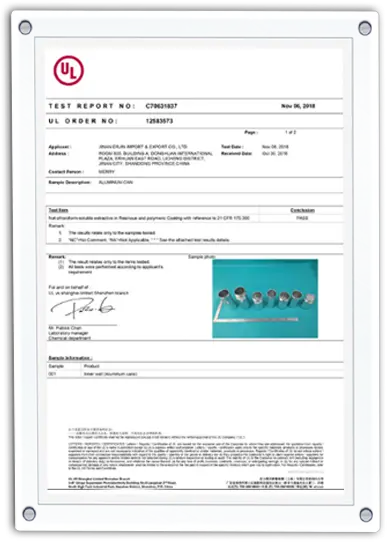
Our raw materials and manufacturing facilities are audited and certified by leading third-party validation groups to ensure high standards of quality, safety, and supply chain integrity.
Get in touch with our technical sales team for personalized product specifications, application consulting, and pricing quotes customized for the Ho Chi Minh City food market.
 Xinrui Group