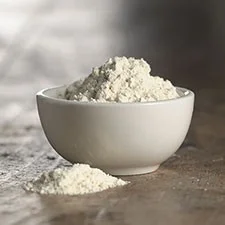
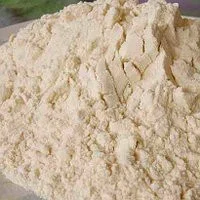
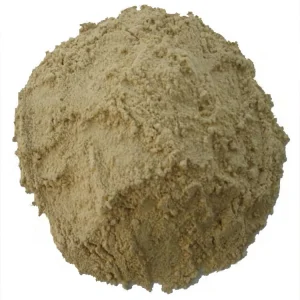
Designed to optimize emulsion stability, bite texture, and protein fortification profiles under challenging production settings.
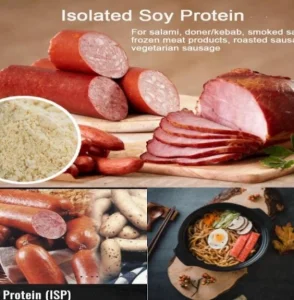
Decoding the macroeconomic drivers, localized food formulation trends, and supply chain constraints.
Colombia represents one of the most dynamic food processing markets in the Andean region. Driven by an expanding middle class and increasing demand for cost-effective nutritional products in urban hubs like Bogotá, Medellín, Cali, and Barranquilla, local meat and plant-based manufacturers are turning to Isolated Soy Protein (ISP) as a key functional additive. Historically dependent on imported animal-based proteins and varying domestic soybean crops, Colombian manufacturers face high raw material volatility, rendering raw material optimization critical.
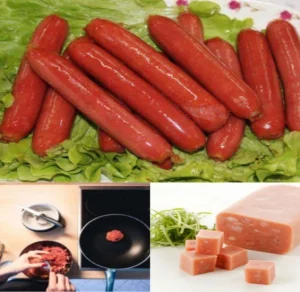
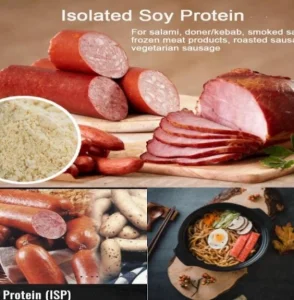
In the Colombian meat market, traditional emulsified systems such as salchichón, chorizos, and mortadelas form a major component of the daily protein intake for a large demographic. Controlling production costs while maintaining texture, chewiness, and water binding capacity is a constant challenge for food technologists. Isolated Soy Protein, with its protein content exceeding 90% on a dry basis, serves as a high-performance binder that holds moisture and fat inside the protein matrix, reducing cooking loss and minimizing grease separation during storage.
Concurrently, the rapid growth of healthy and flexitarian consumption trends in major cities has accelerated the development of plant-based dairy and meat alternatives. Clean-label, non-GMO verified proteins are crucial to passing the strict regulatory scrutiny of INVIMA (Instituto Nacional de Vigilancia de Medicamentos y Alimentos), making IP Non-GMO certification a key competitive advantage for Colombian importers.
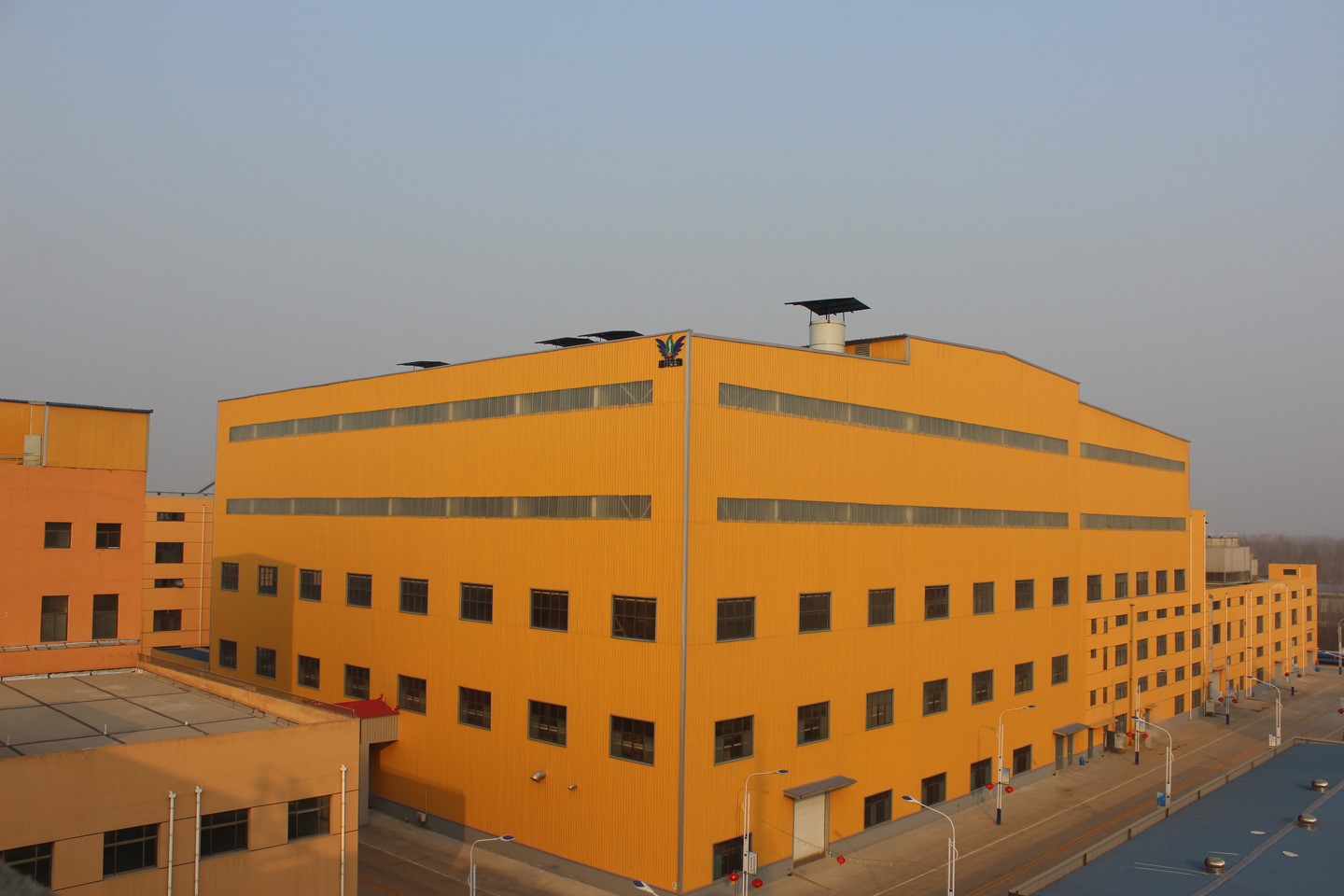
On a global scale, the soy protein isolate market is shaped by technological advancements in membrane filtration, spray drying, and flavor profile masking. Leading producers must operate fully integrated circular economies to balance the supply of raw soybean meal, dietary fibers, and proteins. By controlling the supply chain from raw, non-GMO farming bases to high-volume spray-drying facilities, we deliver high batch-to-batch consistency and competitive pricing matrices that shield Colombian buyers from spot market price spikes.
Industrial scale and advanced technology combined to offer consistent performance for global supply chains.
Our parent entity, Xinrui Group (established in 2003, occupying an area of over 1,000 mu, with an annual output value of 2.8 billion Yuan), manages a diverse agricultural industrialization chain. Our soybean processing arm, Shandong Kawah Oils Co., Ltd. (established in 2014, registered capital of 120 million Yuan), processes 180,000 tons of Non-GMO soybeans annually. We utilize premium domestic Non-GMO soy beans to extract high-purity soybean oil, low-temperature food-grade meal, isolated soy protein, and soy dietary fibers under strict quality controls.
The manufacturing facility is equipped with state-of-the-art spray drying towers sourced from DACHUANYUAN, representing the largest single-line output capacity in China. This advanced drying system guarantees uniform particle size distributions, superb dispersibility, and consistent hydration rates—critical factors for continuous formulation systems in high-throughput food factories in Colombia.
Our global commercial arm, Guanxian Ruichang Trading Co., Ltd. (founded in 2011), manages direct export logistics, ensuring that more than 70% of our production volume goes directly to international markets, eliminating intermediary costs and providing transparent technical support straight from our engineering team to local Colombian formulators.
We trace every batch from designated seed selection, through cultivation, harvest, transport, and low-temperature extraction to prevent cross-contamination.
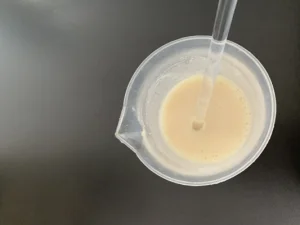
Continuous adjustment of the shear rate and heating profiling ensures high gel strength suitable for severe thermal retort processes.
Fully compliant with international food safety standards: ISO9001, ISO22000, HACCP, BRC, HALAL, and KOSHER.
Optimizing sensory, textural, and economic properties in regional culinary favorites.
Different food systems require unique protein configurations. Understanding molecular performance in specific applications allows our R&D teams to customize isolated soy protein performance parameters to Colombian processing realities:
Traditional Colombian salchichón relies heavily on a stable fat-to-water emulsion that remains resilient through thermal processing. Our Meat & Emulsion Type (9001BW, 9007B-A, 9007B-C) is formulated to build a tough viscoelastic network with myofibrillar proteins. Under high-speed cutting conditions, these proteins align at the water-oil interface, creating a stable barrier that locks in lipids. This results in a firm bite, reduced purge, and optimized slicing properties.
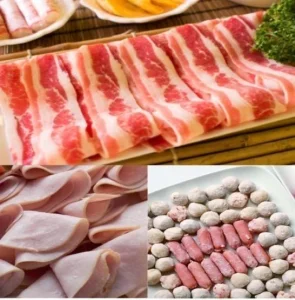
For whole muscle ham products (jamón cocido), injecting brine containing functional proteins directly into the muscle structure increases yield and succulence. Our Meat & Injection Type (9020/9026/9028) features ultra-low viscosity and fast cold water dispersion. This prevents needle clogging in multi-needle injectors and ensures deep, homogeneous protein dispersion within the meat fibers, improving water holding capacity (WHC) even after thermal cooking.
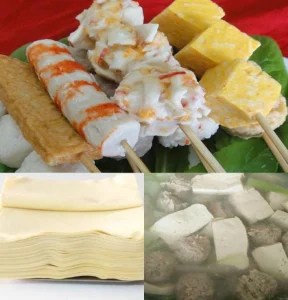
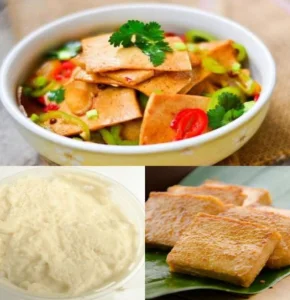
With plant-based meats gaining market share in urban centers, recreating the fibrous chew of real muscle fiber is paramount. Our Tofu & Vegetarian Type (9003B, 9005B) is designed to gel rapidly in the presence of calcium/magnesium salts or through thermal gelling. It yields a clean white profile with minimal raw soy beany taste, allowing developers to create appealing textures without utilizing excessive masking agents.
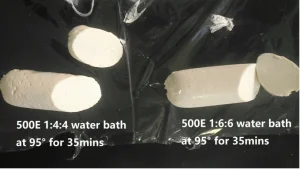
| Grade Series | Functional Type | Viscosity (1:5 dispersion, 30°C) | Gel Strength (g/cm²) | Water Binding Index | Key Industrial Focus |
|---|---|---|---|---|---|
| 9001BW / 9000 | High Emulsification & Gel | Moderate (80-120 mPa.s) | ≥ 350 | 1:5.5 : 5.5 | Colombian Salchichón, High-yield mortadella |
| 9007B-A / 9007B-C | High-speed Chopping Emulsion | High (150-200 mPa.s) | ≥ 400 | 1:6.0 : 6.0 | Premium sausages, Frankfurters, Chopped meats |
| 9020 / 9026 / 9028 | Injection Grade | Low (≤ 20 mPa.s) | ≥ 150 | 1:4.0 : 4.0 | Brine injection, Cooked hams, Cured meats |
| 9003B / 9005B | Vegetarian & Tofu Grade | Variable | ≥ 450 | 1:5.0 : 5.0 | Plant-based meat analogues, Tofu, Dairy alternatives |
Pioneering high-purity protein structures to support clean-label transitions and sustainable industrial growth.

As international consumer preferences shift toward simpler ingredient lists, Shandong Kawah Oils is investing in physical modification methods to reduce reliance on food additives. By adjusting thermal shearing profiles and membrane filtration cuts, we are producing isolates with reduced phytate levels, improving mineral bioavailability and taste profile cleanliness.
Additionally, our research focuses on synergistic interactions with hydrocolloids. We are mapping the exact gel points when our ISP forms composite networks with local Colombian gelling agents like native starches (cassava/maize) and carrageenan. This allows us to provide targeted advice for reducing raw material costs while keeping formulation texture intact.
Streamlined logistics, customs support, and technical assurance designed for seamless trade.
Importing bulk ingredients to Colombia requires reliable logistical support. Our trading division handles all export processes to ensure hassle-free customs clearance. Key features of our service for Colombian buyers include:
Regular container shipments with robust barrier packaging to protect the product from moisture damage during sea transit.
We supply all necessary documentation, including allergen statements, microbiological profiles, and IP Non-GMO certificates, to expedite local registry processes.
Our integrated agricultural circular economy minimizes raw material cost volatility, enabling reliable annual supply agreements.
Observe our automated extraction, processing, quality inspection, and packaging setups firsthand.
Detailed technical answers for procurement directors and quality assurance managers.
Explore our complete range of functional soy proteins, dietary fibers, and gluten alternatives.
 Xinrui Group