Premium functional proteins specifically aligned with Food Standards Australia New Zealand (FSANZ) criteria.
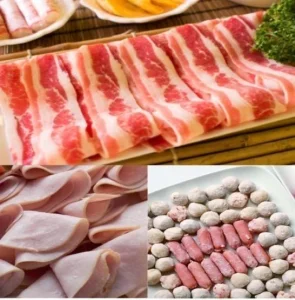
The Greater Sydney region and broader New South Wales (NSW) food manufacturing sector have entered a transformative phase marked by accelerated consumer transitions toward plant-based proteins, clean labels, and rigorous traceability standards. Sydney, functioning as Australia’s primary logistical and culinary trade portal, demands highly functional food ingredients that comply with FSANZ (Food Standards Australia New Zealand) regulations while maintaining competitive structural economics.
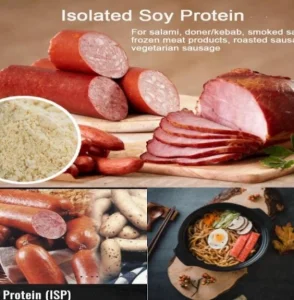
Within this market, Isolated Soy Protein (ISP) represents a cornerstone raw material. Historically utilized in processed meat systems to control water activity and build emulsion stability, modern Sydney manufacturing is pivoting toward complex applications. Local developers in alternative dairy, artisan vegan smallgoods, and high-protein sports supplements rely on ISP for its clean sensory profile, excellent gel strength, and high-capacity emulsification index. The local dynamics are further driven by the need for verified Non-GMO (IP - Identity Preserved) soybean sources, as the Australian consumer demographic actively monitors supply chain safety and raw ingredient origin.
“As food processors throughout New South Wales redesign formulations to minimize sodium, optimize clean labels, and secure supply reliability, Shandong Kawah Oils and the Xinrui Group deliver an integrated supply chain that directly links high-capacity crushing with customized functional isolate formulation.”
Shandong Kawah Oils Co., Ltd (established in 2014, registered capital of 120 million Yuan), operating under the umbrella of the XINRUI GROUP (established in May 2003, with an annual output value of 2.8 billion Yuan), functions as a premier agro-industrial conglomerate. Utilizing premium domestic Non-GMO soybeans as the raw material matrix, we run a vertically integrated circular economy chain. From the initial extraction of Non-GMO soybean oil to the sequential refinement of low-temperature food-grade meal, isolated soy protein, and dietary fibers, every step is optimized for protein preservation and molecular functionality.
Our core extraction facilities employ the highly advanced spray drying technology developed by DACHUANYUAN, featuring a single-line production capacity that represents one of the largest single lines in China. This scale guarantees that the physical properties of our isolates—such as bulk density, dispersibility, hydration rate, and gel structures—remain uniform from batch to batch. For Sydney importers and plant-based manufacturers, this industrial-scale consistency translates into reduced batch variations in final formulations and lower quality-control overheads.
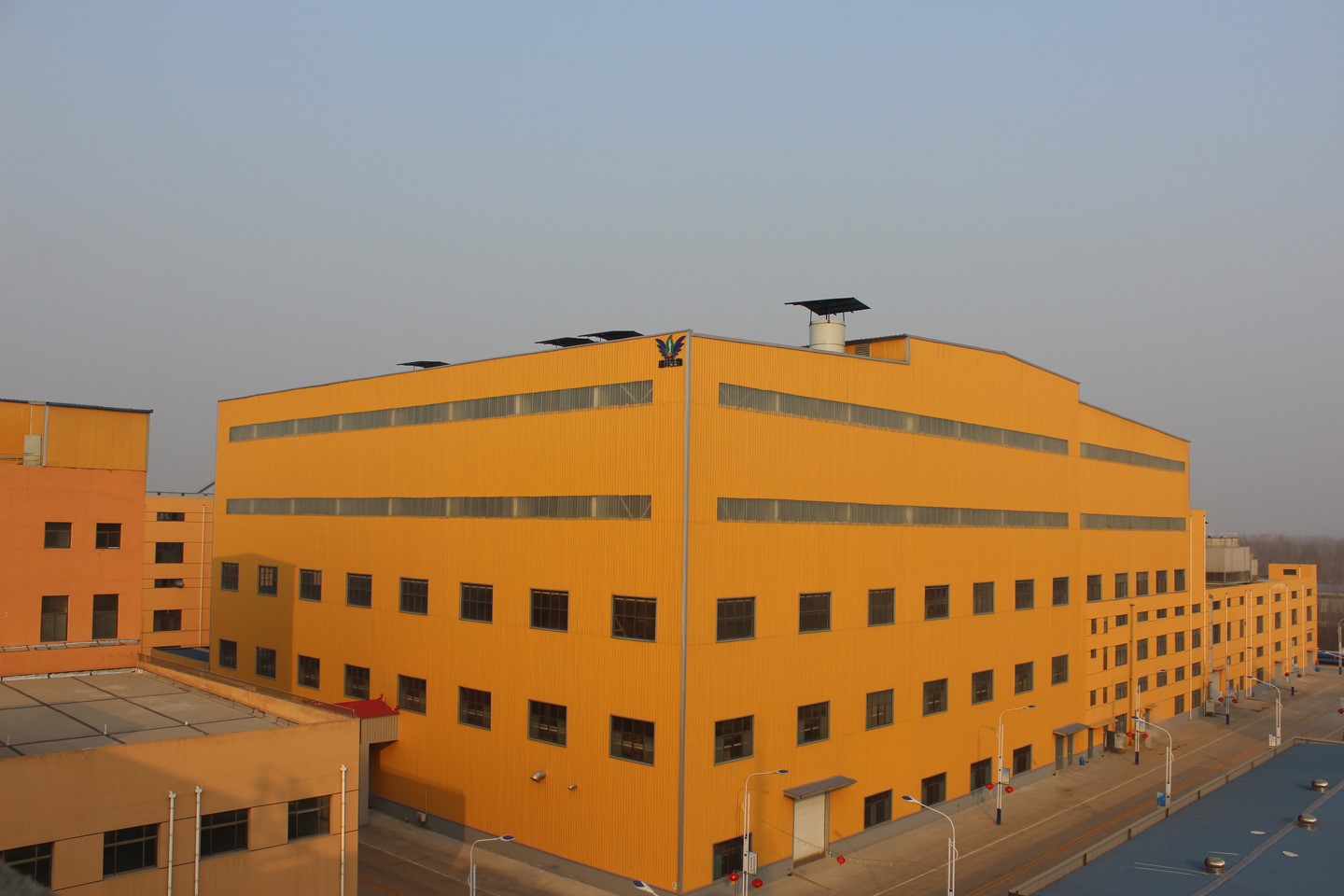
Formed in 2007 with a registered capital of 100 million Yuan, Guanxian Xinrui Industrial Co., Ltd (formerly known as Guanxian Ruixiang Biotechnology Development Co., Ltd) processes 500,000 tons of wheat flour annually. Our integrated biorefinery layout processes wheat material into wheat gluten, wheat starch A, and wheat starch B, where starch B and pentosan are recycled for ethanol and animal feed production. This deep-processing circular economy model underpins the group's economic resilience, ensuring that our plant protein production remains highly cost-effective and structurally insulated from energy and raw material volatility.
Export activities are managed directly by Guanxian Ruichang Trading Co., Ltd (founded in 2011, 6 million Yuan registered capital), exporting isolated soy protein, wheat gluten, soluble dietary fiber, vermicelli, and ethanol directly to global markets. With exports representing over 70% of the group's overall production capacity, we offer a direct industrial link from our production lines to Sydney's ports, avoiding middleman markups.
Connect with Export OfficeDifferent food systems require unique soy protein configurations. For instance, a high-speed emulsified sausage system requires different gelling and hydration kinetics than a low-viscosity UHT protein beverage. Shandong Kawah Oils has engineered specific product classes to address these unique mechanical requirements:
| Product Code / Series | Primary Classification | Key Functional Attributes | Target Applications (Sydney Market Focus) |
|---|---|---|---|
| 9001BW / 9001B-Y / 9000 | Meat & Emulsion Grade | Extreme oil/water binding, fast hydration, high gel strength under thermal load. | Emulsified sausages, frankfurters, minced meat patties, smallgoods. |
| 9007B-A / 9007B-C | Structured Emulsion Type | Provides high shear stability and structural rigidity upon heating. | Vegetarian burger patties, dim sims, spring roll fillings, meat extenders. |
| 9500 Series | High Emulsification ISP | Maintains stable protein-fat-water matrices under high temperature and shear. | Premium canned meats, luncheon meats, frozen dumpling fillings. |
| 9003B / 9005B | Tofu & Vegetarian Grade | Balanced coagulation kinetics, soft yet elastic curd formation. | Traditional silken tofu, firm tofu, high-protein plant-based dairy alternatives. |
| 9020 / 9026 / 9028 | Meat & Injection Grade | Low viscosity under cold conditions, zero sedimentation, high dispersion. | Whole muscle meat injection (hams, bacon), brined poultry processing. |
| 9030 / 9032 | Beverage & Dispersion Type | High Nitrogen Solubility Index (NSI), low beany flavor, thermal stability. | RTD protein shakes, dry-mix protein powders, nutritional supplements. |
The functional performance of Isolated Soy Protein relies heavily on the state of its tertiary and quaternary protein structures. If soy globulins (specifically 7S and 11S fractions) are subjected to excessive heat or improper pH shifts during extraction, they denature prematurely, reducing their gelling and emulsification properties.
Non-GMO defatted meal is subjected to solubilization under pH-controlled alkaline conditions to extract the target globulins while discarding insoluble cell wall fibers.
The solution is adjusted to pH 4.5 (the isoelectric point of soy protein), causing the target proteins to precipitate out, allowing for the washing away of soluble sugars.
The neutralized protein slurry undergoes high-pressure homogenization and rapid, low-temperature spray drying, ensuring uniform particle size and minimal thermal damage.
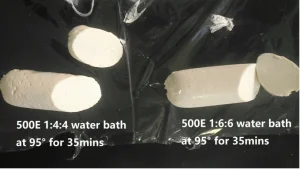
This process route ensures that Kawah Oils' ISP holds an excellent water-binding capacity of 1:5:5 (Protein:Water:Oil), providing Sydney food manufacturers with a reliable tool to increase yield, reduce fat separation, and improve mouthfeel in their products.
Our facility operates under rigorous international quality frameworks to ensure compliance with strict customs and bio-security protocols in Australia.
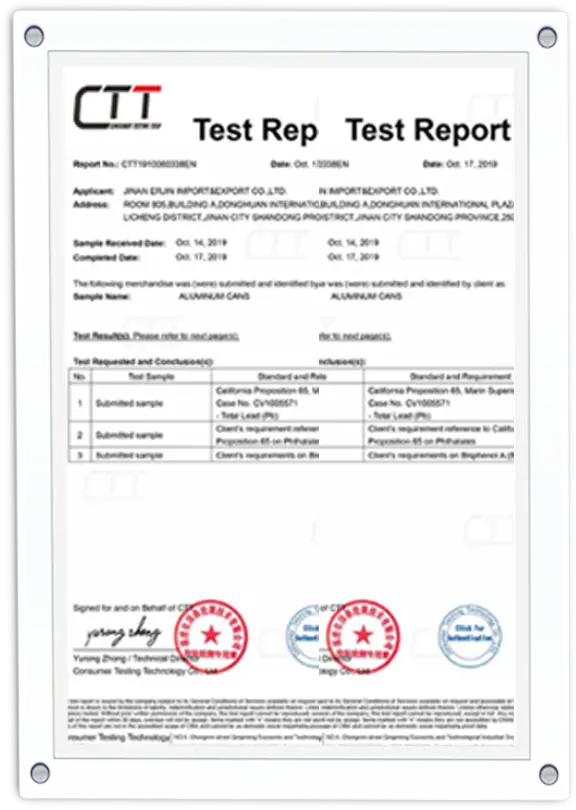
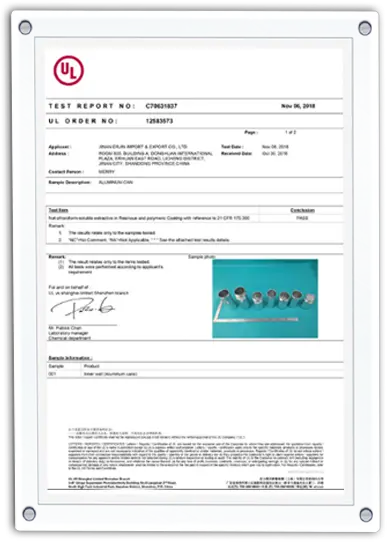
Identity Preserved Non-GMO Status: All raw soybeans processed at Shandong Kawah Oils are verified Non-GMO under IP (Identity Preserved) protocols, featuring clean PCR testing sheets for every batch. This guarantees zero contamination with genetically modified traits—an essential requirement for entering high-end retail brands in Sydney and Melbourne.
Explore our full range of soy isolates, dietary fibers, wheat gluten, and starch derivatives, optimized for food, industrial, and beverage systems.
Step inside our Chinese state-of-the-art crush, extraction, and drying facilities serving clients globally.
Get answers to common technical, logistics, and compliance questions concerning import into Australia.
 Xinrui Group