Advanced agricultural extractions configured for immediate deployment in local food systems and industrial processes.
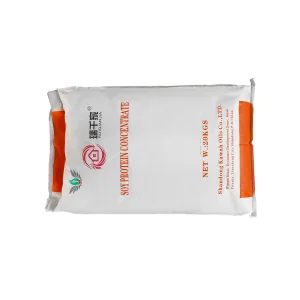
The state of Qatar, with its capital city Doha acting as the commercial center of the Arabian Gulf, has fundamentally repositioned its economic model under the directive of the Qatar National Vision 2030. Among the core pillars, the National Food Security Strategy has dictated a significant shift from relying on finished food imports toward establishing robust local food processing infrastructure. Local food processing enterprises, cold storage facilities, and meat processing conglomerates have rapidly expanded in the industrial zones of Mesaieed and New Industrial Area in Doha.
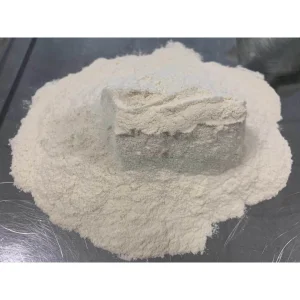
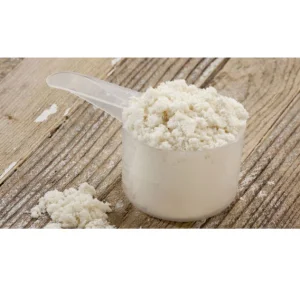
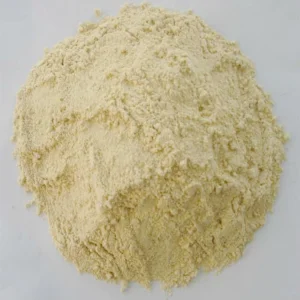
In response to this transformation, the requirement for high-performance functional ingredients like Isolated Soy Protein (ISP), particularly Injection Type protein systems, has skyrocketed. These proteins are critical for meat hydration, structure control, and yield management. In poultry-processing plants, ready-to-eat product factories, and catering production centers across Doha, maintaining the water-holding capacity (WHC) and emulsion stability under extreme local temperatures is a substantial engineering challenge. Our functional soy proteins provide the necessary biopolymer structure to ensure meat juiciness, prevent juice loss during cold-chain transport, and maximize productivity metrics.
When sourcing plant-based proteins or industrial-grade agricultural spirits for Gulf Cooperation Council (GCC) markets, compliance with GSO Halal Standards and thermal processing performance are non-negotiable criteria. Our non-GMO soybean and wheat products satisfy these requirements through vertically integrated production lines in China.
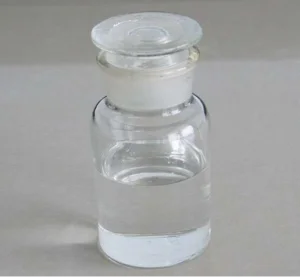
In parallel to food processing raw materials, the local market in Doha presents a unique and strict landscape for Edible Alcohol (Ethanol). With the rise of high-end cosmetic laboratories, local detergent and disinfectant compounders, and pharmaceutical manufacturers, high-purity agricultural ethanol (95%-96% and higher) is in constant demand. Under Qatari laws and GCC customs guidelines, the import of ethanol requires meticulous documentation, absolute tracing of raw material source, and clear declarations of end-use to the Ministry of Public Health and Qatari customs.
Currently, Doha uses ethanol for a multitude of industrial processes:
In processed meat production, particularly for whole-muscle poultry, beef shanks, and cured camel meat, raw materials must undergo brine injection. The objective is to introduce moisture, salt, and binding polymers deep into the muscular fibers without leaving structural pockets or injection marks. This is where Injection Type Isolated Soy Protein (such as our ISP 9020) excels.
The protein must exhibit a specific molecular profile:
| Property Parameter | Injection Type (ISP 9020 Series) | Emulsion Type (ISP 9007 Series) | Doha Commercial Relevance |
|---|---|---|---|
| Dispersibility Index | ≥ 95% within 3 minutes | ≥ 80% (requires high shear) | Ensures no needle clogging in high-speed meat lines. |
| Viscosity (1:6 solution at 20°C) | 15 - 30 mPa·s | 150 - 250 mPa·s | Facilitates deep muscular penetration during brine injection. |
| Water Binding Capacity | 1:5.5 - 1:6.0 | 1:5.0 (primarily gelling) | Reduces purge loss in high-temperature transport. |
| Gel Strength | Moderate & Flexible | High & Rigid | Maintains natural meat fiber texture without rubbery mouthfeel. |
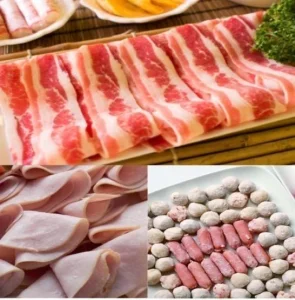
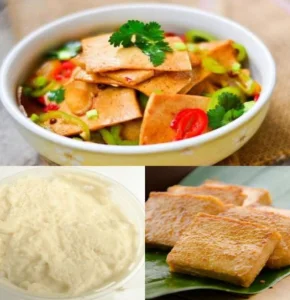
The deployment of plant proteins and starches in Doha is diverse, spanning various food product types:
The global food ingredient supply chain requires high reliability. Industrial food production facilities operate on continuous schedules, where even a three-day delay in binder arrivals can halt entire packaging lines. As a vertically integrated enterprise—spanning from wheat and soybean planting bases to high-volume extraction complexes in Shandong—Xinrui Group represents a highly resilient supply chain node for Middle Eastern procurement.
Our logistic pipeline from China to Doha is optimized for efficiency:
At our production facilities, including the plant managed by Shandong Kawah Oils Co., Ltd., we utilize advanced food-processing equipment. Our core drying plant features a spray drying tower sourced from DACHUANYUAN, providing one of the largest single-line dry-protein throughput capacities in China. This scale guarantees consistency in batch chemical profiles.
Our scientific research and development roadmap focuses on several core areas:
Utilizing target-specific endoproteases to pre-cleave soybean storage proteins (11S glycinin and 7S beta-conglycinin). This creates highly functional peptide structures with superior emulsion kinetics under saline environments.
Our wheat processing lines utilize tri-canter separation technology, optimizing the extraction of wheat gluten and starch components with high mechanical purity and zero starch contamination.
Integrating downstream starch B fractions and pentosan matrices directly into high-efficiency bio-fermentation processes to manufacture pure agricultural alcohol and nutrient-dense animal feed.
Established in May 2003, Xinrui Group has evolved into a diversified industrial entity. Covering an area of more than 1,000 mu, the group integrates urban heating, cogeneration, agricultural plantation, and deep food processing. The group's core agricultural entities, including Guanxian Xinrui Industrial Co., Ltd. (formerly Guanxian Ruixiang Biotechnology Development Co., Ltd) and Shandong Kawah Oils Co., Ltd., process 500,000 tons of wheat flour and 180,000 tons of non-GMO soybeans annually.
Our dedicated export division, Guanxian Ruichang Trading Co., Ltd., founded in 2011, manages the logistical demands of international customers. Over 70% of the group's manufacturing output is exported, indicating our alignment with global market standards.
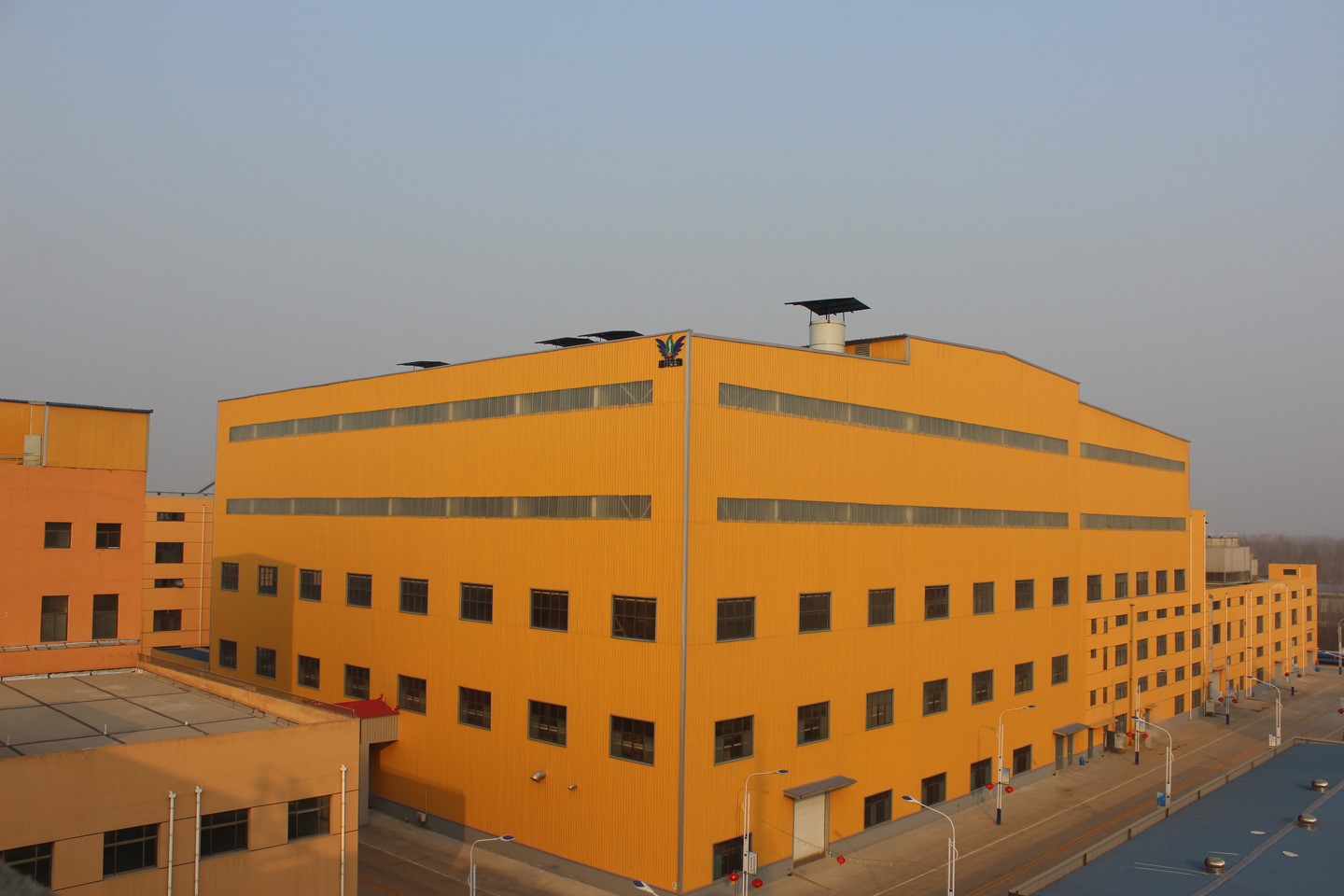
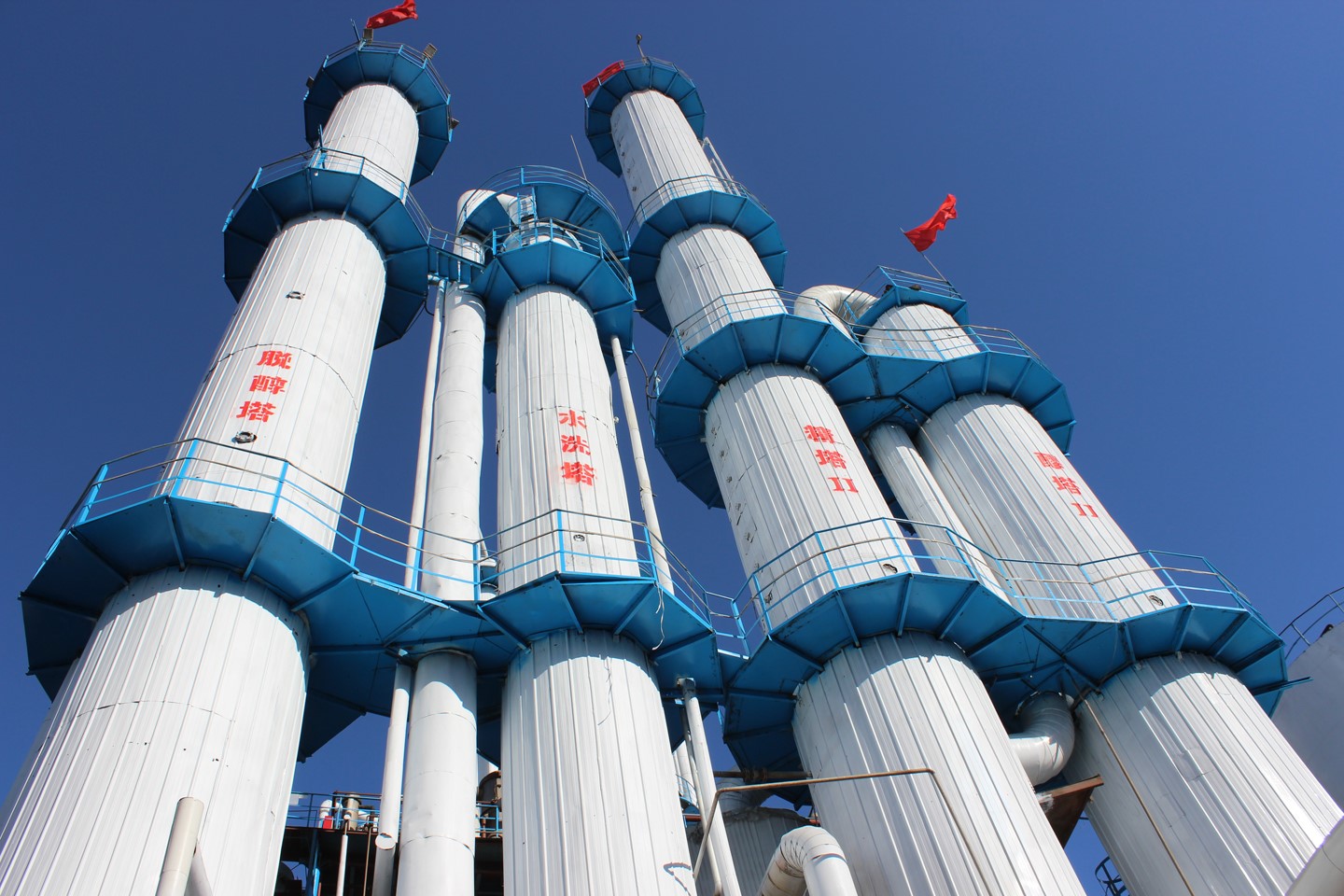
Take an inside look at our advanced manufacturing lines, spray drying towers, and quality control laboratories.
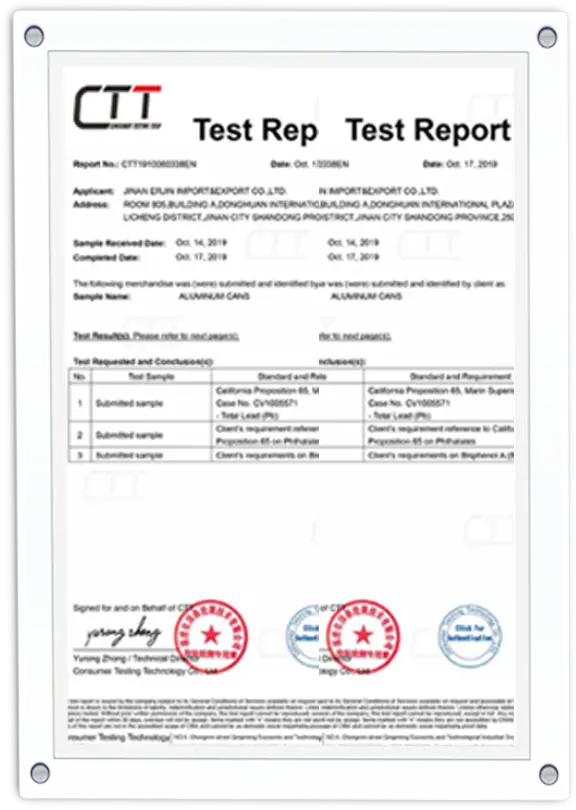
Certifications verifying our raw material safety, Halal processing integrity, and quality control systems.
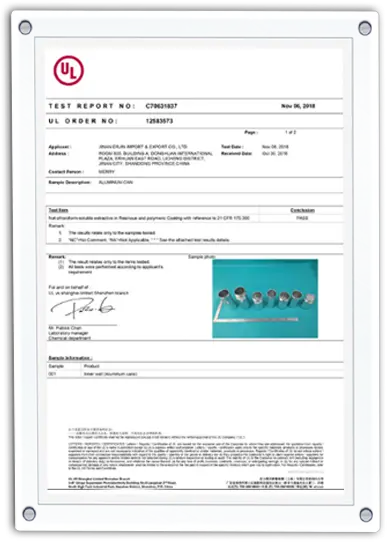
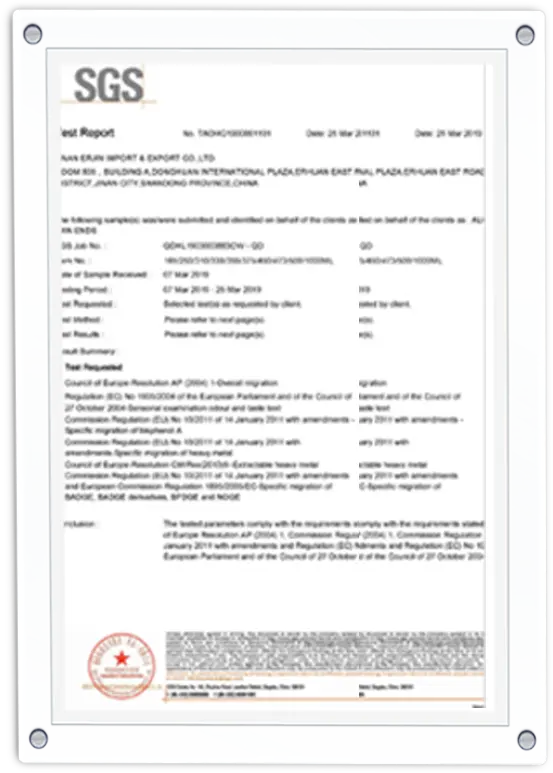
Direct supply options for Doha distributors, food processors, and chemical compounders.
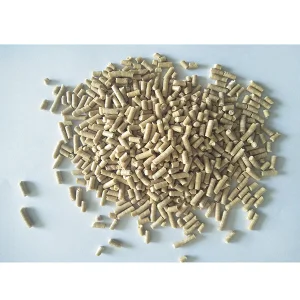
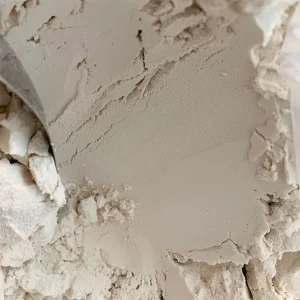
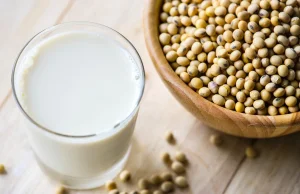
Detailed technical and commercial answers regarding plant proteins and ethanol procurement for the GCC region.
 Xinrui Group