Explore our core selection of high-purity soy and wheat ingredients direct from our integrated manufacturing facilities.
An in-depth perspective on market dynamics, functional specifications, and agricultural economics.
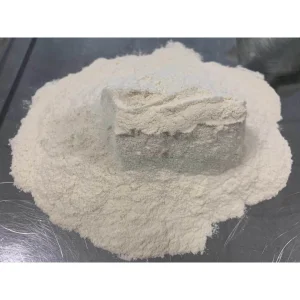
Wheat protein powder, universally recognized in the commercial food processing sector as Vital Wheat Gluten (VWG), has evolved from a simple baking additive to a cornerstone element of global plant-based protein formulations. The unique viscoelastic properties of wheat protein are unparalleled by any other plant protein source, making it an irreplaceable structural agent in breadmaking, meat alternatives, aquaculture feeds, and advanced industrial products.
Driven by the exponential rise of the flexitarian lifestyle and clean-label dietary trends across the Americas, Europe, and Asia-Pacific, the global demand for high-quality vital wheat gluten has skyrocketed. Commercial formulations require not just protein concentration, but functional integrity. At the molecular level, vital wheat gluten is composed of two primary storage protein groups: gliadins, which provide extensibility and viscosity, and glutenins, which deliver elasticity and cohesive strength. When hydrated, these proteins form a continuous, cross-linked viscoelastic network. Controlling the ratio and quality of these proteins during extraction is the primary differentiator of an advanced manufacturer.
Technical Parameter Insight: Commercial grade Vital Wheat Gluten should demonstrate a protein content of ≥82% (on a dry basis), with a moisture level kept strictly below 8%, and a water absorption capacity exceeding 150-180% of its dry weight. These metrics ensure maximum processing yields and structural reliability in automated food manufacturing environments.
Historically, the wheat protein market has faced supply volatility due to changing agricultural yields and regional political challenges. Our manufacturing model mitigates these challenges by establishing localized sourcing agreements combined with ultra-high-efficiency fractionation technology. This dual approach ensures a stable supply of raw inputs and high-purity protein outputs, insulating global purchasers from the pricing spikes typical of the raw commodity market.
How state-of-the-art centrifugal separation defines product purity and physical functionality.
Traditional wheat wet-milling processes, such as the Martin process, rely heavily on massive water consumption and mechanical manipulation, which can easily denature the protein structure. At Guanxian Xinrui Industrial Co., Ltd., we have bypassed these inefficiencies by integrating state-of-the-art Tri-Canter Separation Technology into a completely closed, hygienic processing system.
The manufacturing process begins with premium wheat flour, carefully analyzed for starch-to-protein ratios. The flour is mixed with water in controlled proportions to form a homogeneous slurry. The tri-canter separator utilizes high-speed centrifugal force to continuously separate the slurry into three distinct phases based on density differences:
The light phase yields the vital wheat gluten fraction. Because the separation occurs under minimal thermal stress, the gluten maintains its molecular structure and remains highly active.
The heavy phase contains the large-granule starch A, which is washed, concentrated, and dried for use in high-end food, pharmaceutical, and textile processes.
The liquid stream containing small-granule starch B and soluble pentosans is recovered and directed to downstream bio-refinery plants to generate industrial ethanol and animal feed.
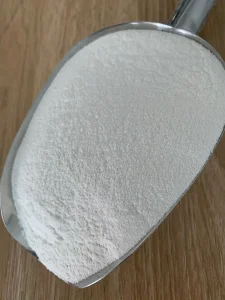
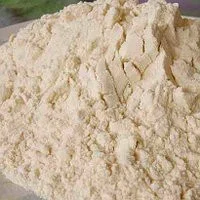
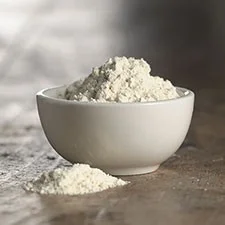
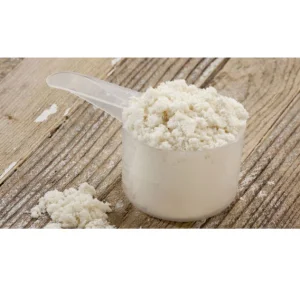
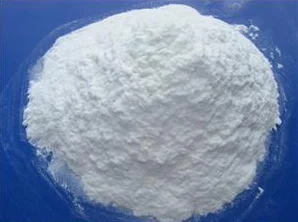
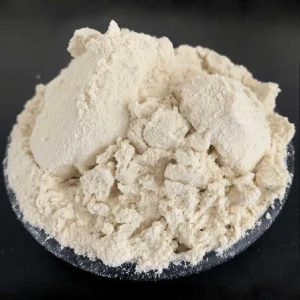
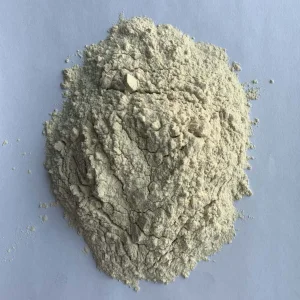
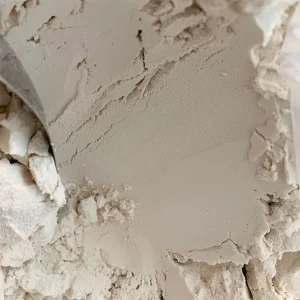
Following separation, the wet gluten is rapidly dried using custom-engineered flash-drying towers (ring dryers). Maintaining a precise temperature curve is critical: if the temperature rises too high, the gluten "kills" (denatures), losing its viscoelastic properties. Our automated control systems ensure the drying air temperatures are regulated within milliseconds, preserving the vital characteristics of the protein. The output is a highly soluble, neutral-tasting, light cream-colored powder that rehydrates instantly to reform a strong gluten structure.
Our massive processing capabilities enable consistent pricing and continuous delivery worldwide.
A look at the structural advantages of integrated clusters in Shandong, China.
Global supply chain disruptions over recent years have made reliability the primary procurement metric. Guanxian Xinrui Industrial Co., Ltd. is positioned in Shandong, the agricultural processing capital of China. By leveraging this geographical cluster, we have constructed a closed-loop circular economy industrial chain that optimizes resource utilization and dramatically lowers manufacturing costs.
Unlike isolated factories that must import raw components and pay high transport costs, our facility operates within an integrated industrial park. The raw wheat flour processed at our plant (500,000 tons annually) is split directly into wheat gluten and starch. Starch B and pentosan byproducts are immediately piped to adjacent fermentation facilities to produce industrial-grade ethyl alcohol (ethanol) and animal feed. This highly efficient loop minimizes waste treatment expenses and maximizes output value.
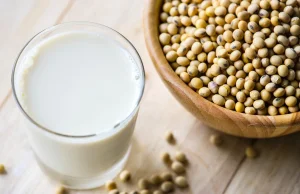
The Non-GMO Advantage: In tandem with our wheat milling, our sister company, Shandong Kawah Oils Co., Ltd., processes 180,000 tons of local non-GMO soybeans annually. This close synergy allows us to offer multi-protein solutions (Soy Protein Isolate, Soy Dietary Fiber, and Vital Wheat Gluten) with consolidated logistics and unified quality control protocols.
Furthermore, our integrated trading division, Guanxian Ruichang Trading Co., Ltd. (founded in 2011 with a registered capital of 6 million Yuan), coordinates international export logistics directly from the factory floor. By managing our own export operations (which account for over 70% of the group's total capacity), we eliminate middleman markups, expedite customs clearances, and provide absolute transparency to our global partners.
Customizing functionality to match local food traditions, culinary dynamics, and industrial workflows.
In Europe and North America, industrial bakeries use vital wheat gluten to adjust flour strength. Adding 1-2% of vital wheat gluten to low-protein flour increases gas retention, crumb structure, and volume in crusty artisan breads, toast, and bagels.
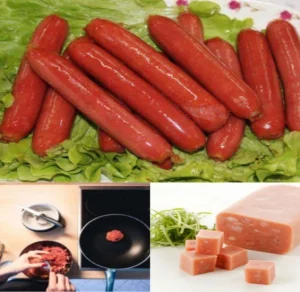
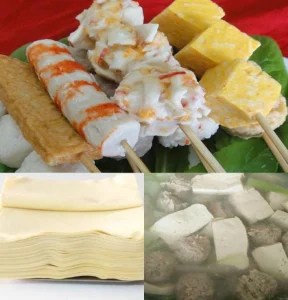
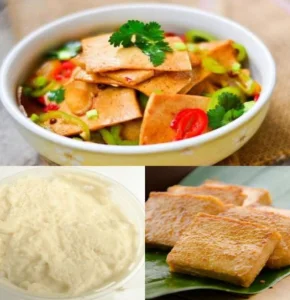
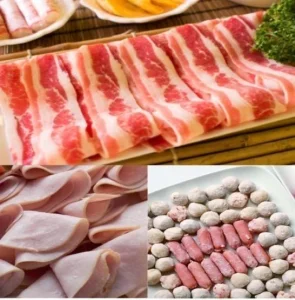
As plant-based meat demands surge across metropolitan regions, wheat protein's fibrous structure makes it the premium choice for vegetarian burgers, vegan sausages, and traditional Asian seitan products.
In aquaculture feed systems (salmon, shrimp), wheat protein acts as both a premium binder and high-protein nutrient source, increasing pellet water stability and minimizing ocean runoff.
Additionally, wheat protein plays a vital role in pasta production. In regions where durum wheat is scarce, milling plants fortify standard soft wheat flour with vital wheat gluten to prevent the pasta from disintegrating during cooking, preserving the "al dente" bite requested by consumers worldwide. In pet foods, the clean-label binding properties of wheat gluten powder eliminate the need for chemical stabilizers and synthetic gums, satisfying the growing demand for natural, high-protein formulations.
Innovation horizons that will shape the plant-based protein sector over the next decade.
As an industry-leading manufacturer, we invest heavily in R&D to anticipate tomorrow's industrial requirements. The next decade of wheat protein powder processing will be defined by smart automation and precise physical modification. Our engineering team is currently researching enzymatically hydrolyzed wheat protein (HWP) lines. By carefully applying food-grade proteases, we can clip specific peptide chains to drastically reduce allergenicity while increasing cold-water dispersibility. This will open up wheat protein to clear functional beverages and specialized clinical nutrition products where it was previously excluded due to its high viscosity.
Furthermore, we are moving toward an AI-assisted process control framework. Sensors throughout the extraction phase will continuously measure variables like wheat grain hardness, wet gluten index, and dry starch moisture content. These data streams will feed into machine learning loops that automatically tune separator rotation speeds and hot-air flow rates in real-time. This level of optimization guarantees that regardless of seasonal variations in raw wheat, the end-user receives a product with identical functional performance, container after container.
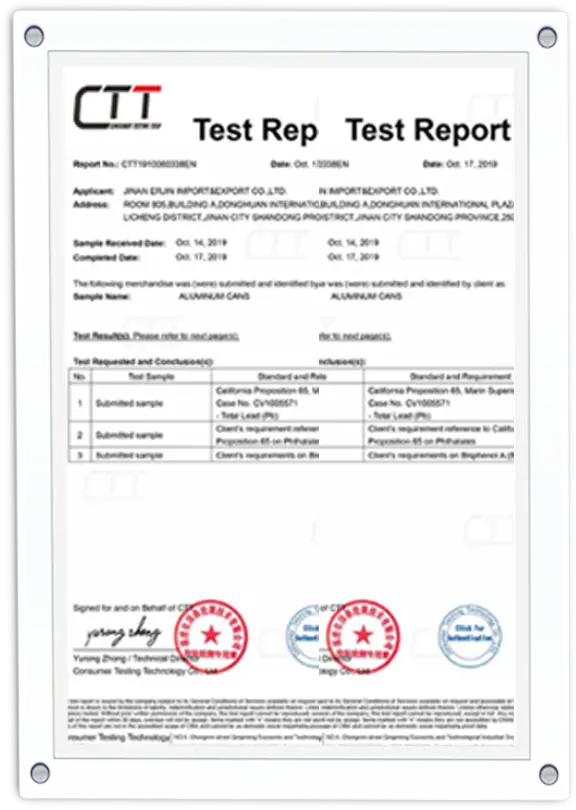
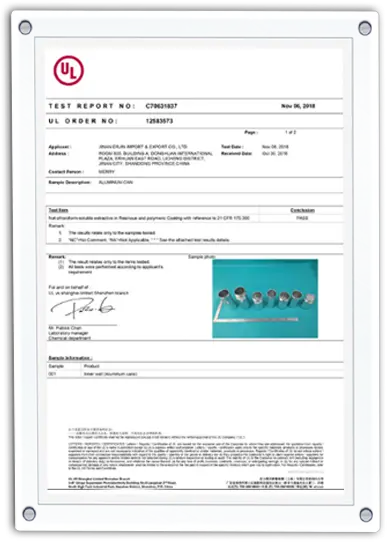
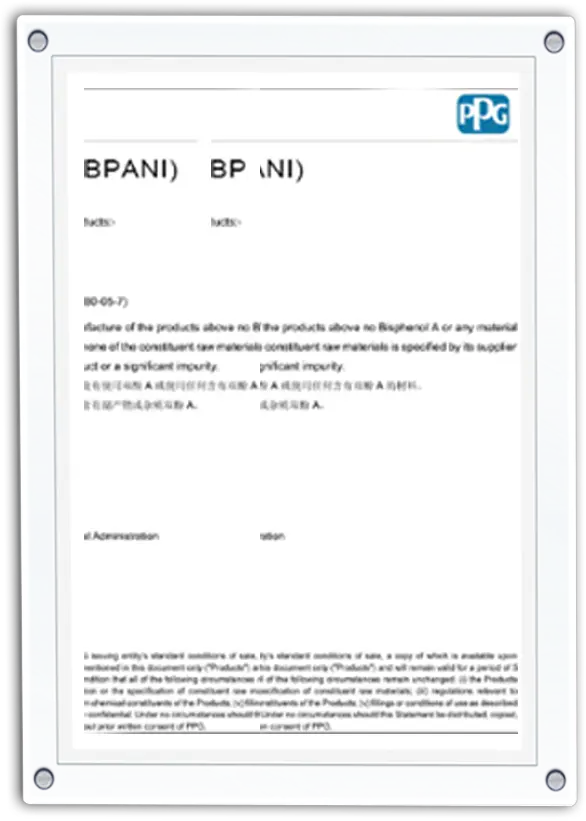
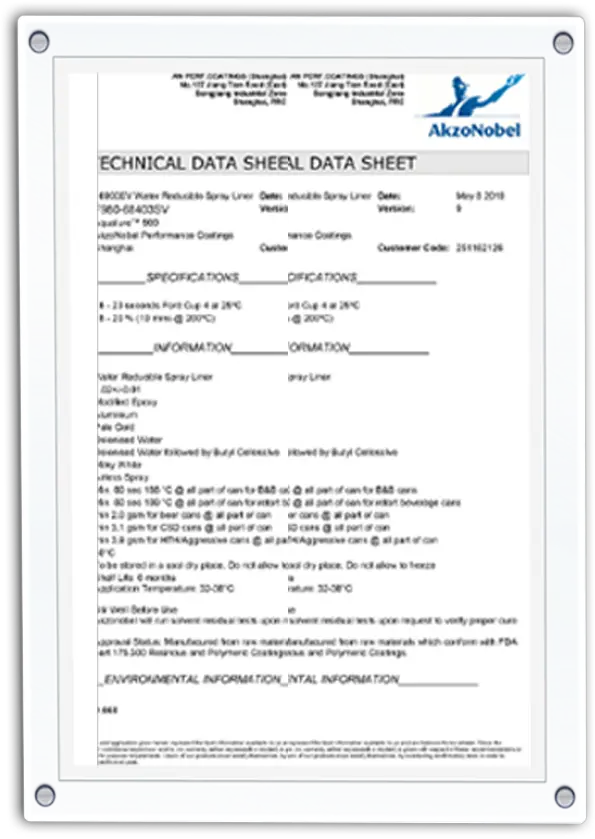
Meeting the safety and cultural standards of global markets with complete audit traceability.
Get a firsthand look at our automated production floors, separation lines, and warehouse packing areas.
Clear, direct answers to the technical and commercial questions most important to food scientists and purchasing managers.
We are an integrated group company named Xinrui Group that brings together advanced manufacturing and global distribution. Our soy protein isolate is manufactured by Shandong Kawah Oils Co., Ltd (annual capacity: 50,000 tons). Our vital wheat gluten is manufactured by Guanxian Xinrui Industrial Co., Ltd. (annual capacity: 30,000 tons). Direct international sales, trade, and logistics operations are managed by our export branch, Guanxian Ruichang Trading Co., Ltd.
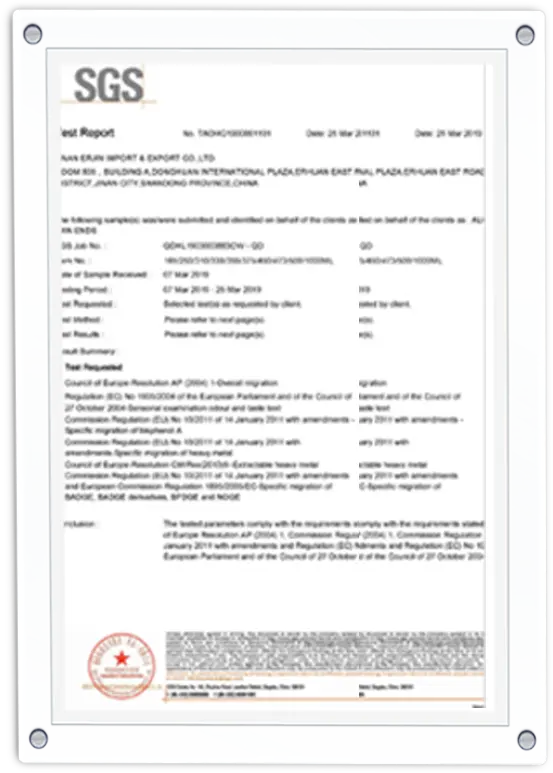
Our facilities are strictly verified under global food safety protocols. We hold official certifications for HACCP, ISO9001, ISO22000, BRC (British Retail Consortium), HALAL, KOSHER, and IP-NON GMO. Third-party testing reports via SGS are available upon request for every shipment lot.
Wheat protein powder (Vital Wheat Gluten) is highly valued for its viscoelastic structure, providing elasticity and chewiness that mimics real muscle tissue, making it perfect for structured plant-based meats. Soy protein isolate is primarily used for its high emulsion capacity and water retention, which provides a smooth, cohesive bite. Combining both proteins allows food formulators to dial in the perfect balance of bite, moisture retention, and texture.
Our flash-drying process maintains moisture levels safely below 8%. This limits microbial activity, giving our vital wheat gluten a shelf life of up to 24 months when stored in a cool, dry warehouse environment, away from direct sunlight and humidity.
By running our own logistics division, Guanxian Ruichang Trading Co., Ltd., we maintain direct accounts with leading ocean carriers and container freight stations. We control the supply chain from the packaging line straight to the port, ensuring proper container inspection, humidity tracking, and rapid transit times.
Select from our complete range of specialized non-GMO soy isolates, native wheat starches, and functional wheat gluten powders.
 Xinrui Group