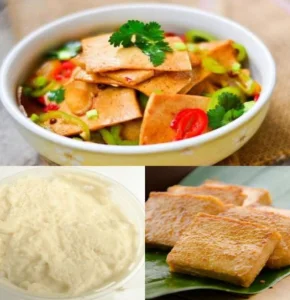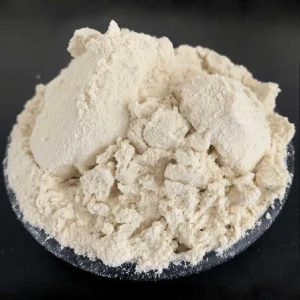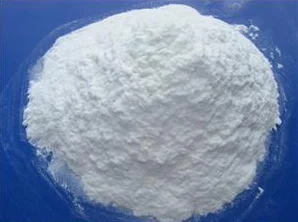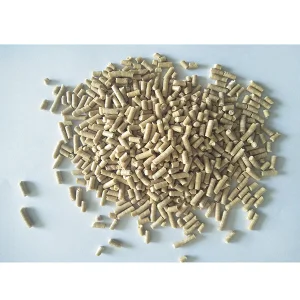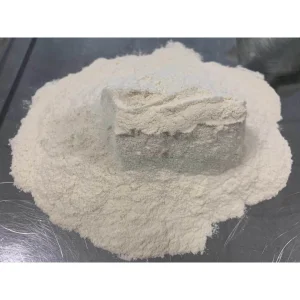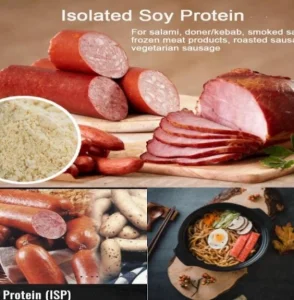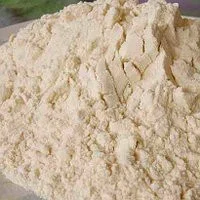
In traditional and modern industrial soy sauce brewing, the conversion of plant proteins into soluble amino acids—principally glutamic acid—determines the umami intensity and grade of the final product. Using high-purity food additives like our Isolated Soy Protein (ISP) and Vital Wheat Gluten allows manufacturers to adjust the dry matter composition of the fermentation mash (Moromi). This optimization acts as a natural booster for nitrogen concentration without resorting to synthetic chemical additives.
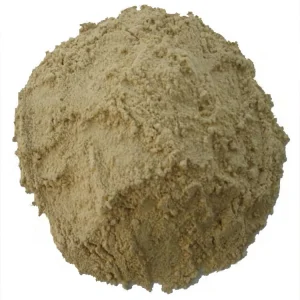
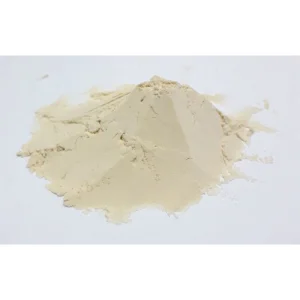
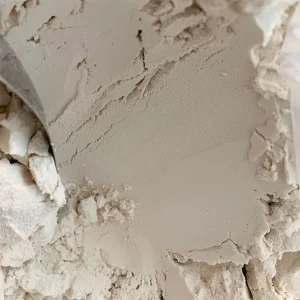
Wheat gluten is exceptionally rich in glutamic acid residue (approximately 35% of total protein). During the enzymatic hydrolysis phase mediated by Aspergillus oryzae, these peptide bonds are broken down efficiently. Incorporating specialized wheat gluten and soy isolates optimizes the total nitrogen (TN) yield, ensuring a consistent premium grade (Special Grade) soy sauce with enhanced sensory profiles.
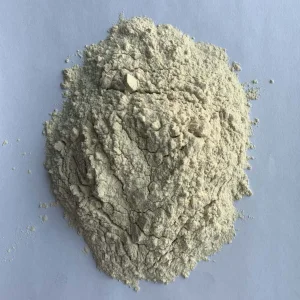
Our Non-GMO Soy Protein Isolates undergo precision thermal-denaturation profiling. This leaves the protein structure accessible to microbial proteases, reducing the fermentation timeline by up to 15% while improving nitrogen yield rates.
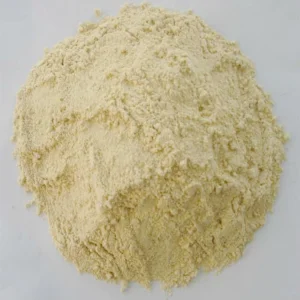
Wheat Starch serves as a clean, high-purity carbohydrate buffer. It manages lactic acid fermentation rates during the early Moromi stage, preventing excessive acidification and stabilizing final flavor precursors.
Operating a highly integrated, circular economy industrial model, we process raw agricultural feedstocks into premium food ingredients with zero waste, minimizing cost while maximizing supply security.
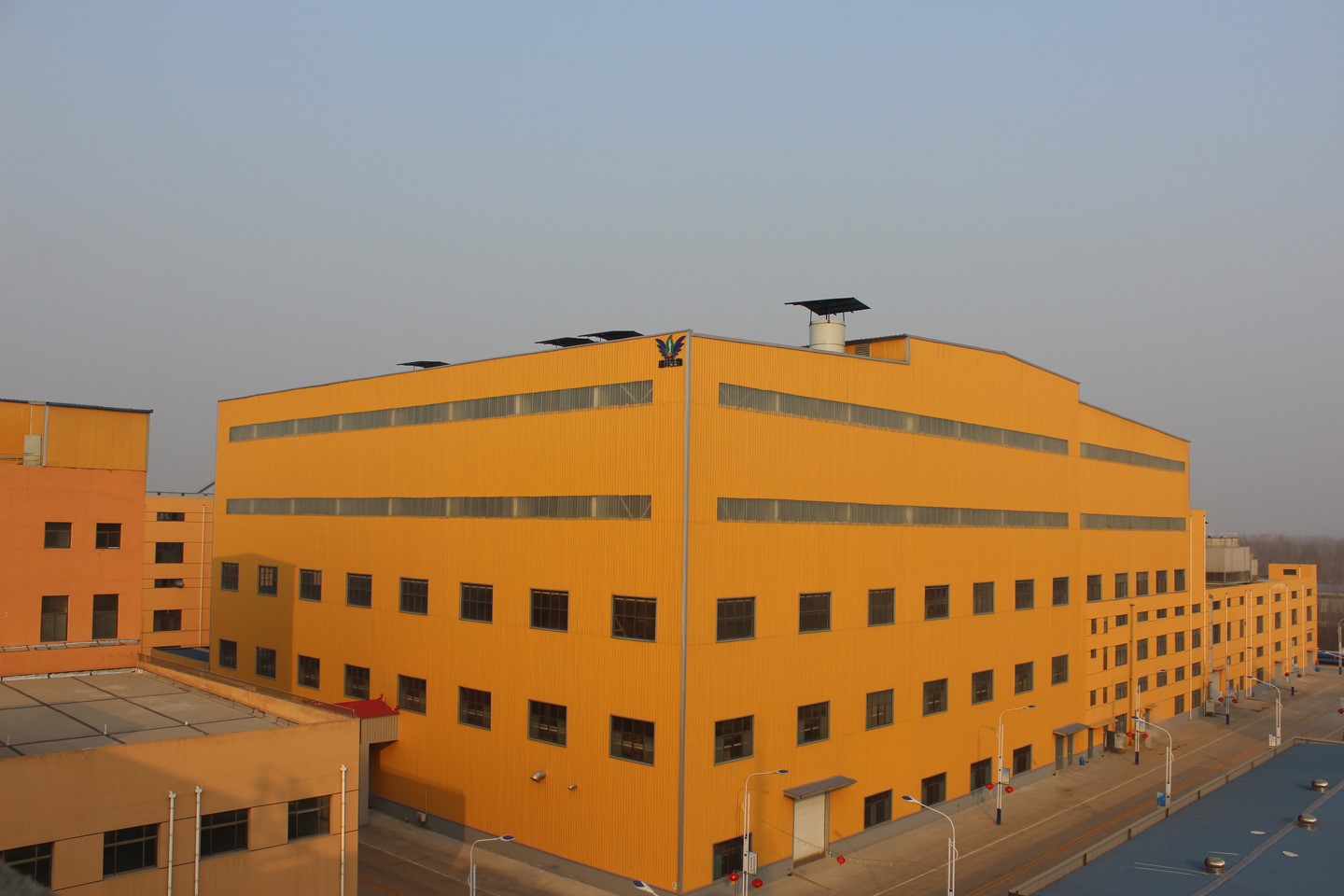
Our soy protein isolate production line, operated by our subsidiary Shandong Kawah Oils Co., Ltd., represents the state-of-the-art in agricultural biotechnology. Equipped with the advanced DACHUANYUAN spray drying tower—which features the largest single-line drying capability in China—we guarantee consistent particle size distribution, outstanding solubility, and micro-biological safety.
In wheat deep-processing, Guanxian Xinrui Industrial Co., Ltd. implements imported tri-canter separation systems. This closed-loop configuration prevents environmental contamination, ensures optimal gluten wash efficiency, and delivers standard-defining Vital Wheat Gluten and high-grade Wheat Starches.
Focuses on high amino acid nitrogen levels and strict clean-label compliance. Our IP certified Non-GMO Isolated Soy Protein is utilized here to formulate premium, long-aged naturally brewed shoyu, increasing yield without modifying flavor profiles.
Southeast Asian formulations often require accelerated fermentation profiles due to ambient tropical conditions. The utilization of low-denaturation vital wheat gluten provides the necessary nitrogen source to optimize Aspergillus mold growth within shorter cycles, satisfying Halal standard controls.
In European and American markets, gluten-free trends and organic demand govern purchase intent. We supply high-purity Non-GMO Soy Dietary Fiber and Wheat Starch to modify viscosity, mouthfeel, and stability in hybrid culinary glazes, dipping sauces, and marinades.
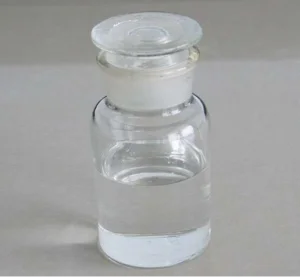
Industrial soy sauce formulation does not end at fermentation. Premium, low-sodium soy sauces require physical and chemical stability pathways during packaging and retail. Our Ethyl Alcohol 95% and 96% Superior Grade, derived from natural starch fermentation within our circular economy loop, acts as a primary, clean-label stabilization agent. Introduced at the finishing phase, it prevents the development of white surface mold (pellicle yeast formation) while acting as a crucial flavor volatizer, enhancing the distinctive aromatic esters of the condiment upon pouring.
As global soy sauce consumption pivots toward low-sodium, organic, and allergen-managed alternatives, the technical requirements for raw input ingredients have tightened. Our R&D division is focused on the next generation of partially hydrolyzed plant proteins designed to integrate seamlessly into liquid mash stages without precipitating out over long-term storage.
Furthermore, our integrated heating and gas cogeneration utilities at the Xinrui Group park reduce our carbon footprint per ton of protein produced. This supply security allows global brands to trace their raw material inputs from our domestic Non-GMO planting bases directly through processing and final shipping, securing a highly resilient supply chain that easily navigates modern carbon border adjustment taxes (CBAM).

Examine our plant operations, processing scale, and automated packaging systems. Transparency underpins our E-E-A-T commitment to food manufacturers worldwide.
Ensuring smooth cross-border clearance and strict conformity to localized food regulations, our ingredients are fully certified for export to over 80 countries.
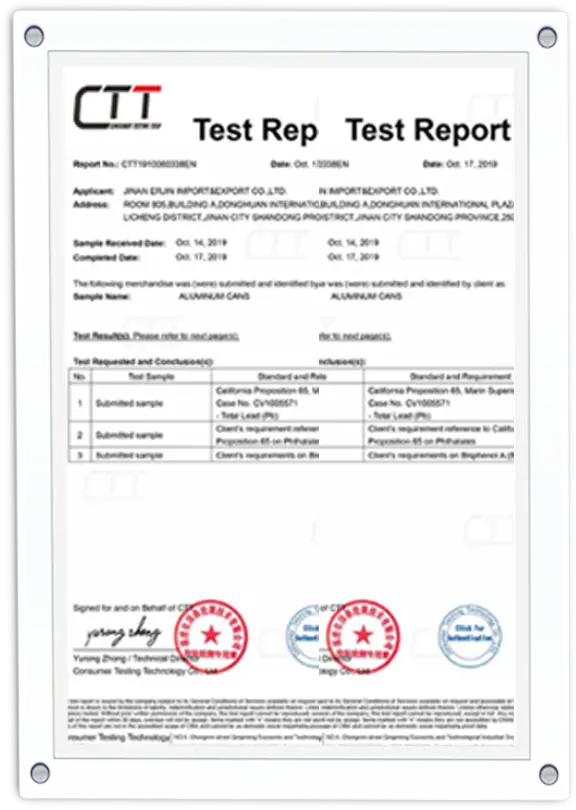
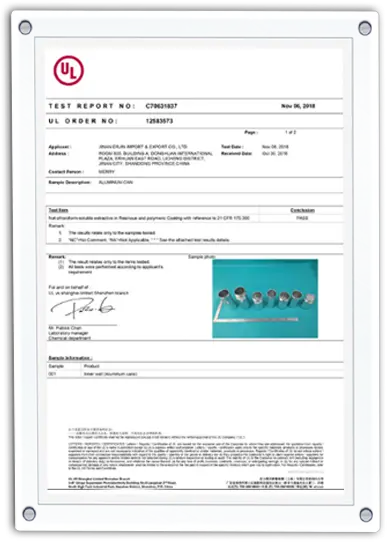
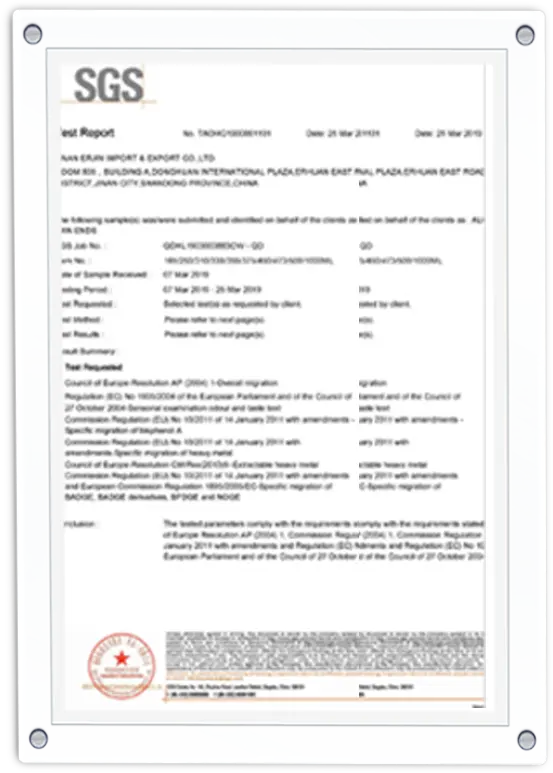
Through our primary international trade vehicle, Guanxian Ruichang Trading Co., Ltd. (established in 2011), we directly export over 70% of our group's capacity, providing global freight logistics, customs brokerage, and local technical documentation alignment.
 Xinrui Group