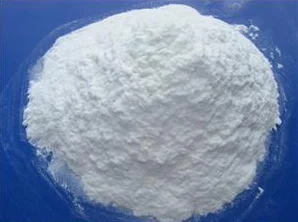
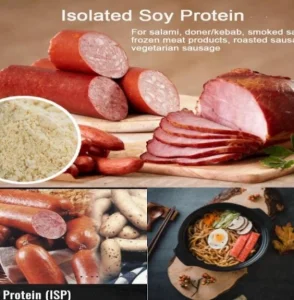
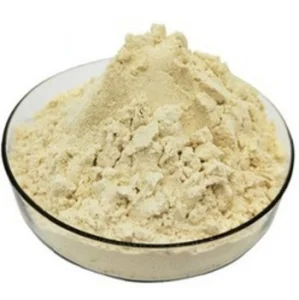
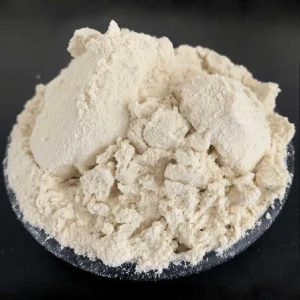
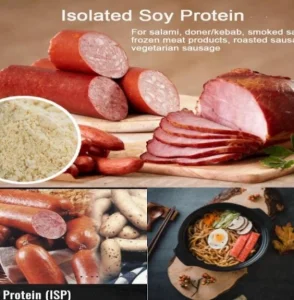
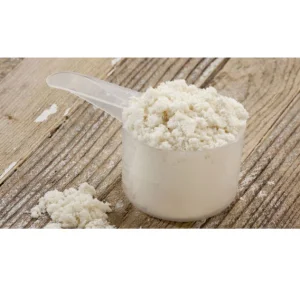
Explore our industrial-grade, highly functional soy protein isolate formulations optimized for emulsification, gelation, and texture reinforcement.
In the contemporary food processing industry, formulating high-yield, nutritionally optimized, and texture-stable products is of paramount importance. Soy Protein Isolate (SPI) Food Grade stands as the functional pinnacle of plant-based protein science, providing at least 90% dry-basis protein content with minimal fat and carbohydrate fractions. As global consumer demand migrates toward clean-label, plant-forward, and allergen-managed formulations, commercial food manufacturers are increasingly recognizing that the chemical and rheological properties of soy isolates directly govern finished product success.
Information Gain Insight: Not all Soy Protein Isolates are created equal. The mechanical separation threshold, pH-neutral extraction methodology, and spray-drying temperature kinetics directly determine the protein's native state retention, affecting downstream parameters like water absorption index (WAI) and critical gelation concentration.
Soy protein isolates consist predominantly of two major globulin storage fractions: 7S (conglycinin) and 11S (glycinin). The structural ratio of these fractions controls the thermal gelation kinetics. 11S glycinin contains more disulfide bonds, yielding a firmer, more elastic gel upon heating. By selectively managing our extraction parameters at the molecular level, Shandong Kawah Oils generates isolated soy proteins tailored for specific target applications:
Maintains solid lipid-water matrices under high thermal stress, preventing oil separation in commercial meat processing and canned emulsified foods.
100% trace-monitored, IP-verified Non-GMO raw materials sourced from native cultivation zones, assuring clean certifications for export markets.
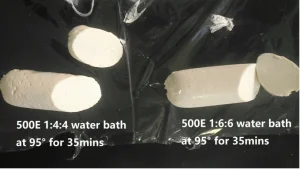
Controls water binding ratios up to 1:6 (protein to water), improving yield efficiency and juiciness in retail vegan analogues.
Global procurement specialists understand that production capacity and integrated logistics form the core of supply chain resilience. Our facility in Guanxian, Shandong, represents the state-of-the-art in agricultural biotechnology deep-processing, operating an annual capacity processing 180,000 tons of Non-GMO soybeans alongside 500,000 tons of wheat flour.
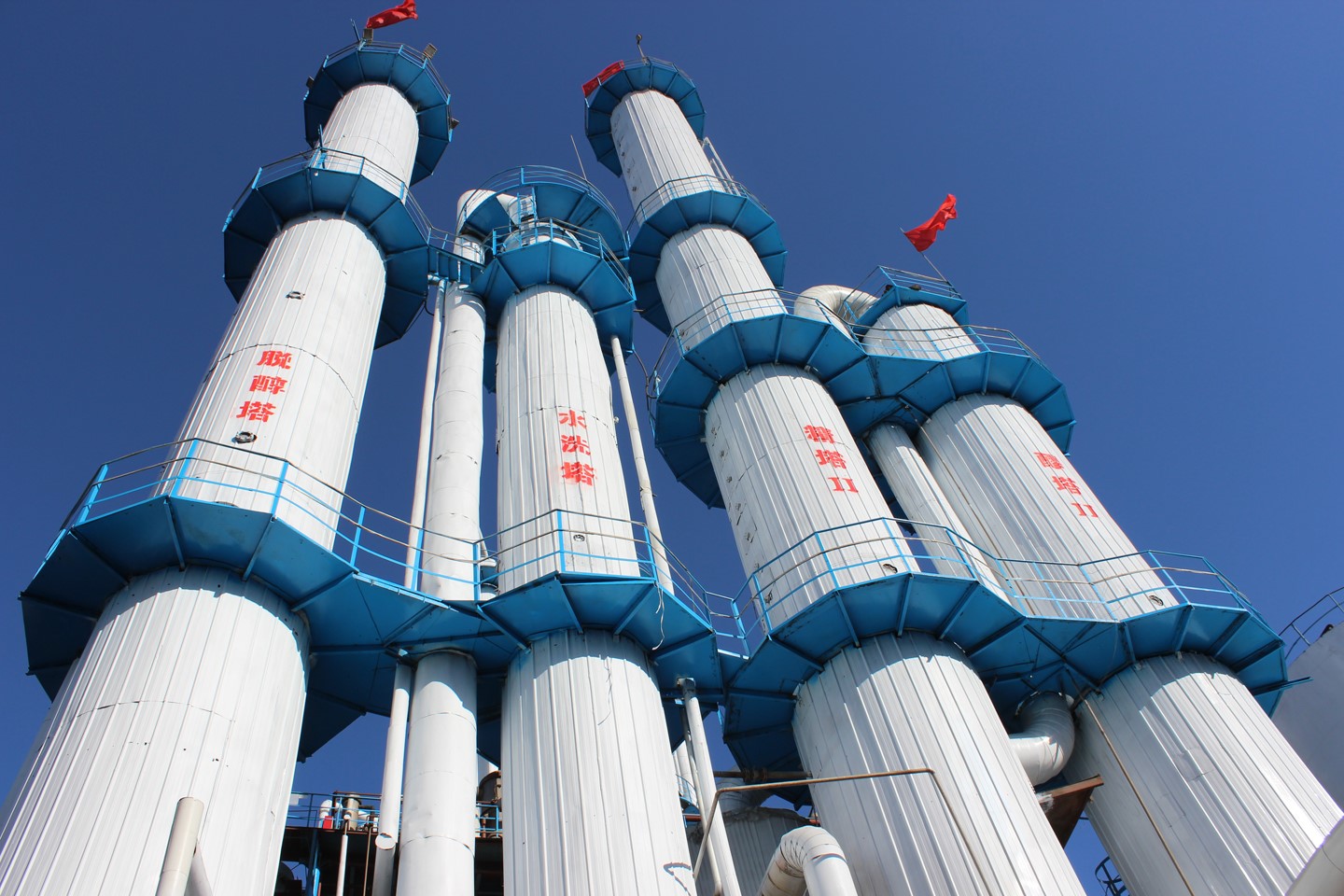
By using low-temperature food-grade soybean meal as the primary substrate, Shandong Kawah Oils Co., Ltd operates the largest single-line spray drying tower system in China, manufactured by the internationally recognized DACHUANYUAN. This system allows for precise droplet dispersion and rapid dehydration kinetics, maintaining the native conformational structure of the proteins and minimizing denaturation.
Review the primary chemical profiles, functional attributes, and key application zones for our isolated soy protein portfolio.
| Model Grade | Primary Functional Focus | Protein (Dry Basis) | Moisture Profile | Water-Binding Capacity | Key Application Fields |
|---|---|---|---|---|---|
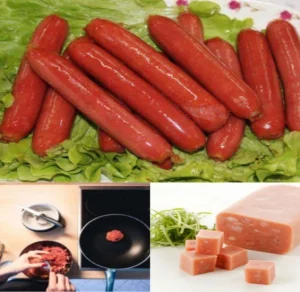
| 9001BW / 9001B-Y | Emulsification & Gelation | ≥ 90.0% | ≤ 7.0% | 1:5.0 - 1:5.5 | Emulsified sausages, meatballs, ham, canned meats |
| 9500 | High Viscosity & Emulsion | ≥ 90.0% | ≤ 7.0% | 1:5.5 - 1:6.0 | High-temperature processed meats, quick-frozen foods |
| 9003B / 9003BA | Gelled Texture Reinforcement | ≥ 90.0% | ≤ 7.0% | 1:4.5 - 1:5.0 | Vegetarian burger patties, plant-based nuggets, surimi |
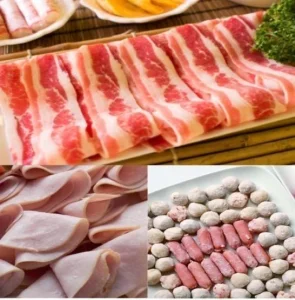
| 9020 / 9026 / 9028 | High Solubility & Low Viscosity | ≥ 90.0% | ≤ 6.5% | 1:4.0 - 1:4.5 | Brine injection systems, poultry breasts, premium hams |
| 9030 / 9032 | High Dispersion & Hydration | ≥ 90.0% | ≤ 6.0% | 1:3.0 - 1:3.5 | Protein beverage powders, meal replacement shakes, dairy mixes |
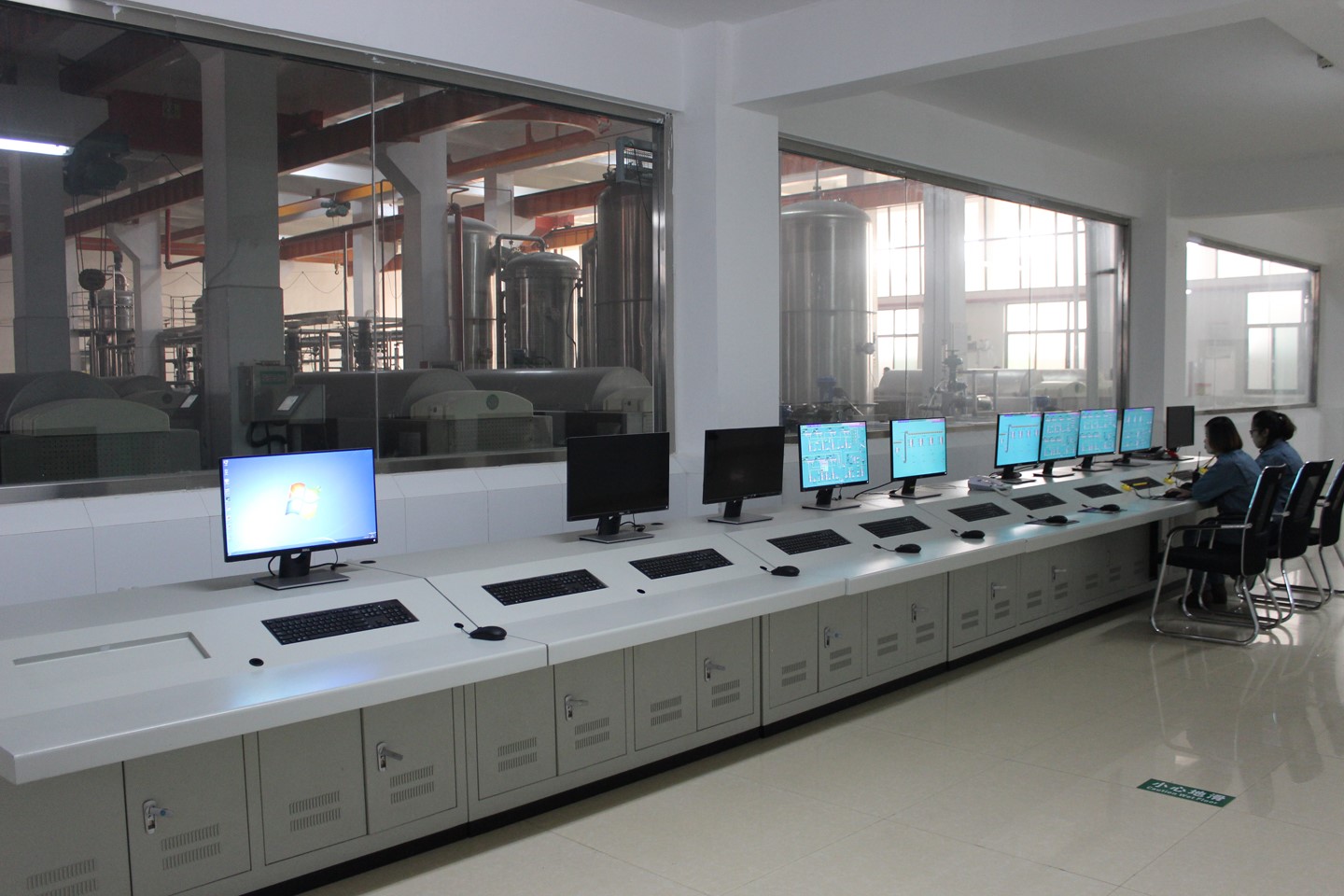
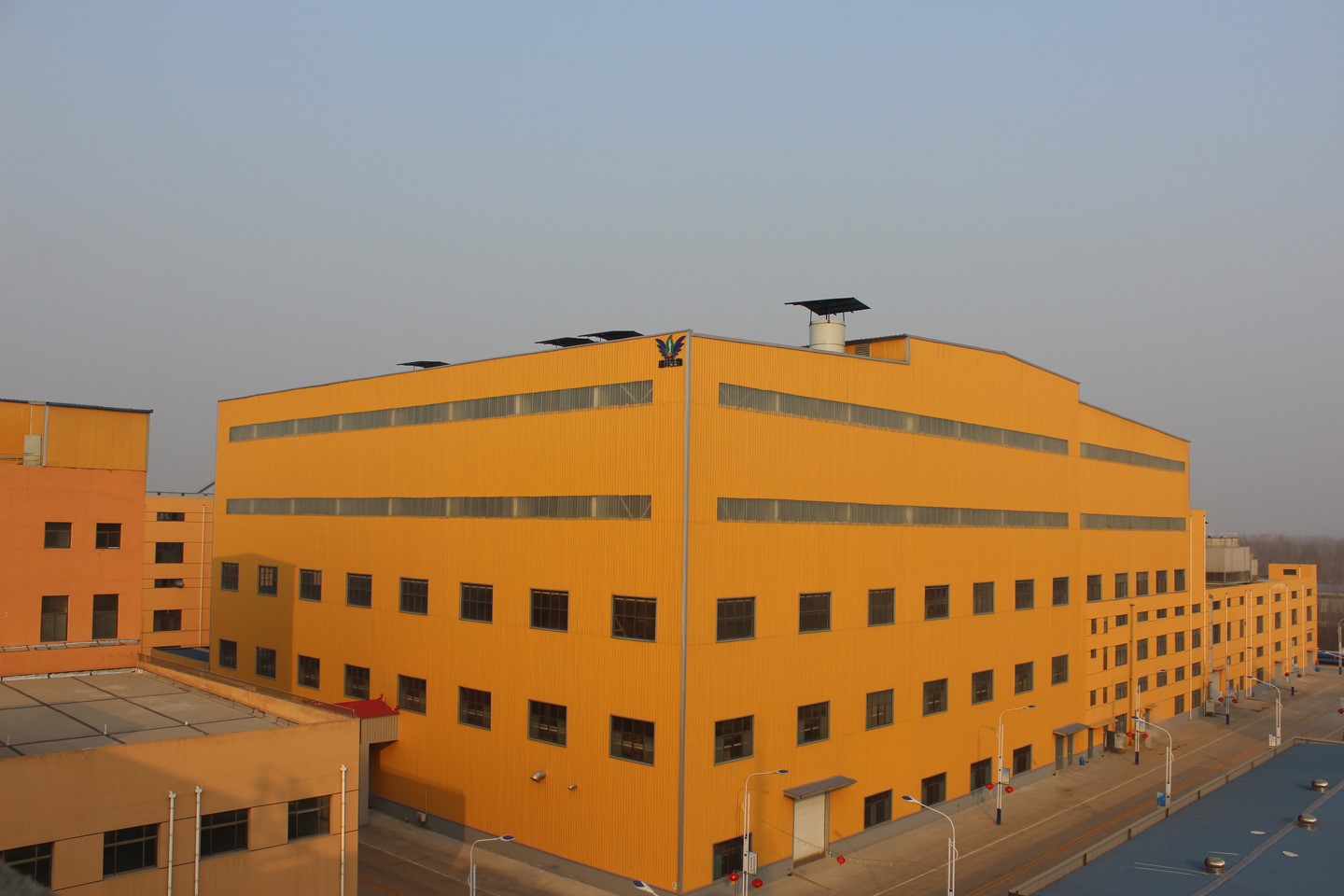
Operational transparency is the bedrock of reliability. Below is our manufacturing complex and processing lines.
Established in May 2003, Xinrui Group covers a total area of more than 1,000 mu. Under our diversified structure, we manage Guanxian Xinrui Industrial Co., Ltd. (formerly known as Guanxian Ruixiang Biotechnology Development Co., Ltd), running our own livelihood cogeneration, urban heating, and gas supply systems. This internal utility stability insulates our production lines from thermal and power fluctuations, guaranteeing consistent spray dryer operation and stable supply lead-times for our global partners.
Watch our on-site production lines, laboratory processing, and functional testing to verify our standard operations.
Direct access video: Factory operations, automated packing lines, and logistics handling for global export container loading.
Navigating varying regional regulatory requirements is a critical factor for global procurement. Our QA workflows are aligned with international guidelines.
Rigorous Identity Preservation (IP) systems monitor seeds, planting fields, harvesting machines, transit, storage, and processing lines to guarantee the absence of GMO contamination.
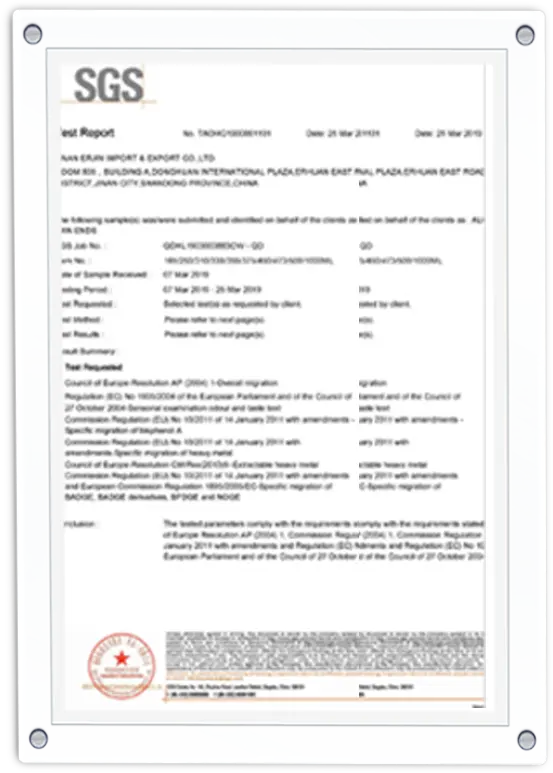
Fully certified under HACCP, ISO9001, ISO22000, BRC (British Retail Consortium), HALAL, KOSHER, and SGS testing protocols to ensure rapid entry into global ports.
Export documentation including Health Certificates, Phytosanitary Certificates, Certificate of Analysis (COA), Allergen Declarations, and custom packing specs managed by Ruichang Trading.
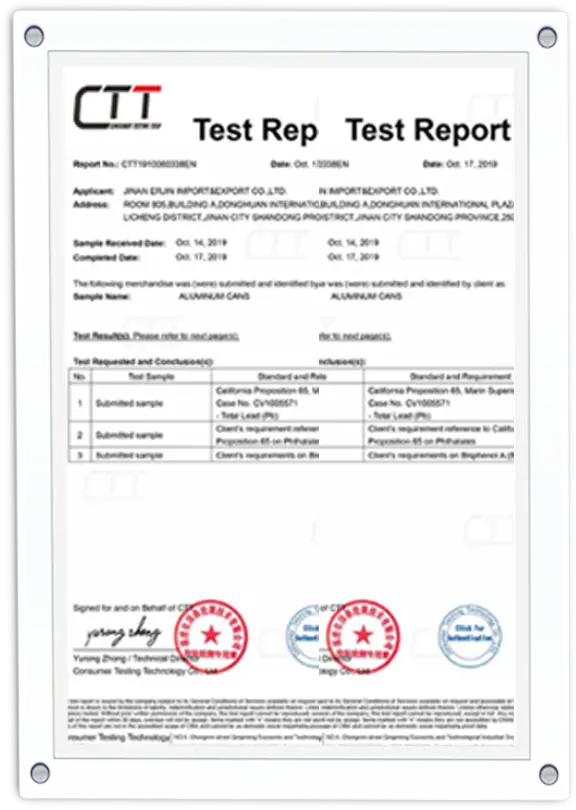
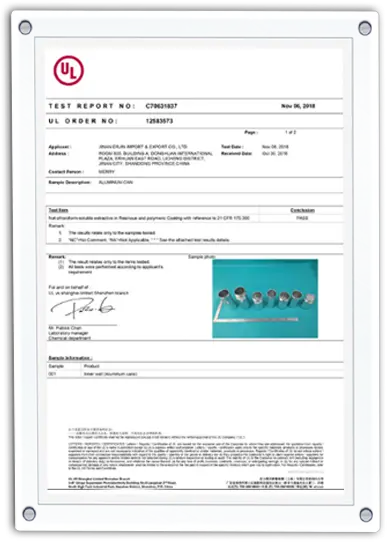
Authoritative, detailed clarifications on chemical specifications, purchasing procedures, logistics, and quality assurance.
We are an integrated group company named Xinrui Group, which combines manufacturing plants with a dedicated export division. The manufacturer of soy protein isolate is Shandong Kawah Oils Co., Ltd, which processes and produces 50,000 tons of isolated soy protein per year. The manufacturer of wheat gluten is Guanxian Xinrui Industrial Co., Ltd. (formerly Guanxian Ruixiang Biotechnology Development Co., Ltd), producing 30,000 tons of vital wheat gluten per year. All international sales, billing, and logistical clearances are managed by our export trade arm, Guanxian Ruichang Trading Co., Ltd., exporting over 70% of our production capacity.
Our facilities maintain certifications compliant with strict global food standards. These include HACCP, ISO9001, ISO22000, BRC (British Retail Consortium), HALAL, KOSHER, IP-NON GMO, and SGS testing. Upon request, we also provide custom third-party chemical and physical assessments for specific shipping ports.
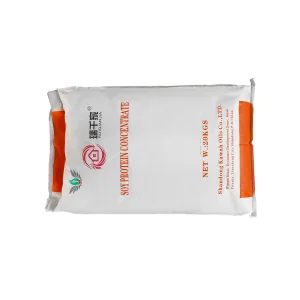
Our Food Grade Soy Protein Isolate has a guaranteed shelf life of 12-24 months from the manufacturing date, provided it is kept in original, unopened packaging, stored at temperatures below 25°C (77°F), and at relative humidity below 60%. The typical packaging is 20kg or 25kg multi-layer kraft paper bags lined with food-grade polyethylene, but we can accommodate bulk supersack (tote bag) requirements for large scale manufacturing.
We prevent GMO cross-contamination by implementing strict segregation processes. Our raw materials are domestically sourced Non-GMO soybeans verified at the planting base level. Within the Shandong Kawah Oils plant, the production lines are dedicated to Non-GMO processing, and we conduct regular PCR testing at multiple steps (raw soybeans, soy meal, and finished isolate powder) to verify compliance with IP (Identity Preservation) standards.
Our standard commercial MOQ for export is a single 20-foot container (approximately 10-12 metric tons, depending on palletization preferences). Standard lead times range from 14 to 21 days from receipt of deposit or L/C confirmation, to the point of vessel departure from Qingdao Port.
Explore our complete catalog of food ingredients, including dispersion-type isolates, dietary fibers, and functional wheat gluten.
 Xinrui Group